Ordinary
Meeting of Council
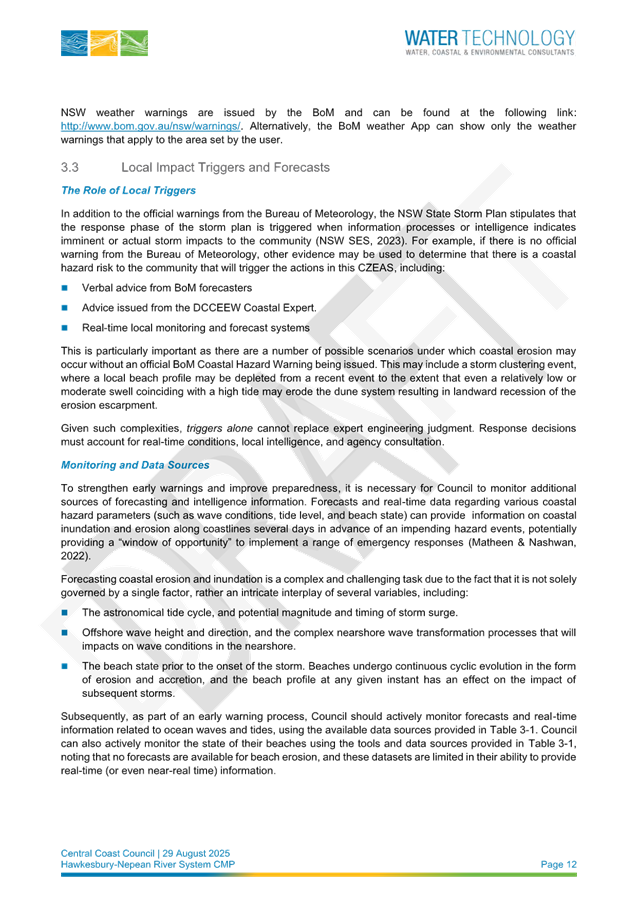
TO
BE HELD ON Tuesday, 18 November 2025 AT 7:00 PM
Level
3, Council Chamber
Agenda
** ** ** ** ** **
NOTE:
For Full Details, See Council’s Website –
https://www.krg.nsw.gov.au under the
link to business papers
The Livestream can be viewed here:
https://www.krg.nsw.gov.au/Council/Council-meetings/Council-meeting-live-stream
Disclaimer: All Ku-ring-gai Council Ordinary Meetings of
Council are livestreamed for on-demand viewing on the KRG website. Although
Council will do its best to ensure the public is excluded from the livestream,
Council cannot guarantee a person’s image and/or voice won’t be
broadcast. Accordingly, attendance at Council meetings is considered consent by
a person for their image and/or voice to be webcast. Council accepts no
liability for any damage that may result from defamatory comments made by
persons attending meetings. As per clause 15.21 of Council’s Code of
Meeting Practice, a person must not live stream or use an audio recorder, video
camera, mobile phone or any other device to make a recording or photograph of
the proceedings of a meeting of the council or a committee of the council
without the prior authorisation of the council.
In accordance with clause 3.23 of the Model Code of Meeting Practice,
Councillors are reminded of the oath or affirmation of office made under
section 233A of the Act, and of their obligations under the Council’s
Code of Conduct to disclose and appropriately manage conflicts of interest.
Please refer to
Part 4 of Council’s Code of Conduct for Pecuniary Interests and Part 5 of
Council’s Code of Conduct for Non-Pecuniary Interests.
The Oath or
Affirmation taken is as below:
Oath:
I [name of
Councillor] swear that I will undertake the duties of the office of
Councillor in the best interests of the people of the Ku-ring-gai Local
Government area and the Ku-ring-gai Council, and that I will faithfully and
impartially carry out the functions, powers, authorities and discretions vested
in me under the Local Government Act 1993 or any other Act to the best
of my ability and judgement.
Affirmation:
I [name of
Councillor] solemnly and sincerely declare and affirm that I will undertake
the duties of the office of Councillor in the best interests of the people of
the Ku-ring-gai Local Government area and the Ku-ring-gai Council, and that I
will faithfully and impartially carry out the functions, powers, authorities
and discretions vested in me under the Local Government Act 1993 or any
other Act to the best of my ability and judgement.
APOLOGIEs
DECLARATIONS OF INTEREST
Documents Circulated to Councillors
Confirmation of Reports to be
Considered in Closed Meeting
NOTE:
That in accordance with the provisions of Section 10 of the Local
Government Act 1993, all officers’ reports be released to the press and
public, with the exception of following confidential report(s) and attachments:
C.1 Council
Position on the operation of the Ku-ring-gai High School Hockey Facility
In accordance with 10A(2)(d)(ii):
Attachment 1: Ku-ring-gai Hockey (Final Otium Report_Nov 2021
C.2 Project
Review
In accordance with 10A(2)(g):
NOTE:
That in accordance with the provisions of Section 10 of the Local
Government Act 1993, all officers’ reports be released to the press and
public, with the exception of confidential attachments to the following General
Business reports:
GB.12 RFT11-2025
- Management and Operation of St Ives High School Sports Centre
In accordance with 10A(2)(c):
Attachment 1: List of Tenders Received
In accordance with 10A(2)(c):
Attachment 2: Tender Prices Received
In accordance with 10A(2)(d)(i):
Attachment 3: Financial Assessment
In accordance with 10A(2)(c):
Attachment 4: Tender Evaluation Report
CONFIRMATION OF MINUTEs
Minutes
of Ordinary Meeting of Council 13
File: EM00046/9
Meeting held 21 October 2025
Minutes numbered 185 to 206
minutes from the Mayor
Petitions
GENERAL BUSINESS
i.
The Mayor to invite Councillors to nominate
any item(s) on the Agenda that they wish to have a site inspection.
ii.
The Mayor to invite Councillors to
nominate any item(s) on the Agenda that they wish to adopt in accordance with
the officer’s recommendation allowing for minor changes without debate.
GB.1 Minutes of
Audit, Risk & Improvement Committee Meetings held on 4 and 18 September
2025 33
File: CY00458/13
To provide Council with the
minutes from the Audit, Risk & Improvement Committee meetings held on 4 and
18 September 2025 for adoption.
Recommendation:
That the minutes from the Audit,
Risk & Improvement Committee meetings held on 4 and 18 September 2025 be
adopted.
GB.2 Heritage
Reference Committee meeting minutes of 2 October 2025 46
File: CY00413/13
To have Council consider the
minutes from previous Heritage Reference Committee (‘HRC’) meeting
held on 2 October 2025.
Recommendation:
That Council receives and notes
the HRC minutes from 2 October 2025.
GB.3 Update to
Fraud and Corruption Control Policy and Strategy 52
File: CY00458/13
To seek Council’s adoption
of the updated Fraud and Corruption Control Policy (CDN115) and to note the
updated Fraud and Corruption Control Strategy (CDN174).
Recommendation:
It is recommended that Council:
A. Adopt
the updated Fraud and Corruption Control Policy (CDN115) as shown in Attachment
A1.
B. Note
the updated Fraud and Corruption Control Strategy (CDN174) as shown in
Attachment A2.
GB.4 Improve
Asset Utilisation and Support the Arts in Ku-ring-gai 90
File: FY00713
The purpose of this report is to
present for Council’s consideration a draft framework for the Stages and
Spaces: Ku-ring-gai Creative 12-Month Pilot Program, incorporating
a targeted review of community facilities to encourage higher utilisation,
support local artists and creative practitioners, and strengthen community
participation in the arts.
Recommendation:
That Council endorse the Stages
and Spaces: Ku-ring-gai Creative 12-Month Pilot Program as outlined in this
report, incorporating feedback from Council’s Advisory Committees to
enhance accessibility, inclusivity, and administrative simplicity.
GB.5 Investment
Report as at 31 October 2025 104
File: FY00623/8
To present Council’s
investment portfolio performance for October 2025.
Recommendation:
That the summary of investments
performance for October 2025 be received and noted; and that the Certificate of
the Responsible Accounting Officer be noted and the report adopted.
GB.6 Analysis of
Land and Environment Court Costs - 1st Quarter 2025 to 2026 112
File: FY00623/8
To report legal
costs in relation to development appeal matters in the Land and Environment
Court for the quarter ended 30 September 2025.
Recommendation:
That the
analysis of Land and Environment Court costs for the period ended 30 September
2025 be received and noted.
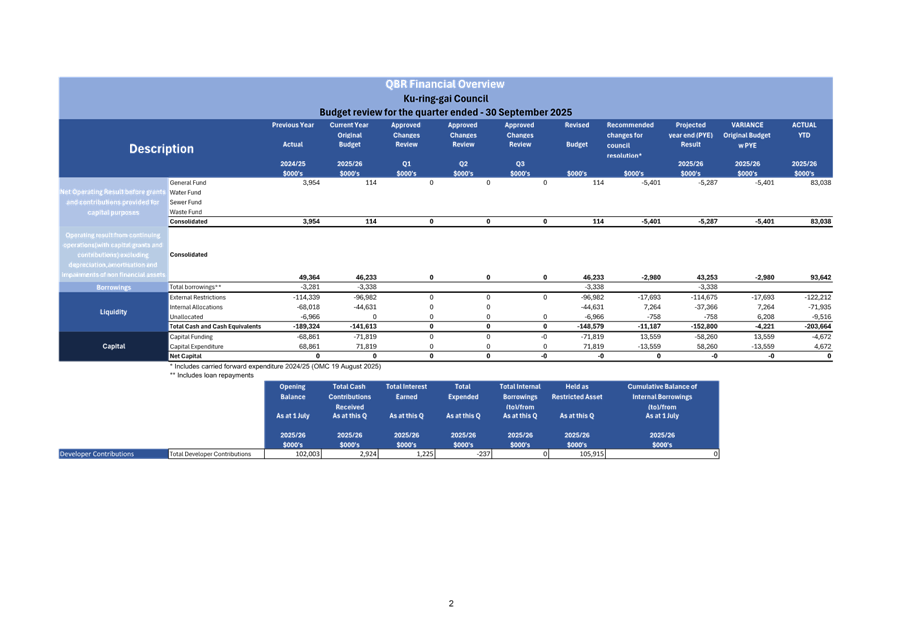
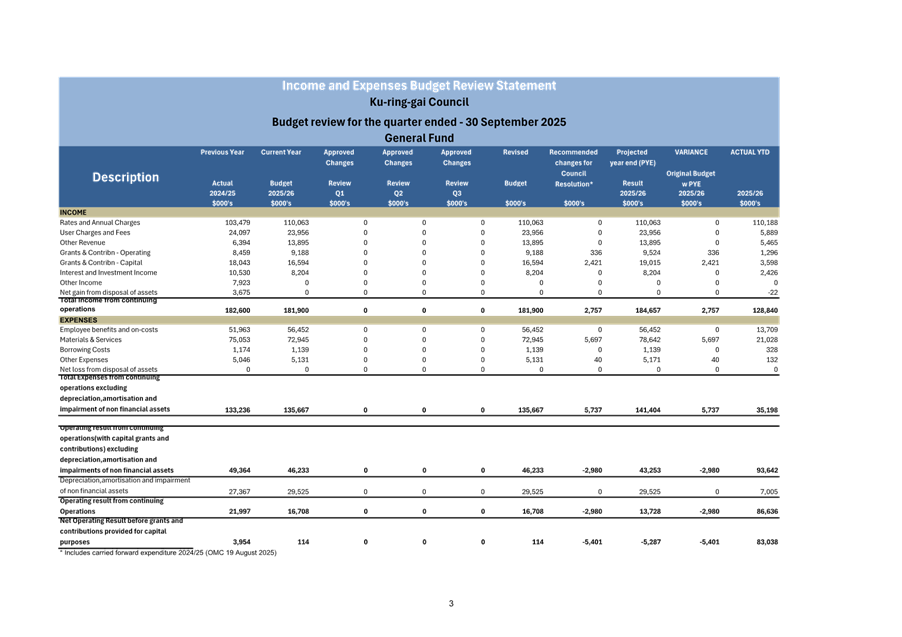
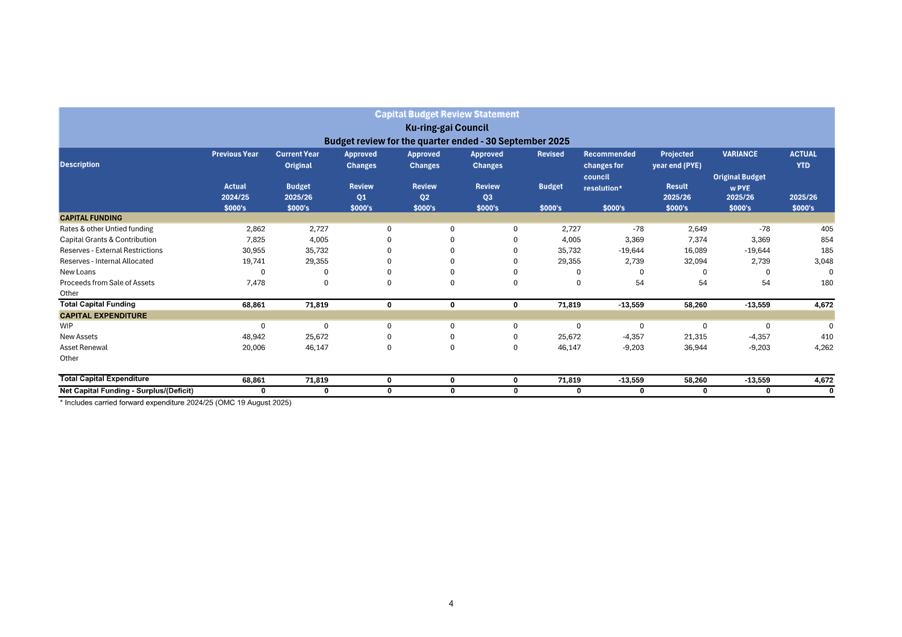
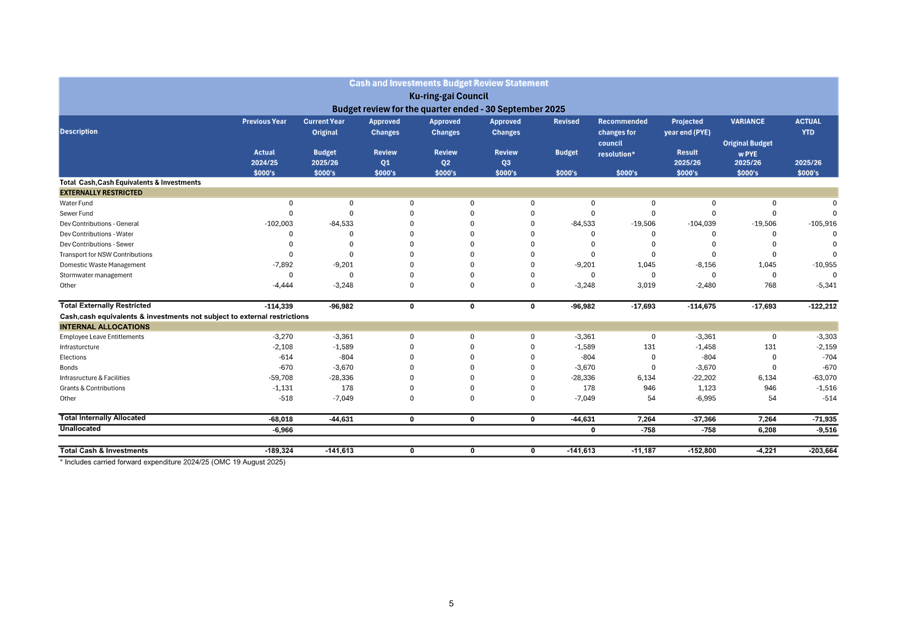
GB.7 2025 - 2026
Budget Review - 1st Quarter ended September 2025 126
File: FY00701/2
To inform
Council of the results of the first quarter budget review of 2025/26 and
proposed adjustments to the annual budget based on the actual financial
performance and trend for the period 1 July 2025 to 30 September
2025.
Recommendation:
That the 2025/26
September Quarterly Budget Review and the recommended changes are received and
noted.
GB.8 Review of
Rates, Charges and Sundry Debts - Assistance Concessions, and Recovery Policy 188
File: CY00473/12
For Council to
adopt the updated “Rates, Charges and Sundry Debts - Assistance,
Concessions and Recovery” Policy
Recommendation:
That the updated
“Rates, Charges and Sundry Debts –
Assistance, Concessions and Recovery” Policy be adopted
by Council.
GB.9 Ku-ring-gai
Council Meeting and Public Forum Dates for 2026 201
File: EM00046/10
To set Council Meeting and Public Forum dates for 2026.
Recommendation:
That Council adopt the proposed Council Meeting and Public
Forum dates for 2026.
GB.10 Ku-ring-gai
Council Annual Report 2024-2025 206
File: FY00561/14
To seek Council endorsement of the draft Annual Report for
2024–2025.
Recommendation:
That Council:
A. Endorse the Annual Report 2024-2025, subject to final
proofing and editing.
B. Note that the report will be
published by 30 November 2025, and notified to the Minister (by providing a
link to the Annual Report to the Office of Local Government).
GB.11 Outdoor
Lighting Policy - Public Exhibition 444
File: S14846-2
To seek endorsement for the draft
Outdoor Lighting Policy (Controlled Document No. 238) to be placed on
public exhibition.
Recommendation:
That the draft Outdoor
Lighting Policy (Controlled Document No. 238) be placed on public
exhibition for a minimum period of 28 days to invite community feedback.
That, following the public
exhibition:
a. If submissions are received
that necessitate material amendments, a revised Policy be reported back to
Council for adoption; or
b. If no significant amendments are required, the Policy be adopted as
exhibited.
GB.12 RFT11-2025 -
Management and Operation of St Ives High School Sports Centre 459
File: RFT11-2025
To consider tenders received for
RFT11-2025 Management and Operation of Ives High School Sports Centre.
Recommendation:
In accordance with Section 55 of
the Local Government Act 1993 and the Local Government (General)
Regulation 2021, it is recommended Council reject all tenders and negotiate
in the first instance with Tenderer A.
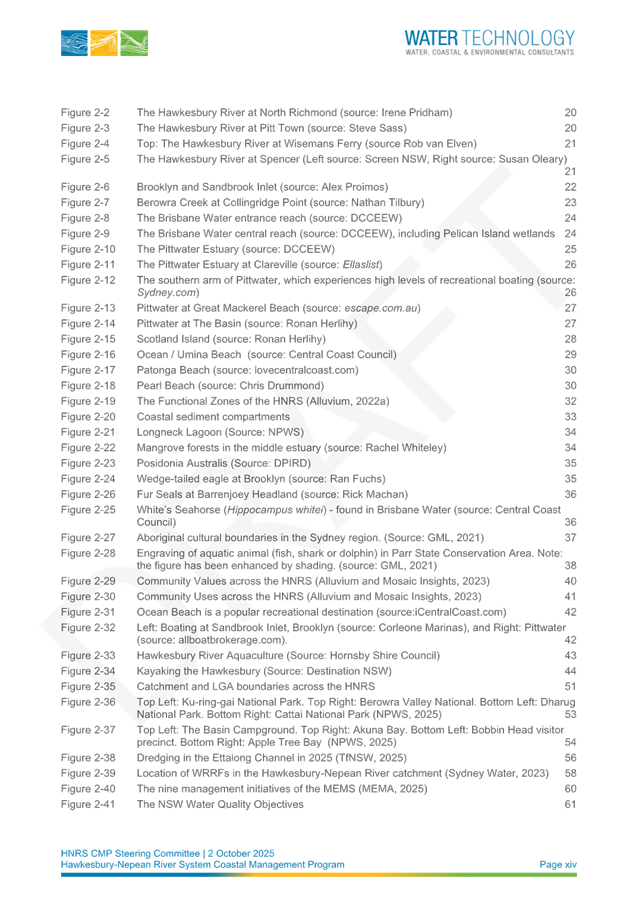
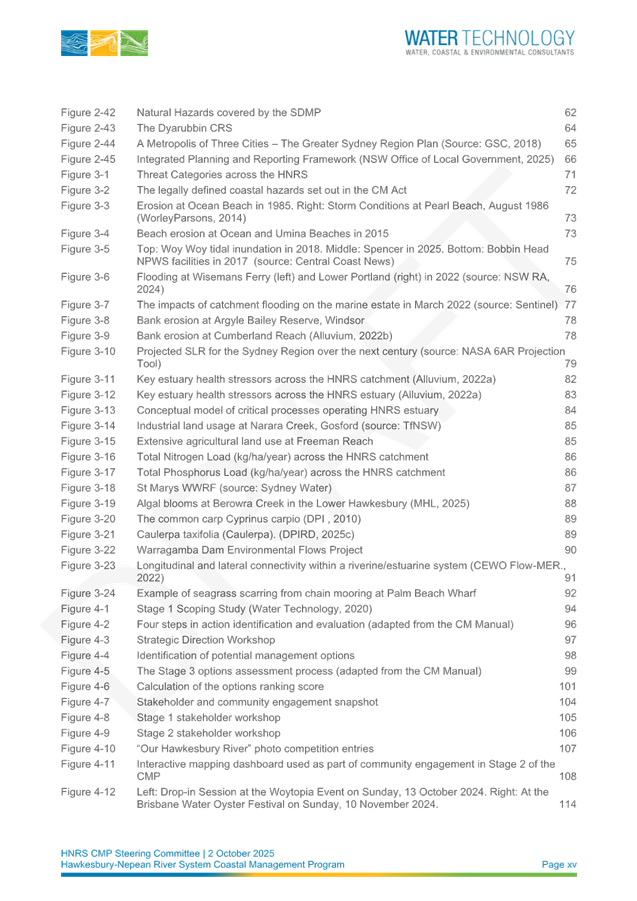
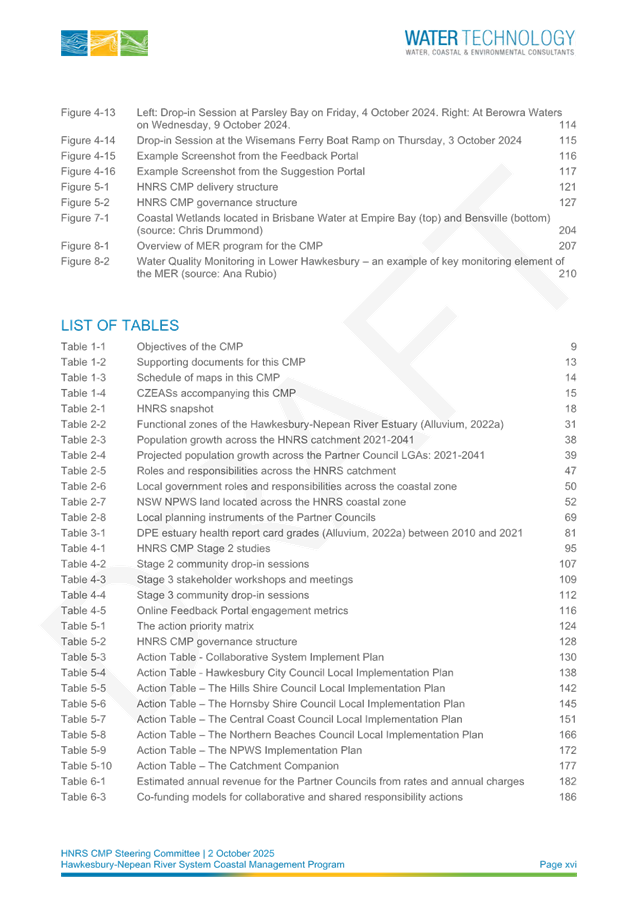
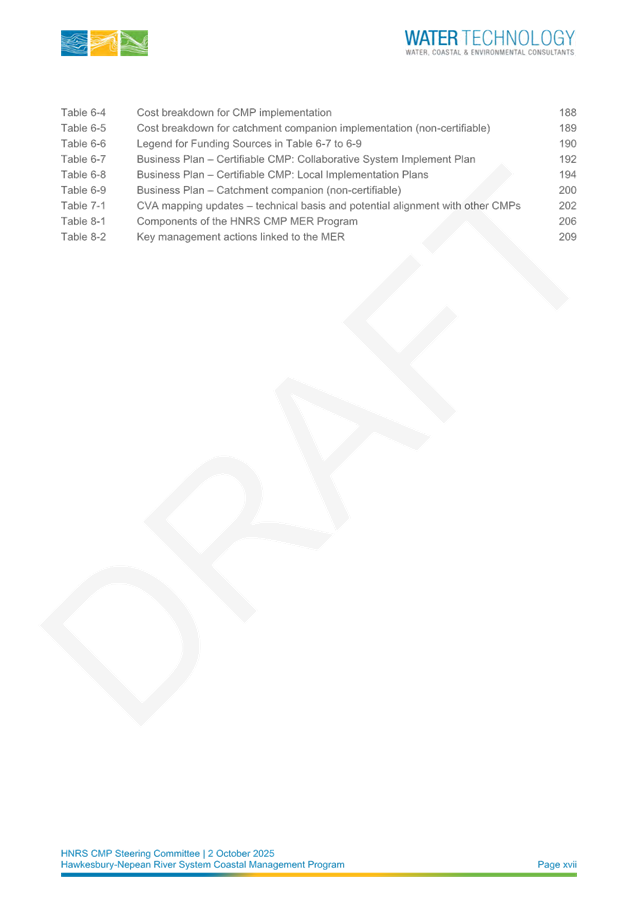
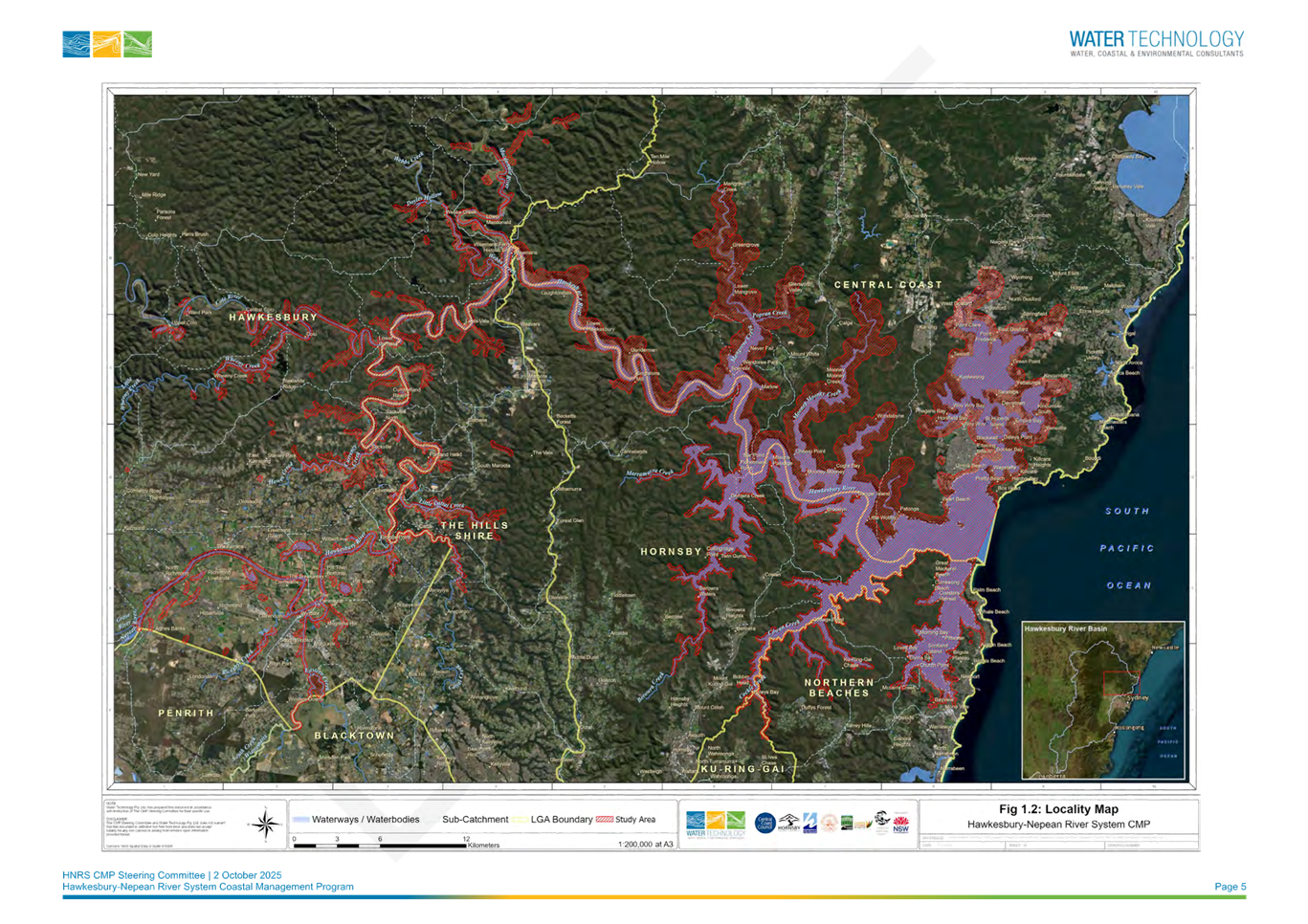
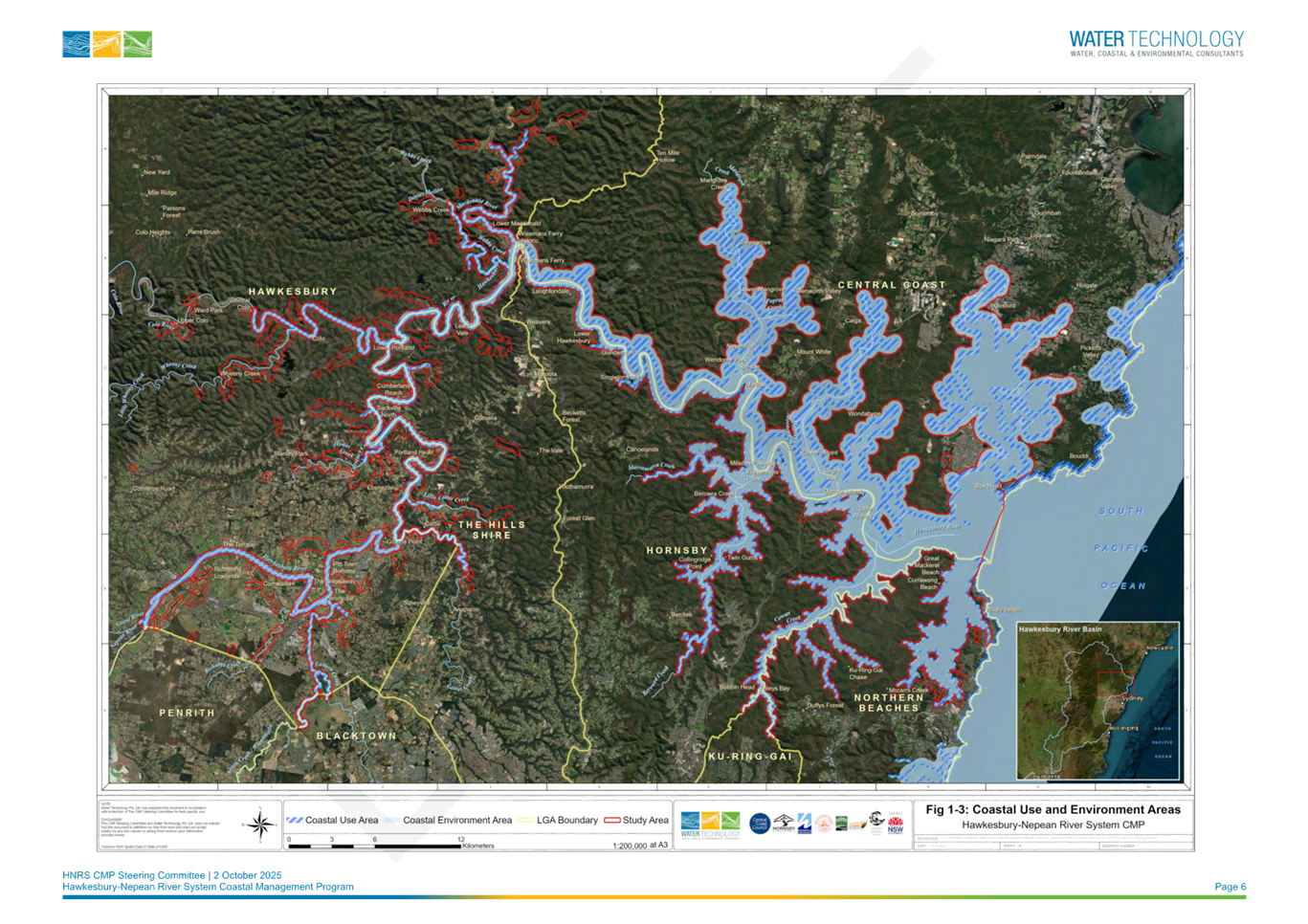
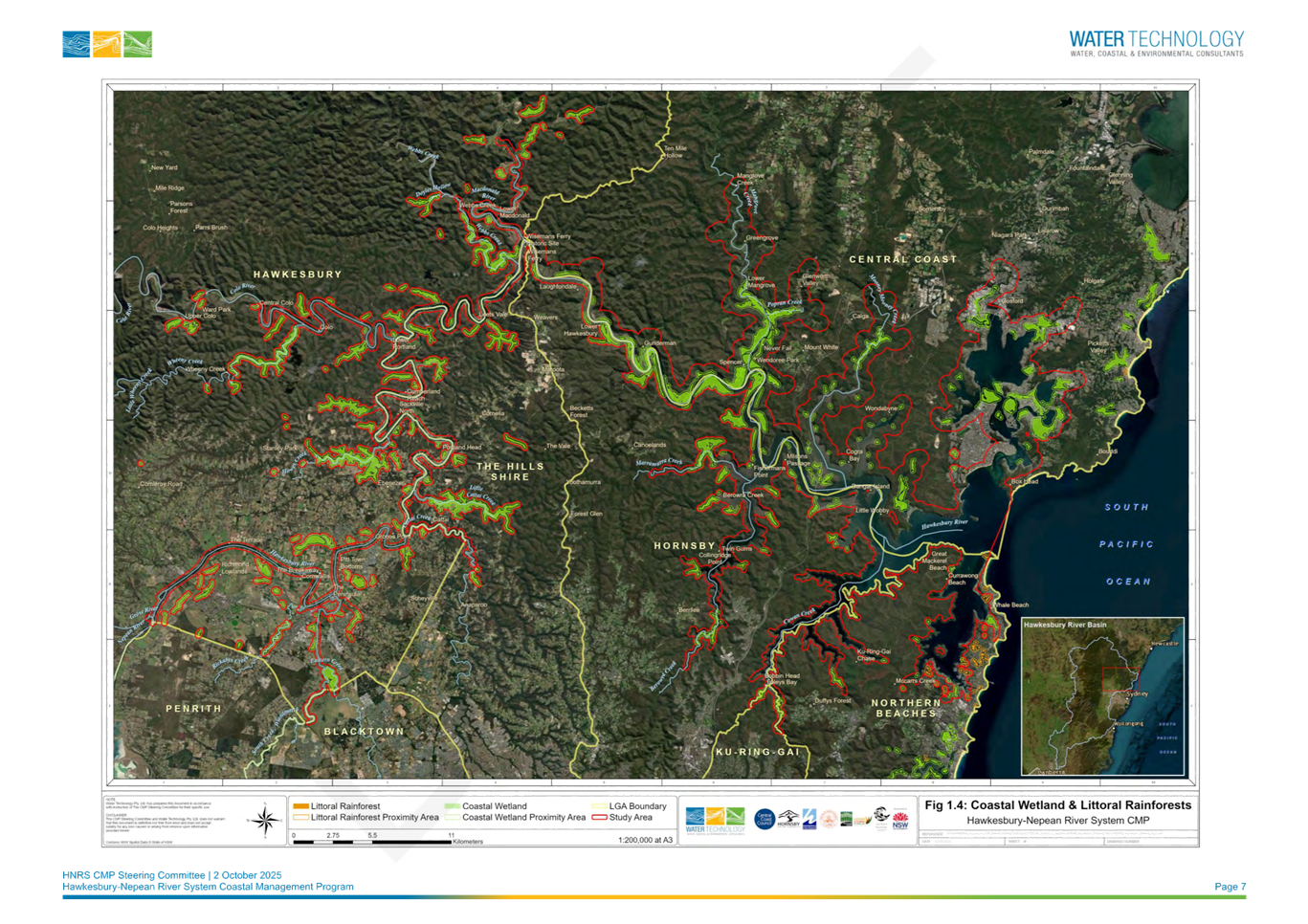
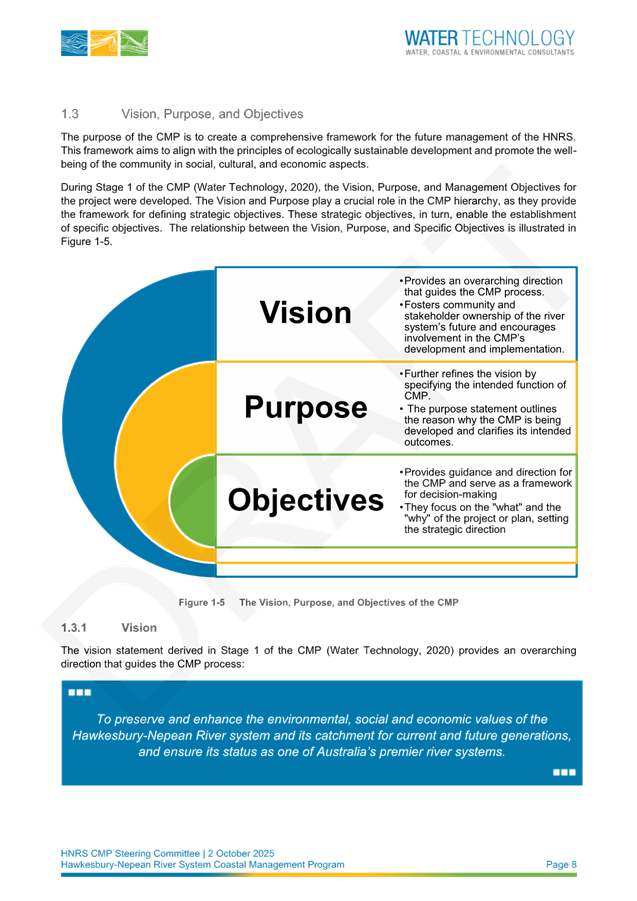
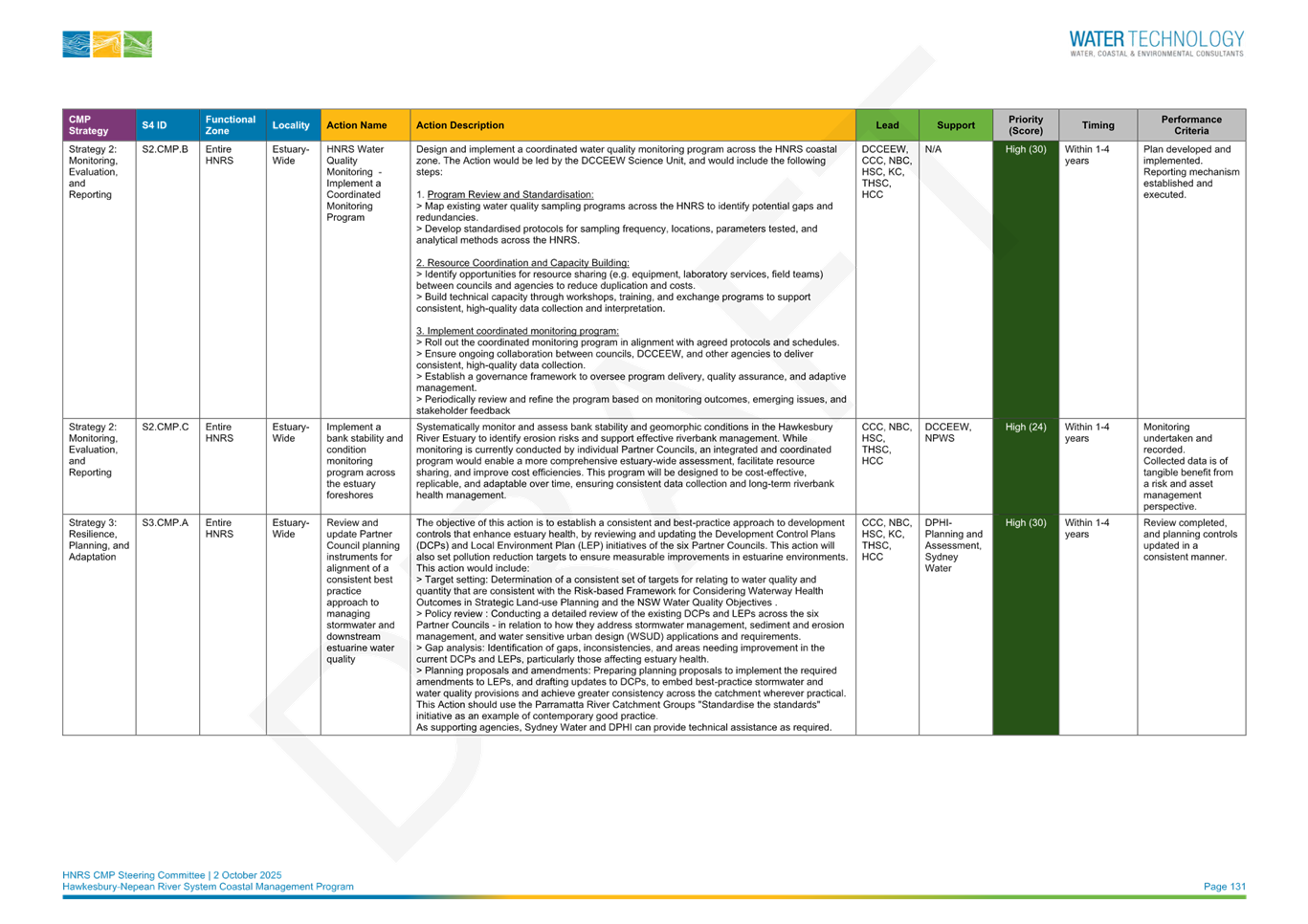
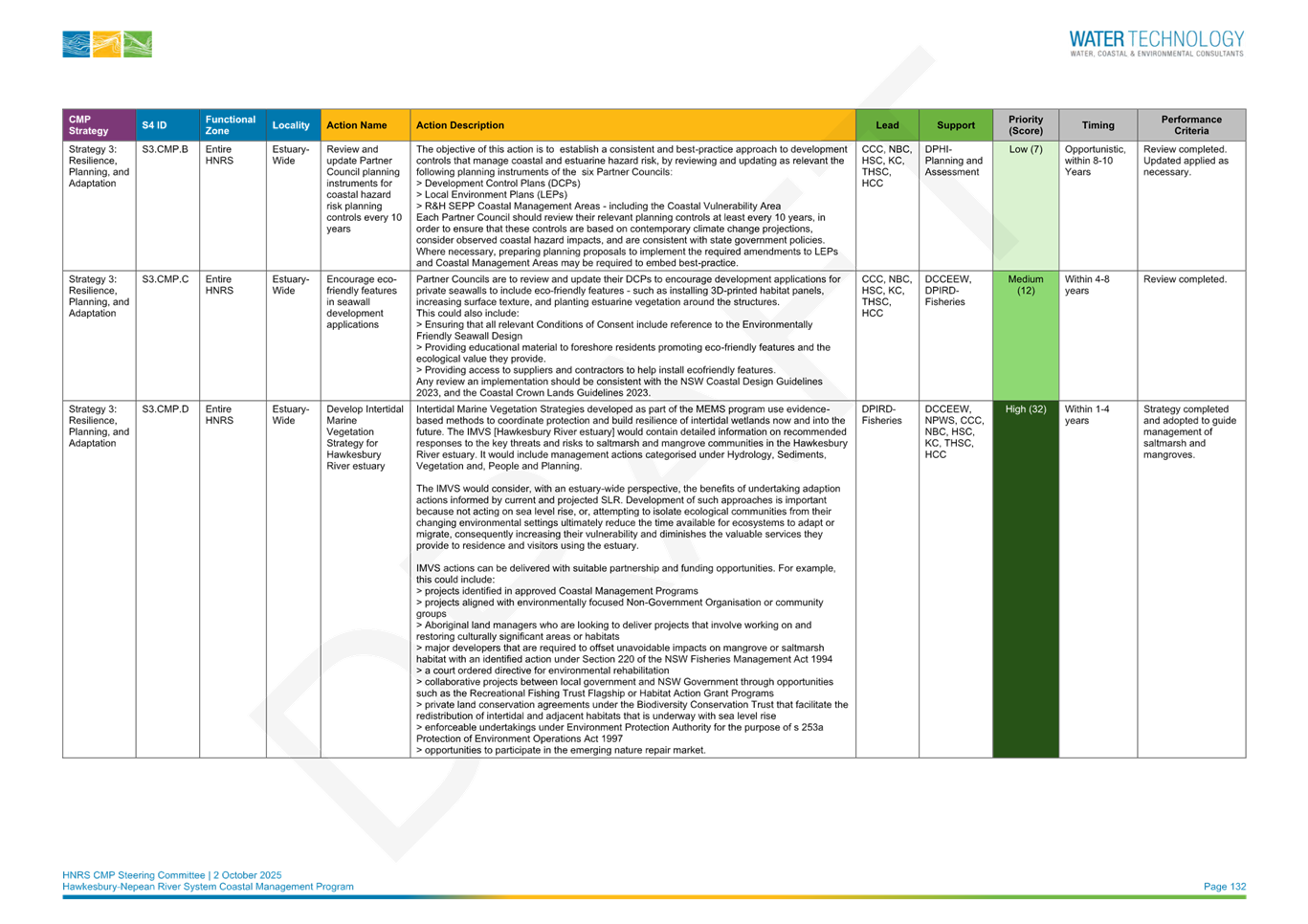
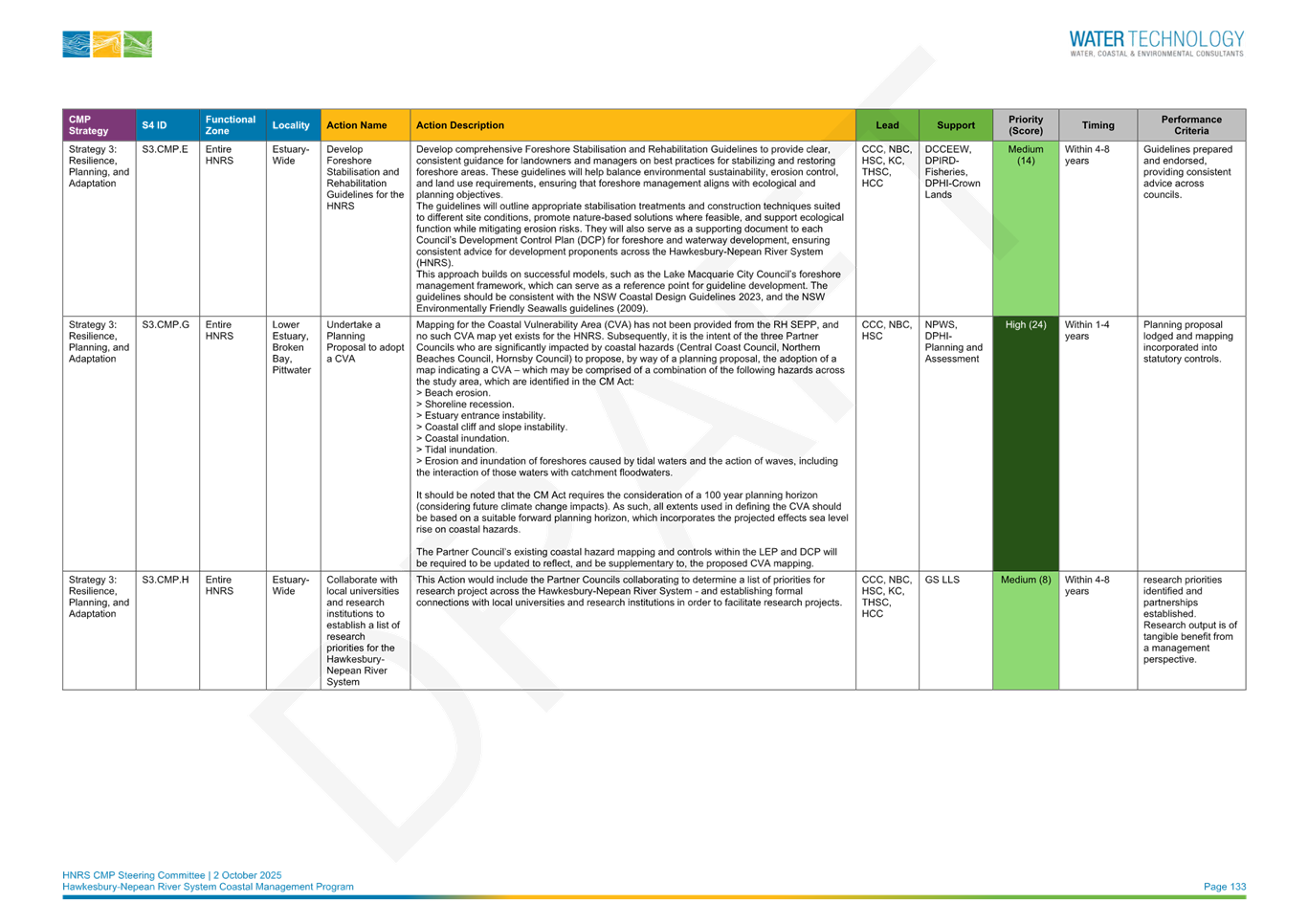
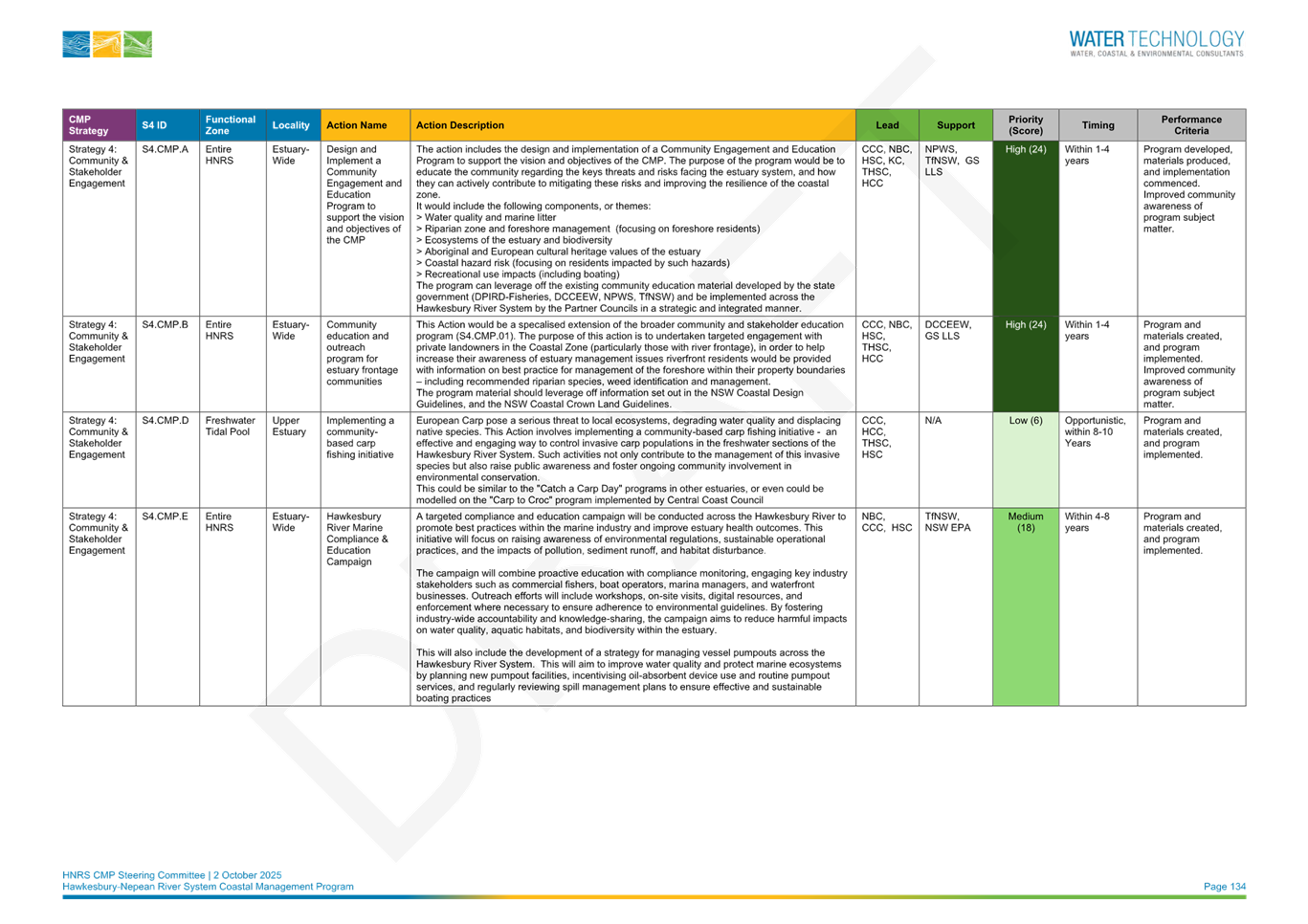
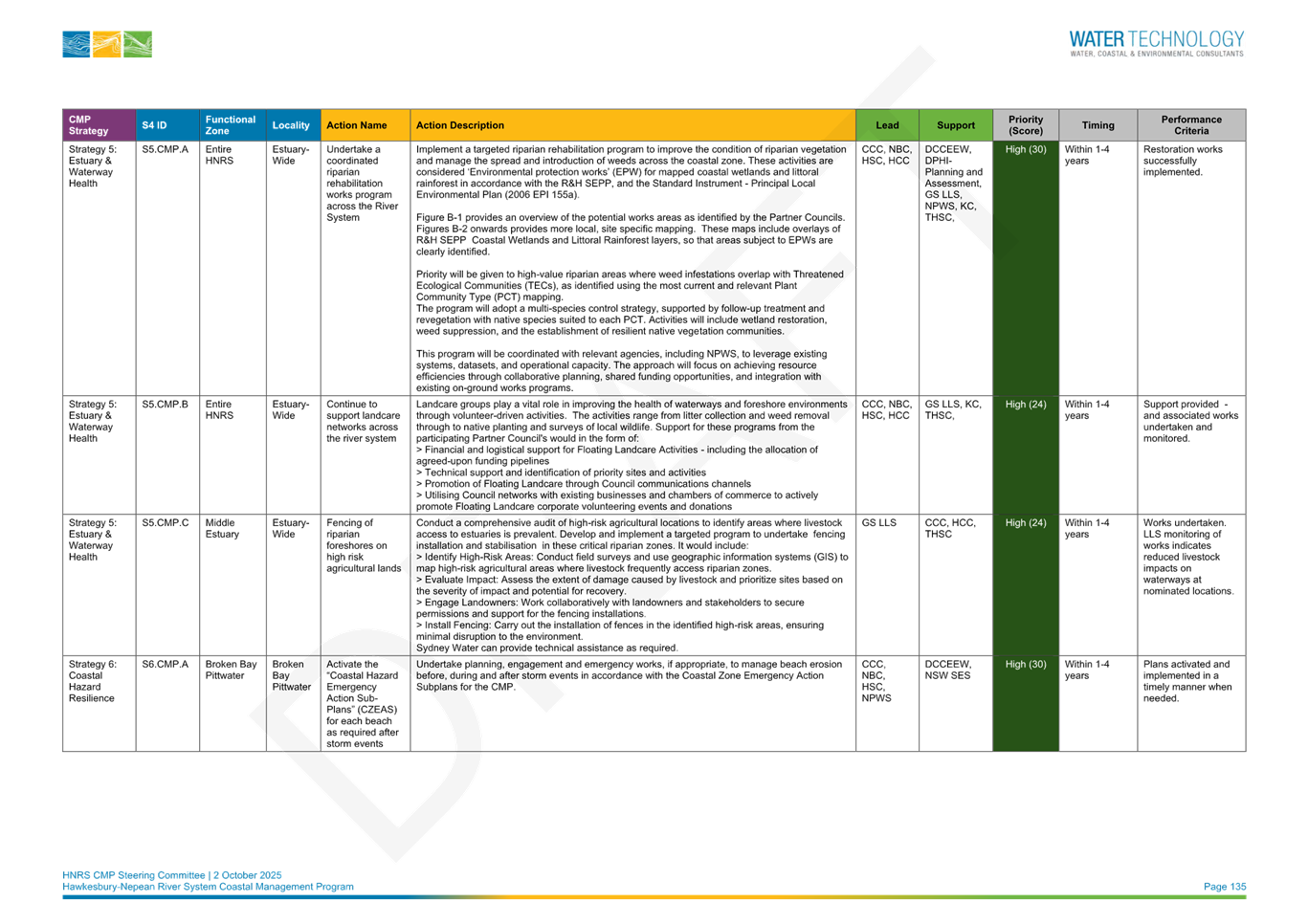
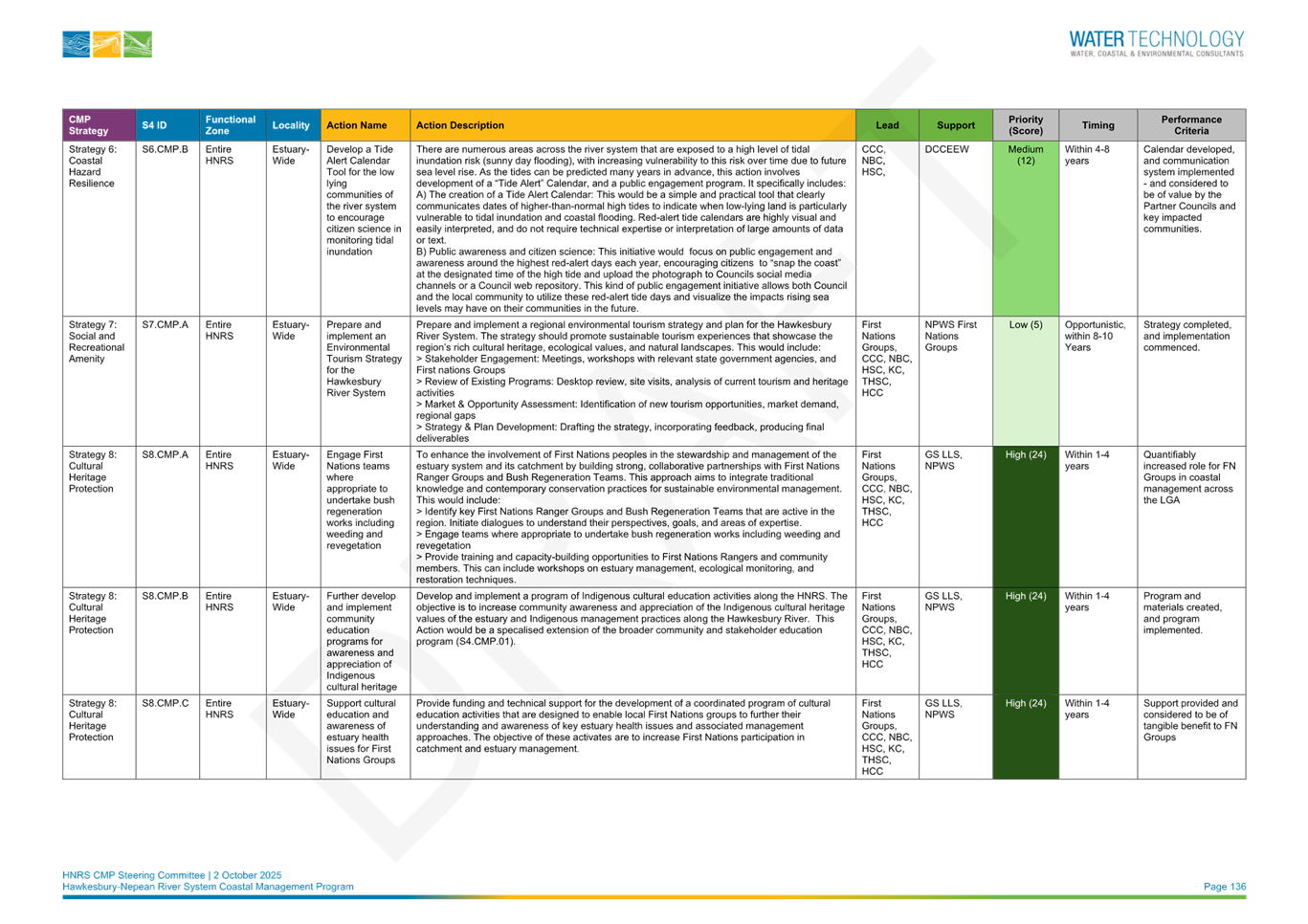
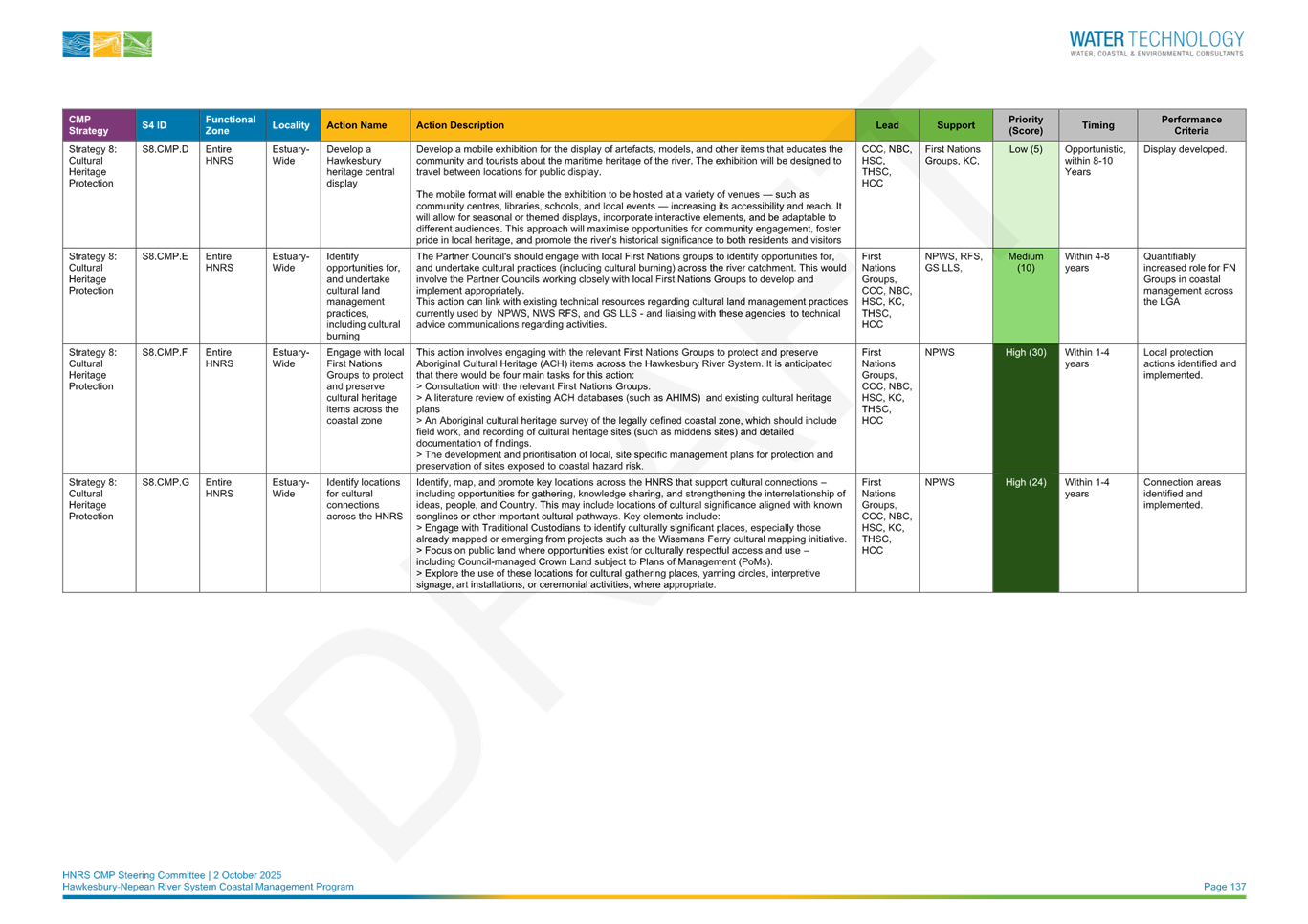
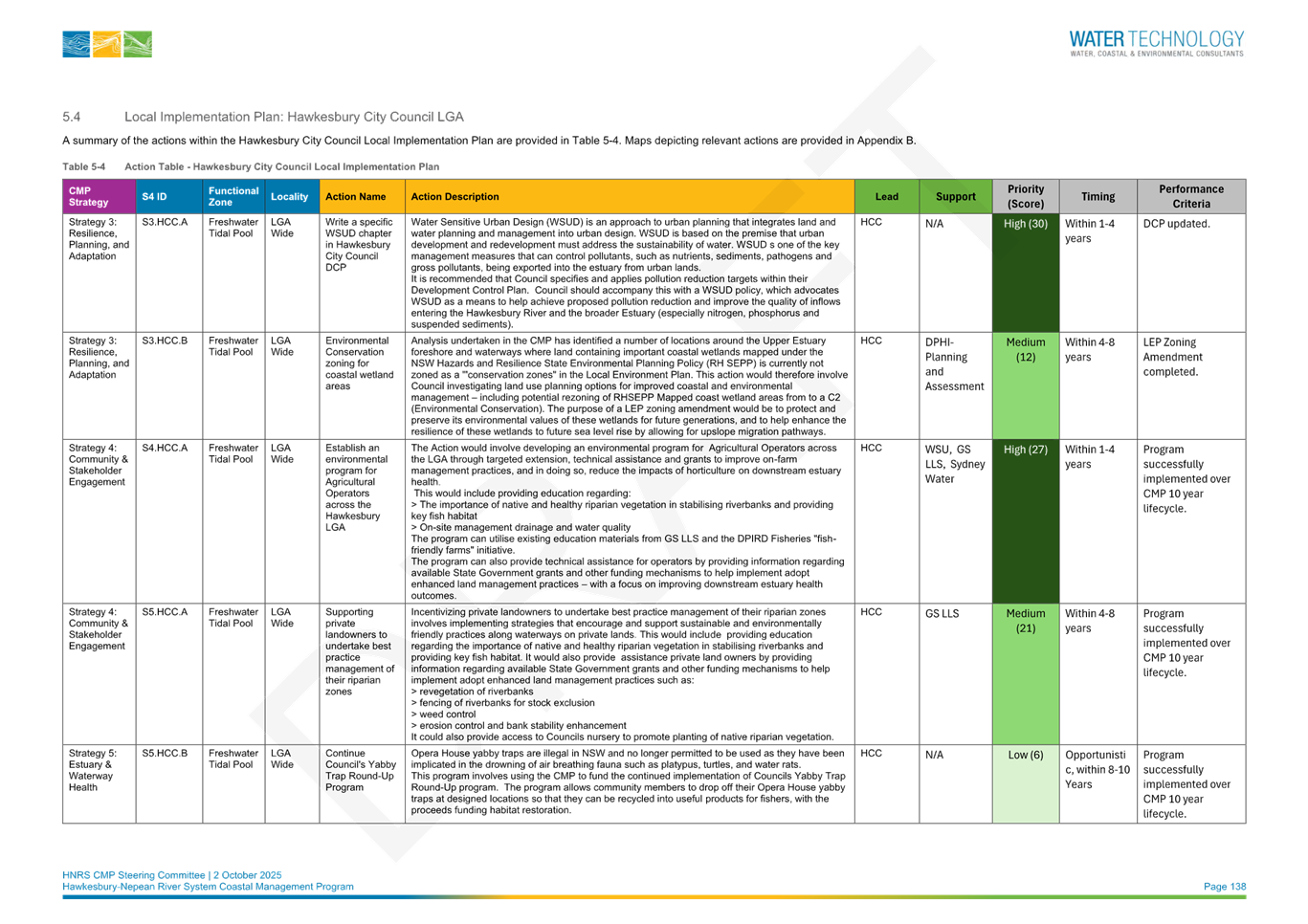
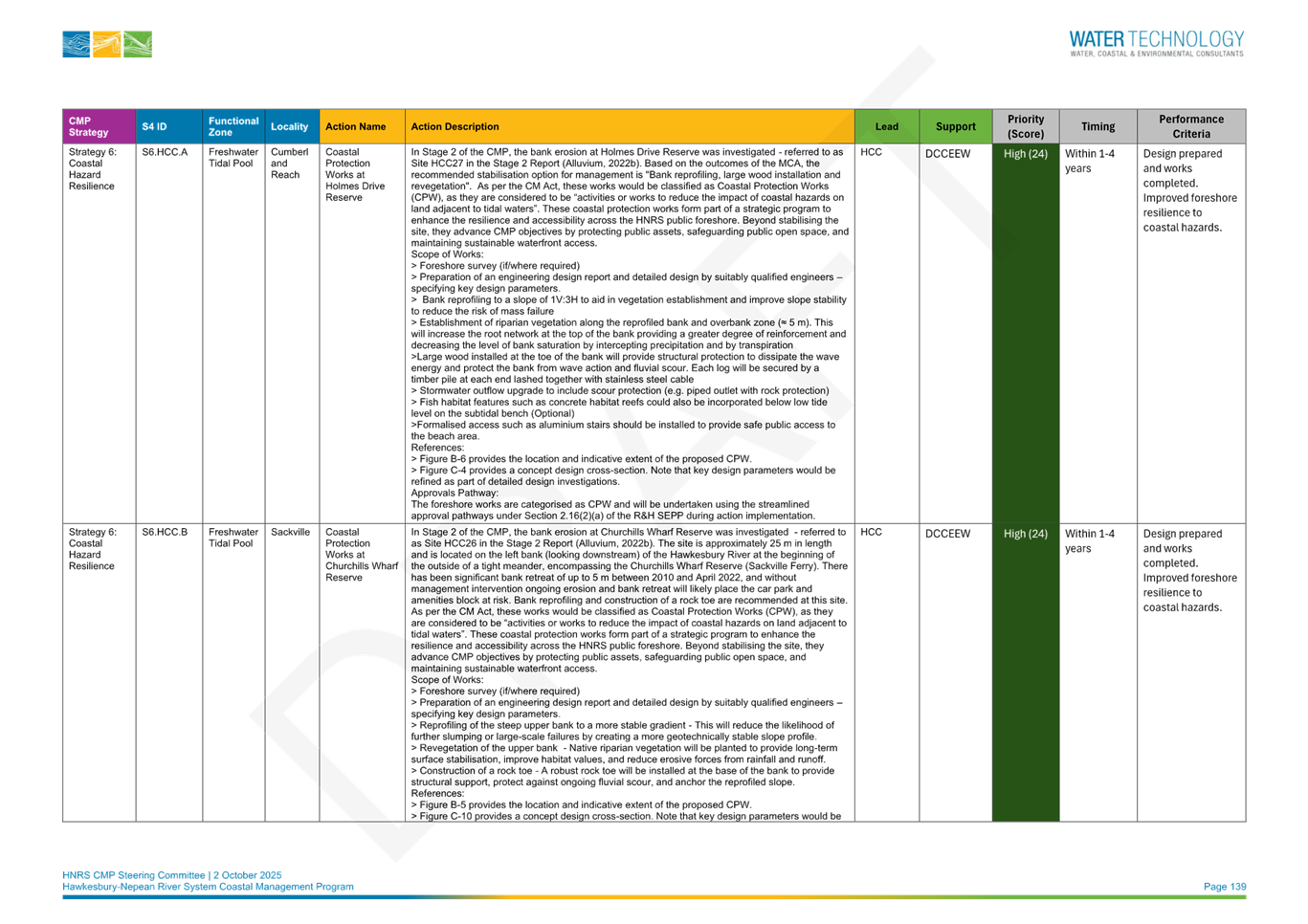
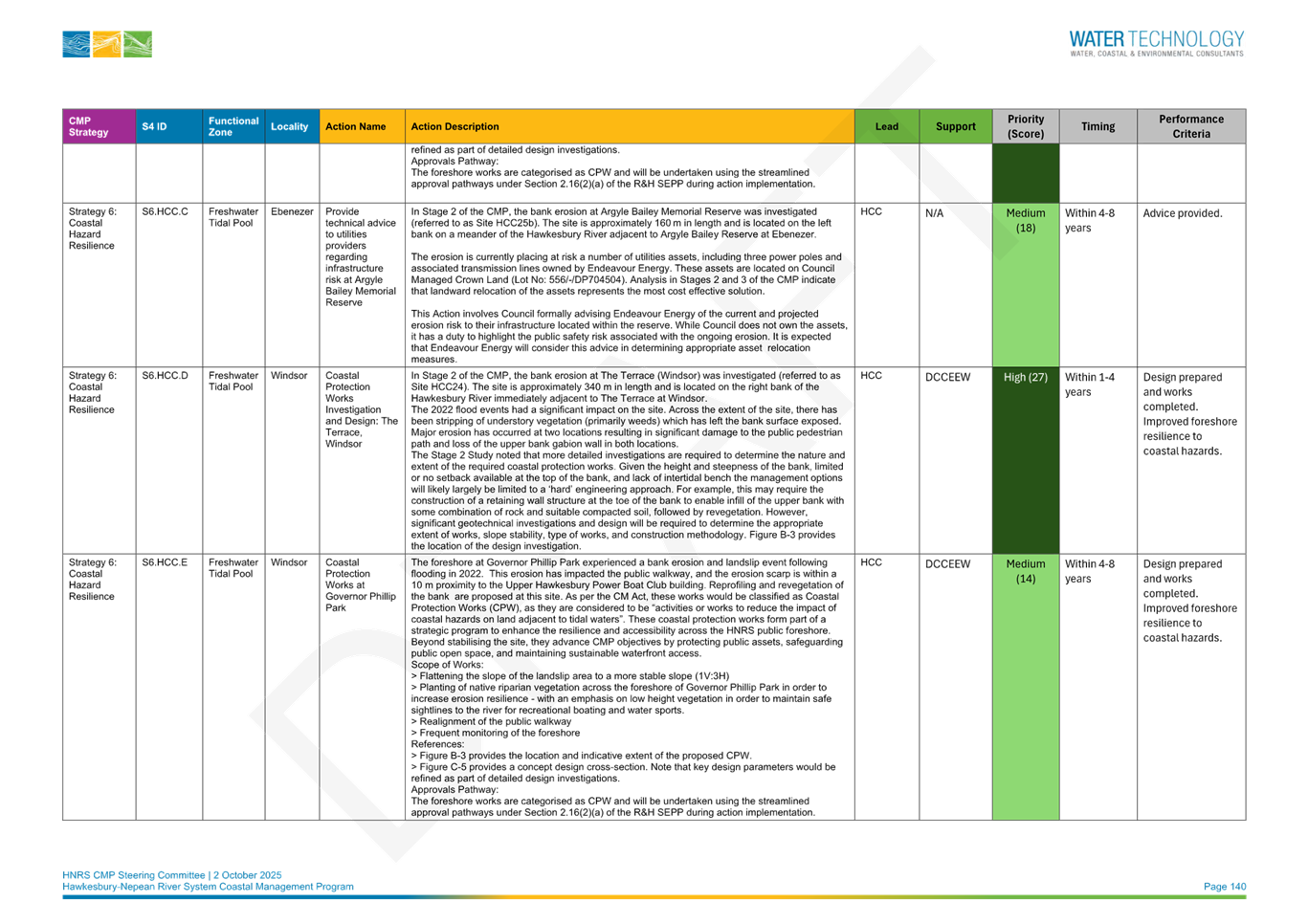
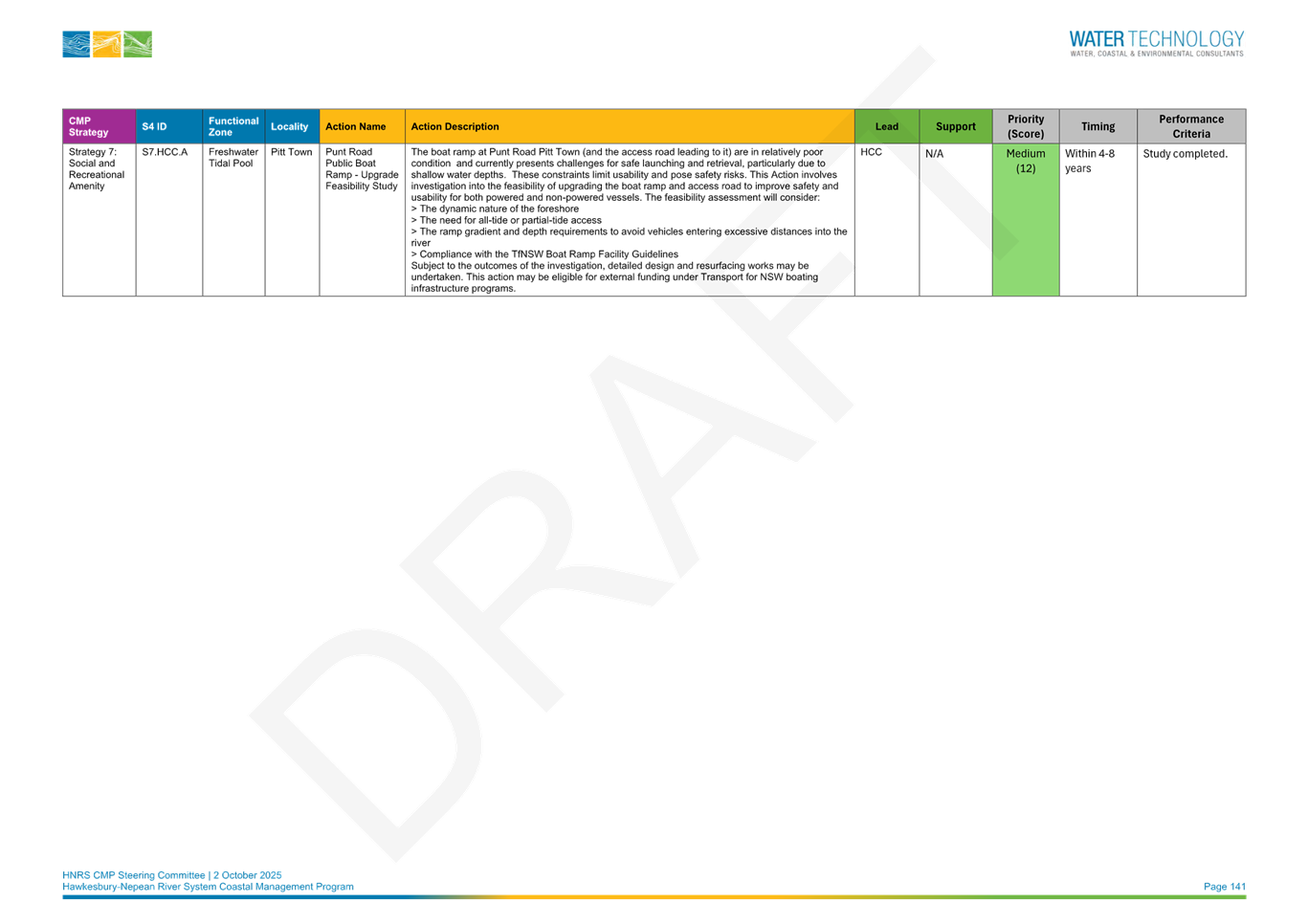
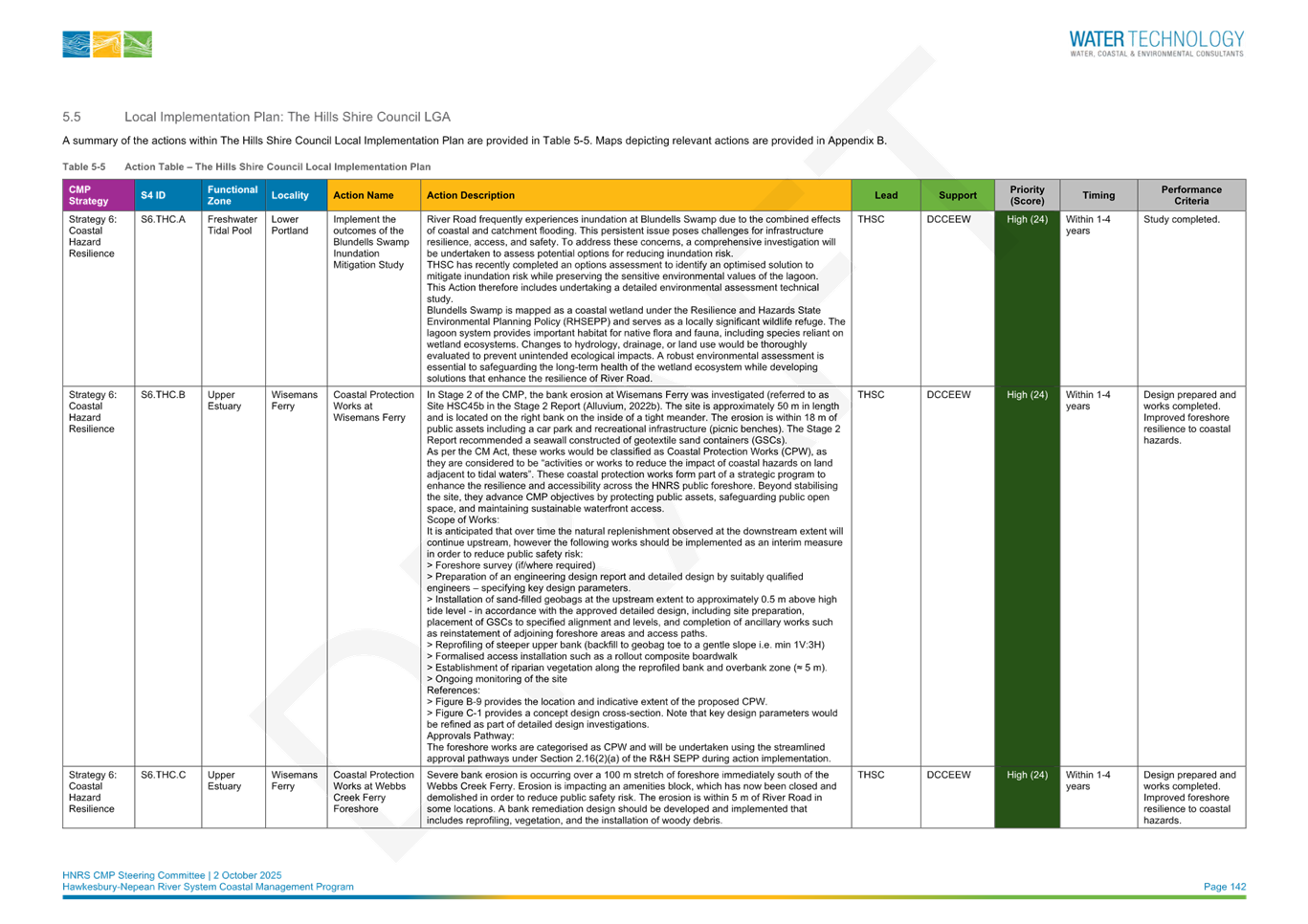
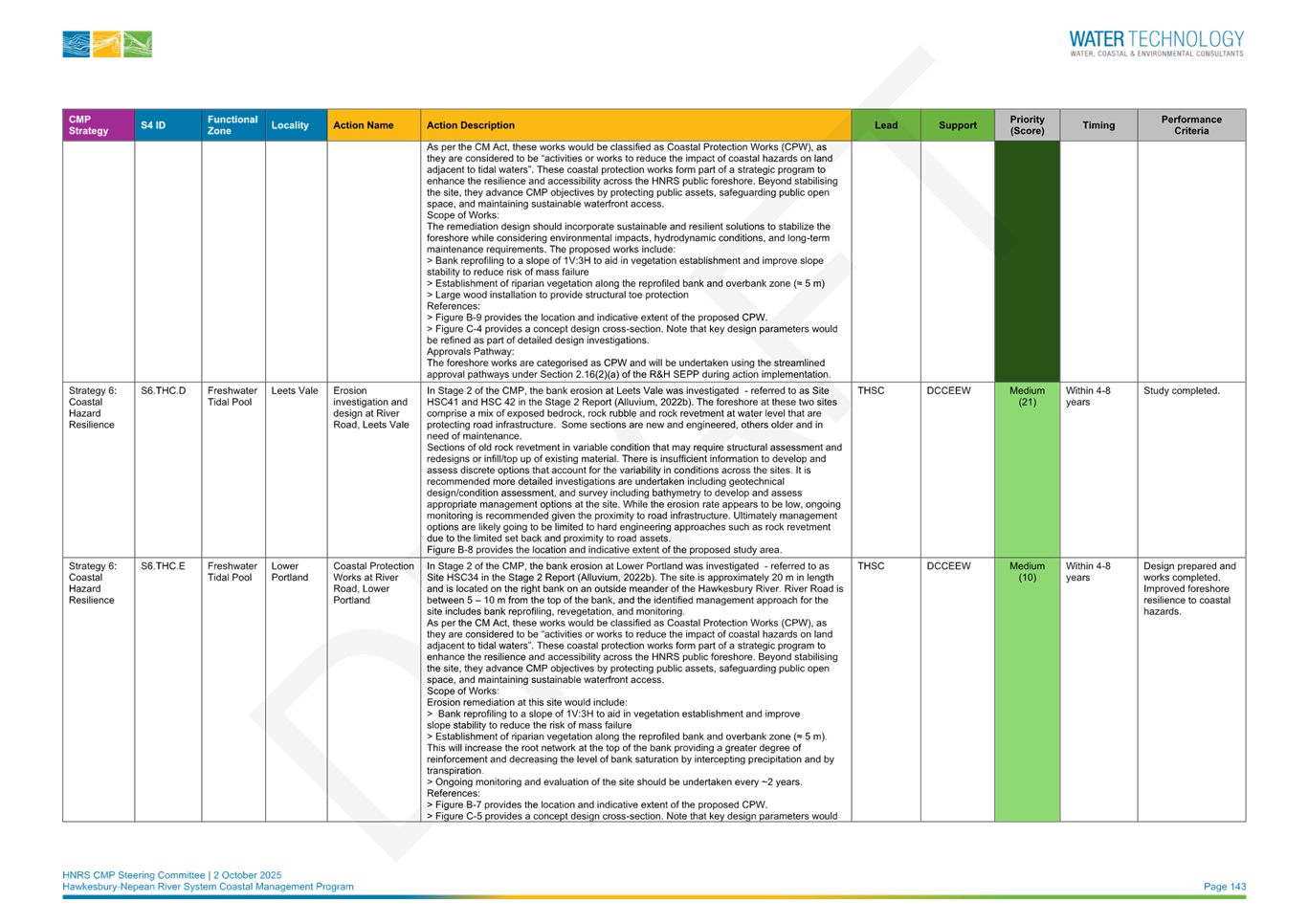
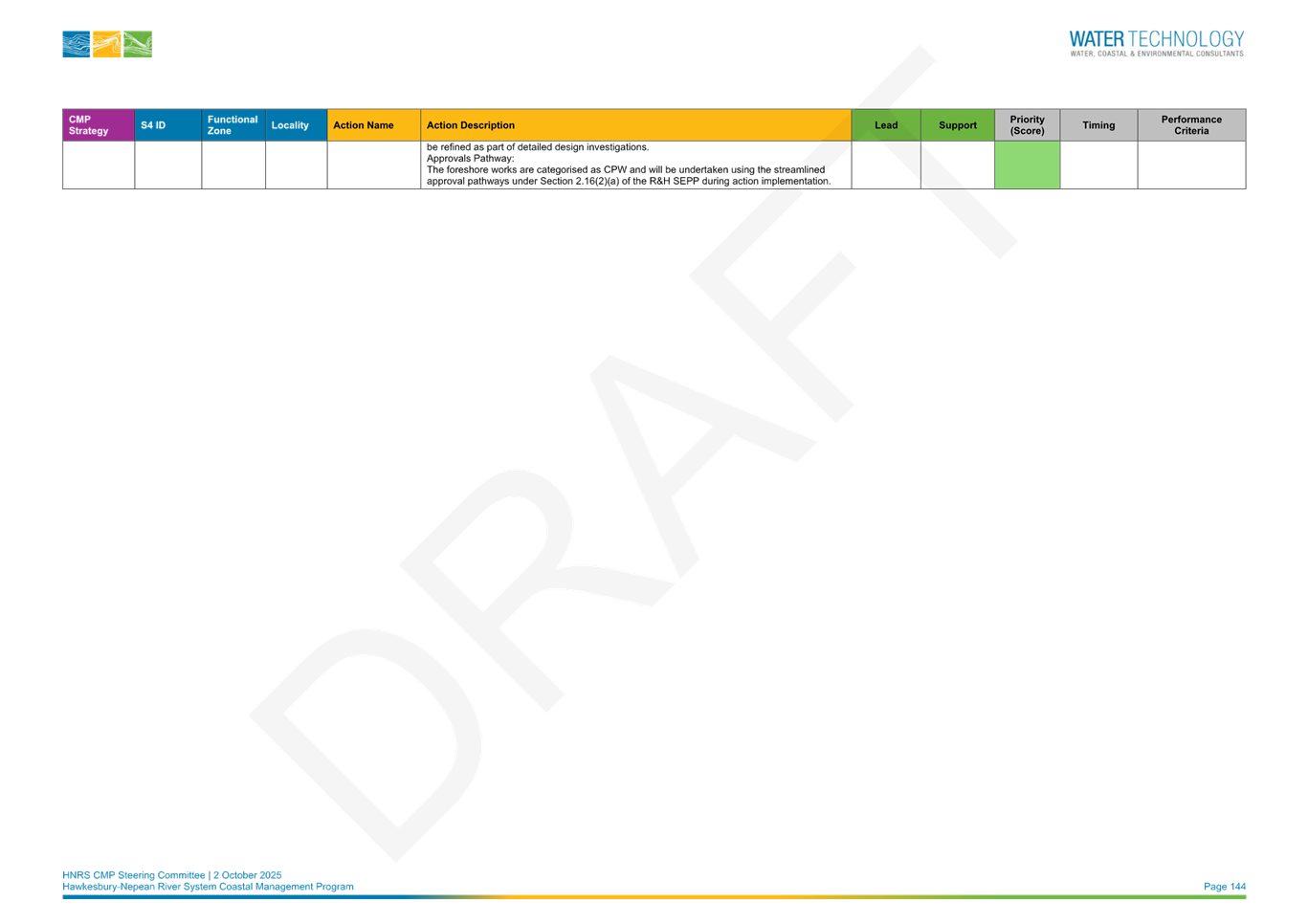
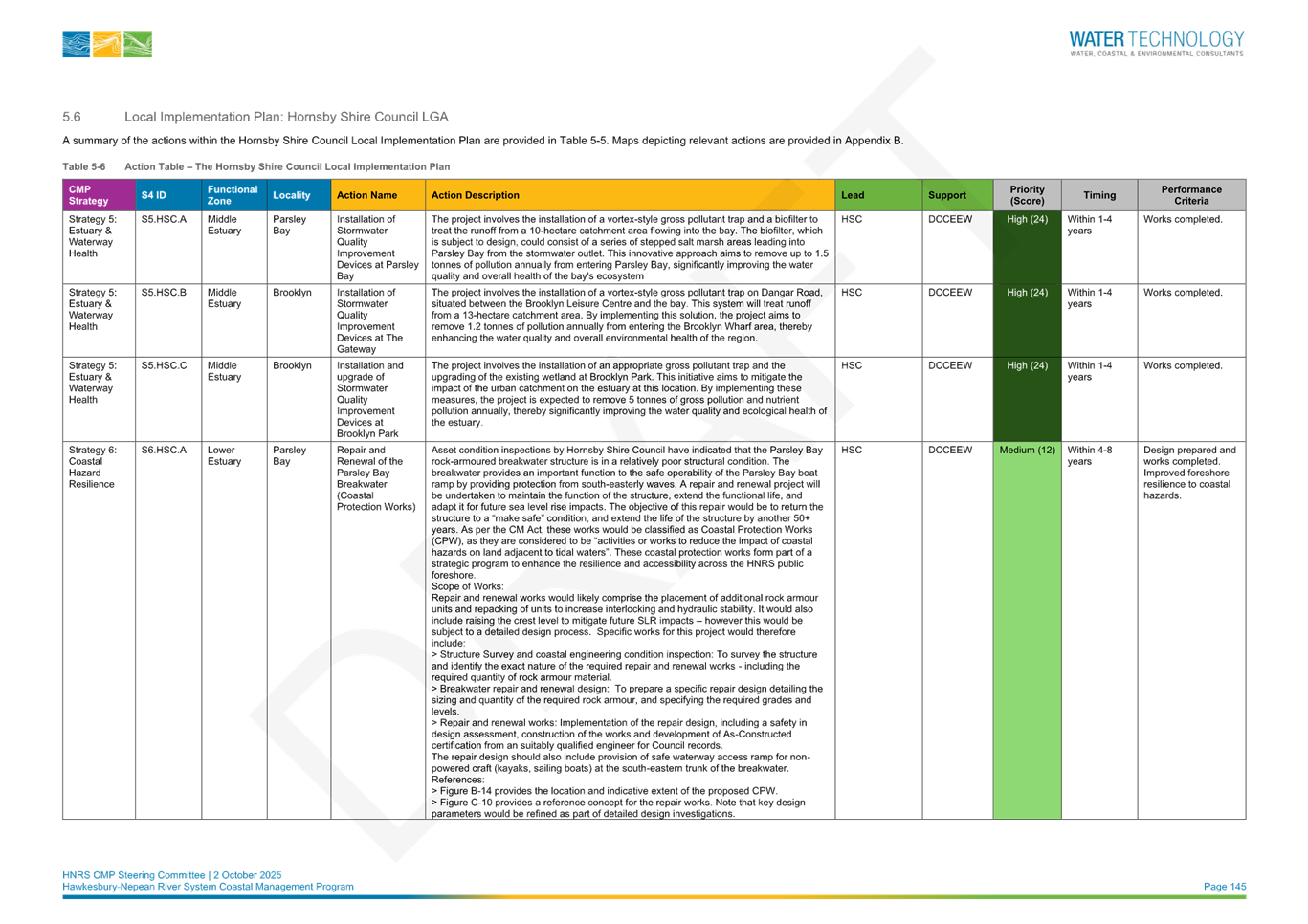
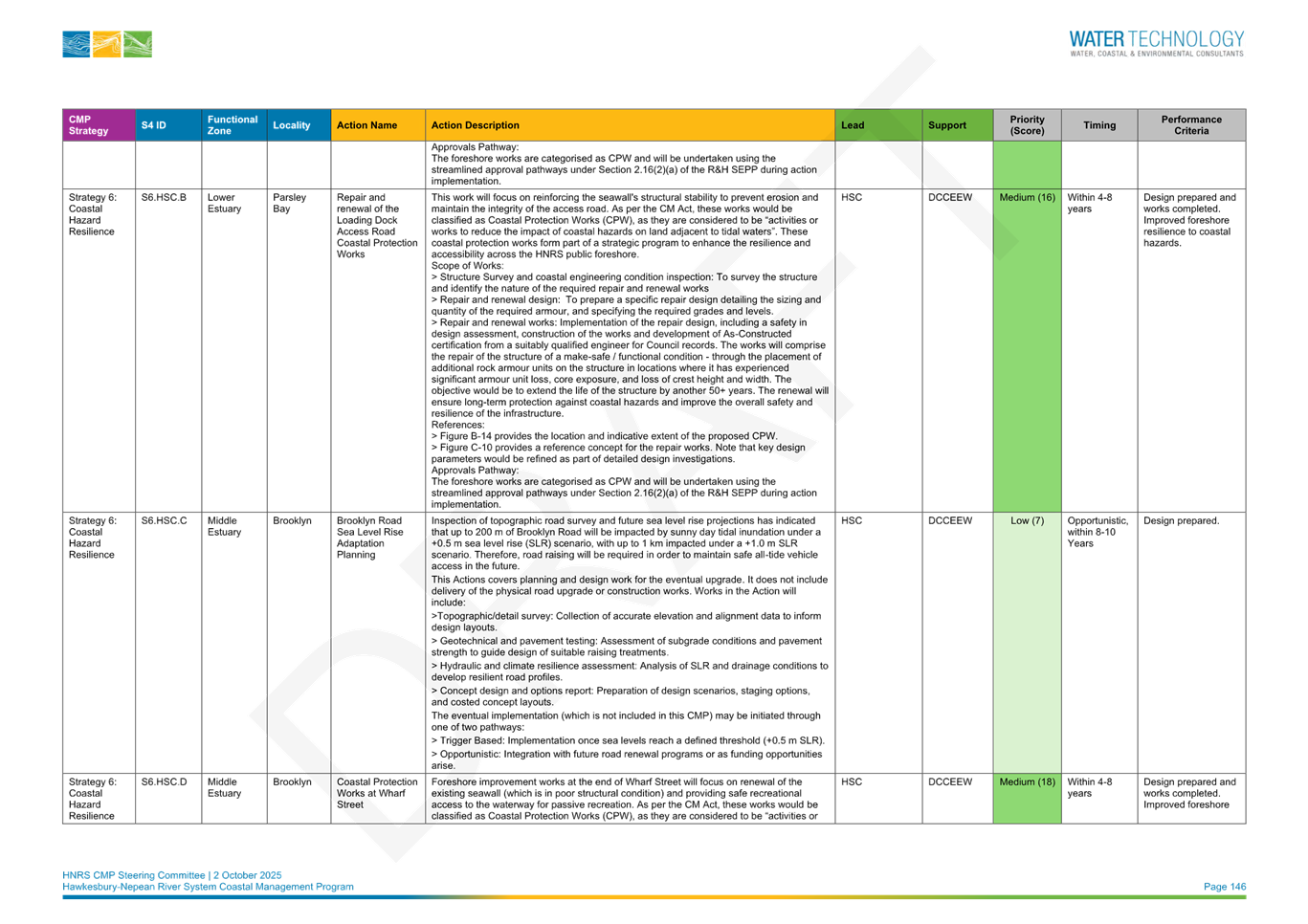
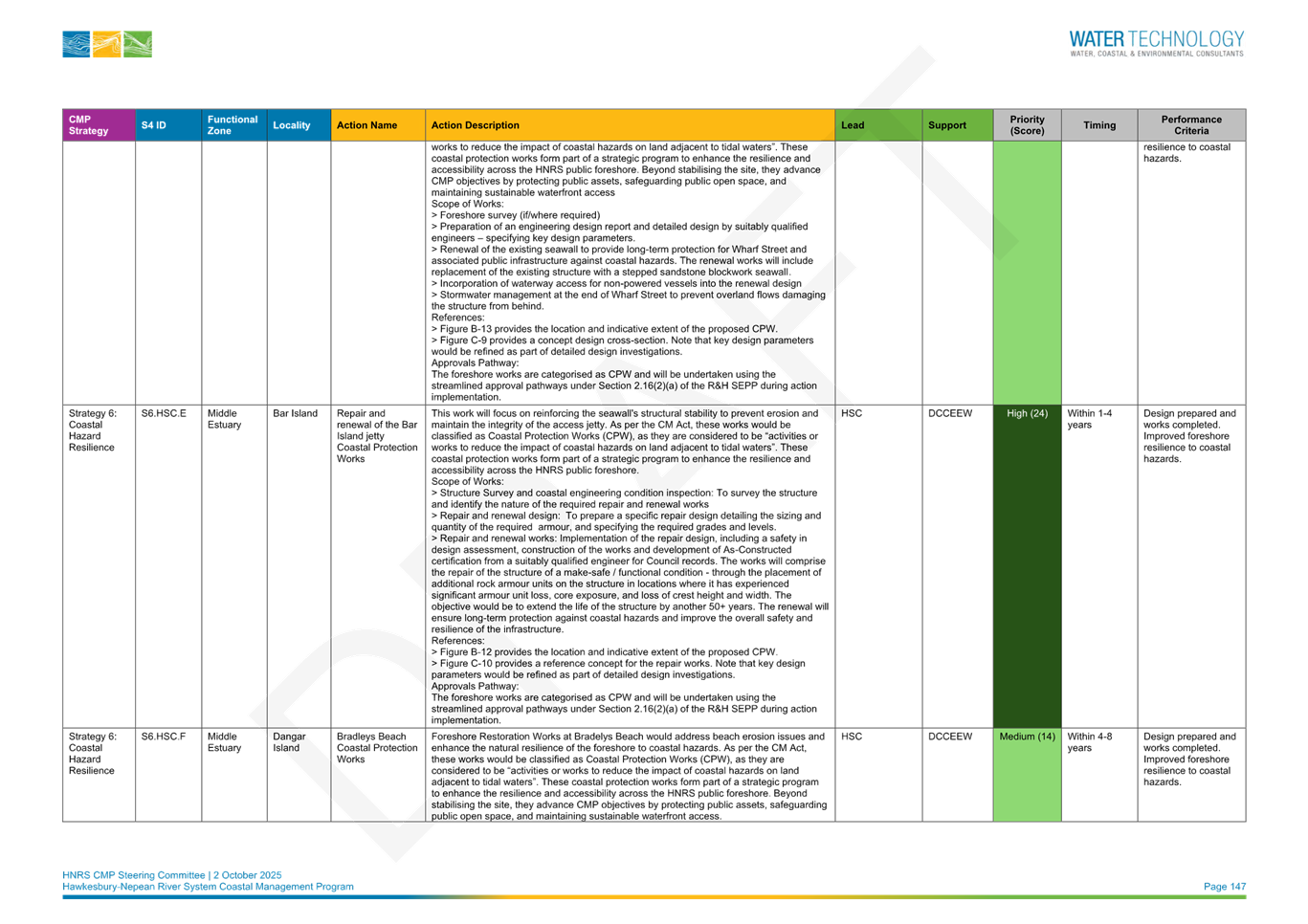
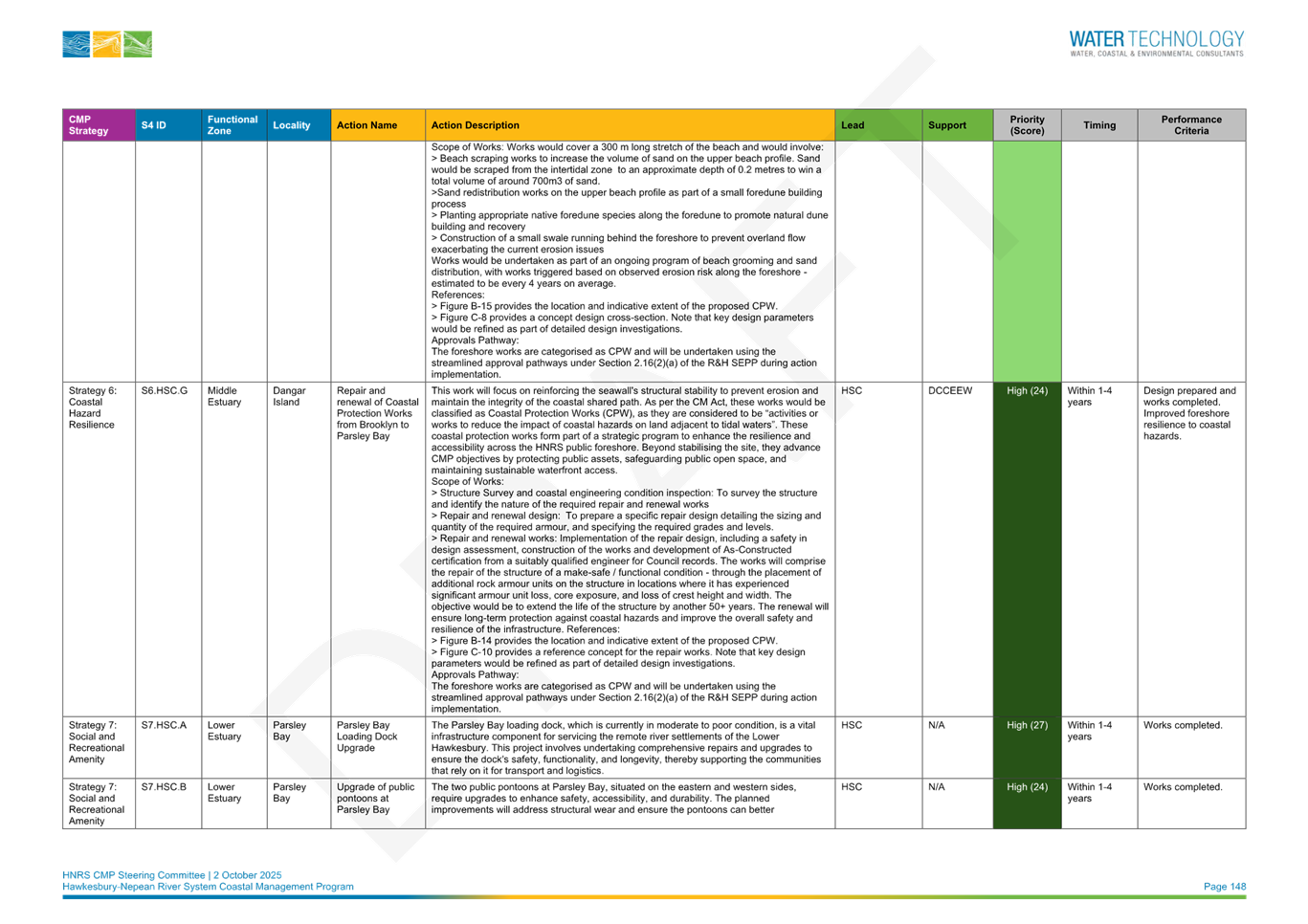
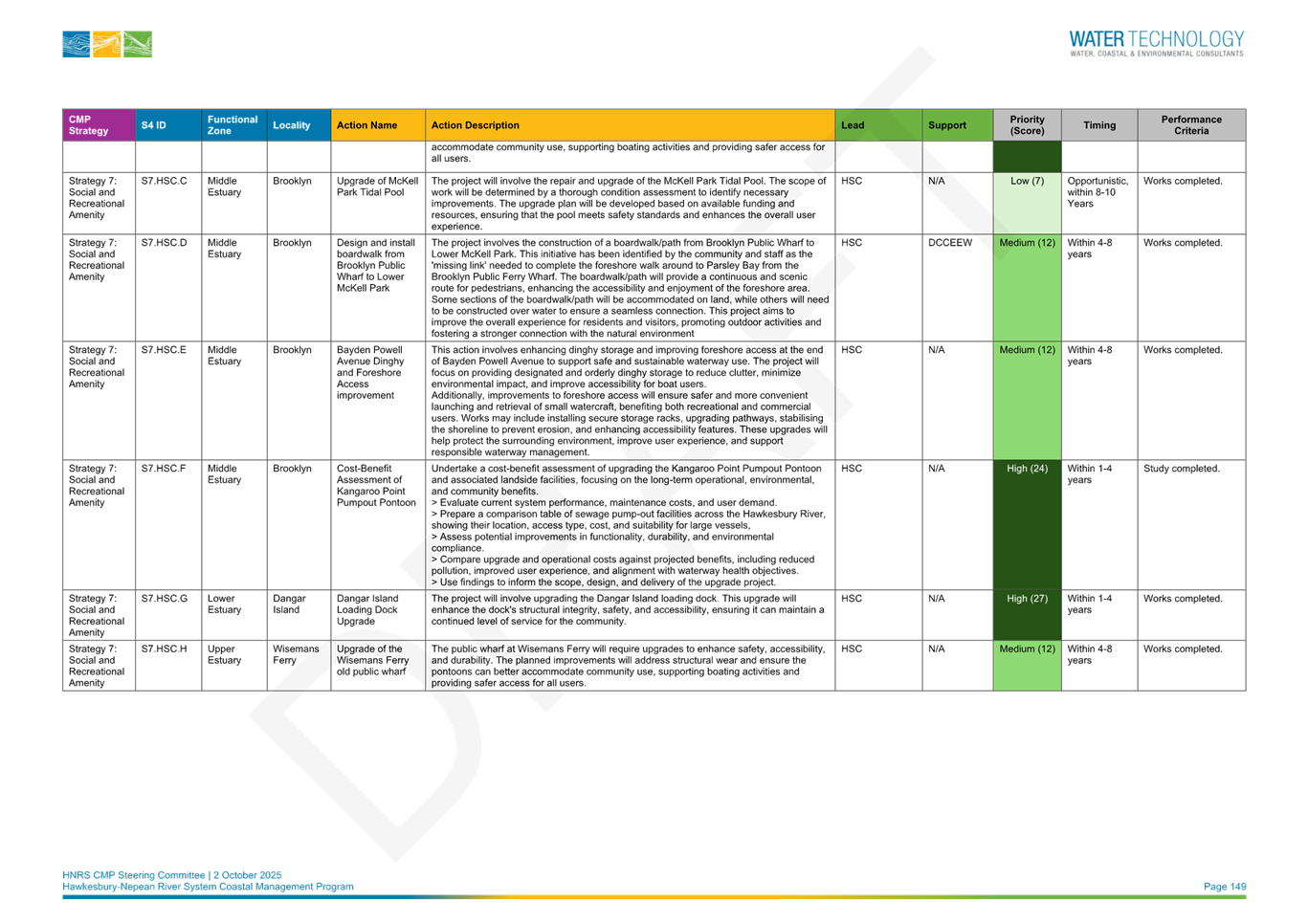
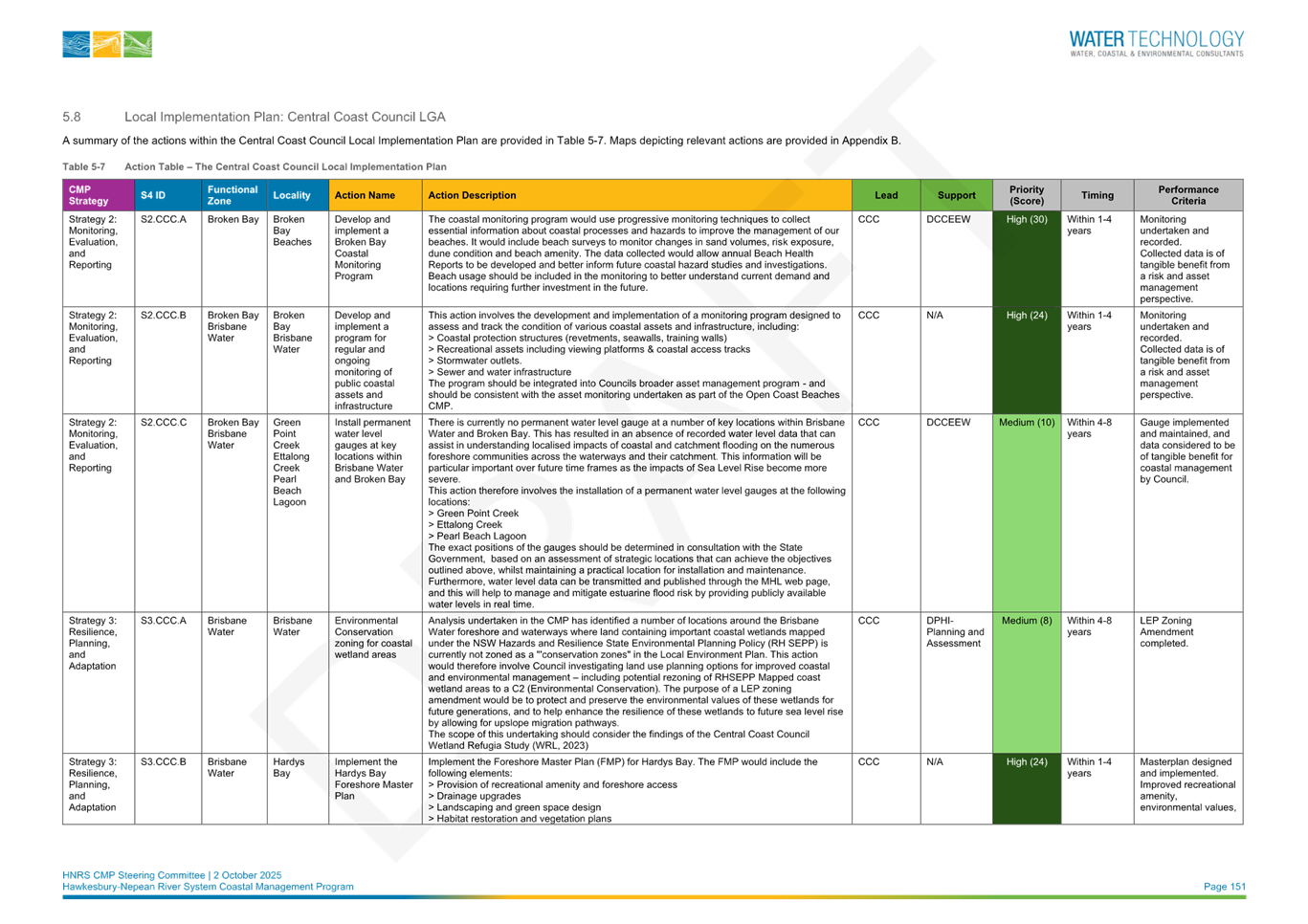
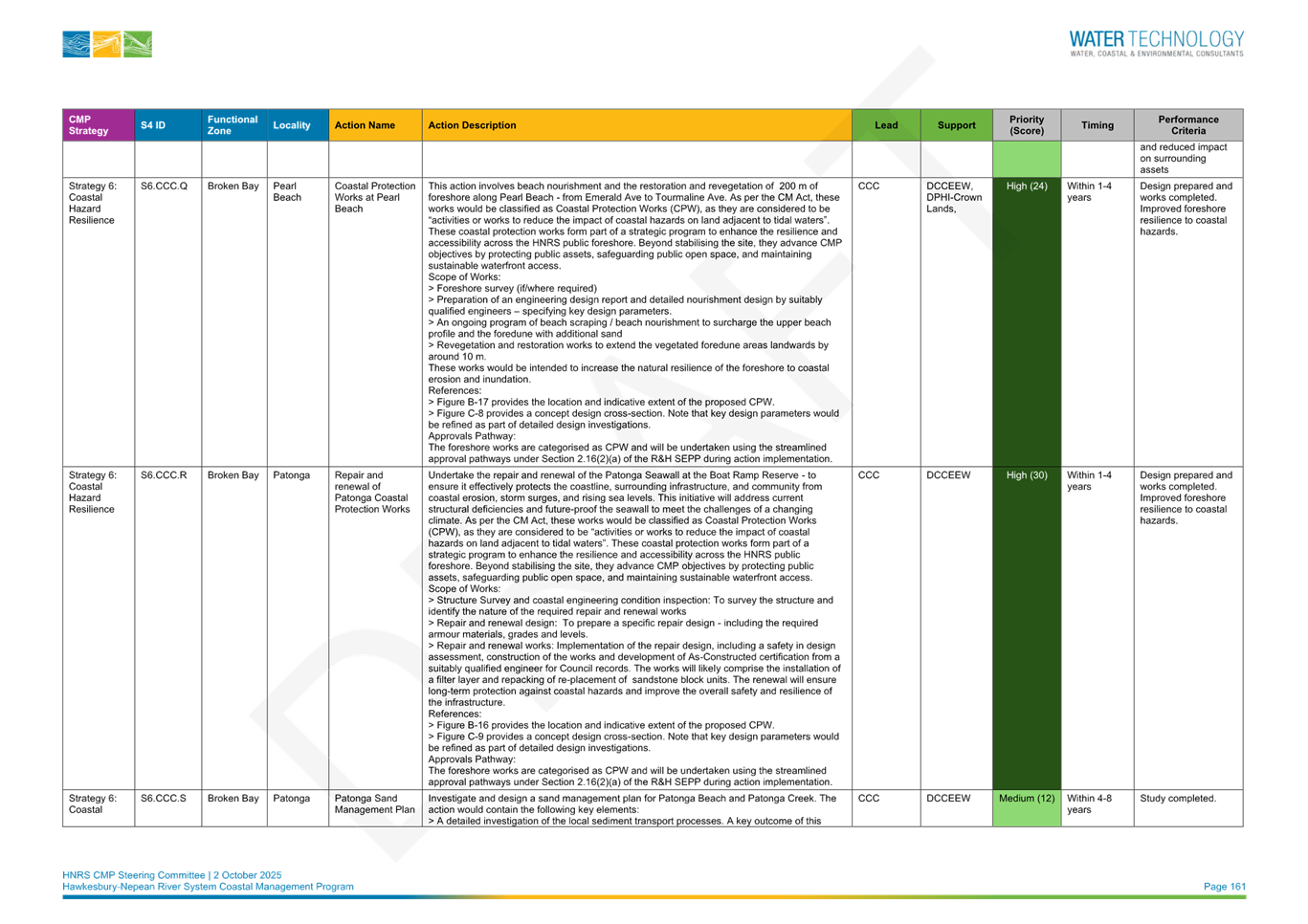
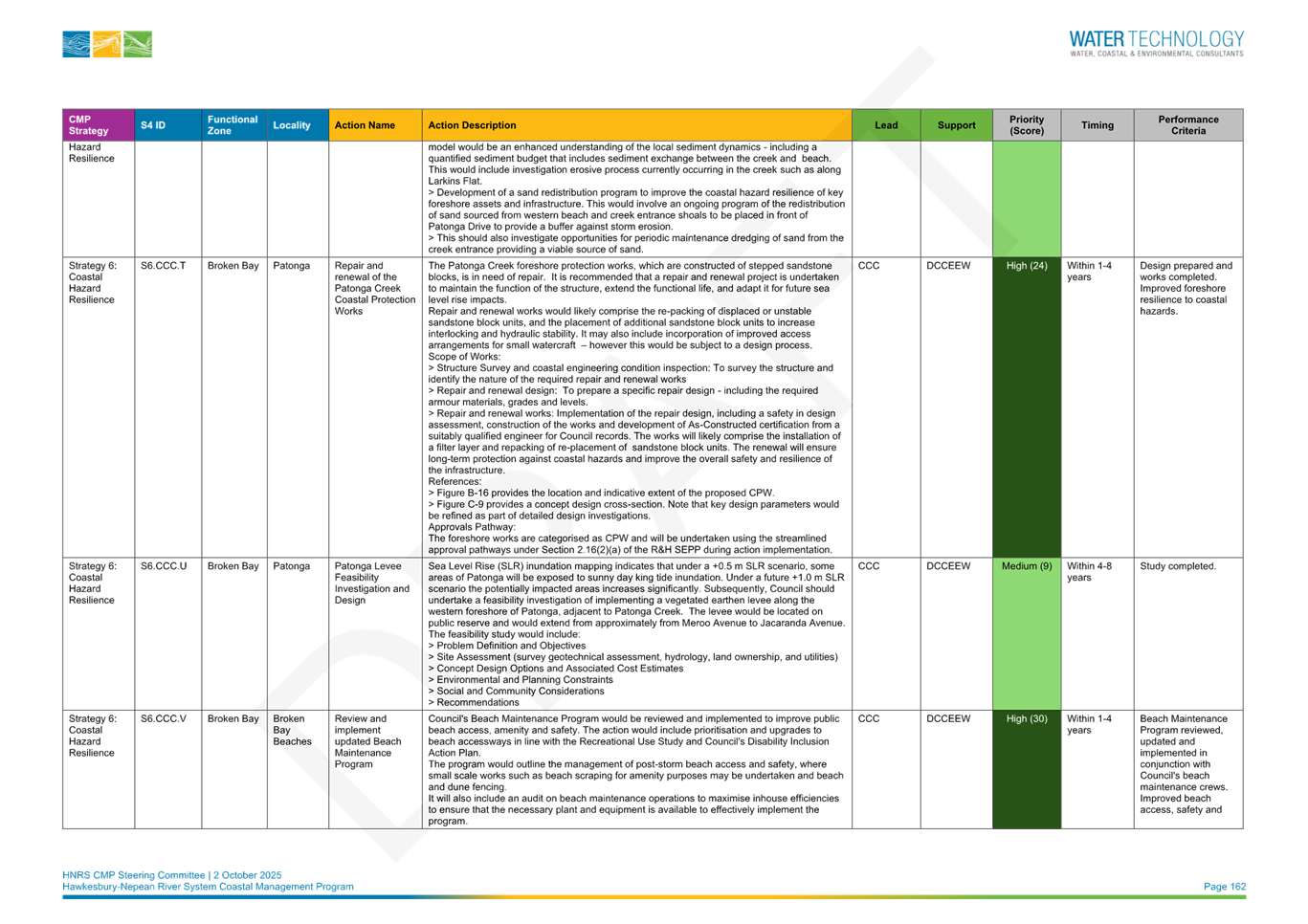
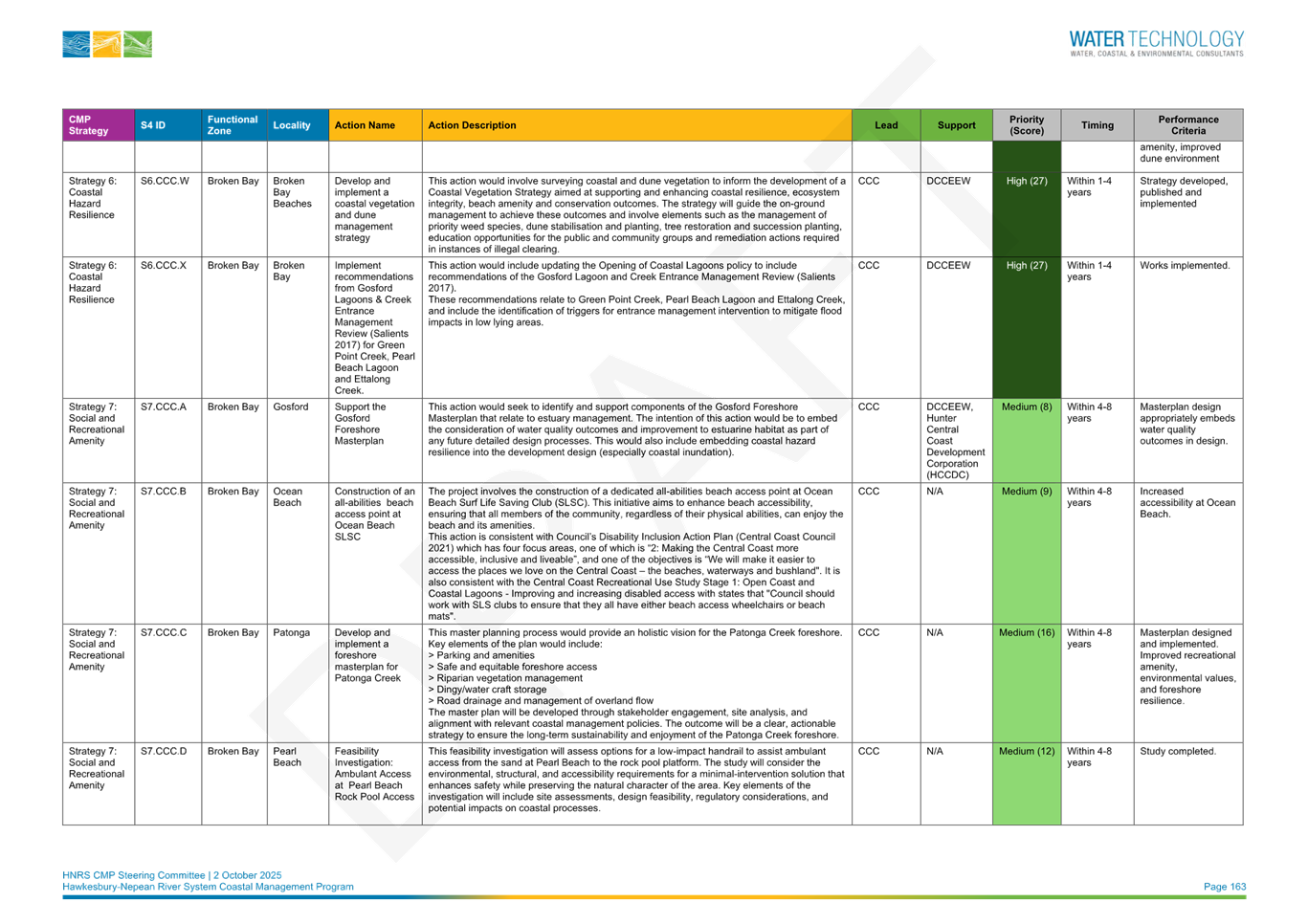
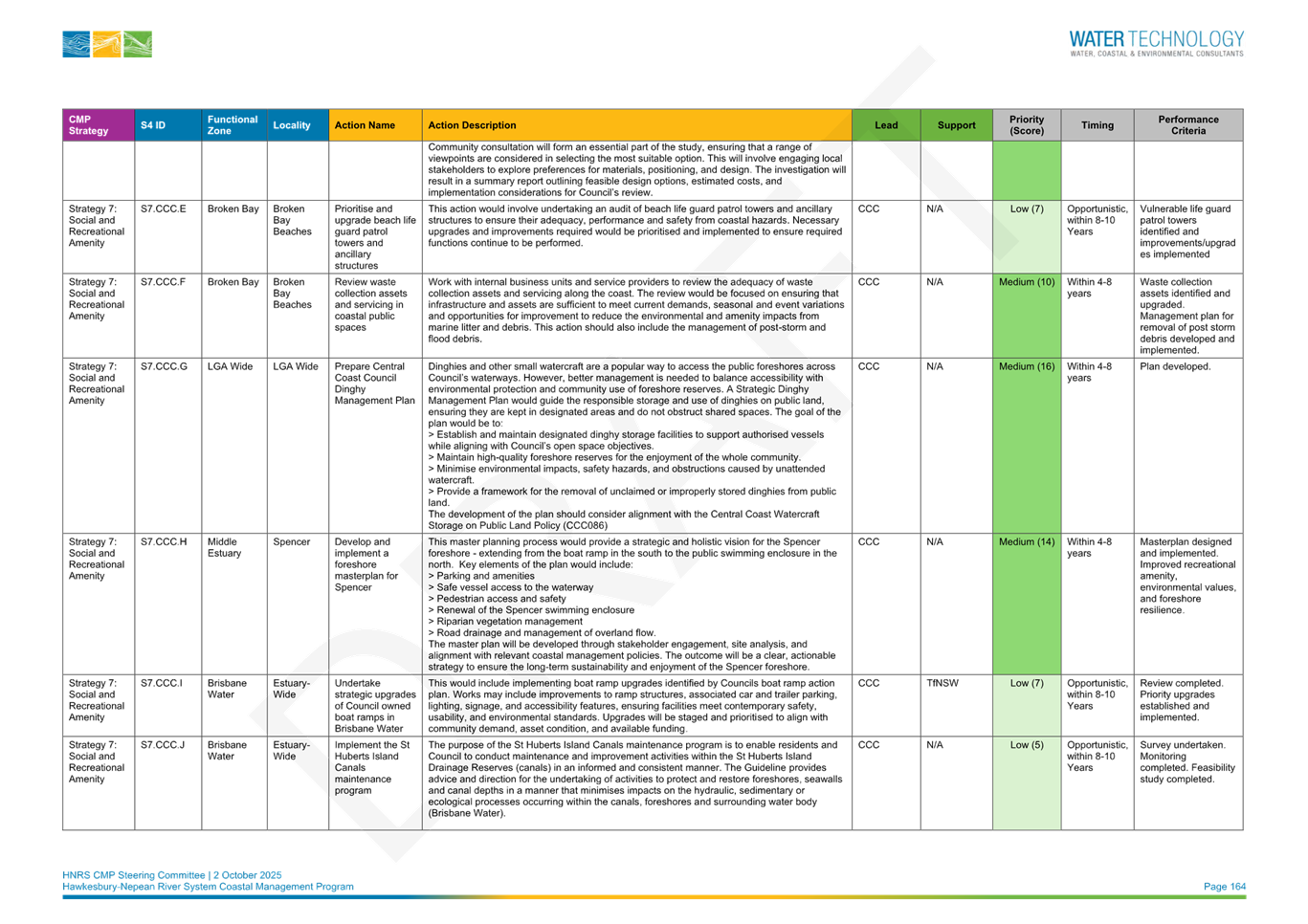
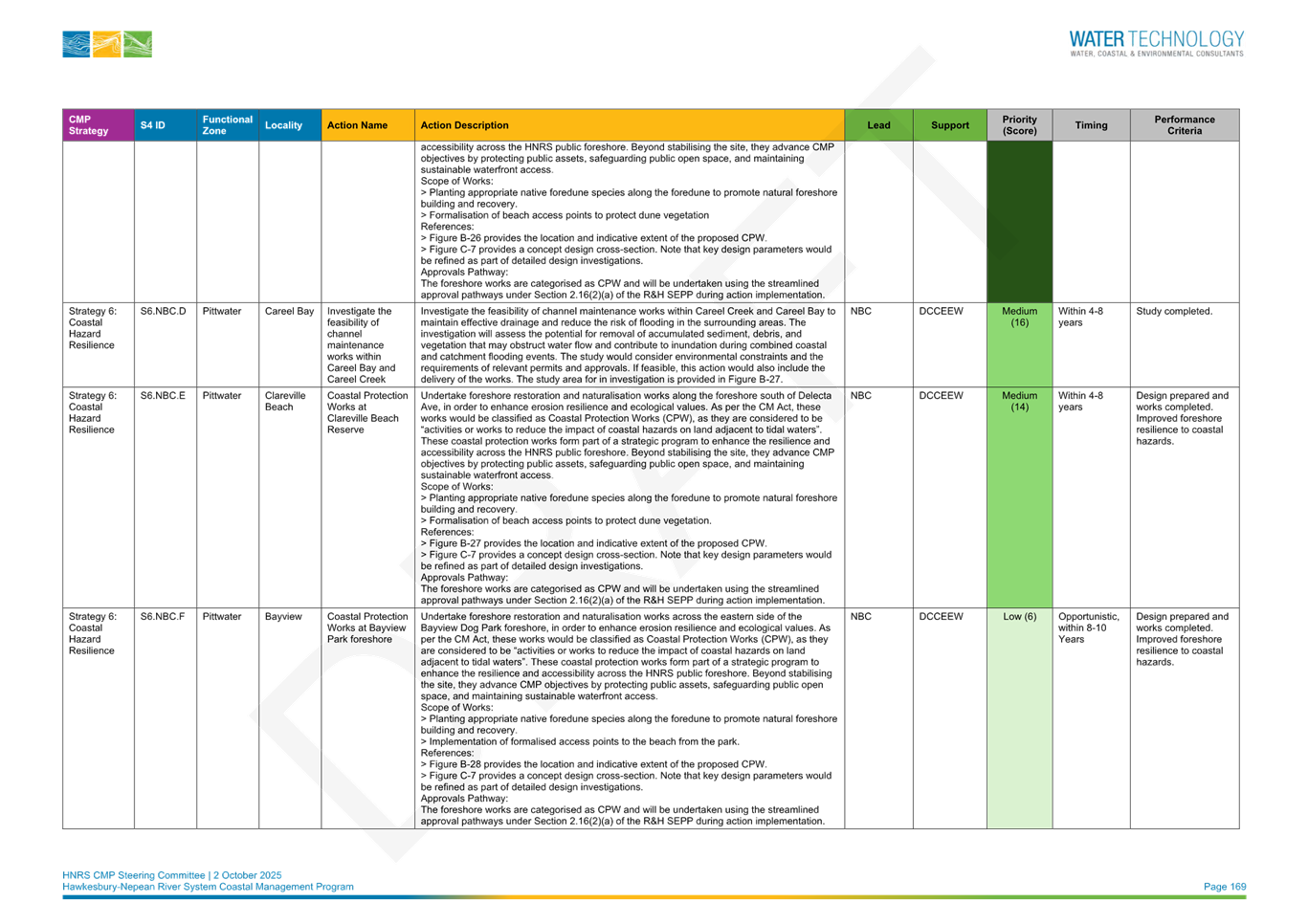
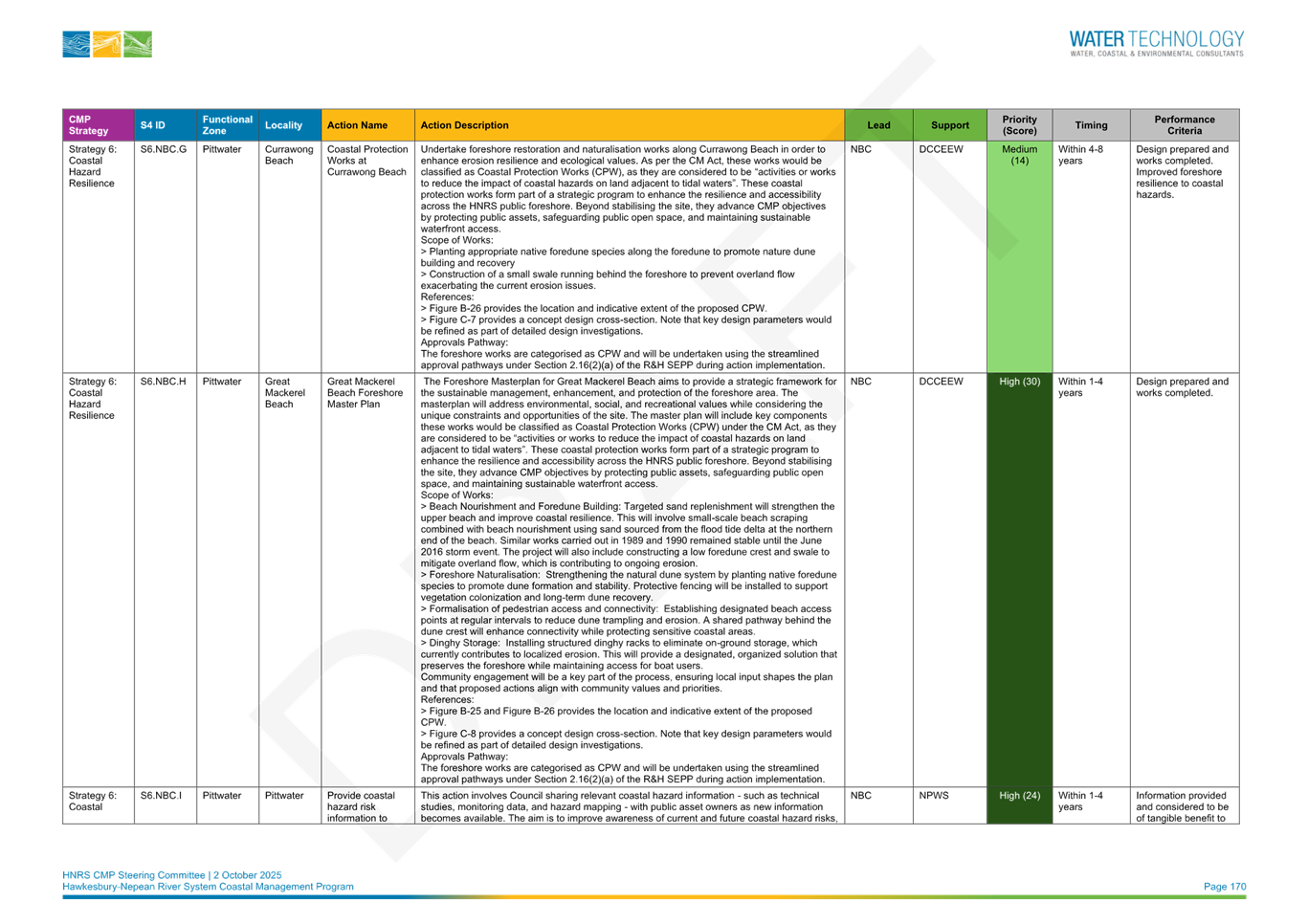
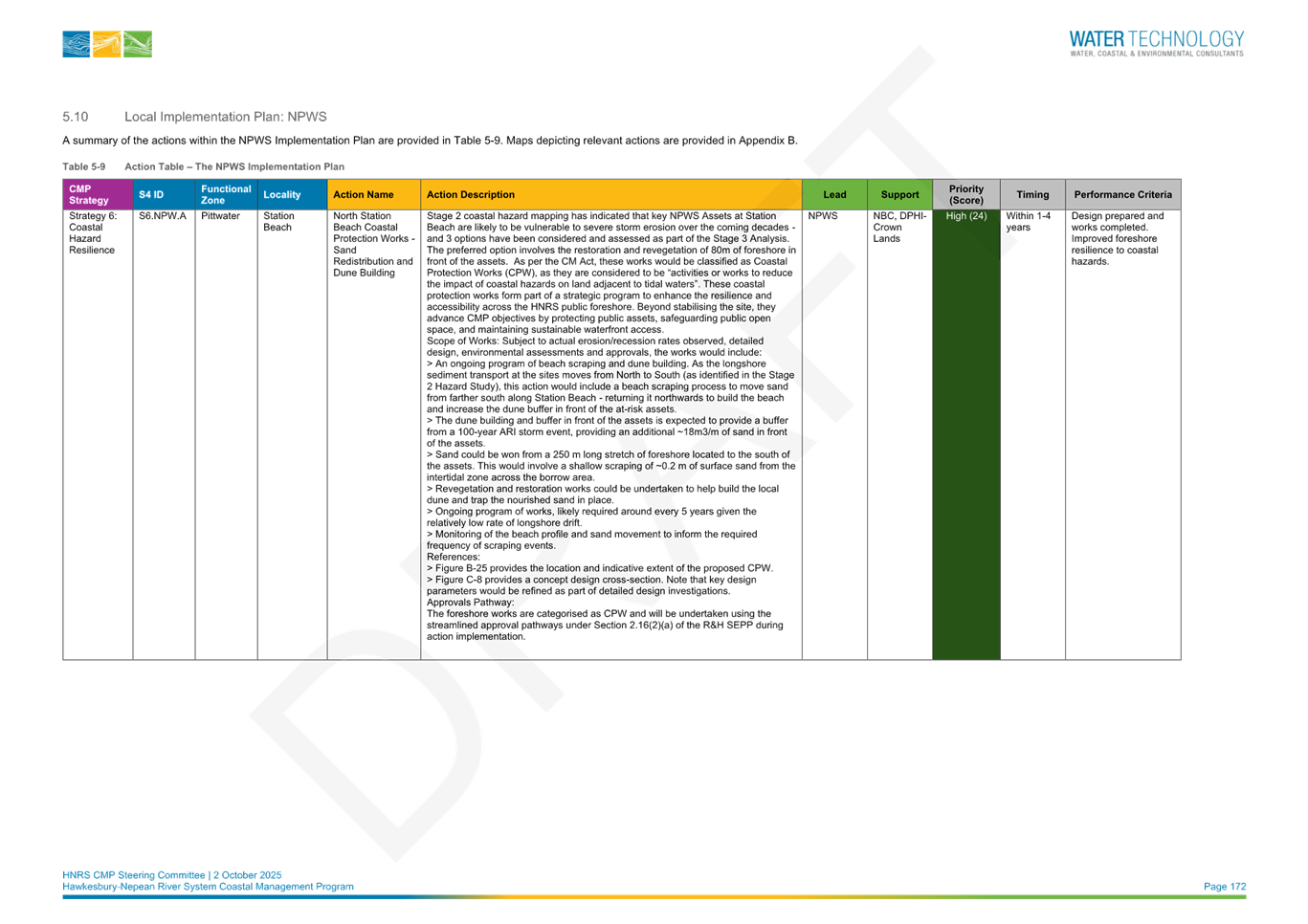
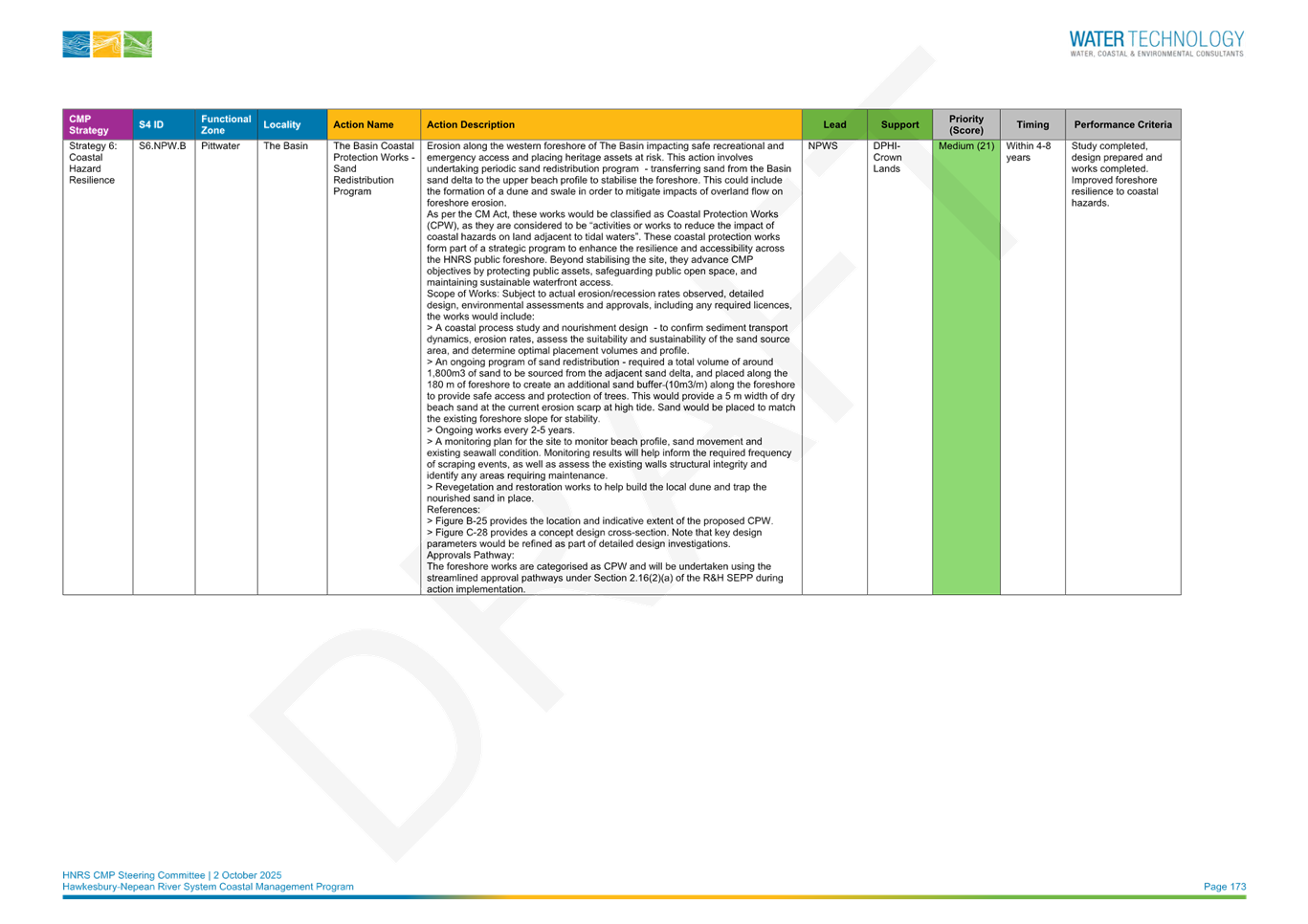
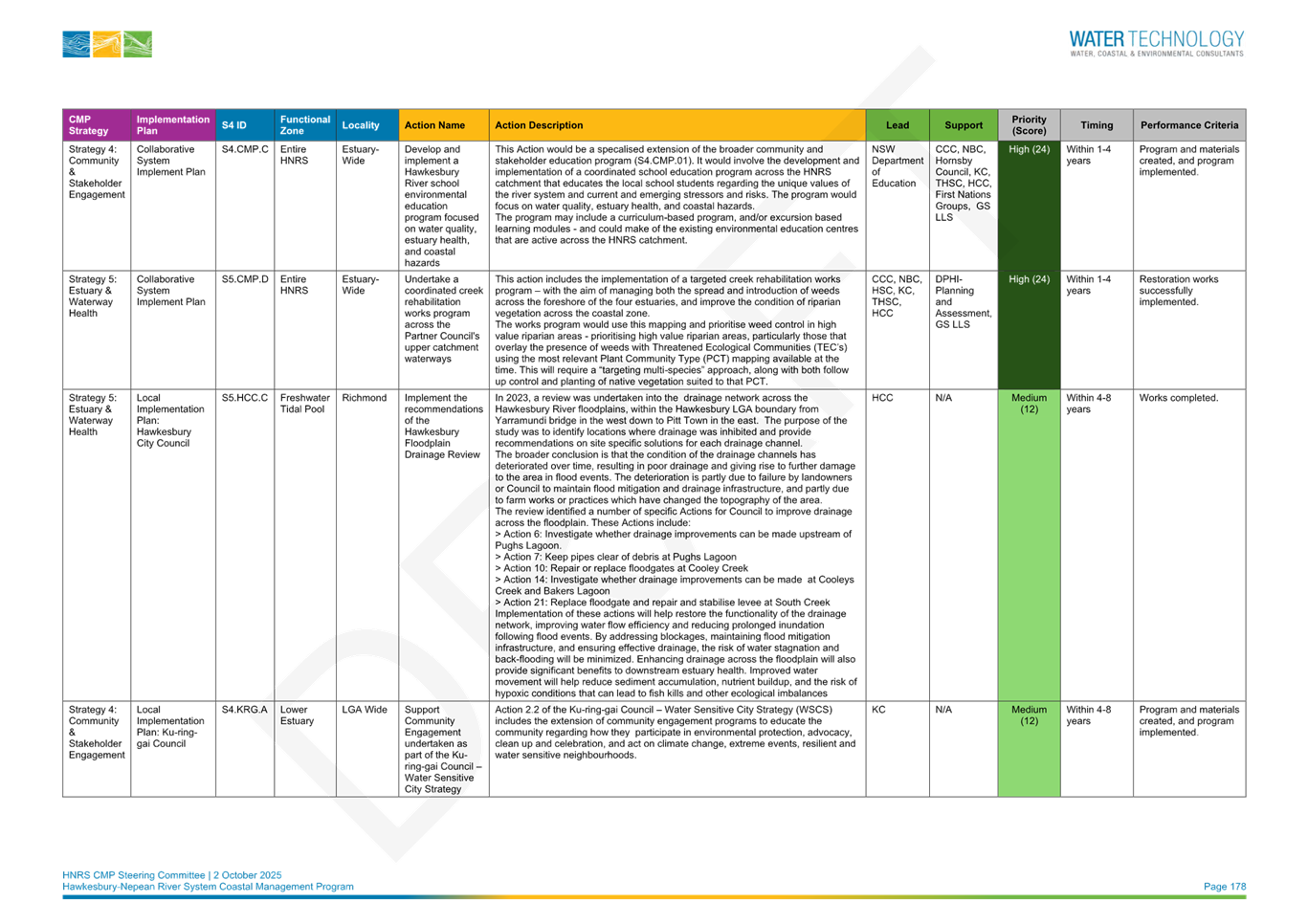
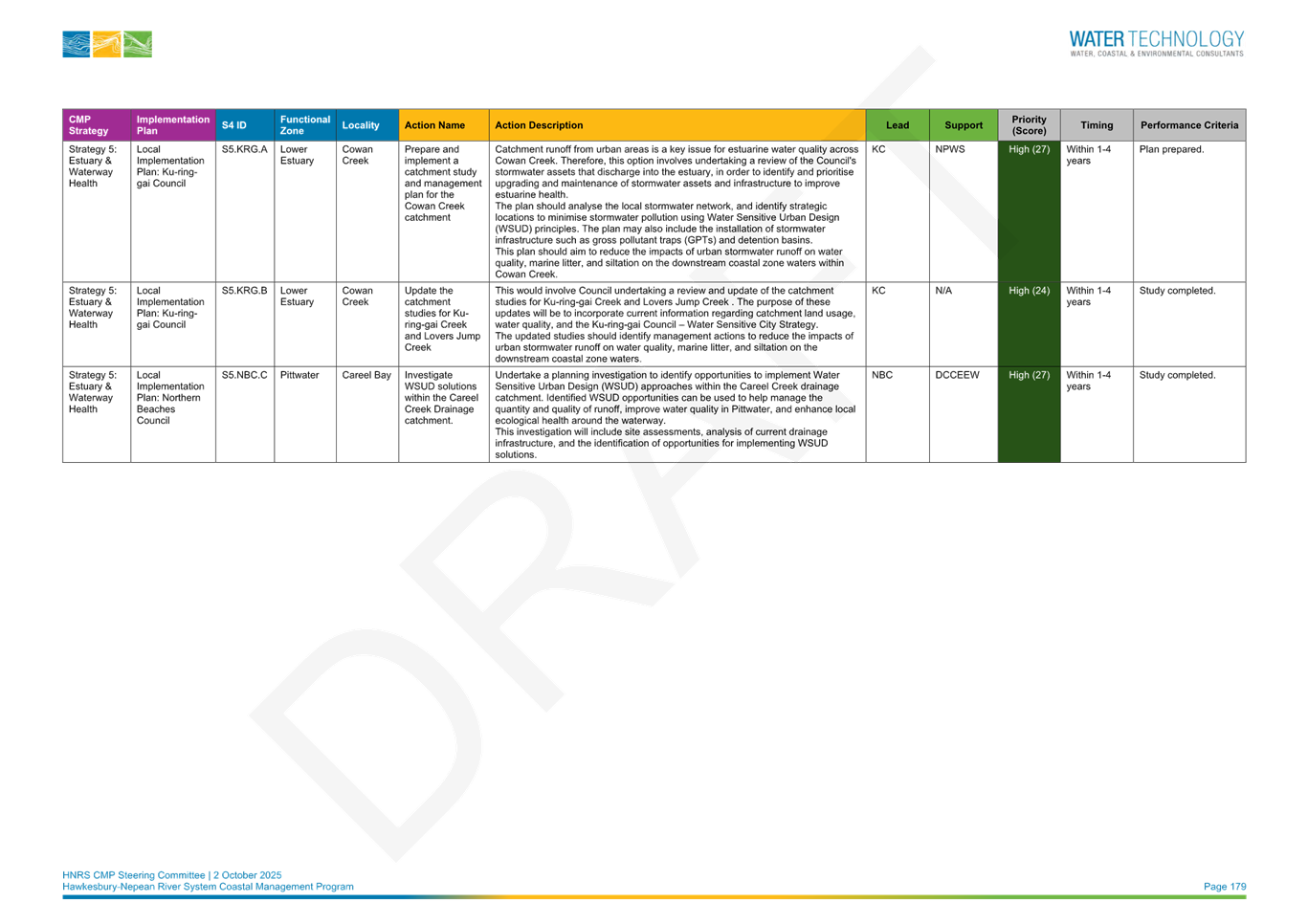
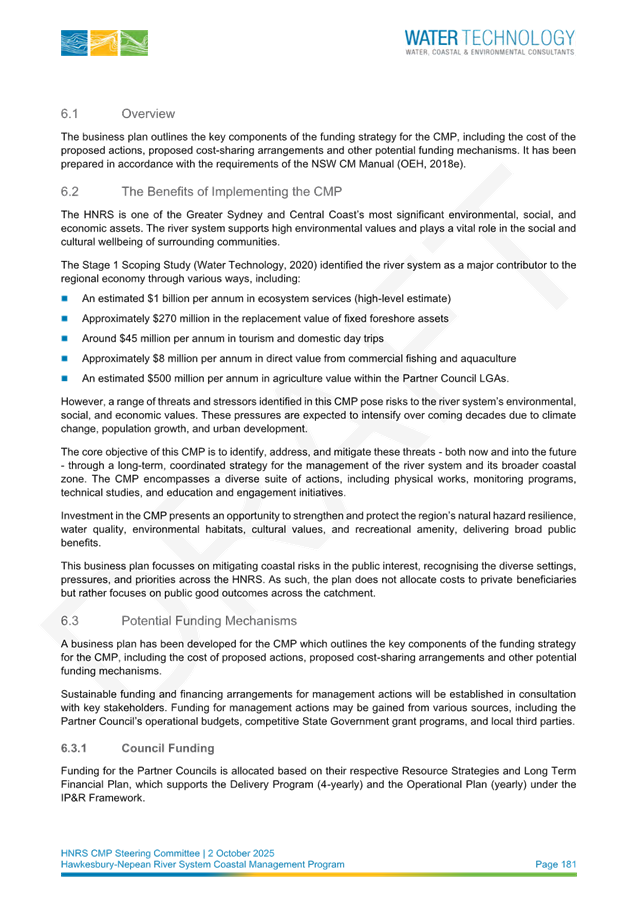
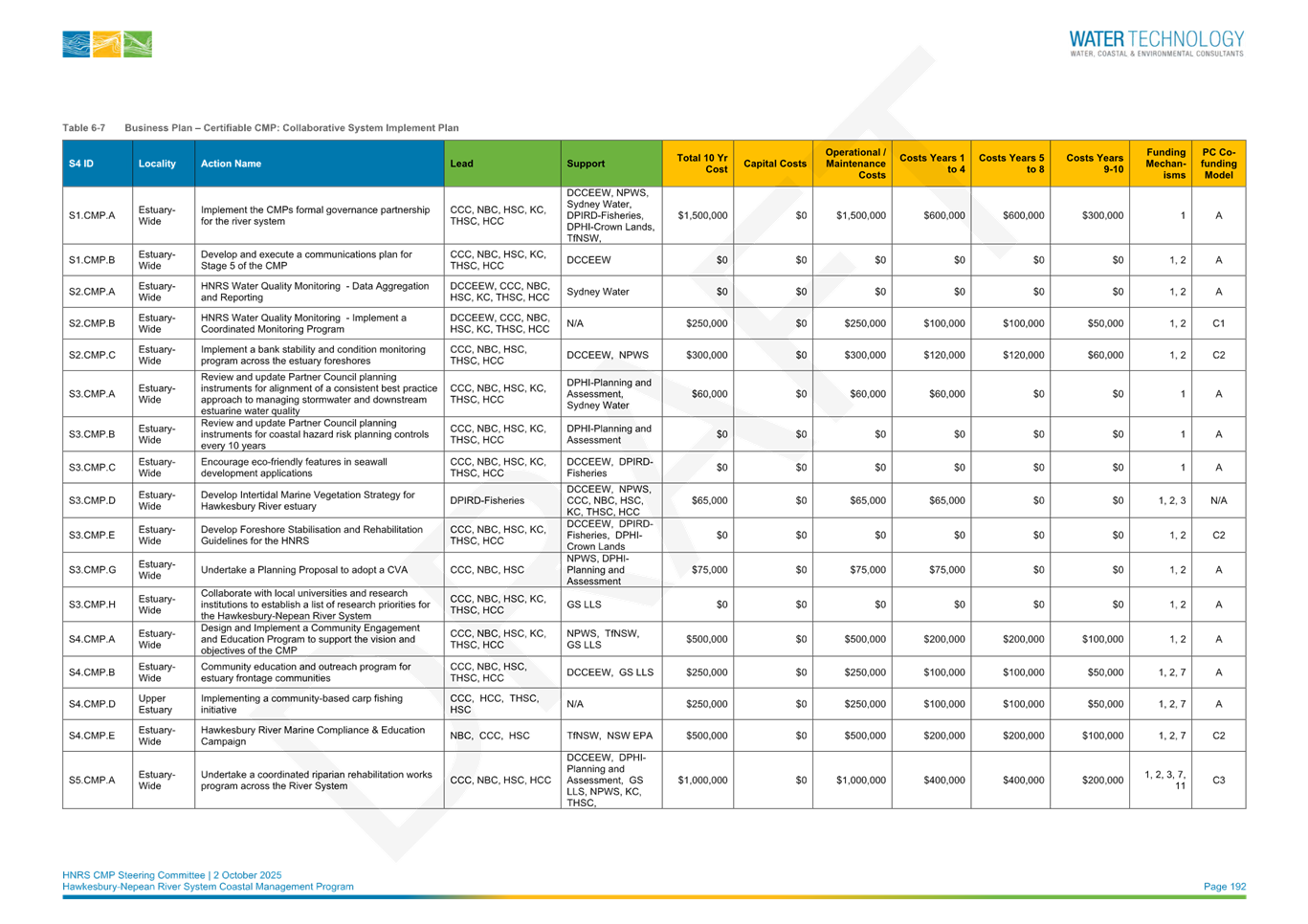
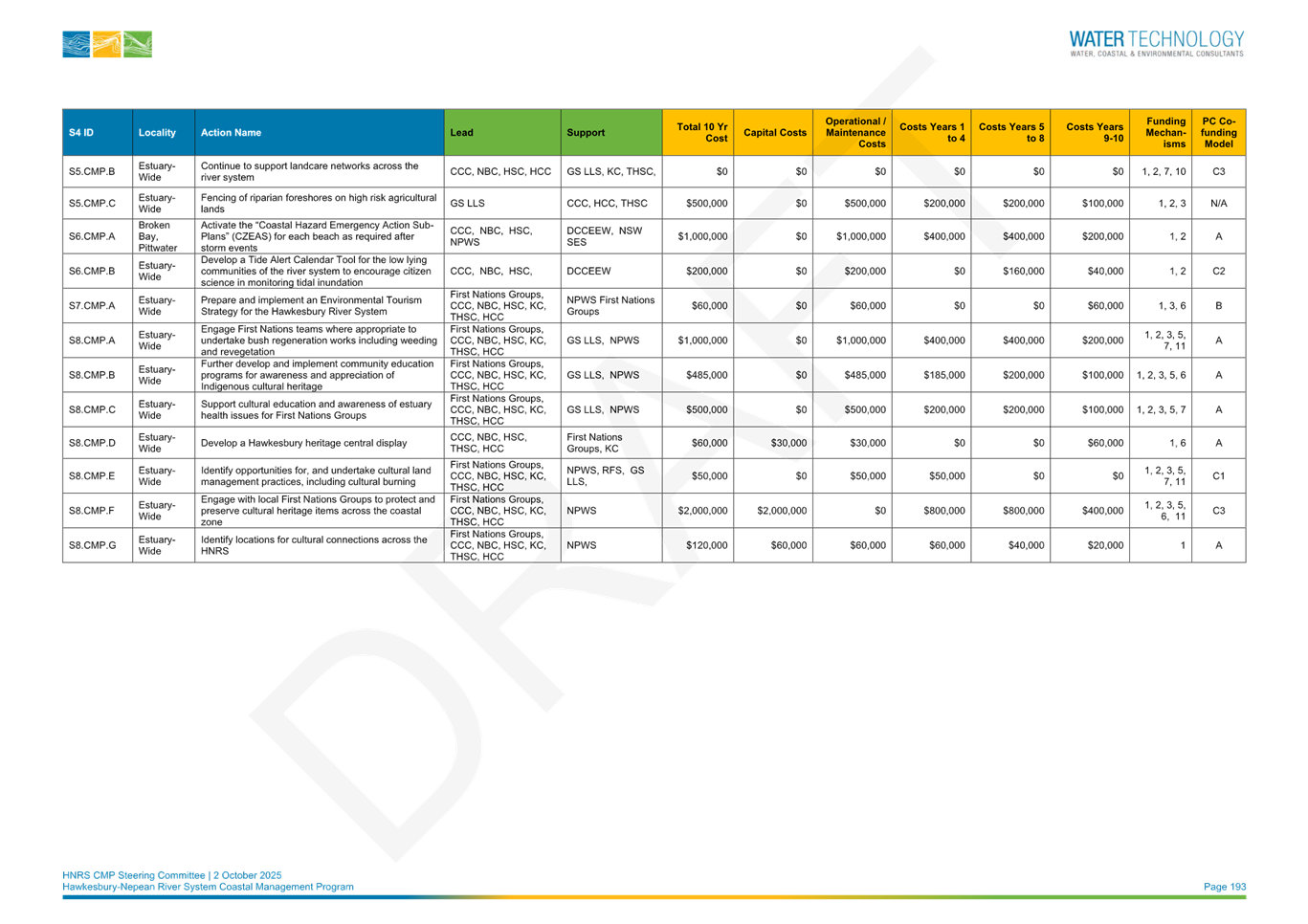
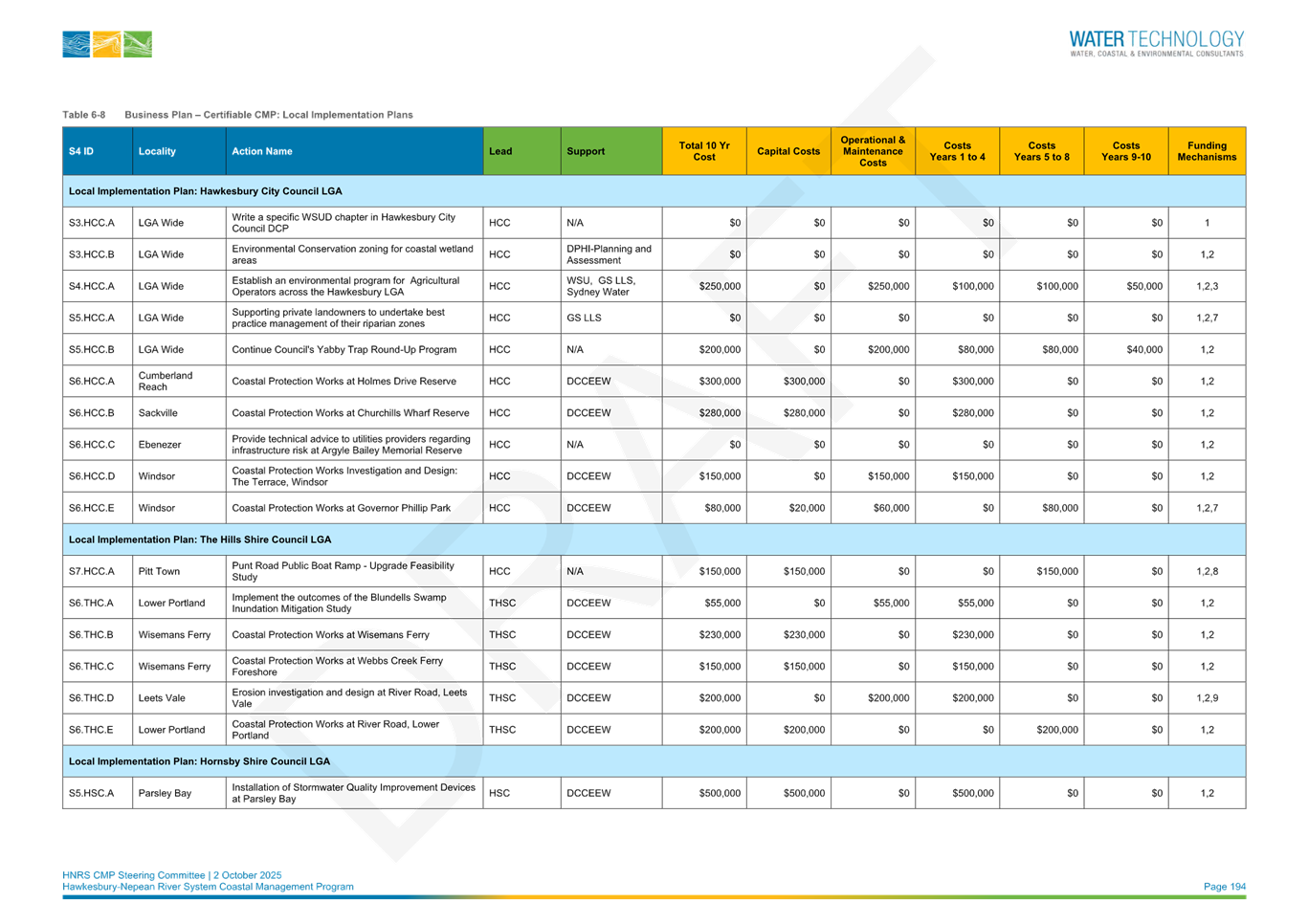
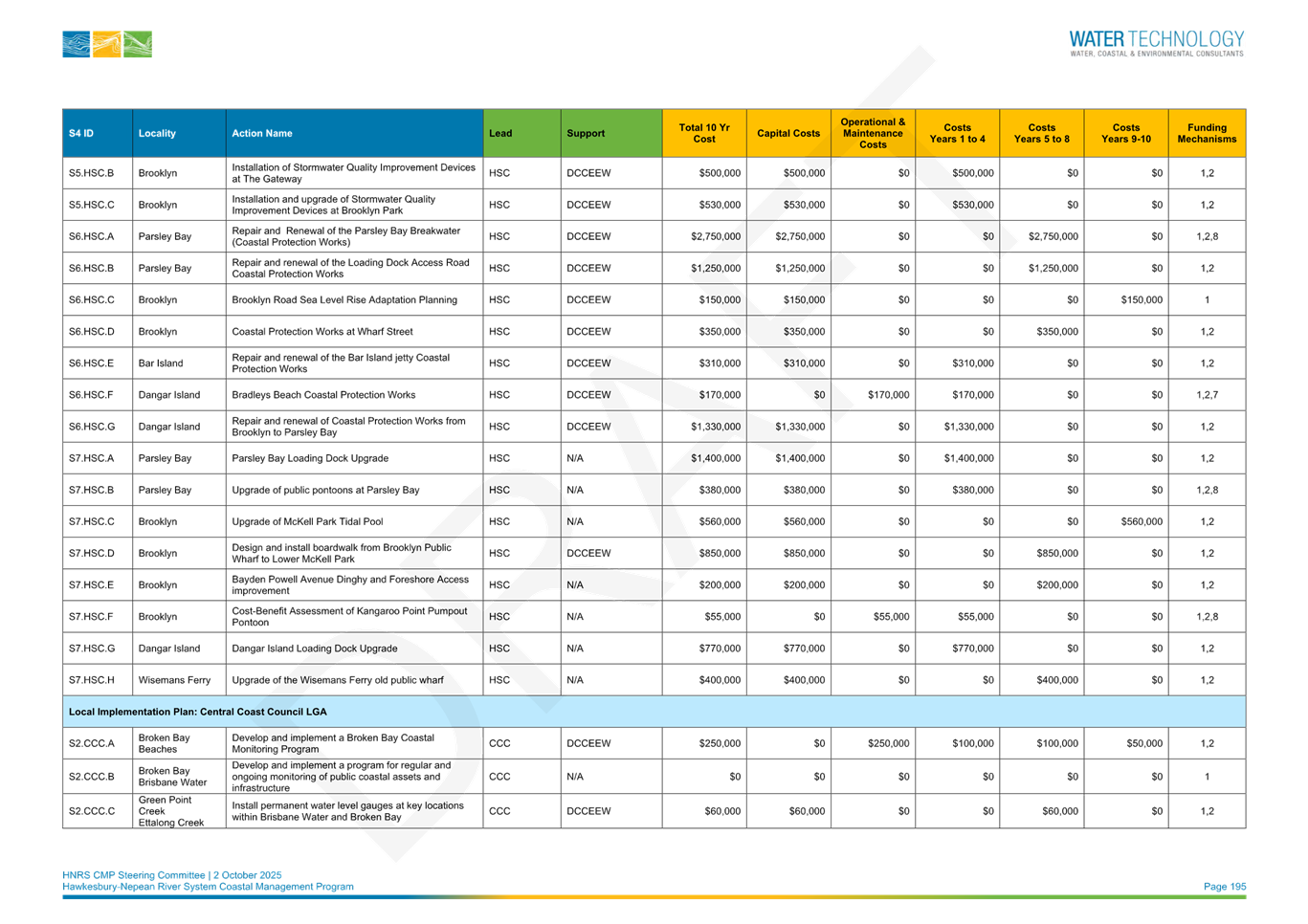
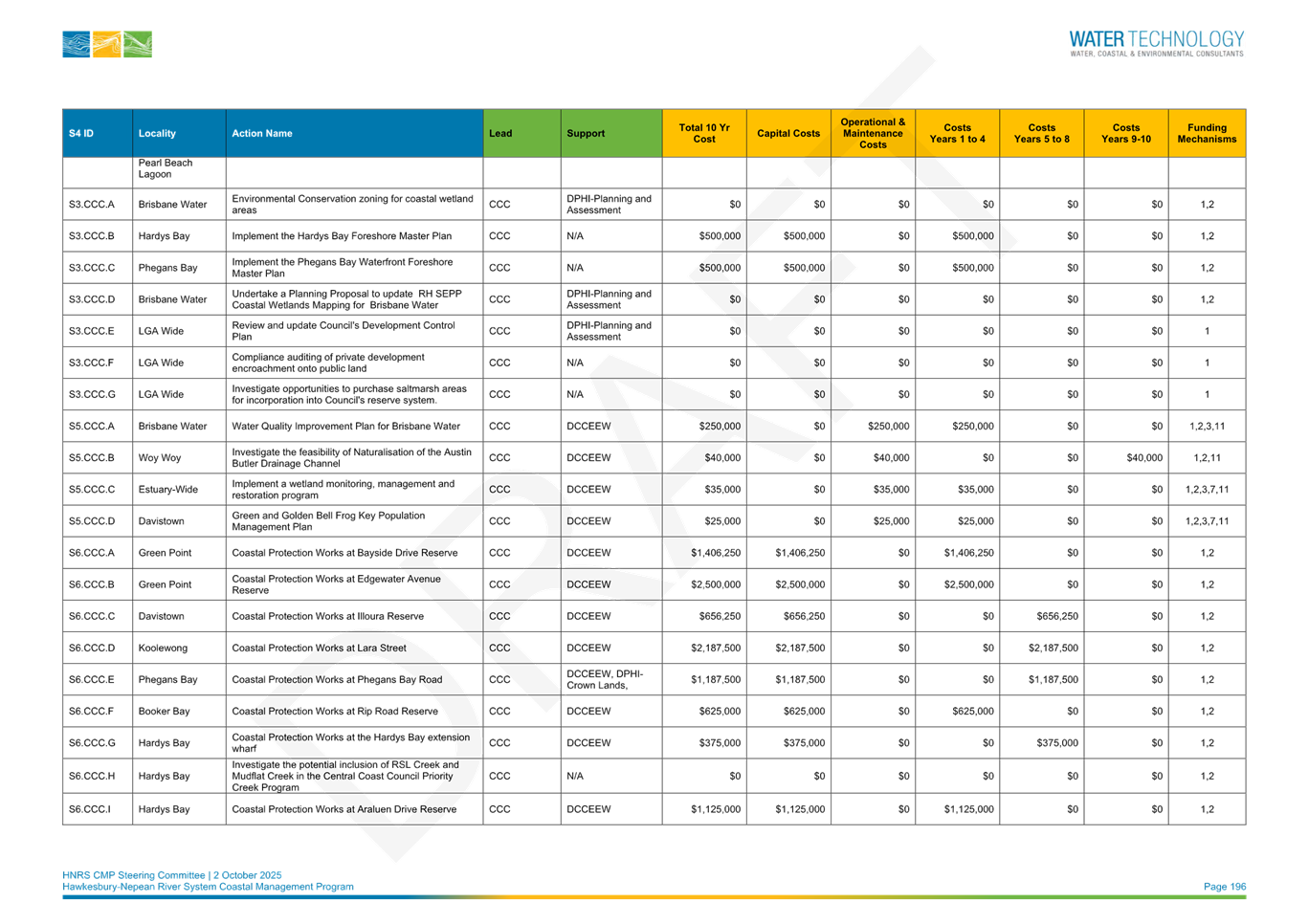
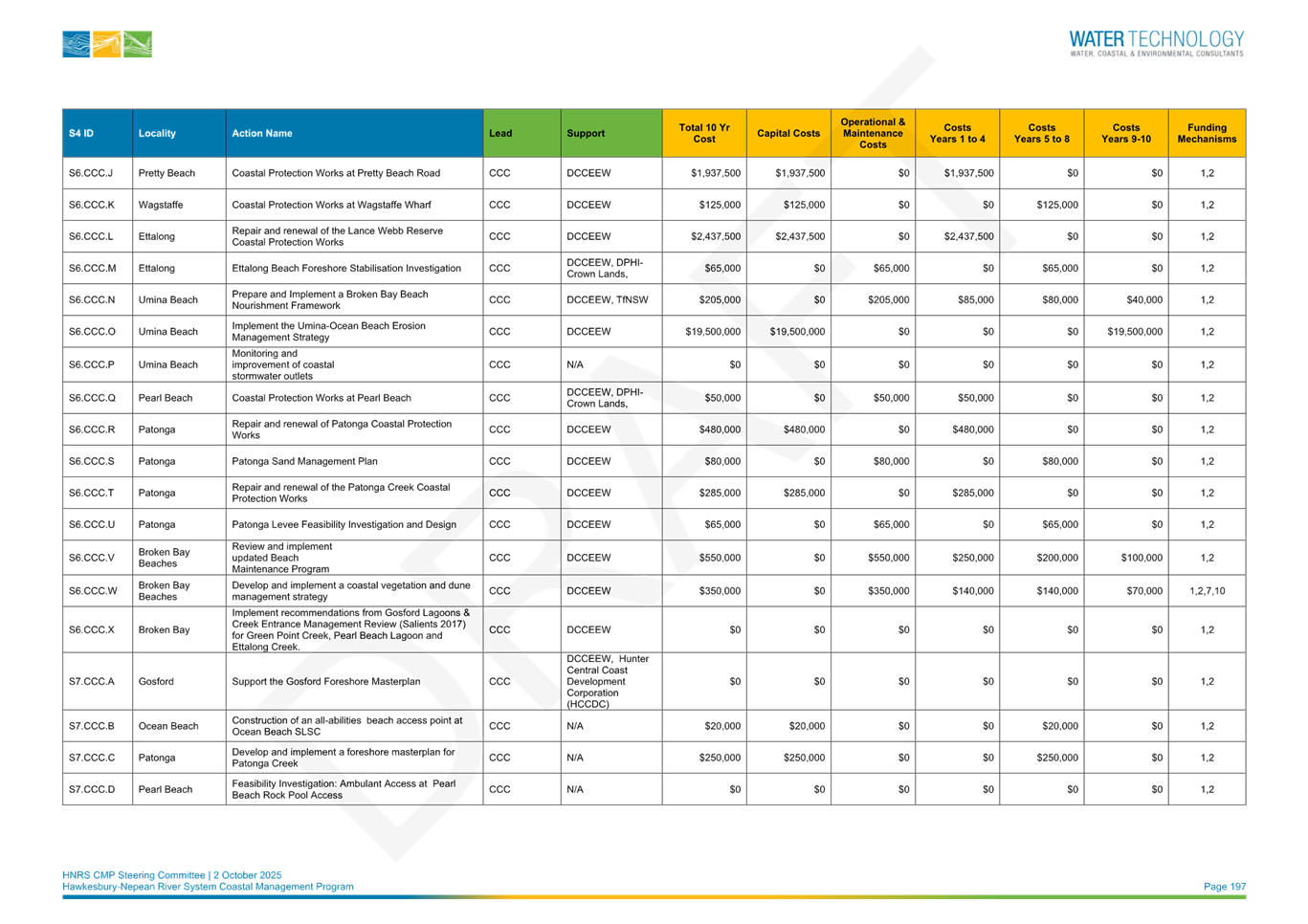
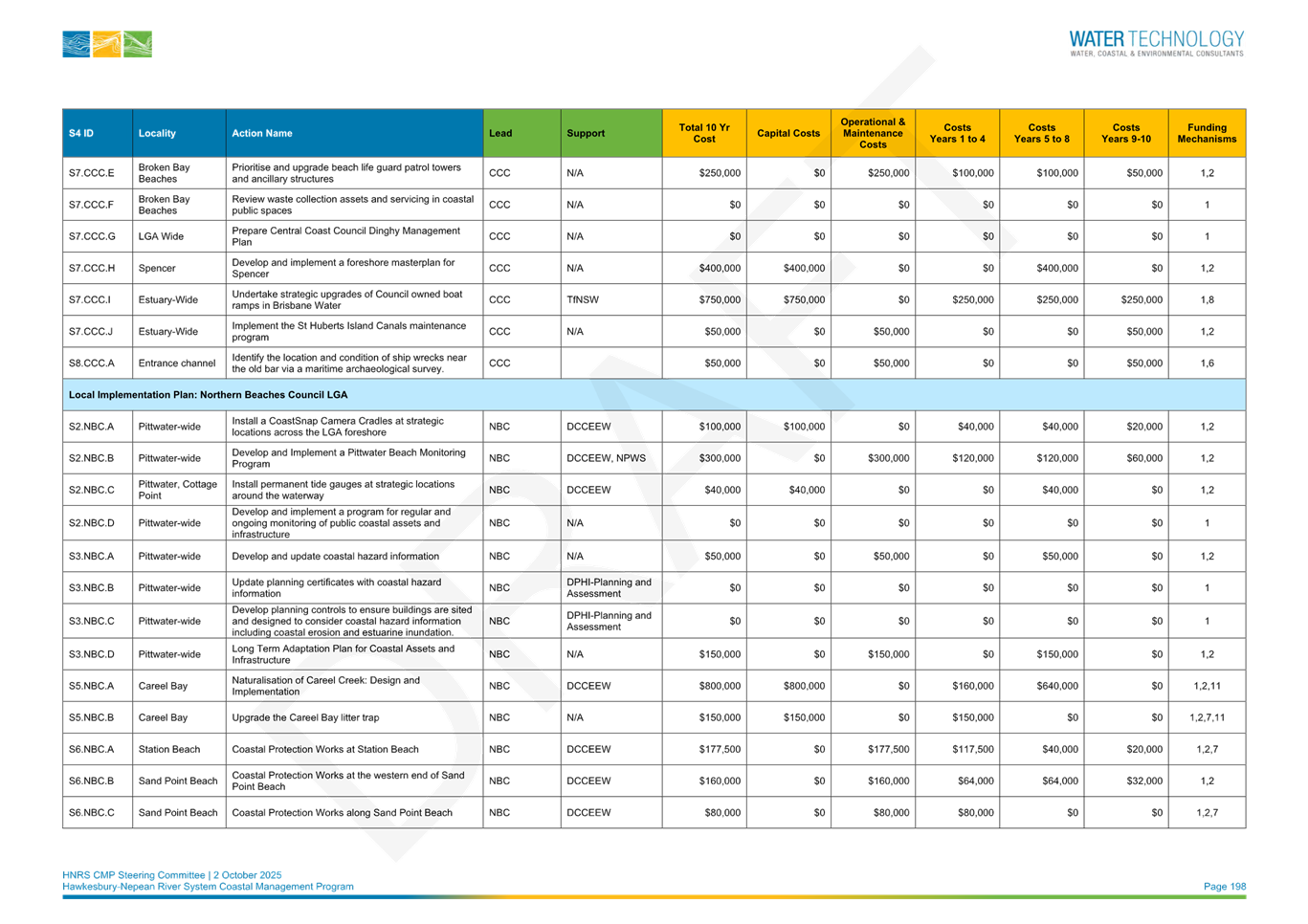
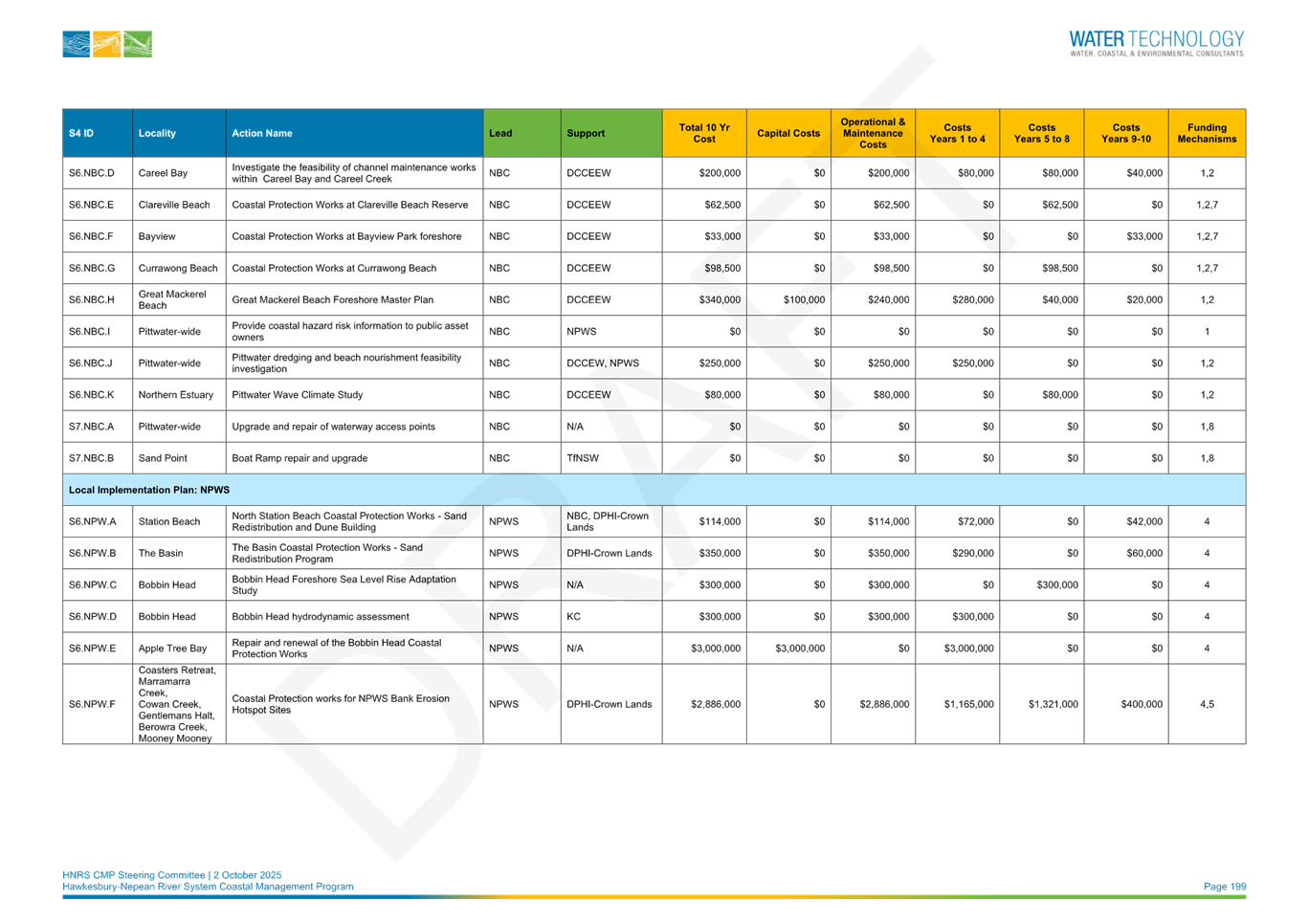
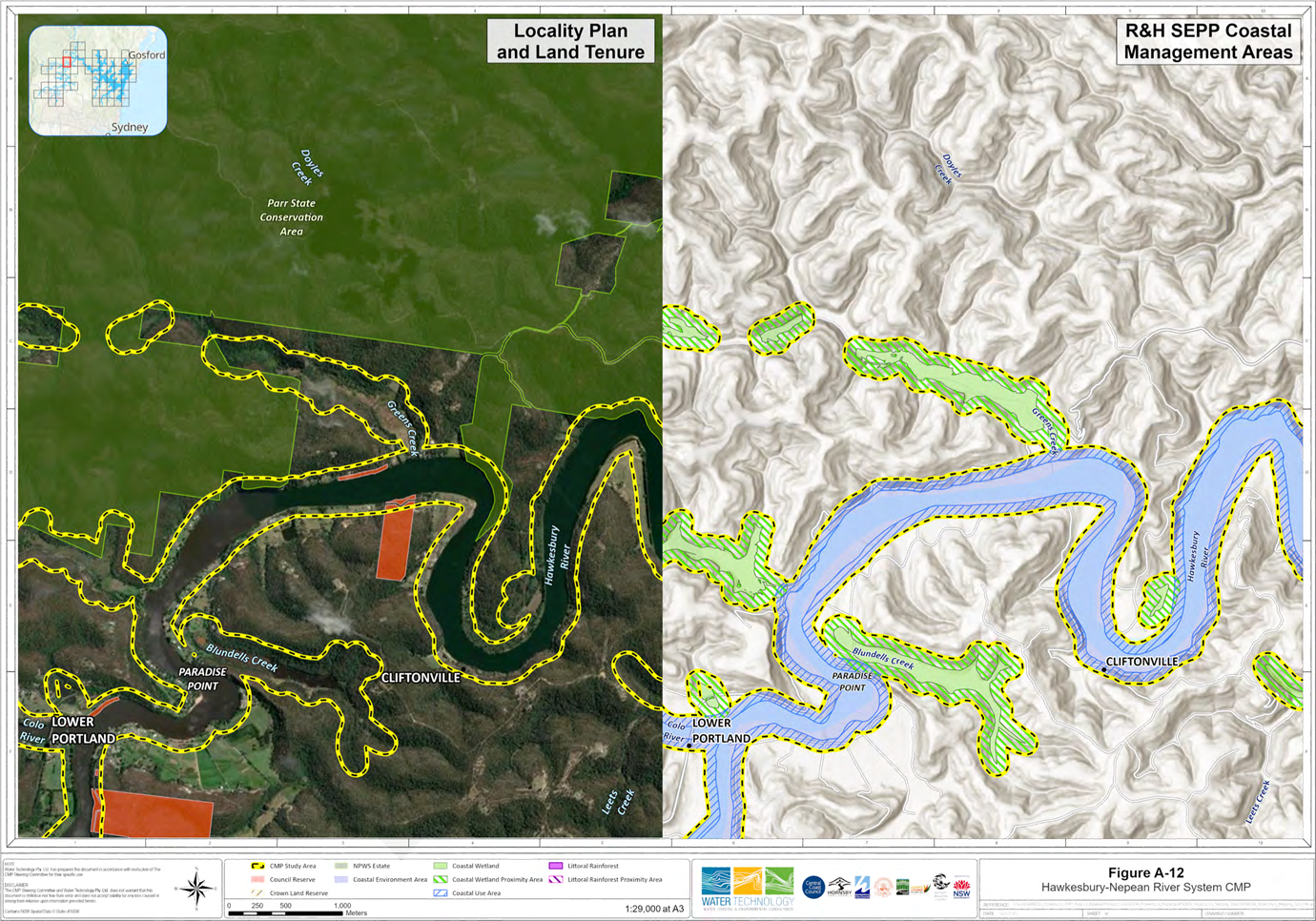
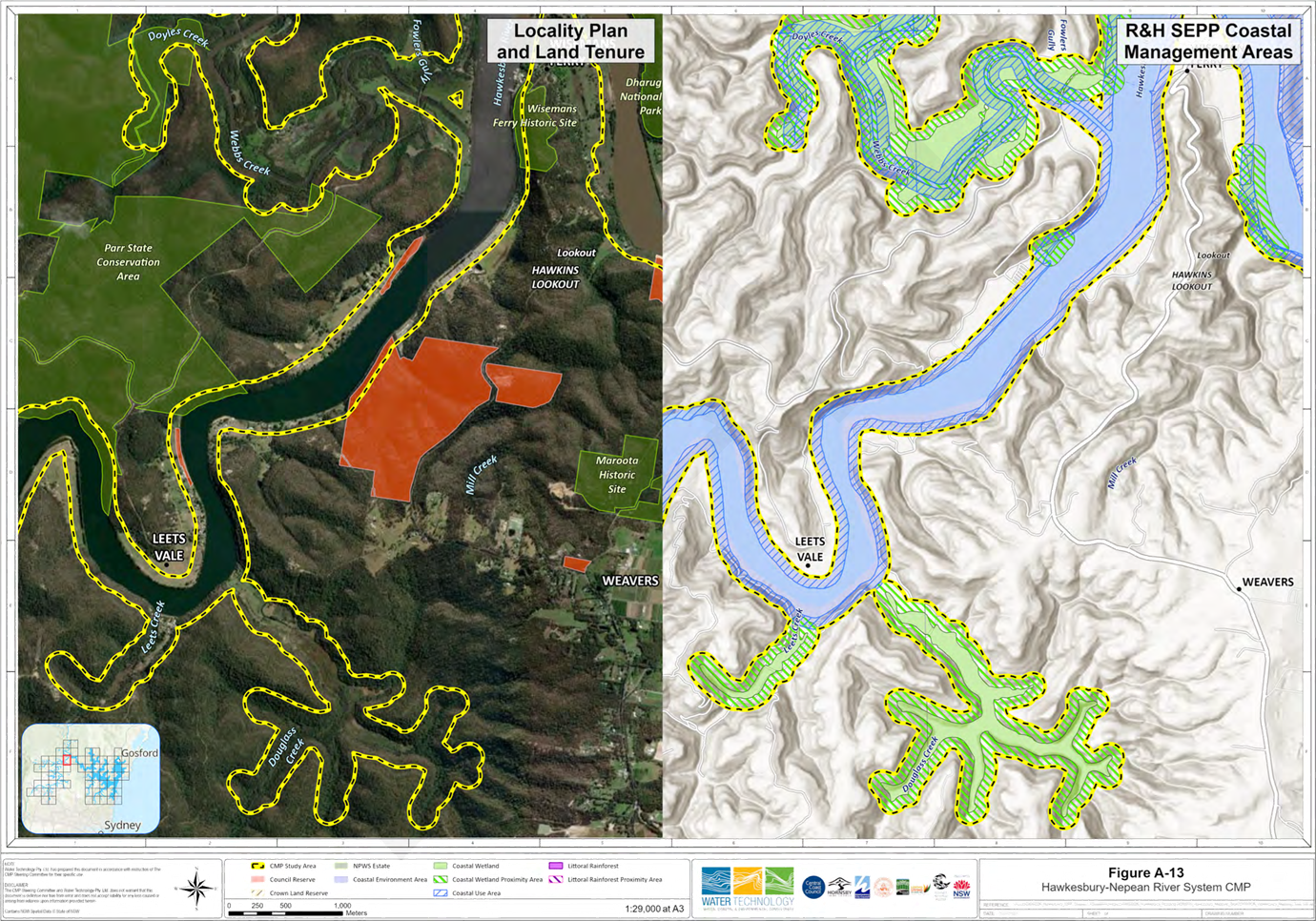
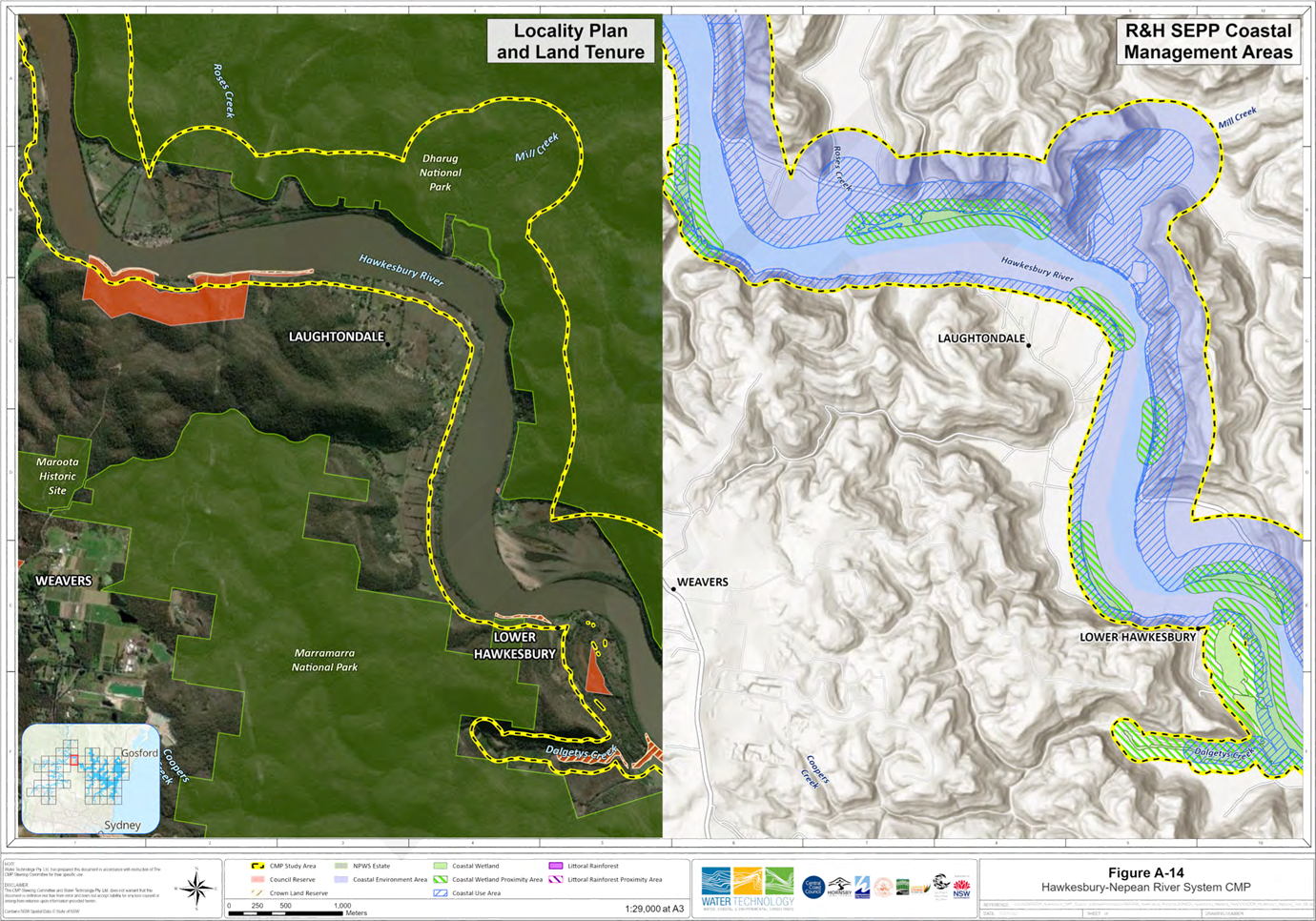
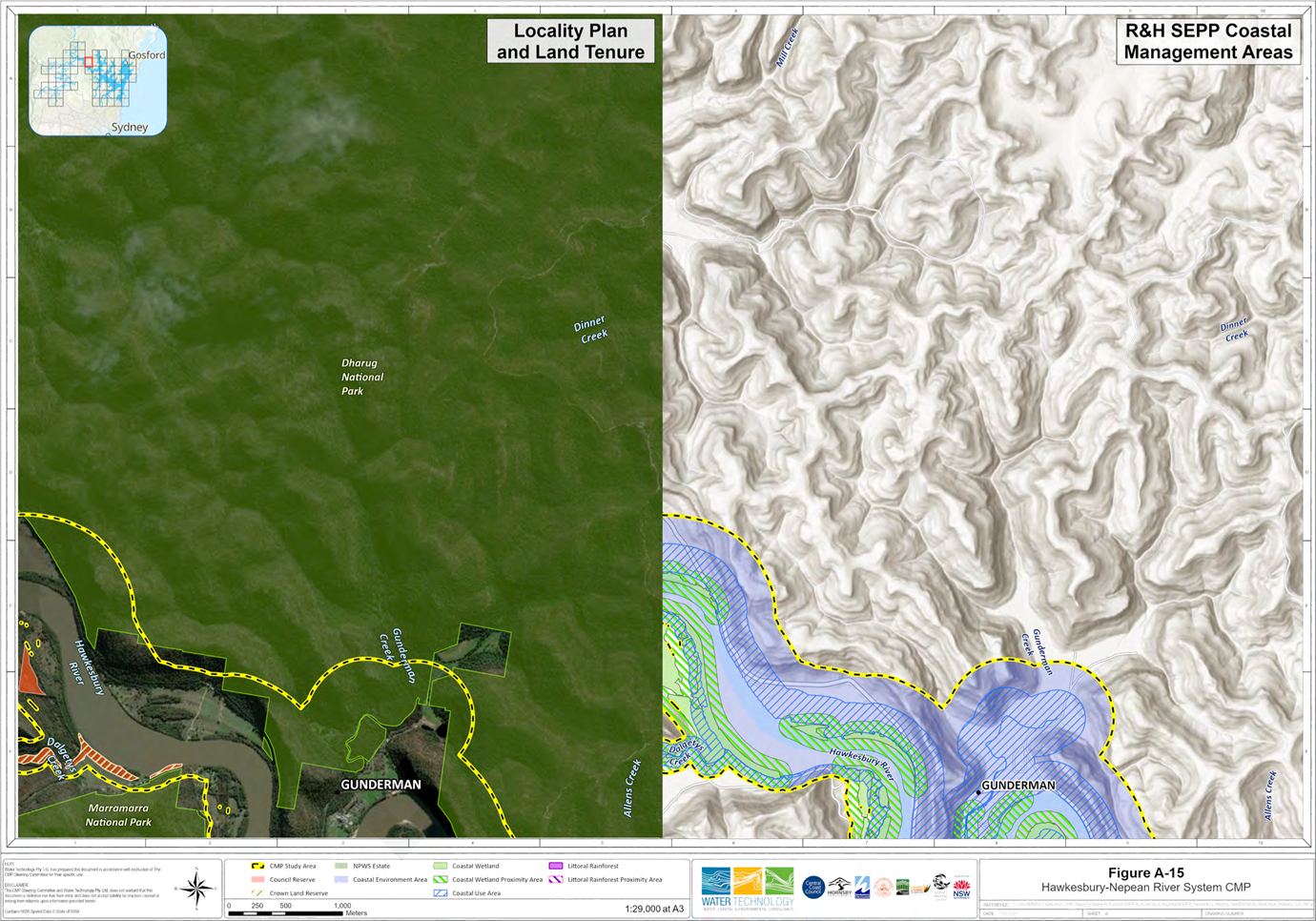
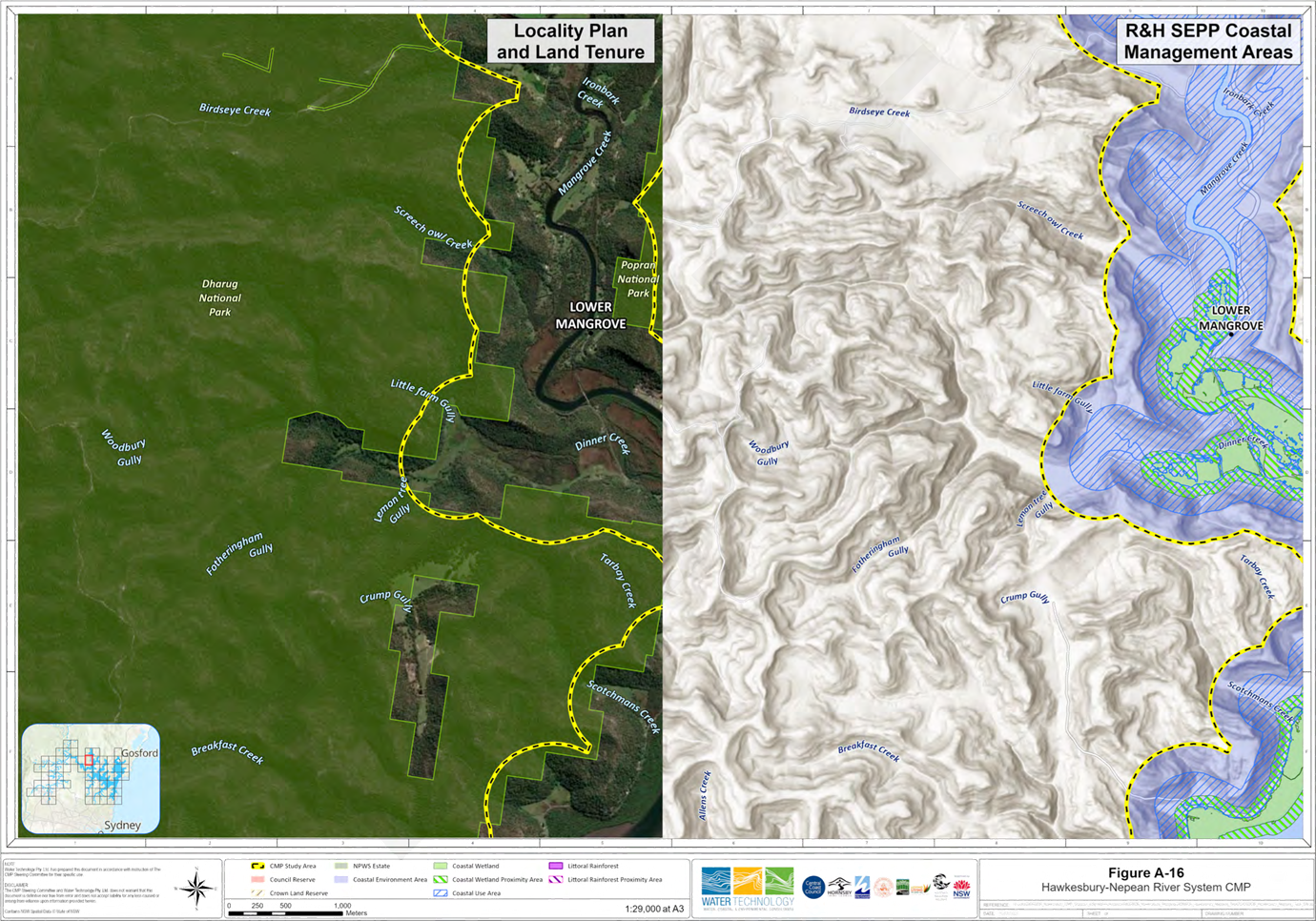
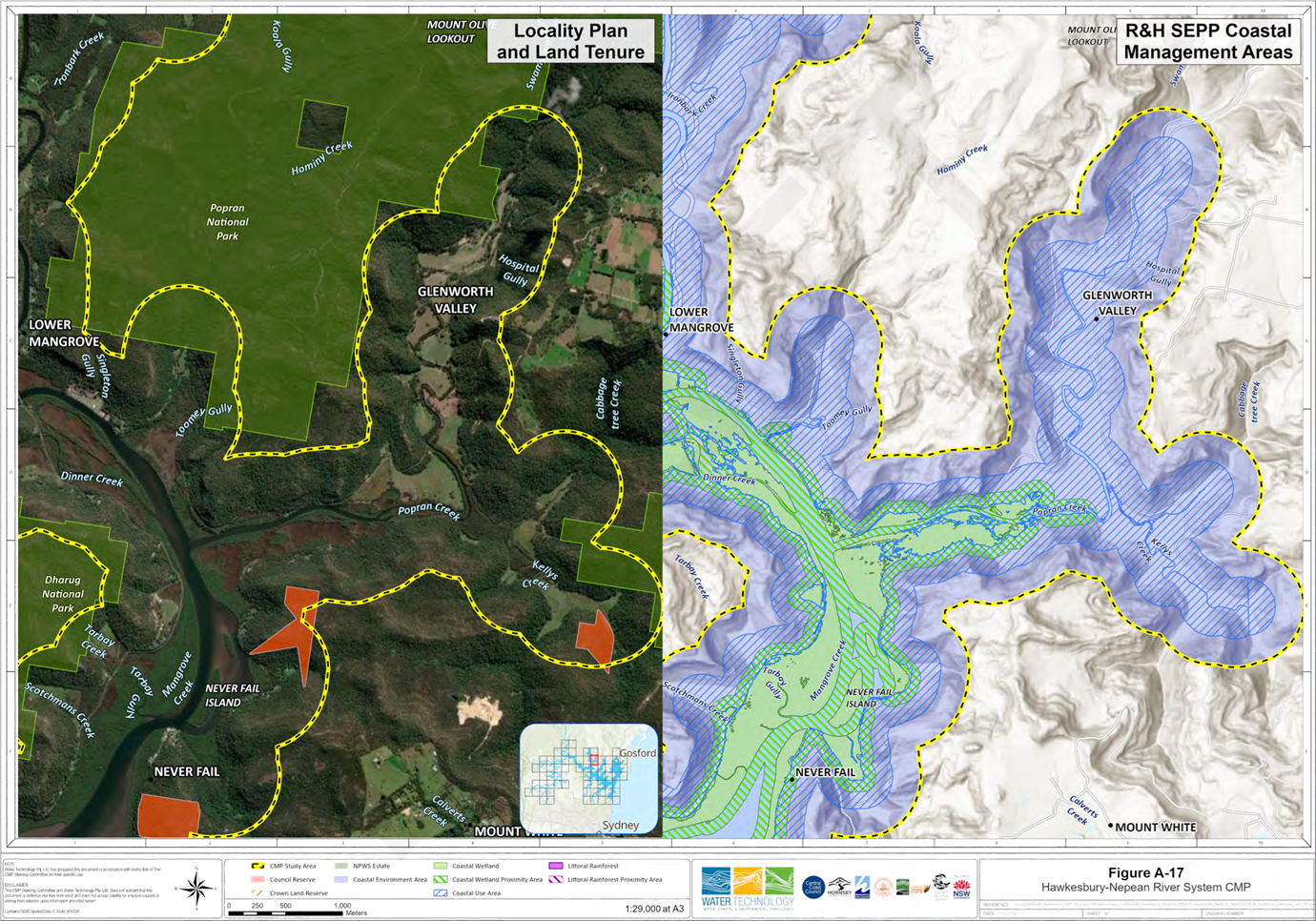
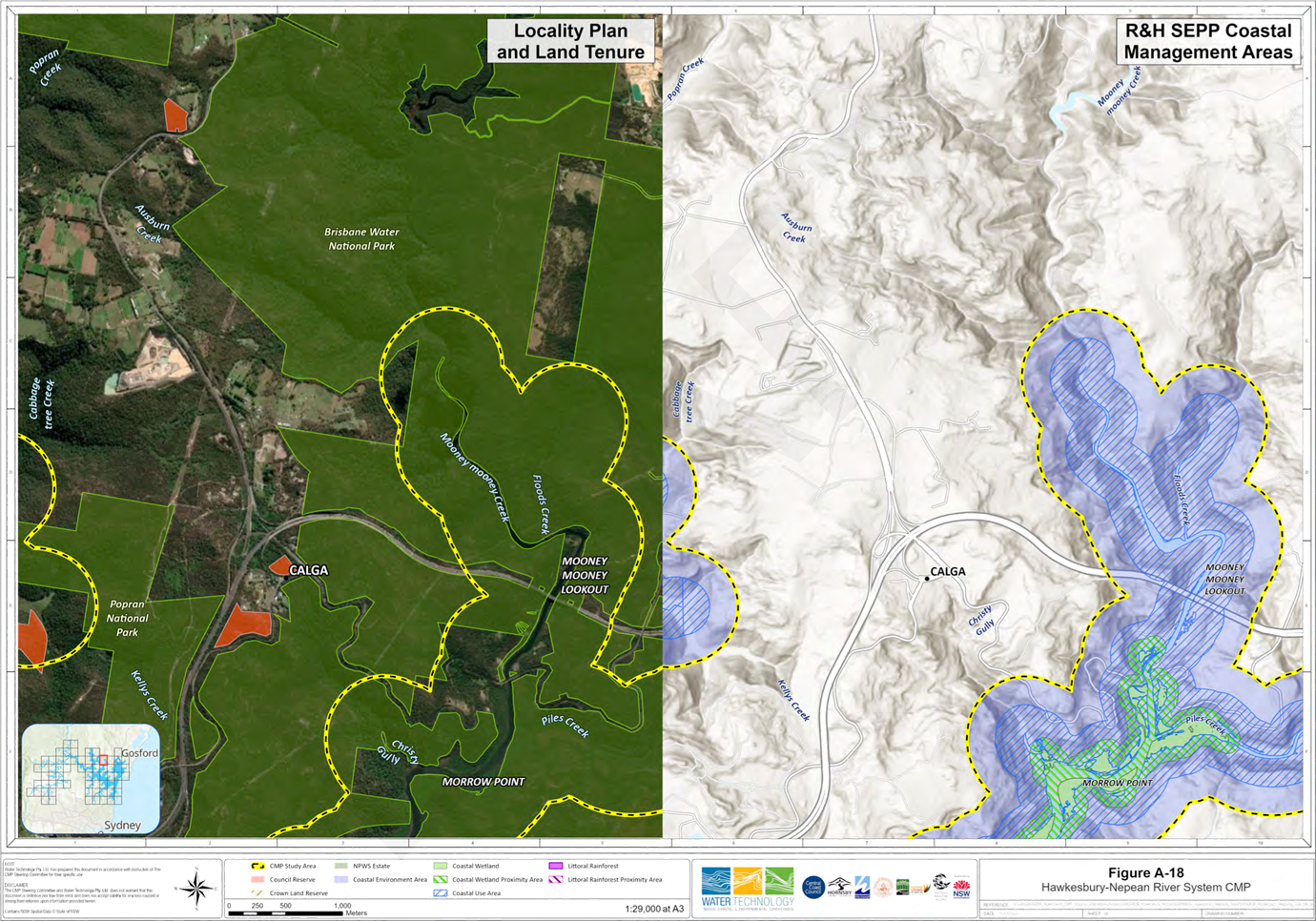
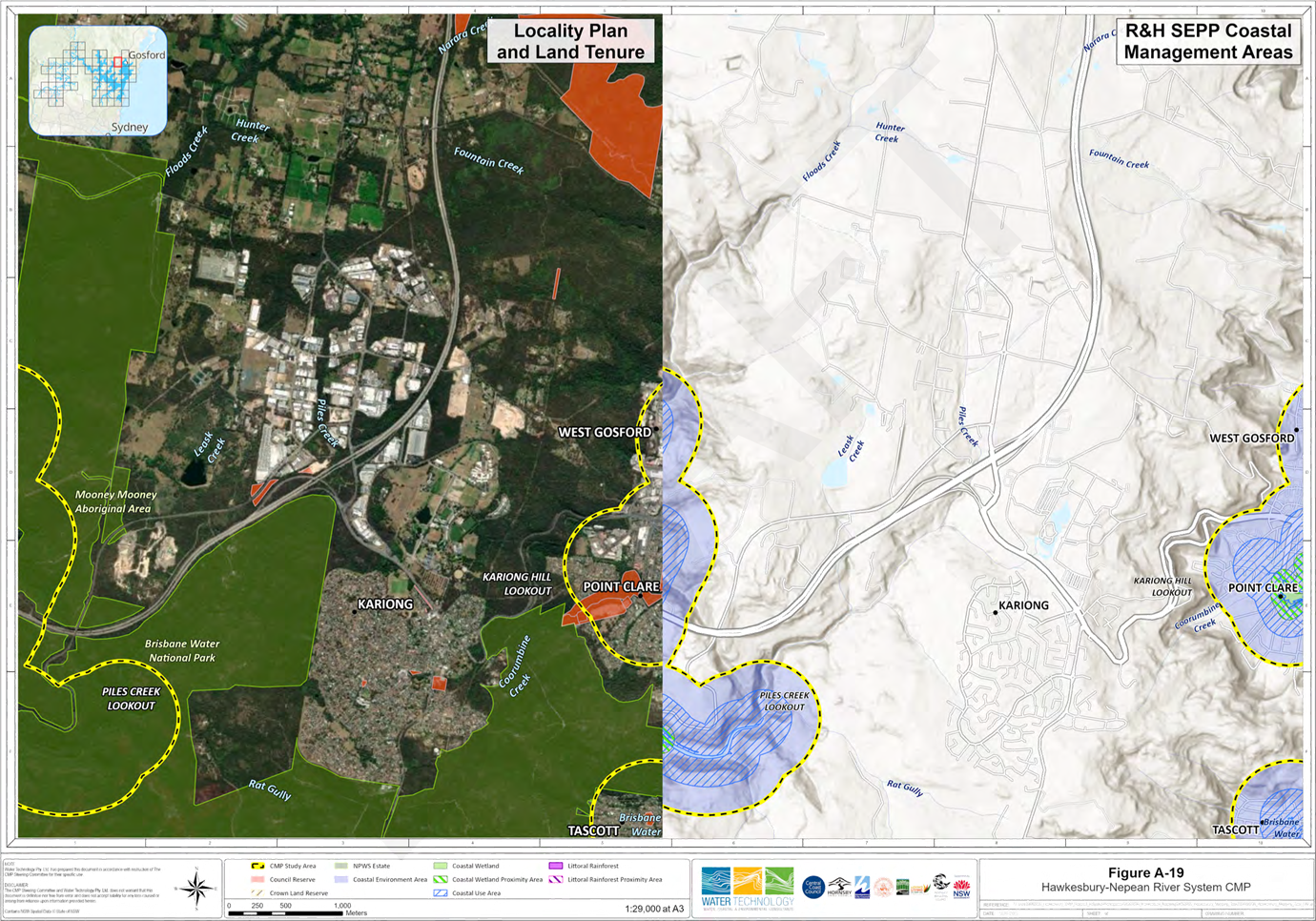
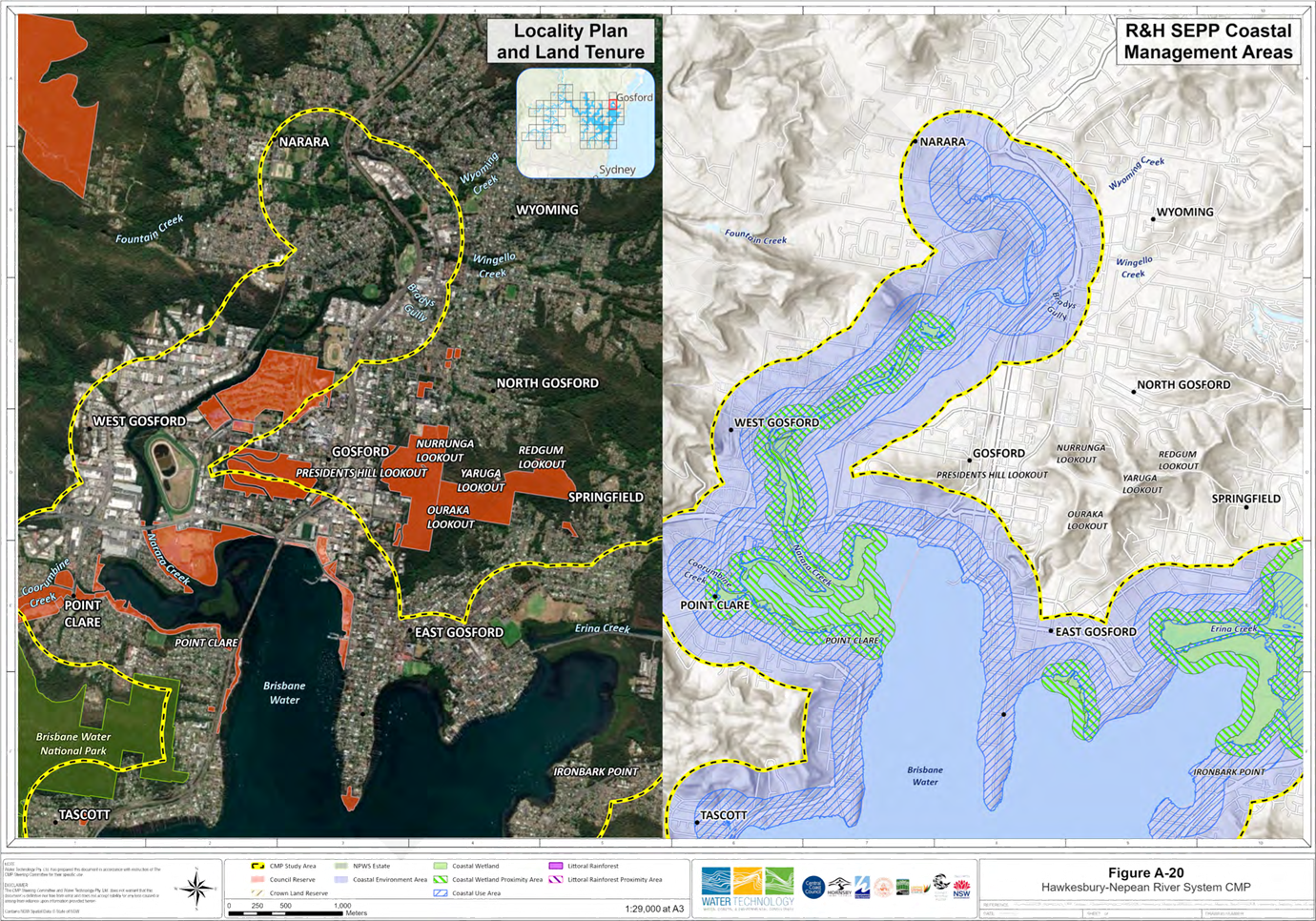
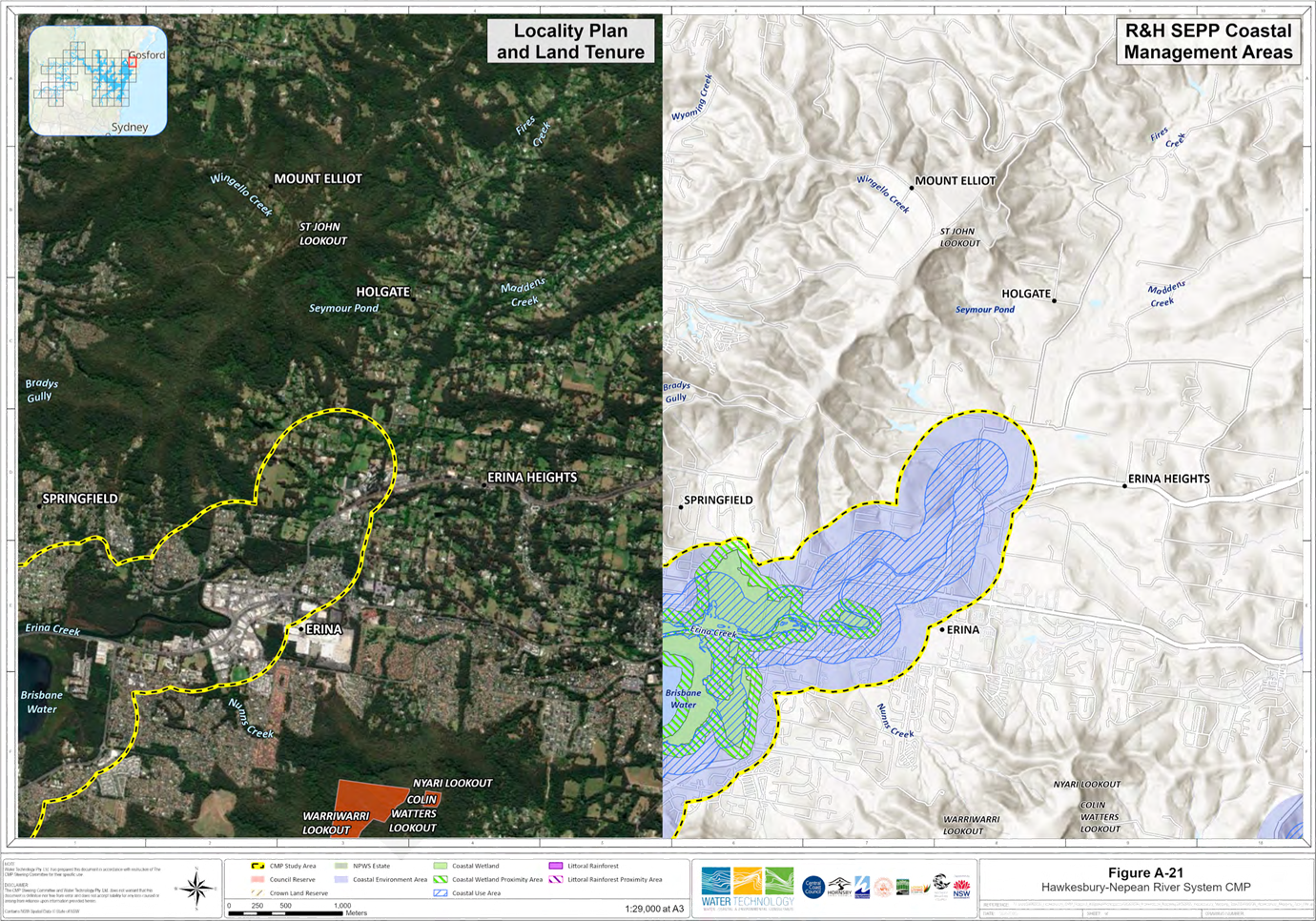
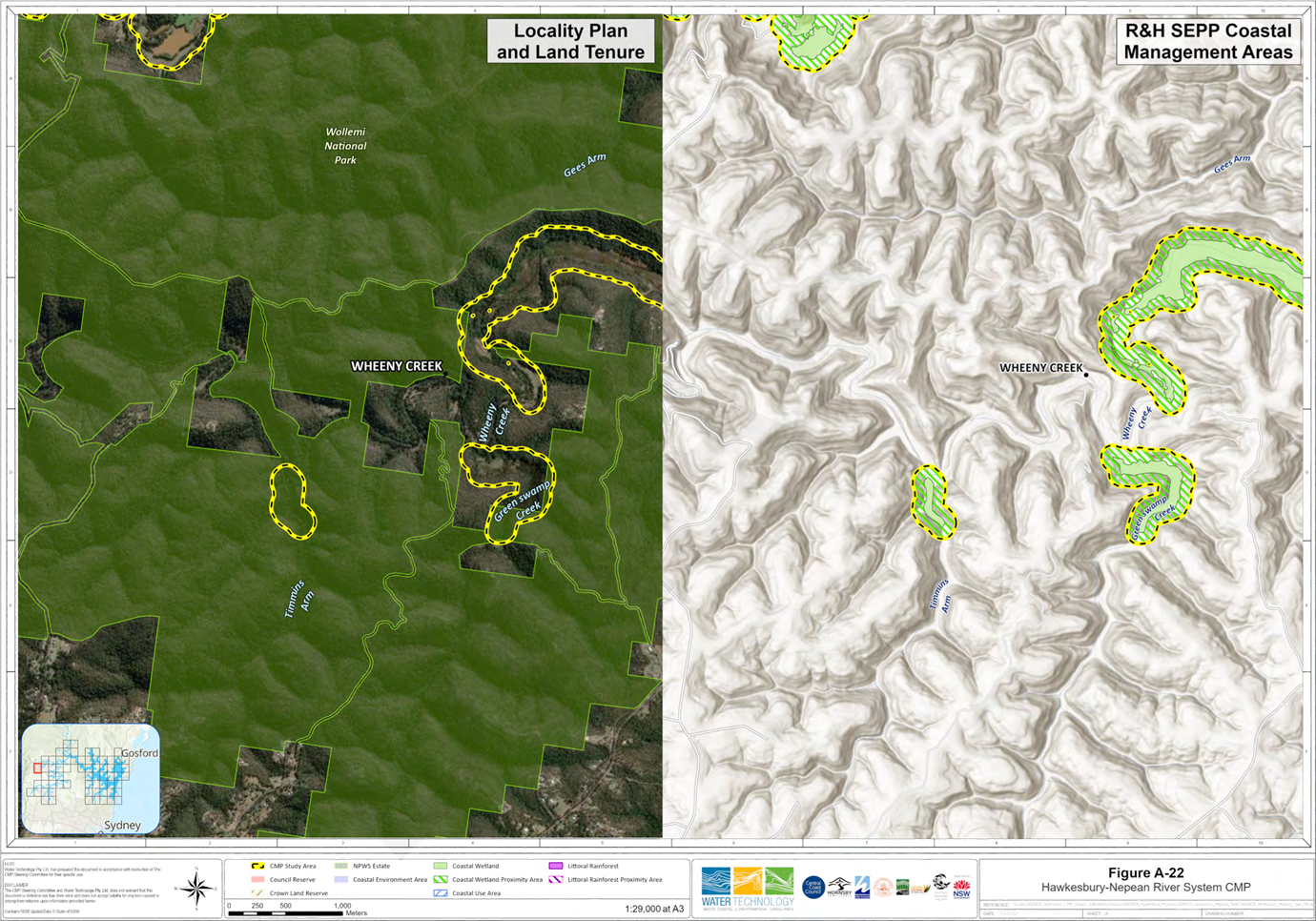
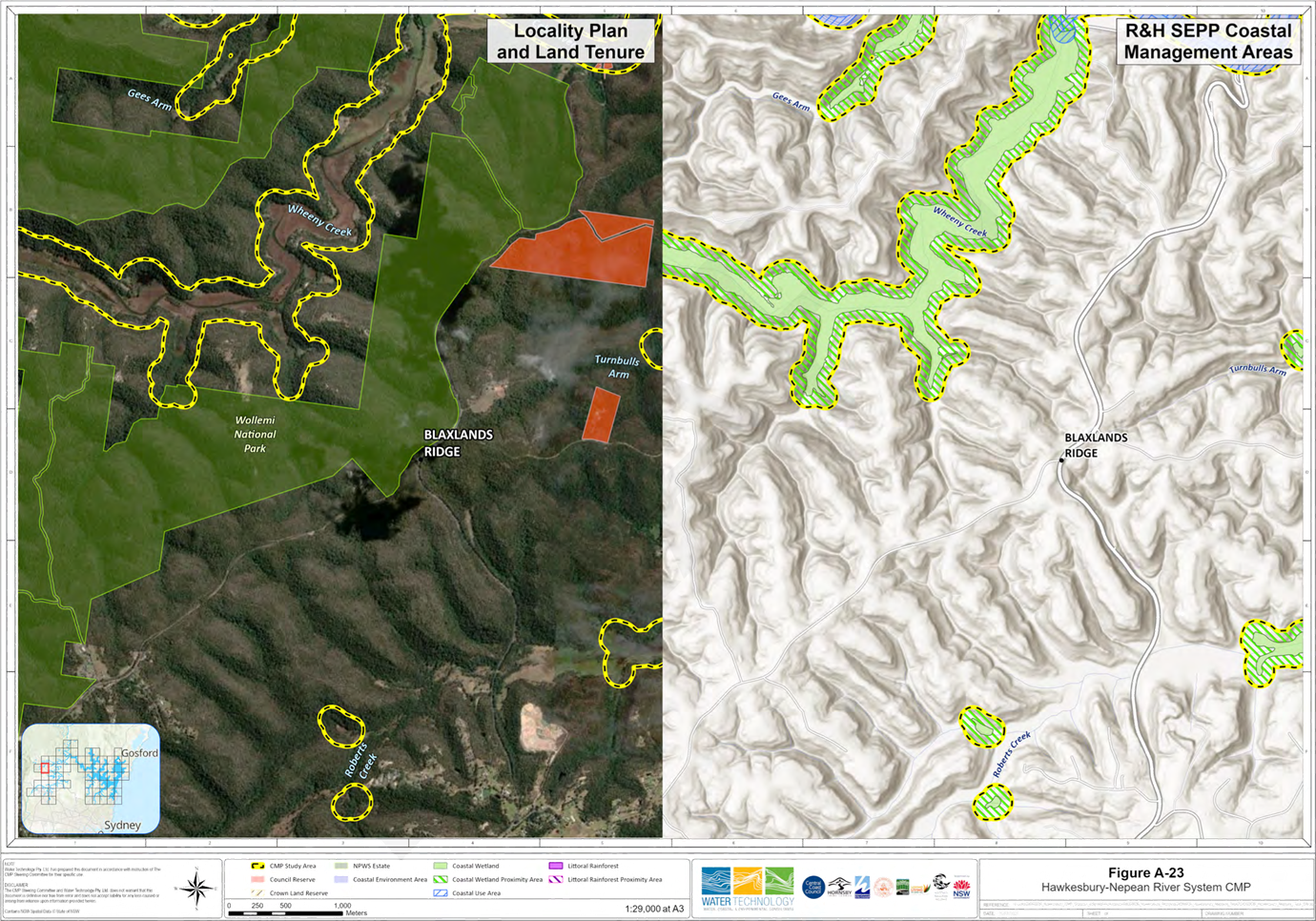
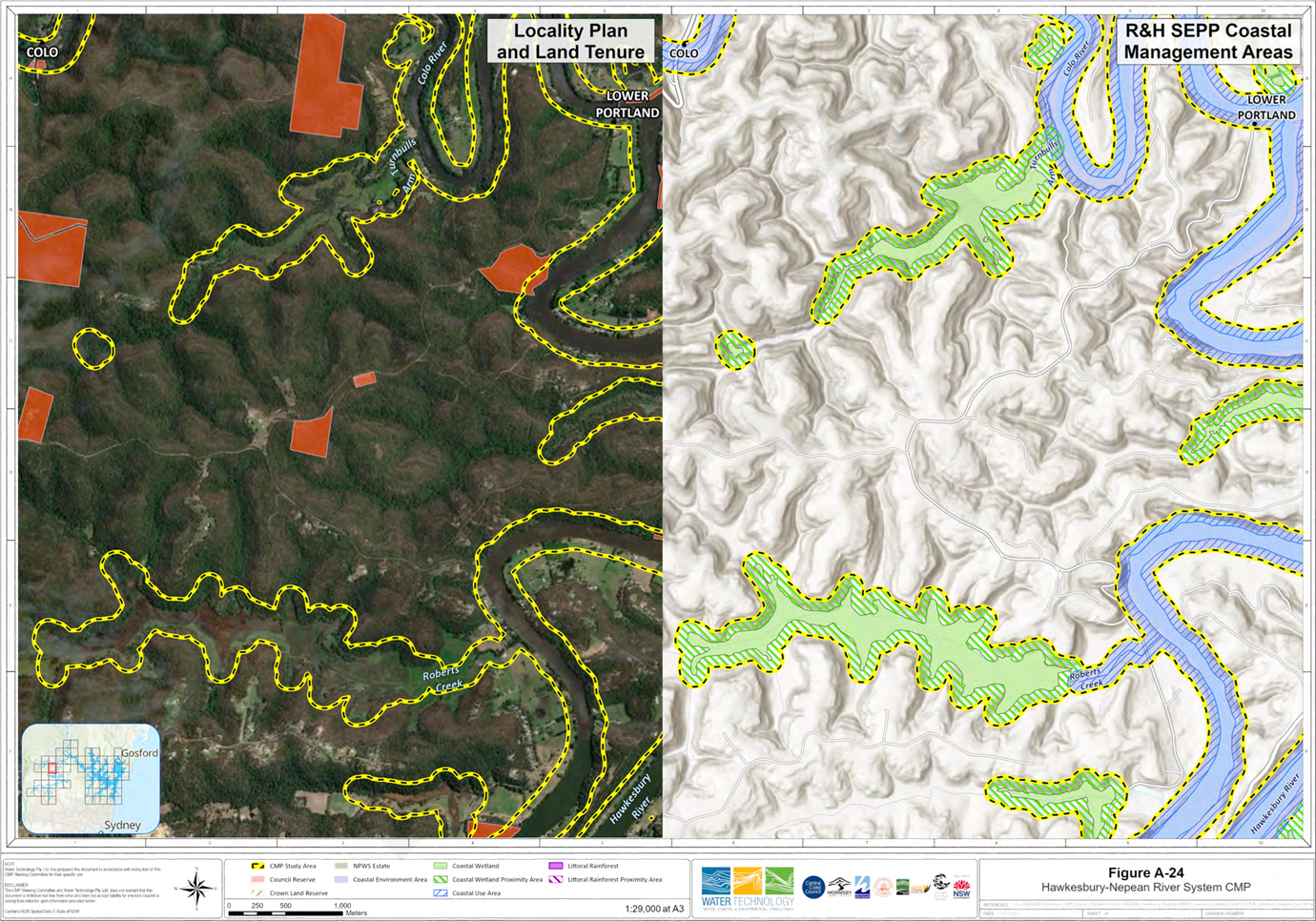
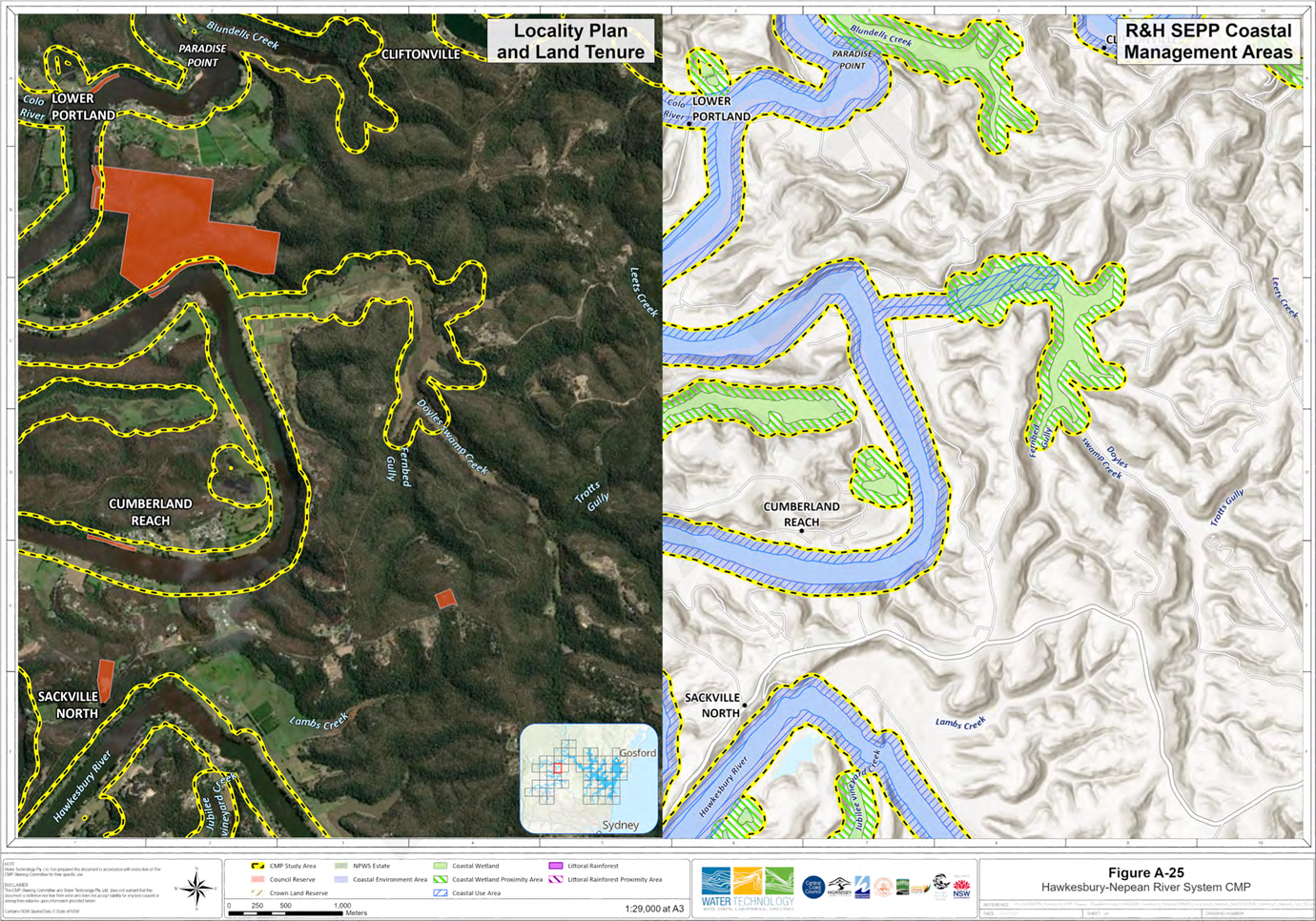
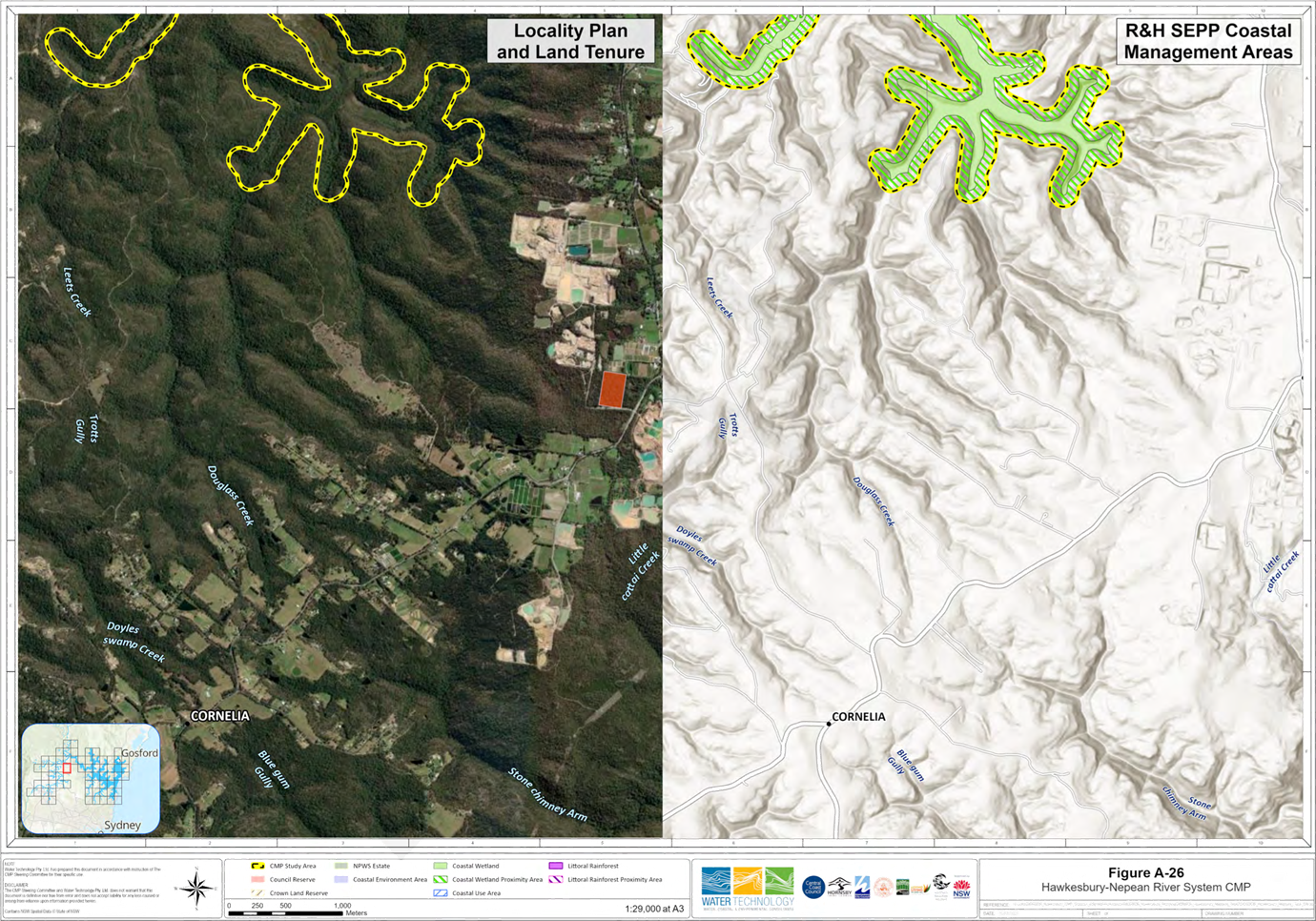
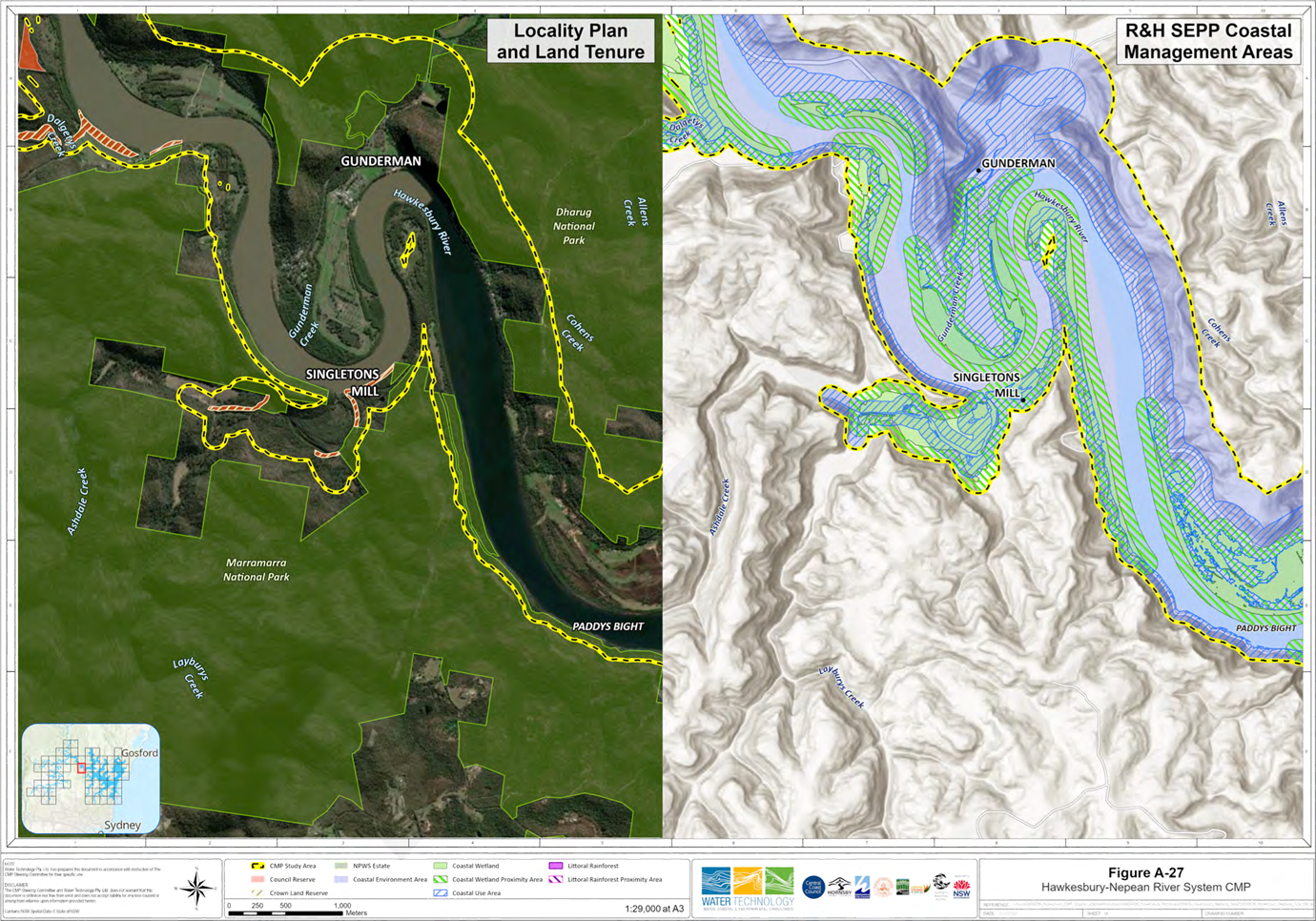
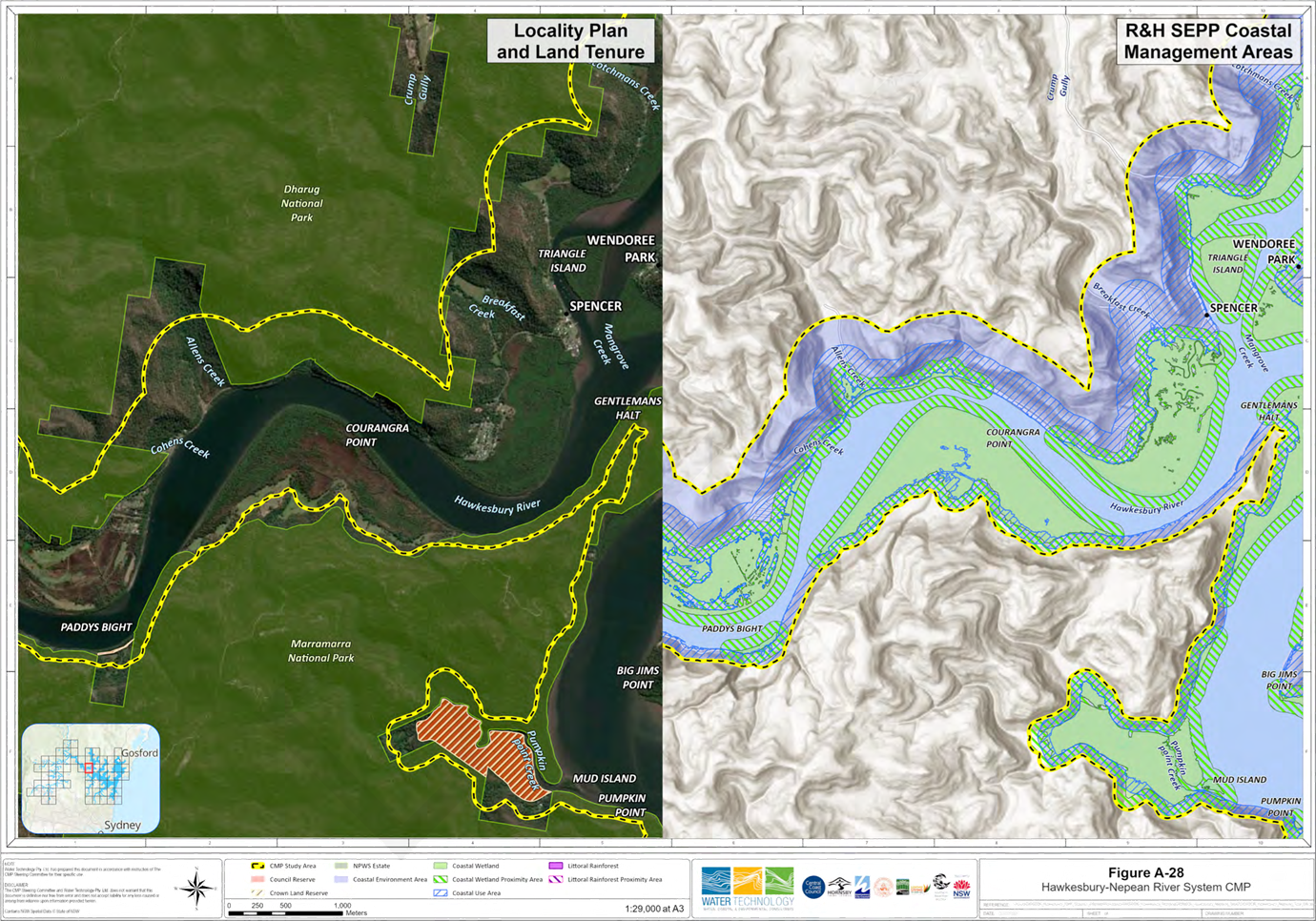
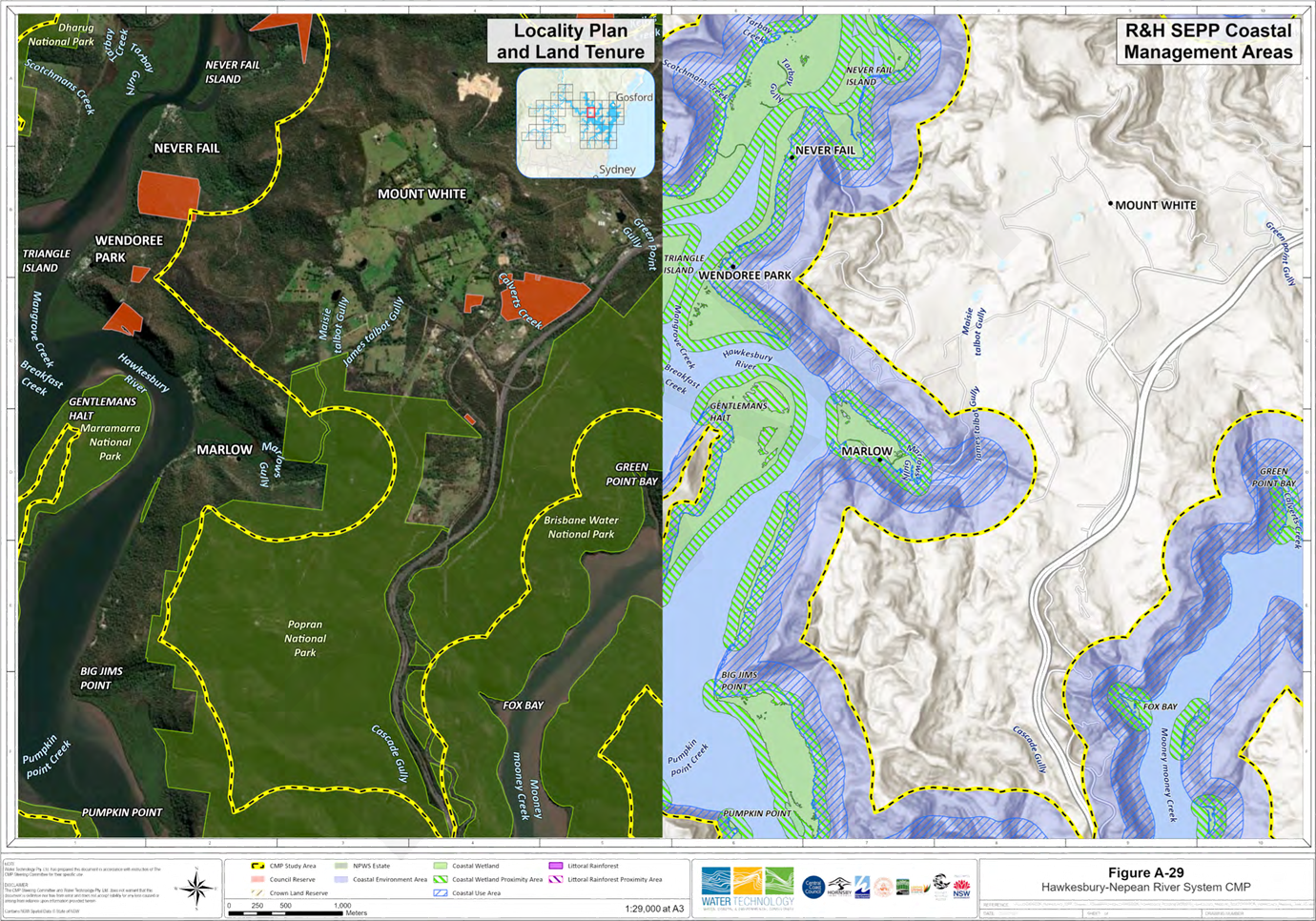
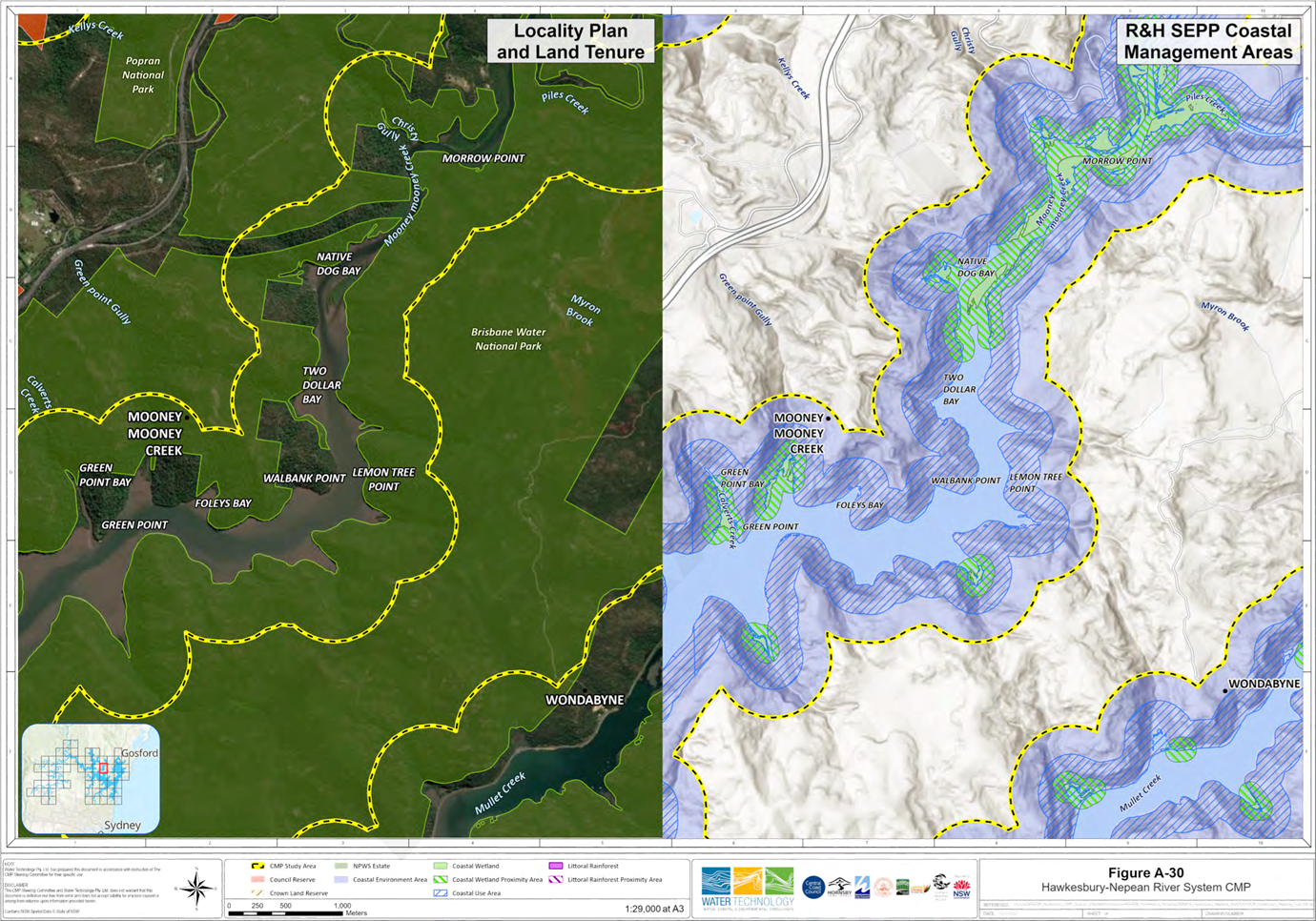
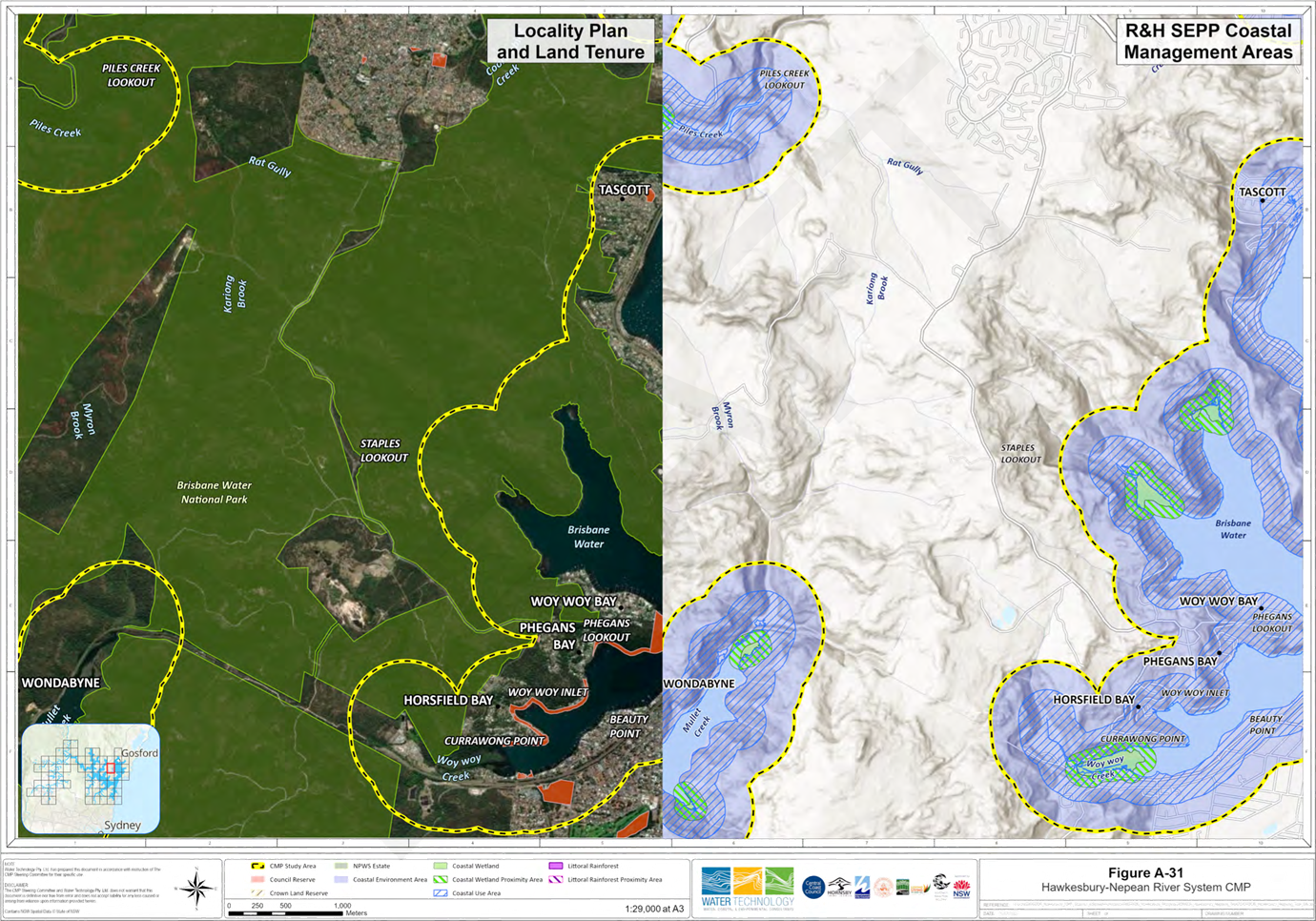
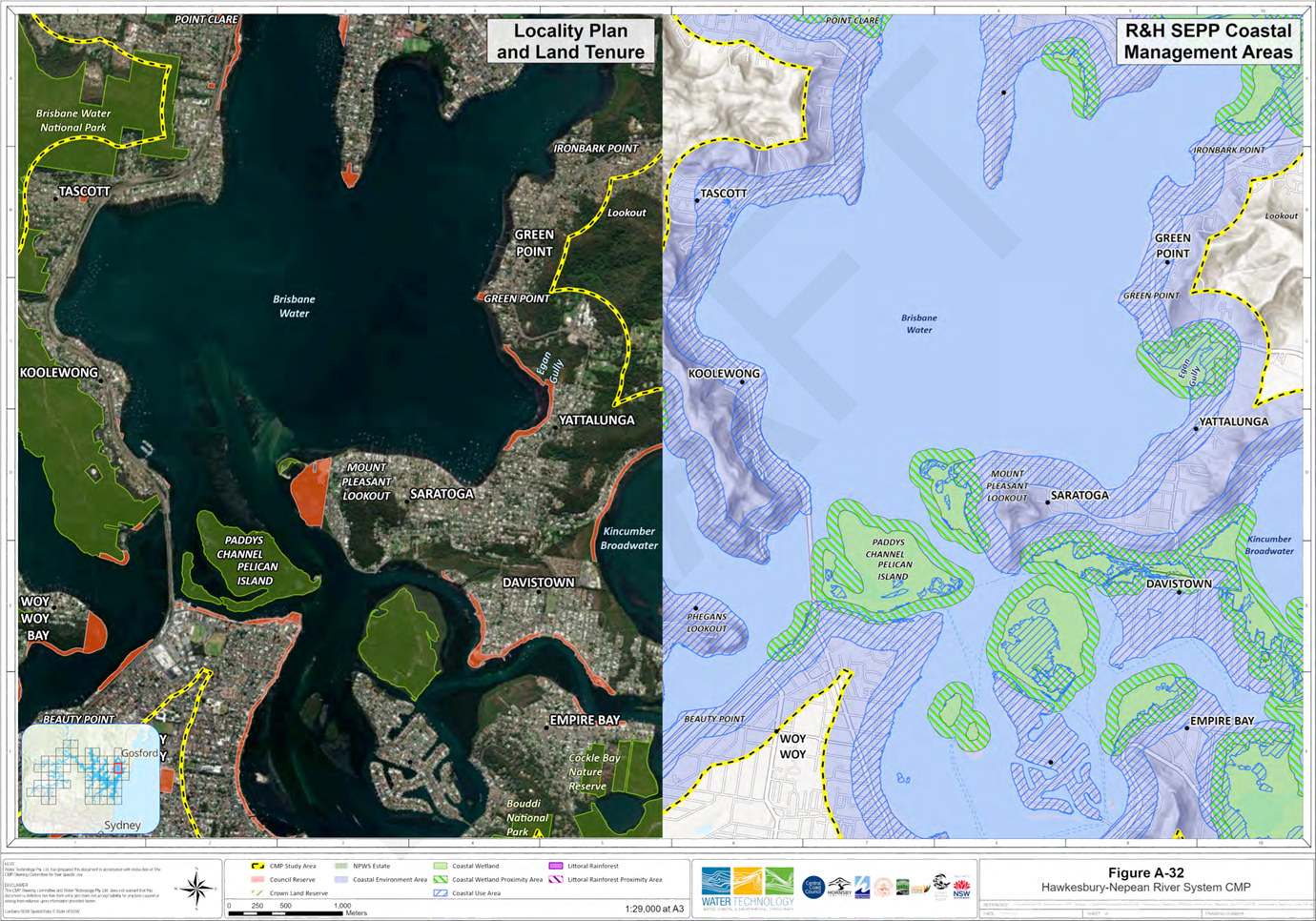
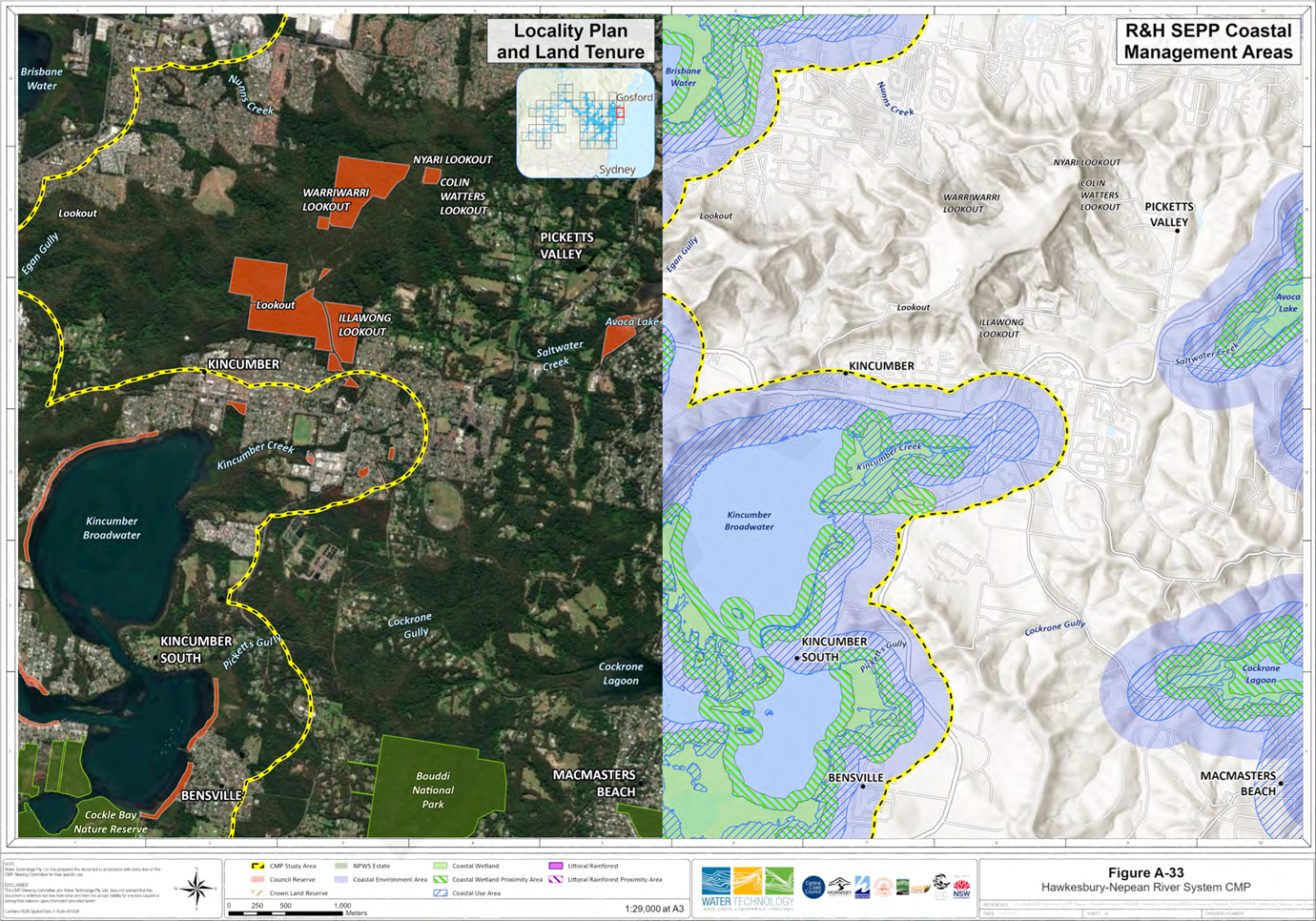
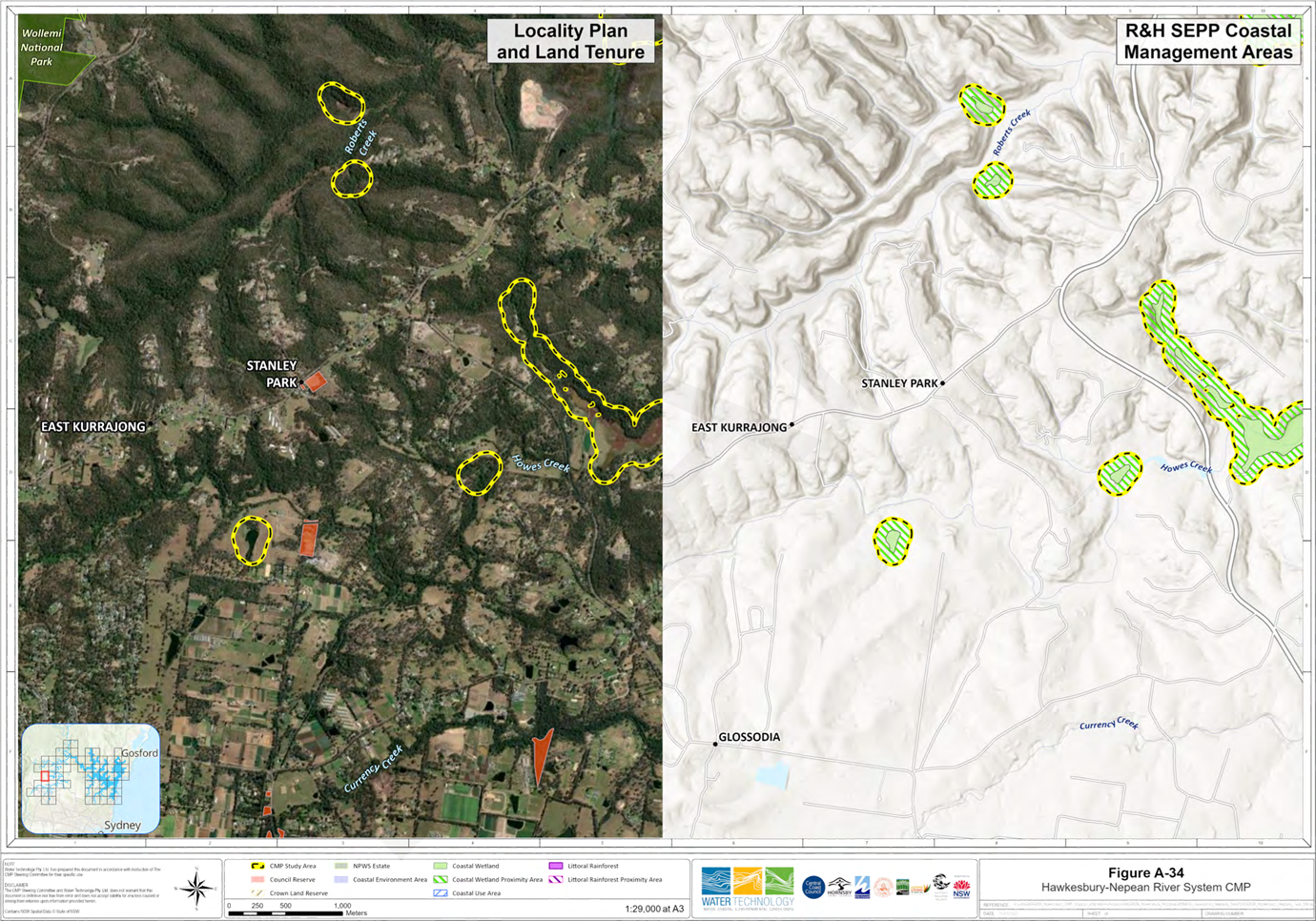
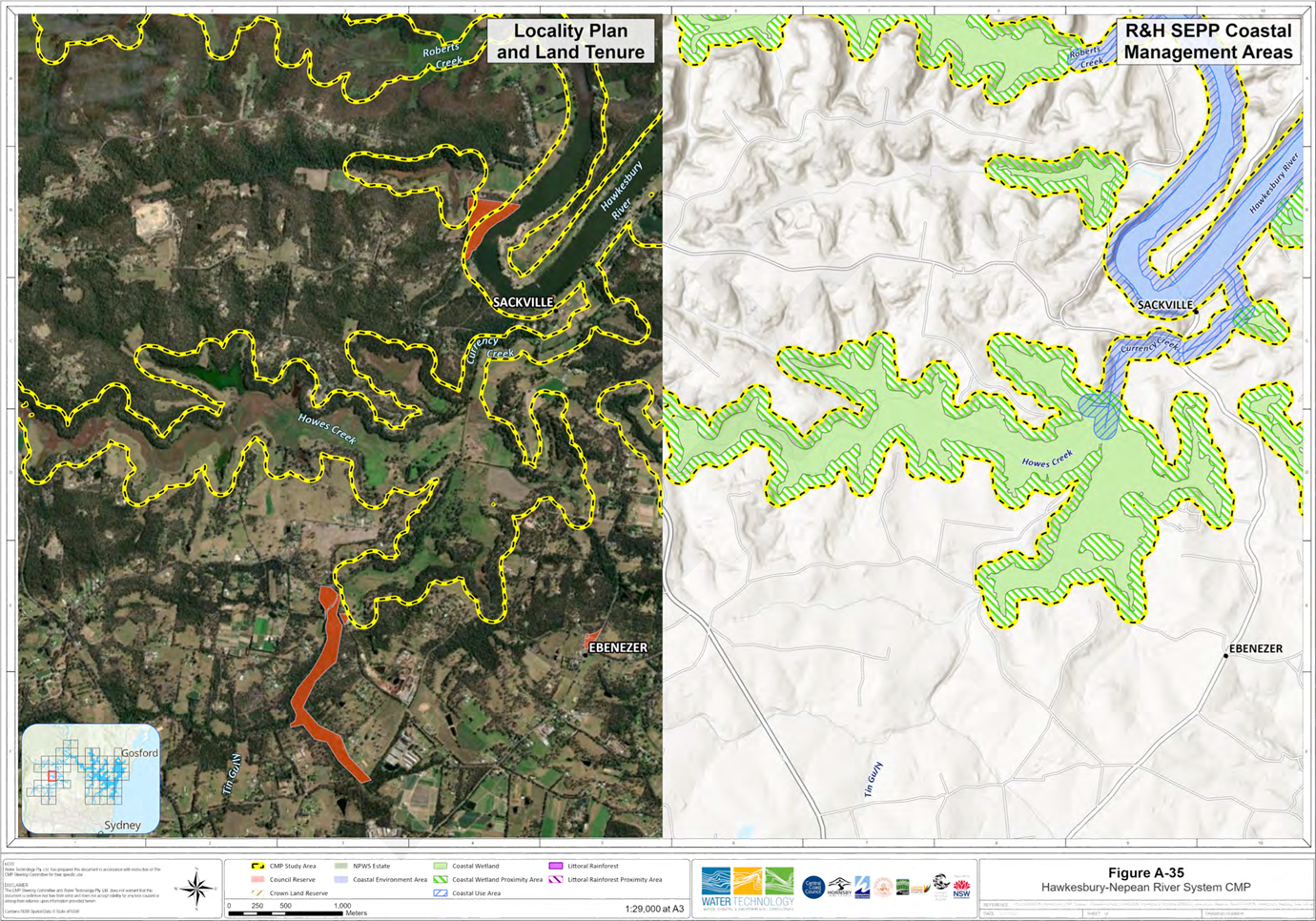
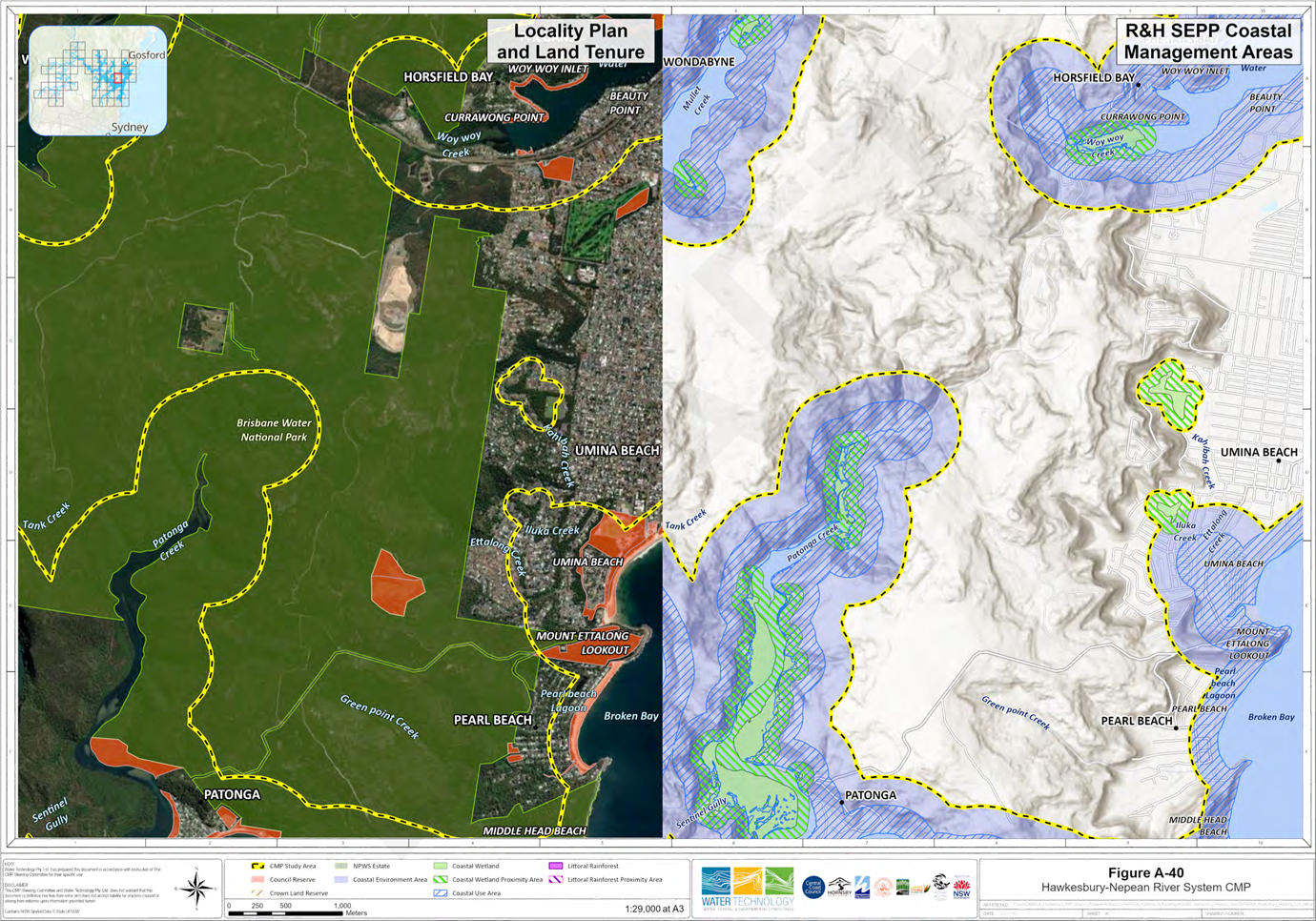
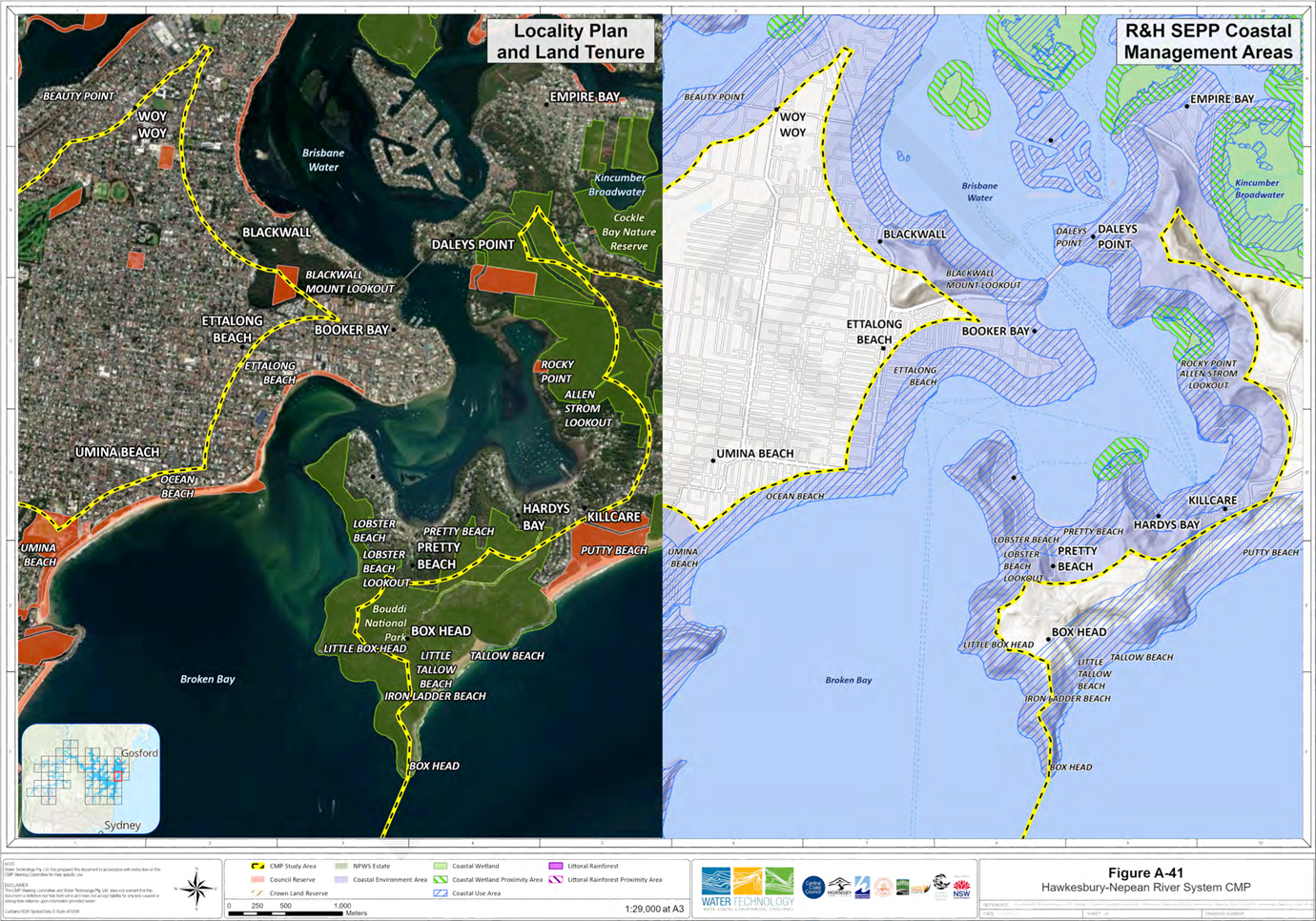
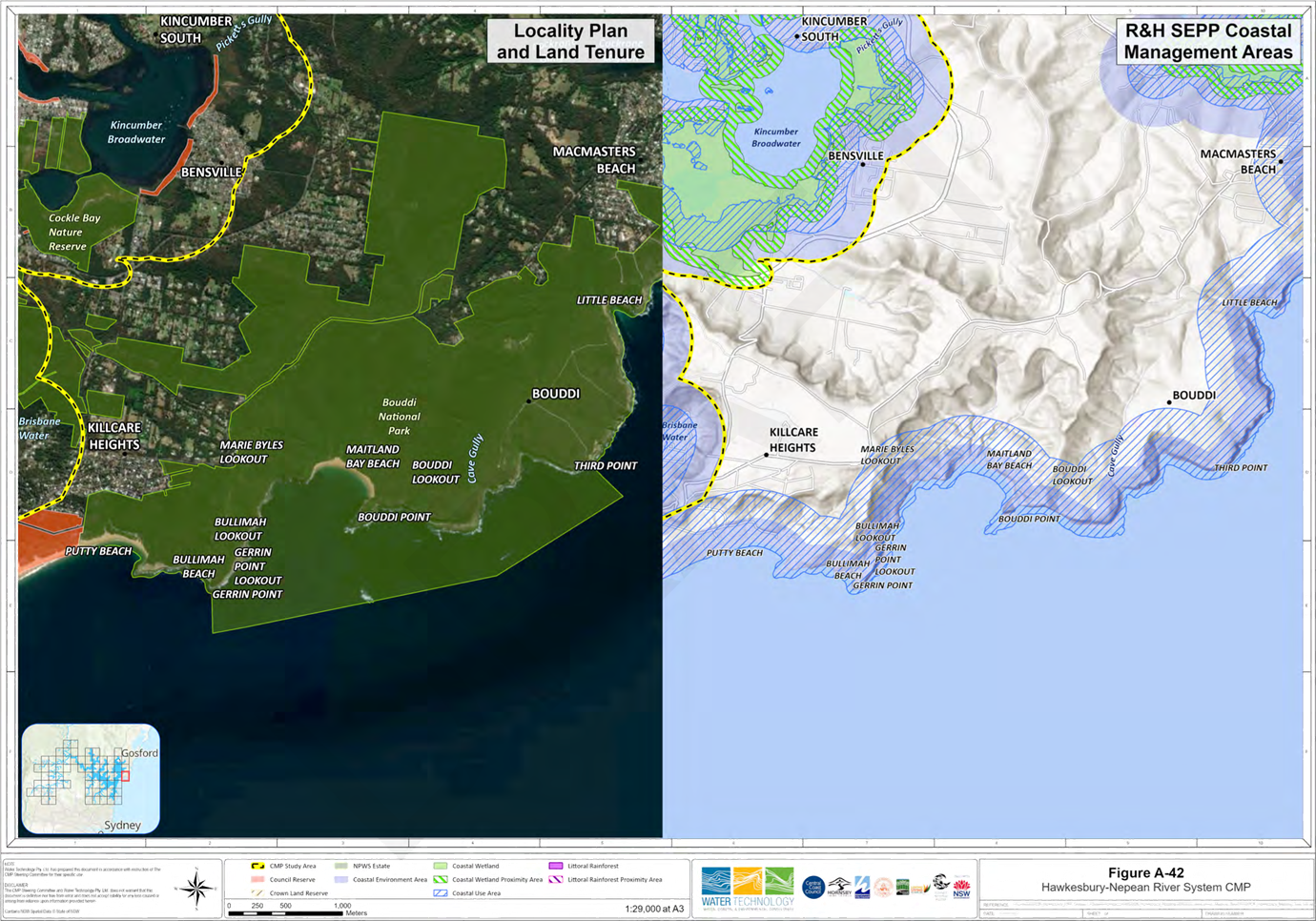
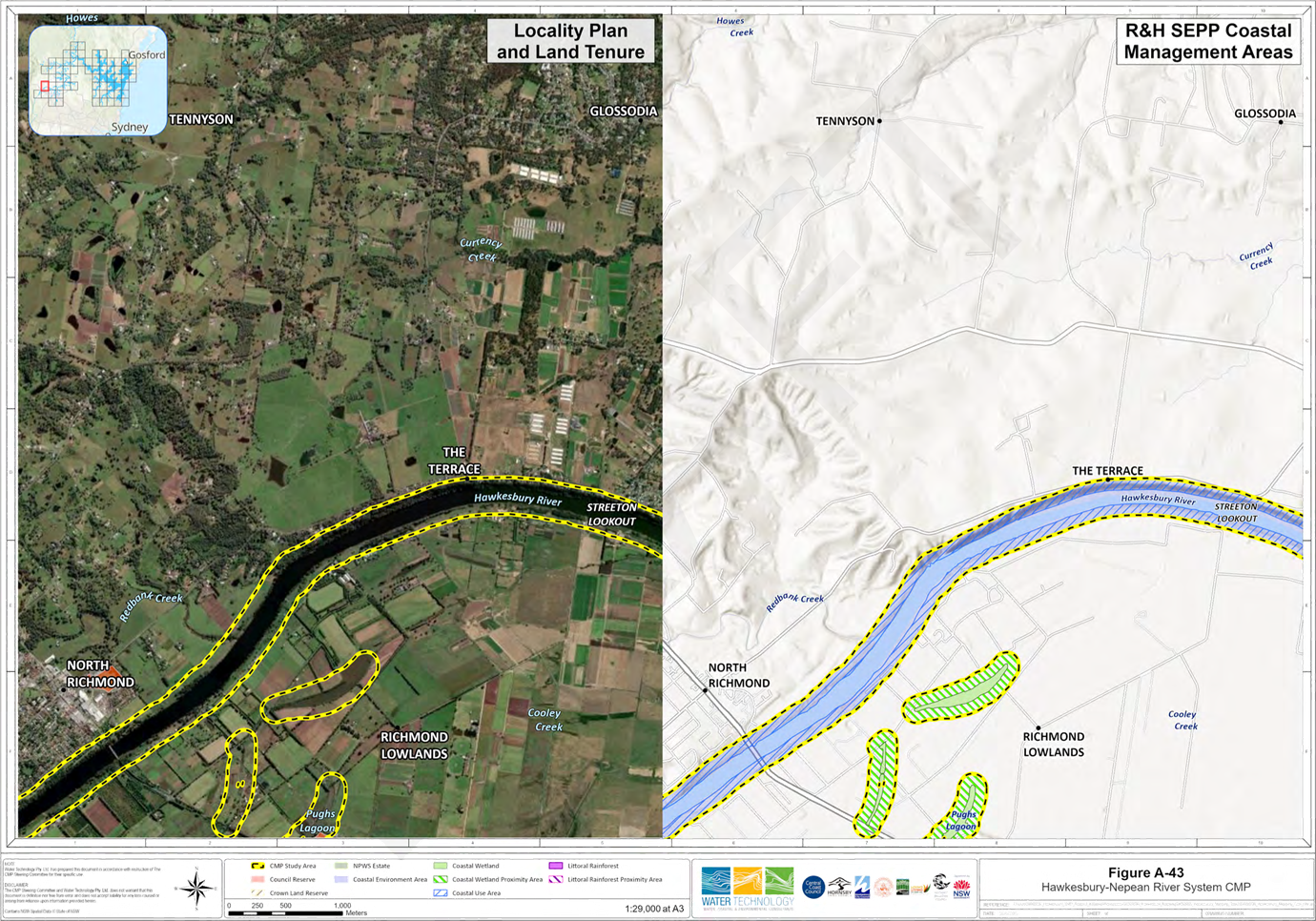
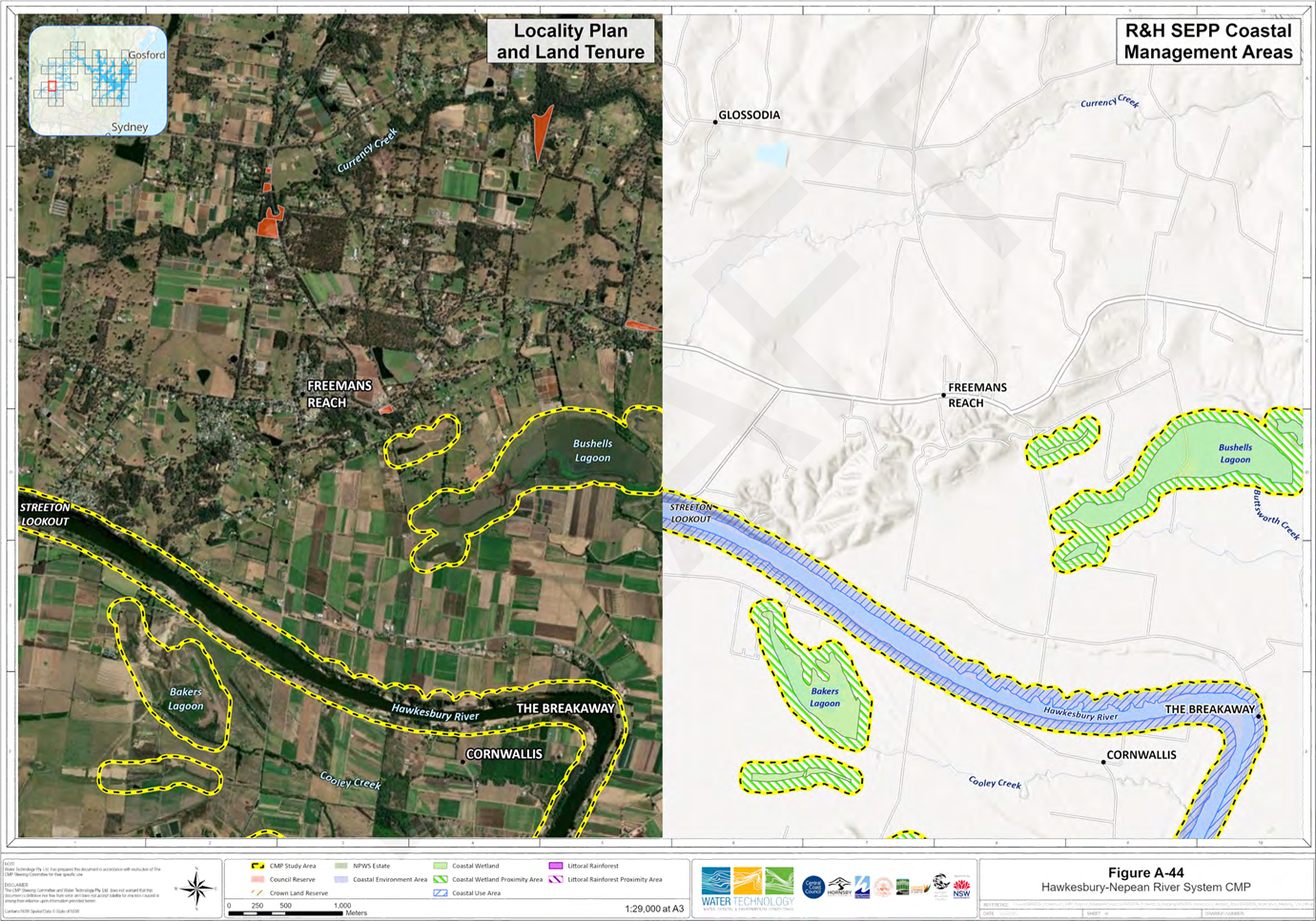
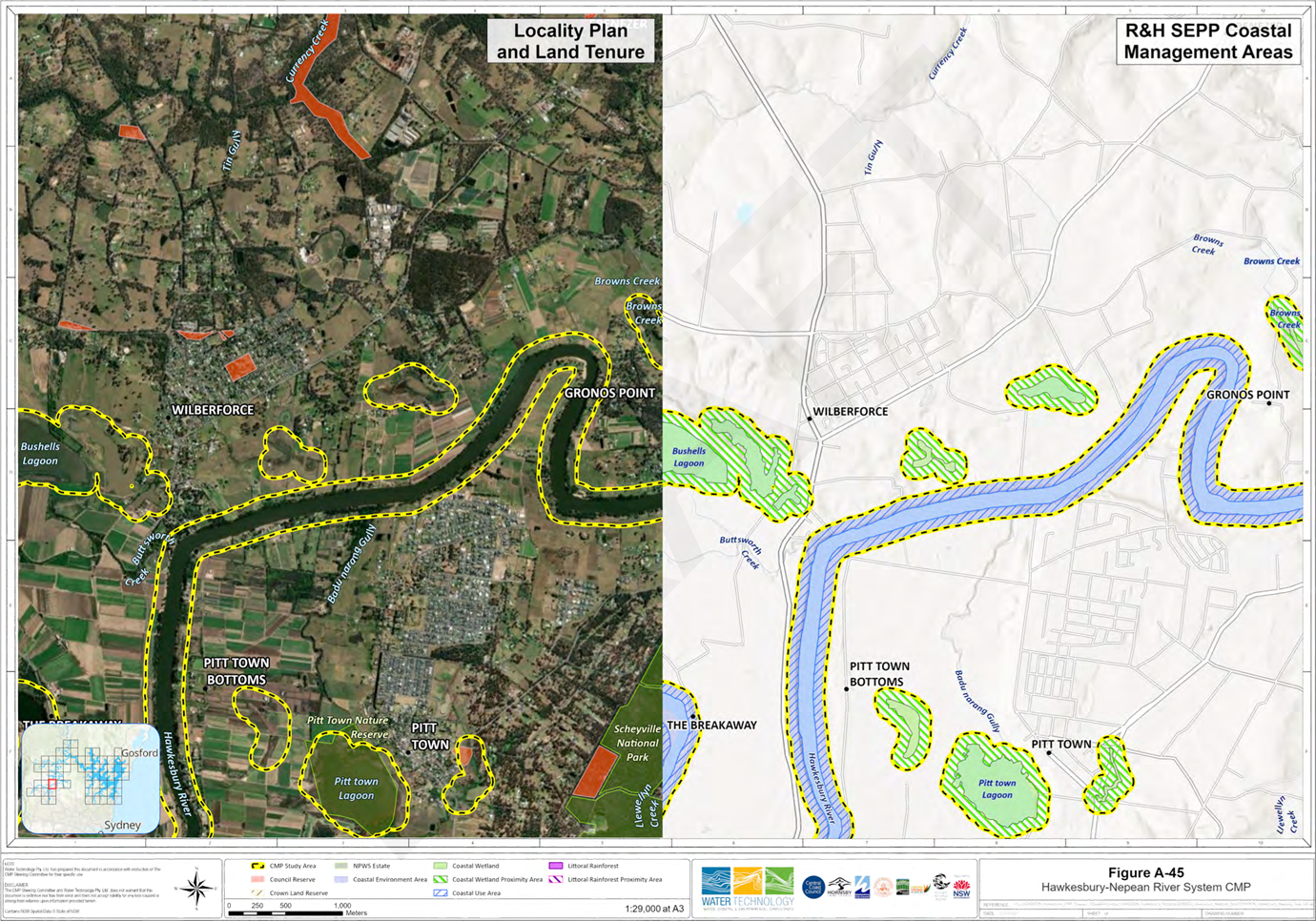
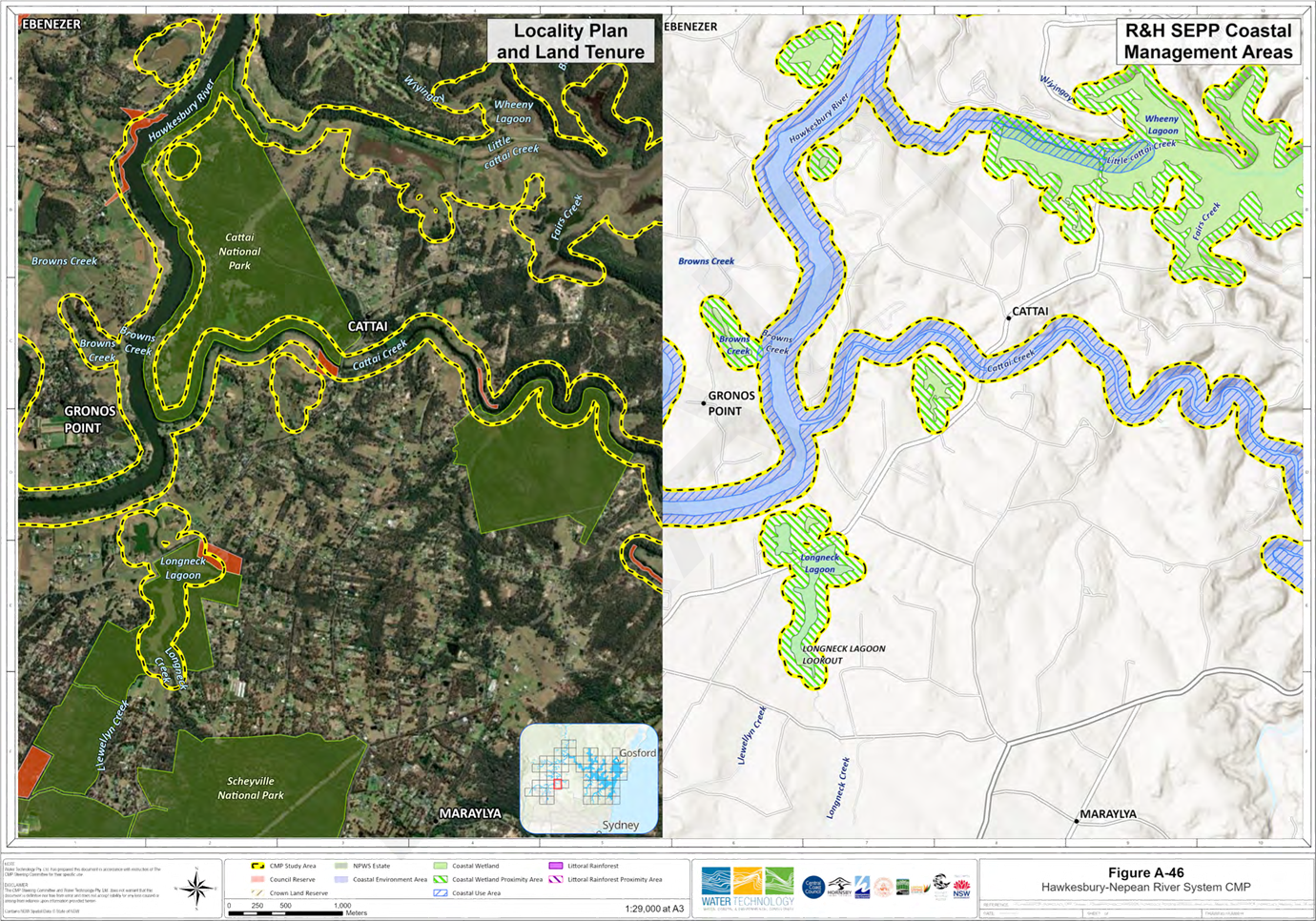
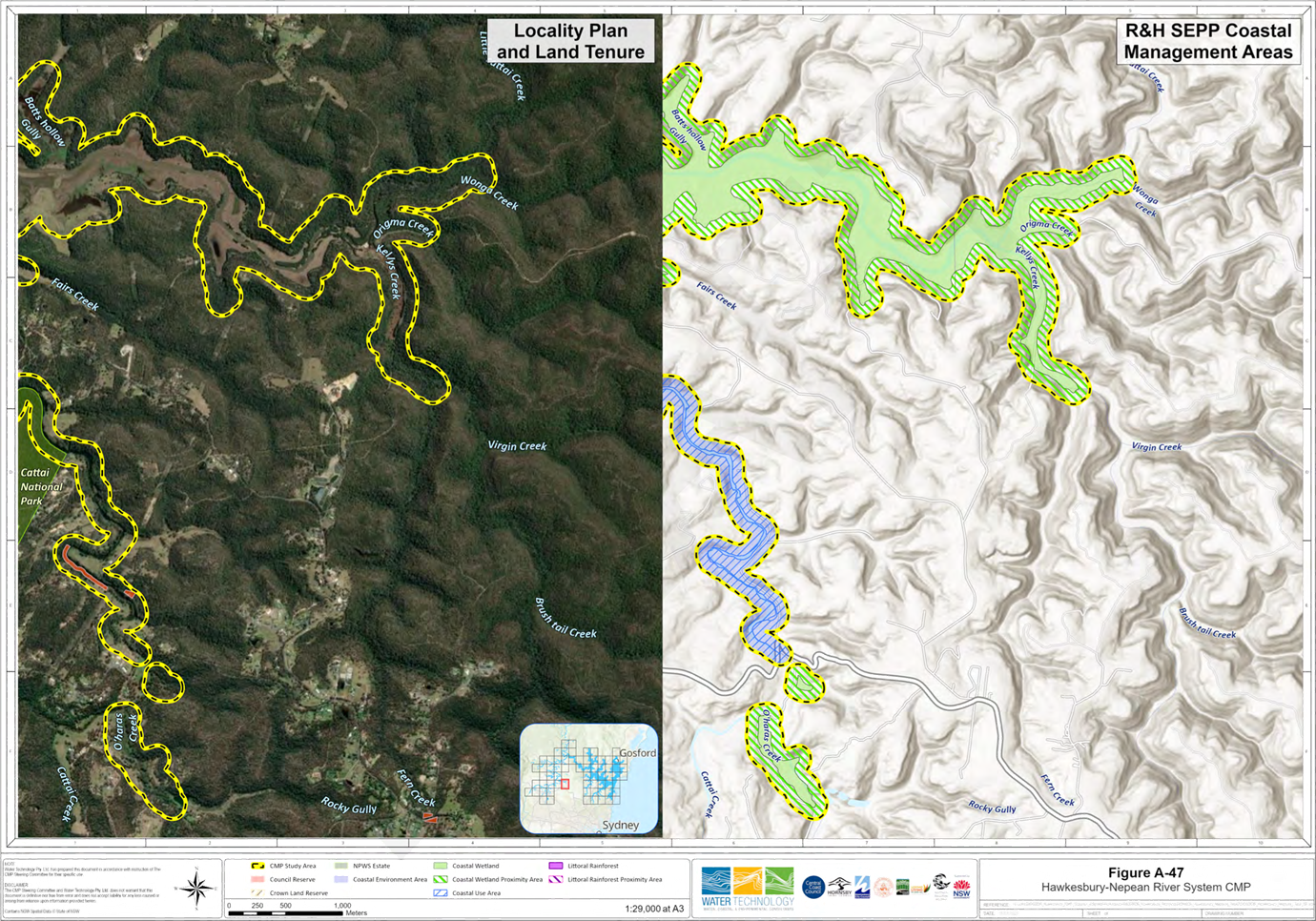
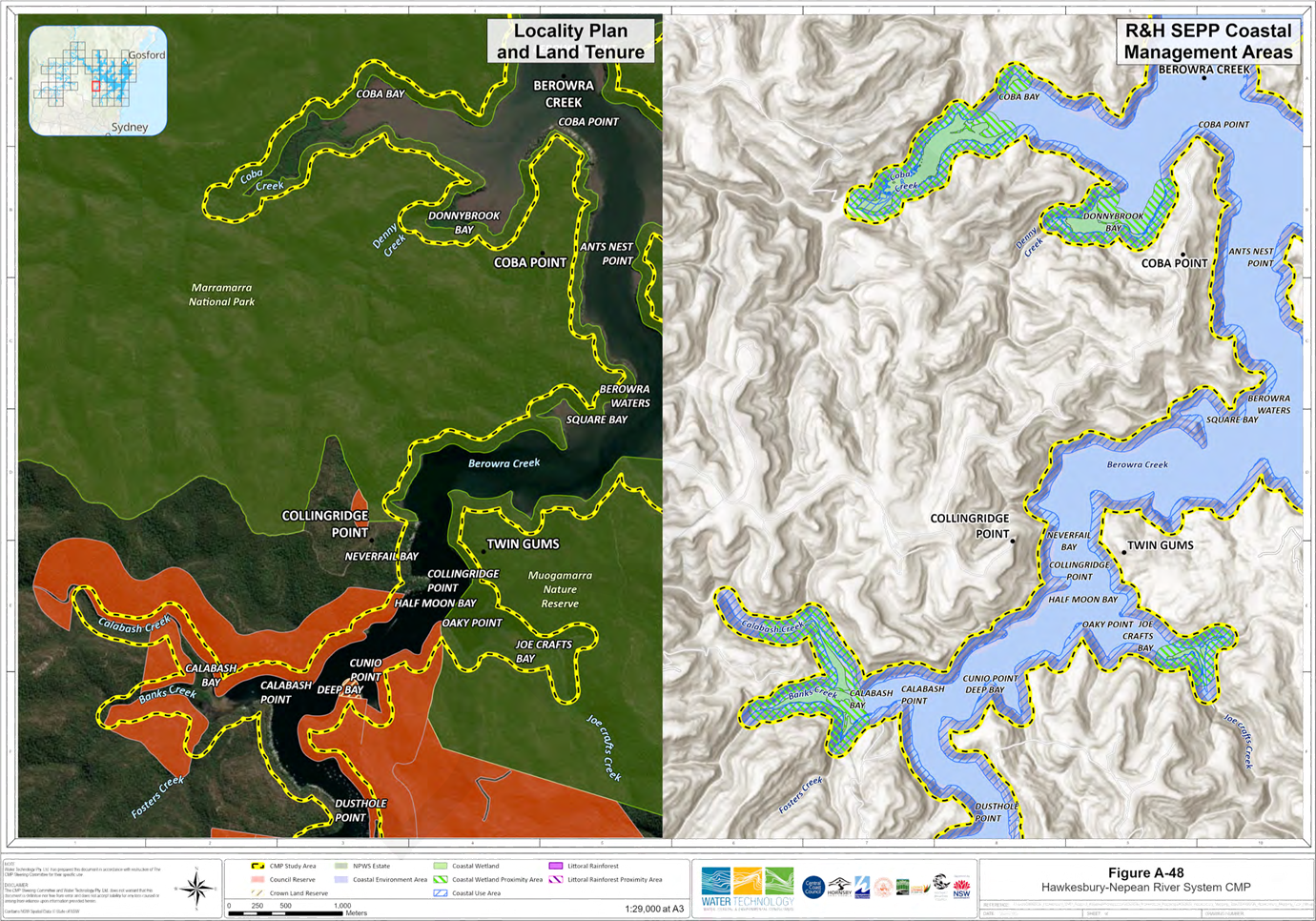
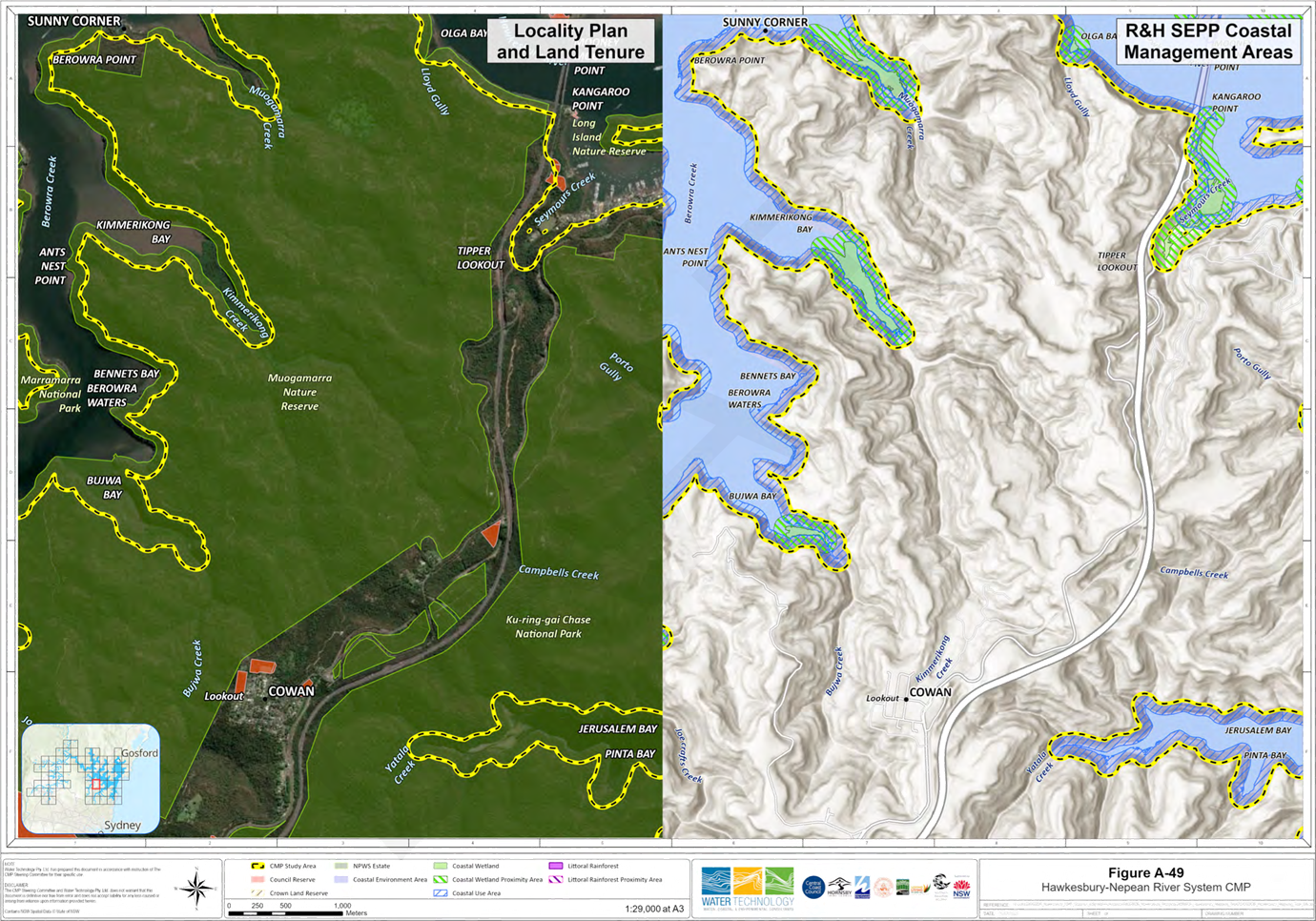
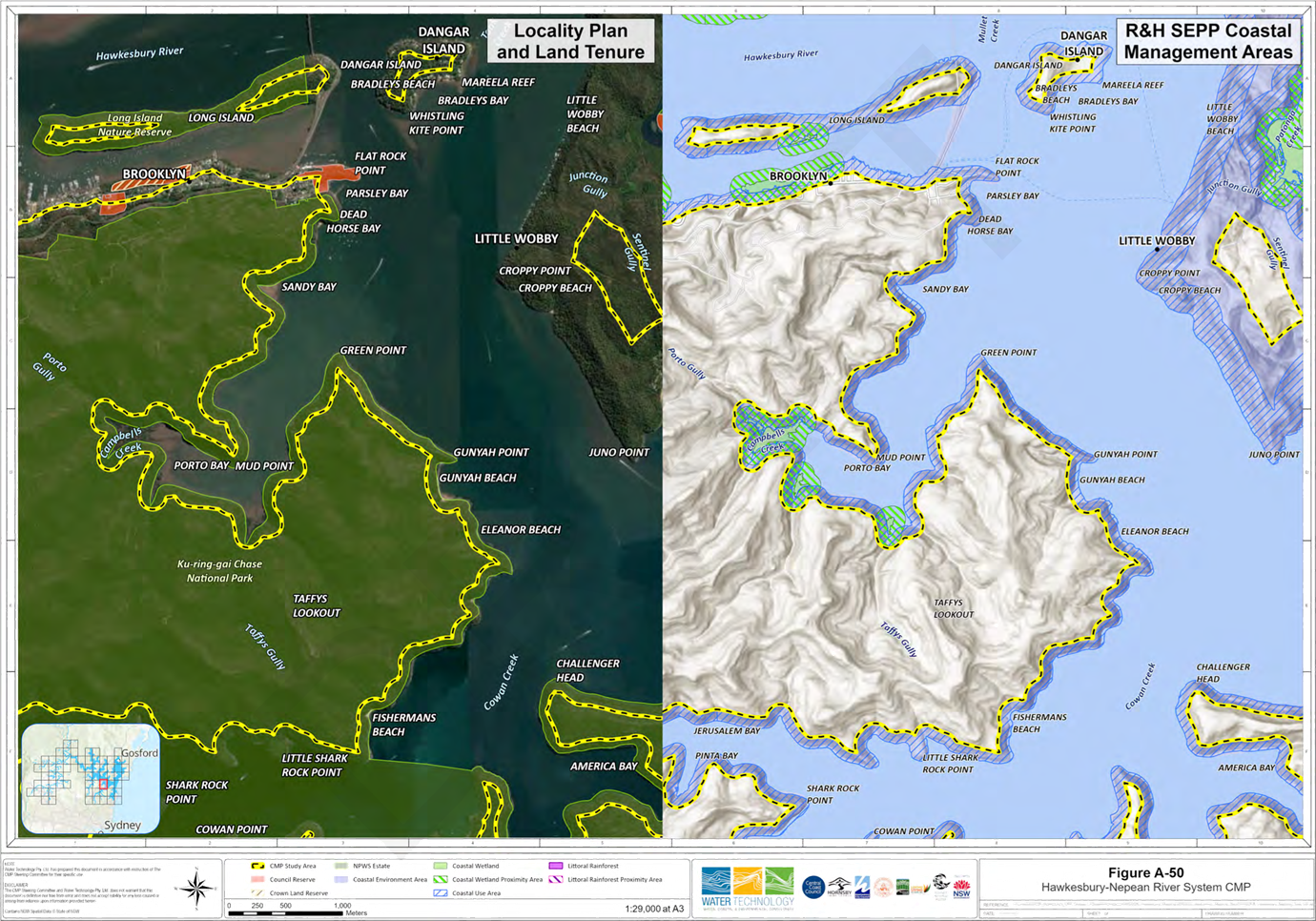
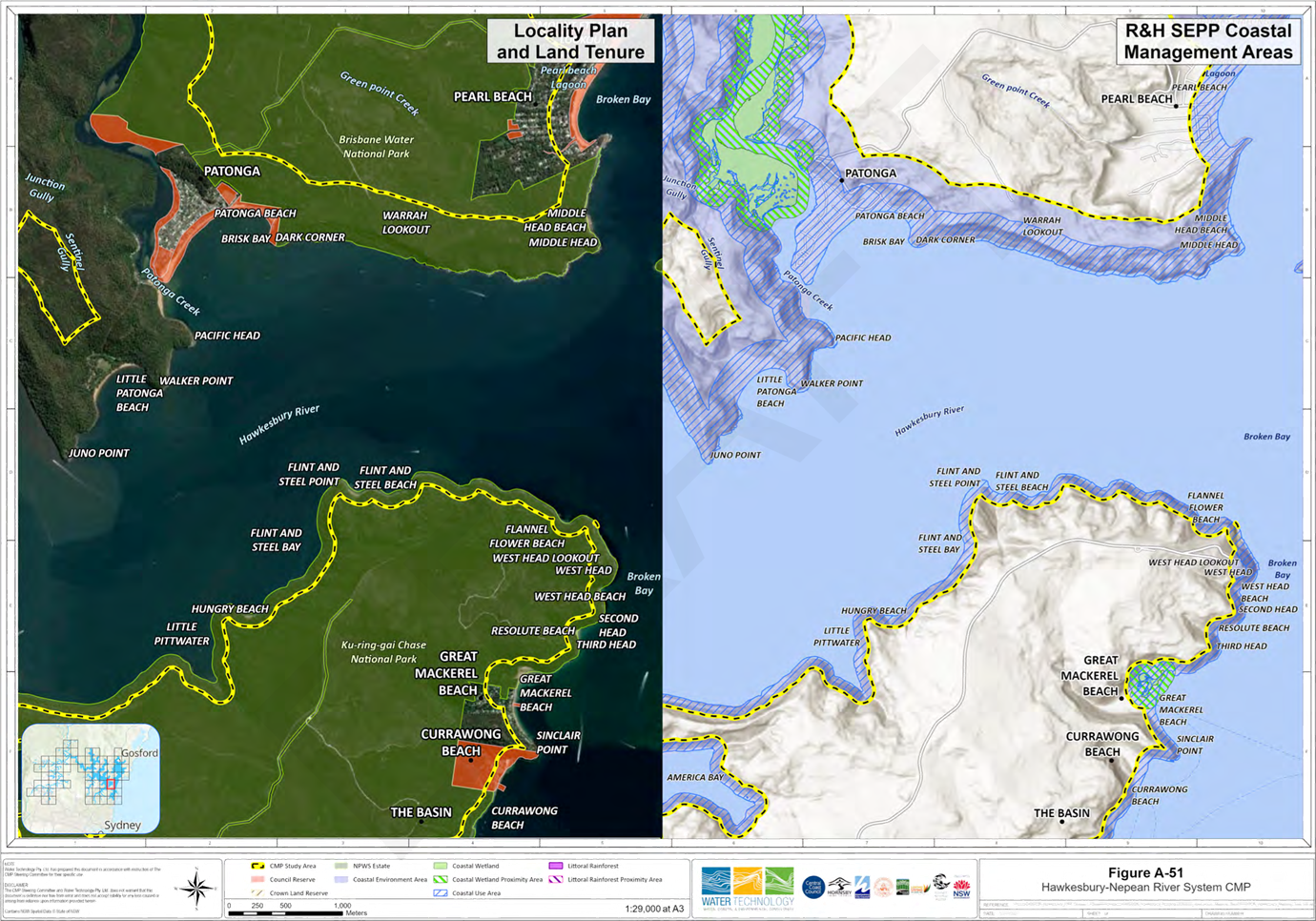
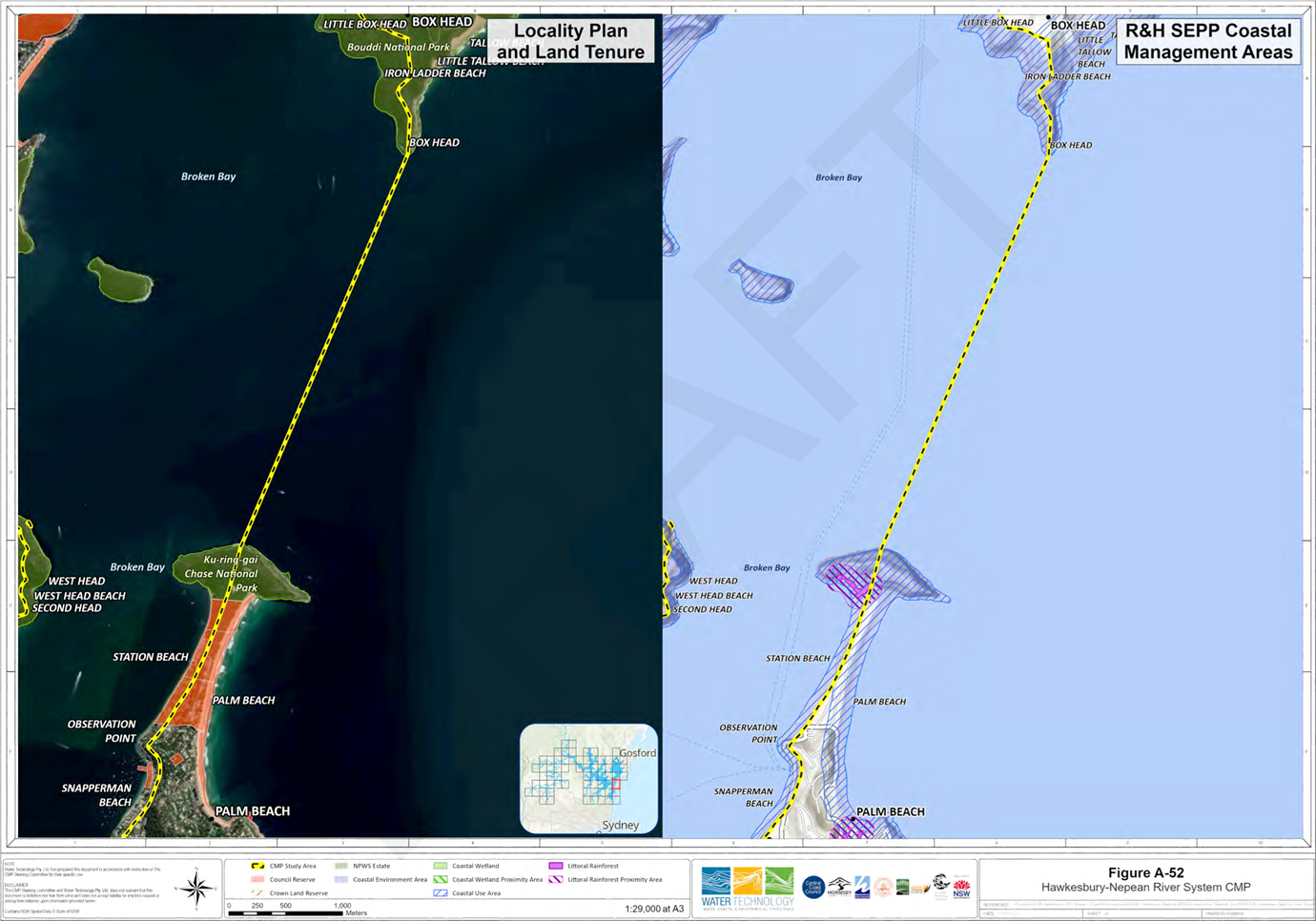
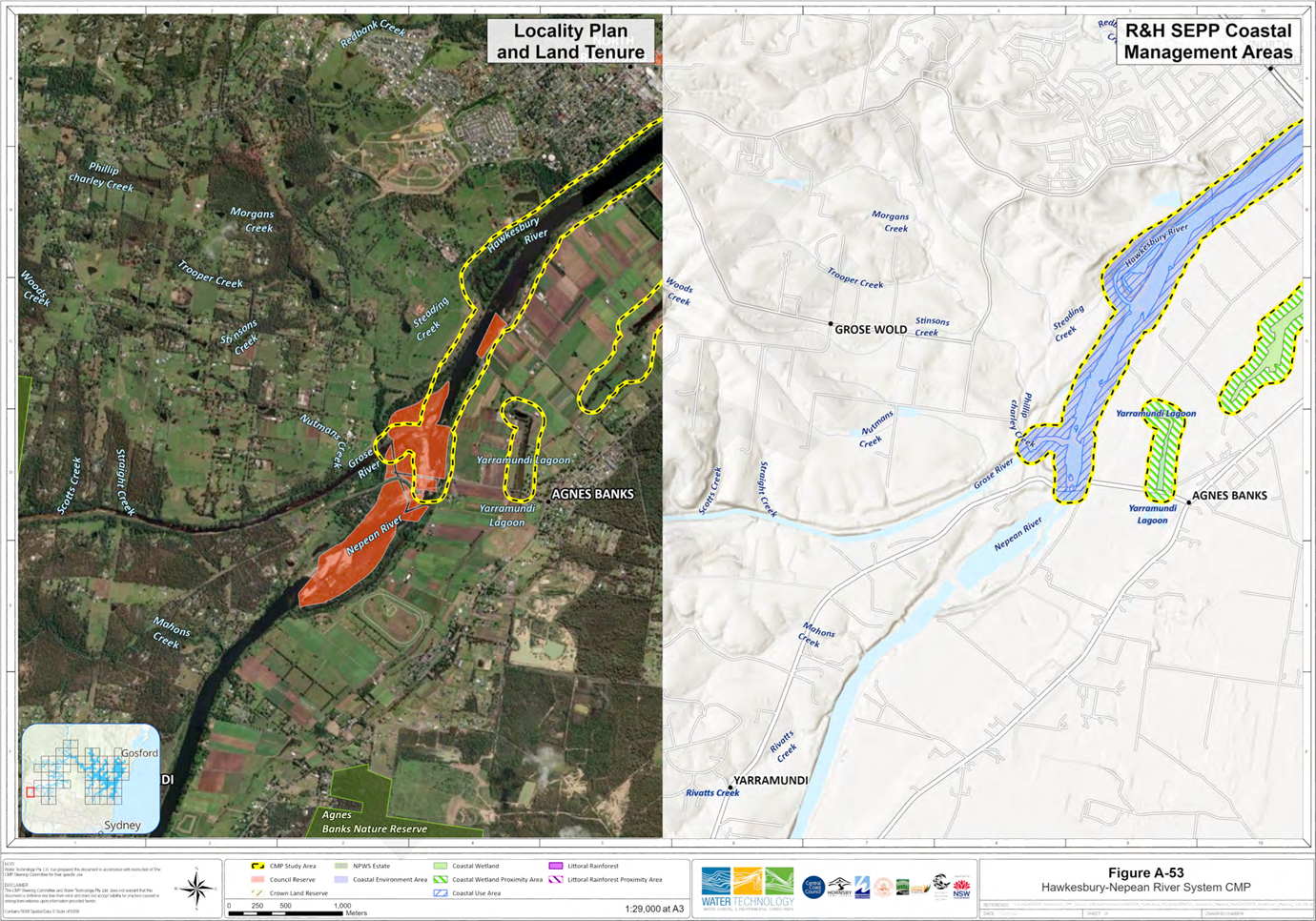
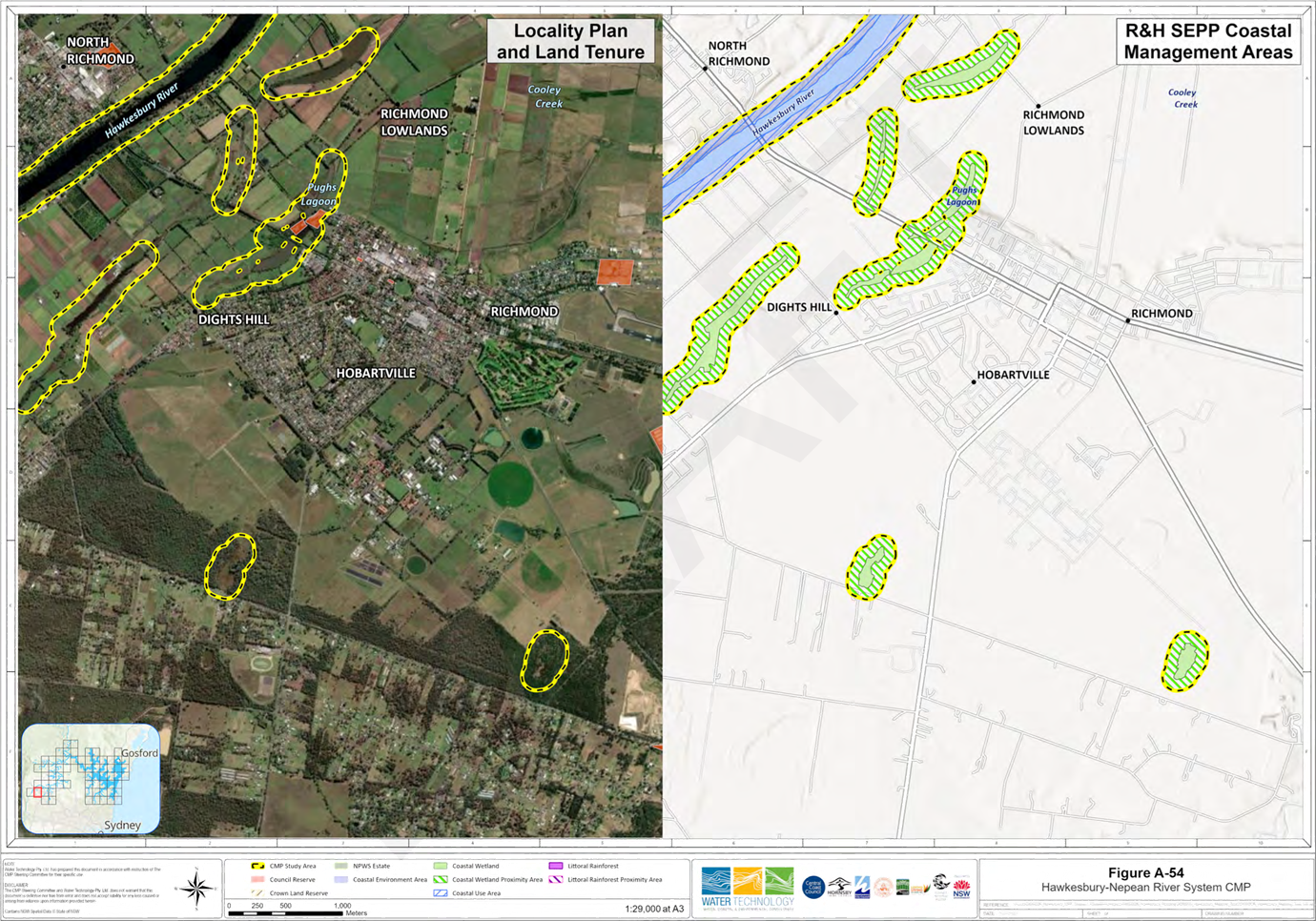
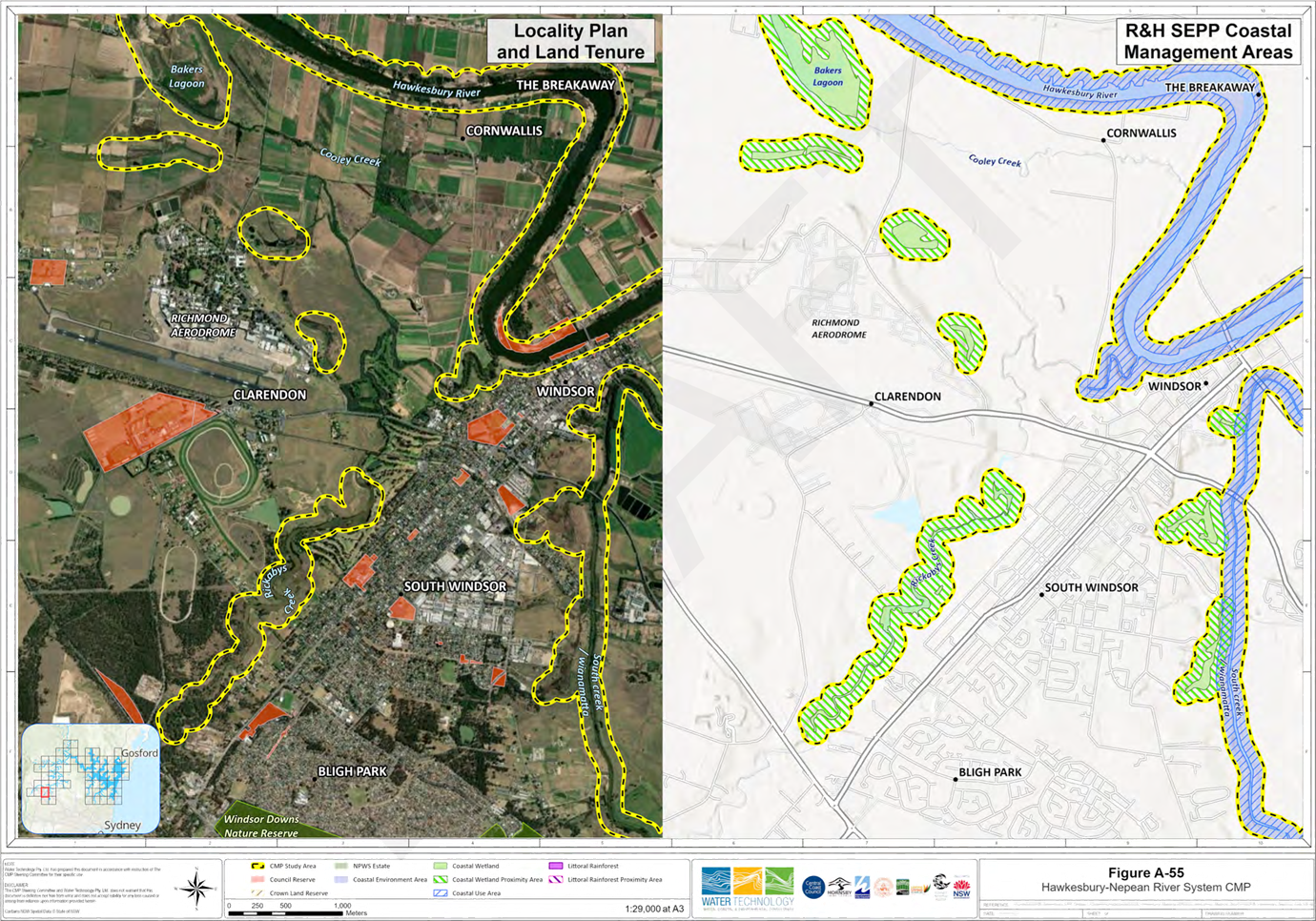
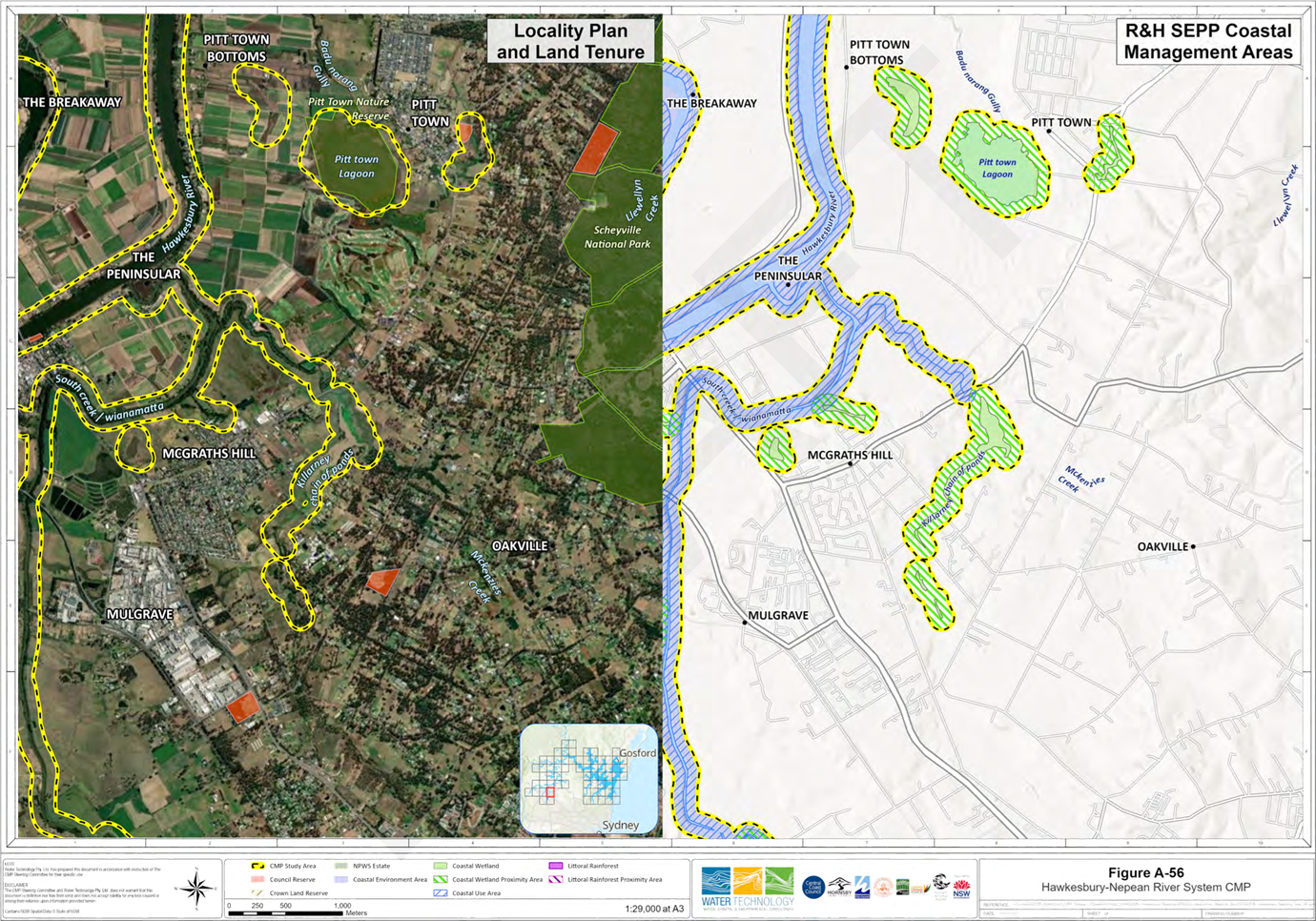
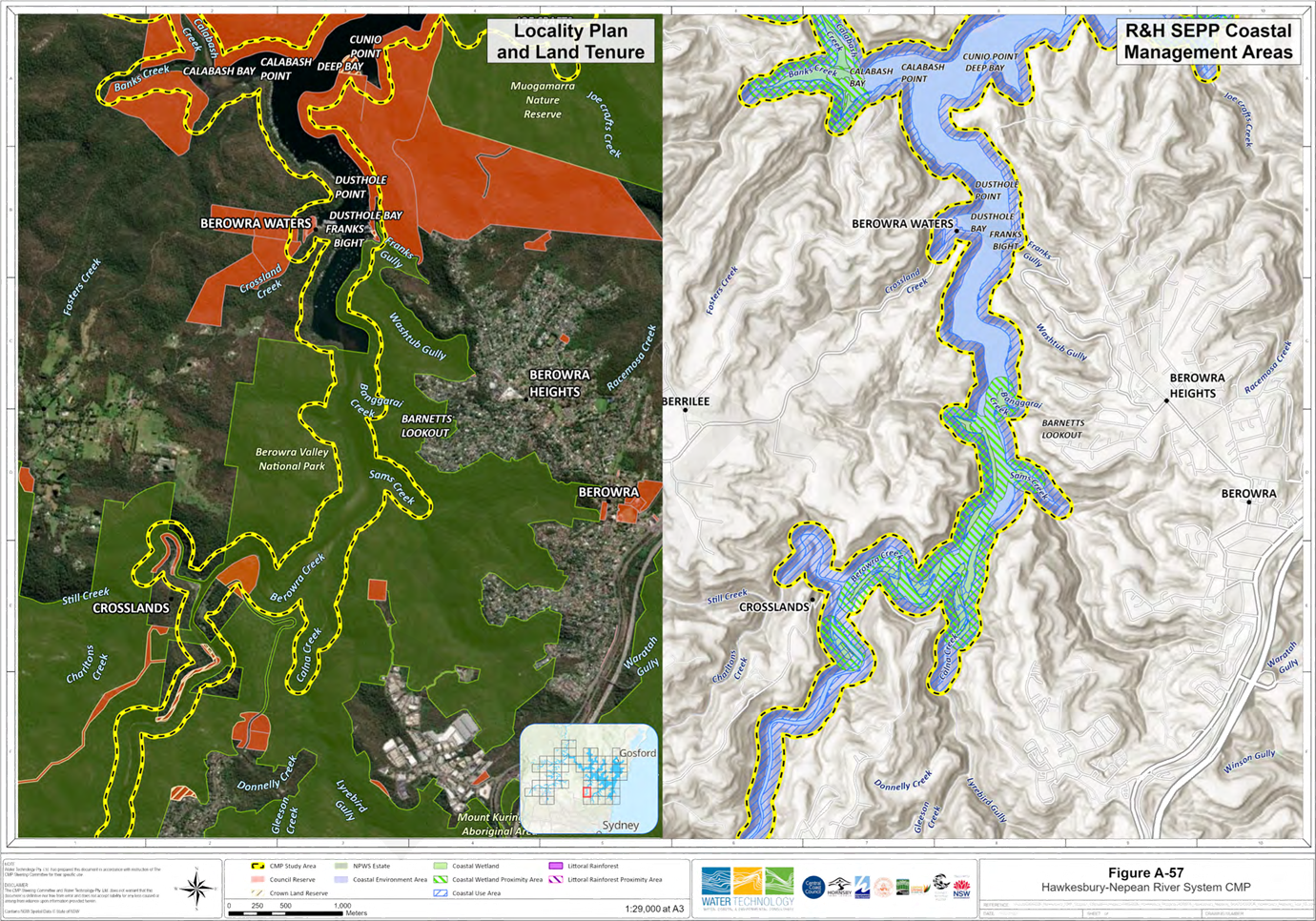
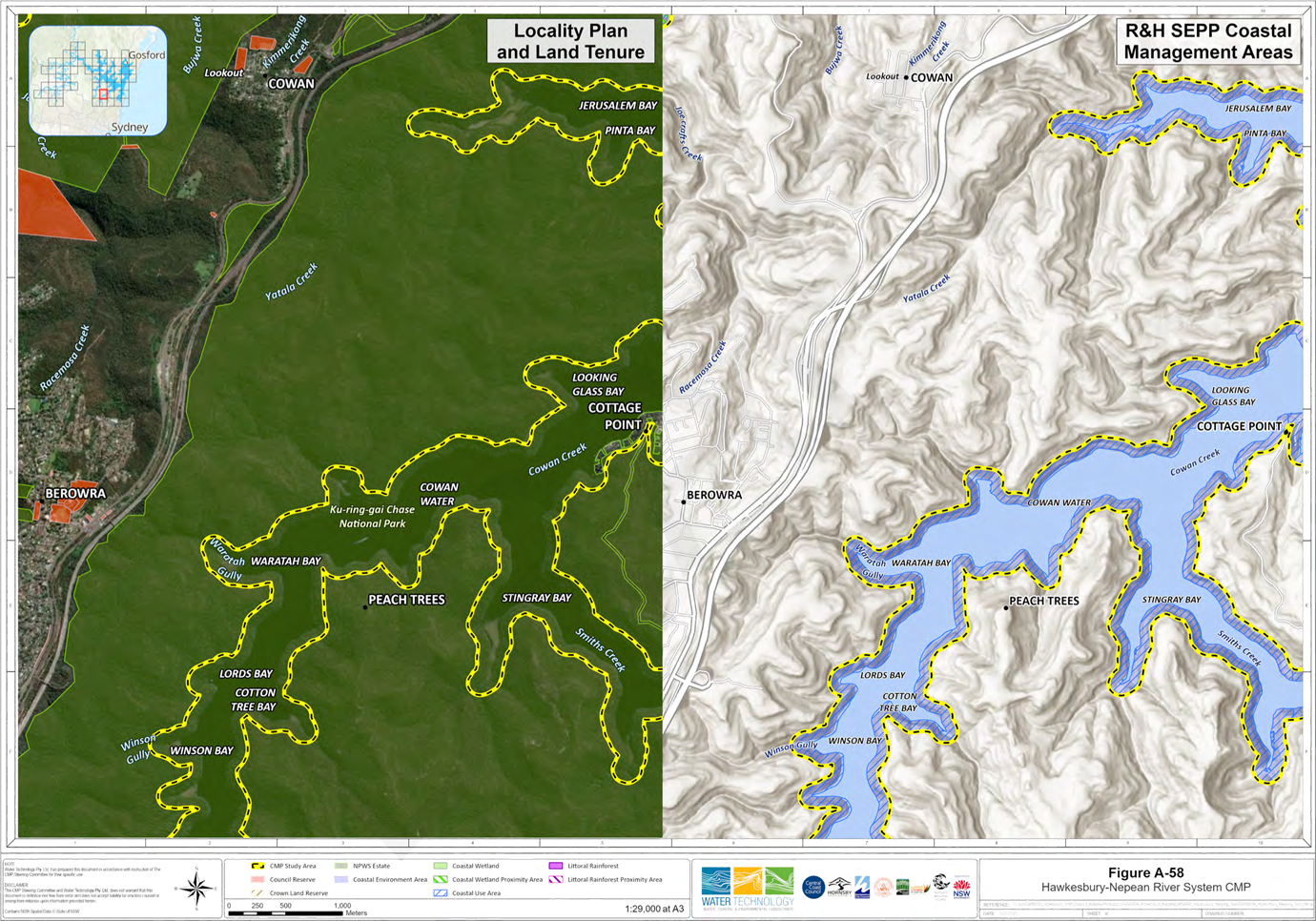
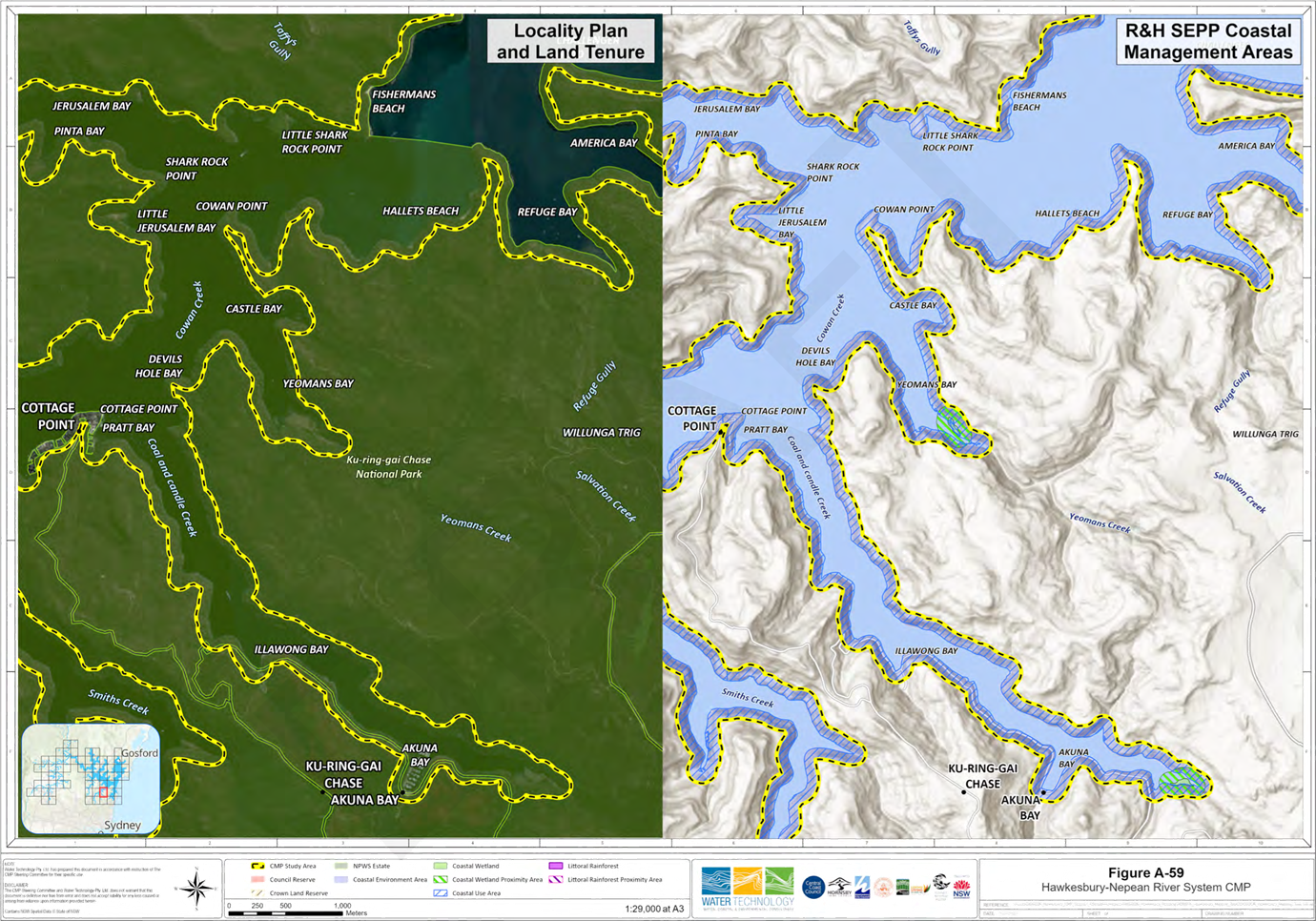
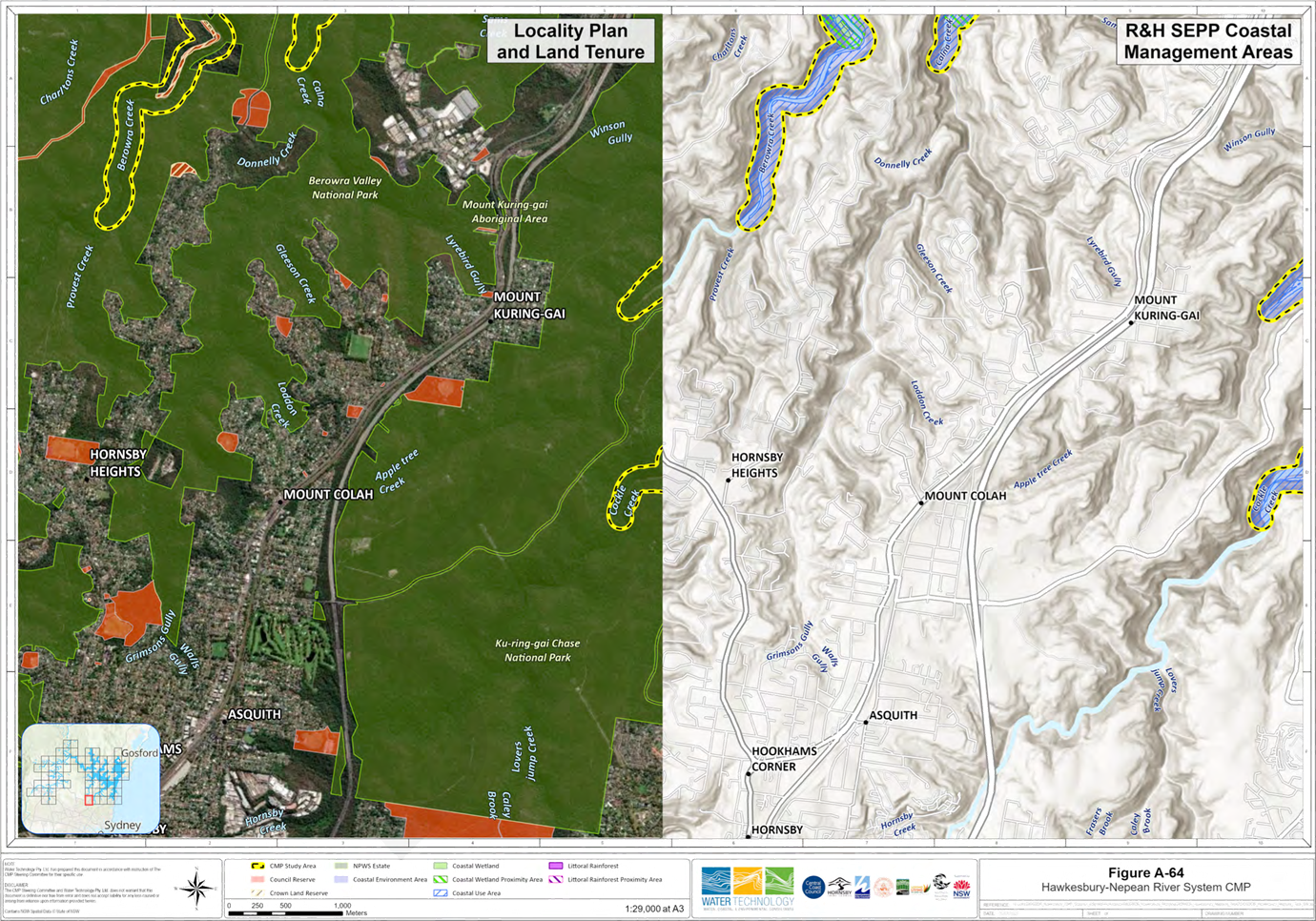
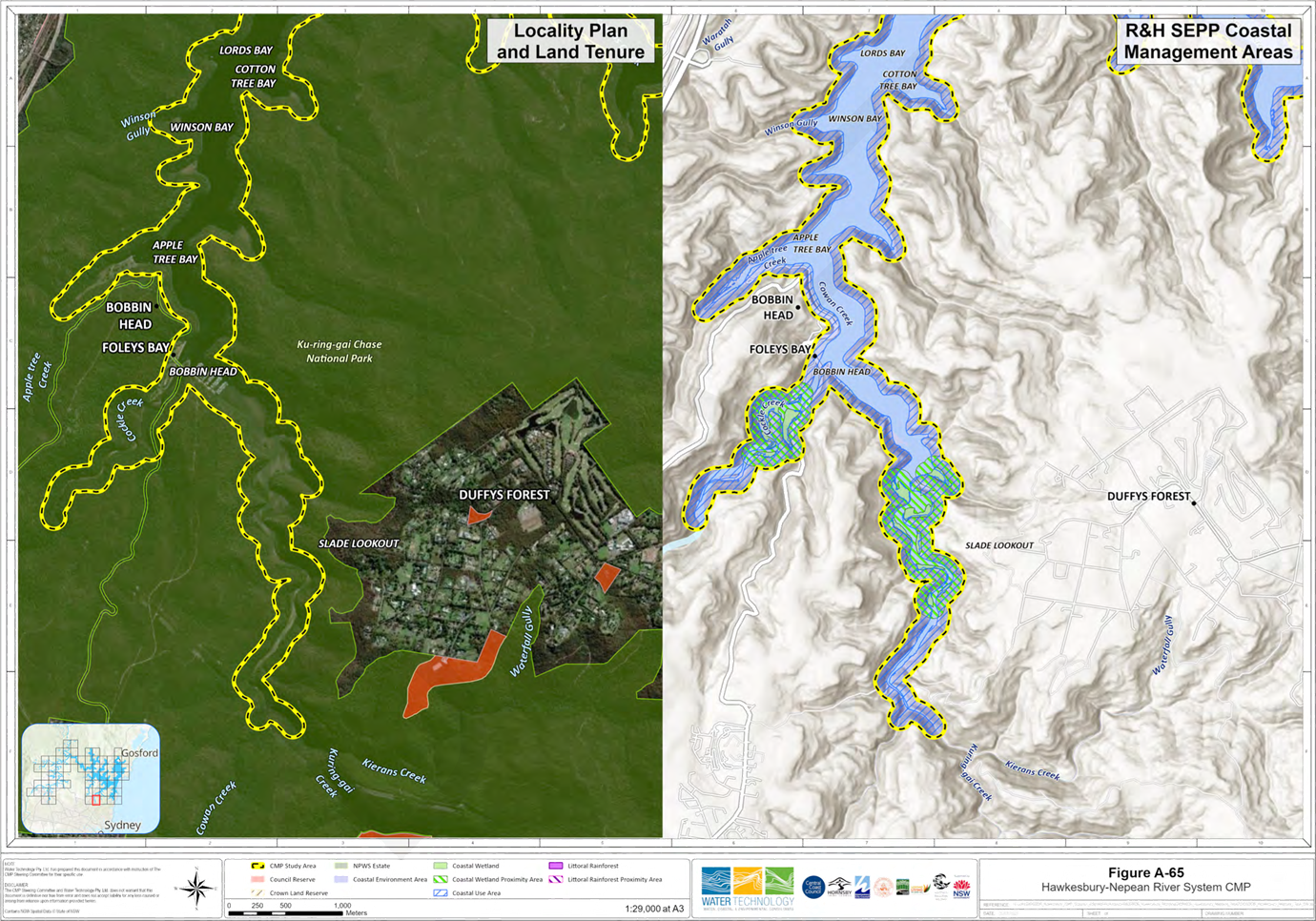
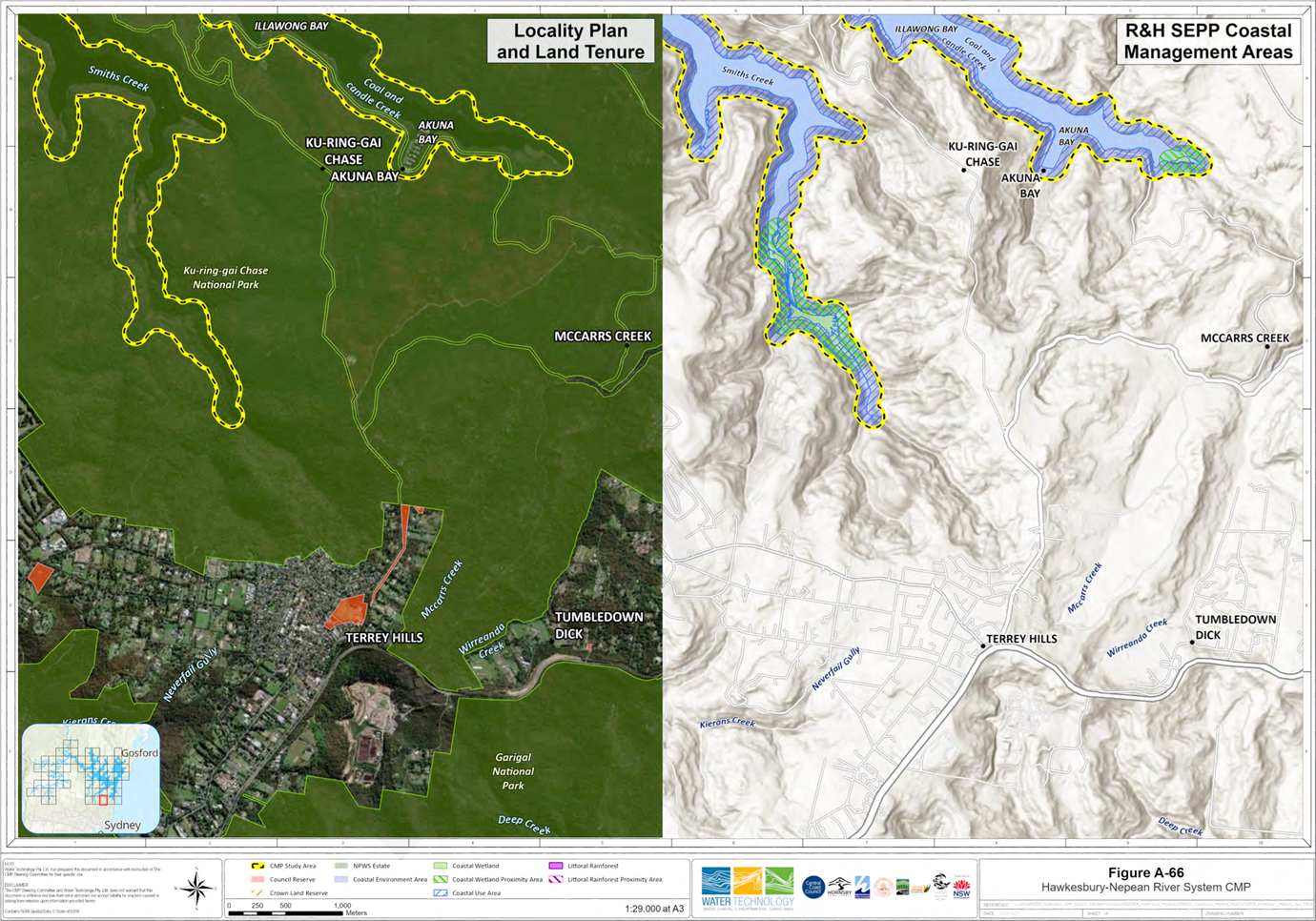
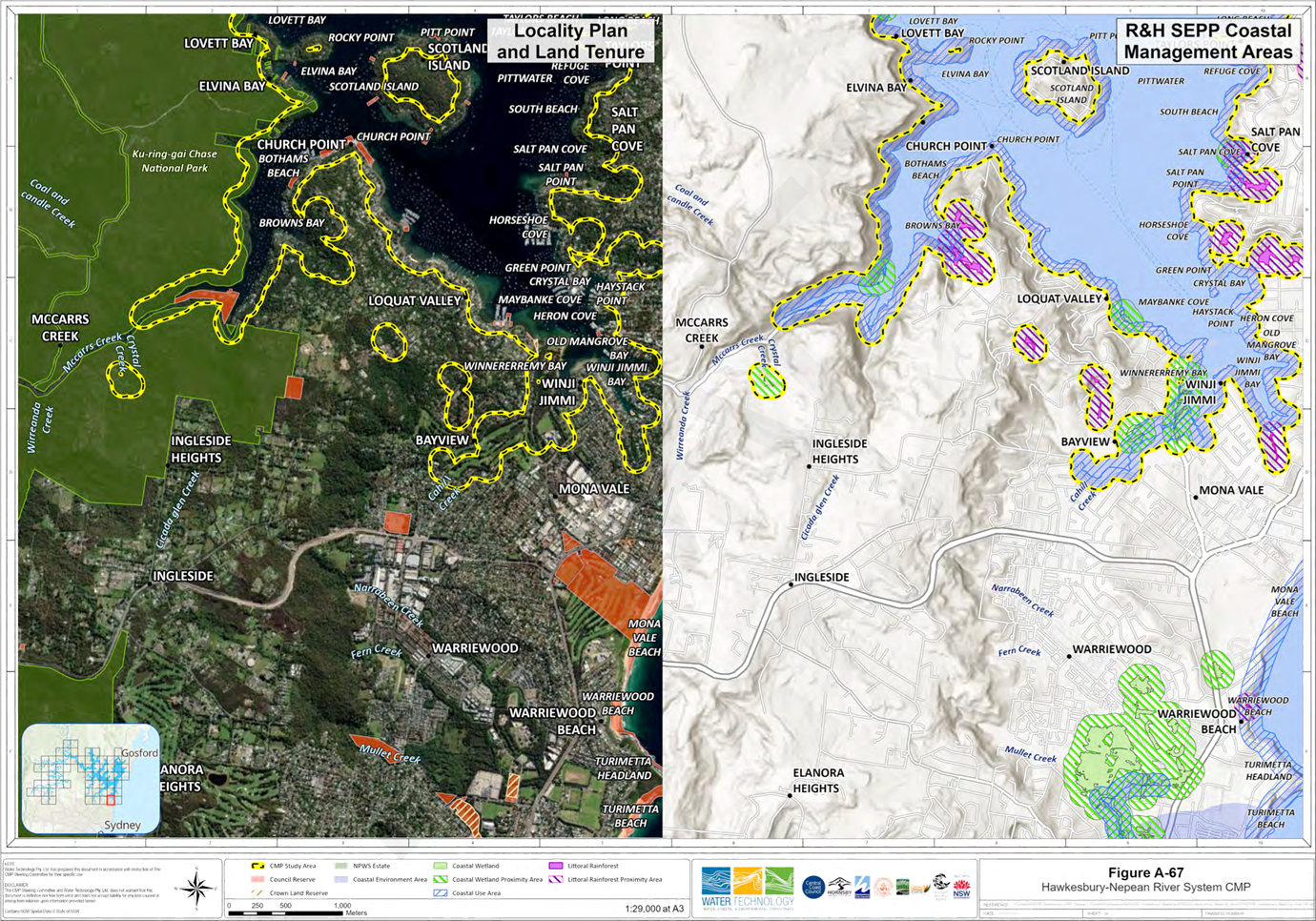
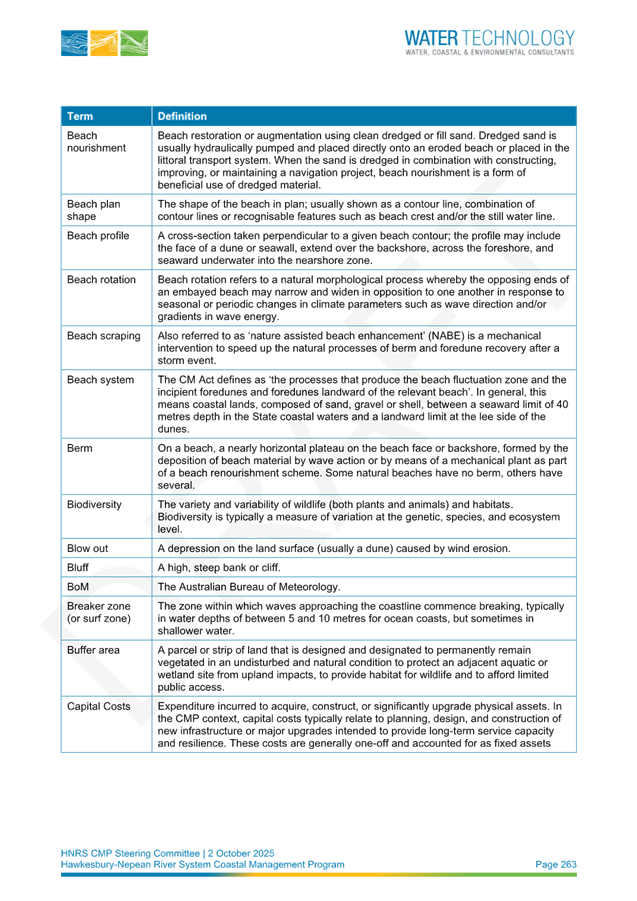
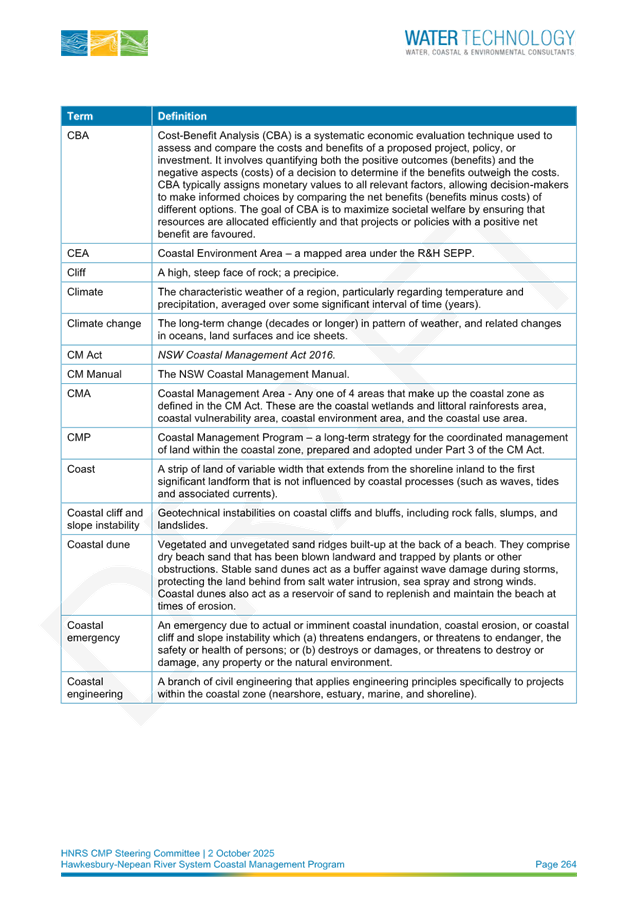
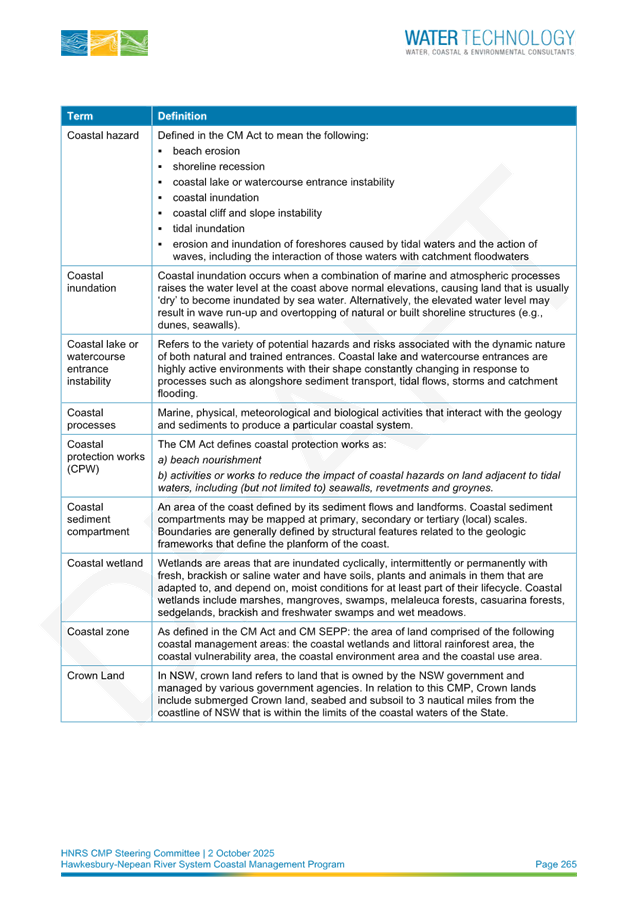
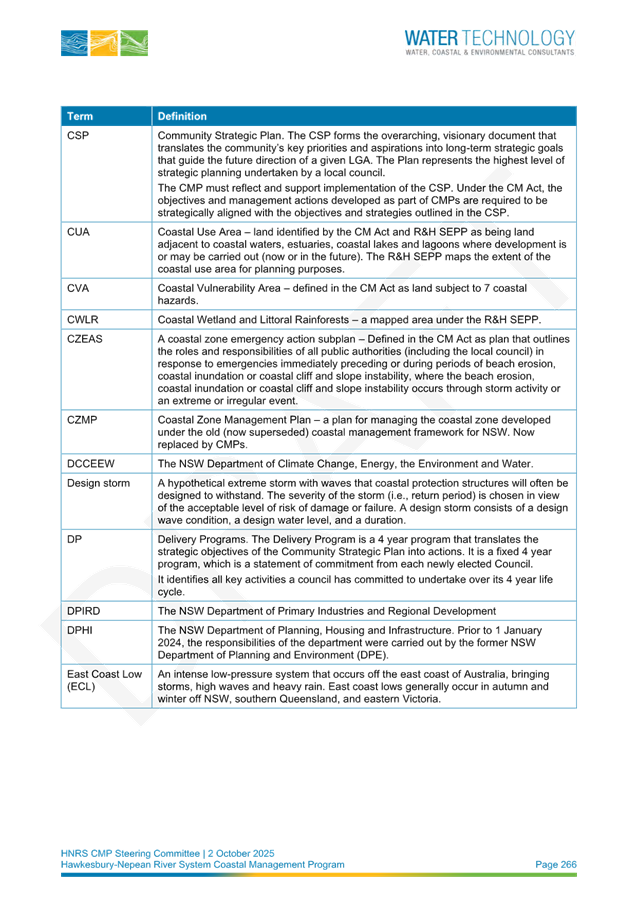
GB.13 Hawkesbury
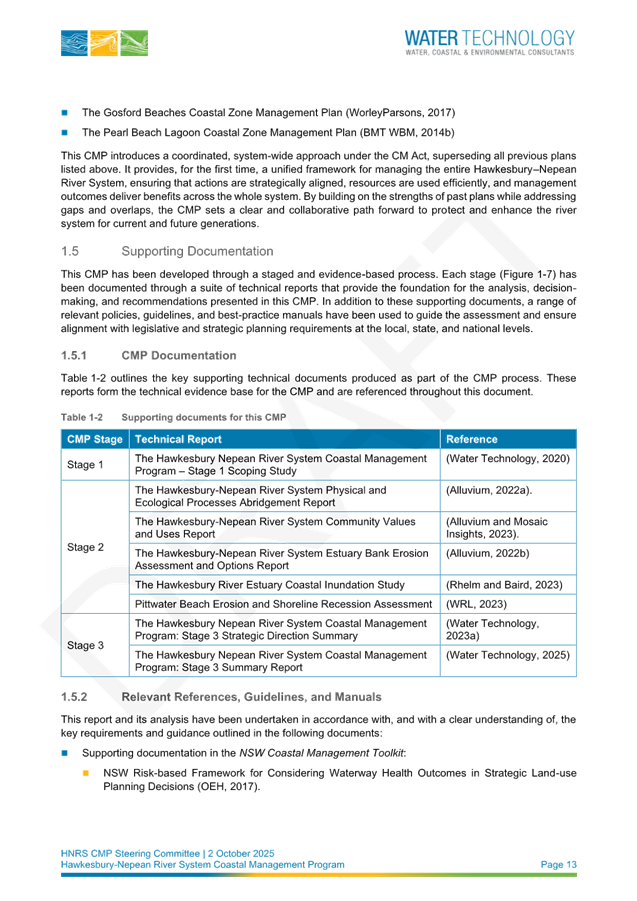
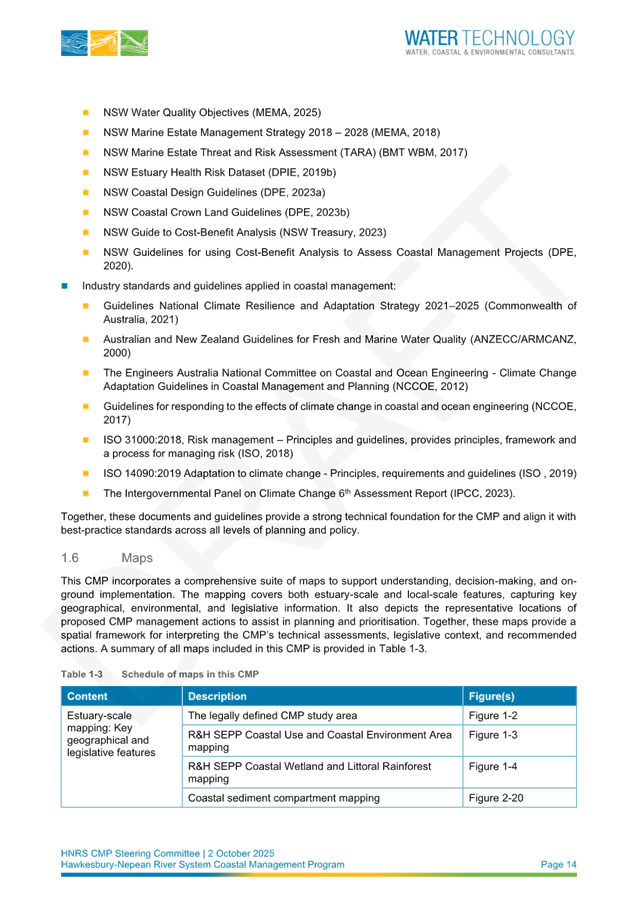
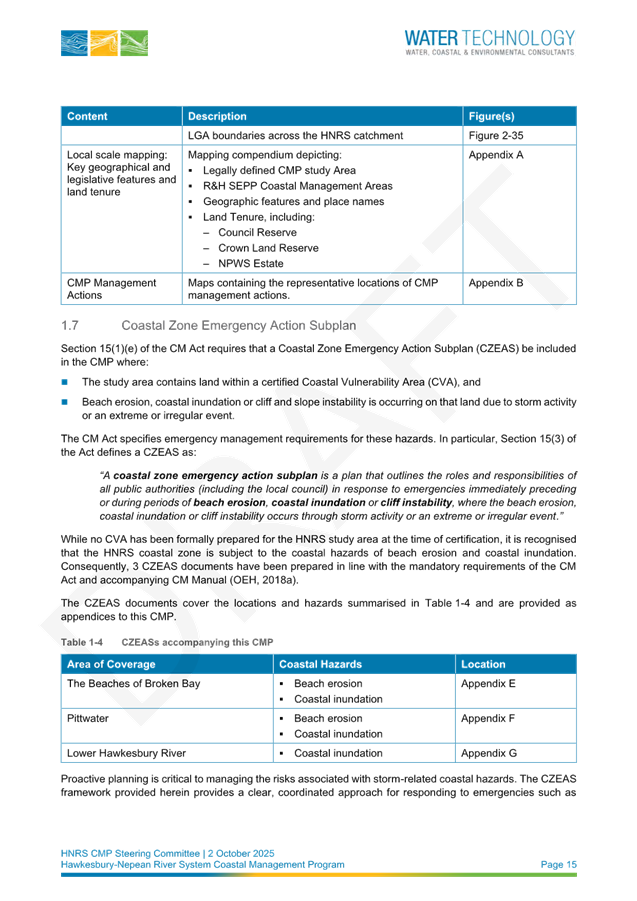
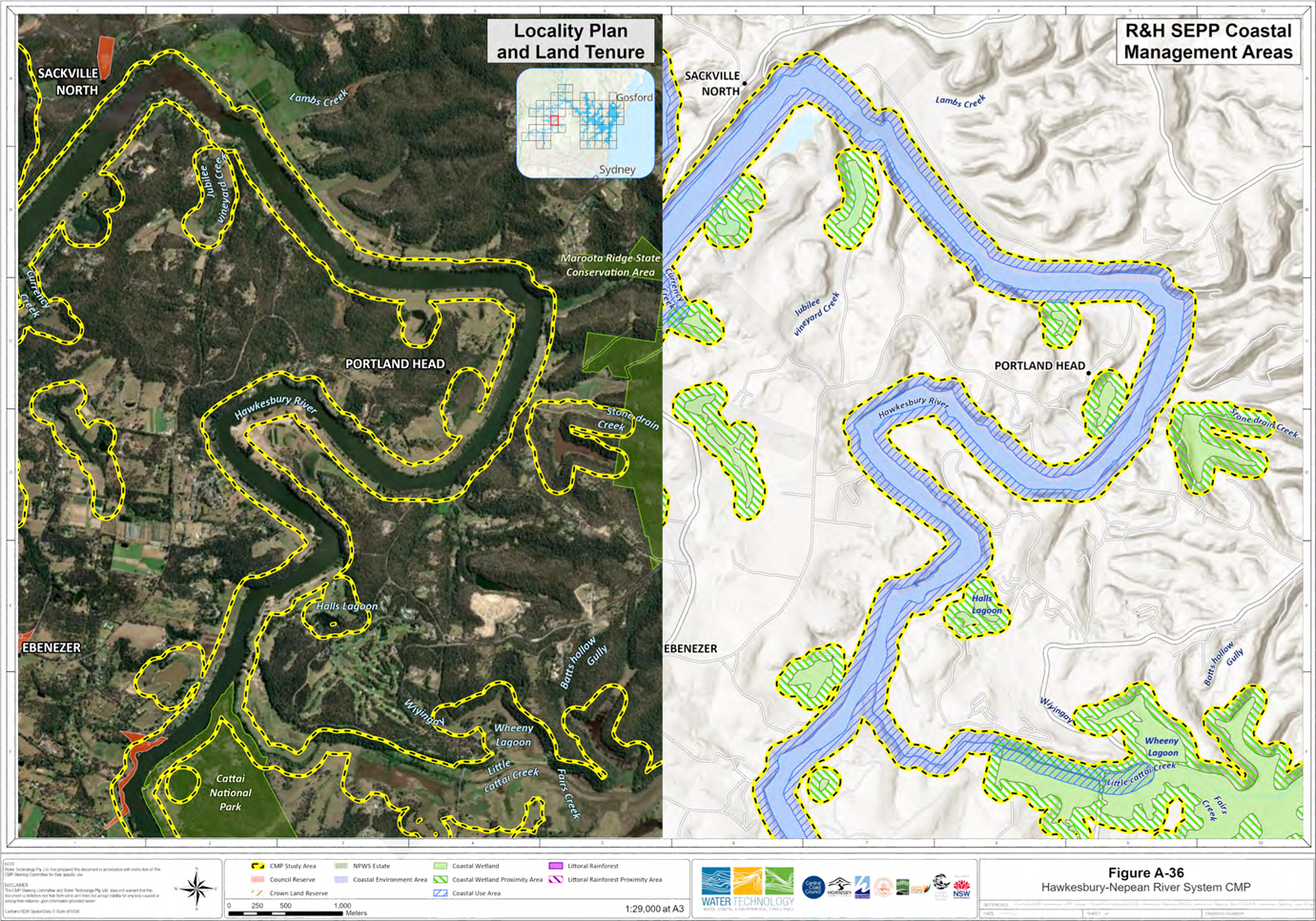
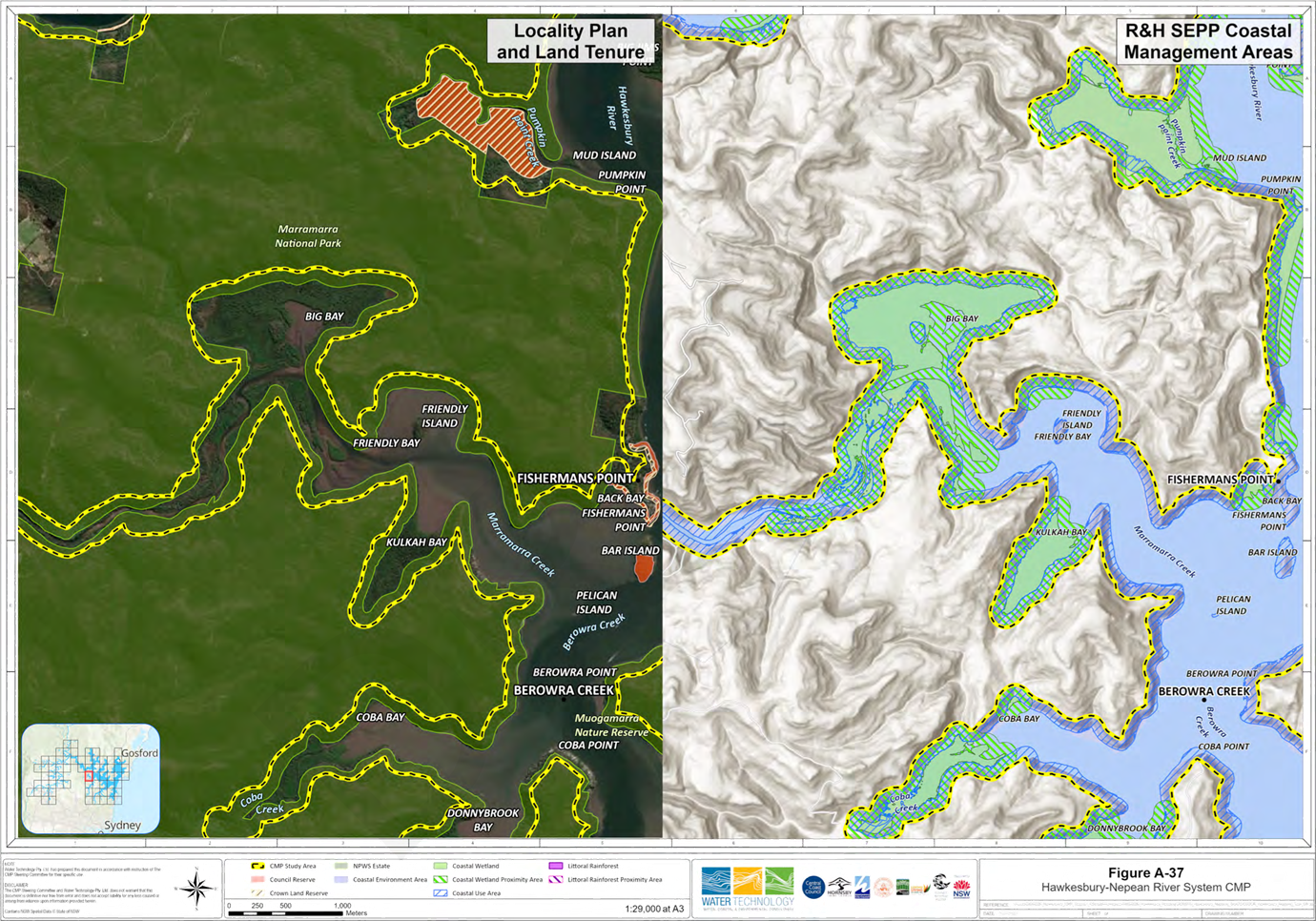
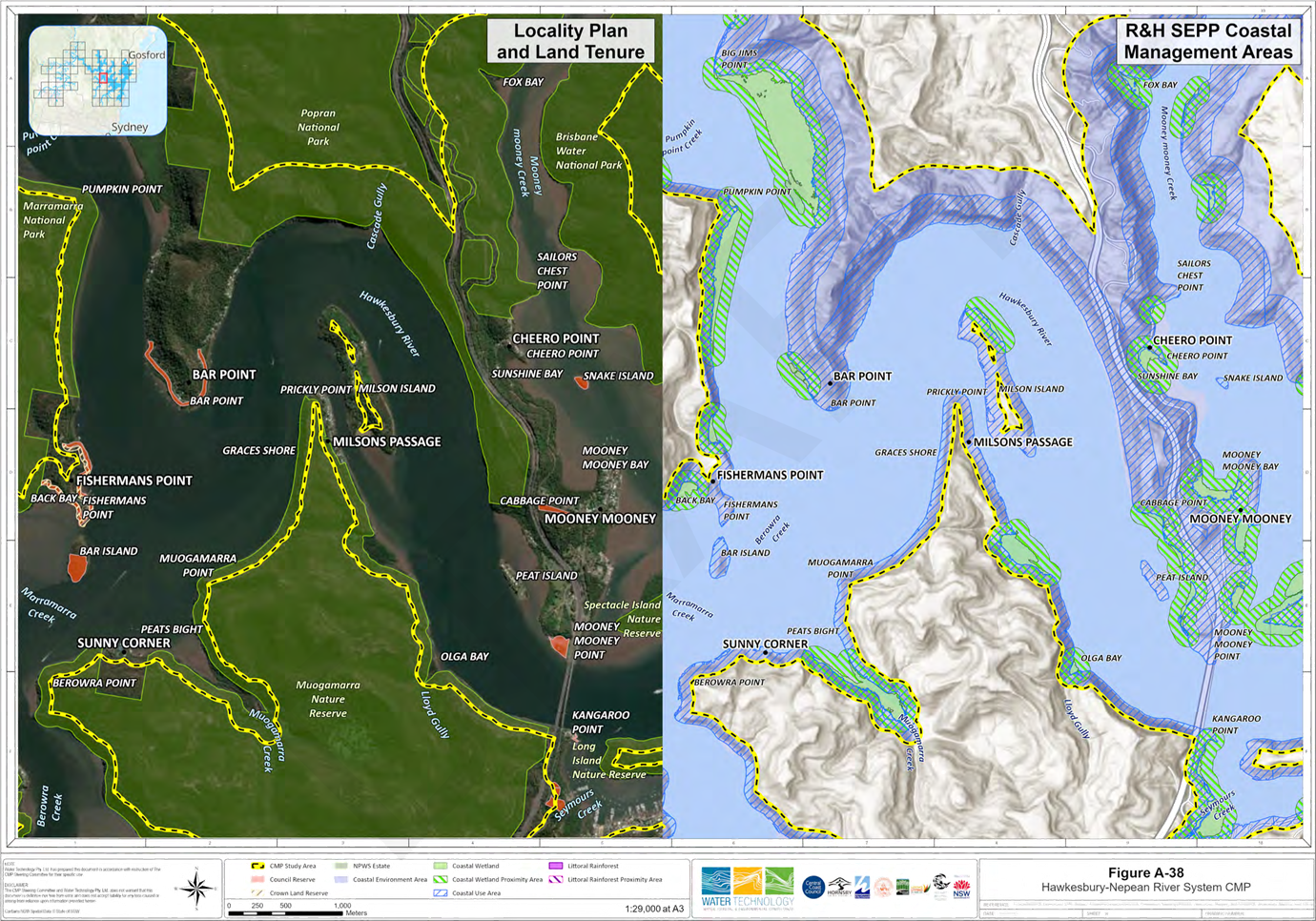
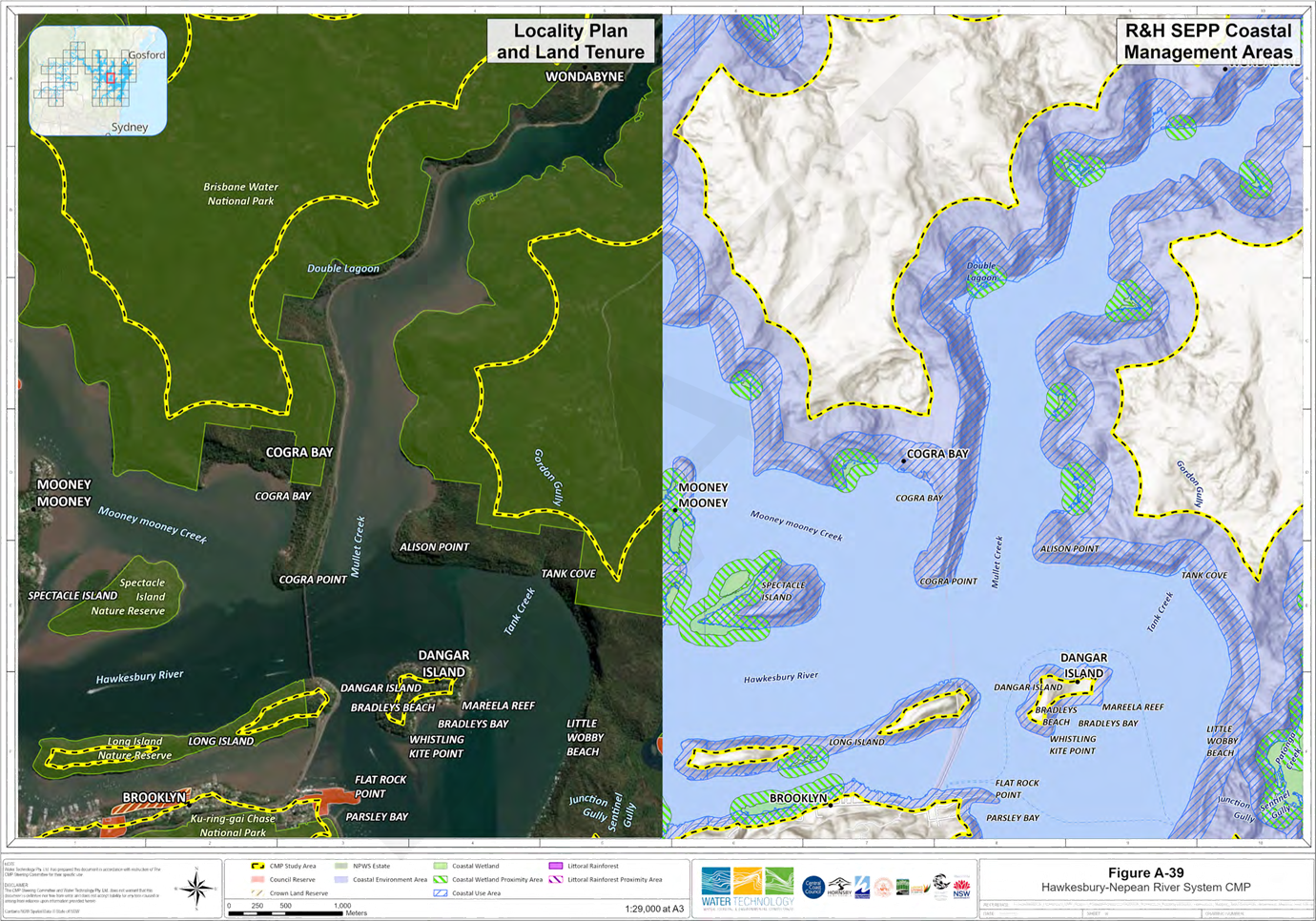
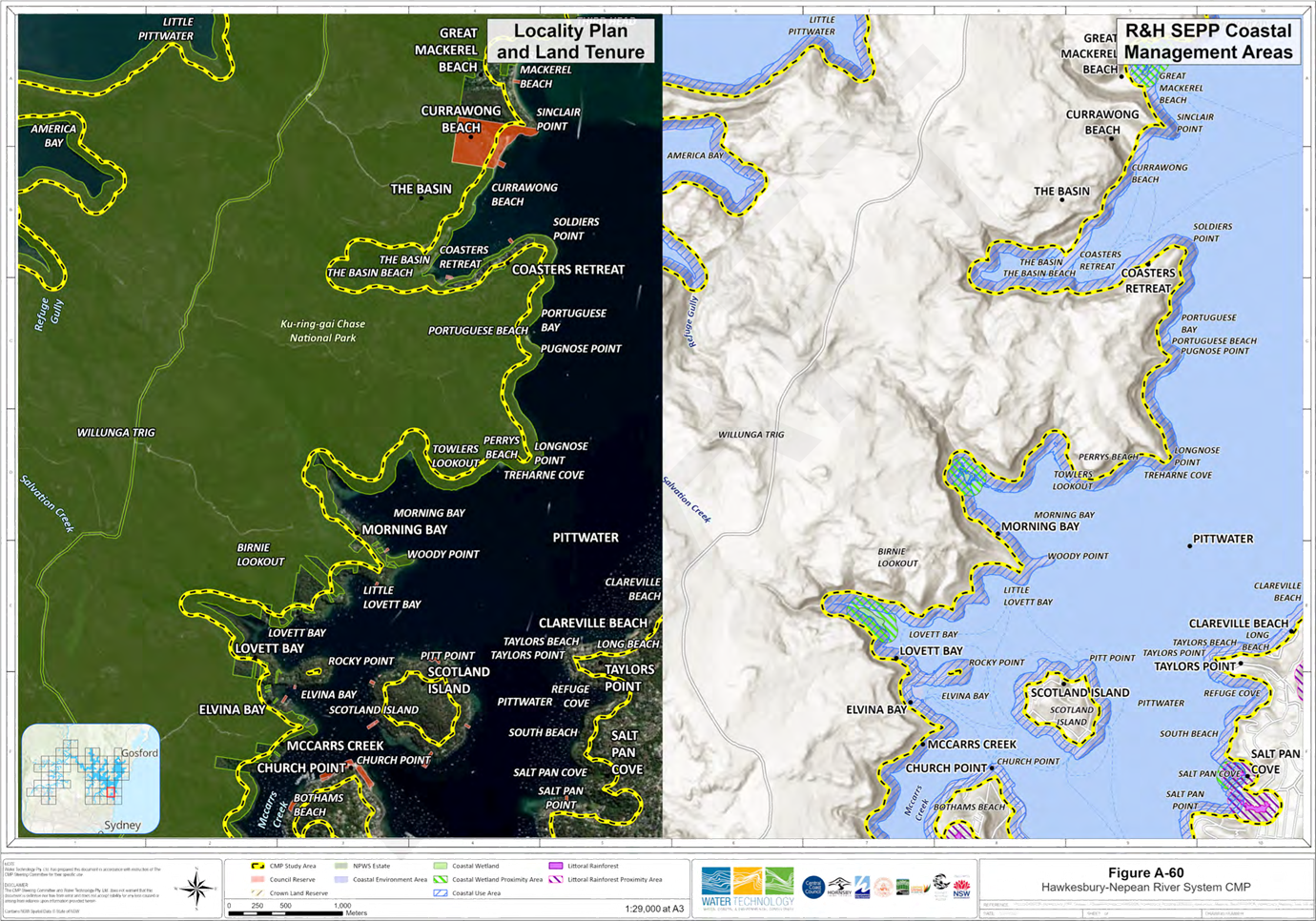
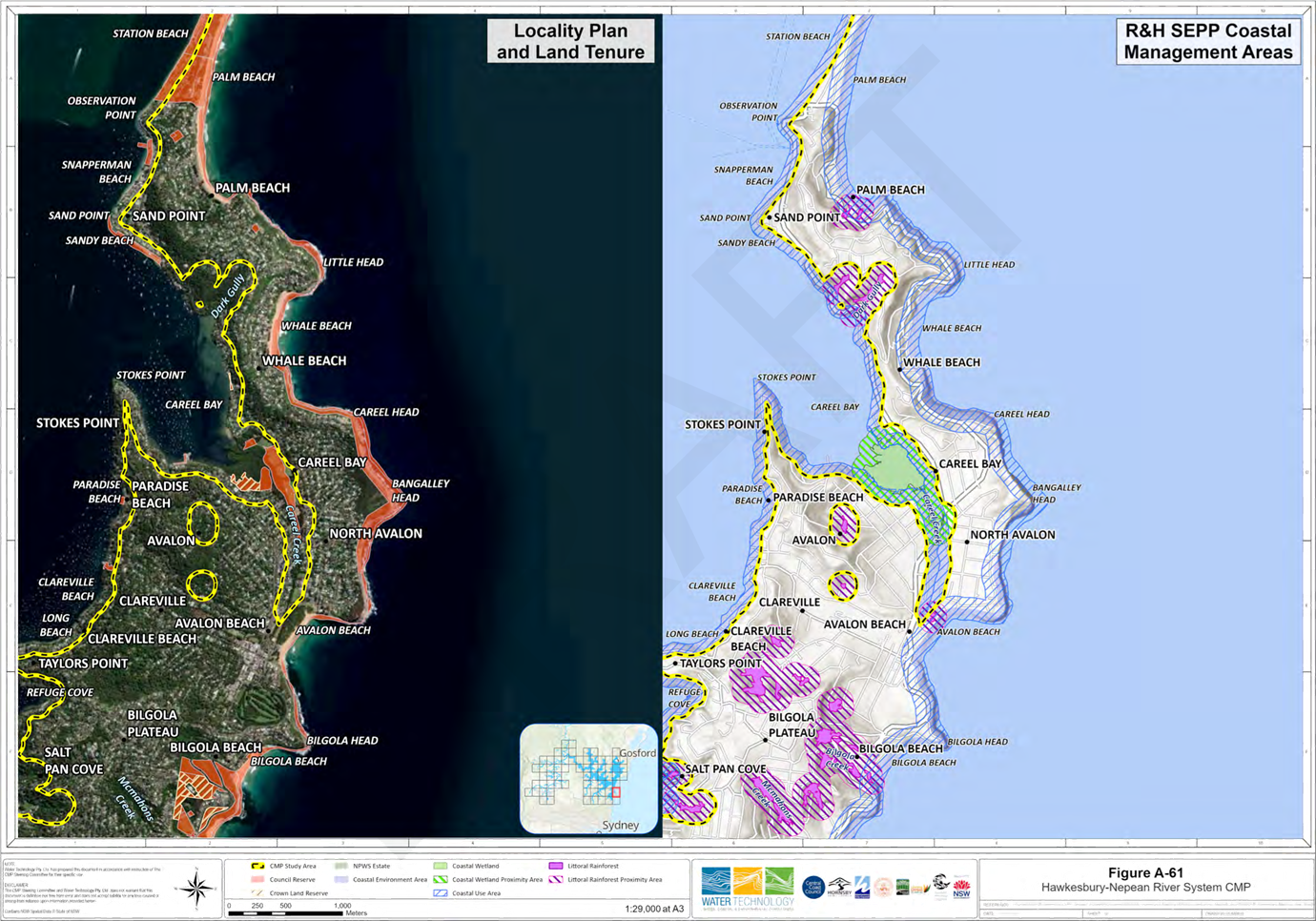
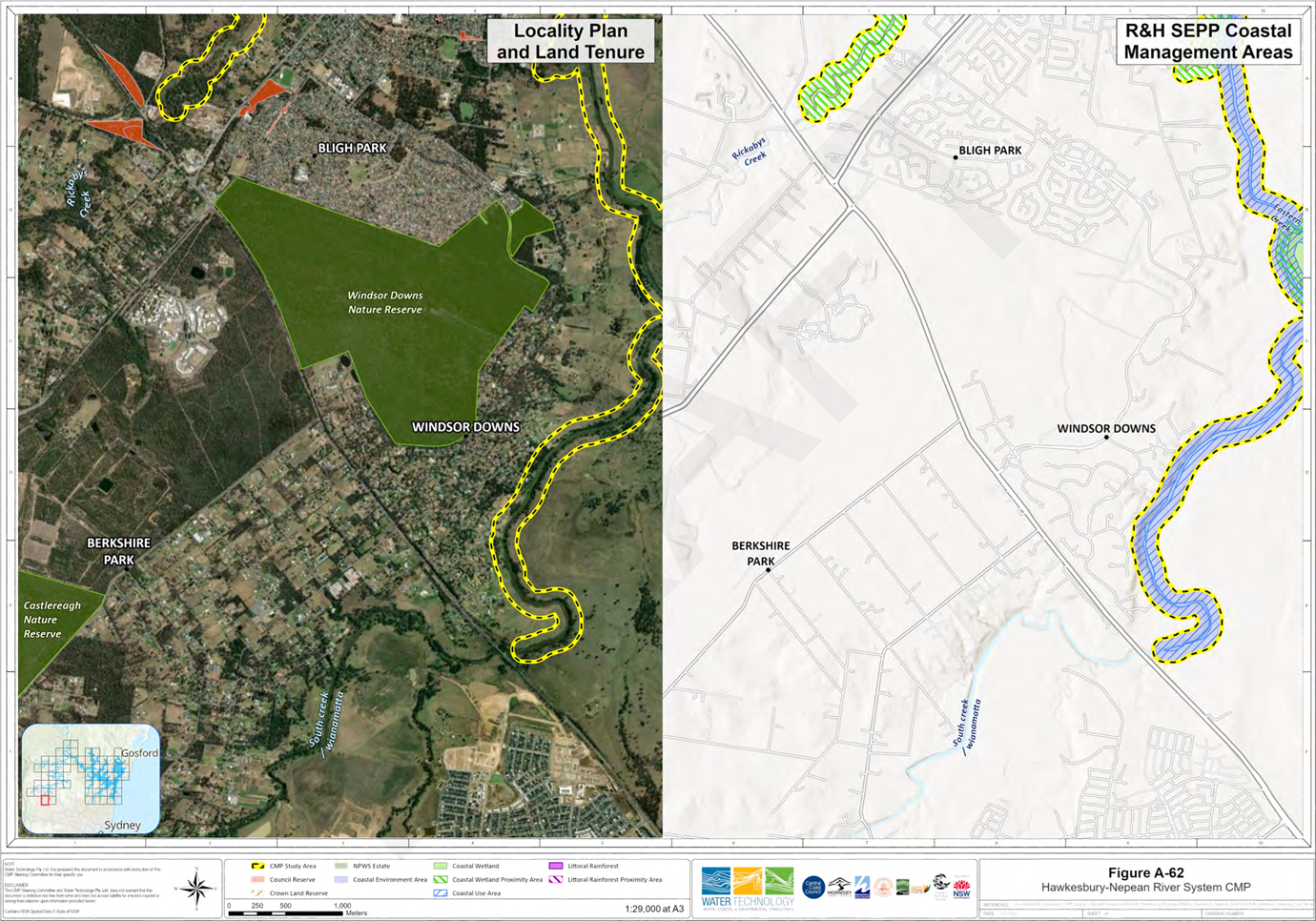
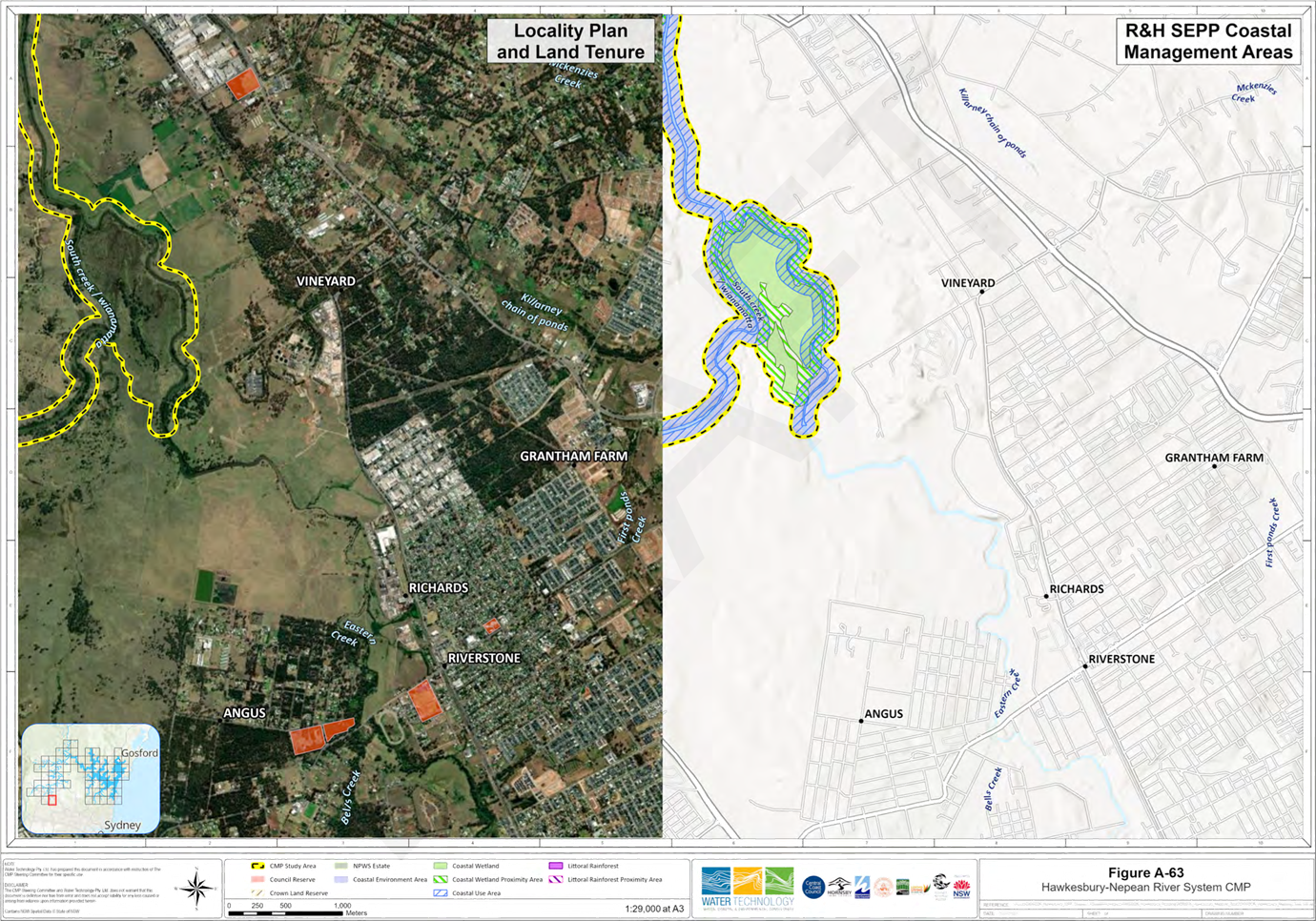
Nepean Coastal Management Program - Stage 3 and 4 update 465
File: S12059
To present the Draft Hawkesbury
Nepean River System Coastal Management Plan and seek endorsement from Council
to place the Draft on public exhibition.
Recommendation:
Council endorses the Draft
Hawkesbury Nepean River System Coastal Management Plan for public exhibition.
GB.14 Post-exhibition
Development Control Plan
4, 12 & 14 Cowan Road, St Ives
Pymble Golf Club 917
File: S12645
For Council to consider
submissions received in response to the exhibition of the Draft Development
Control Plan for 4, 12 & 14 Cowan Road, St Ives (Pymble Golf Club).
Recommendation:
That Council adopts the draft Ku-ring-gai
Development Control Plan Part 14 Pymble Golf Club and Part 18R
Greenweb Map Sheet 013, incorporating post-exhibition amendments as
detailed in this report and at Attachment A2.
GB.15 Dual
Occupancy Development Control Plan 942
File: S14848
For Council to
consider the amendment of the Ku-ring-gai Development Control Plan to
include controls for dual occupancy development and endorse its public
exhibition.
Recommendation:
A. That Council
endorse the proposed amendment to the Ku-ring-gai Development Control Plan
to include dual occupancy development controls, as detailed in Attachment A1
of this report.
B. That the dual
occupancy development controls be placed on public exhibition in accordance
with provisions under the Environmental Planning and Assessment Regulation
2000.
Extra Reports Circulated to Meeting
Motions of which due Notice has
been given
NM.1 Efficient
Function of Our Separate Sewerage Network and Stormwater Drainage Systems to
Improve the Health and Resilience of Local Waterways 1013
File: S12643/5
Notice of Motion from Councillor Taylor
dated 31 October 2025
The Ku-ring-gai
local government area is located at the head of three significant Sydney water
catchments - Cowan Creek, Lane Cove River and Middle Harbour Creek catchments,
flowing into Broken Bay and Sydney Harbour. Prior to 1955, our tributary
creeks were regularly used by residents for recreation activities, including
bathing.
Built
development on each of these catchments is serviced by a sewerage network
operated by Sydney Water. Separate stormwater drainage systems also operate
within the catchments. These stormwater drainage systems are generally assets
of Council, however, some components sit within private property boundaries or
shared drainage easements.
Water quality
testing performed at sites in Middle Harbour periodically identifies high
levels of potentially infection-causing enterococci bacteria. Since
recreational water quality has been monitored in Middle Harbour the annual
grade has typically been "poor". The annual grade for the 2025
bathing season is "fair".
Spikes in
bacterial pollution in waterways can be linked to high rainfall events. During
rainfall, bacteria, and other pollutants, are washed into the waterways
directly through stormwater system and via sewer overflows.
Stormwater
drainage systems and the sewerage network need to be completely separate.
Sydney
Water’s sewerage network is designed to allow for gravity flow, (some
pumping stations are included in low points). As part of the design,
various overflow discharge points have been incorporated, as essential safety
features of the system. The purpose of these overflow points is to allow for
surcharges in times of high volume of flow and avoid overflow within areas of
high public health risk, such as within residential areas. These surcharge
points within Ku-ring-gai are found within our local bushland valleys,
generally adjacent to local tributary creeks.
There are two
main causes of sewer overflows into stormwater drainage – blockages, and
flows exceeding pipe capacities during wet weather. Blockages, sometimes called
“dry weather overflows” are caused by tree roots or by the improper
disposal of wet wipes, tissues, oils, and fats into the wastewater network.
During very
heavy rainfall, extra water can enter the sewerage network through faulty
pipes, drain lids and by direct connection of stormwater drainage.
The sewage
network should only be used to transport sewage and household waste waters to
the designated treatment plant. At no time should stormwater be directed to the
sewerage network, nor should sewage be directed to the stormwater drainage
system. Reducing inflow and infiltration will improve the sewerage network
efficiency, extend asset life, and reduce greenhouse gas emissions from
unnecessary treatment loads. Climate change and more intense rainfall events
increase hydraulic pressure on both systems, so proactive disconnection and
repair are forms of climate adaptation.
How can we
address this issue?
Sydney Water
uses a smoke-testing process to identify issues in the sewerage network to find
leaks, faulty connections and illegal stormwater connections which may need
repair or disconnection. Location and repair of defects is essential to the
economical and hydraulic functioning of the sewerage network.
With the pending
increase in the number of households within the Ku-ring-gai Local Government
Area, due to current housing targets under State planning reforms, it is
important that major civic infrastructure systems, like the sewerage network
work as designed. Removing the sewage from our waterways is also a critical
step toward restoring healthy ecosystems and ultimately supporting the
re-establishment of safe recreational use of our local waterways.
Sydney Water
regularly partners with local councils to establish educational and compliance
programs to maximise the efficient function of our separate sewerage network
and stormwater drainage systems. Most recently, Hornsby Council has
participated in the program. The participation of Ku-ring-gai Council in the
program would further demonstrate our resolve to protect and restore our local
natural environment and improve the health of our waterways.
This initiative
supports Council’s strategic objectives under the Environment and
Infrastructure themes of the Community Strategic Plan, particularly improving
waterway health, climate resilience, and sustainable infrastructure
performance.
I, therefore,
move that Council resolves to:
A. Include a program promoting and encouraging
residential disconnection of stormwater from the sewage network to improve the
health and resilience of local waterways within the 2026/27 Operational Plan.
The program would include education, local waterways testing, system testing,
regulatory actions, and compliance statistics (such as the number of properties
tested or rectified);
B. Inform Sydney Water that Ku-ring-gai Council wishes
to partner with them, initially for a period of three years, to deliver a local
educational and compliance program focussing on the need to ensure stormwater
is not discharged into the sewerage network;
C. Undertake a review of the Development Control Plan or
stormwater design guidelines to ensure new developments include inspection
points for verifying separation; and,
D. Collaborate with Sydney Water to identify priority
sub-catchments for rectification.
Recommendation:
That the above
Notice of Motion as printed be adopted.
NM.2 Community
Access to External Automated Defibrillators across Council Facilities "Lachy's
Heartstart Project" 1016
File: S08410-14
Notice of Motion from Councillors
Devlin and Kay dated 31 October 2025
This Notice of
Motion is aimed at providing community access to Automated Defibrillators
across Council facilities, including sporting fields, recreation areas,
community buildings and public parks.
Research shows
that in Australia, approximately 80 people per day go into sudden cardiac
arrest. The survival rate is approximately 12%. This is
significantly impacted by the time it takes to receive treatment. For
every minute without CPR, the chance of survival lowers by 10%. Automated
defibrillators (AEDs) have been shown to significantly increase survival rates
to approximately 50% when combined with CPR. Accessible AEDs are
important as cardiac arrest can occur at any time, to any age and often without
warning.
Council
currently provides 22 AEDs across Council operational buildings and vehicles,
libraries, golf courses, art centre and community halls. Apart from East
Lindfield Community Hall and Caley’s Pavilion within the Ku-ring-gai
Wildflower Garden, all the AEDs are in buildings that are locked when not in
use. This means most Council managed AEDs may not be readily accessible
to the community when they are required, potentially reducing the survival
rates if a sudden cardiac arrest occurred at a closed Council facility.
In addition to this, there are only three (3) AEDs provided by Council at
recreational venues – Roseville Park Pavilion, Gordon Golf Course and
North Turramurra Golf Course. Placing AEDs external to buildings may
provide members of the public better opportunity to act immediately to assist
someone experiencing a cardiac arrest until emergency services arrive.
When every
second counts, readily accessible AEDs ensure fast, life-saving action, and
help build a strong first response network across the Ku-ring-gai LGA.
Making AEDs readily available at all of Council’s sporting fields is a
crucial first step.
It is
acknowledged this initiative will require significant investment in capital and
ongoing service funding, including management of any associated liability
within Council’s existing risk and insurance frameworks, ensuring this
does not delay implementation. If this scheme saves one life, then Council
considers it essential. Grant funding and sponsorship opportunities may
be available.
Therefore, we
move the following motion:
That:
A. By March 2026, a report be brought back to Council
detailing the whole of life costs for the supply, installation, service and
monitoring of providing external AEDs at Council owner facilities across the
following stages:
a. Stage 1: all Council sporting fields (implementation
during calendar year 2026,); and,
b. Stage 2: all Council community buildings, recreation
areas, and public parks (implementation before the end of calendar year 2027);
noting that,
c. (The above stages are guidelines only, and may differ
from the report).
B. The report also contains information on the delivery
timeframes, grant funding or sponsorship opportunities, and consideration of
relevant liabilities imposed on Council; and,
C. The preferred delivery model prioritise external,
publicly accessible units with 24-hour access and automatic registration with
the NSW Ambulance AED Locator database.
Recommendation:
That the above
Notice of Motion as printed be adopted.
BUSINESS WITHOUT NOTICE – SUBJECT TO CLAUSE 9.3 OF code
of meeting practice
Questions With Notice
QN.1 How does Council
protect our waterways from urban stormwater? 1018
File: S12643/5
InspectionS– SETTING OF TIME, DATE AND RENDEZVOUS
Confidential Business to be dealt
with in Closed Meeting
C.1 Council
Position on the operation of the Ku-ring-gai High School Hockey Facility
File: S13203/2
In accordance
with the Local Government Act 1993 and the Local Government (General)
Regulation 2021, in the opinion of the General Manager, the following
business is of a kind as referred to in section 10A(2)(d)(ii), of the Act, and
should be dealt with in a part of the meeting closed to the public.
Section
10A(2)(d) of the Act permits the meeting to be closed to the public for
business relating to commercial information of a confidential nature that
would, if disclosed:
(i)
prejudice the commercial position of the person
who supplied it, or
(ii)
confer a commercial advantage on a competitor of
Council, or
(iii)
reveal a trade secret.
This matter is
classified confidential under section 10A(2)(d)(ii) because it would confer a
commercial advantage on a competitor of the Council.
Report by
Director Strategy & Environment
C.2 Project
Review
File: S14999
In accordance
with the Local Government Act 1993 and the Local Government (General)
Regulation 2021, in the opinion of the General Manager, the following
business is of a kind as referred to in section 10A(2)(g), of the Act, and
should be dealt with in a part of the meeting closed to the public.
Section
10A(2)(g) of the Act permits the meeting to be closed to the public for
business relating to advice concerning litigation, or advice that would
otherwise be privileged from production in legal proceedings on the ground of
legal professional privilege.
This matter is
classified confidential under section 10A(2)(g) because it contains advice
concerning a legal matter that:
(a) is a substantial issue
relating to a matter in which the Council is involved
(b) is clearly identified
in the advice, and
(c) is fully discussed in
that advice.
It is not in the
public interest to release details of the legal advice as it would prejudice
Council’s position in court proceedings.
Report by
General Manager
David Marshall
General
Manager
** ** ** ** ** **
Minute Ku-ring-gai
Council Page
MINUTES OF Ordinary Meeting of Council
HELD ON Tuesday, 21 October 2025
|
Present:
|
The Mayor, Councillor Christine Kay (Chairperson)
Councillors M Devlin & J Pettett (Comenarra Ward)
Councillors I Balachandran & B Ward (online) (Gordon
Ward)
Councillors S Ngai & A Taylor (Roseville Ward)
Councillor M Smith (St Ives Ward)
Councillors C Spencer & K Wheatley (Wahroonga Ward)
|
|
|
|
|
Staff Present:
|
General Manager (David Marshall)
Director Community (Janice Bevan)
Director Corporate (Angela Apostol)
Acting Director Development & Regulation (Anne Seaton)
Director Operations (Peter Lichaa)
Director Strategy & Environment (Andrew Watson)
Corporate Lawyer (Jamie Taylor)
Acting Manager Corporate Communications (Sally Williams)
Manager Governance and Corporate Strategy (Christopher M
Jones)
Governance Support Officer (Eliza Gilbank-Heim)
|
|
|
|
|
Others Present:
|
Special Rate Variation Project Lead (Mark Skelsey)
Acting Manager Finance (Mette Kofoed)
Manager Assets and Technical Services (Mursaleen Shah)
Infrastructure Assets & Driveways Engineer (Gurpreet
Grewal)
Manager Urban & Heritage Planning (Antony Fabbro)
Executive Urban Planner (Rathna Rana)
|
The Meeting
commenced at 7:00 PM
The Mayor offered
the Acknowledgement of Country and Prayer
|
|
Apologies
File: S02194
The General Manager advised of an apology from the
Director Development & Regulation, Michael Miocic, with Anne Seaton
acting as Director Development & Regulation.
|
DECLARATIONS
OF INTEREST
The Mayor
referred to the necessity for Councillors and staff to declare a Pecuniary
Interest/Conflict of Interest in any item on the Business Paper.
Councillor
Taylor declared a special disclosure of pecuniary interest in C.2 as his
principal place of residence may be impacted by the proposed planning controls.
Councillor Taylor tabled a special disclosure of pecuniary interest under
clause 4.36(c) of the Code of Conduct and will remain in Chambers during this
debate.
Councillor
Balachandran declared a special disclosure of pecuniary interest in C.2 as both
her principal place of residence and her parents’ principal place of
residence may be impacted by the proposed planning controls. Councillor
Balachandran tabled a special disclosure of pecuniary interest under clause
4.36(c) of the Code of Conduct and will remain in Chambers during this debate
Councillor
Ward declared a special disclosure of pecuniary interest in C.2 as her
principal place of residence may be impacted by the proposed planning controls.
Councillor Ward tabled a special disclosure of pecuniary interest under clause
4.36(c) of the Code of Conduct and will remain in Chambers during this debate.
Councillor
Ngai declared a special disclosure of pecuniary interest in C.2 as his
parent’s in law’s principal place of residence may be affected by
the proposed planning controls. Councillor Ngai tabled a special disclosure of
pecuniary interest under clause 4.36(c) of the Code of Conduct and will remain
in Chambers during this debate.
DOCUMENTS
CIRCULATED TO COUNCILLORS
The Mayor referred to the
documents circulated in the Councillors’ papers and advised that the
following matters would be dealt with at the appropriate time during the
meeting:
|
Late Items:
|
MM.1 - Vale Graham Lewis - Distinguished local volunteer
- Report by The Mayor, Councillor Kay dated 21 October 2025
|
|
Memorandums:
|
A Confidential Memorandum for GB.12 Affordable Housing
Contribution Scheme and amended Affordable Housing Policy from the
Director Strategy & Environment was circulated to the Mayor and
Councillors on 14 October 2025.
A Confidential Memorandum for GB.13 Local Character
– Ku-ring-gai Development Control Plan Amendment –
Post-exhibition consideration of submissions from the Director
Strategy & Environment was circulated to the Mayor and Councillors on 14
October 2025.
A Confidential Memorandum for GB.14 Post-exhibition of
Planning Proposal – 51-53 Rohini Street, Turramurra from the
Director Strategy & Environment was circulated to the Mayor and
Councillors on 14 October 2025.
A Memorandum for GB.11 Policy Updates – Commercial
Leasing Policy, Acquisition and Divestment of Land Policy and Easement
Management Policy from the Director Strategy & Environment was
circulated to the Mayor and Councillors on 20 October 2025.
A Memorandum for GB.14 Post-exhibition of Planning
Proposal – 51-53 Rohini Street, Turramurra from the Director
Strategy & Environment was circulated to the Mayor and Councillors on 21
October 2025.
|
|
Councillors Information:
|
Councillor, Council staff and ARIC members Disclosure of
Interest Return Forms as at 30 June 2025 were circulated on 15
October 2025.
|
|
Late Confidential Items:
|
C.2 - Land and Environment Court - Transport Oriented
Development SEPP - Report by General Manager dated 16 October 2025
with attachments.
|
|
185
|
CONFIRMATION
OF REPORTS AND ATTACHMENTS TO BE CONSIDERED IN CLOSED MEETING
File: S02499/9
|
|
|
Resolved:
(Moved: Councillors
Balachandran/Wheatley)
That in accordance with the
provisions of Section 10 of the Local Government Act 1993, all
officers’ reports be released to the press and public, with the
exception of:
C.1 Land Acquisition
C.2 Land and Environment Court - Transport
Oriented Development SEPP
CARRIED UNANIMOUSLY
|
CONFIRMATION
OF MINUTEs
|
186
|
Minutes
of Ordinary Meeting of Council
File: EM00046/8
|
|
|
Meeting held 23 September 2025
Minutes numbered 156 to 184
|
|
|
Resolved:
(Moved: Councillors Wheatley/Balachandran)
That Minutes numbered 156 to 184
circulated to Councillors were taken as read and confirmed as an accurate
record of the proceedings of the Meeting.
CARRIED UNANIMOUSLY
|
minutes
from the Mayor
|
187
|
MM.1
Vale Graham Lewis - Distinguished local volunteer
File: CY00455/13
Vide:
|
|
|
It is my sad duty to advise Council and our community of
the passing of Graham Lewis, who was well known in Ku-ring-gai for his
longstanding contribution to the Ku-ring-gai Historical Society and other
local community organisations.
Born in Wellington, New Zealand in 1941, Graham moved to
Sydney in the 1960s with his wife Isabel and settled in Lindfield.
Graham had a life-long interest in genealogy and history.
He was a long time and enthusiastic member of the Society of Australian
Genealogists (SAG) and was awarded a Fellowship of The Society. Graham
developed SAG’s website (which won an international award), provided IT
support, worked on the development and production of the CD of Rookwood
burials and the Australian Genealogical Computer Index (AGCI). He was elected
a Fellow of the Society of Australian Genealogists in 2003.
In 2004 he joined the Ku-ring-gai Historical Society (KHS)
and by 2014 became the Society’s President, a position he held for two
years.
Aside from his historical and genealogy interests, Graham
was a very active supporter and member of several Ku-ring-gai organisations
such as the Ku-ring-gai Preservation Trust (KPT) and Friends of Ku-ring-gai
Environment Inc (FOKE). He was founding Secretary of the Gordon Park Probus
Club (now closed) and Treasurer of the Ku-ring-gai Neighbourhood Centre.
According to FOKE President Kathie Cowley, “Graham
brought to the KPT unique technical and organisational skills - along with a
wonderful wit, humour and team spirit ….. at an almost endless
succession of Council and community meetings”.
Aside from Graham’s many voluntary roles, he was a
keen stamp collector, a Fellow of the NZ Institute of Management, and of the
Australian Institute of Company Directors.
Graham was the dearly loved husband of Isabel (Issi) and
loving father and father-in-law of Rob & Suzie and David & Elisia, as
well as being ‘Pop’ to his three grandchildren Hallie, Oliver and
Max.
On behalf of Council and our community, I express my
appreciation for Graham’s contribution to Ku-ring-gai and our sincere
condolences to his family and friends.
|
|
|
Resolved:
(Moved: The Mayor, Councillor
Kay)
- That Council stands for a
minute’s silence in memory of Graham Lewis.
- That a copy of this Mayoral
Minute be forwarded to Graham’s family
CARRIED UNANIMOUSLY
|
PETITIONS
Nil.
GENERAL
BUSINESS
|
188
|
Smart
Transport Advisory Committee Meeting Minutes of 10 September 2025
File: S02696
Vide: GB.2
|
|
|
To consider the minutes of the Smart Transport
Advisory Committee (STAC) meeting held on 10 September 2025.
|
|
|
Resolved:
(Moved: Councillors
Wheatley/Devlin)
That Council notes the
recommendations of the Smart Transport Advisory Committee meeting held on 10 September
2025, including that the Committee notes the information provided in the
agenda, and that expressions of interest/request for proposals from car share
providers be progressed for fixed space car share operation in the LGA.
CARRIED UNANIMOUSLY
|
|
189
|
Chanukah
Menorah Display
File: CY00817/3
Vide: GB.3
|
|
|
To advise Council of a request from Chabad North
Shore to install and display a Menorah outside the Council Chambers from
Friday 12 December 2025 to Tuesday 23 December 2025, to acknowledge the
Jewish holiday of Chanukah.
|
|
|
Resolved:
(Moved: Councillors
Wheatley/Devlin)
That Council support the
proposal from Chabad North Shore to install and display a Menorah outside the
Council Chambers, 818 Pacific Highway, Gordon from Friday 12 December to
Tuesday 23 December 2025.
CARRIED UNANIMOUSLY
|
|
190
|
General
and Special Purpose Financial Statements for the year ended 30 June 2025
File: FY00259/17
Vide: GB.5
|
|
|
To present to Council the Annual Financial Statements
for the year ended 30 June 2025 and audit reports from the Audit Office of
NSW, and to provide a summary of Council’s financial performance and
financial position at 30 June 2025.
|
|
|
Resolved:
(Moved: Councillors
Wheatley/Devlin)
Receive the audited Financial
Statements for the year ended 30 June 2025 and the auditor’s report
from the Audit Office of NSW.
CARRIED UNANIMOUSLY
|
|
191
|
New
Code of Meeting Practice
File: CY00564/8
Vide: GB.6
|
|
|
To brief Council on the new Model Code of Meeting
Practice and approve public exhibition of an updated Code of Meeting Practice
for Ku-ring-gai Council.
|
|
|
Resolved:
(Moved: Councillors
Wheatley/Devlin)
That
Council:
A. determine that a Councillor failing to
remedy an act of disorder can only be expelled by resolution of council (or
committee of council), and that this be reflected in the draft Code of Meeting Practice.
B. approve
the draft Code of Meeting Practice (Attachment A1) to be placed on
public exhibition for 28 days. If no submissions are received within 42 days,
that Council adopt the policy.
CARRIED UNANIMOUSLY
|
|
192
|
Disclosures
of Interest Returns Register 24/25
File: EM00046/9
Vide: GB.8
|
|
|
To table Council’s Clause 4.23 Disclosure of
Interest Returns Register in accordance with Schedule 1 of the Ku-ring-gai
Council Code of Conduct (the Code).
|
|
|
Resolved:
(Moved: Councillors
Wheatley/Devlin)
That the tabling of the
Disclosure of Interest Returns Register be noted.
CARRIED UNANIMOUSLY
|
|
193
|
Investment
Report as at 30 September 2025
File: FY00623/8
Vide: GB.9
|
|
|
To present Council’s investment portfolio
performance for September 2025.
|
|
|
Resolved:
(Moved:
Councillors Wheatley/Devlin)
That:
A. The
summary of investments and performance for September 2025 be received and
noted.
B. The
Certificate of the Responsible Accounting Officer be noted and the report
adopted.
CARRIED UNANIMOUSLY
|
|
194
|
Project
Status Report - October 2025
File: FY00621/8
Vide: GB.10
|
|
|
To provide Council with the Project Status Report for
July – September 2025.
|
|
|
Resolved:
(Moved: Councillors
Wheatley/Devlin)
A. That Council receive and note the Project
Status Report for the period July –
September 2025.
B. That the Project Status Report be placed
on Council’s website.
CARRIED UNANIMOUSLY
|
|
195
|
Policy
Updates - Commercial Leasing Policy, Acquisition and Divestment of Land
Policy and Easement Management Policy
File: CY00473/12
Vide: GB.11
|
|
|
For Council to consider and endorse the updates of the Commercial Leasing Policy 2019, Acquisition and
Divestment of Land Policy 2019 and the Easement Management Policy 2019.
|
|
|
Resolved:
(Moved: Councillors
Wheatley/Devlin)
- That Council adopt the
following policies:
- Commercial Leasing Policy 2025;
- Acquisition and Divestment of
Land Policy 2025 with the changes outlined in the Director Strategy and
Environment’s memorandum dated 20 October 2025
- Easement Management Policy
2025.
- That the Acquisition and
Divestment of Land Policy 2025 be exhibited for 28 days and be adopted
following completion of the exhibition period where no required changes
result from the exhibition, or reported back to Council where changes
are required following the exhibition
CARRIED UNANIMOUSLY
|
|
196
|
Local
Character - Ku-ring-gai Development Control Plan Amendment
Post-exhibition consideration of submissions
File: S14276
Vide: GB.13
|
|
|
For Council to consider submissions made to the
exhibition of the Ku-ring-gai Development Control Plan to include
Local Character considerations.
|
|
|
Resolved:
(Moved: Councillors
Wheatley/Devlin)
A. That
Council adopts the draft Ku-ring-gai Development Control Plan Part
14 Local Character, Urban Precincts and Sites, incorporating
post-exhibition amendments as detailed in this report.
B. That Council’s adoption of the
amended Ku-ring-gai Development Control Plan be notified on
Council’s website in accordance with Clause 21(4) of the Environmental
Planning and Assessment Regulation 2000.
C. That the amended Ku-ring-gai
Development Control Plan comes into effect on the day that it is notified
on Council’s website.
D. That people who made a submission be
notified of Council’s resolution.
E. That delegation be given to the Director, Strategy and
Environment to correct any minor amendments or errors and inconsistencies to
the draft KDCP.
CARRIED UNANIMOUSLY
|
|
198
|
Amendment
to Ku-ring-gai Development Control Plan Part 13: Tree and Vegetation
Protection
File: S15095
Vide: GB.16
|
|
|
For Council to consider a minor amendment to
Introduction to Part 13 of the Ku-ring-gai DCP to clarify the interpretation
and intent of the part.
|
|
|
Resolved:
(Moved: Councillors
Wheatley/Devlin)
A. That Council endorses, for the purpose of public
exhibition, the amendments to the Ku-ring-gai Development Control Plan (KDCP)
Part 13 as outlined in this report.
B. That the draft DCP amendment be placed on
public exhibition in accordance with Council’s Community Participation
Plan and the provisions of the Environmental Planning and Assessment
Regulation 2021.
C. That a report be brought back to Council
at the conclusion of the exhibition period for Council to consider any
submissions made.
CARRIED UNANIMOUSLY
|
|
199
|
Land
Acquisition
File: S14427/2
Vide: C.1
|
|
|
In accordance with the Local Government Act 1993 and
the Local Government (General) Regulation 2021, in the opinion of the
General Manager, the following business is of a kind as referred to in
section 10A(2)(c), of the Act, and should be dealt with in a part of the
meeting closed to the public.
Section 10A(2)(c) of the Act permits the meeting to be
closed to the public in respect of information that would, if disclosed,
confer a commercial advantage on a person with whom the Council is conducting
(or proposes to conduct) business.
The matter is classified confidential because it deals
with the proposed acquisition and/or disposal of property.
It is not in the public interest to release this
information as it would prejudice Council’s ability to acquire and/or
dispose of the property on appropriate terms and conditions.
Report by Manager Urban & Heritage Planning dated 1
October 2025
|
|
|
Resolved:
(Moved: Councillors
Wheatley/Devlin)
That Council resolve to proceed in the manner outlined in
the report.
CARRIED UNANIMOUSLY
|
|
200
|
Ku-ring-gai
Traffic Committee -
Minutes of Meeting 27 August 2025
File: CY00022/17
Vide: GB.1
|
|
|
To consider the Minutes from the Ku-ring-gai Traffic
Committee (KTC) Meeting held on 27 August 2025.
MOTION:
(Moved: Councillors Devlin/Taylor)
- That Council receive and note the Ku-ring-gai Traffic
Committee Minutes from 27 August 2025.
- That Council approves the recommendations of the
Ku-ring-gai Traffic Committee.
- That Council adopt TfNSW’s new Authorisation and
Delegation to Council and implement the transition from the Local
Traffic Committee (LTC) model to the new Local Transport Forum (LTF)
framework.
- That Council establish the Local Transport Forum as an
advisory forum only and confirm that all decisions to regulate traffic
or install prescribed traffic control devices under the 2025 Instrument
on local roads are reserved to Council unless expressly delegated.
Council will consider LTF advice before determining any such
matter. This reflects TfNSW’s 2025 Instrument and guidance.
- That Council staff prepare a tiered decision-making
framework and associated delegations, identifying those matters to be
reserved to Council and those to be delegated to the General Manager,
and incorporate this framework into the Local Transport Forum Terms of
Reference. The draft framework and delegations are to be reported
to Council for consideration and final determination by December 2025;
- That LTF agendas, minutes and officer determinations
under delegation be published on Council’s website within 10
business days, with a plain-English decision note and plans;
- In line with part E, that the General Manager consider
and report back on establishing a quarterly network-impacts dashboard to
Councillors summarising delegated decisions, observed traffic and safety
outcomes, and any Statements of Concern issued by TfNSW; and,
- That a review of the implementation and effectiveness of
Recommendations D to G be undertaken twelve-months following
their commencement, with the Local Transport Forum to consider the
outcomes of that review and provide advice to Council on any
amendments or improvements deemed appropriate.
|
|
|
Resolved:
(Moved: Councillors
Devlin/Taylor)
- That Council receive and note
the Ku-ring-gai Traffic Committee Minutes from 27 August 2025.
- That Council approves the
recommendations of the Ku-ring-gai Traffic Committee.
- That Council adopt
TfNSW’s new Authorisation and Delegation to Council and implement
the transition from the Local Traffic Committee (LTC) model to the new
Local Transport Forum (LTF) framework.
- That Council establish the
Local Transport Forum as an advisory forum only and confirm that all
decisions to regulate traffic or install prescribed traffic control
devices under the 2025 Instrument on local roads are reserved to Council
unless expressly delegated. Council will consider LTF advice
before determining any such matter. This reflects TfNSW’s
2025 Instrument and guidance.
- That Council staff prepare a
tiered decision-making framework and associated delegations, identifying
those matters to be reserved to Council and those to be delegated to the
General Manager, and incorporate this framework into the Local Transport
Forum Terms of Reference. The draft framework and delegations are
to be reported to Council for consideration and final determination by
December 2025;
- That LTF agendas, minutes and
officer determinations under delegation be published on Council’s
website within 10 business days, with a plain-English decision note and
plans;
- In line with part E, that the
General Manager consider and report back on establishing a quarterly
network-impacts dashboard to Councillors summarising delegated
decisions, observed traffic and safety outcomes, and any Statements of
Concern issued by TfNSW; and,
- That a review of the
implementation and effectiveness of Recommendations D to G be
undertaken twelve-months following their commencement, with the
Local Transport Forum to consider the outcomes of that review and
provide advice to Council on any amendments or improvements deemed
appropriate.
For the Resolution: The
Mayor, Councillor Kay, Councillors Balachandran, Devlin, Ngai, Smith, Taylor,
Ward and Wheatley
Against the Resolution: Councillors
Pettett and Spencer
CARRIED
|
During debate on GB.4,
Councillors Wheatley and Smith separately left and returned to Chambers.
|
201
|
Exhibition
of revised Delivery Program and Operational Plan and Resourcing Strategy to
incorporate a Special Rate Variation
File: S14747-1-1
Vide: GB.4
|
|
|
To present Council with the outcomes of the community
feedback on four exhibited rate increase options and seek to adopt for exhibition
a revised Delivery Program and Operational Plan, Long Term Financial Plan and
Asset Management Strategy.
MOTION:
(Moved: Councillors Kay/Ngai)
That Council adopt for exhibition a revised Delivery
Program and Operational Plan, Long Term Financial Plan and Asset Management
Strategy as attached to this report and amended as below, which incorporates
a Special Rate Variation of 24.6% and rate peg of 4.4% to apply in 2026/27,
with rates to subsequently increase by the annual rates peg in future
years.
The Special Rate Variation in the report is to be amended
to allocate the 24.6% Special Rate Variation above the peg as follows:
- Stormwater and Drainage - $5.9M
- Buildings - $6.7M
- Recreational Facilities - $1.9M
- Existing Footpaths - $0.94M
- New Footpaths - $2.1M
- Other Infrastructure Upgrades - $1.7M
- St Ives Indoor Sports Centre - $1.46M
Total $20.7M
AMENDMENT:
(Moved: Councillors Balachandran/Ward)
That Council adopt for exhibition a revised Delivery
Program and Operational Plan, Long Term Financial Plan and Asset Management
Strategy as attached to this report and amended as below, which incorporates
a rate increase of 29% (including a Special Rate Variation of
24.6% and rate peg of 4.4%) to apply in 2026/27, with rates to subsequently
increase by the annual rates peg in future years.
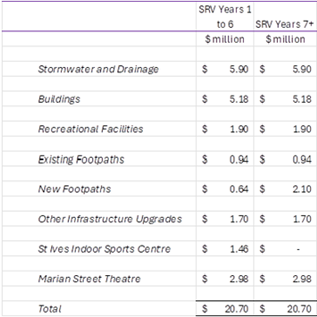
The Amendment was put and declared LOST.
For the
Amendment: Councillors
Balachandran, Taylor and Ward
Against
the Amendment: The Mayor Councillor Kay,
Councillors Devlin, Ngai, Pettett, Smith, Spencer and Wheatley
LOST
Debate resumed on the Motion. The Motion was put and
declared CARRIED.
For the
Motion: The
Mayor, Councillor Kay, Councillors Balachandran, Devlin, Ngai, Smith, Taylor,
Ward and Wheatley
Against
the Motion: Councillors
Pettett and Spencer
CARRIED
|
|
|
Resolved:
(Moved: Councillor Kay/Ngai)
That Council adopt for
exhibition a revised Delivery Program and Operational Plan, Long Term
Financial Plan and Asset Management Strategy as attached to this report and
amended as below, which incorporates a Special Rate Variation of 24.6% and
rate peg of 4.4% to apply in 2026/27, with rates to subsequently increase by
the annual rates peg in future years.
The Special Rate Variation in
the report is to be amended to allocate the 24.6% Special Rate Variation
above the peg as follows:
- Stormwater and Drainage -
$5.9M
- Buildings - $6.7M
- Recreational Facilities -
$1.9M
- Existing Footpaths - $0.94M
- New Footpaths - $2.1M
- Other Infrastructure Upgrades
- $1.7M
- St Ives Indoor Sports Centre -
$1.46M
Total $20.7M
For the Resolution: The
Mayor, Councillor Kay, Councillors Balachandran, Devlin, Ngai, Smith, Taylor,
Ward and Wheatley
Against the Resolution: Councillors
Pettett and Spencer
CARRIED
|
|
202
|
2025
LGNSW Annual Conference: Proposed motion
File: S14000/2
Vide: GB.7
|
|
|
To seek Council’s approval for a proposed motion
for the Local Government NSW (LGNSW) Annual Conference.
|
|
|
Resolved:
(Moved: Councillors
Balachandran/Taylor)
A. That Council approve the proposed motion (at Attachment
A1) for submission to LGNSW.
B. That Council delegate to the General Manager to prepare
and submit a motion to the LGNSW Annual Conference objecting to provisions in
the new Model Code of Meeting Practice that unfairly limit attendance at
Council meetings by audio-visual link, and recommending that LGNSW seek
independent legal advice and consider pursuing a legal challenge against the
OLG.
C. That the Council write directly to the Minister for Local
Government, seeking a response on point 2.
CARRIED UNANIMOUSLY
|
|
203
|
Affordable
Housing Contributions Scheme & amended Affordable Housing Policy -
Post-exhibition report
File: S12314
Vide: GB.12
|
|
|
To report back to Council following the close of the
exhibition period of the draft Affordable Housing Contributions Scheme together
with consequential amendments to the adopted Affordable Housing Policy.
|
|
|
Resolved:
(Moved: Councillors
Taylor/Wheatley)
A. That the exhibited draft Ku-ring-gai
Affordable Housing Contributions Scheme 2025 be adopted subject to the
following amendments:
i. Amend the commentary in the Part 1
of the AHCS to be consistent with the current wording of Section 7.32 of the
EP&A Act.
ii. Include in the AHCS a worked example of
the methodology for the calculation of affordable housing contributions
referencing both Table 2-1 and Table 2-2.
iii. Remove from the AHCS the maps and refer
instead to the maps in the Local Environmental Plan to eliminate duplication
and facilitate future reviews.
iv. Minor corrections to the text for clarity that
do not alter the intent of the documents or the quantum of the contributions.
v. Insert dates of effect when known.
B. The date of commencement be set to the
date of gazettal of the Ku-ring-gai TOD alternative.
C. That the exhibited amendments to the
Affordable Housing Policy 2025 be adopted and be given immediate effect.
D. That the General Manager be delegated to
make the amendments iterated in this report and any minor corrections and
clarifications that do not alter the intent of the documents or the quantum
of affordable housing contributions as exhibited.
For the Resolution: The
Mayor, Councillor Kay, Councillors Balachandran, Devlin, Ngai, Smith, Taylor,
Ward and Wheatley
Against the Resolution: Councillors
Pettett and Spencer
CARRIED
|
|
204
|
Consideration
of Submissions
Planning Proposal 51-53 Rohini Street, Turramurra
File: S13985
Vide: GB.14
|
|
|
For Council to consider
submissions received in response to the exhibition of the Planning Proposal to
increase height and floor space ratio standards, heritage list three sets of
sandstone entry pillars, include additional uses on land at 51-53 Rohini
Street, Turramurra.
|
|
|
Resolved:
(Moved: Councillors
Balachandran/Wheatley)
A. That Council adopt the Planning Proposal
to amend Height, Floor Space Ratio, Heritage Listing and Additional Permitted
Uses on land at 51-53 Rohini St, Turramurra with a post-exhibition amendment
to the Height of Building Map as described in this report.
B. That Council proceed to make the plan,
using its delegated authority under section 3.36(2) of the Environmental
Planning and Assessment Act 1979.
C. That delegation
be given to the General Manager and Director Strategy and Environment to
correct any errors or inconsistencies in the Planning Proposal prior to
finalisation.
D. Those persons who made a submission be
notified of Council’s decision.
CARRIED UNANIMOUSLY
|
During
debate on GB.17, Councillor Smith left and returned to Chambers.
|
205
|
Faster
Assessments Incentive Program - Nomination of Amenities Building and
Clubhouse at Canoon Road Netball Courts as Round 1 Grant Project
File: S09042/1
Vide: GB.17
|
|
|
To nominate a new amenity building and clubhouse at
Canoon Road Netball Courts as Council’s Round 1 project for the Faster
Assessments Incentive Program.
|
|
|
Resolved:
(Moved: Councillors
Kay/Devlin)
- That Council nominates a new
amenity building and clubhouse at Canoon Road Netball Courts as the
Round 1 project for the Faster Assessments Incentive Program
- That possible projects be
identified for funding in advance and provided to Council with an assessment
against relevant criteria should Council be eligible for funding under
future rounds of the Faster Assessments Incentive Program and also for
reference for other small capital grants programs.
CARRIED UNANIMOUSLY
|
Council resolved
itself into Closed Meeting
with the Press and Public Excluded to deal with the following item
after a Motion moved by Councillors Taylor and Smith
was CARRIED UNANIMOUSLY.
|
206
|
Land
and Environment Court - Transport Oriented Development SEPP
File: S14468
Vide: C.2
|
|
|
In accordance with the Local Government Act 1993 and
the Local Government (General) Regulation 2021, in the opinion of the
General Manager, the following business is of a kind as referred to in
section 10A(2)(g), of the Act, and should be dealt with in a part of the
meeting closed to the public.
Section 10A(2)(g) of the Act permits the meeting to be
closed to the public for business relating to advice concerning litigation,
or advice that would otherwise be privileged from production in legal
proceedings on the ground of legal professional privilege.
This matter is classified confidential under section
10A(2)(g) because it contains advice concerning a legal matter that:
(a) is
a substantial issue relating to a matter in which the Council is involved
(b) is
clearly identified in the advice, and
(c) is
fully discussed in that advice.
It is not in the public interest to release details of the
legal advice as it would prejudice Council’s position in court
proceedings.
Report by General Manager dated 16 October 2025
|
|
|
Resolved:
(Moved: Councillors
Taylor/Balachandran)
That Council receive and note
the report and proceed in accordance with the proposed actions detailed in
the report, as amended by the note signed by the Mayor at this meeting.
For the Resolution: The
Mayor, Councillor Kay, Councillors Balachandran, Devlin, Ngai, Smith, Taylor,
Ward and Wheatley
Against the Resolution: Councillors
Pettett and Spencer
CARRIED
|
Council resolved
to return to Open Council after a Motion
moved by Councillors Ngai and Balachandran
was CARRIED UNANIMOUSLY.
BUSINESS WITHOUT
NOTICE – SUBJECT TO CLAUSE 9.3 OF code of meeting practice
Nil.
QUESTIONS WITH NOTICE
Nil.
Inspections–
SETTING OF TIME, DATE AND RENDEZVOUS
Nil.
The Meeting closed
at 9:28pm.
The Minutes of the
Ordinary Meeting of Council held on 21 October 2025 (Pages 1 - 33) were
confirmed as a full and accurate record of proceedings on <Insert
confirmation date …>.
__________________________ __________________________
General
Manager Mayor
/ Chairperson
|
ATTACHMENT No: 1 - Audit,
Risk and Improvement Committee Minutes - 4 September 2025
|
|
Item No: GB.1
|
Minutes of Audit, Risk & Improvement
Committee Meetings held on 4 and 18 September 2025
EXECUTIVE
SUMMARY
|
purpose of report:
|
To provide Council with the
minutes from the Audit, Risk & Improvement Committee meetings held on 4
and 18 September 2025 for adoption.
|
|
|
|
|
background:
|
The
Meeting Procedures contained within the Council Advisory/ Reference
Committees Guideline (the Guideline) provides, in part, that:
The draft minutes of a
meeting will be circulated to committee members within ten working days of
the meeting. Members will be provided with five working days to comment on
the accuracy of the minutes. The minutes will subsequently be referred to the
Chairperson for approval as an accurate record of the meeting.
Once approved by the
Chairperson, the minutes will be put to an ordinary meeting of Council for
adoption. The recommendations of a committee, so far as adopted by the
Council at an ordinary meeting of Council, are resolutions of the Council.
The minutes will also be
placed on the agenda to be noted at the subsequent committee meeting.
|
|
|
|
|
comments:
|
In accordance with the Guideline the draft minutes of
the Audit Risk & Improvement Committee meetings held on 4 and 18
September 2025 were circulated to the committee members for comment after
which they were approved by the Chair.
|
|
|
|
|
recommendation:
|
That the minutes from the Audit, Risk &
Improvement Committee meetings held on 4 and 18 September 2025 be adopted.
|
Purpose of Report
To provide Council with the minutes from the Audit, Risk
& Improvement Committee meetings held on 4 and 18 September 2025 for
adoption.
Background
The current
Council Advisory/ Reference Committees Guideline (‘The
Guideline’) was adopted by Council on the 16 July 2024.
The Meeting
Procedures contained within the Guideline provides, in part, that:
The draft minutes of a meeting
will be circulated to committee members within ten working days of the meeting.
Members will be provided with five working days to comment on the accuracy of
the minutes. The minutes will subsequently be referred to the Chairperson for
approval as an accurate record of the meeting.
Once approved by the
Chairperson, the minutes will be put to an ordinary meeting of Council for
adoption. The recommendations of a committee, so far as adopted by the Council
at an ordinary meeting of Council, are resolutions of the Council.
The minutes will also be
placed on the agenda to be noted at the subsequent committee meeting.
Comments
In accordance with the Guideline the draft minutes of the
Audit Risk & Improvement Committee meetings held on 4 and 18 September 2025
were circulated to committee members for comment after which they were approved
by the Chair.
These minutes are now provided to Council for adoption (Refer
Attachments A1 and A2).
integrated planning and reporting
Leadership and service excellence
|
Community Strategic
Plan Long Term Objective
|
Delivery Program
Term Achievement
|
Operational Plan
Task
|
|
Provide strong and ethical civic leadership to ensure good
governance and build and maintain trust and confidence within the
community.
|
Council's risk management, compliance, and internal
control systems foster a culture of safety and accountability while ensuring
adherence to legislative requirements and alignment with
industry best practices.
|
Manage and coordinate a compliant and effective Enterprise
Risk Management
system.
|
Governance Matters
To improve governance and
transparency with respect to the operation of the Audit, Risk & Improvement
Committee.
Risk IMPLICATION STATEMENT
There are no material risks
that arise from the recommendations contained in this report. Minor
issues may occur, but these can be managed within Council’s current
policies, procedures, resources and budget.
Financial Considerations
There is no financial impact
associated with this report.
Social Considerations
There are no social
implications associated with this report.
Environmental Considerations
There are no environmental
implications associated with this report.
Community Consultation
Not applicable.
Internal Consultation
Not applicable.
Summary
A copy of the minutes from
the Audit, Risk & Improvement Committee meetings held on 4 and 18 September
2025 are attached for adoption.
Recommendation:
That the minutes from the Audit, Risk & Improvement
Committee meetings held on 4 and 18 September 2025 be adopted.
|
Jennie Keato
Manager People and Culture
|
|
|
Attachments:
|
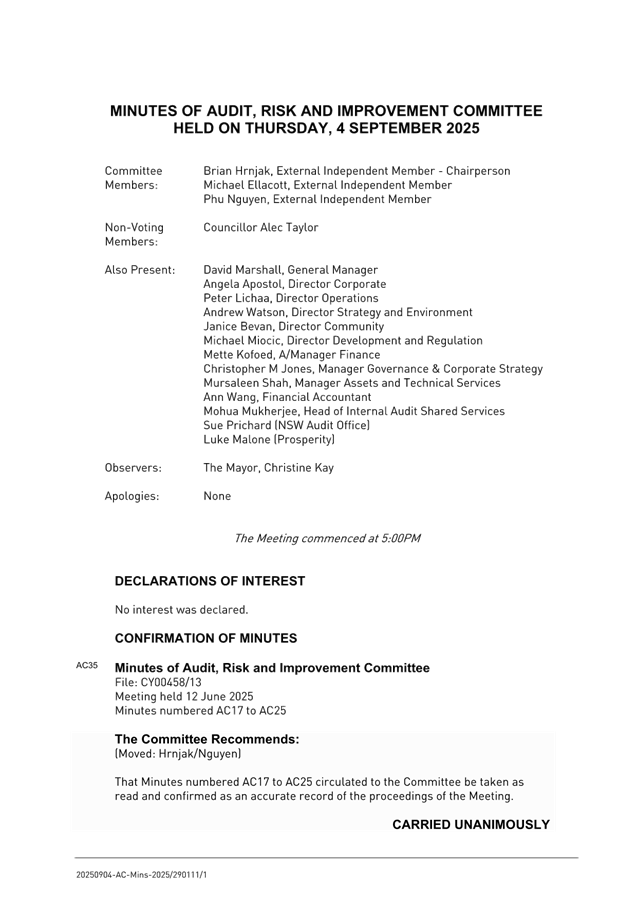
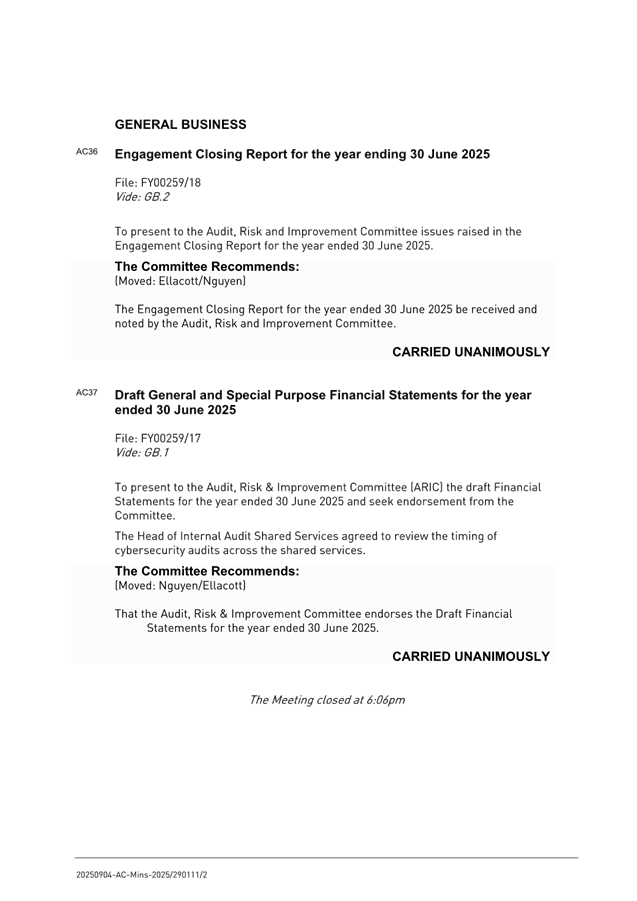
A1 ⇩ ⇩
|
Audit,
Risk and Improvement Committee Minutes - 4 September 2025
|
|
2025/320766
|
|
|
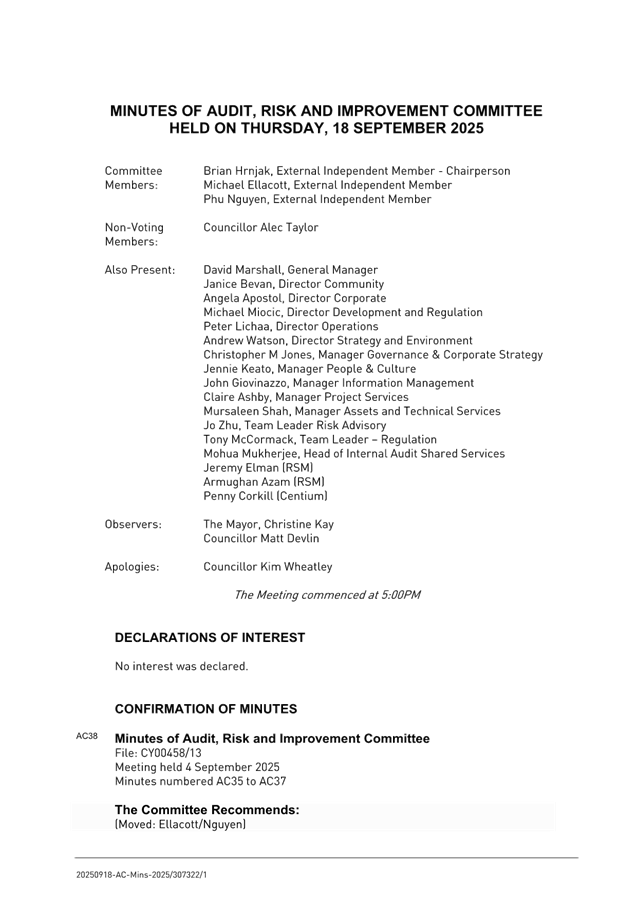
A2 ⇩ ⇩
|
Audit,
Risk and Improvement Committee Minutes - 18 September 2025
|
|
2025/327789
|
|
ATTACHMENT No: 2 - Audit, Risk
and Improvement Committee Minutes - 18 September 2025
|
|
Item No: GB.1
|
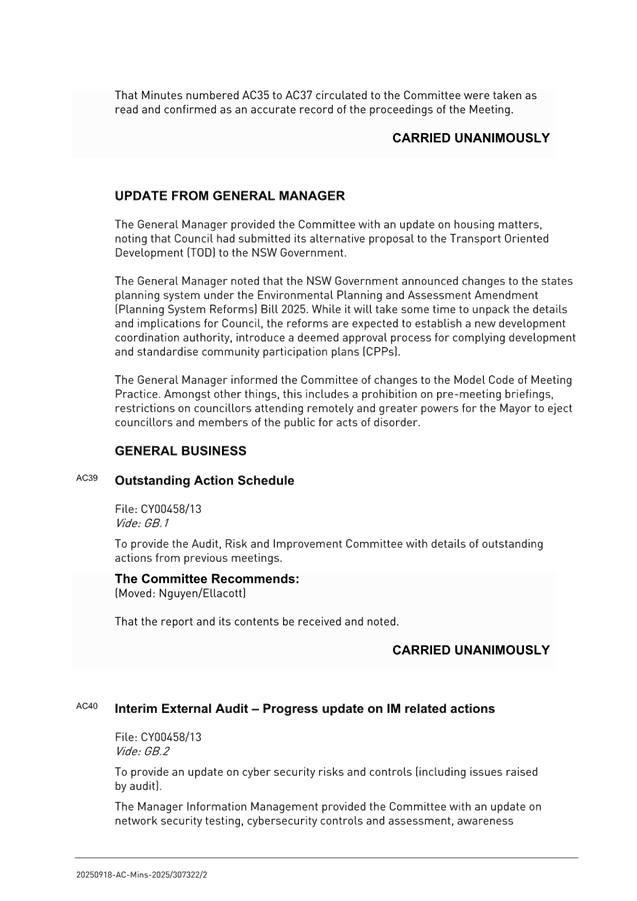
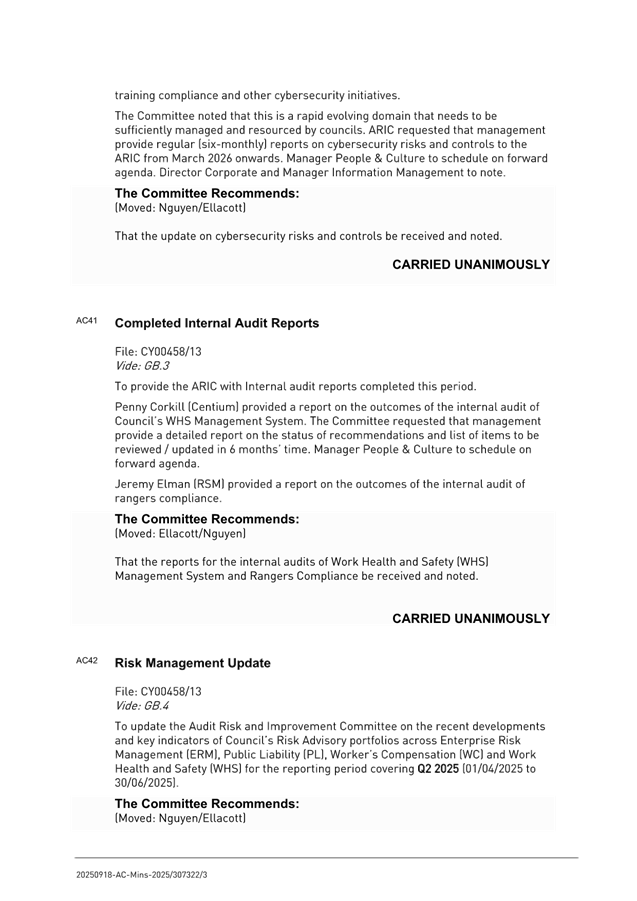
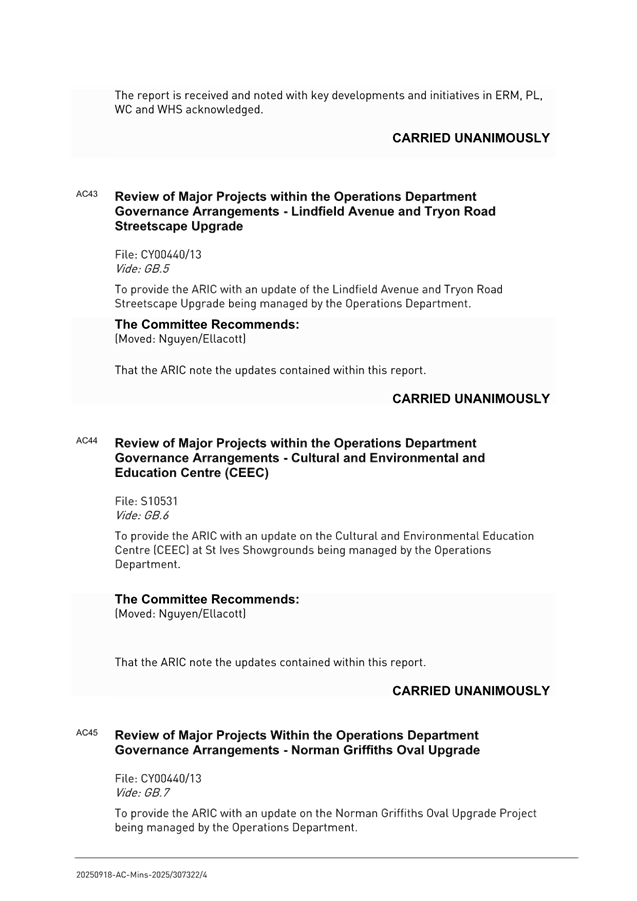
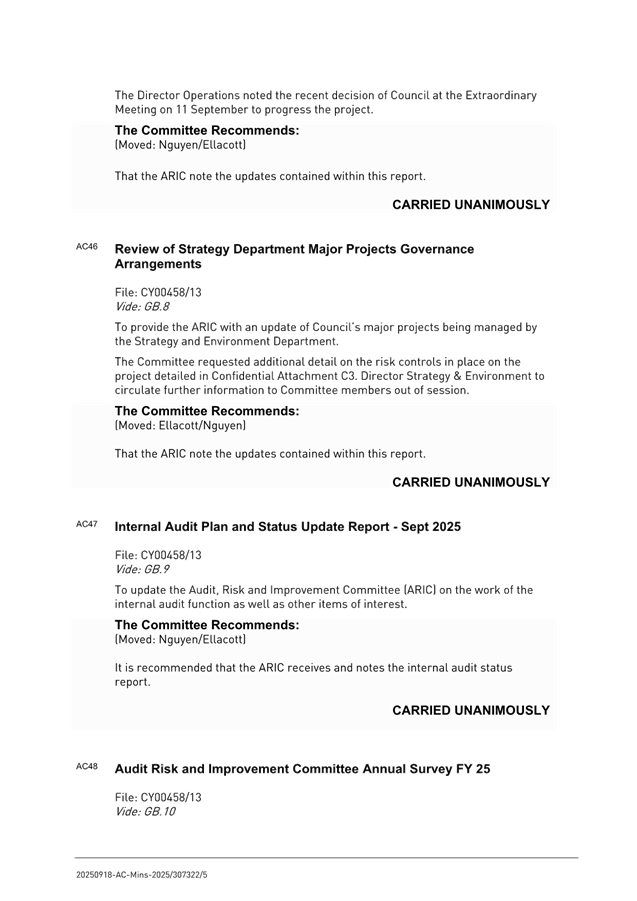
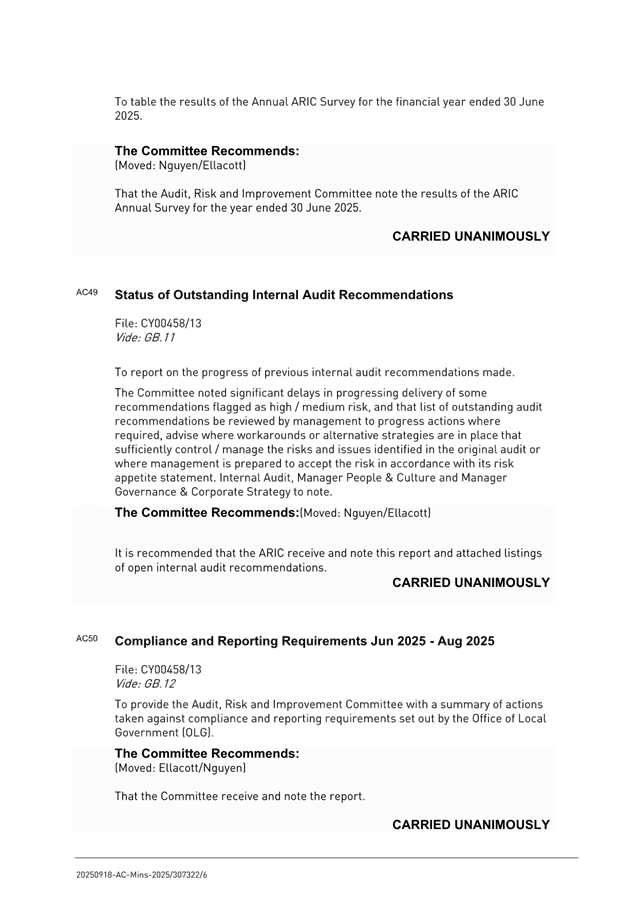
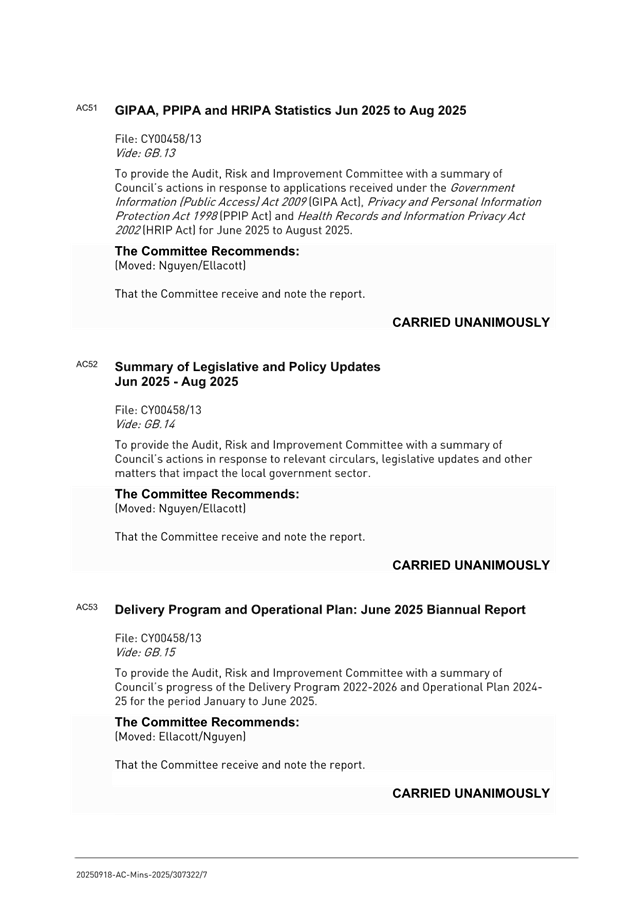

|
Ordinary
Meeting of Council - 18 November 2025
|
GB.2 / 1
|
|
|
|
|
Item
GB.2
|
CY00413/13
|
Heritage Reference Committee meeting
minutes of 2 October 2025
EXECUTIVE
SUMMARY
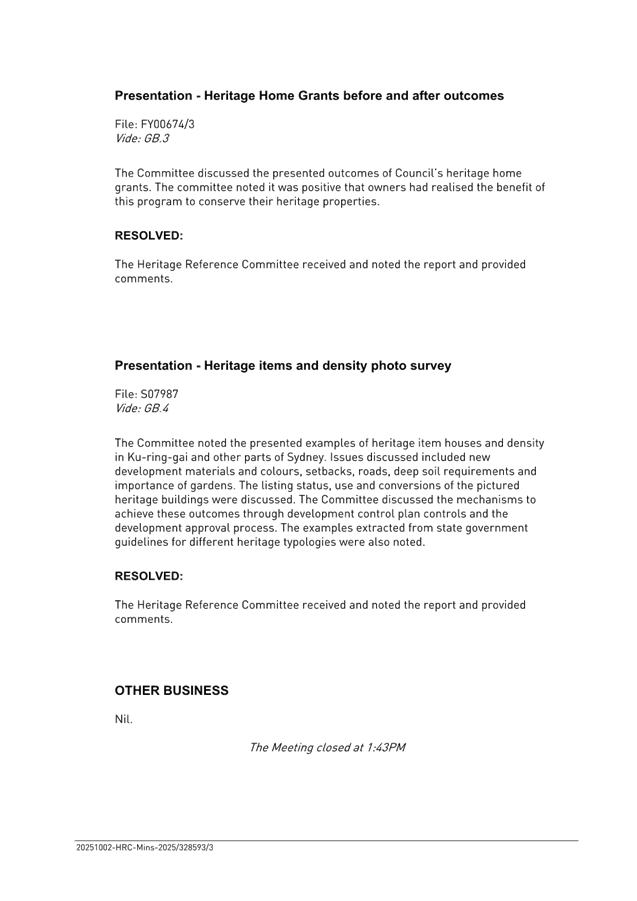
Purpose of Report
To have Council consider the minutes from previous Heritage
Reference Committee (‘HRC’) meeting held on 2 October 2025.
Background
Council is required to consider and
receive the minutes of the HRC and to make them publicly available via
Council’s website. HRC minutes are confirmed by HRC prior to being
presented at the OMC. The minutes from the HRC meeting were circulated to HRC
members by email following the meeting for confirmation.
Comments
The Heritage Reference Committee
minutes under consideration are at Attachment A1.
integrated planning and reporting
Theme 3: Places, Spaces and
Infrastructure.
|
Community Strategic
Plan Long Term Objective
|
Delivery Program
Term Achievement
|
Operational Plan
Task
|
|
Ku-ring-gai’s heritage is protected, promoted and
responsibly managed.
|
Strategies, plans and processes are in place to
effectively protect and preserve Ku-ring-gai’s heritage assets.
|
Implement, monitor and review Ku-ring-gai’s heritage
planning controls and Heritage Strategy.
Promote local heritage in consultation with key
stakeholders.
|
Governance Matters
Consisting of seven members, the Heritage Reference
Committee includes Councillors, heritage practitioners and community members.
The Committee provides advice on heritage matters and assists with the
promotion, understanding and appreciation of heritage. While not a
decision-making body, the Committee plays an important function in shaping
Ku-ring-gai's future. This Committee is also an important link in Council's
communication strategy with the community.
Risk Management
The Committee provides advice
on heritage matters and assists with the promotion, understanding and
appreciation of heritage. While not a decision-making body, the Committee
nevertheless plays an important function in shaping Ku-ring-gai's future. This
Committee is also an important link in Council's communication strategy with
the community.
Financial Considerations
The costs of running the Heritage Reference Committee are
covered by the Strategy and Environment Department’s budget.
Social Considerations
The aims of the Heritage Reference Committee are to provide
advice to Council on heritage matters and to provide assistance to Council in
promoting an understanding and appreciation of heritage, including matters of
social heritage significance.
Environmental Considerations
A role of the Heritage Reference Committee is to support
Council in identifying and managing Ku‑ring-gai’s Cultural
Heritage.
Community Consultation
The Heritage Reference Committee meets monthly, or as
required, and notification of meetings is provided on Council’s website.
Internal Consultation
The Heritage Reference Committee includes Councillors and
heritage practitioners and is facilitated by Council staff. Where relevant,
consultation with other Departments may occur, in particular, with
Council’s heritage advisors in Development & Regulation.
Summary
Council is required to
consider and receive the minutes of the HRC and to make them publicly available
via Council’s website. HRC minutes are confirmed by HRC prior to being
presented at an Ordinary Meeting of Council. These minutes are now being referred
to Council.
Recommendation:
That Council receive and note the HRC minutes from the
meeting held on 2 October 2025.
|
Claudine Loffi
Heritage Specialist Planner
|
Antony Fabbro
Manager Urban & Heritage Planning
|
|
Attachments:
|
A1⇩
|
Heritage
Reference Committee meeting minutes of 2 October 2025
|
|
2025/345534
|
|
ATTACHMENT No: 1 - Heritage
Reference Committee meeting minutes of 2 October 2025
|
|
Item No: GB.2
|
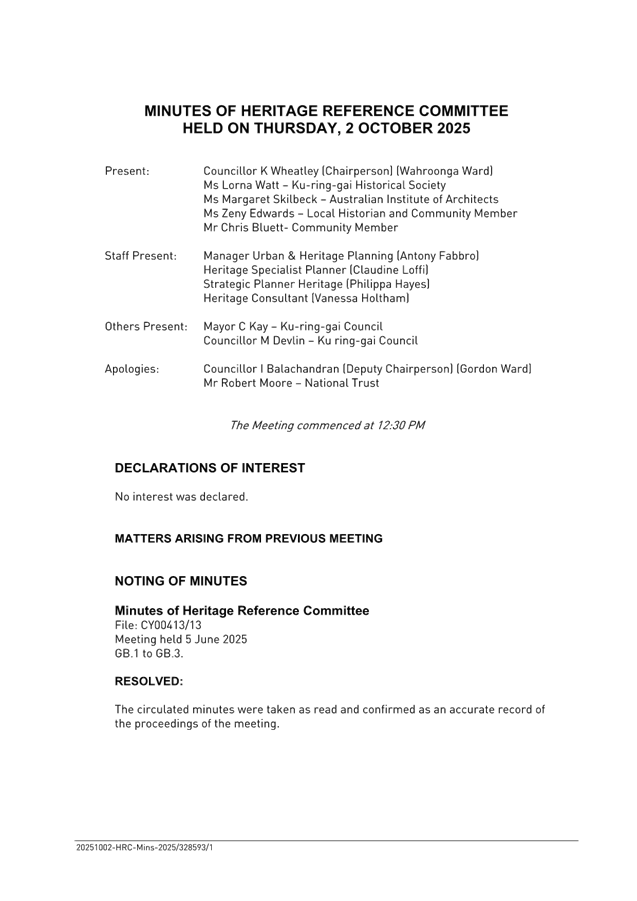
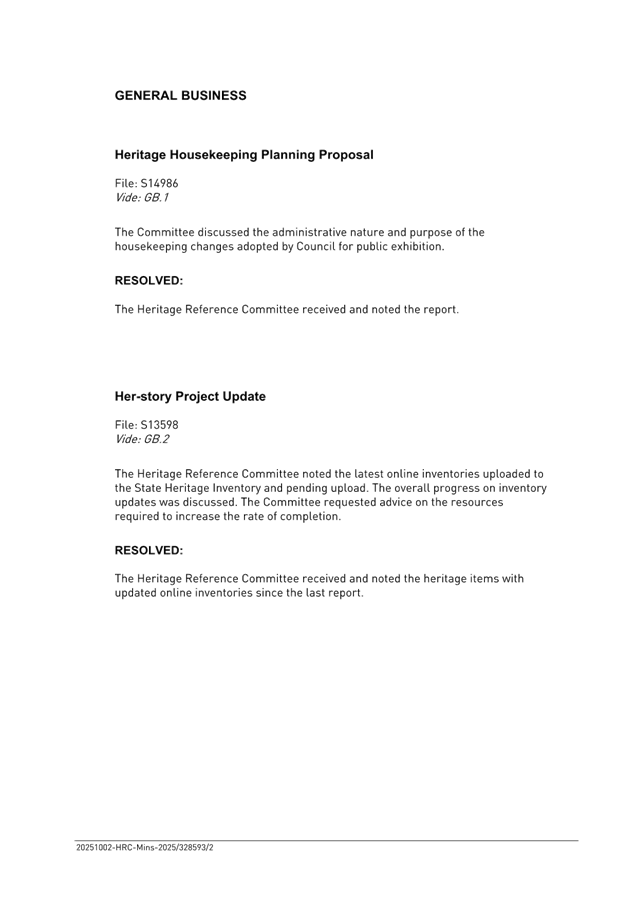
|
Ordinary
Meeting of Council - 18 November 2025
|
GB.3 / 1
|
|
|
|
|
Item
GB.3
|
CY00458/13
|
Update to Fraud and Corruption Control
Policy and Strategy
EXECUTIVE
SUMMARY
|
purpose of report:
|
To seek Council’s
adoption of the updated Fraud and Corruption Control Policy (CDN115) and to
note the updated Fraud and Corruption Control Strategy (CDN174).
|
|
|
|
|
background:
|
The current Fraud and
Corruption Control Policy (the ‘Policy’) and Fraud and Corruption
Control Strategy (the ‘Strategy’) were
adopted in December 2023 and are not yet due for review under their
respective review cycles.
However, as a matter of good
governance, it was considered prudent to revise these key documents in
response to:
· Recommendations made by the Head of Internal Audit during
the latest annual health check.
· Emerging best practice guidance from ICAC and the Audit
Office of NSW
· The need to further strengthen alignment with AS
8001:2021 and ISO 37001:2019
|
|
|
|
|
comments:
|
The recommended updates to the Policy and Strategy
ensure Council’s Fraud & Corruption Control Framework remain
current, practical, and compliant with evolving standards.
|
|
|
|
|
recommendation:
|
It is recommended that
Council:
A. Adopt the
updated Fraud and Corruption Control Policy (CDN115) as shown in Attachment
A1.
B. Note the updated
Fraud and Corruption Control Strategy (CDN174) as shown in Attachment A2.
|
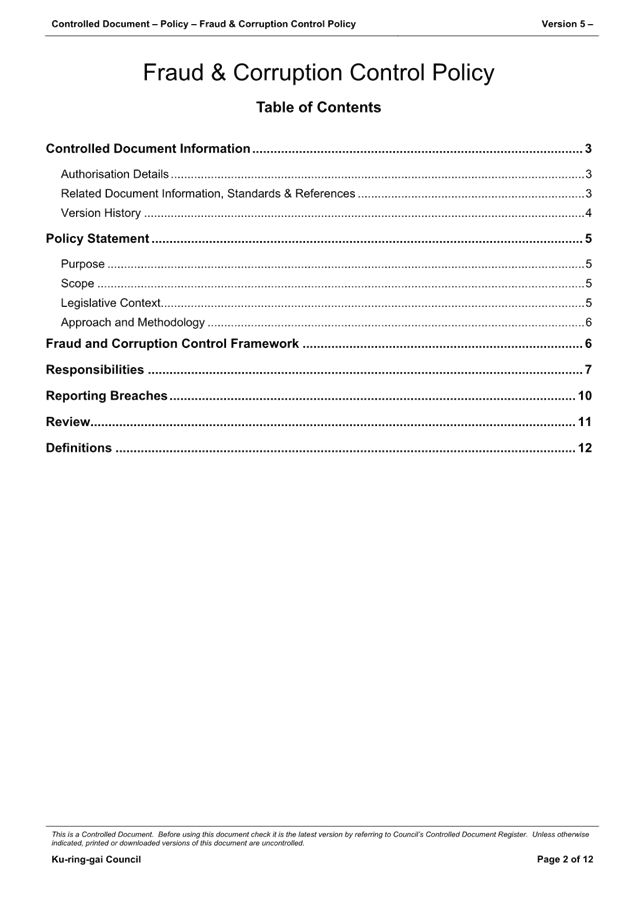
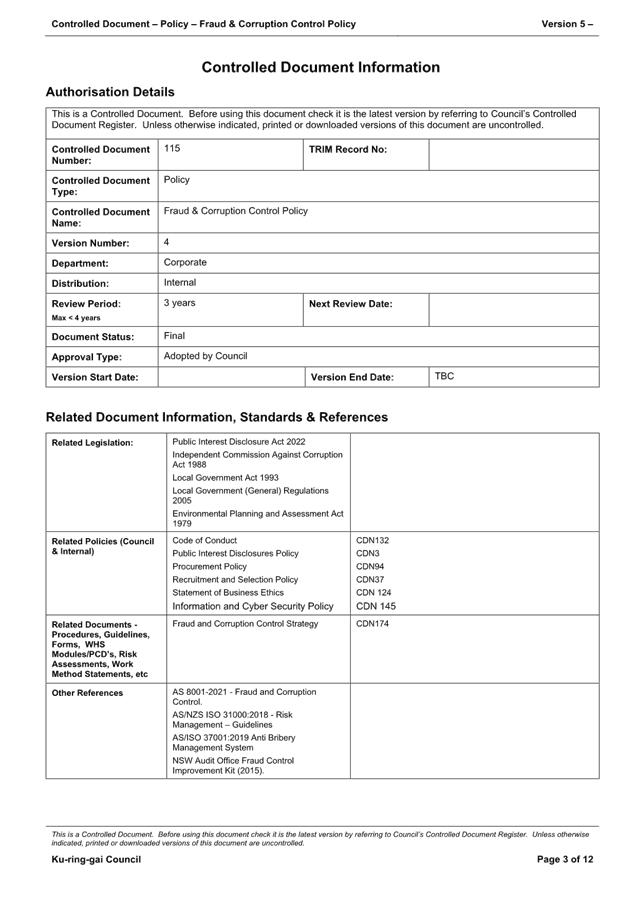
Purpose of Report
To seek Council’s adoption of the updated Fraud and
Corruption Control Policy (CDN115) and to note the updated Fraud and Corruption
Control Strategy (CDN174).
Background
The current Fraud and
Corruption Control Policy (the ‘Policy’) and Fraud and Corruption
Control Strategy (the ‘Strategy’) were
adopted in December 2023 and are not yet due for review under their respective
review cycles.
As a matter of good governance, it was considered prudent to
revise these key documents in response to:
· Recommendations
made by the Head of Internal Audit during the latest annual health check
· Emerging best
practice guidance from ICAC and the Audit Office of NSW
· The need to
further strengthen alignment with AS 8001:2021 and ISO 37001:2019
The updated documents were approved by the General Manager
and Directors in July 2025 and considered by the Audit Risk and Improvement
Committee in September 2025 prior to referral to Council.
Comments
The recommended updates to the Policy and Strategy ensure
Council’s Fraud & Corruption Control Framework remain current,
practical, and compliant with evolving standards. These include:
· Clarification
of fraud and corruption definitions and terminology
· Improved
articulation of roles and responsibilities across all Council levels
· Inclusion
of a comprehensive system-based approach to fraud and corruption control,
referencing integration with Council’s broader ethical and risk
frameworks
· Enhanced
references to notification mechanisms and third-party risk controls
· Revised
formatting and structure for greater alignment with industry standards
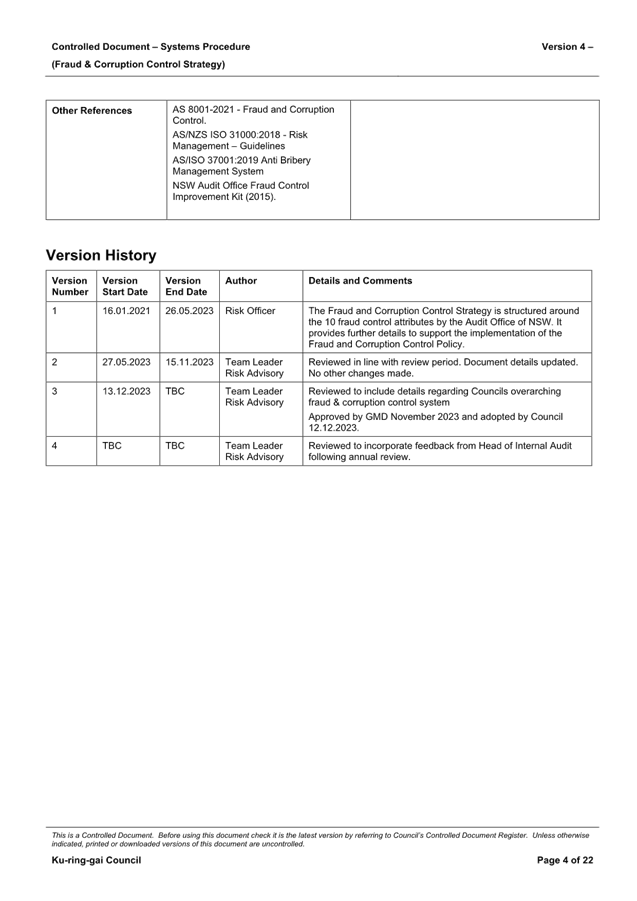
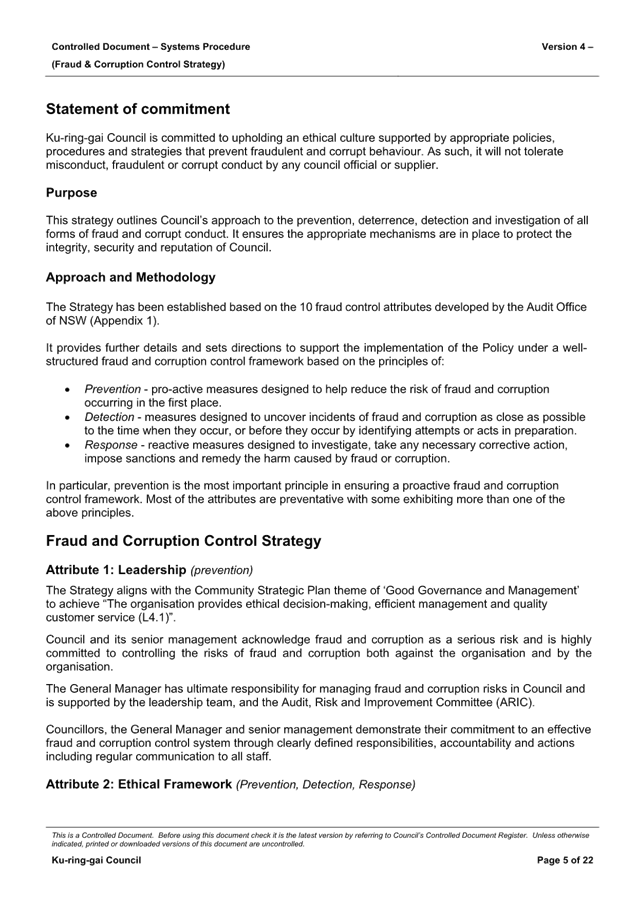
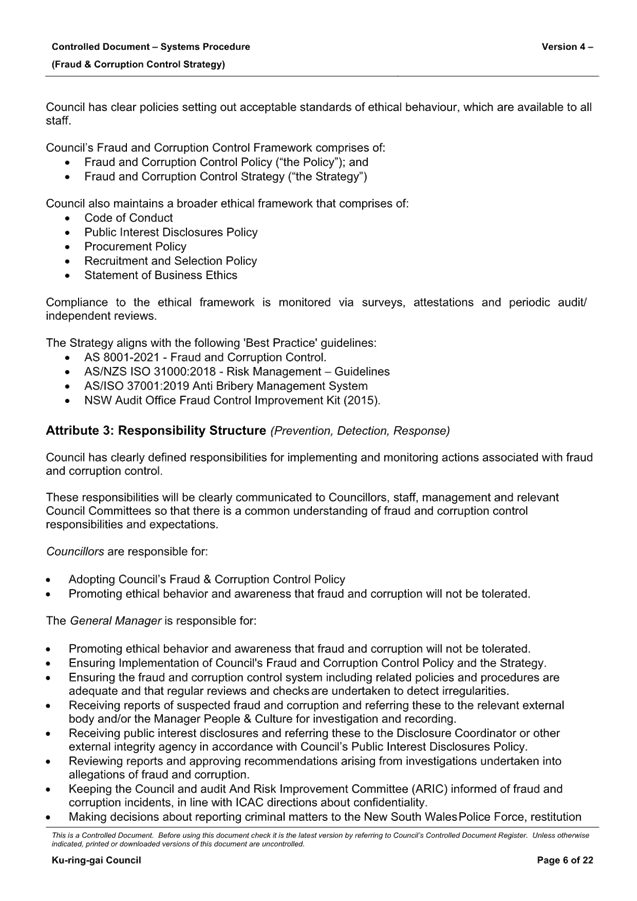
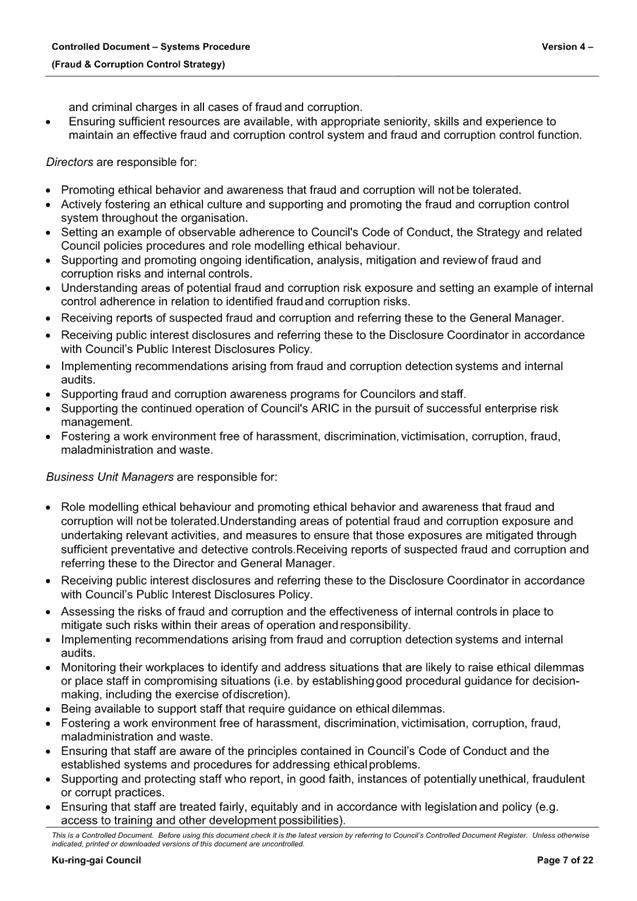
Full copies of revised Fraud
and Corruption Control Policy (CDN115) and Fraud and Corruption Control
Strategy (CDN174) are attached to this report with changes tracked for easy
reference (refer to Attachment A1 and A2).
integrated planning and reporting
Leadership and service excellence
|
Community Strategic
Plan Long Term Objective
|
Delivery Program
Term Achievement
|
Operational Plan
Task
|
|
Provide strong and ethical civic leadership to ensure good
governance and build and maintain trust and confidence within the
community.
|
Council's risk management, compliance, and internal
control systems foster a culture of safety and accountability while ensuring
adherence to legislative requirements and alignment with
industry best practices.
|
Manage and coordinate a compliant and effective Enterprise
Risk Management
system.
|
Governance Matters
Nil
Risk Implication statement
The primary risk associated with
this report pertains to risk governance, particularly as it relates to
integrity in service delivery.
While fraud and corruption are
critical risk areas that Council monitors closely due to their potential to
trigger major risks, the recommendations contained in this report do not in
themselves give rise to a material risk. Any minor issues that may arise can be
addressed within Council’s existing resources, policies, and procedures.
Financial Considerations
There is no direct financial
impact associated with this report.
Social Considerations
Nil
Environmental Considerations
Nil
Community Consultation
Nil
Internal Consultation
Nil
Summary
This report seeks Council’s adoption of the updated
Fraud and Corruption Control Policy (CDN115) and noting of the updated Fraud
and Corruption Control Strategy (CDN174).
The updated documents were approved by the General Manager
and Directors in July 2025 and considered by the Audit Risk and Improvement
Committee in September 2025 prior to referral to Council.
Recommendation:
It is recommended that Council:
A. Adopt the updated
Fraud and Corruption Control Policy (CDN115) as shown in Attachment A1.
B. Note the updates
made to the Fraud and Corruption Control Strategy (CDN174) as shown in Attachment
A2.
|
Jo Zhu
Team Leader Risk Advisory
|
|
|
Attachments:
|
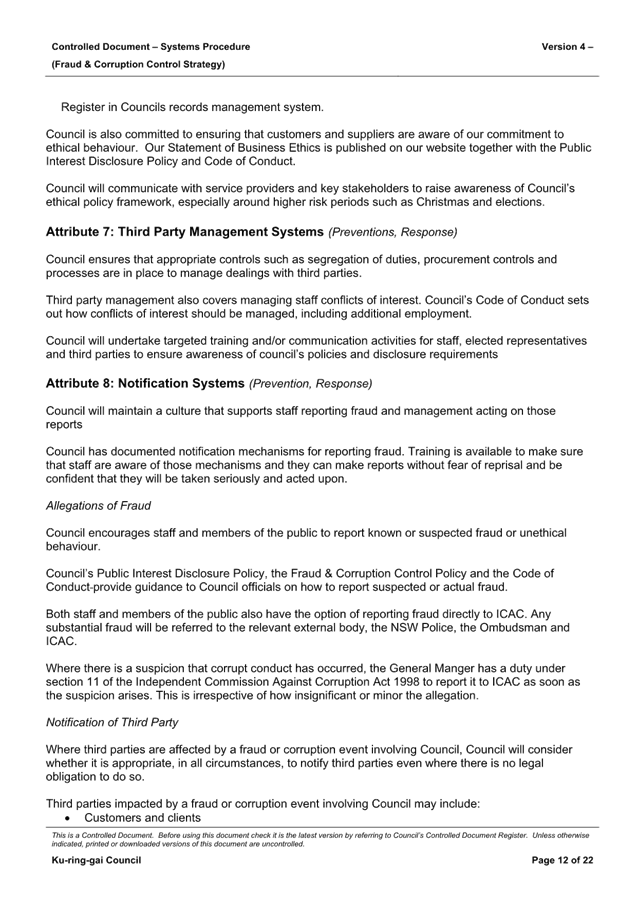
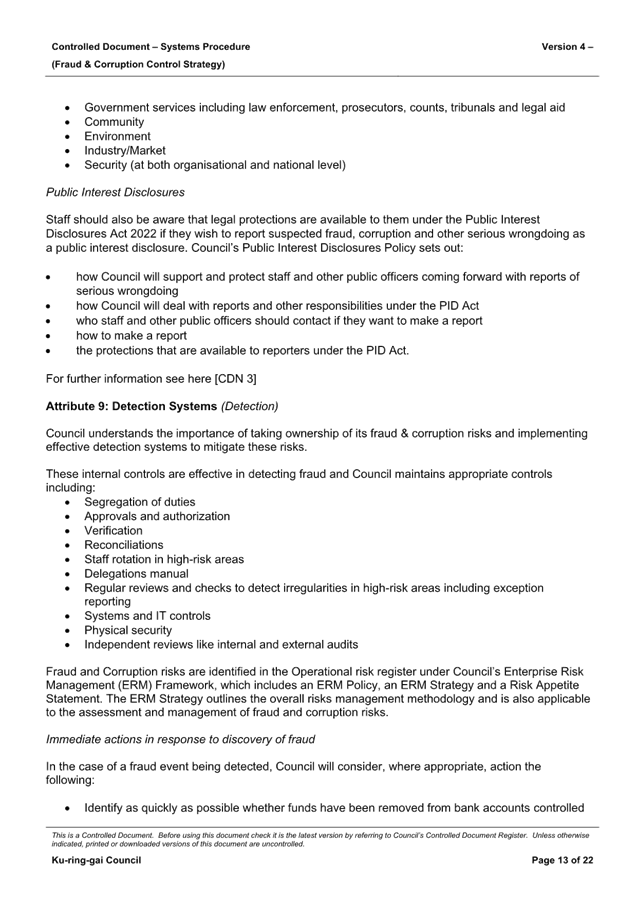
A1⇩
|
Fraud
and Corruption Control Policy - Draft for Adoption
|
|
2025/222454
|
|
|
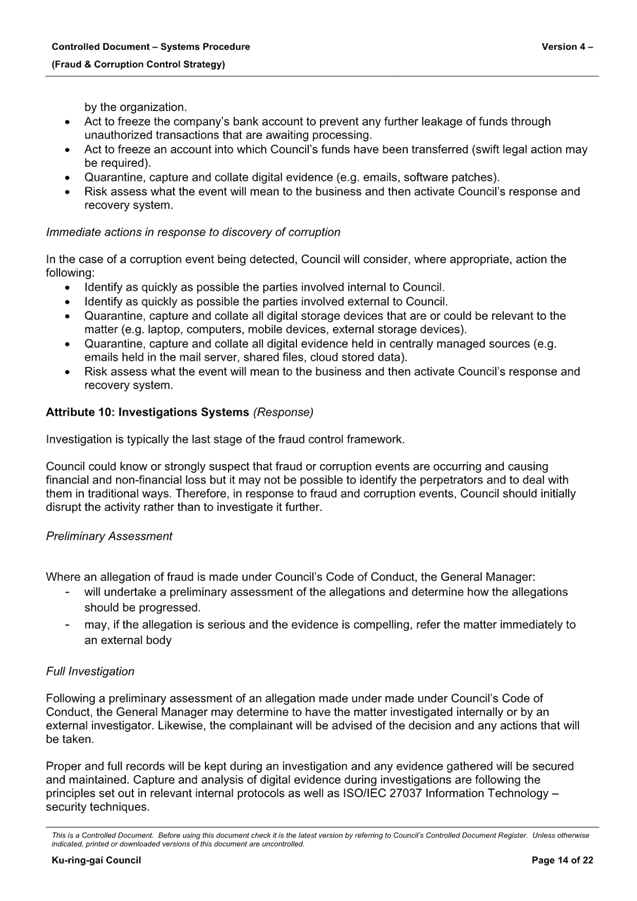
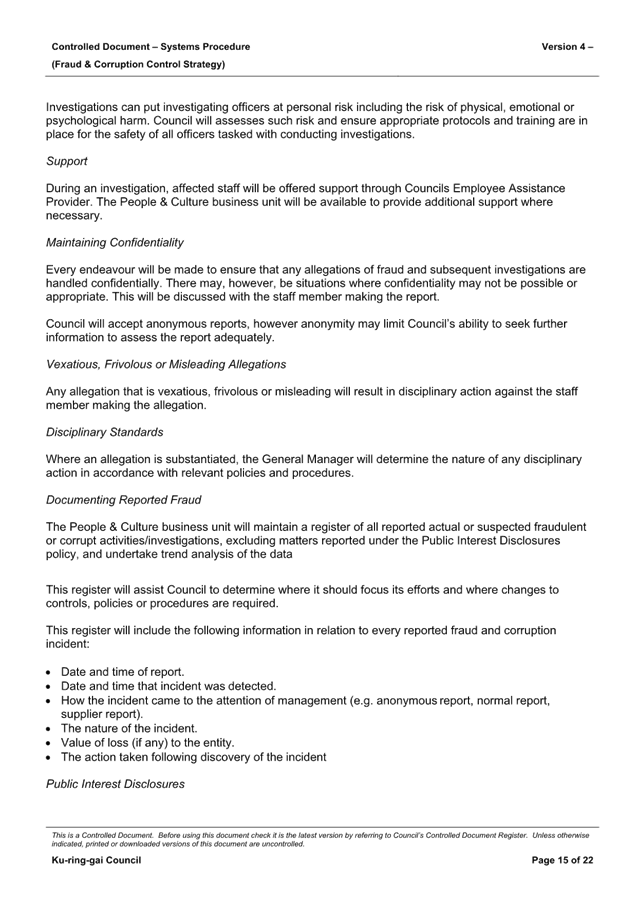
A2⇩
|
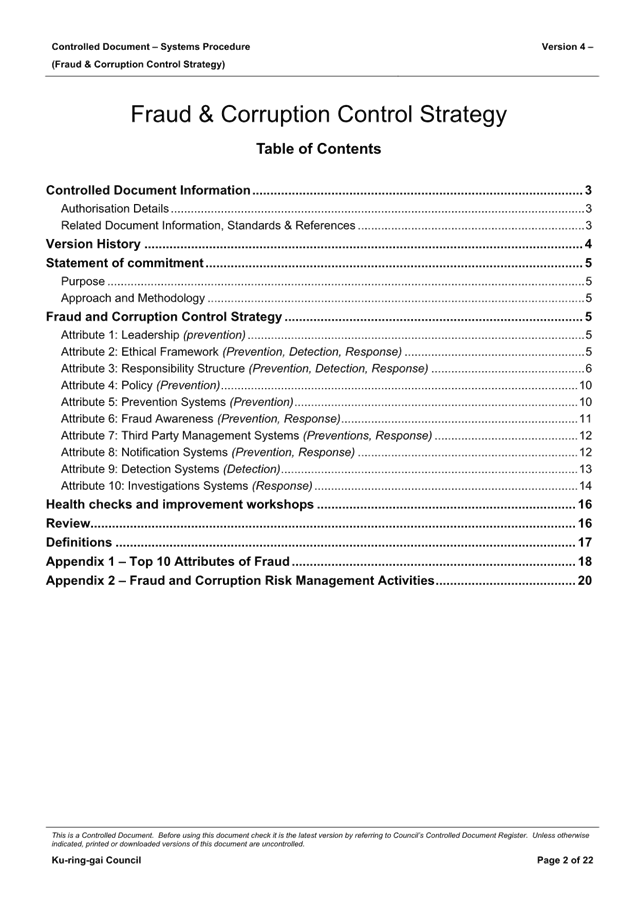
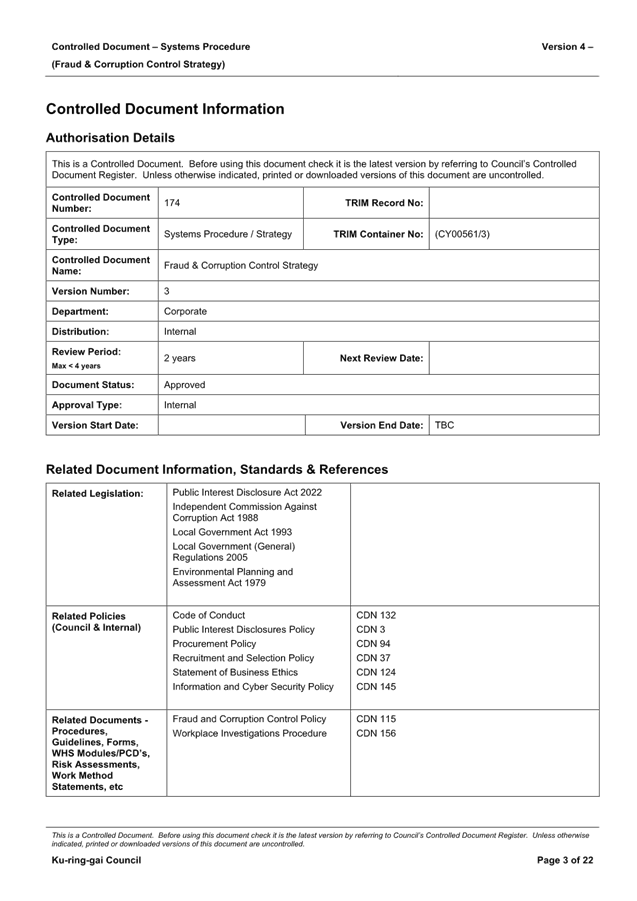
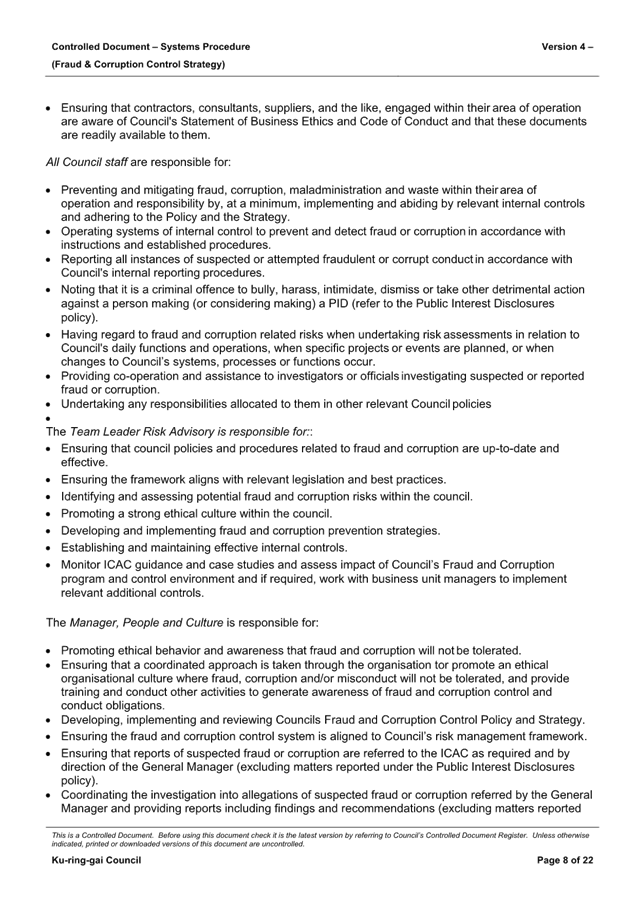
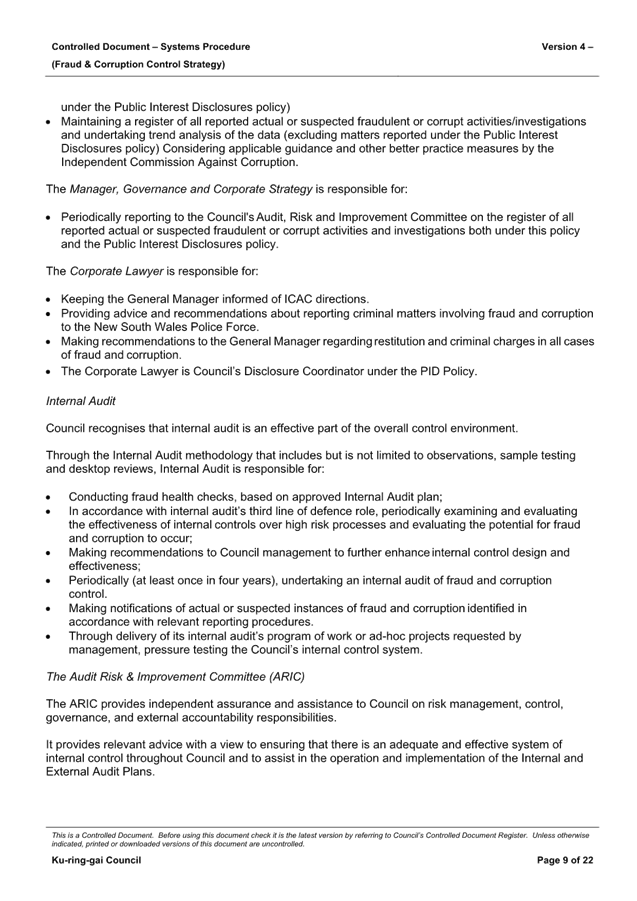
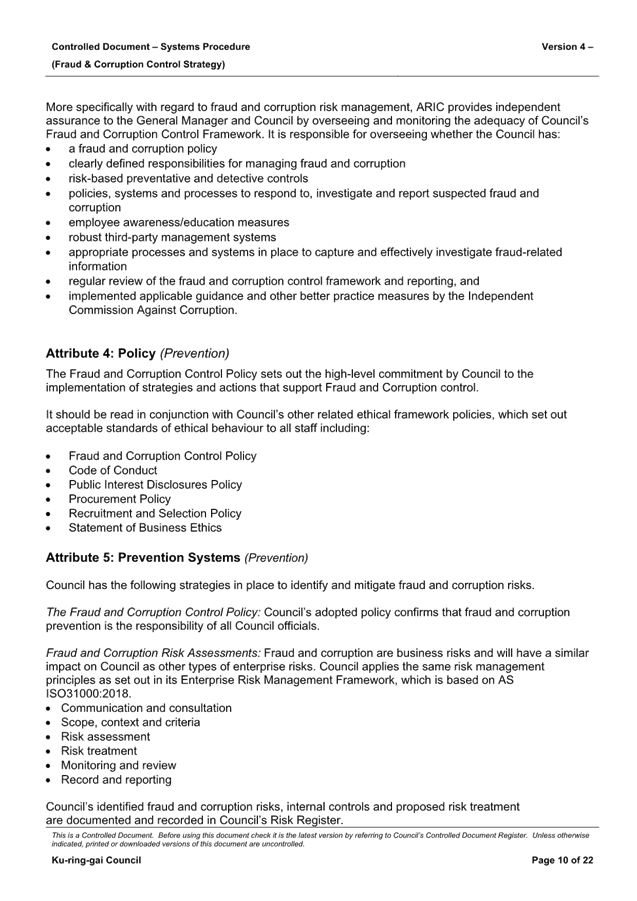
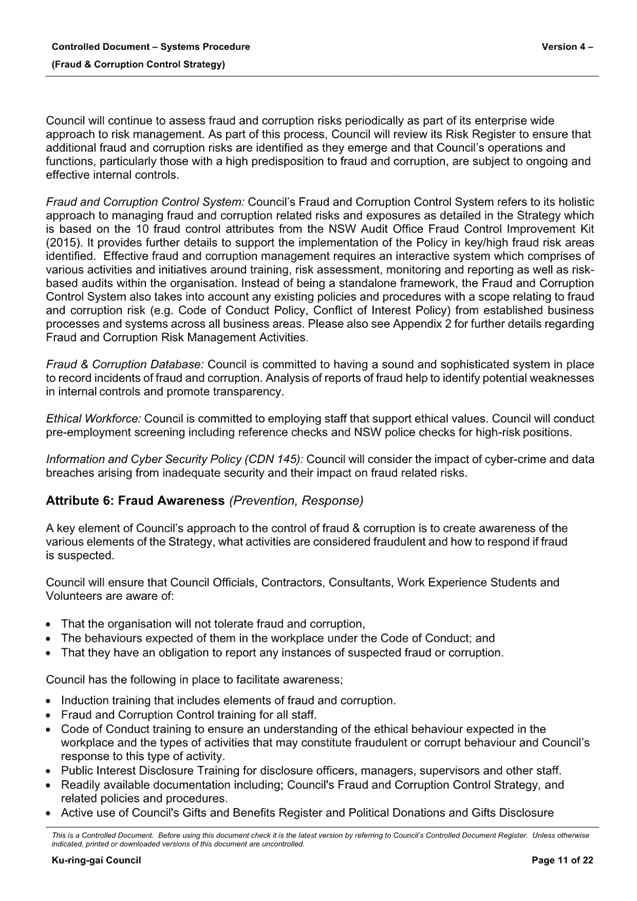
Fraud
and Corruption Control Strategy - Approved for Information
|
|
2025/222452
|
|
ATTACHMENT No: 1 - Fraud and Corruption
Control Policy - Draft for Adoption
|
|
Item No: GB.3
|
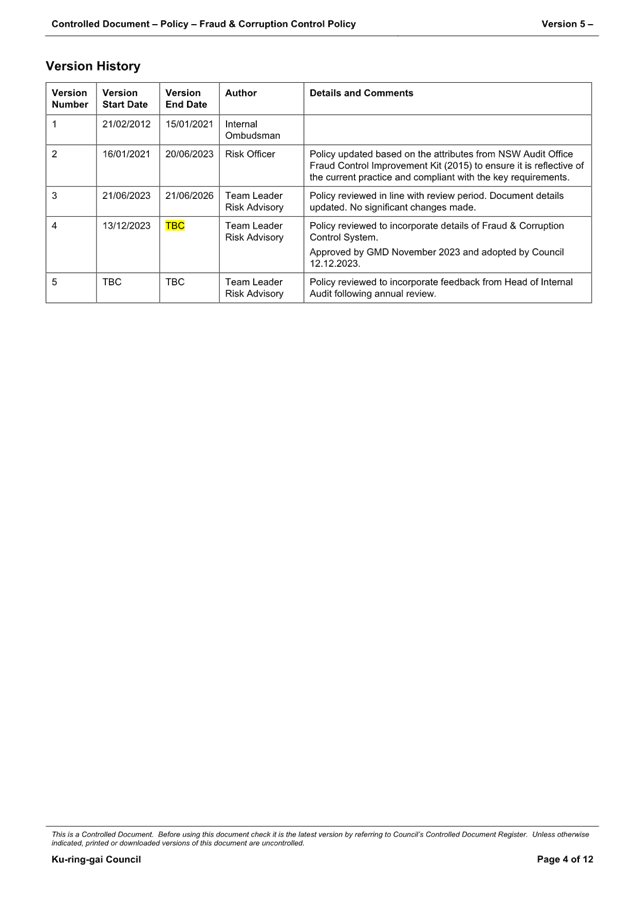
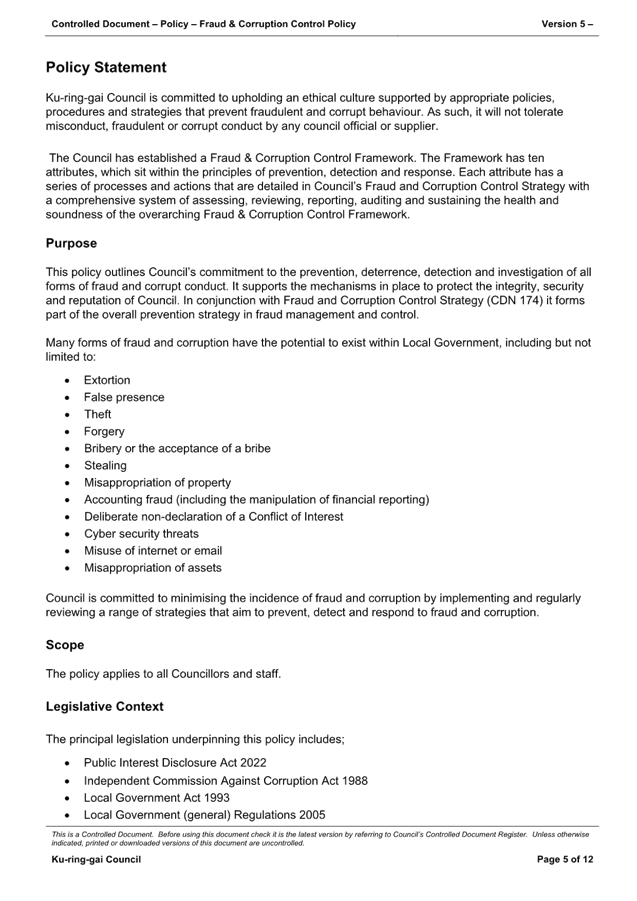
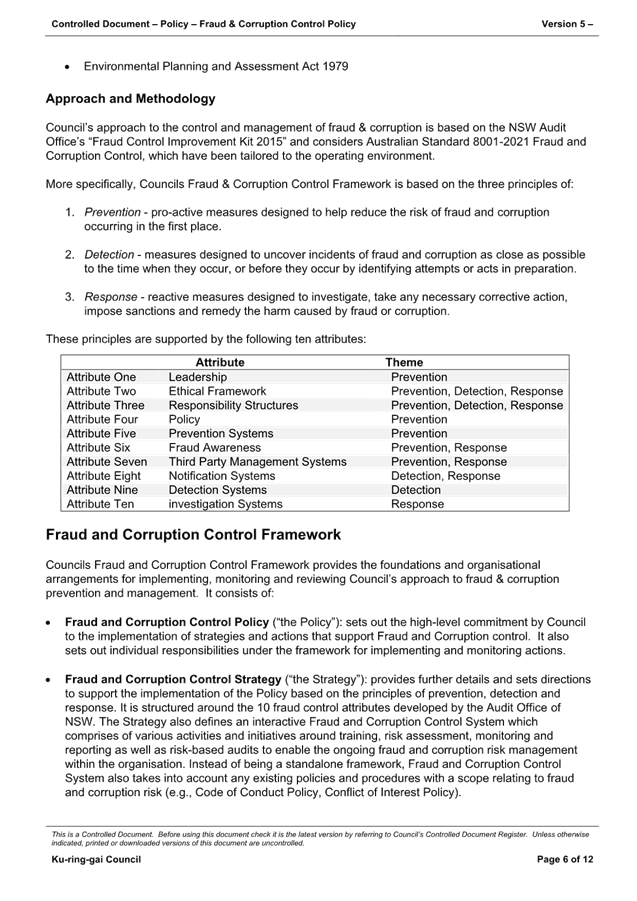
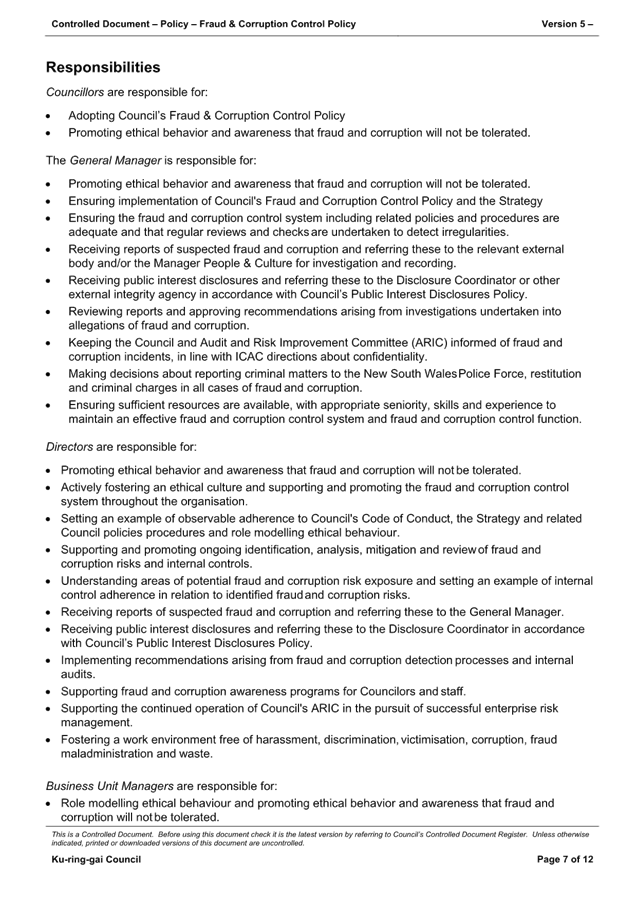
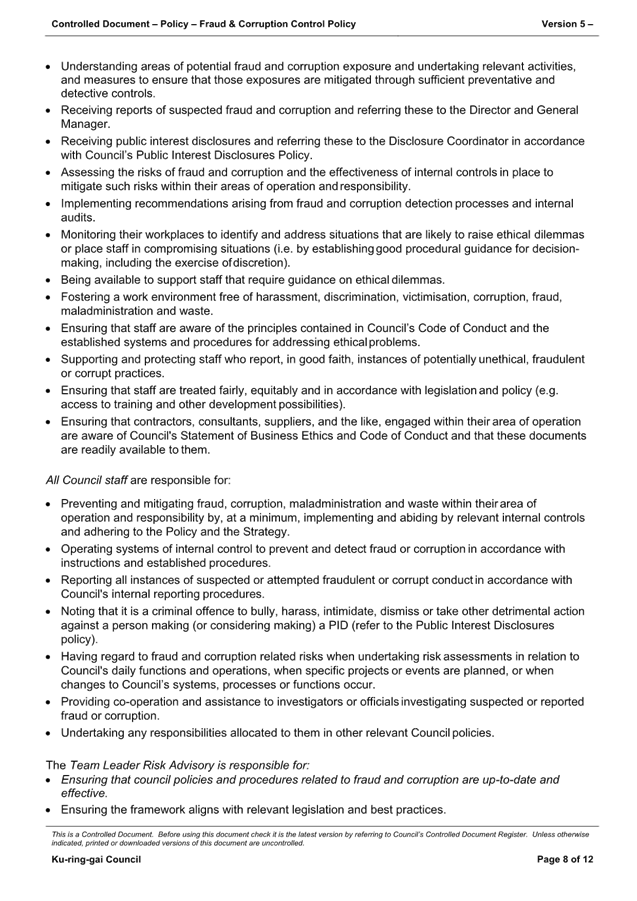
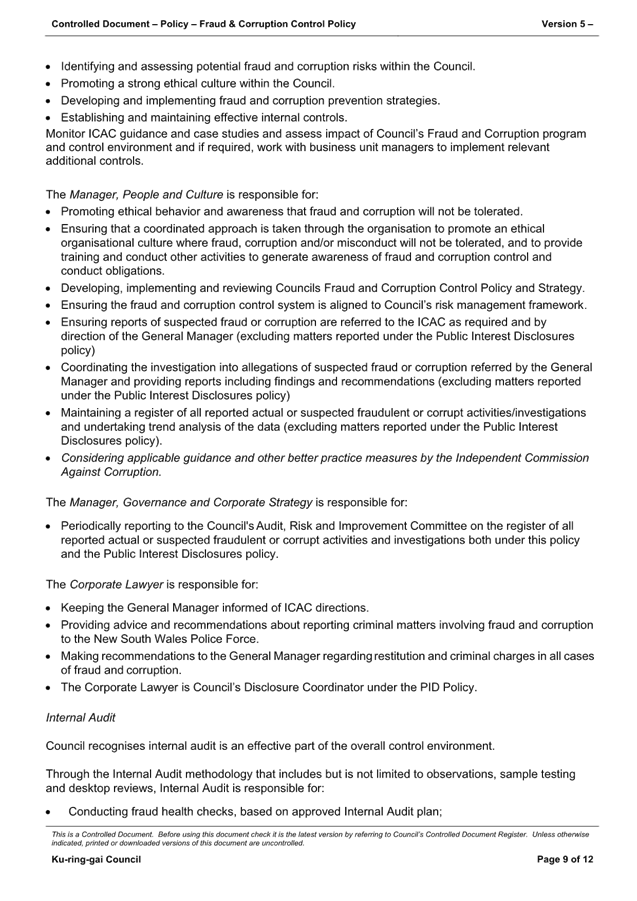
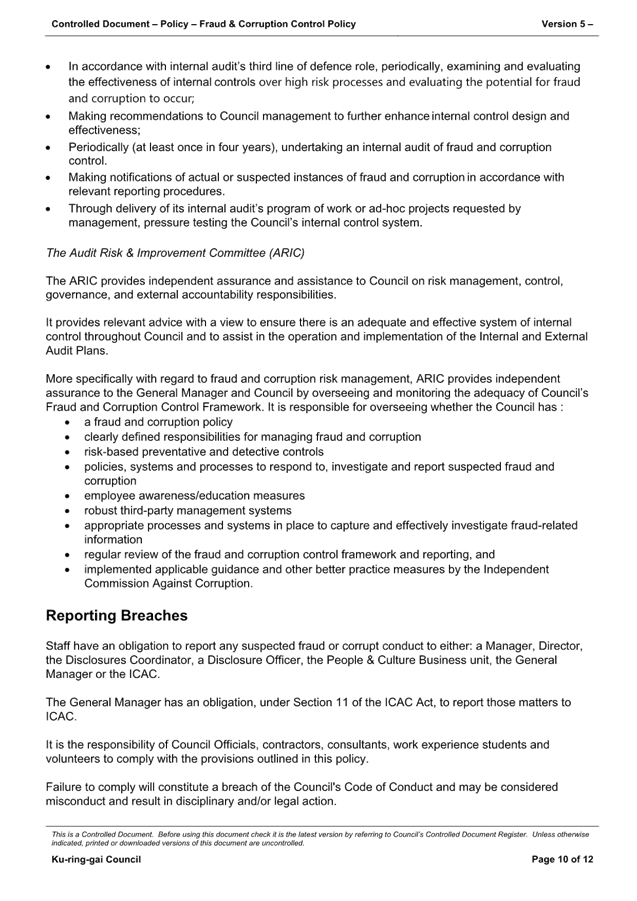
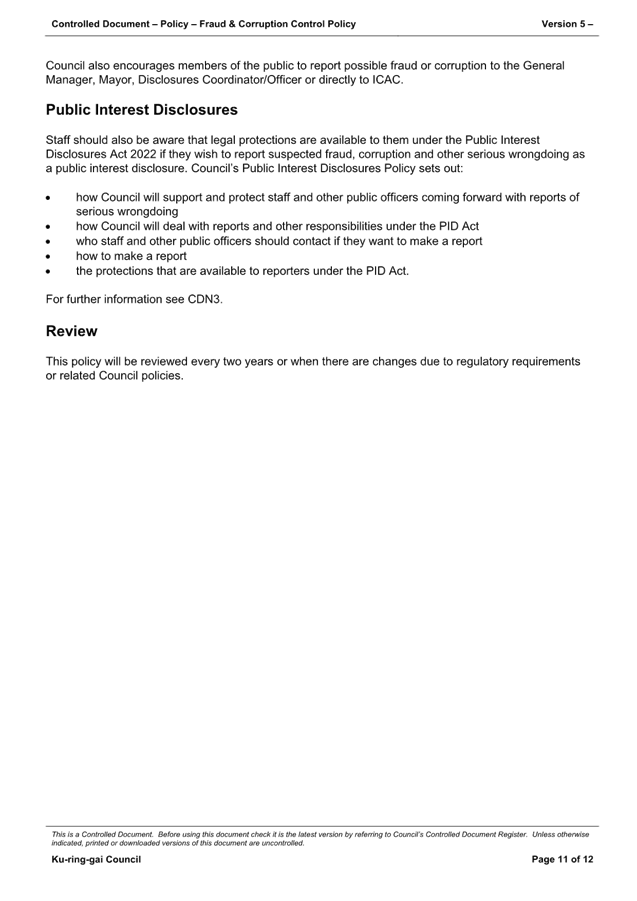
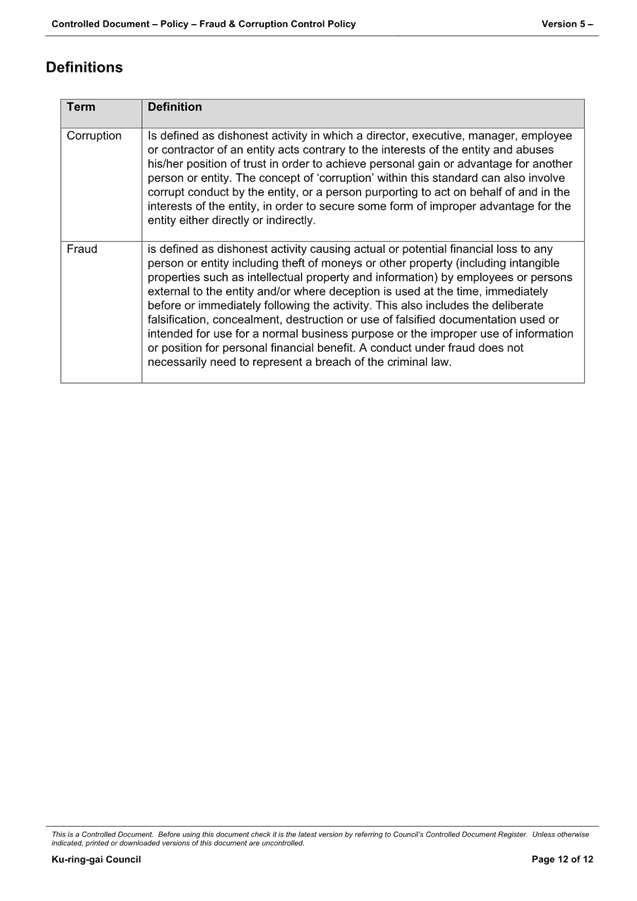
|
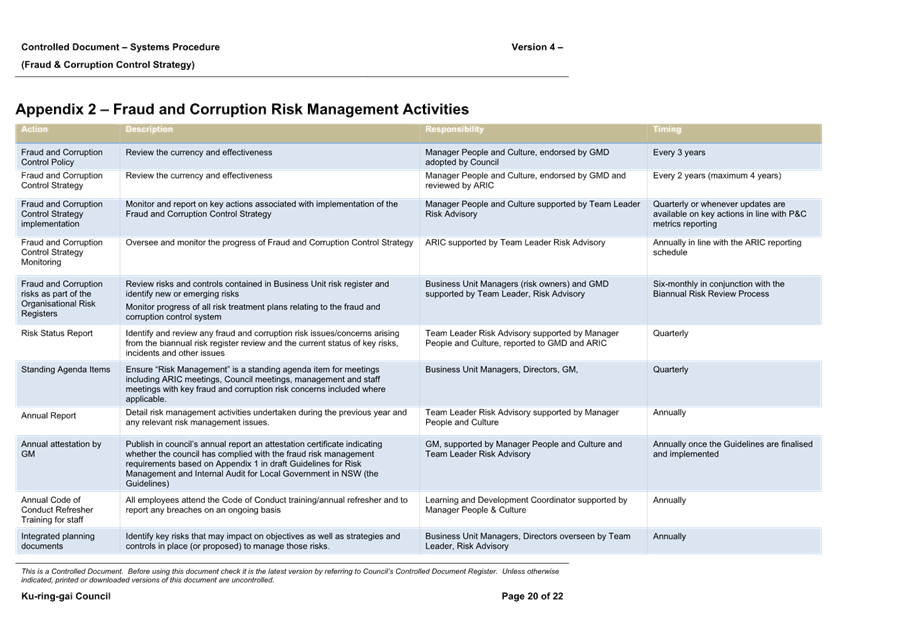
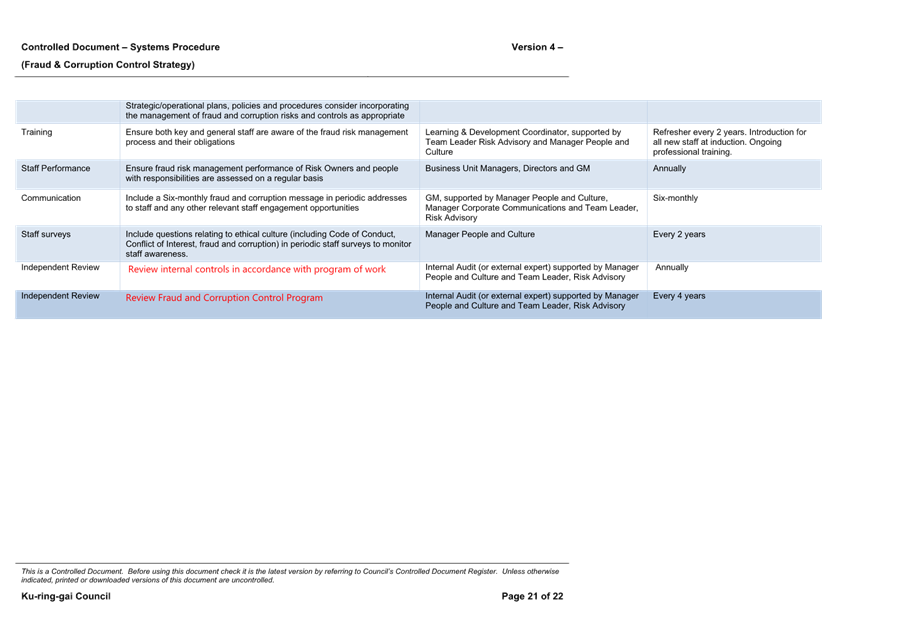
ATTACHMENT No: 2 - Fraud and
Corruption Control Strategy - Approved for Information
|
|
Item No: GB.3
|
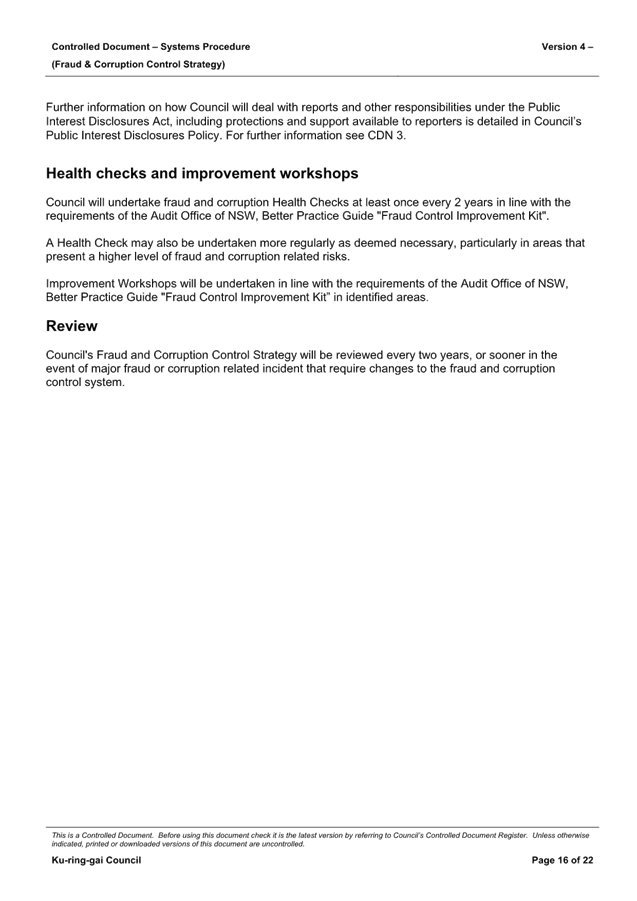

Improve Asset Utilisation and Support the
Arts in Ku-ring-gai
EXECUTIVE
SUMMARY
|
purpose of report:
|
The purpose of this report is
to present for Council’s consideration a draft framework for the Stages
and Spaces: Ku-ring-gai Creative 12-Month Pilot Program,
incorporating a targeted review of community facilities to encourage higher
utilisation, support local artists and creative practitioners, and strengthen
community participation in the arts.
|
|
|
|
|
background:
|
The Stages and Spaces: Ku-ring-gai Creative Pilot
Program has been developed to advance Council’s objective of increasing
utilisation of community facilities and strengthening participation in the
arts. The program design was informed by a targeted review of Council venues
and consultation with advisory committees, arts organisations, and facility
users to identify barriers and opportunities for creative activation.
Engagement with Inner West and Randwick Councils, provided valuable insights
into effective models for supporting local creative industries and improving
access to community spaces.
|
|
|
|
|
comments:
|
Feedback from Council Committees indicated strong
support for the development of a 12-month pilot to enhance creative use of
Council facilities. Affordability, accessibility, and flexibility were
consistently identified as key success factors. The facility review,
consultation outcomes, and supporting financial analysis have together
established a robust framework for the Stages and Spaces: Ku-ring-gai
Creative Pilot Program. This ensures alignment with Council’s broader
cultural objectives and provides a strong foundation for future planning and
investment in arts and community infrastructure.
|
|
|
|
|
recommendation:
(Refer to the full Recommendations at the end of this
report)
|
That Council endorse the
Stages and Spaces: Ku-ring-gai Creative 12-Month Pilot Program as outlined in
this report, incorporating feedback from Council’s Advisory Committees
to enhance accessibility, inclusivity, and administrative simplicity.
|
Purpose of Report
The purpose of this report is to present for Council’s
consideration a draft framework for the Stages and Spaces:
Ku-ring-gai Creative 12-Month Pilot Program, incorporating a targeted review of
community facilities to encourage higher utilisation, support local artists and
creative practitioners, and strengthen community participation in the arts.
Background
Following a Notice of Motion by Councillor Indu Balachandran
at the Ordinary Meeting of Council held on 17 June 2025, Council resolved as
follows:
A. Undertake
a targeted review of selected community facilities to identify low-cost
upgrades that support increased utilisation, with recommendations by November
2025 to inform the FY26/27 budget process.
B. Develop
and implement a 12-month pilot program to increase facility utilisation and
support the arts and creative sectors in Ku-ring-gai:
1. Designed
in collaboration with all relevant Council Committees and reported to Council
including potential financial impacts at the November 2025 Council Meeting.
2. To
implement the pilot program from January 2026.
3. To
evaluate the pilot program after 12 months.
C. Incorporate learnings into
the Cultural Facilities Review.
In response, Council officers undertook
a targeted review of community facilities to assess their suitability for
creative use, current utilisation patterns, and opportunities for low-cost
improvements. Consultation with relevant Council Committees and current
creative users of Council facilities identified access barriers and
opportunities to enhance support for creative activity in Ku-ring-gai. An
economic analysis was also undertaken to consider the feasibility and financial
implications of a subsidised access model.
The outcomes of this work have
informed the development of Stages and Spaces: Ku-ring-gai Creative Pilot
Program, a 12-month initiative designed to trial innovative approaches to
activating community facilities. The program will provide affordable access for
artists and creative practitioners and inform future planning and investment in
Council’s cultural infrastructure.
In the recent past, Council has
undertaken a range of minor upgrades to its halls and meeting rooms to improve
presentation, usability and comfort. While these works were not specifically
designed for the arts and cultural sector, they have enhanced the quality and
functionality of Council’s facilities. Improvements include refurbished
bathrooms and meeting rooms, upgraded foyers and kitchen facilities, new paint
and furniture, air conditioning and acoustic curtains, and audio-visual
upgrades such as projector screens and Bluetooth connectivity. Feedback from
hirers has been consistently positive, with many noting improved amenity and
accessibility.
These
upgrades provide a strong foundation for the Stages and Spaces: Ku-ring-gai
Creative Pilot Program, which will build on recent investments to enhance
access for artists and creative practitioners and inform longer-term cultural
infrastructure planning.
Comments
Stages and Spaces: Ku-ring-gai Creative Pilot Program:
The Stages and Spaces pilot program
has been developed to strengthen Ku-ring-gai’s arts and cultural sector
by providing equitable access to Council facilities for creative activity. The
program supports rehearsals, exhibitions, performances, and other artistic
work, primarily during off-peak periods, and aims to enliven the local creative
community while improving facility utilisation.
Development of the program was informed by targeted
consultation with key stakeholders, including Council Committees and current
users of Council facilities. Input focused on operational requirements, access
needs, and potential barriers to participation. Council staff also engaged with
other local government areas, including Inner West and Randwick Councils, to
learn from comparable programs. These consultations highlighted that similar
initiatives primarily aim to foster creative activity, support local artists,
and contribute to cultural vibrancy, with economic benefits being secondary.
Community Committee Feedback Summary - Arts and
Creative Sector Pilot Programme.
The survey collected feedback from
24 respondents between 3 October and 24 October 2025, providing a broad
snapshot of advisory committee perspectives on the Ku-ring-gai Creative Pilot
Programme. The programme received overwhelmingly positive feedback, with
respondents recognising the initiative as addressing the need for affordable
creative spaces. Key quantitative findings include:
• 71%
strongly agreed that the programme's objectives are clear and relevant, and
that it supports artists facing economic or structural barriers
• 67%
strongly agreed the programme encourages innovation and new creative work
• 65%
strongly agreed that lower hire/setup costs through upgrades would be valuable
• 63%
agreed that booking, venue allocation, and support arrangements are practical
The programme was recognised for
its potential to deliver economic, social, and equity benefits whilst better
utilising existing Council facilities. Respondents particularly valued the
focus on social connection and community integration given Ku-ring-gai's
diverse population.
However, some concerns emerged about application complexity.
Several respondents indicated the current criteria appear overly stringent and
may discourage emerging artists. Key concerns included:
· requirement for
detailed business cases seen as unnecessarily burdensome when basic
information, portfolios, and existing safeguards (insurance, bonds) should
suffice;
· unclear definition
of "significant financial hardship" and privacy-respecting
verification methods;
· subjective nature
of "innovation" requiring clearer examples, and
· need to clarify
which organisations are eligible, particularly regarding fundraising events
Respondents advocated for explicitly prioritising emerging
artists who need support whilst developing their skills. Several recommended
the programme acknowledge and respect artistic and cultural traditions
alongside fostering innovation, ensuring innovation requirements don't
overshadow support for traditional practices.
Regarding facility improvements, respondents identified
clear priorities: lower hire/setup costs (65% strongly agreed), improved
lighting and AV equipment (84% agreed/strongly agreed), accessibility as a
fundamental right, and additional amenities to help artists focus on creative
work. Several suggested prioritising Marian Street Theatre Complex, which is
purpose-designed for all arts, over general community facilities.
Operational recommendations included establishing an
advisory group of sector experts and practising artists, creating an accessible
online database of available facilities, using the Gordon Library as a support
hub, and implementing quarterly monitoring rather than waiting until the pilot
ends. Respondents also requested flexible term-based bookings during off-peak
hours and consideration of extending the programme to community not-for-profits
facing similar barriers.
Looking forward, 52% felt the programme could maybe be
applied to other community organisations. Potential expansion areas include
multicultural groups, fitness and wellness programmes, youth activities, and
weekend use of schools and libraries.
Overall, feedback from community committee members was
highly positive, demonstrating strong quantitative support across all elements
of the program. Addressing identified issues relating to clarity,
accessibility, and process simplicity will help maximise participation and
ensure the program achieves its intended objectives.
Lessons from these consultations have informed the structure
and design of the Ku-ring-gai pilot, which incorporates a concierge-style
support system, an application and assessment process, and mechanisms to adapt
operations and support structures over the 12-month period. The program is
intentionally flexible, enabling adjustments based on feedback and evolving
needs within the local arts sector.
Attachment 1 provides the full draft pilot program outline,
including objectives, eligibility, booking arrangements, support tiers, and
assessment and evaluation processes.
Targeted Review of selected community facilities to
identify low-cost upgrades that support increased utilisation.
In line with Council’s
resolution, staff undertook a targeted review of community facilities, focused
on existing halls and meeting rooms, and identified six (6) facilities that
were both:
a. suitable
for activities that were creative development and/or creative presentation
based on size, current facility attributes and associated infrastructure e.g.
parking, accessibility and amenities, and;
b. had
the capacity for increased utilisation or improved experience specifically for
creative presentation because of low-cost upgrades.
The six (6) facilities identified
are:
1. Ku-ring-gai
Town Hall,
2. East
Lindfield Community Hall,
3. West
Pymble Community Hall,
4. Gordon
Library Meeting Rooms,
5. Ku-ring-gai
Community Meeting Room, and
6. Turramurra
Seniors Centre / Community Hall.
Over the past few years, there have been some minor upgrades
to these facilities using available recurrent budgets to improve the user
experience and increase the potential for higher utilisation. The recently
completed improvements are shown in the following table:
|
No.
|
Location
|
Ward
|
Minor Improvement Works Recently Completed
|
|
1
|
Ku-ring-gai Town Hall
|
St Ives
|
Renewal of kitchen.
|
|
2
|
East Lindfield Community Hall
|
Roseville
|
New floating timber floor.
|
|
3
|
West Pymble Community Hall
|
Comenarra
|
Renewal of toilets and upgraded switchboard.
|
|
4
|
Gordon Library Meeting Rooms
|
Gordon
|
Upgraded AV system in Meeting Room 1.
|
|
5
|
Ku-ring-gai Community Meeting Room
|
St Ives
|
New flooring and new air conditioning.
|
|
6
|
Turramurra Seniors Centre / Community Hall
|
Wahroonga
|
Painting and floor polish.
|
Potential low-cost improvement
opportunities to these facilities have been identified, and costs
estimated. Improvements to lighting and AV systems were identified as a need
across most of these facilities. This is supported by positive feedback in
relation to recent AV upgrades at Gordon Meeting Room 1, St Ives Community
Centre and Caley’s Pavilion at Ku-ring-gai Wildflower Garden. The
potential low-cost upgrades supplement the already completed improvements and
are aimed at providing further opportunities to increase utilisation for arts
and hirers. These low-cost improvement upgrades are
currently unfunded.
The low-cost improvement opportunities are shown in the
following table:
|
No.
|
Location
|
Ward
|
Low-cost Improvement Opportunities
|
Cost Estimate (excl GST)
|
|
1
|
Ku-ring-gai Town Hall
|
St Ives
|
New AV system and upgraded hall lighting.
|
$35,000
|
|
2
|
East Lindfield Community Hall
|
Roseville
|
Upgraded AV system, installation of stage curtains and
upgraded hall lighting.
|
$45,000
|
|
3
|
West Pymble Community Hall
|
Comenarra
|
New AV system.
|
$25,000
|
|
4
|
Gordon Library Meeting Rooms
|
Gordon
|
Upgraded AV system in Meeting Room 2 and upgraded hall
lighting.
|
$35,000
|
|
5
|
Ku-ring-gai Community Meeting Room
|
St Ives
|
New AV system.
|
$5,000
|
|
6
|
Turramurra Seniors Centre/ Community Hall
|
Wahroonga
|
Simplification of existing AV system.
|
$15,000
|
|
Total
|
|
|
|
$160,000
|
The Stages and Spaces pilot program aims to increase
creative presentation within Ku-ring-gai. However, the available stage
infrastructure across the local government area does not currently support this
usage. Stage infrastructure includes but is not limited to stage curtains,
stage lighting, storage and stage accessibility. This was treated as a lower
priority due to uncertainty on its immediate impact on utilisation.
integrated planning and reporting
An inclusive, connected and safe
community.
|
Community Strategic Plan Strategy
|
Delivery Program
Term Achievement
|
Operational Plan
Action
|
|
C4: Cultivate lifelong learning, foster local arts and
creativity and celebrate our cultural diversity.
|
C4.2: The creative arts sector and local artists are
provided opportunities to participate in Council’s programs and events
that showcase our diverse and talented arts sector.
|
C4.2.2: Provide opportunities for the local arts and
cultural community through the annual Arts and Culture Festival.
|
Governance Matters
The Stages and Spaces:
Ku-ring-gai Creative Pilot Program will be supported by robust governance
structures to ensure transparency, accountability, and equitable access.
Oversight of the pilot program will be managed by Council professional staff,
leveraging existing policies, procedures, guidelines, and expertise.
Council will
consider input from relevant stakeholders at appropriate stages to support
decision-making, application assessment, and allocation of facility access.
Reporting and evaluation mechanisms will be built into the program to keep
Council informed of progress, outcomes, and any adjustments needed to align
with strategic objectives and community expectations.
Risk Implication statement
The Stages and Spaces:
Ku-ring-gai Creative Pilot Program carries potential risks related to
eligibility, equitable access, and program delivery. These risks will be
mitigated through adherence to the pilot program guidelines, which outline
eligibility criteria, ineligible activities, and application requirements,
alongside existing Council policies and procedures. Council staff will oversee
program implementation, with input from relevant stakeholders as appropriate.
Reporting and evaluation mechanisms will ensure transparency, accountability,
and alignment with Council’s strategic objectives.
Financial Considerations
The Stages and Spaces:
Ku-ring-gai Creative Pilot Program will operate within the framework of
Council’s existing facility management arrangements. To minimise
financial disruption, Council will complete its annual allocation of permanent
hirers for 2026 prior to the launch of the pilot program, ensuring that only
unallocated time is available for participating groups.
Experience
from Inner West Council, which operates a similar creative space pilot program,
indicates that such initiatives can lead to increased facility utilisation and
enhanced creative output, suggesting potential positive outcomes. However, the
likely take-up in Ku-ring-gai remains uncertain, as the local arts and cultural
sector differs in size, scale, and character from that of Inner West Council.
This introduces an additional variable in estimating both participation levels
and potential financial impacts.
To ensure a prudent and defensible
financial model for the Stages and Spaces: Ku-ring-gai Creative Pilot Program,
the projections are based on a conservative utilisation estimate of 60%
permanent hire and 40% casual hire.
This ratio
reflects the absence of a detailed breakdown between permanent and casual
bookings, which categorises usage by purpose, approximately 20% commercial and
80% non-commercial. The proposed allocation therefore represents a conservative
assumption, balancing available data with operational and financial risk
considerations.
To provide a
high-level estimate of potential revenue impact, three illustrative scenarios
can be considered:
· Low-impact
scenario: Minimal displacement of casual bookings (e.g., 10% of casual bookings
affected), resulting in a negligible reduction in revenue $17,884
· Medium-impact
scenario: Moderate displacement of casual bookings (e.g., 25% affected),
resulting in a potential revenue reduction of approximately $44,710
· High-impact
scenario: Significant displacement of casual bookings (e.g., 50% affected),
resulting in a potential revenue reduction of approximately $89,420
These
scenarios are indicative only and based on assumptions drawn from historical
booking patterns and comparable programs. Actual impacts will be monitored in
real time, allowing Council to adjust scheduling and program parameters to
balance financial outcomes with the program’s objectives of supporting
the arts and cultural sector.
Impact of Eligibility Criteria
Under the program’s
Ineligible Activities criteria, a significant proportion of commercial hires
will likely be excluded. These include private functions, non-creative or
commercial events, fundraising activities, and cultural observances without a
creative outcome. Consequently, a substantial share of the commercial use
category (approximately 20%) would not qualify for subsidy or inclusion in the
pilot program’s target audience.
Similarly, within the
non-commercial category, many existing hirers are not arts or cultural
organisations and would not meet the definition of “creative
practitioners.” As a result, the actual number of eligible applicants
from the non-commercial cohort is expected to be materially lower than the
recorded 80%.
Given these constraints, the 60/40
split remains a reasonable, conservative, and defensible estimate for financial
forecasting purposes.
Fee Waiver Modelling
It is not recommended to undertake
quantitative modelling of the 100% versus 50% fee waiver categories, as there
is insufficient baseline data to support accurate differentiation. Based on
experience with comparable Council subsidy and grant programs, most applicants
are likely to seek a full (100%) fee waiver due to limited financial capacity
or structural barriers to participation.
Assessing an applicant’s capacity to pay, whether
partial or full, presents ongoing challenges, given the limited availability of
financial information and the variable nature of creative project costs. This
issue is consistent with broader difficulties observed across Council’s
grant assessment processes, where reliable financial capacity data is often
unavailable or incomplete.
Financial Risk Management and Reporting
To manage financial exposure and
maintain transparency:
· The 60% permanent
/ 40% casual hire ratio should be adopted as the baseline scenario for budget
forecasting.
· As part of
Council’s quarterly budget and management reporting cycle, utilisation
rates, subsidy allocations, and emerging cost impacts can be monitored and
reported.
· Any material
variances or trends affecting program sustainability can be identified and
reported to Council, with recommendations for adjustment as required.
In addition to potential
impacts on booking revenue, higher levels of utilisation under the Stages and
Spaces: Ku-ring-gai Creative Pilot Program may result in increased operating
costs. These could include more frequent cleaning, higher power consumption,
waste collection and additional maintenance associated with greater wear and
tear on facilities and equipment. The extent of these costs will depend on the
level and nature of facility use, the type of activities delivered, and the
number of participants involved. As these factors cannot be accurately
determined in advance, operational budgets may need to be reviewed and adjusted
as usage patterns become clearer during the pilot period.
The
low-cost improvement upgrades to facilities identified are unfunded. Funding of $160,000 will need to be
identified in future budgets should Council decide to undertake these works.
Social Considerations
The Stages and Spaces: Ku-ring-gai Creative Pilot Program is
designed to support the local arts and cultural sector by providing accessible
creative spaces and opportunities for participation. The program aims to
strengthen community engagement, foster collaboration, and enhance the
visibility and vitality of Ku-ring-gai’s arts and cultural activities.
Environmental Considerations
Any Council improvements,
including those already undertaken, are designed with environmental
sustainability in mind. Upgrades or equipment associated with the program, such
as lighting, AV systems, or fittings, will comply with Council’s
environmental policies and support its sustainability objectives.
Community Consultation
Consultation was undertaken
with all relevant Community Committees of Council to inform the development of
the Stages and Spaces: Ku-ring-gai Creative 12-Month Pilot Program. This
included engagement with the Arts and Culture Advisory Committee, Status of
Women Advisory Committee, Youth Advisory Committee, Heritage Reference
Committee, and Multicultural Advisory Committee.
Committee
members were invited to provide feedback via survey on program objectives,
accessibility, and opportunities for creative activation within Council
facilities. The feedback was collated and analysed to inform program design and
implementation.
The outcomes
of the consultation are provided in the Comments section of this report.
Internal
Consultation
Internal consultation engaged the Community, Operations,
Finance, Corporate, Strategy and Governance teams and included structured
meetings to scope the project, define roles and responsibilities, coordinate
activities, and establish reporting mechanisms. This collaborative approach
ensured the pilot program is operationally feasible, financially responsible,
and aligned with Council policies and strategic objectives.
Summary
The Stages and Spaces:
Ku-ring-gai Creative Pilot Program is a 12-month trial providing affordable
access to Council venues for local artists and creative groups. It aims to
activate underused spaces, foster cultural participation, and inform a
long-term Creative Spaces Framework.
Following Advisory Committee
feedback, the program has been refined to simplify applications, clarify
eligibility, and enhance accessibility and inclusion. The pilot will run from
January to December 2026, with quarterly reporting and a final evaluation to
guide future directions.
Recommendation:
A. That
Council endorse the Stages and Spaces: Ku-ring-gai Creative 12-Month Pilot
Program as outlined in this report, incorporating feedback from Council’s
Advisory Committees to enhance accessibility, inclusivity, and administrative
simplicity.
B. That
Council approve implementation of the pilot from January to December 2026, with
quarterly progress and budget reporting to Council.
C. That
Council consider, as part of the 2026/2027 budget deliberations, the identified
low-cost improvement upgrades to the selected facilities estimated at $160,000
as detailed in the body of this report, to support creative and community use.
D. That
Council consider the continuation of the 12-month pilot following an evaluation
report outlining outcomes, utilisation data, community feedback, and
recommended adjustments to inform development of a long-term Creative Spaces
Framework.
|
Janice Bevan
Director Community
|
Angela Apostol
Director Corporate
|
|
Peter Lichaa
Director Operations
|
Danny Houseas
Manager Community Development
|
|
Mette Kofoed
Acting Manager Finance
|
Mursaleen Shah
Manager Assets & Technical Services
|
|
Attachments:
|
A1⇩
|
Stages
and Spaces Ku-ring-gai’s Creative Pilot Program
|
|
2025/366318
|
|
ATTACHMENT No: 1 - Stages and Spaces Ku-ring-gai’s Creative Pilot Program
|
|
Item
No: GB.4
|
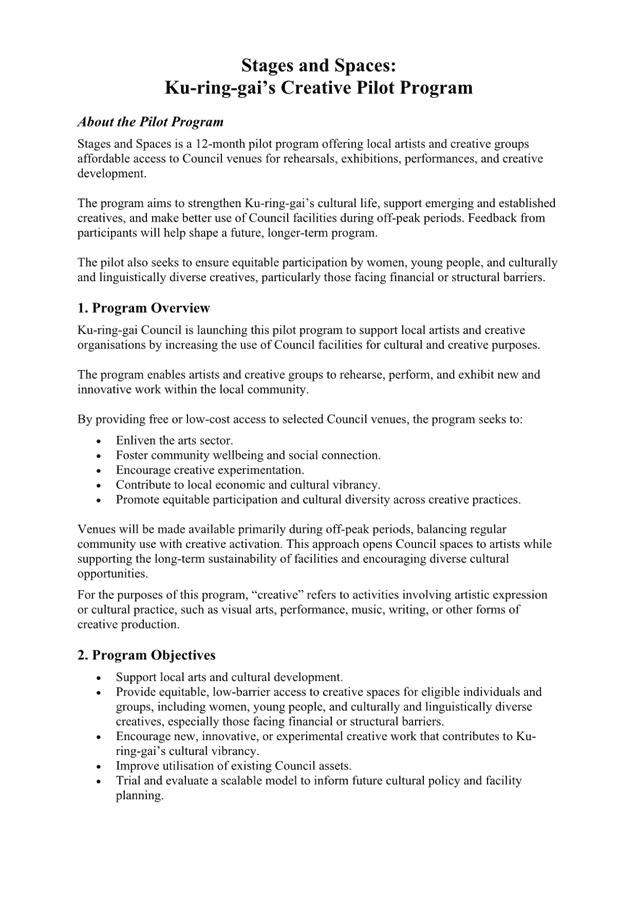
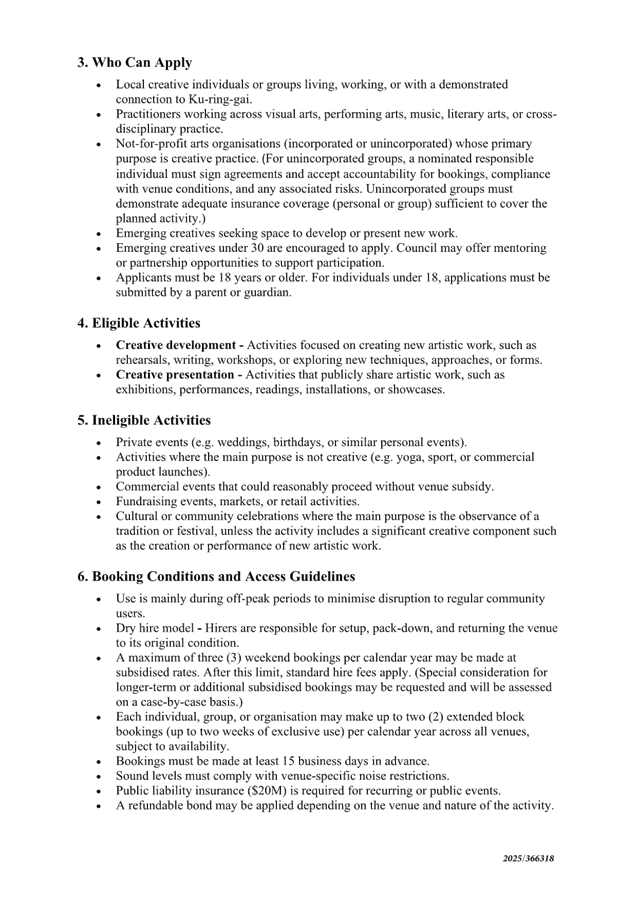
Investment Report as at 31 October 2025
EXECUTIVE SUMMARY
Purpose of Report
To present Council’s investment
portfolio performance for October 2025.
Background
Council’s investments are reported
monthly to Council in accordance with the Local Government Act 1993, the Local Government (General) Regulation 2005
and Council’s Investment Policy.
Comments
Investment Portfolio Performance Snapshot
The table below provides the investments
portfolio performance against targets identified in Council’s Investment
Policy as well as other key performance indicators based on industry
benchmarks.
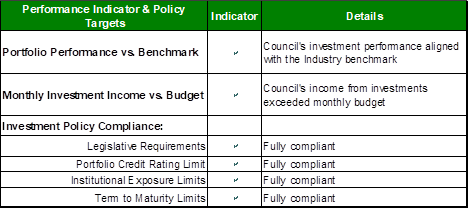
Cumulative Investment Returns against Budget
The
net return on investments for the financial year to the end of October 2025 is $3,093,000,
compared to the budget of $2,725,000, resulting in a favourable year-to-date
variance of $368,000.
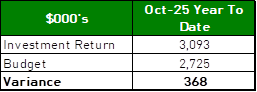
A comparison
of the cumulative investment returns against year-to-date budget is shown in the
chart below.
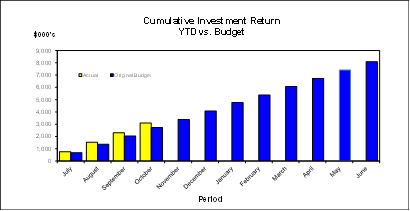
Cash Flow and Investment Movements
Council’s
total cash and investment portfolio as at 31 October 2025 was $204,676,000 compared to $204,862,000 at the end of
September 2025. The net cash outflow of $186,000 was mainly due creditor
payments.
During the
month, two investments have matured and there was one new investment.
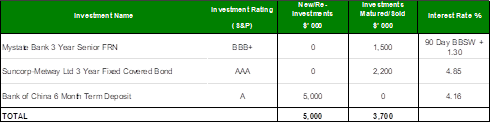
Investment Performance against Industry Benchmark
Overall, the
investment performance in October was above the industry benchmark.
The benchmark
is specific to the type of investment and the details are provided below. AusBond
Bank Bill Index is used for all Council’s investments.
Table 1 - Investments Performance against Industry Benchmarks

Table 2 below provides a summary of all investments by type and
performance during the month.
Table 2 - Investments Portfolio Summary during October
2025
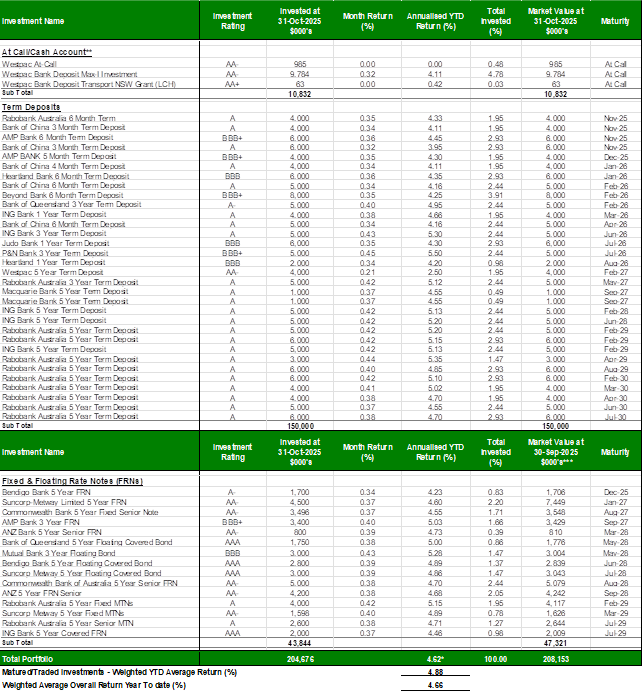
* Weighted average returns.
** Funds in at-call/short term accounts are working
funds kept for the purpose of meeting short term cash outflow requirements. At-call
investments portfolio is being monitored on a regular basis to ensure funds are
reinvested at higher rates when opportunities arise, whilst also keeping and
adequate balance for short-term cash outflows.
*** Market Values as at 31 October 2025 were not
available at the time of writing the report.
Investment by Credit rating and Maturity Profile
The
allocation of Council’s investments by credit rating and the maturity
profile are shown below:
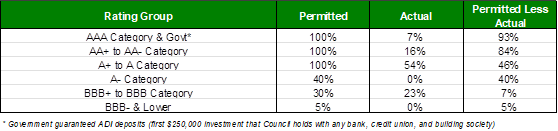
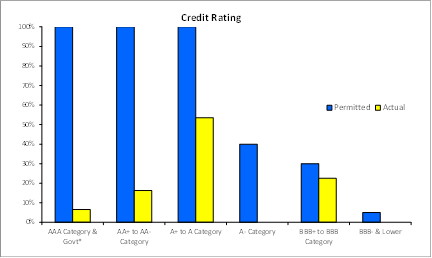
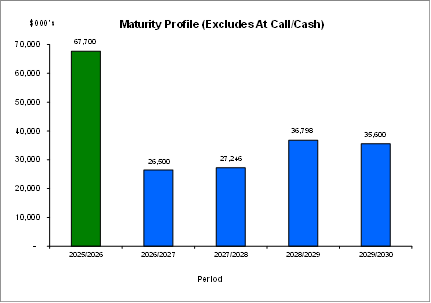
integrated planning and
reporting
Leadership & Governance
|
Community Strategic Plan Long Term
Objective
|
Delivery Program
Term Achievement
|
Operational Plan
Task
|
|
L2.1 Council rigorously manages its
financial resources and assets to maximise delivery of services
|
Council maintains and improves its
long-term financial position and performance
|
Continue to analyse opportunities to
expand the revenue base of Council
|
Governance Matters
Council’s investments are made in
accordance with the Local Government Act (1993), the Local Government (General)
Regulation 2005 and Council’s Investment Policy.
Section 212 of the Local Government
(General) Regulation 2005 states:
(1) The responsible accounting officer of a
council:
(a) must provide the council with a written
report (setting out details of all money that the council has invested under section
625 of the Act) to be presented:
(i) if only one ordinary meeting of
the council is held in a month, at that meeting, or
(ii) if more than one such meeting is held
in a month, at whichever of those meetings the council by resolution
determines, and
(b) must include in the report a certificate as
to whether or not the investment has been made in accordance with the Act, the
regulations and the council’s investment policies.
(2) The report
must be made up to the last day of the month immediately preceding the meeting.
Risk Management
Council manages the risk associated with
investments by diversifying the types of investment, credit quality,
counterparty exposure and term to maturity profile.
Council invests its funds in accordance
with The Ministerial Investment Order.
All investments are made with consideration
of advice from Council’s appointed investment advisor, CPG Research &
Advisory.
Financial Considerations
The adopted budget for interest on
investments for the financial year 2025/2026 is $8,083,000. Of this amount
approximately $4,332,700 is restricted for the benefit of future expenditure
relating to development contributions, $1,682,500 transferred to the internally
restricted Infrastructure & Facility Reserve, and the remainder of $2,067,800
is available for operations.
Social
Considerations
Not
applicable.
Environmental
Considerations
Not
applicable.
Community Consultation
None undertaken or
required.
Internal Consultation
None undertaken or
required.
Certification
- Responsible Accounting Officer
I hereby certify that the investments
listed in the attached report have been made in accordance with Section 625 of
the Local Government Act 1993, clause 212 of the Local Government General
Regulation 2005 and Council’s Investment Policy.
Summary
As at 31 October 2025:
· Council’s total cash and investment portfolio was $204,676,000,
a net cash outflow of $186,000 mainly due creditor payments.
· The net return on investments for the financial year to the end of October
2025 is $3,093,000, compared to the budget of $2,725,000, resulting in a
favourable year-to-date variance of $368,000.
|
Recommendation:
That:
A. The summary of investments
and performance for October 2025 be received and noted.
B. The Certificate of
the Responsible Accounting Officer be noted and the report adopted.
|
|
Tony Ly
Financial Accounting Officer
|
Mette Kofoed
Acting Manager Finance
|
|
Angela Apostol
Director Corporate
|
Ann Wang
Financial Accountant
|
|
Ordinary
Meeting of Council - 18 November 2025
|
GB.6 / 1
|
|
|
|
|
Item
GB.6
|
FY00623/8
|
|
|
7 October 2025
|
Analysis of Land and Environment Court Costs - 1st Quarter
2025 to 2026
EXECUTIVE SUMMARY
|
purpose of report:
|
To report legal costs in relation to
development appeal matters in the Land and Environment Court for the quarter
ended 30 September 2025.
|
|
|
|
|
background:
|
A person may commence proceedings in
the Land and Environment Court in relation to a development application which
has either been refused by Council or is deemed to have been refused.
An appeal may also be commenced in relation to conditions of development
consent and the issue of Building Information Certificates and orders.
|
|
|
|
|
comments:
|
For the nine months ended 30
September 2025, Council’s legal and associated payments in relation to
the Land and Environment Court were $399,303. This compares with the annual budget
of $1,338,800.
|
|
|
|
|
recommendation:
|
That the analysis of Land and Environment
Court costs for the period ended 30 September 2025 be received and noted.
|
Purpose of Report
To report legal costs in relation to
development appeal matters in the Land and Environment Court for the quarter
ended 30 September 2025.
Background
A person may commence proceedings in the Land and
Environment Court in relation to a development application which has either
been refused by Council or is deemed to have been refused (a development
application is deemed to have been refused if it has not been determined within
a period of 40 days or such longer period that may be calculated in accordance
with the Environmental Planning and Assessment Act). An appeal may also be
commenced in relation to conditions of development consent and the issue of building
certificates and orders. Council is a respondent to such proceedings.
Comments
Appeals Lodged
In the quarter ended 30 September 2025 there
were twelve new appeals lodged with the Land and Environment Court. The
number of appeals received in prior years is as follows:
|
Financial
year
|
Number
of appeals received (whole year)
|
|
2021/2022
|
18
|
|
2022/2023
|
36
|
|
2023/2024
|
15
|
|
2024/2025
|
35
|
|
2025/2026
(as at 30 SEP 2025)
|
12
|
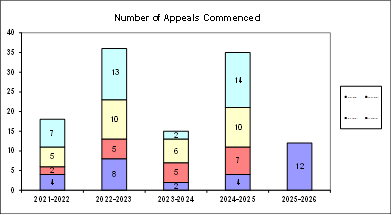
The appeals commenced during the quarter to
30 September 2025 concerned the following subject matters:
· Construction of seniors living units
· Construction of multi-unit residential flat buildings
· Single dwelling
· Multi dwelling
Council was also in receipt of two appeals
against a Development Control Order and one appeal against refusal of an
application to issue a Building Information Certificate.
costs
For the nine
months ended 30 September 2025, Council made payments totalling $399,303 on
appeals and associated expenses in relation to Land & Environment Court
matters. This compares with the annual budget of $1,338,800.
In addition to expenditure on appeals, there
were no other expenses incurred in obtaining legal advice regarding development
assessment matters.
Land &
Environment Court Costs
2021/2022 - 2025/2026
|
|
Financial
Year
|
Total Costs
|
1st quarter September
|
2nd quarter December
|
3rd quarter March
|
4th quarter June
|
|
2021/2022 *
(18 appeals lodged)
|
$1,114,447
|
$402,328
|
$258,053
|
$226,500
|
$227,566
|
|
2022/2023
(36 appeals lodged)
|
$1,261,734
|
$324,397
|
$300,017
|
$474,367
|
$162,953
|
|
2023/2024
(15 appeals lodged)
|
$1,183,240
|
$381,788
|
$366,869
|
$204,835
|
$229,748
|
|
2024/2025
(35 appeals lodged)
|
$977,535
|
$246,574
|
$211,682
|
$251,795
|
$267,484
|
|
2025/2026
(12 appeals lodged)
|
$399,303
|
$399,303
|
|
|
|
* Costs reported to Council in previous
reports
The
costs incurred in the period to 30 September 2025 represent 29.83% of the
annual budget of $1,338,800.
The
commencement of appeals does not lie within the control of Council, however
there a number of factors that appear to influence the volume of appeals:
· Amendments to the Environmental Planning and
Assessment Act made in 2013 and then reintroduced in 2022 reduced the
timeframe for lodgement of an appeal from twelve months to six months.
This had the effect of applicants for more substantial and complex development
proposals lodging appeals for no other reason than as a mechanism to preserve
early appeal rights.
· In addition, the prospect of changing economic
market conditions in recent periods appears to have led to urgency on the part
of developers, with a particularly high number and proportion of appeals
commenced at an early stage on the basis of deemed refusal. As a result,
Court listings are currently heavily booked and long delays for several months
for the holding of both mediation conferences and hearings are occurring.
· The additional pressure on development
application processing times arising from the most recent Statement of
Expectations issued to all NSW councils by the current Minister for Planning in
July 2024. Additionally, increased demands on assessment staff has increased
the extent to which Council has found it necessary to obtain the services of
external consultants to act as expert witnesses in appeals, which has resulted
in additional costs.
Notwithstanding
these factors, Council’s overall success rate in appeals has been high.
In
relation to costs recovered, the amount of $5,050 had been recovered at 30
September 2025 compared to an annual budget for costs recovered of $126,000.
Outcomes
At an early stage of each appeal, Council as
respondent, is required to file with the Court a Statement of Facts and
Contentions outlining the grounds which Council asserts as warranting refusal
of a development, or alternatively, that may be addressed by way of conditions
of consent.
In
cases where issues raised by Council are capable of resolution by the applicant
providing additional information or amendment of the proposal, it is the
Court’s expectation that this should occur. The Court’s
current practice of listing appeals for a preliminary mediation conference
before a Commissioner of the Court pursuant to section 34 of the Land &
Environment Court Act, strongly encourages this.
In
this context, any of three outcomes can be regarded as favourable, namely:
1. If the
appeal is in relation to a deemed refusal of an application which, upon
assessment, is appropriate for approval: that the development is
determined by Council, allowing the appeal to be discontinued by the applicant
and avoiding as much as is practicable the incurring of unnecessary legal
costs;
2. If the
issues raised by Council are capable of resolution by the applicant providing
further information, or amending the proposal: that this occurs, so that
development consent should be granted, either by Council or the Court;
3. If the
issues raised by Council are either not capable of resolution or the applicant
declines to take the steps that are necessary to resolve them: that the
appeal is either discontinued by the applicant, or dismissed (refused) by the
Court.
Five matters were concluded during the
quarter. A favourable outcome was achieved in all matters:
· One appeal was discontinued,
· One appeal was dismissed and;
· three appeals were resolved by agreement in relation to an amended
proposal.
As at 30 September 2025, there was a total
of 29 matters before the Court.
integrated planning and
reporting
Leadership & Governance
|
Community Strategic Plan Long Term
Objective
|
Delivery Program
Term Achievement
|
Operational Plan
Task
|
|
L2.1 Council rigorously manages its
financial
resources and assets to maximise delivery
of
services.
|
Achieve financial sustainability targets
identified in the Long Term Financial
Plan.
|
Undertake quarterly reporting to Council
on the financial performance of the
organisation.
|
Governance
Matters
Under Section 428 of the Local Government Act 1993, Council
is required to report legal costs, and the outcome of each case in its Annual
Report.
Risk
Management
Quarterly
reporting of legal costs to Council together with information about the number,
character and outcomes of proceedings enable ongoing oversight of this area of
Council’s activity.
Financial
Considerations
Land & Environment Court legal costs form part of
Council’s recurrent operating budget.
Social
Considerations
None
undertaken or required.
Environmental
Considerations
None
undertaken or required.
Community
Consultation
None
undertaken or required.
Internal
Consultation
This report has been developed with input from
Council’s Corporate Lawyer, Director Corporate and Director Development
& Regulation.
Summary
For the period ended 30 September 2025, Council made payments
totalling $399,303 on Land & Environment Court appeals. This compares with
the annual budget of $1,338,800.
|
Recommendation:
That the analysis of Land and
Environment Court costs for the period ended 30 September 2025 be received
and noted.
|
|
Tony Ly
Financial Accounting Officer
|
Jamie Taylor
Corporate Lawyer
|
|
Shaun Garland
Acting Director Development and
Regulation
|
|
|
Attachments:
|
A1⇩
|
Individual
Case Summary 30 September 2025 - Land and Environment Court Costs
|
|
2025/364842
|
|
ATTACHMENT No: 1 - Individual
Case Summary 30 September 2025 - Land and Environment Court Costs
|
|
Item No: GB.6
|
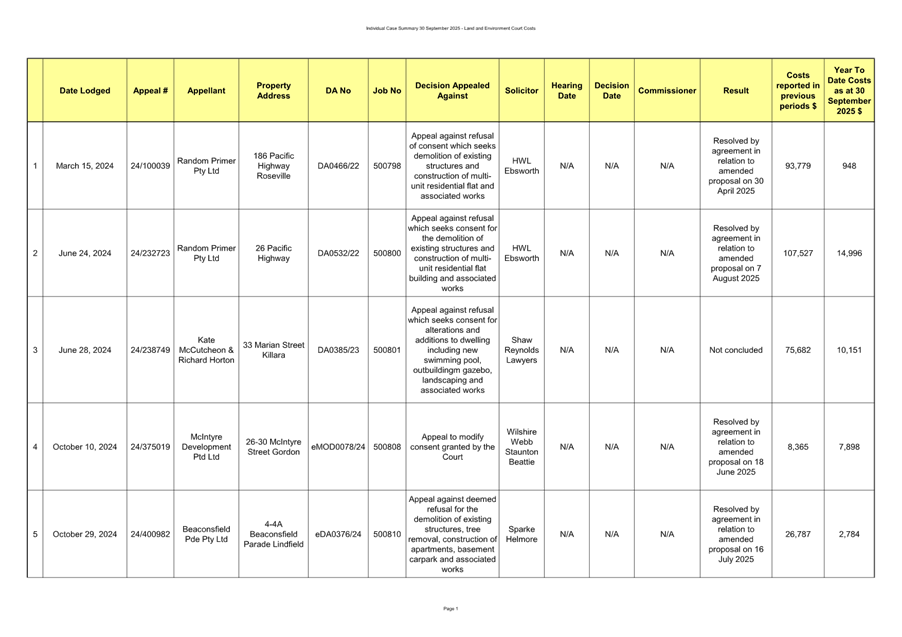
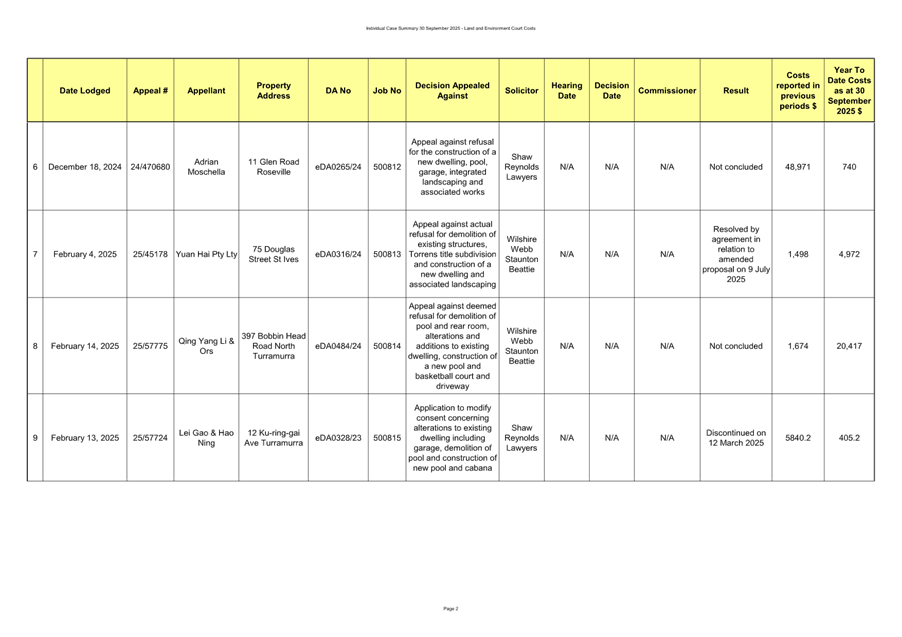
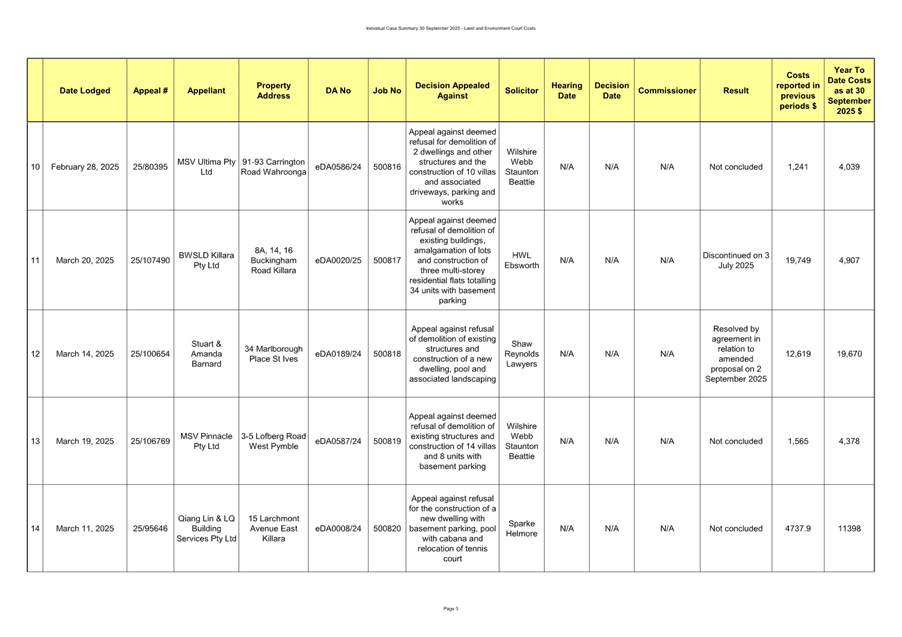
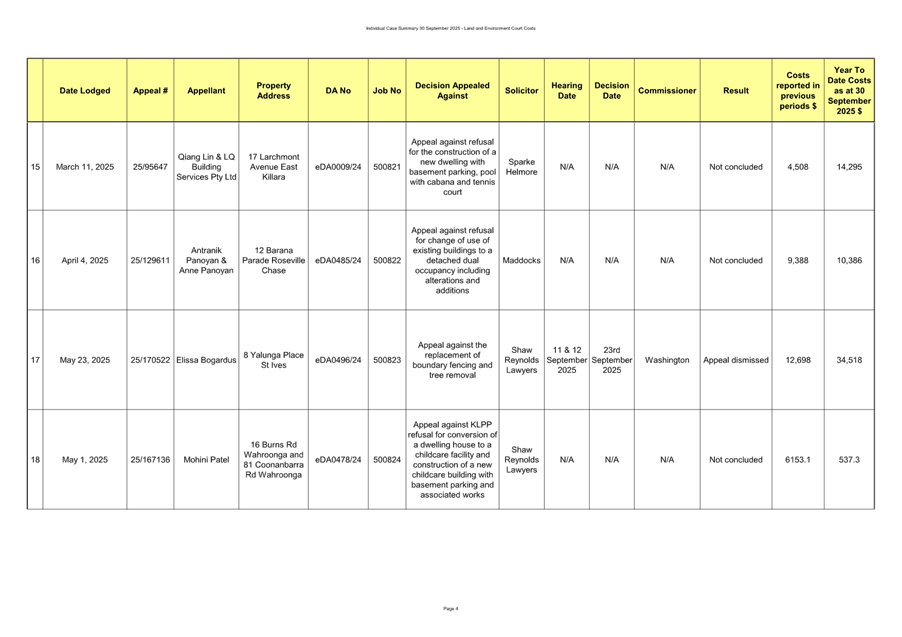
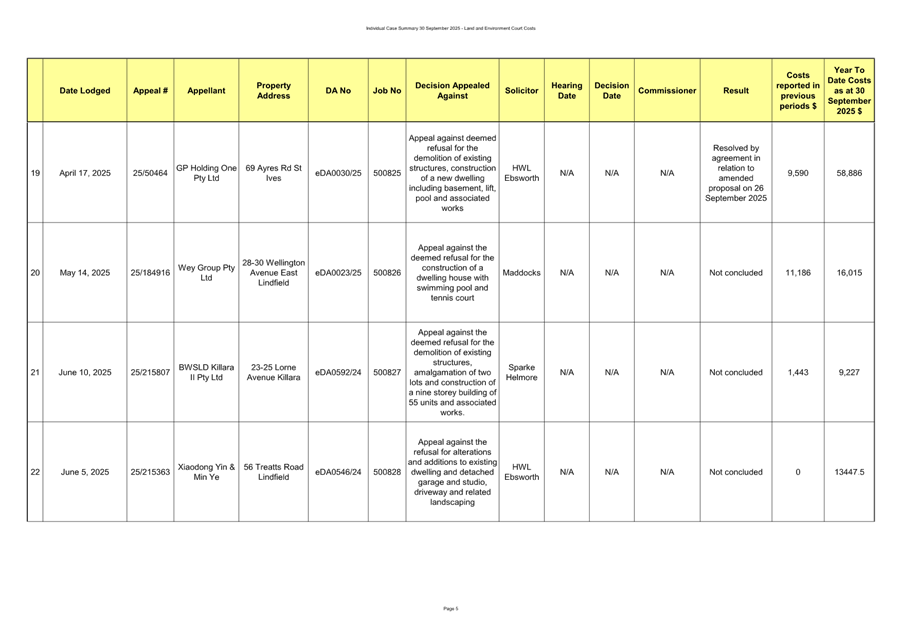
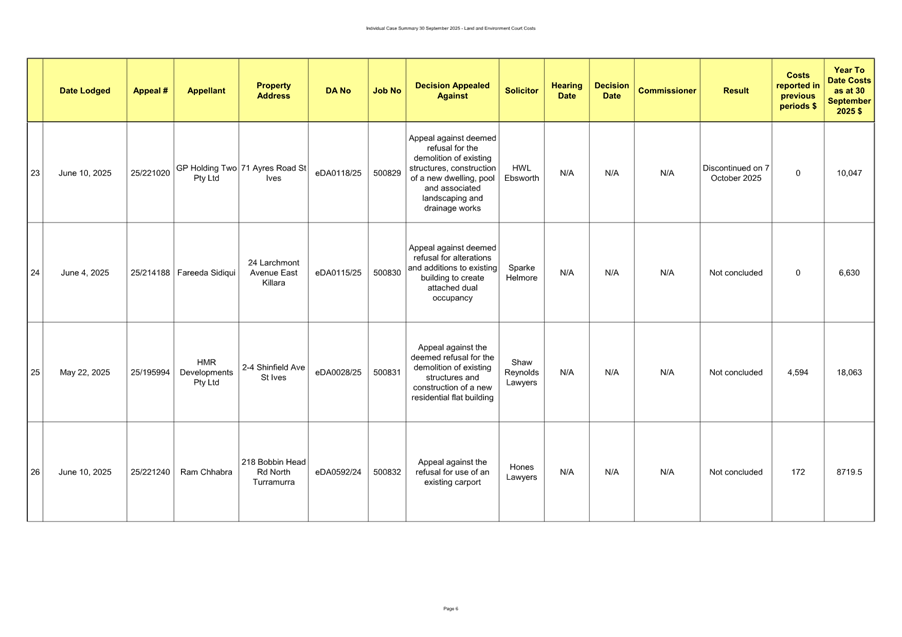
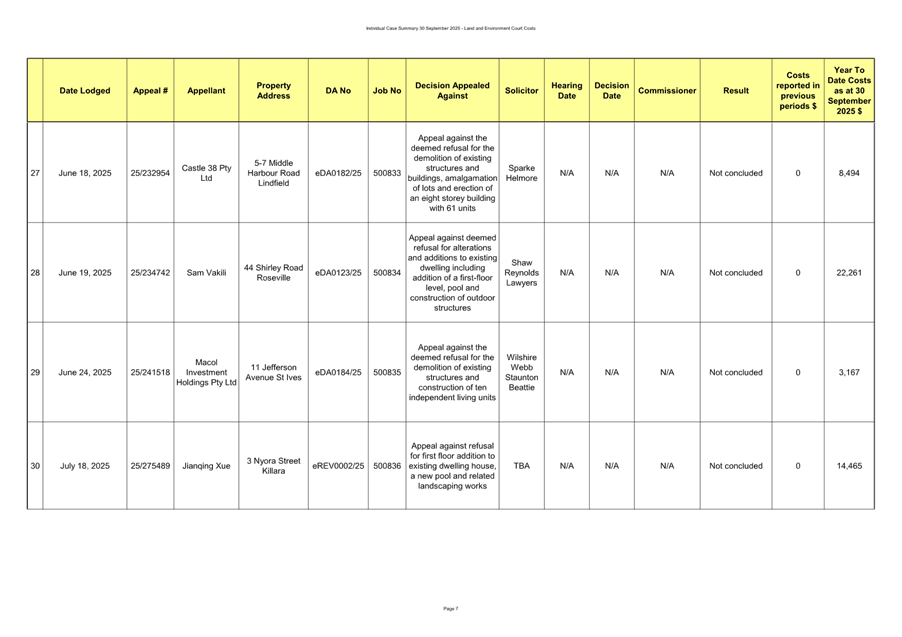
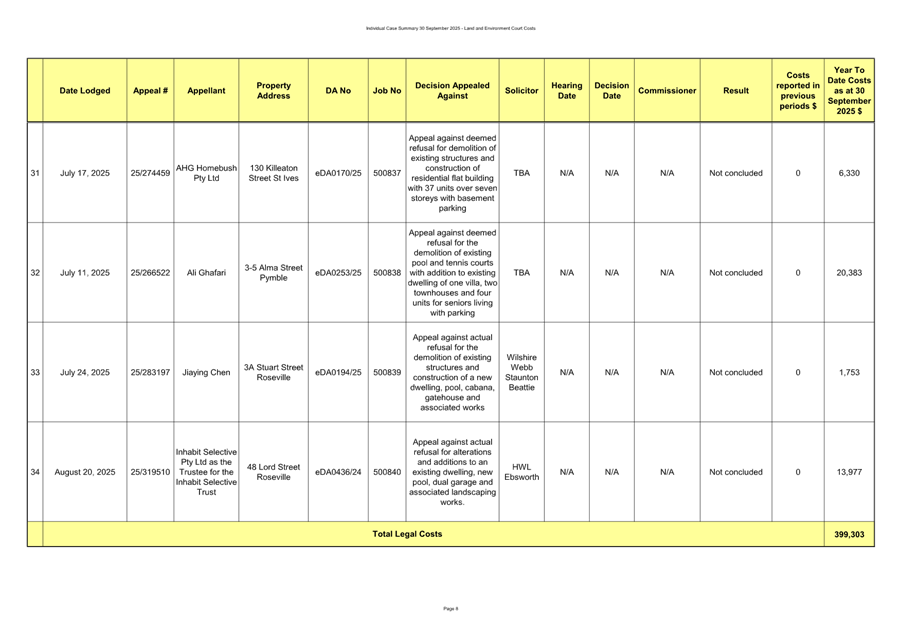
|
Ordinary
Meeting of Council - 18 November 2025
|
GB.7 / 1
|
|
|
|
|
Item
GB.7
|
FY00701/2
|
|
|
21 October 2025
|
2025 - 2026 Budget Review - 1st Quarter ended September 2025
EXECUTIVE SUMMARY
|
Purpose of report:
|
To inform Council of the results of
the first quarter budget review of 2025/26 and proposed adjustments to the
annual budget based on the actual financial performance and trend for the
period 1 July 2025 to 30 September 2025.
|
|
|
|
|
background:
|
Section 203(1) of the Local
Government Regulation 2005 requires that at the end of each quarter, a Budget
Review Statement be prepared and submitted to Council that provides the
latest estimate of income and expenditure for the current financial year.
The Office
of Local Government has revised the Quarterly Budget Review Statement
Guidelines for Local Government with the aim to improve financial oversight
and help councillors stay in control of Council’s financial
performance. The Quarterly Budget Review Statement (QBRS) reporting
requirements outlined in the Guidelines are mandatory for all NSW councils
and take effect from the reporting period the 1st quarter QBRS by no later
than 30 November 2025.
|
|
|
|
|
comments:
|
Proposed
budget adjustments in this report are expected to decrease the net operating
result (excluding capital grants) by $1.9 million, primarily due to
additional contractor costs as detailed in this report partly offset by
increased grant income.
From a funding perspective,
after accounting for capital and operational grants, deferred expenditure,
and restricted items, the net working capital is projected to increase by
$150k, primarily due to increased grants partly offset by materials and
contracts costs as
detailed in the report.
|
|
|
|
|
recommendation:
|
That the 2025/26 September Quarterly
Budget Review and the recommended changes are received and noted.
|
Purpose of Report
To inform Council of the results of the
first quarter budget review of 2025/26 and proposed adjustments to the annual
budget based on the actual financial performance and trend for the period 1
July 2025 to 30 September 2025.
Background
In accordance with Part
9, Division 3, Clause 203 of the Local Government (General) Regulation 2005
(“The Regulation”):
(1) Not later than 2
months after the end of each quarter (except the June quarter), the responsible
accounting officer of a council must prepare and submit to the council a budget
review statement that shows, by reference to the estimate of income and expenditure
set out in the statement of the council’s revenue policy included in the
operational plan for the relevant year, a revised estimate of the income and
expenditure for that year.
(2) A budget review
statement must include or be accompanied by:
a) a report as to
whether or not the responsible accounting officer believes that the statement
indicates that the financial position of the council is satisfactory, having
regard to the original estimate of income and expenditure, and
b) if that
position is unsatisfactory, recommendations for remedial action.
(3) A budget review
statement must also include any information required by the Code to be included
in such a statement.
The Office of Local Government has
developed a set of minimum requirements that assists councils in meeting their
obligations as set out in legislation.
At the Council meeting held on 17 June
2025, Council adopted the Delivery Program 2025-2029 & Operational Plan
2025-2026, which incorporated the Annual Budget for 2026-2027.
Comments
This review analyses Council’s
financial performance for the first quarter of 2025/26 and forecasts an end of
financial year position by recommending budget adjustments to operating and
capital budget.
Budget adjustments proposed in this review
will decrease the net operating result (excluding capital grants) by $1.9m.
This is mainly due to increase in materials and contracts, as outlined in this
report partly offset by increased grant income. It is important to note that
the additional net revenue recognised will be allocated to fund various
projects reflected in the capital budget.
From a funding perspective, after accounting
for changes in capital and operational grants, deferred expenditure, and
restricted items, the net working capital is projected to increase by $150k, primarily due to increase in financial assistance grant as
detailed further in the report.
Proposed
adjustments to forecast budget
Operating Income
The proposed net increase to the operating
income of $336k is mainly from increase in operating grants and
contributions received:
o Financial Assistance Grant (FAG)
Equalisation Component ($162.8k)
o FAG Local Roads Component
($77.4k)
o RFS – Fire hazard
reduction ($96.2k)
Operating expenditure
The change (net increase) to the operating
expenditure ($2.3m) is mainly due to increases in materials and contracts
as detailed below; plus increase of budgeted expenditure associated with
operating projects.
· Net increase in costs
related to materials and contracts ($1.9m):
o Domestic Waste contractors
general and other expenses ($1.036m) funded by Domestic Waste Reserve, due to
compliance works and monitoring ($600k) at legacy landfill sites, recycling
contracts ($100k), increased collection costs ($300k) and other minor adjustments
($36k)
o One off increase to consultants
for asset revaluation in line with audit requirements ($90k)
o An increase to Environmental
Levy Programs ($718k) funded from environmental levy ($640k ) and transfer of
general fund from project ($78k).
· Net increase to
Operational projects expenditure ($354k) mainly due:
o Bushland restoration program
($462k)
o Stormwater Drainage - CCTV
Inspection - FY26 ($107k)
o Wild Things urban wildlife
program ($90k).
o Support for Visitor Experience ($25k)
Partly
reduced by deferred project:
o Partly deferring Digital
transformation to align with budget allocation and commitments ($330k)
Capital budget
· Major adjustments to the capital budget are due to:
o Capital projects deferred to future
financial years to better align with work commitments ($30m)
o Adjustment to St Ives Indoor Sports
Courts to reflect timing of milestone payments ($8.3m)
o Reduced Road to Recovery grant ($69)
Partly offset by budget allocation as per Council
resolution to:
o Norman Griffith Oval ($1m) in 2025-26
and reminder ($4.5m) allocated in 2026-27.
Other budget
adjustments to capital projects are detailed further in the report and listed
in Attachment A2.
New Quarterly Budget Review Statement
as per Office of Local Government (OLG) guidelines
The Office of
Local Government has revised the Quarterly Budget Review Statement Guidelines
for Local Government with the aim to improve financial oversight and help
councillors stay in control of the council’s finances.
The updated
Guidelines clarify the purpose and benefits of effective financial reporting,
define key roles and responsibilities, and introduce standardised templates for
Quarterly Budget Review Statements (QBRS). Additionally, they incorporate a
QBRS overview and fund-based reporting of council income and expenditure. These
enhancements aim to provide governing bodies and communities with clearer, more
relevant, and meaningful financial information.
The Quarterly
Budget Review Statement (QBRS) reporting requirements outlined in the
Guidelines are mandatory for all NSW councils. To support understanding, a
one-page guide titled “How to Read Your Quarterly
Financial Overview” has been developed and can be rebranded for
council use. Councils are expected to begin reporting the first quarter QBRS
under the revised Guidelines by no later than 30 November 2025.
During
transition to the new QBRS statements, the existing QBRS tables will be
reflected within this report and the new QBRS statements can be viewed in Attachment
3. These reports will be improved with more detailed explanations and
commentary in future reviews.
“How to
Read Your Quarterly Financial Overview” (sample guide) and QBRS
Guidelines can be viewed in Attachments 4 and 5.
Quarterly
Budget Review Statements (QBRS)
The Quarterly Budget
Review Statements (QBRS) as prescribed by the OLG
guidelines are composed of the following budget
review reports:
· Operating and Capital Budget Review Statement
(Table 1)
· Proposed Operating and Capital Budget
Adjustments by Resource Group (Table 2)
· Income and Expenses Statement by Theme (Table 3)
· Cash and Investments position (Table 4)
· Contracts and Consultancy Expenses (Table 5)
· Capital and Operational Projects Summary (Table
6)
· Statement by the Responsible Accounting Officer
These statements are
shown below.
Proposed
Budget Adjustments
The table
below lists the proposed budget adjustments, including comments for the
September Quarterly Budget Review.
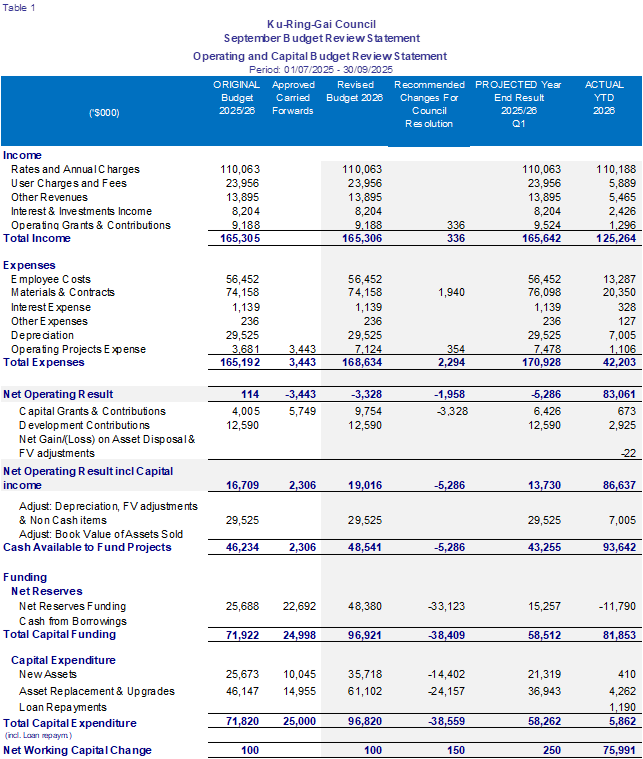
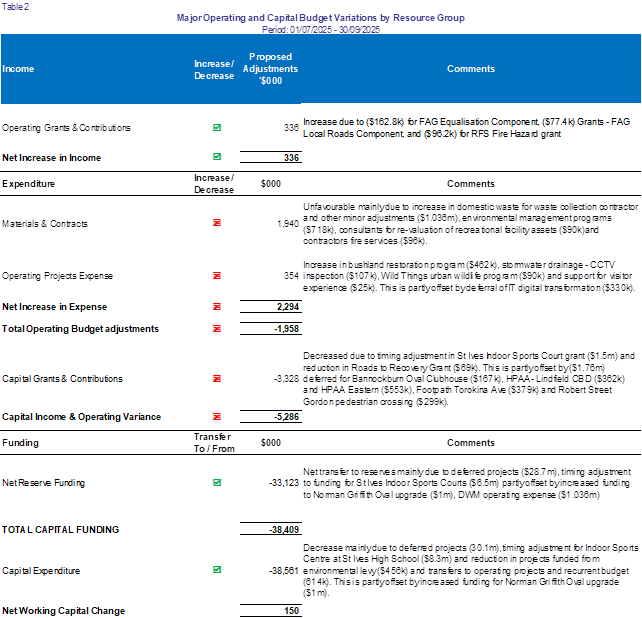
Attachment A2
summarises all proposed budget adjustments for Projects.
The table below splits
the current budget by six themes identified within Council’s Delivery
Program 2025 – 2028. These themes are used as a platform for planning our
activities to address the community’s stated needs and aspirations.
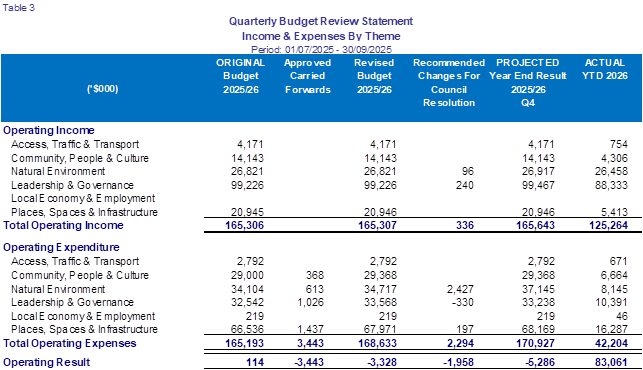
Cash and
Investments position
Restricted funds are
invested in accordance with Council’s Investment Policy. Total
investments portfolio as at the end of September quarter is $204m.
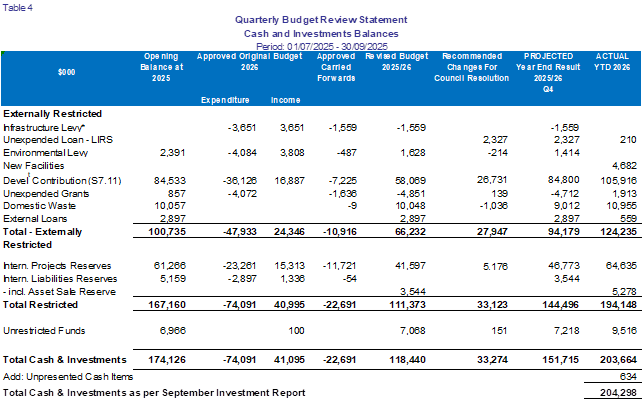
A detailed Restricted Assets Report
as of September 2025 (Actual) is shown in Attachment A1.
Consultancy
Expenses
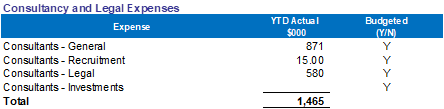
Capital &
Operational Projects Summary
Actual
expenditure for capital and operational projects for the period ending 30
September 2025 is ($5.8m) against the full year revised budget of ($103.9m). The September review decreases the forecast project budget
by ($38.2m net); the decrease is mainly due to projects deferred ($30m), timing
adjustment for St Ives Indoor Sports Court ($8.3m). This is partly offset by a new
grant received ($96k).
The table and
chart below show the YTD actual project expenditure against 2025/26 full year
revised budget and projected forecast.

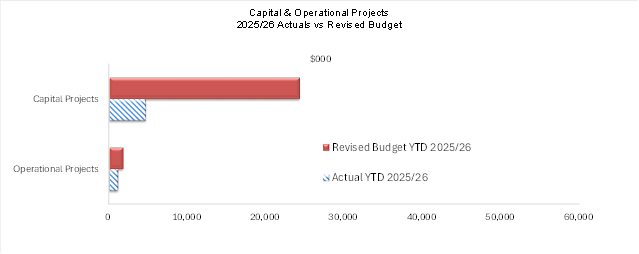
The proposed
budget changes to operational and capital projects represent a decrease of ($38.2m).
The most significant variations and projects proposed for adjustment are listed
below:
· Deferral of capital expenditure
· S7.11 and S7.12 funded ($22.6m):
· Gordon Nth Streetscape Improve
Construction ($4.9m)
· Lindfield Avenue and Tryon Road
Precinct ($4.4m)
· Bedes Forest Upgrade ($3.7m)
· Robert Pymble Park Precinct ($3.1m)
· St Ives Showground Main Car Park Upgrade
($876k)
· Queen Elizabeth Reserve Playground
Upgrade ($823k)
· Ku-ring-gai Wildflower Garden
Upgrade($778k)
· Roseville Park Play Space Upgrade
($688k)
· St Ives Cultural and Environmental
Education Centre ($639k)
· Ibbitson Park Upgrade ($620k)
· East Turramurra - Neighbourhood Centre
Upgrade ($546k)
· Streetscape Works - Werona Avenue,
Gordon – construction ($484k)
· Killara Park Accessible Toilet Block
($209k)
· Heritage Park and Werona Ave
Streetscape Improvements. ($156k)
· The Glade - Preparation of Master Plan
& construction ($156k)
· Roseville Memorial Park Upgrade
($122k)
· Warrimoo Sportsground Upgrade ($102k)
· The Glade Play Space Upgrade ($89k)
· New Bus Route Works Rohini St via New
St to Turramurra Ave &Hwy ($64k)
· Roseville Streetscape Improvements
– Design – ($32k)
· Turramurra Streetscape Improvements
– Design ($31k)
· St Ives Streetscape Improvements
– Design ($29k)
· Infrastructure and facilities funded
($5.5m):
· Bannockburn Oval Clubhouse &
Amenities Renewal ($2m)
· Retaining Wall Rehabilitation -
Station St ($1.5m)
· Charles Bean Synthetic Sportsfield
replacement ($828k)
· Bannockburn Oval - Masterplan &
Sportsfield upgrade ($802k)
· Queen Elizabeth Reserve Playground
Upgrade ($110k)
· Ku-ring-gai Wildflower Garden Upgrade
($97k)
· Burns Rd/Cleveland St/Grosvenor St,
Wahroonga($75k)
· The Glade Play Space Upgrade ($54k)
· Mitchell Crescent Reserve Playground
Upgrade ($9k)
· Grant funded ($1.9m):
· HPAA - Eastern Road, Turramurra -
Worcester Chilton ($553k)
· Footpath Torokina Ave and Wombat
crossing Yarrabung (379k)
· HPAA - Lindfield CBD ($362k)
· Robert Street, Gordon - Pedestrian
crossing ($299k)
· Bannockburn Oval Clubhouse &
Amenities Renewal ($167k)
· Wildflower Garden upgrade ($139k)
· Other deferred projects ($506k):
· Partly defer IT Digital Transformation ($330k) funded from revenue
carried forward to align with budget allocation and commtiments.
· St Ives Cultural and Environmental
Education Centre ($176k) funded from environmental levy
· Other adjustments ($7.5m) net
decrease:
· Increase for Norman Griffiths Oval
Upgrade ($1m) funded from infrastructure and facilities reserve
· Decrease to reflect adjustment for
timing St Ives Indoor Sports Courts ($8.3m) spent in 2025-26 funded from
($1.5m) grant, ($4.2m) s7.12, ($2.3m) loan and ($343k) I&F
· Decrease to reflect transfers from
energy management projects to recurrent ($166k)
· Transfers of funding from Projects to
Recurrent budget - ($166k)
· Reinvestment of Savings from energy
projects ($78k) to Energy Management
· Energy Efficient Outdoor and
Sportsfield/Court lighting ($60k) to Energy Management
All Proposed
Budget adjustments for each Project and explanation for the changes are
detailed in
Attachment
A2 – Summary of Capital and Operational Project Budget Adjustments
Statement by
Responsible Accounting Officer
It is my opinion that the Quarterly Budget
Review Statement for Ku-ring-gai Council for the quarter ended 30 September
2025 indicates that Council’s projected financial position on 30 June
2025 will be satisfactory, having regard to the projected estimates of income
and expenditure and the original budgeted income and expenditure.
integrated planning and
reporting
Theme 6: Leadership and Governance
|
Community Strategic Plan Long Term
Objective
|
Delivery Program
Term Achievement
|
Operational Plan
Task
|
|
L2.1 Council rigorously manages its
financial resources and assets to maximise delivery of services.
|
L2.1.2 Council’s financial services
provide accurate, timely, open and honest advice to the community.
|
Manages financial performance to achieve
targets as defined in the Long-Term Financial Plan.
|
Governance Matters
Section 203(1) of the
Local Government Regulation 2005 requires that at the end of each quarter, a
Budget Review Statement be prepared and submitted to Council that provides the
latest estimate of Income and Expenditure for the current financial year.
The Office of
Local Government has revised the Quarterly Budget Review Statement Guidelines
for Local Government with the aim to improve financial oversight and help
councillors stay in control of the council’s finances. The Quarterly
Budget Review Statement (QBRS) reporting requirements outlined in the
Guidelines are mandatory for all NSW councils and take effect from the
reporting period the 1st quarter QBRS by no later than 30 November 2025.
Risk Management
Income and expenditure is managed through
the quarterly budget review process. Although some income and expenditure
cannot be directly controlled, it can be monitored and action taken to mitigate
potential financial or budgetary risk. Further, Council staff utilise monthly
management reporting for managing operational and project income and
expenditure, and any budget variations are reported to the Director. The management
team are also provided with monthly financial reports that allow executives to
make informed decisions and plan ahead to ensure budget targets are met.
Financial Considerations
Financial impacts from recommended budget
adjustments are discussed in detail in other sections of this report.
Social Considerations
Not applicable.
Environmental Considerations
Not applicable.
Community Consultation
Not applicable.
Internal Consultation
Finance met with directors and managers as
part of the Quarterly Budget Review process to ensure departmental budget
targets reflect current forecasts.
Summary
Budget adjustments proposed in this review
will increase the net operating result (excluding capital grants) by $1.9m, primarily due to additional contractor costs as detailed in this
report partly offset by increased grant income.
From a funding perspective, after accounting
for capital and operational grants, deferred expenditure, and restricted items,
the net working capital is projected to increase by $150k, primarily due to
increased grants partly offset by materials and contracts costs as detailed in
this report.
|
Recommendation:
That the September 2025 Quarterly Budget
Review and the recommended changes be received and noted.
|
|
Mette Kofoed
Acting Manager Finance
|
Angela Apostol
Director Corporate
|
|
Attachments:
|
A1⇩
|
Attachment
A1 - Restricted Assets Report - September 2025
|
|
2025/364693
|
|
|
A2⇩
|
Attachment
A2 - Summary of Capital and Operational Projects Budget Adjustments -
September 2025
|
|
2025/367149
|
|
|
A3⇩
|
Attachment
3 - QBRS Statements - September 2025
|
|
2025/367635
|
|
|
A4⇩
|
Attachment
4 - How to Read Your Quarterly Financial Overview
|
|
2025/367365
|
|
|
A5⇩
|
Attachment
5 - Quarterly Budget Review Statement Guidelines for Local Government
|
|
2025/367360
|
|
ATTACHMENT No: 1 - Attachment A1
- Restricted Assets Report - September 2025
|
|
Item No: GB.7
|
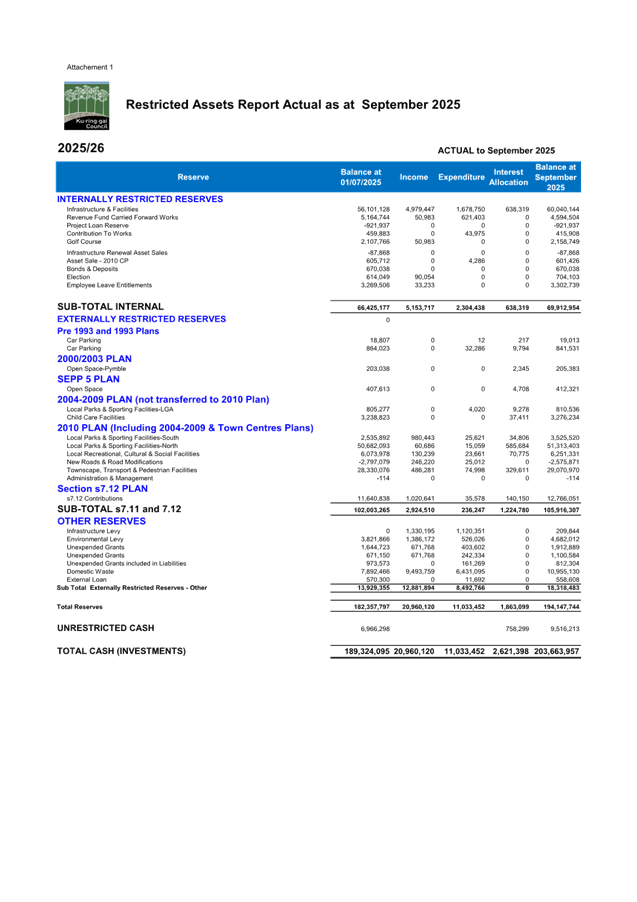
|
ATTACHMENT No: 2 - Attachment A2
- Summary of Capital and Operational Projects Budget Adjustments - September
2025
|
|
Item No: GB.7
|
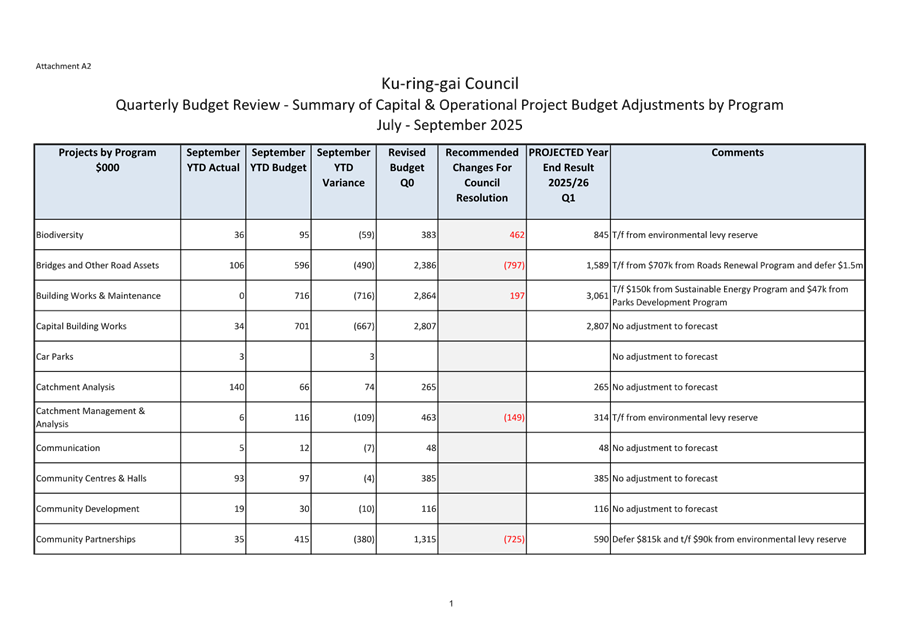
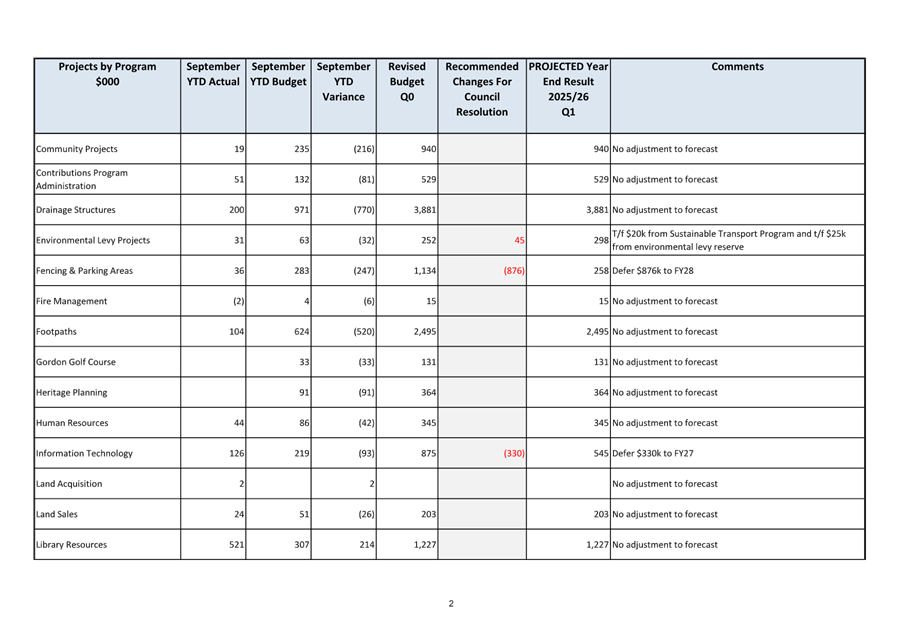
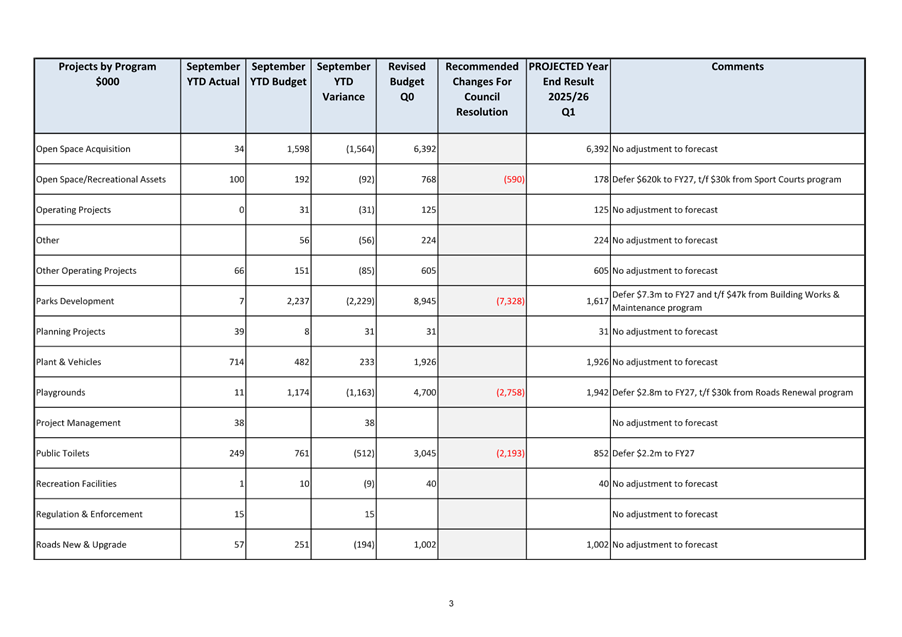
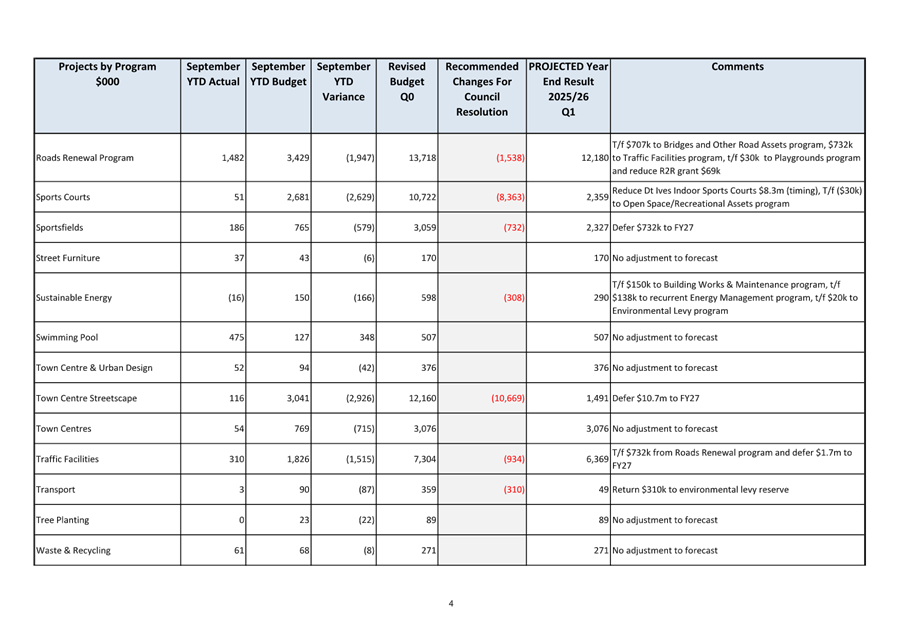
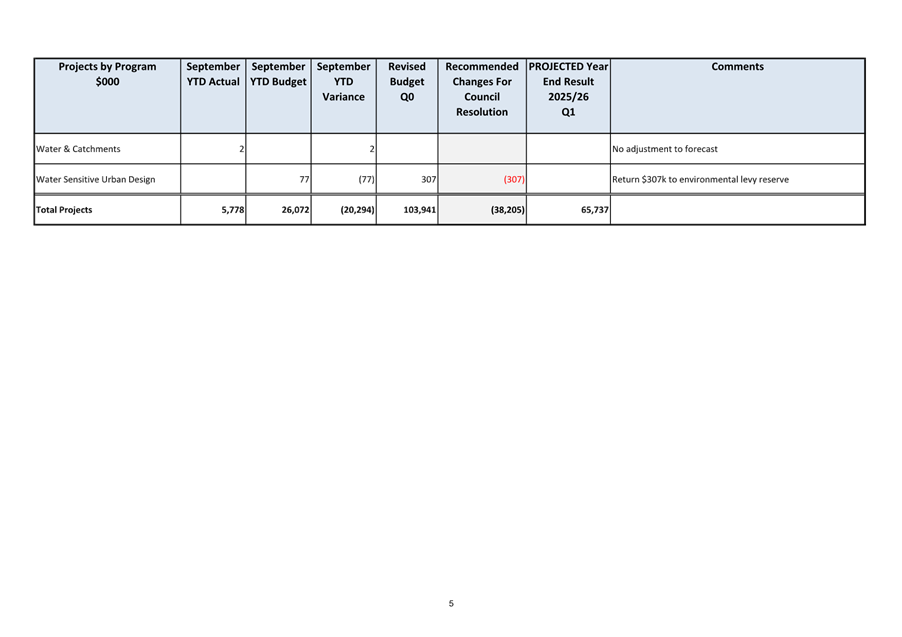
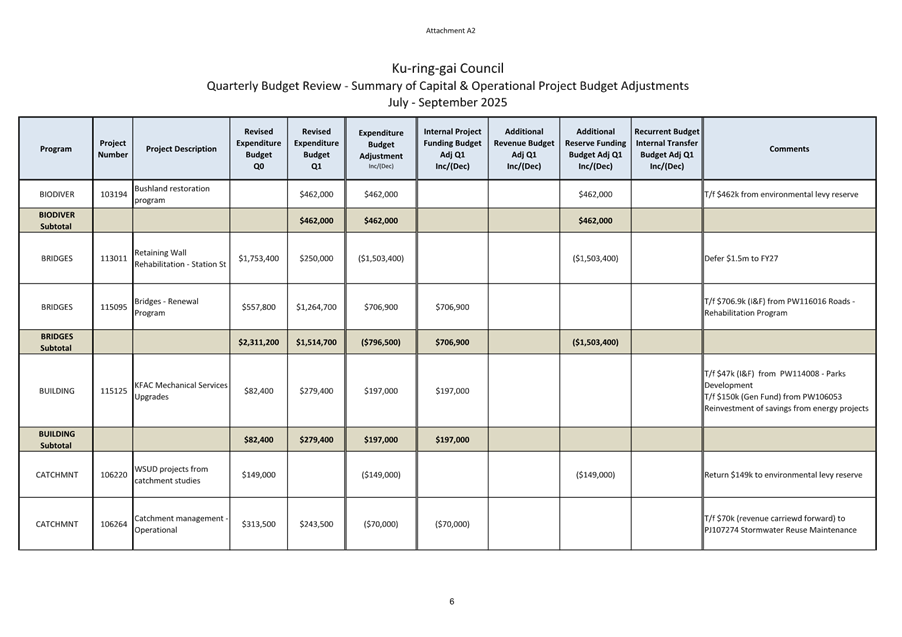
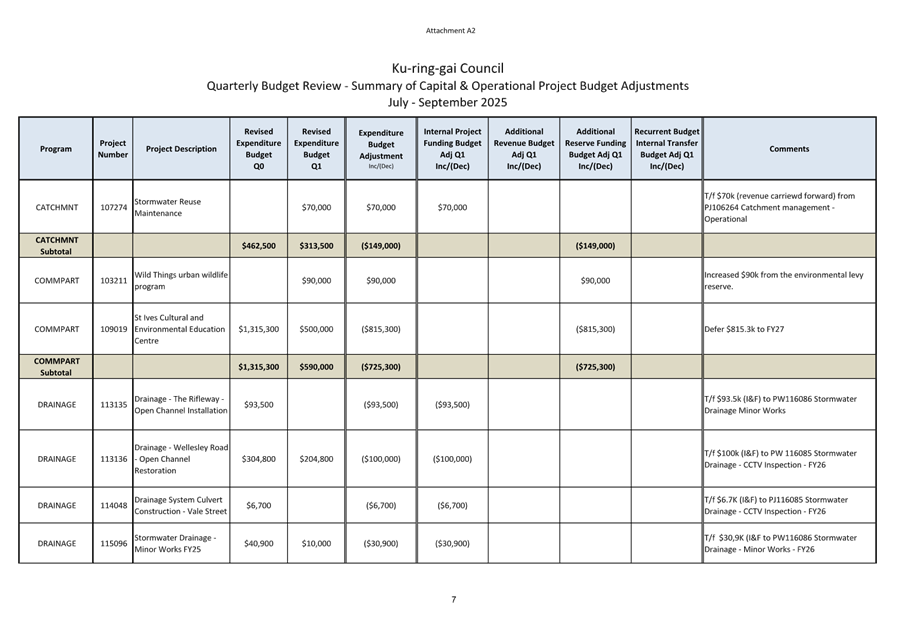
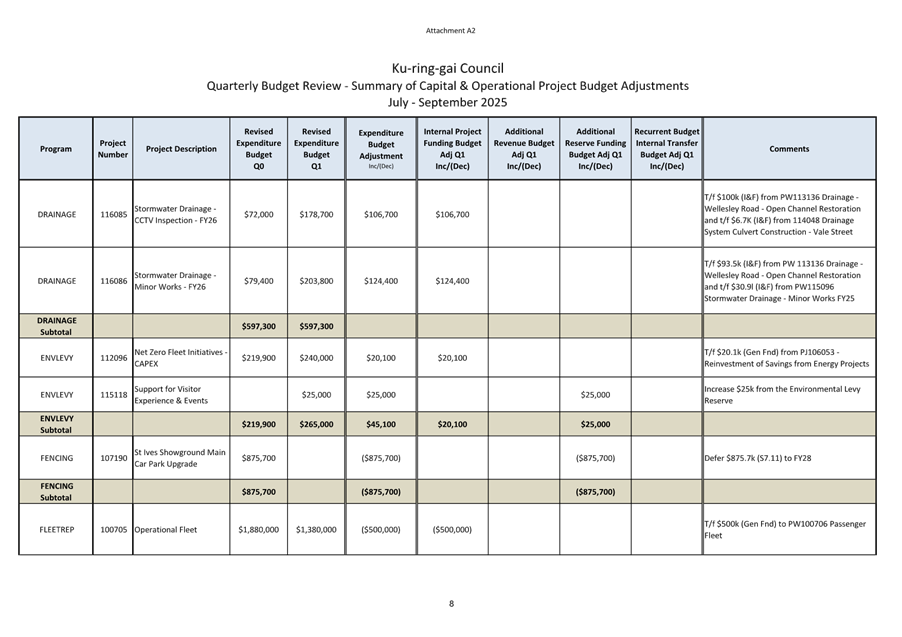
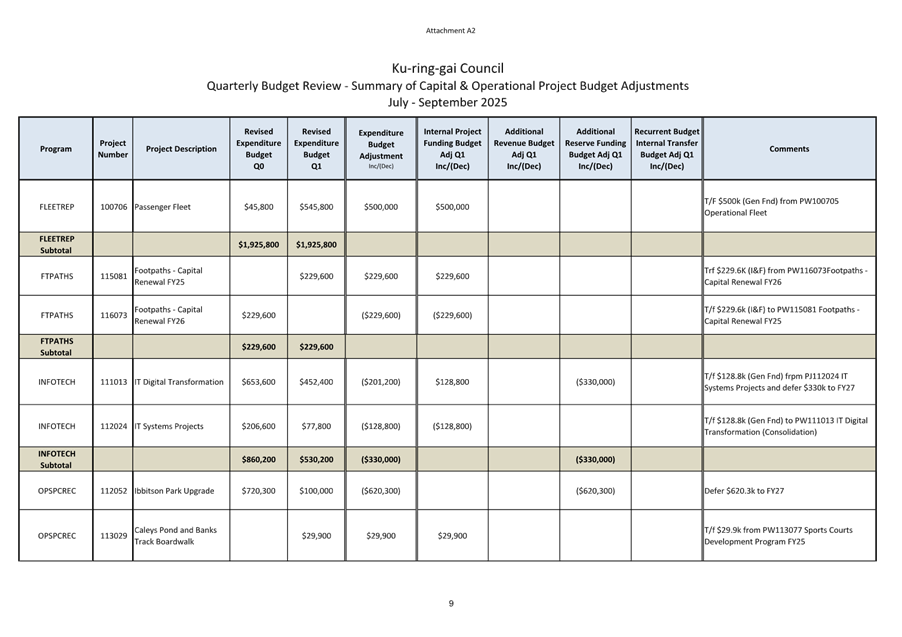
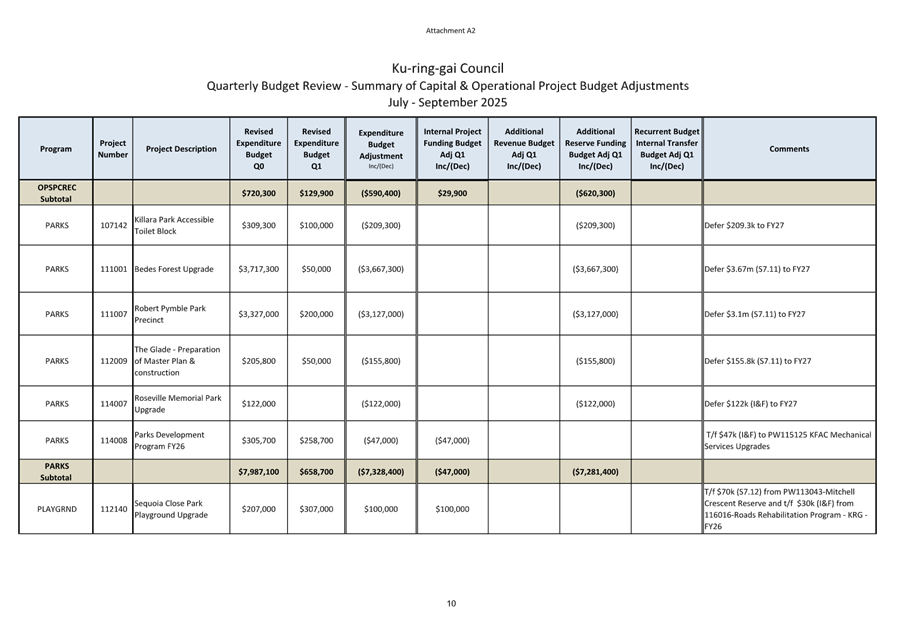
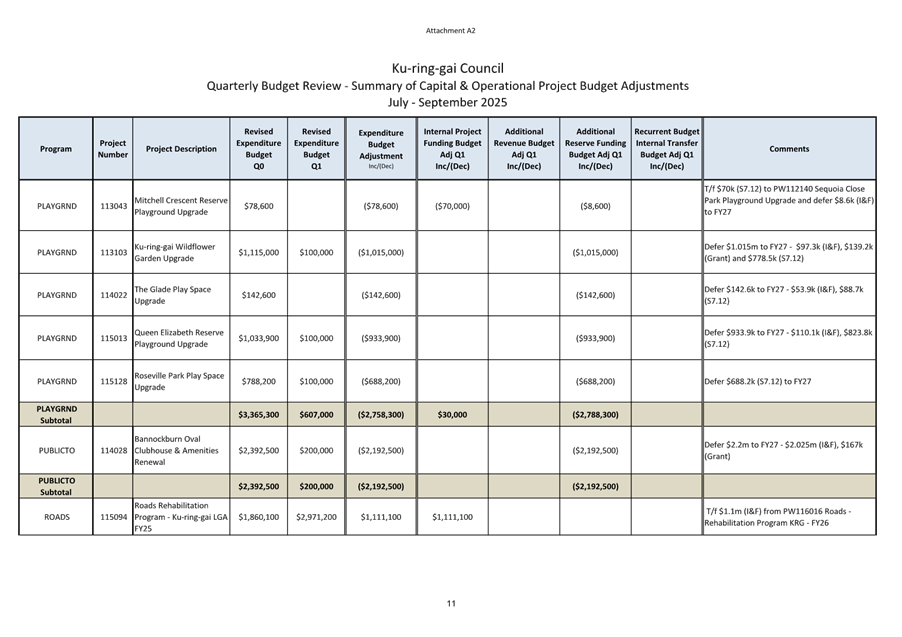
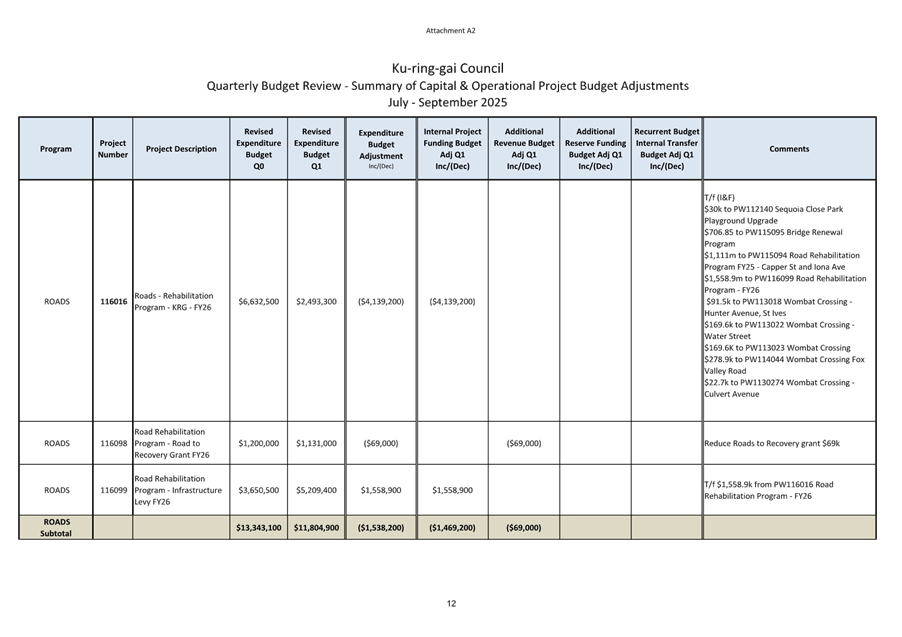
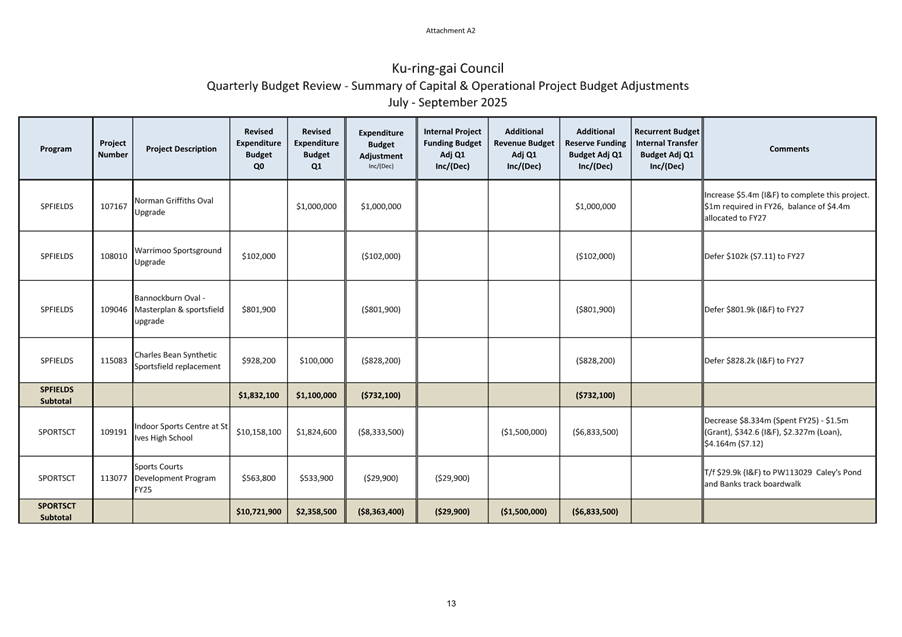
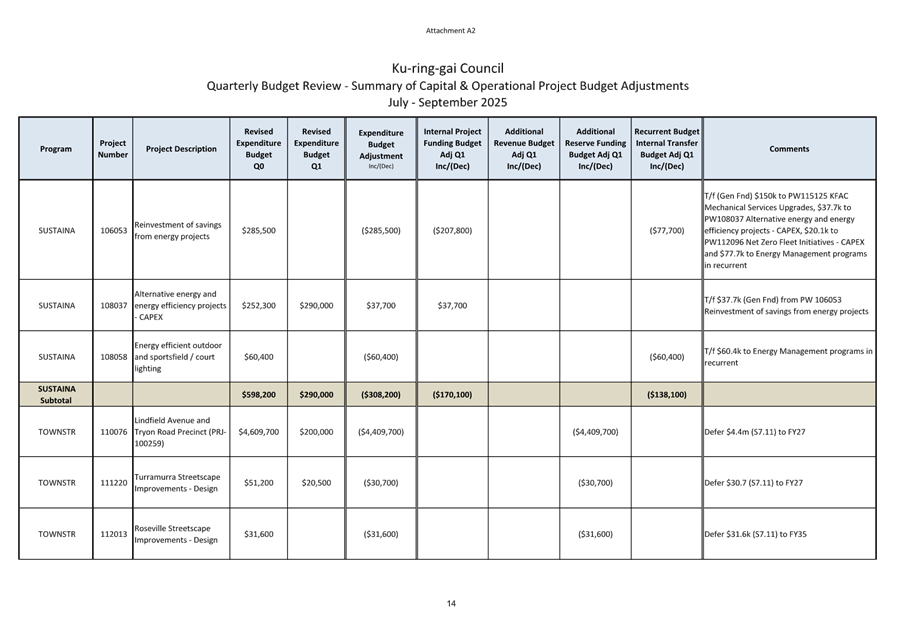
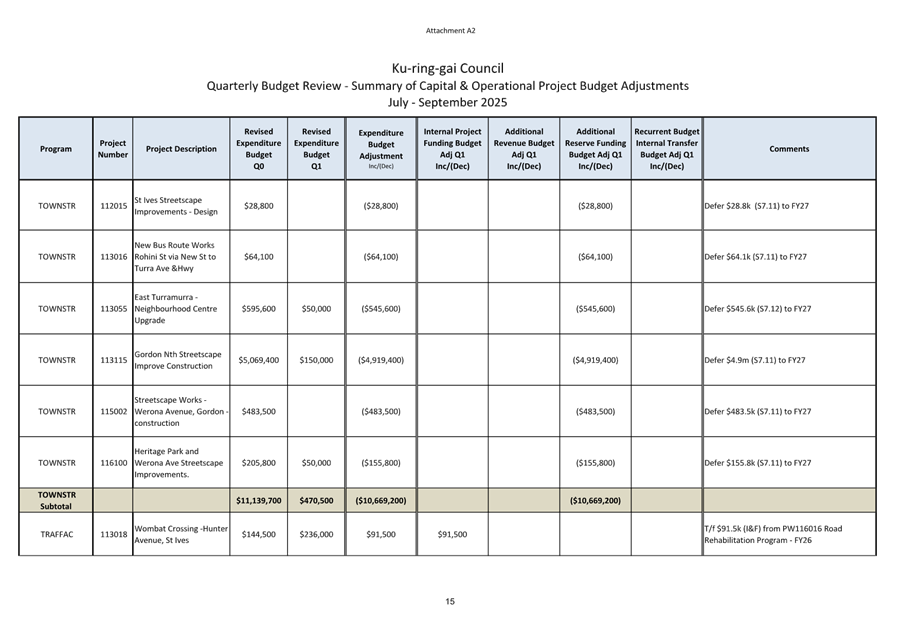
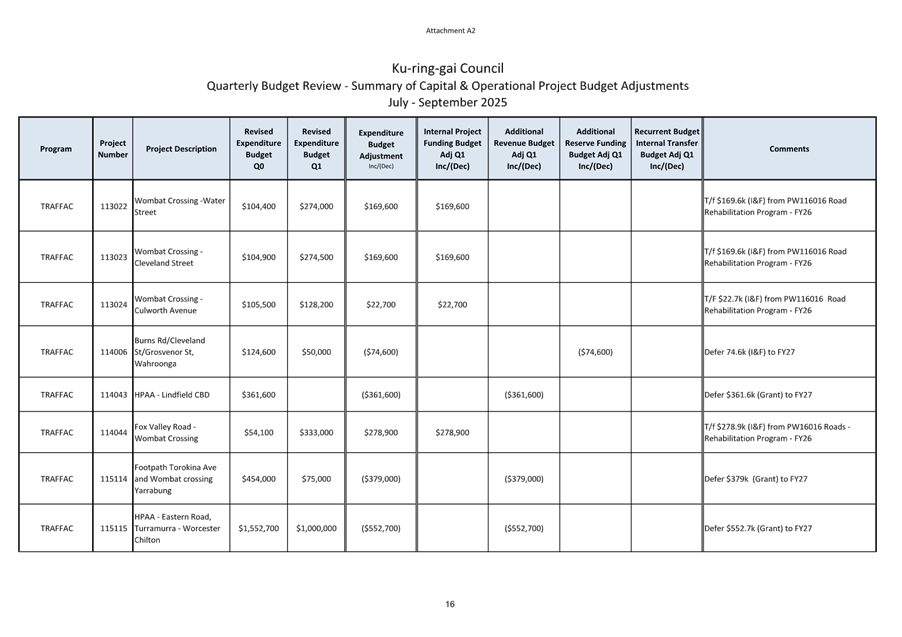
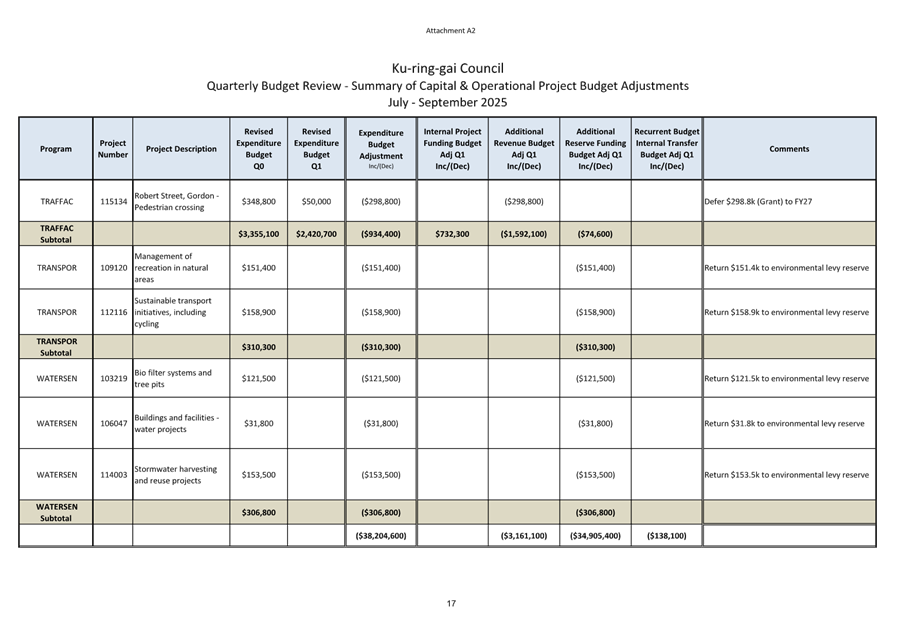
|
ATTACHMENT No: 3 - Attachment 3
- QBRS Statements - September 2025
|
|
Item No: GB.7
|
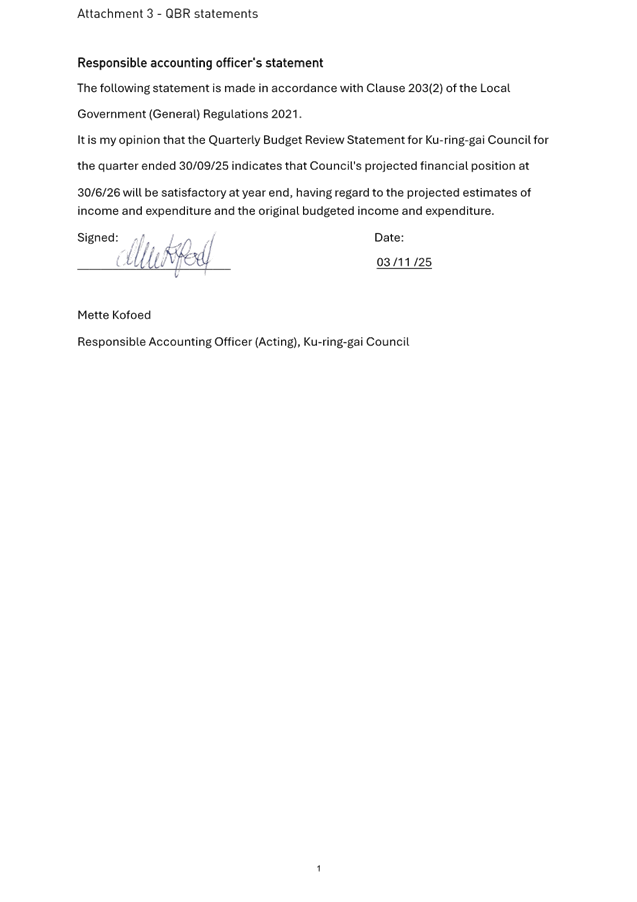
|
ATTACHMENT No: 4 - Attachment 4
- How to Read Your Quarterly Financial Overview
|
|
Item No: GB.7
|
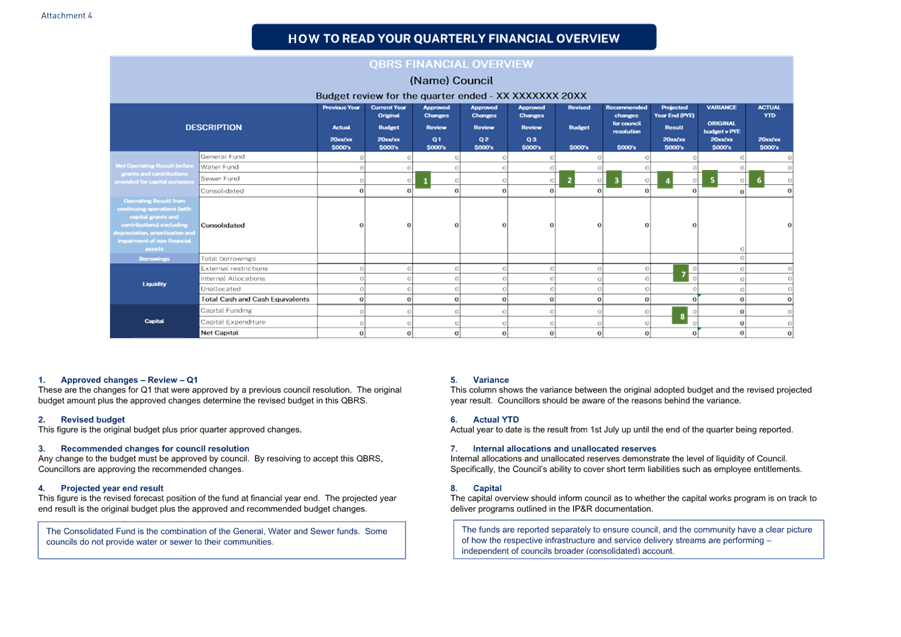
|
ATTACHMENT No: 5 - Attachment 5
- Quarterly Budget Review Statement Guidelines for Local Government
|
|
Item No: GB.7
|
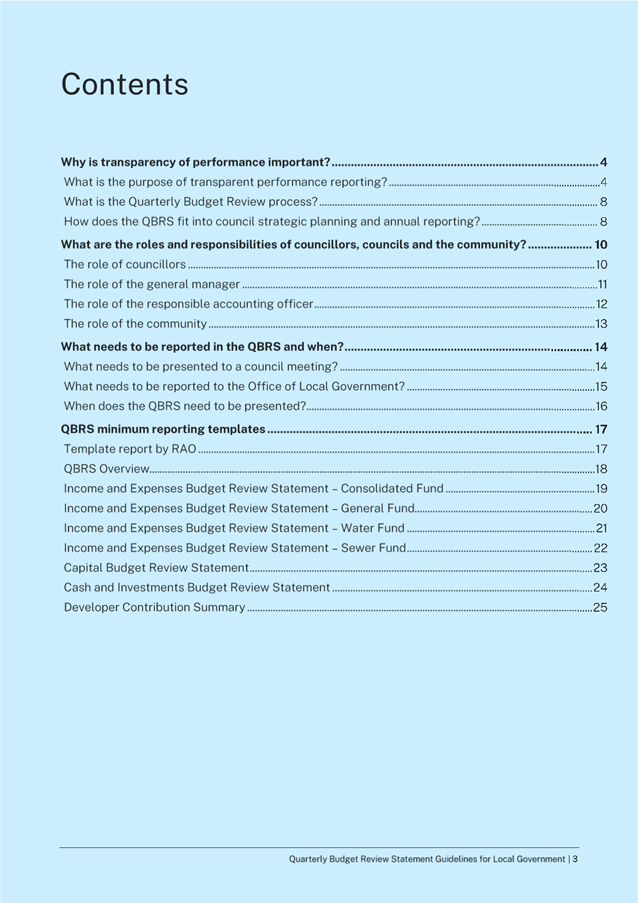
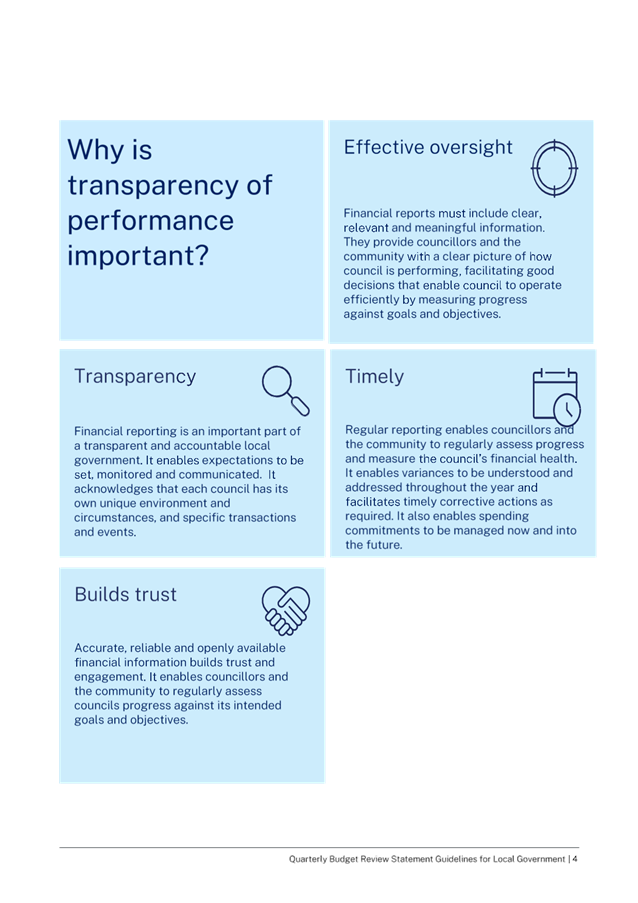
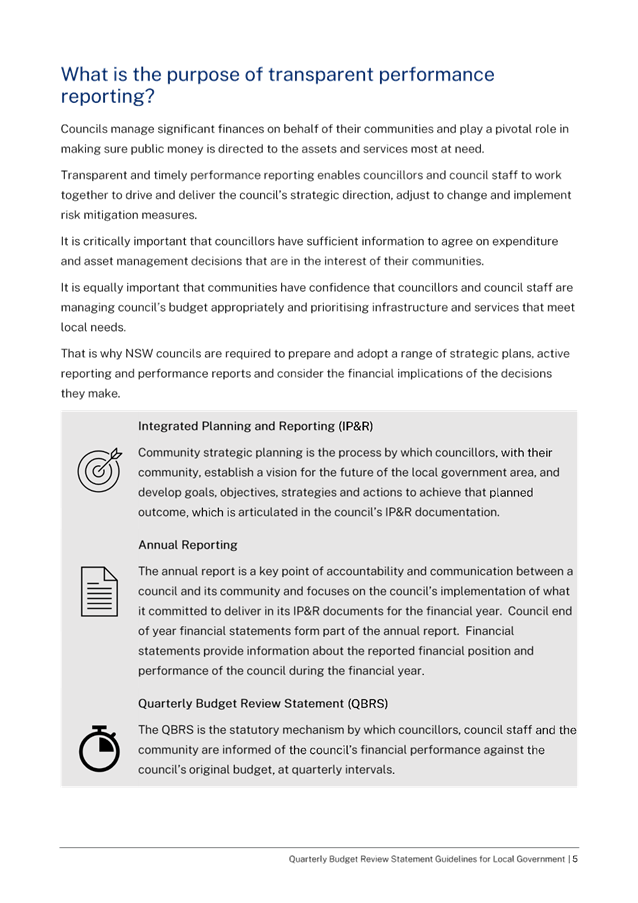
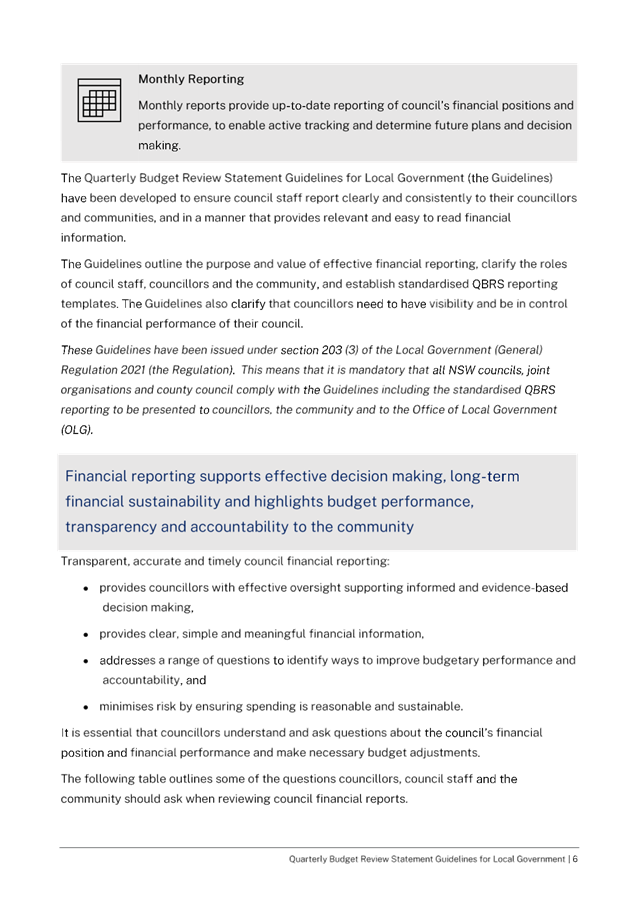
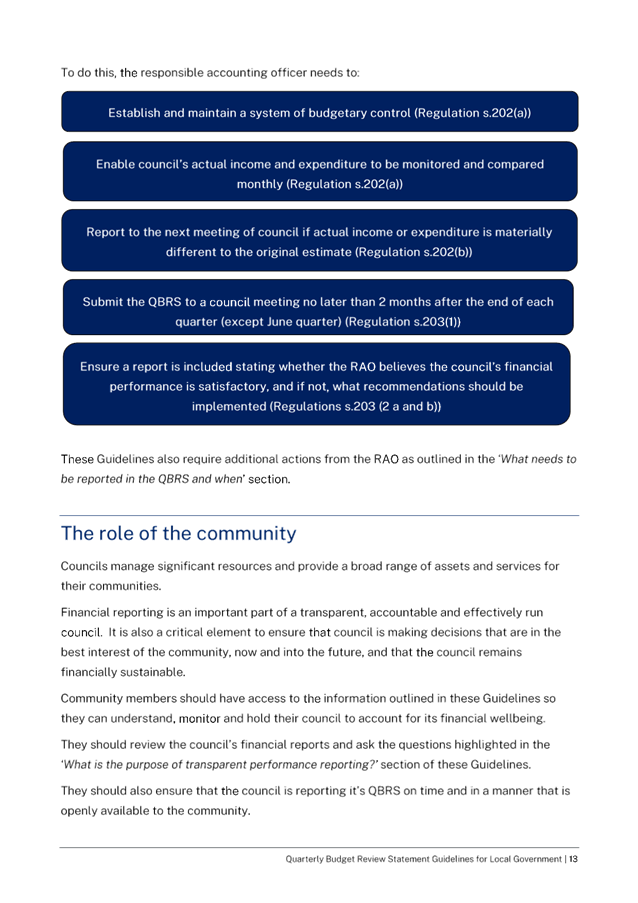
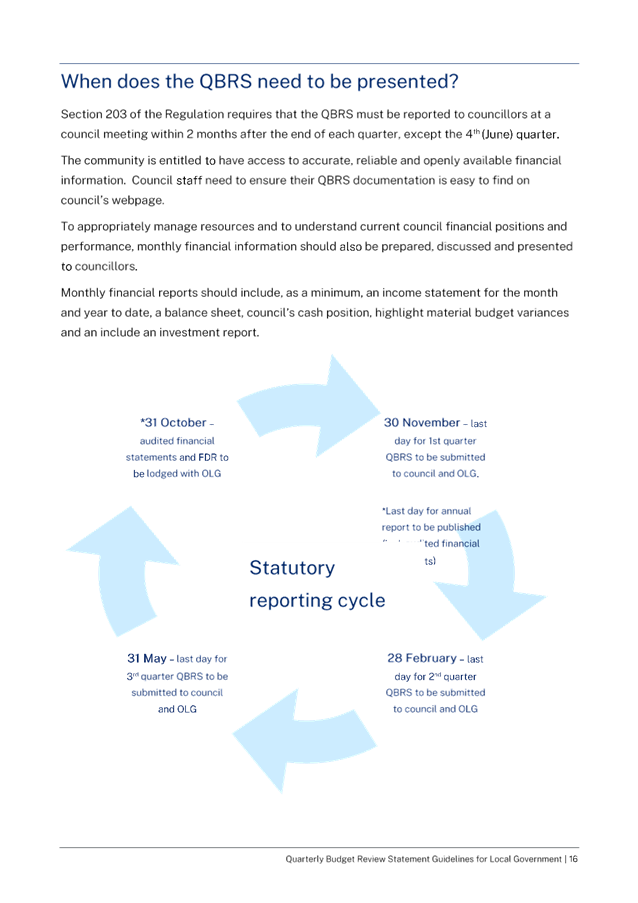
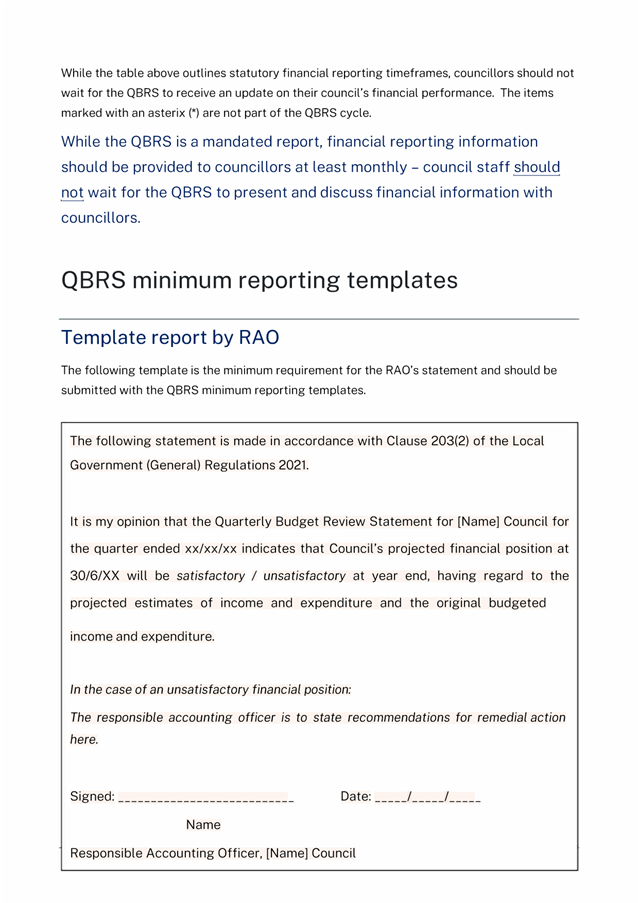
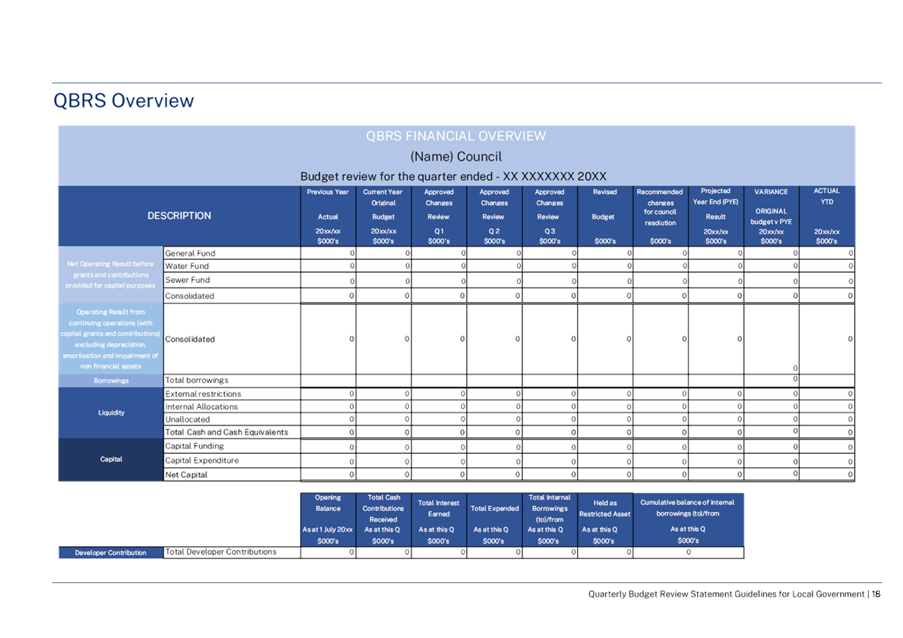
|
Ordinary
Meeting of Council - 18 November 2025
|
GB.8 / 1
|
|
|
|
|
Item
GB.8
|
CY00473/12
|
Review of Rates, Charges and Sundry Debts - Assistance
Concessions, and Recovery Policy
EXECUTIVE SUMMARY
|
purpose of report:
|
For Council to adopt the updated “Rates,
Charges and Sundry Debts - Assistance, Concessions and Recovery” Policy
|
|
|
|
|
background:
|
Council’ “Rates, Charges
and Sundry Debts – Assistance, Concessions and recovery” Policy
was adopted in November 2021 and is now due for review.
|
|
|
|
|
comments:
|
The intention of the policy is to
establish provisions for debt recovery, entitlement to concession for
Council’s rates, charges and sundry debts with assistance to debtors
facing financial hardship.
Council has reviewed and made minor
changes to the policy.
|
|
|
|
|
recommendation:
|
That the updated “Rates, Charges and Sundry Debts – Assistance, Concessions
and Recovery” Policy be adopted by Council.
|
Purpose of Report
For Council to adopt the updated “Rates,
Charges and Sundry Debts - Assistance, Concessions and Recovery” Policy
Background
Council adopted the
Policy in November 2021 and it is now due for review.
Comments
The purpose of this
policy is to document provisions for assistance in paying rates, charges and
sundry debts, entitlement to pensioner concessions and requirements for debt
recovery.
The objectives are to ensure efficient and
effective collection of Council rates, charges and sundry debt, while being
fair and equitable to all ratepayers and other debtors.
The Policy covers:
· Assistance in paying
rates and charges:
o Assistance by periodic payment
arrangements
o Assistance by writing off
accrued interest
· Pensioner
Concessions:
o Concessions (mandatory and
voluntary)
o Accruing Rates and charges
· Assistance due to
Land Valuation changes and financial hardship.
· Sundry Debtors.
· Debt Recovery.
The main provisions covered by the Policy
are:
Flexible Payment Plans: Ratepayers facing financial difficulty may request customised
payment
plans. Arrangements are assessed
individually, with consideration given to the applicant’s
circumstances and payment history.
Interest relief: Council may reduce or waive interest on overdue rates and charges
for eligible
applicants who demonstrate genuine hardship
and adhere to agreed payment arrangements.
Pensioner Concessions: Statutory rebates and additional voluntary concessions are available
to
eligible pensioners. This includes a
statutory concession of up to $250, which Council is required to
provide under the Local Government Act.
Council also provides an additional voluntary concession
which makes up 8.5% of total rates and
charges. In 2025/26, for the average pensioner, this amount is worth an
additional concession of $146.
Hardship Applications: Ratepayers experiencing financial hardship can apply for
assistance.
Applications are reviewed confidentially
and on a case-by-case basis, in line with Council’s policy
and legislative requirements. Council staff
will offer guidance and support through the hardship
application process
Debt Recovery and Support: Council’s approach to debt recovery prioritises fairness and
transparency, with a focus on supporting
ratepayers to meet their obligations while ensuring
responsible financial management.
Other provisions
Flexible Payment Solution Payble: Council introduced a new flexible payment solution
(“Payble”) for ratepayers. It enables ratepayers to easily set up
and manage payment plans for both current and overdue rates. The platform aims
to make paying rates more convenient, reduce the number of overdue accounts,
and lower administrative costs associated with payment processing.
Changes to the revised Policy
Council has reviewed the Policy and
proposed minor changes to the “Rates, Charges and Sundry Debts –
Assistance Concessions and Recovery” Policy which is attached to this
report (as Attachment 1) .
The amendments are provided below and are
also highlighted in yellow in the attached Policy.
|
Page
|
Section
|
Change
|
|
4
|
Purpose and Objectives
|
Added bullet point:
• Provide assistance to debtors and ratepayers facing genuine hardship
based on completed Financial Hardship Application form available from Council
website https://www.krg.nsw.gov.au
|
|
5
|
Assistance in Paying Rates and Charges
|
Added "capacity to pay,
disposable income" within the following statement:
“Arrangements are at the discretion
of Council and on terms that take into account the particular circumstances, capacity
to pay, disposable income and payment history of the ratepayer.
Ratepayers may be asked to provide information to verify reasons for seeking
an arrangement.”
|
|
5
|
Assistance in Paying Rates and Charges
|
Added bullet point:
• The onus is on the ratepayer to contact Council on a timely basis
when they are having difficulty making payment of rates and charges by the
due date, however Council will also make reasonable effort to contact
ratepayers and negotiate a mutually acceptable resolution prior to debt
recovery.
|
integrated
planning and reporting
Leadership
and Governance
|
Community
Strategic Plan Long Term Objective
|
Delivery
Program
Term
Achievement
|
Operational
Plan
Task
|
|
Ku-ring-gai is well led, managed and
supported by ethical organisations which deliver projects and services to the
community in listening, advocating and responding to their needs.
|
Council’s Governance framework is
developed to ensure probity, transparency and the principles of
sustainability are integrated and applied into our policies, plans,
guidelines and decision-making processes.
|
Compliance with the requirements of
relevant Acts and Regulations.
|
Governance
Matters
The Local
Government Act provides for the legal framework for how councils set and levy
rates and charges each year and recover debt from overdue rates and charges.
The
implementation of the Rates, Charges and Sundry Debts – Assistance,
Concessions and Recovery Policy seeks to comply with all legislative
requirements including the Local Government Act and Local Government Regulation
2005.
Risk
Management
This Policy
has been developed to manage debt collection from outstanding rates, charges
and other non-rates debt and limit that risk of non-collection of debt from
these charges.
Financial
Considerations
This Policy
aims to ensure an efficient and effective collection
and recovery of outstanding debts and secure Council’s income from rates,
charges and other sundry debts.
Social
Considerations
This Policy aims to be fair and equitable
to ratepayers and other debtors.
Environmental
Considerations
Nil.
Community
Consultation
The change is minor and does not require
consultation on the revised Policy.
Internal
Consultation
This Policy
was endorsed by the General Manager and Directors.
Summary
Council’s “Rates, Charges and
Sundry Debts – Assistance, Concessions and Recovery” Policy was
adopted in November 2021 and updated with minor changes.
Recommendation:
That the updated “Rates, Charges and Sundry Debts – Assistance, Concessions and Recovery Policy” be adopted.
|
Angela Apostol
Director Corporate
|
Mette Kofoed
Acting Manager Finance
|
|
Attachments:
|
A1⇩
|
Controlled
Document Number 184 - Rates, Charges and Sundry Debts - Assistance,
Concessions and Recovery Policy - Version 2 - Draft
|
|
2025/368198
|
|
ATTACHMENT No: 1 - Controlled
Document Number 184 - Rates, Charges and Sundry Debts - Assistance,
Concessions and Recovery Policy - Version 2 - Draft
|
|
Item No: GB.8
|
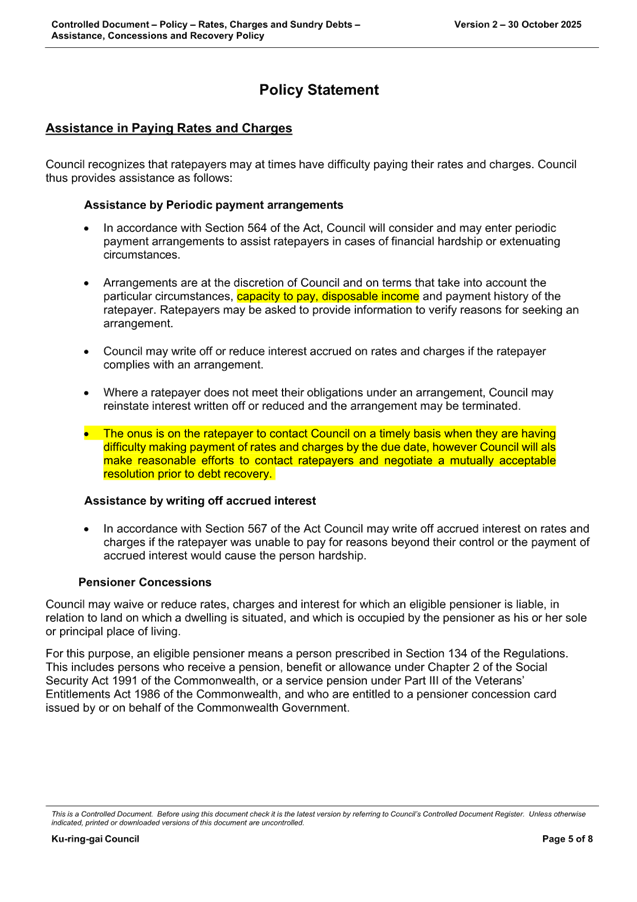
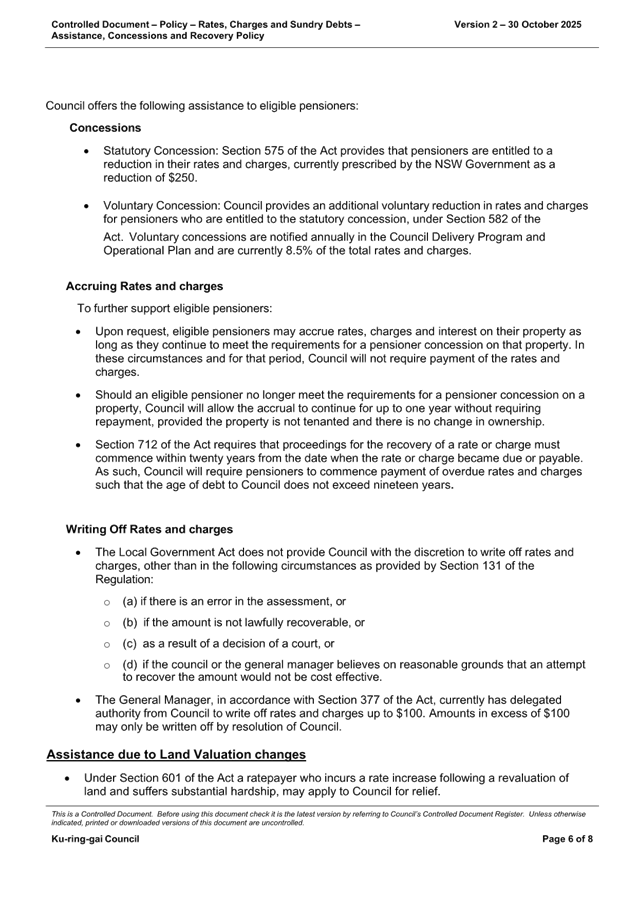
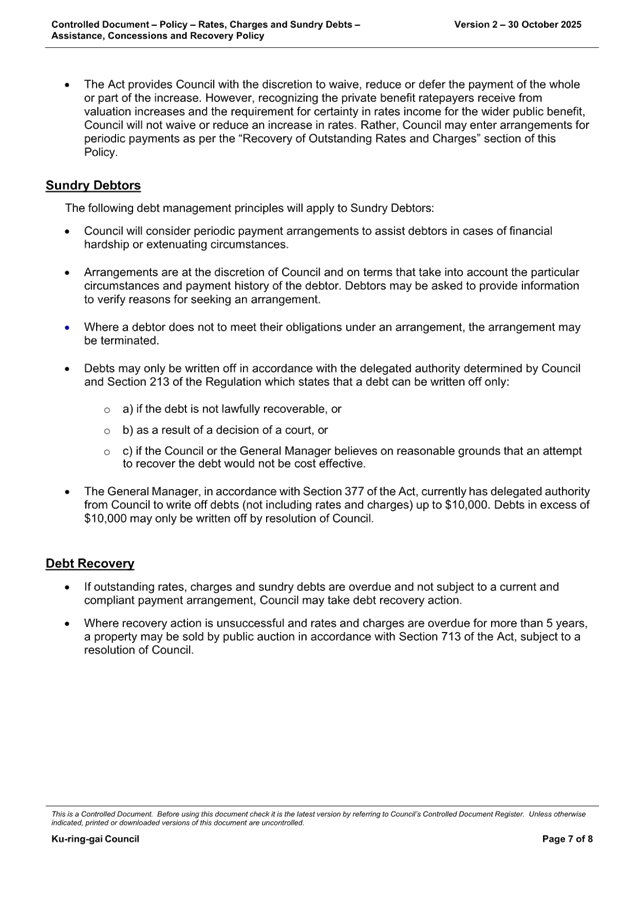
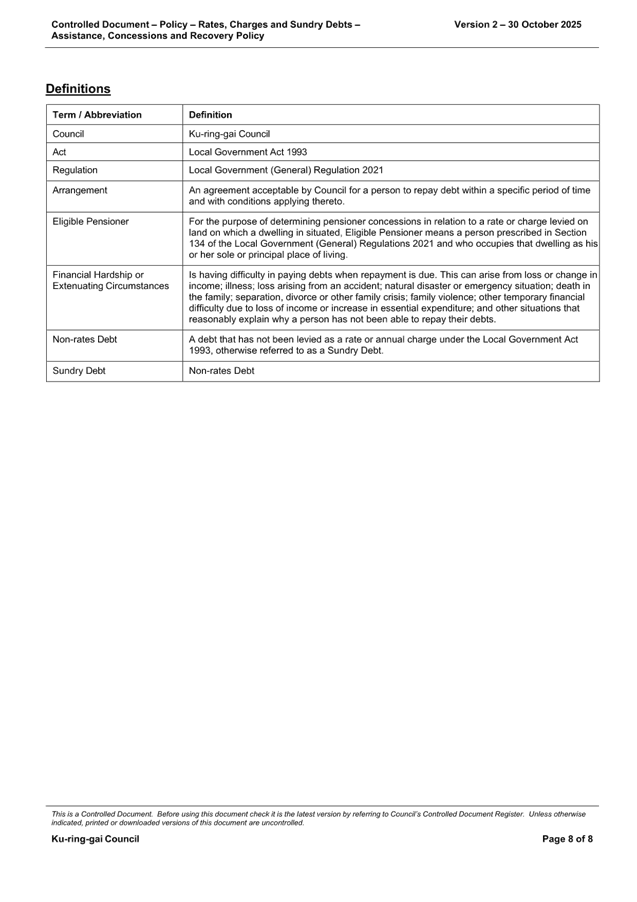
|
Ordinary
Meeting of Council - 18 November 2025
|
GB.9 / 1
|
|
|
|
|
Item
GB.9
|
EM00046/10
|
Ku-ring-gai Council Meeting and Public Forum Dates for 2026
EXECUTIVE SUMMARY
|
purpose of report:
|
To set Council
Meeting and Public Forum dates for 2026.
|
|
|
|
|
background:
|
Section 365 of the
Local Government Act 1993 (the Act) requires that Council meet at least
10 times per year, each time in a different month.
The dates set for
2026 attempt to avoid school holidays, public holidays and other events that
may make attendance for Councillors and/or the public difficult.
Where possible,
it is Council’s practice to set Public Forums on the second Tuesday of
each month and Ordinary Meetings of Council on the third Tuesday of each
month.
|
|
|
|
|
comments:
|
A Council Meeting
and Public Forum Calendar for 2026 has been prepared for consideration.
|
|
|
|
|
recommendation:
|
That Council
adopt the proposed Council Meeting and Public Forum dates for 2026.
|
Purpose of Report
To set Council Meeting
and Public Forum dates for 2026.
Background
Section 365 of the Local
Government Act 1993 (the Act) requires that Council meet at least 10 times per
year, each time in a different month.
The dates set for 2026
attempt to avoid school holidays, public holidays and other events that may
make attendance for Councillors and/or the public difficult.
Where possible, it is
Council’s practice to set Public Forums on the second Tuesday of each
month and Ordinary Meetings of Council on the third Tuesday of each month.
Comments
The proposed scheduled
meeting cycle for 2026 is as follows:
|
Council meeting
|
Governance
and Council business on the agenda (indicative and subject to change)
|
|
February
2025
|
· Quarterly Budget report
· National General Assembly of Local
Government - Call for Motions
· Report on Mayoral donations
|
|
10 February 2026
|
Public Forum
|
·
| 17 February 2026 |
Ordinary Meeting
of Council
|
·
| March |
· Performance report (Delivery Program and
Operational Plan)
|
|
10 March 2026
|
Public Forum
|
·
| 17 March 2026 |
Ordinary Meeting
of Council
|
·
| April |
· Long Term Financial Plan, Delivery
Program and Operational Plan for public exhibition
|
|
21 April 2026
|
Public Forum
|
·
| 28 April 2026 |
Ordinary Meeting
of Council
|
·
| May |
· Quarterly Budget report
· Adoption of Agency Information Guide
(GIPA Act)
|
|
12 May 2026
|
Public Forum
|
·
| 19 May 2026 |
Ordinary Meeting
of Council
|
·
| June |
· Long Term Financial Plan, Delivery
Program and Operational Plan for adoption
· Mayor and Councillor Fees - Local
Government Remuneration Tribunal Determination
|
|
9 June 2026(*)
|
Public Forum
|
·
| 16 June 2026 (*) |
Ordinary Meeting
of Council
|
·
| July |
|
|
21 July 2026
|
Public Forum
|
·
| 28 July 2026 |
Ordinary Meeting
of Council
|
·
| August |
· Performance report (Delivery Program and
Operational Plan)
· Local Government NSW Annual Conference -
Call for Motions
|
|
11 August 2026
|
Public Forum
|
·
| 18 August 2026 |
Ordinary Meeting
of Council
|
·
| September |
· Draft financial statements prior to
submission to auditor
· Mid-term election of the Mayor and Deputy
Mayor
|
|
8 September 2026
|
Public Forum
|
·
| 15
September 2026 |
Ordinary Meeting of Council
|
·
| October |
· Audited financial statements
· Disclosures of Interest (Code of Conduct)
|
|
13 October 2026
|
Public Forum
|
·
| 20 October 2026 |
Ordinary Meeting
of Council
|
·
| November |
· Quarterly Budget report
· Community Grants Program
· Tabling of Annual Report
· Council Meeting and Public Forum dates
for the following year
|
|
10 November 2026
|
Public Forum
|
·
| 17 November 2026 |
Ordinary Meeting
of Council
|
·
| December |
· Report to Council on complaint statistics
|
|
8 December 2026
|
Public Forum
|
·
| 15 December 2026 |
Ordinary Meeting
of Council
|
·
| February 2026 |
|
|
9 February 2027
|
Public Forum
|
·
| 16 February 2027 |
Ordinary Meeting
of Council
|
·
|
|
|
|
*
This date may clash with the 2026 National General Assembly (dates yet to be
confirmed).
The school holiday
periods for 2026, public holidays and other potential conflicts in relation to
the 2nd and 3rd Tuesday of the month are outlined below:
· April: The proposed schedule moves the Public
Forum and Council meeting later in the month to avoid school holidays (from 7
April 2026 to 17 April 2026).
· June: Dates for the 2026 National General
Assembly (NGA) and Regional Forum of Local Government Conference have not yet
been announced, though the NGA is usually held in June.
· July: The proposed schedule moves the Public
Forum and Council meeting later in the month to avoid school holidays (from
6-17 July 2026).
· November: The dates for the 2026 LGNSW Annual
Conference are yet to be confirmed, but it is generally held in late November.
· December: The school holiday period is from 18
December 2026 – 27 January 2027. It is proposed that Council would be in
recess from 16 December until 1 February 2027.
integrated planning and reporting
|
Community
Strategic Plan Strategy
|
Delivery
Program
Term
Achievement
|
Operational
Plan
Action
|
|
L1: Provide strong and ethical civic
leadership to ensure good governance and build and maintain trust and
confidence within the community.
|
L1.2: Council's governance framework
supports probity, transparency, compliance with legislative requirements and
a culture of ethical conduct and informed decision-making.
|
L1.2.5: Review and update Council's
policy and procedures for the conduct of Council meetings, public forums and
committees in line with Office of Local Government requirements
|
Governance Matters
Section 365 of the Act requires Council to meet at least
10 times per year, each time in a different month and this schedule of
meetings will fulfil this requirement. This meeting schedule has also been
developed in line with Council’s Code of Meeting Practice.
Risk Management
This report ensures compliance with Council’s
statutory obligations under the Act and Regulations in respect to Council
meetings.
Financial Considerations
Funding to support the meeting schedule is included in the
existing operational budget.
Social Considerations
Council meetings provide an open and transparent public
forum where the decisions of Council are made. Providing the schedule of
meeting dates in advance provides the community with certainty and opportunity
for engagement.
Environmental Considerations
There are no adverse environmental impacts arising from
this report.
Community Consultation
Nil
Internal Consultation
Nil
Summary
Section 365 of the Act requires that Council meet at least
10 times per year, each time in a different month. Council’s practice is
to set Public Forums on the second Tuesday of each month and Ordinary Meetings
of Council on the third Tuesday of each month. The dates set for 2026 attempt
to avoid school holidays, public holidays and other events that may make
attendance for Councillors and/or the public difficult. A Council Meeting and
Public Forum cycle for 2026 has been prepared for consideration.
Recommendation:
That Council adopt the following Meeting
dates for 2026:
· February 2026
o 10
February Public Forum
o 17
February Ordinary
Meeting of Council
· March
o 10
March Public
Forum
o 17
March Ordinary
Meeting of Council
· April
o 21
April Public
Forum
o 28
April Ordinary
Meeting of Council
· May
o 12
May Public
Forum
o 19
May Ordinary
Meeting of Council
· June
o 9
June Public
Forum
o 16
June Ordinary
Meeting of Council
· July
o 21
July Public
Forum
o 28
July Ordinary
Meeting of Council
· August
o 11
August Public
Forum
o 18
August Ordinary
Meeting of Council
· September
o 8
September Public Forum
o 15
September Ordinary Meeting of Council
· October
o 13
October Public
Forum
o 20
October Ordinary
Meeting of Council
· November
o 10
November Public Forum
o 17
November Ordinary Meeting of Council
· December
o 8
December Public Forum
o 15
December Ordinary Meeting of Council
· February 2027
o 9
February Public
Forum
o 16
February Ordinary
Meeting of Council
|
Eliza Gilbank-Heim
Governance Support Officer
|
|
|
Ordinary
Meeting of Council - 18 November 2025
|
GB.10 / 1
|
|
|
|
|
Item
GB.10
|
FY00561/14
|
Ku-ring-gai Council Annual Report 2024-2025
EXECUTIVE SUMMARY
|
purpose of report:
|
To seek Council
endorsement of the draft Annual Report for 2024–2025.
|
|
|
|
|
background:
|
Council is required to prepare, endorse and publish an
annual report to the community on its activities for the 2024/25 financial
year by 30 November.
The Annual Report
is one of the key accountability mechanisms between Council and the community
and has been prepared in accordance with statutory requirements and
guidelines.
|
|
|
|
|
comments:
|
The Annual Report provides details of Council’s
performance during the 2024/25 financial year including achievements and
challenges. The report includes Council’s audited Financial Statements
for the year, presented in a separate document, as well as information
required by the Local Government Act Regulations.
The Office of
Local Government (OLG) statutory guidelines for preparation of Integrated
Planning & Reporting (IP&R) documents require Council to endorse the
Annual Report prior to its publication and notification to the Minister.
|
|
|
|
|
recommendation:
(Refer to the full Recommendation at the
end of this report)
|
That Council:
A. Endorse the Annual Report 2024-2025, subject to final proofing and editing.
B. Note that the report will be published by 30 November 2025, and notified
to the Minister (by providing a link to the Annual Report to the Office of
Local Government).
|
Purpose of Report
To seek Council
endorsement of the draft Annual Report for 2024–2025.
Background
Section 428 of
the Local Government Act 1993 and associated regulations and
guidelines require Council to prepare, endorse and publish an annual report to
the community on its activities for the preceding financial year. The
regulations and guidelines specify the information that must be included in the
report.
The Annual Report
provides information on Council’s achievements in implementing its
Delivery Program through the annual Operational Plan and reports on the
progress of key activities during the year.
The report also
includes Council’s adopted audited Financial Statements, prepared in
accordance with the Code of Accounting Practice and Financial Reporting, and
any information required by regulation or guidelines. Similar to previous
years the Annual Financial Statements will be published as a separate part to
the Annual Report to facilitate access and readability by the community.
The Annual report
must be published on Council’s website and provided to the Minister by 30
November.
COMMENTS
The Annual Report,
also included as Attachment A1 to this report, corresponds
to the third and final year of Council’s previous Delivery Program
2022-2026 and Operational Plan 2024-2025.
The report has
been prepared in accordance with legislative compliance requirements and the
OLG statutory guidelines.
The
figure for ‘Achieved Performance Indicators’ has been updated from
the previously reported 83% (June biannual report) to 79%. The updated figure
reflects the inclusion of five (5) financial performance indicator results
available following preparation of Council’s 2024-25 Financial Statements.
More accurate data has also become available during the reporting period with a
further review of results for certain indicators.
Council’s Audited Financial Statements for the year ended 30
June 2025 and Auditor’s report from the Audit Office of NSW were received
by Council at its Ordinary Meeting on 21 October 2025. They will be published
as a separate part to the Annual Report.
integrated
planning and reporting
Outcome 5 – Leadership and Service
Excellence
|
Community
Strategic Plan Long Term Objective
|
Delivery
Program
Term
Achievement
|
Operational
Plan
Task
|
|
L1: Provide strong and ethical civic
leadership to ensure good governance and build and maintain trust and
confidence within the community.
|
L1.1: The Community Strategic Plan drives
delivery of community priorities through effective strategic planning,
prioritisation, advocacy, partnerships and reporting to the community on
performance.
|
L1.1.2: Update
reports and supporting system to deliver clear and comprehensive reporting to
councillors and the community on performance and delivery.
|
Governance
Matters
Section 428 of the Local Government Act
requires Council to prepare and publish an annual report on its activities to
the community for the preceding financial year. The Act, regulations and
statutory IP&R guidelines specify the information that must be included in
the annual report as well as the timeframe for Council’s endorsement and
publication on its website.
Amendments
made to the NSW Local Government (General) Regulation 2021 required
all councils to have a risk management framework, an internal audit function
and to prescribe membership requirements for audit risk and improvement
committees from 1 July 2024. Councils must also attest to their compliance
with the requirements in their annual reports, commencing with the 2024/25
Annual Report. Council’s internal audit and risk
management attestation statement for
the 2024/25 financial year is included as Appendix 1 in the Annual Report. The
attestation statement for 2024/25 was endorsed by Council’s Audit
Risk and Improvement Committee (ARIC) in September 2025.
Risk
Management
There are no material
risks that arise from the recommendations contained in this report. Minor
issues may occur, but these can be managed within Council’s current
policies, procedures, resources and budget.
Financial
Considerations
There
are no direct financial considerations associated with the adoption of the
recommendations contained within this report. Final audited Financial
Statements for 2024/25 are required to be included as part of the Annual
Report.
Internal
Consultation
Staff across all
departments within the organisation contributed to the preparation of the
Annual Report. Relevant managers have signed off or are providing a final
review of content in the report.
Summary
Council is
required to prepare, endorse and publish an annual report to the community on
its activities for the preceding financial year. This Annual Report
2024-2025 includes information required to be provided to the community under
the Act, Regulations and statutory IP&R Guidelines. Final proofing of the
document will be undertaken prior to publication at the end of November.
Council’s
Audited Financial Statements for the year ended 30 June 2025 and
auditor’s report from the Audit Office of NSW were received by Council at
its Ordinary Meeting on 21 October 2025. They will be published as a separate
part to the Annual Report.
Recommendation:
That Council:
A. Endorse the Annual Report 2024-2025, subject to final proofing and editing.
B. Note that the report will be published by 30 November 2025, and
notified to the Minister (by providing a link to the Annual Report to the
Office of Local Government).
|
Helen Lowndes
Integrated Planning Coordinator
|
Christopher M Jones
Manager Governance and Corporate
Strategy
|
|
Mette Kofoed
Acting Manager Finance
|
Kim Thomas
Corporate Planner
|
|
Cindy Venables
Corporate Planner
|
|
|
Attachments:
|
A1⇩
|
Ku-ring-gai
Annual Report 2024-2025
|
|
2025/365275
|
|
ATTACHMENT No: 1 - Ku-ring-gai Annual Report 2024-2025
|
|
Item
No: GB.10
|




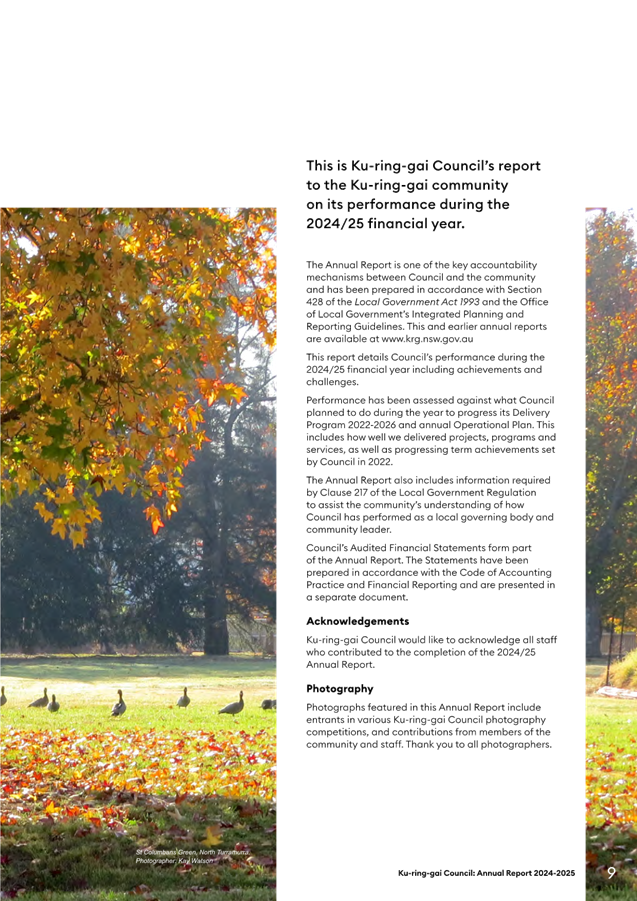
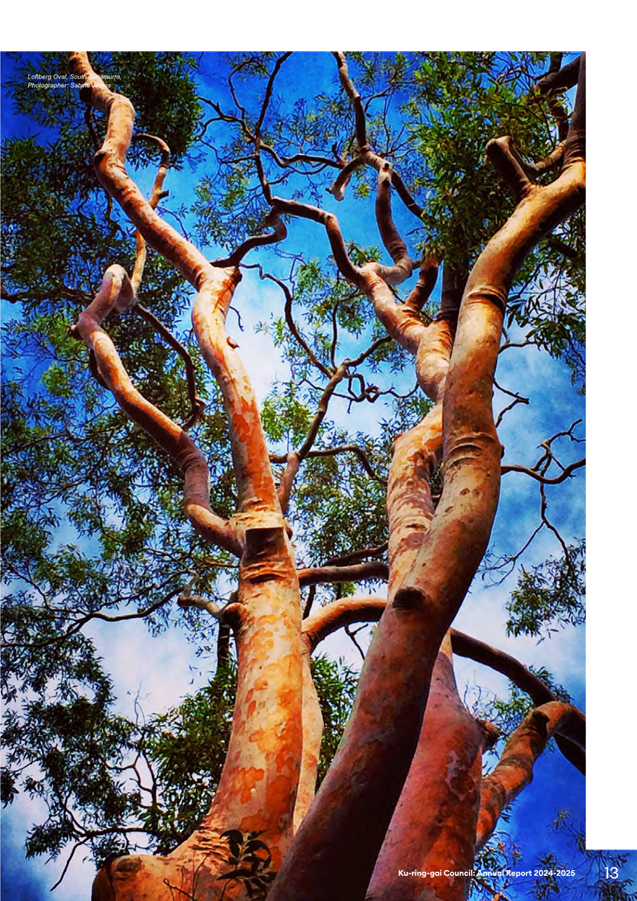
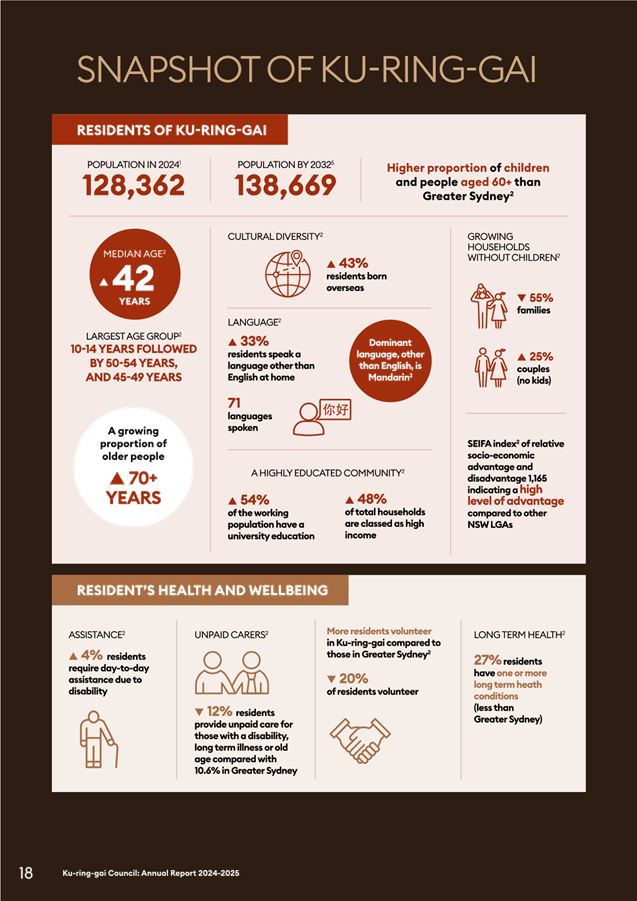
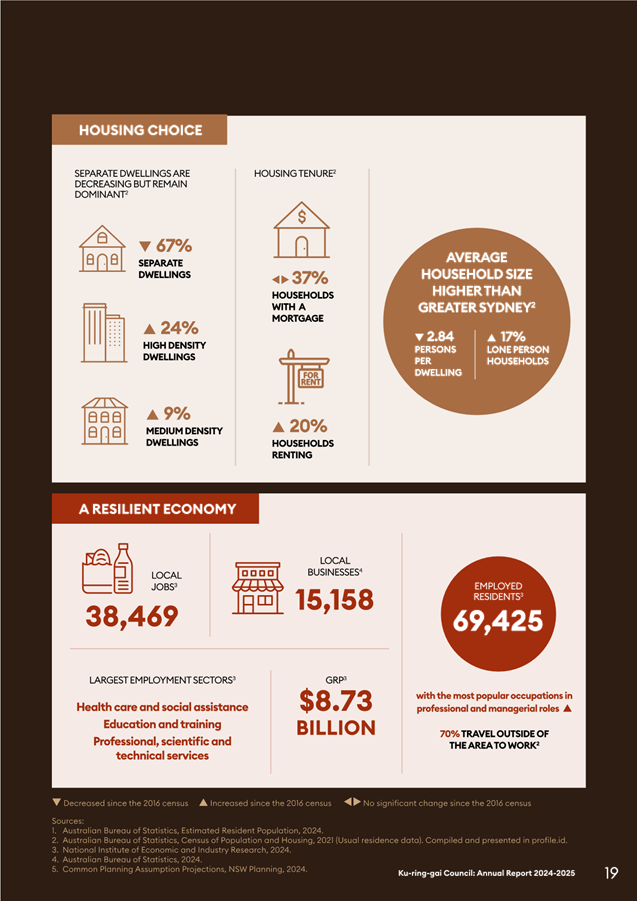
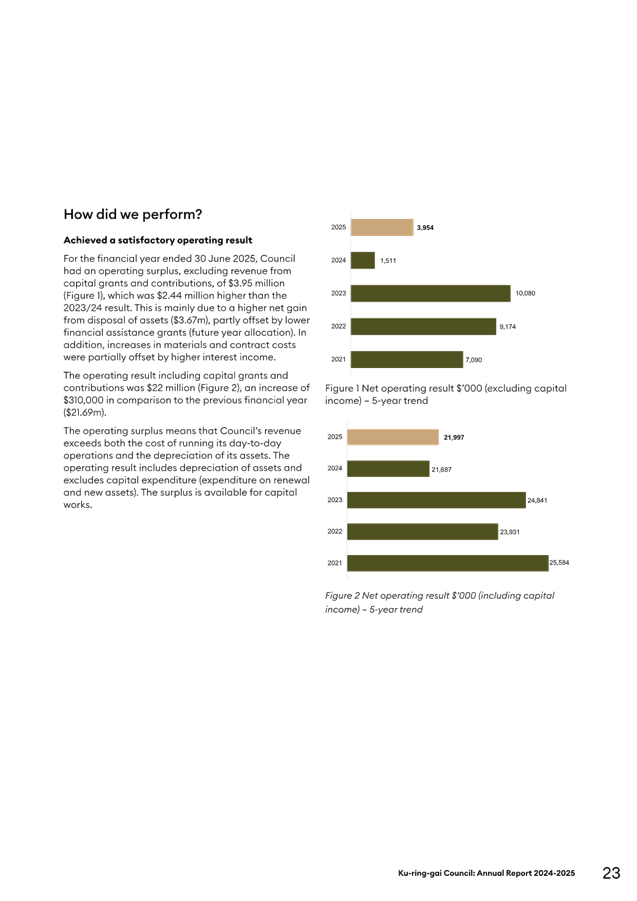
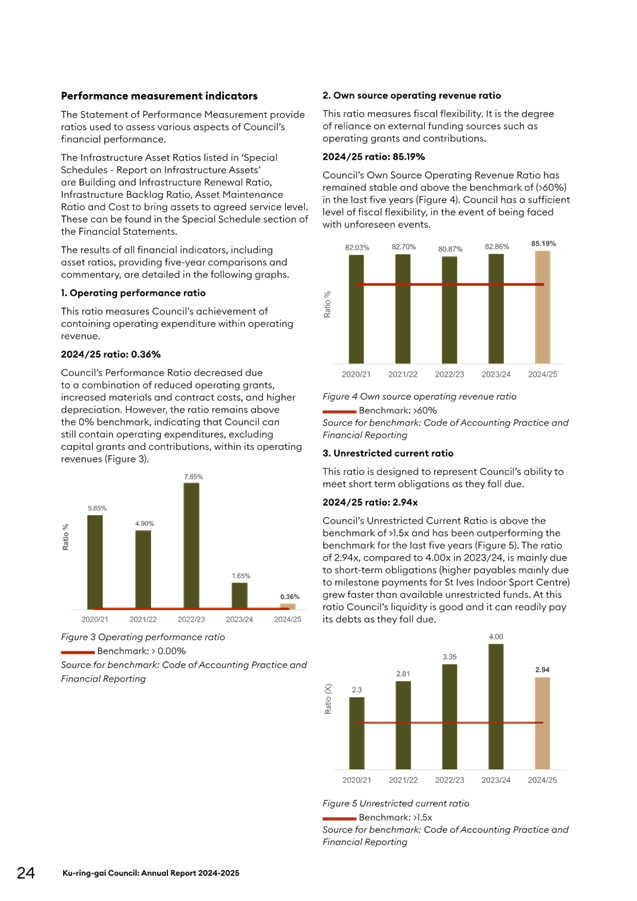
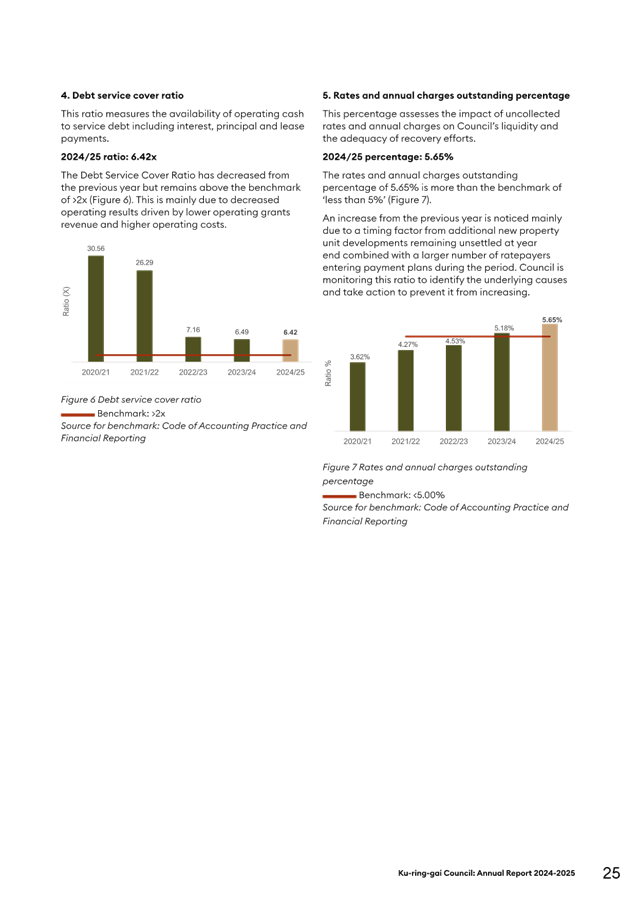
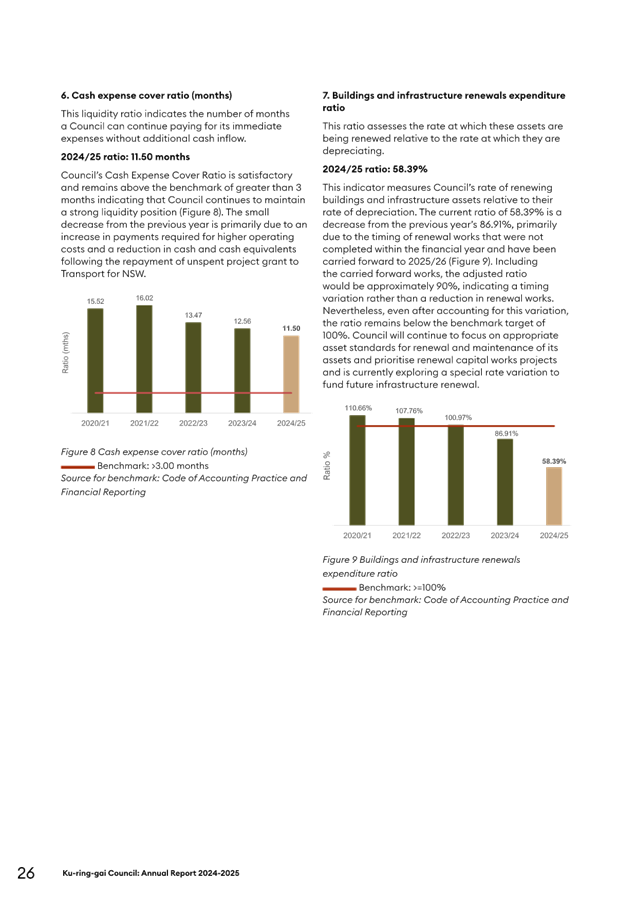
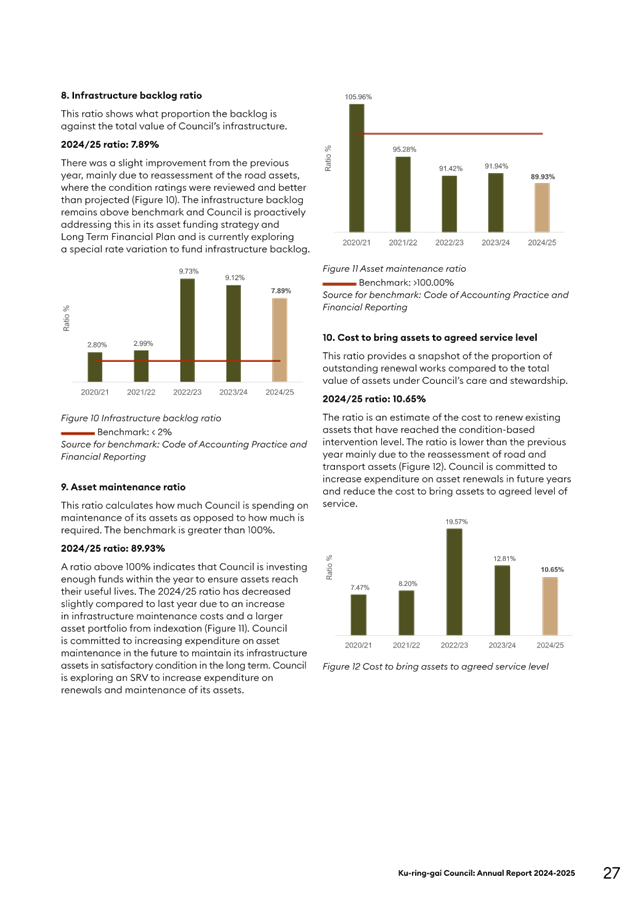
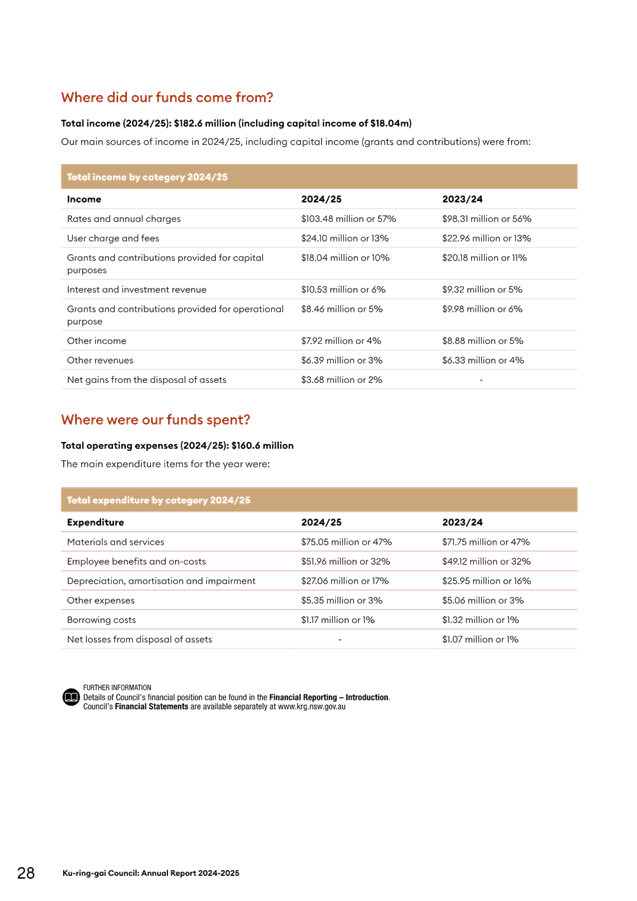

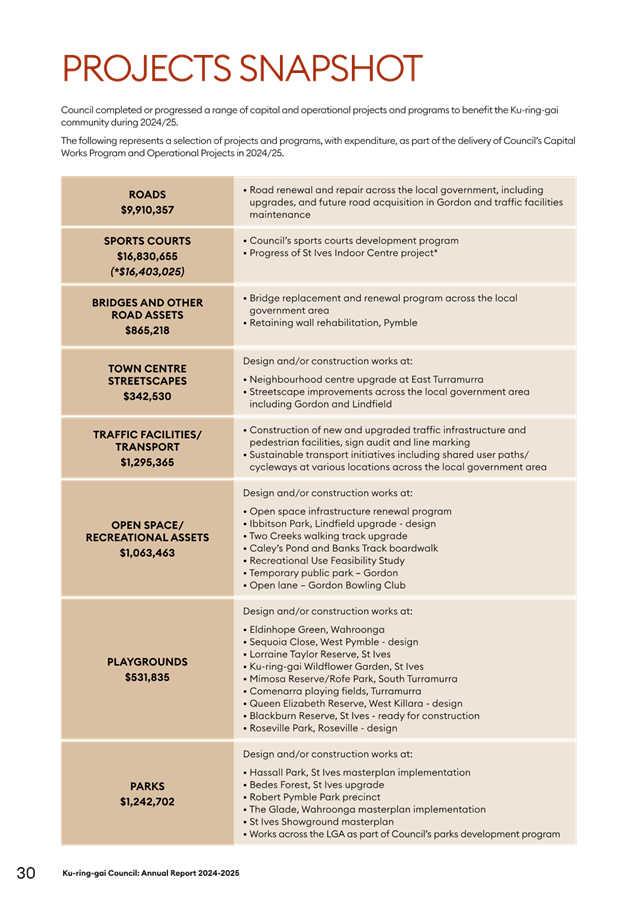
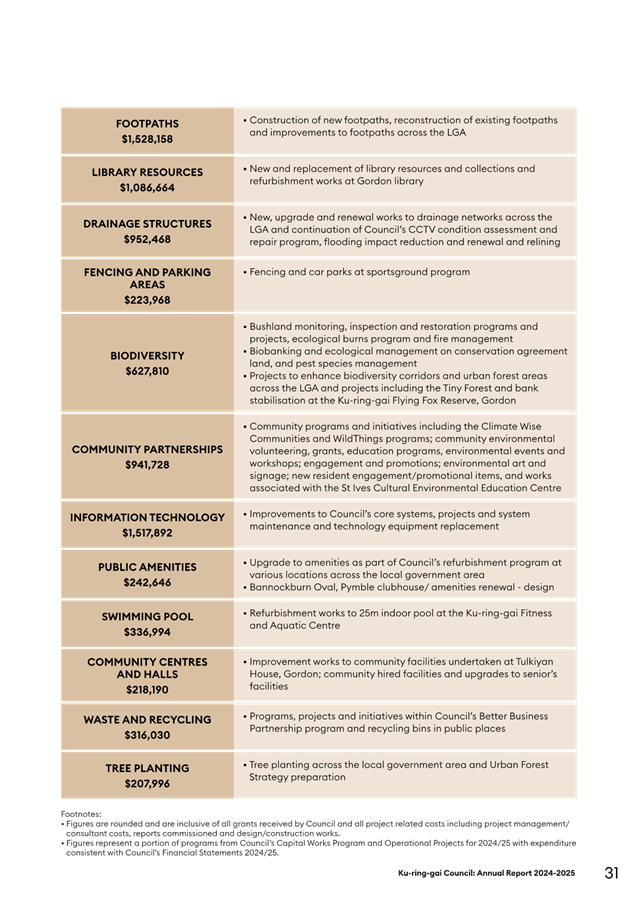
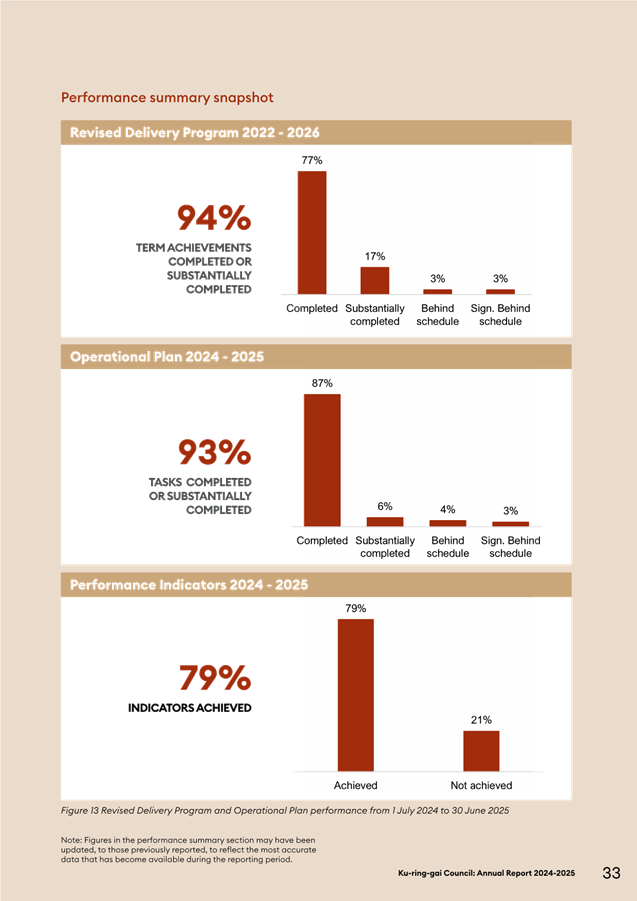
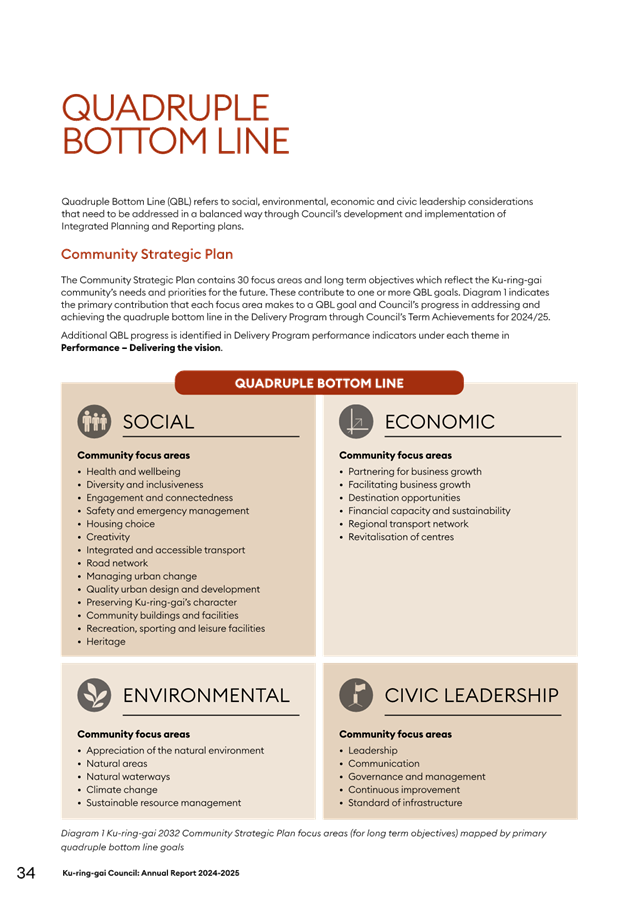
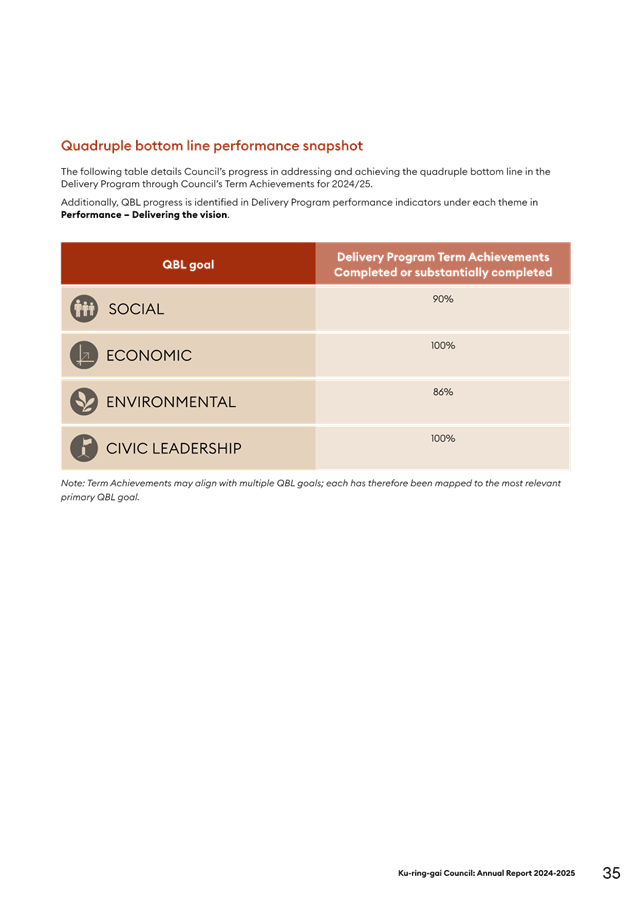
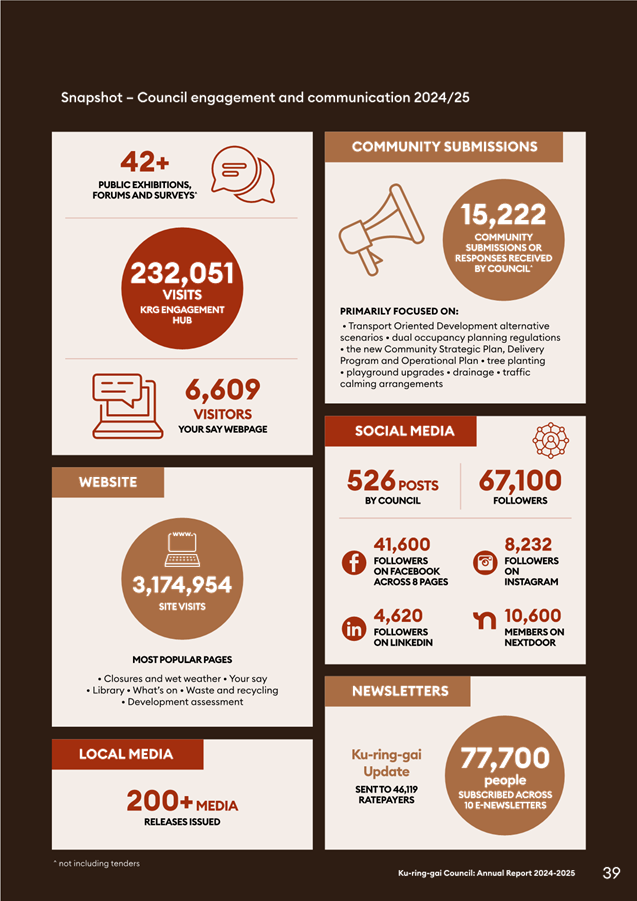
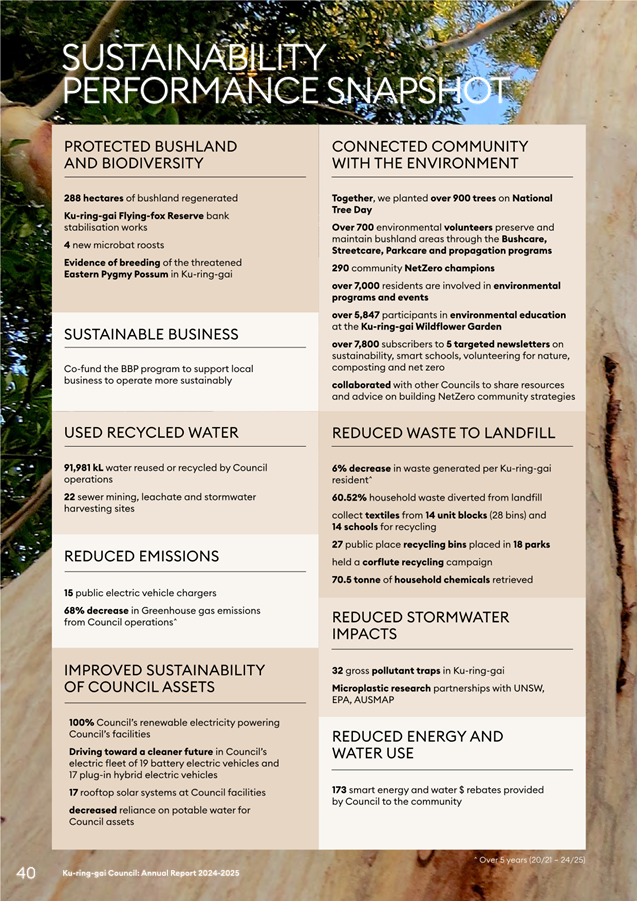

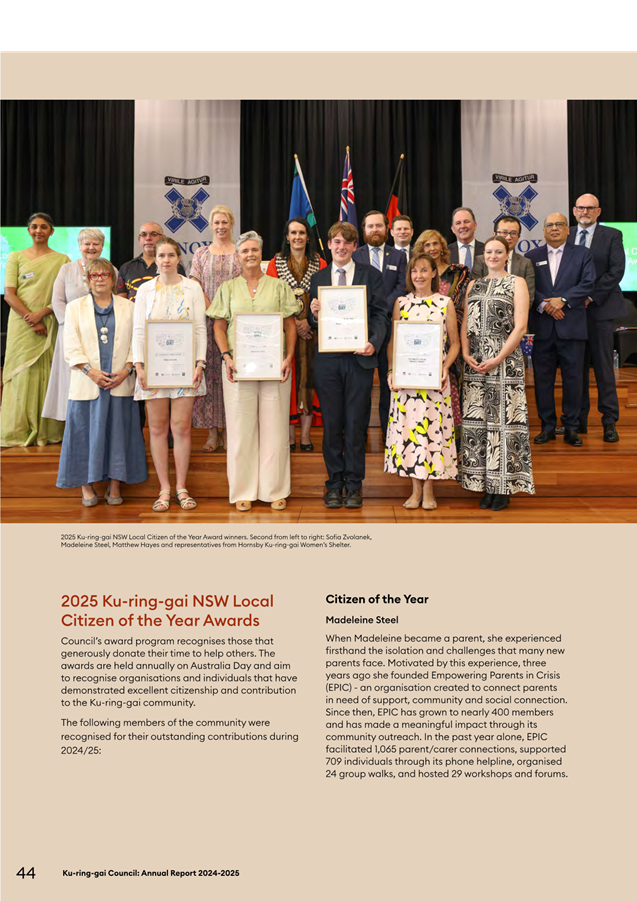
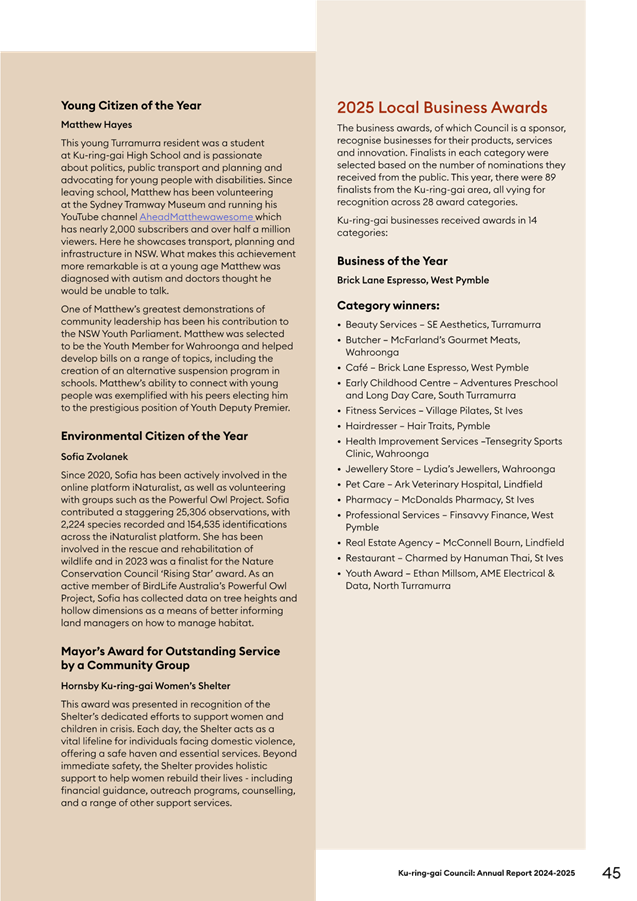

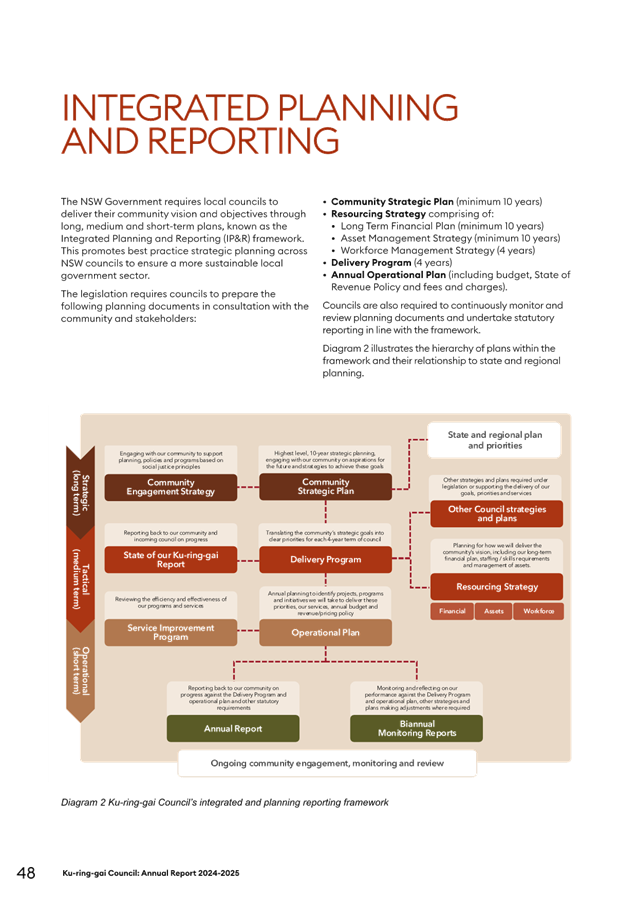
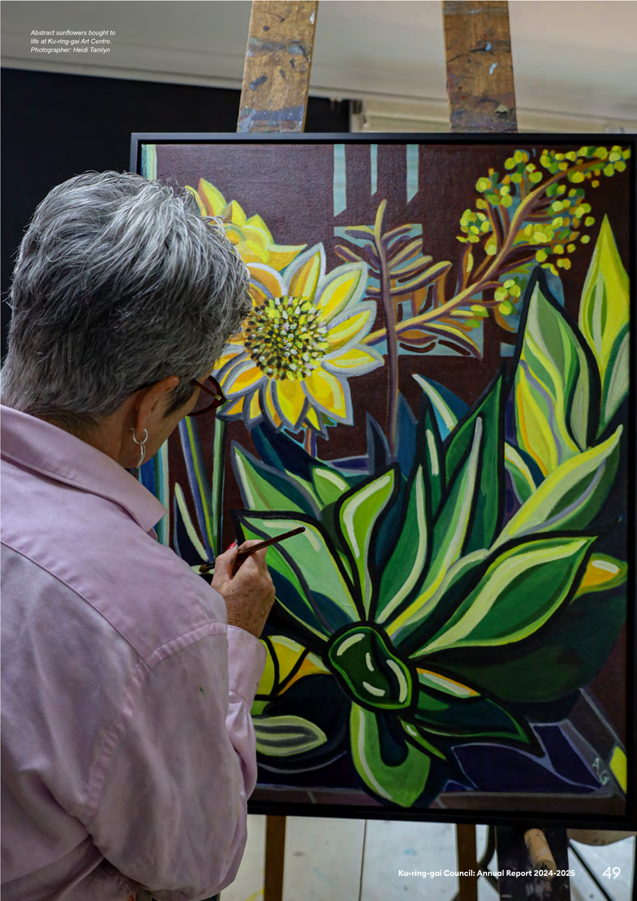
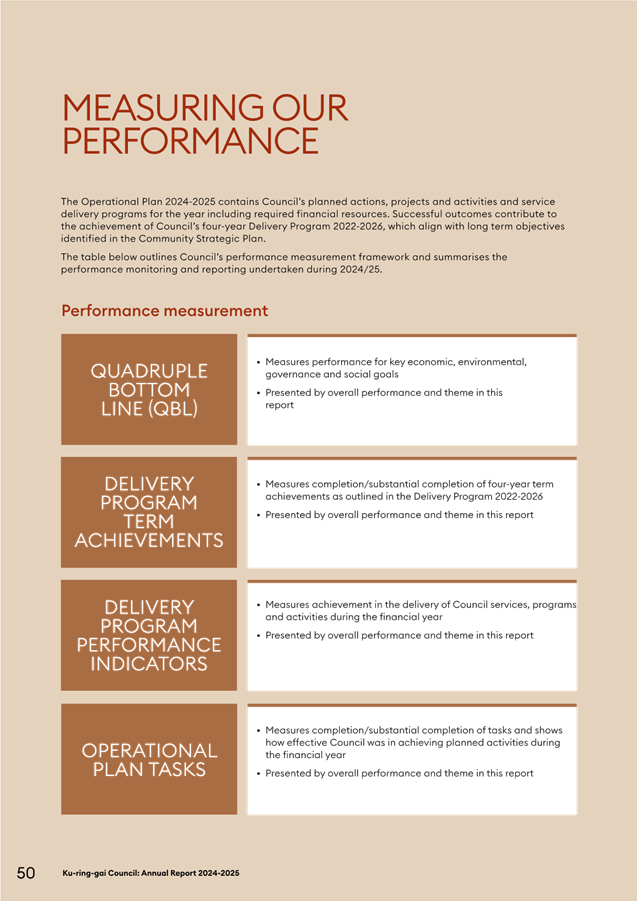
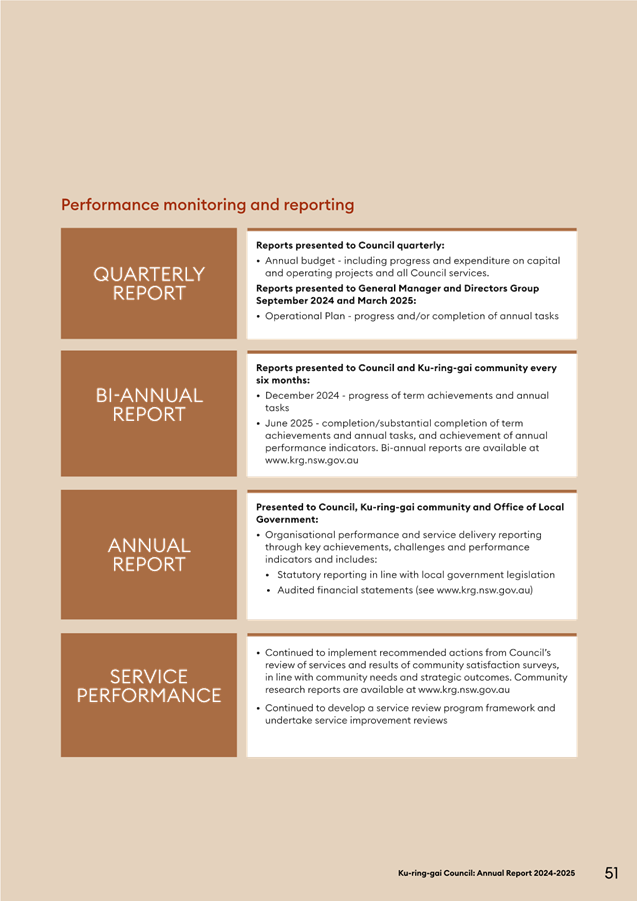
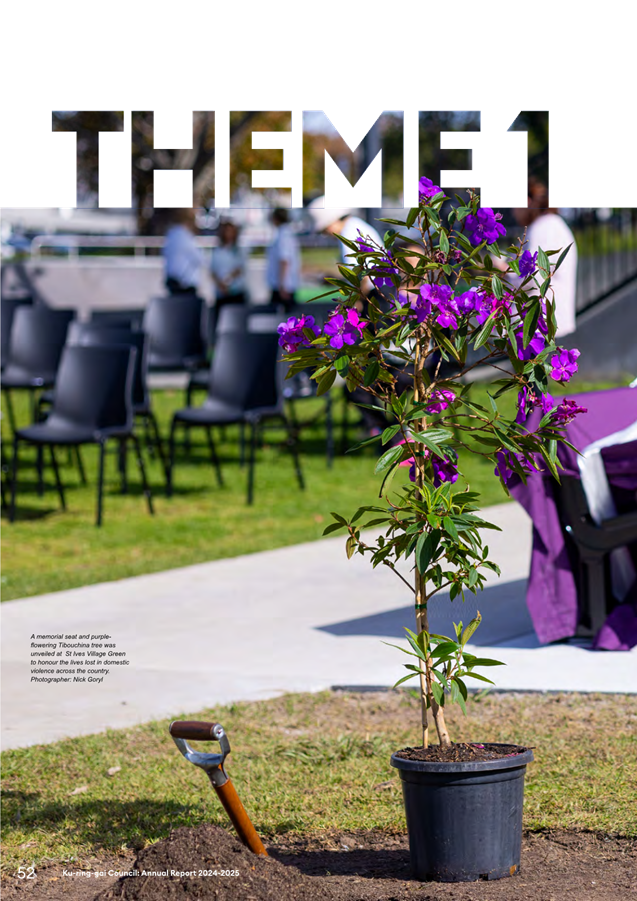
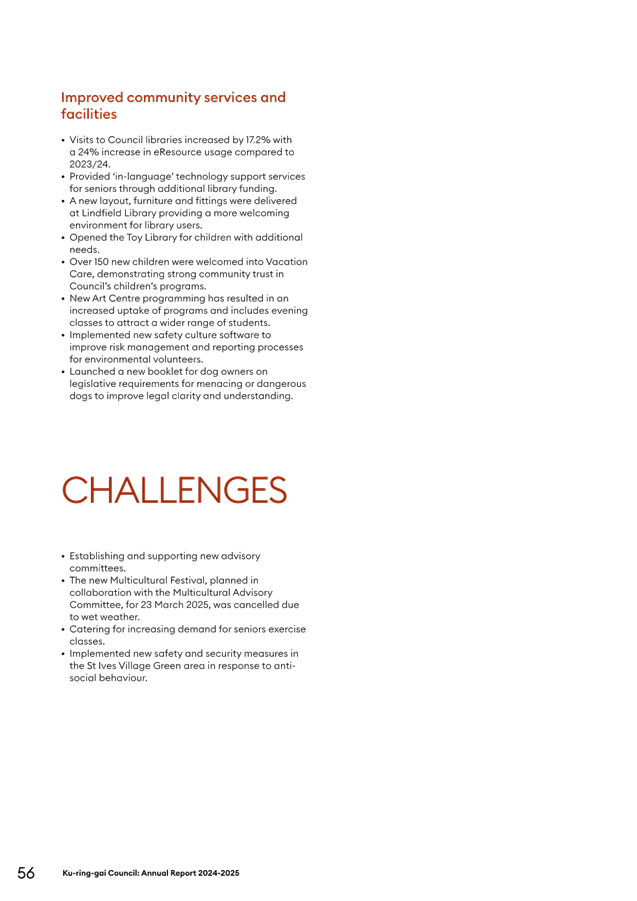
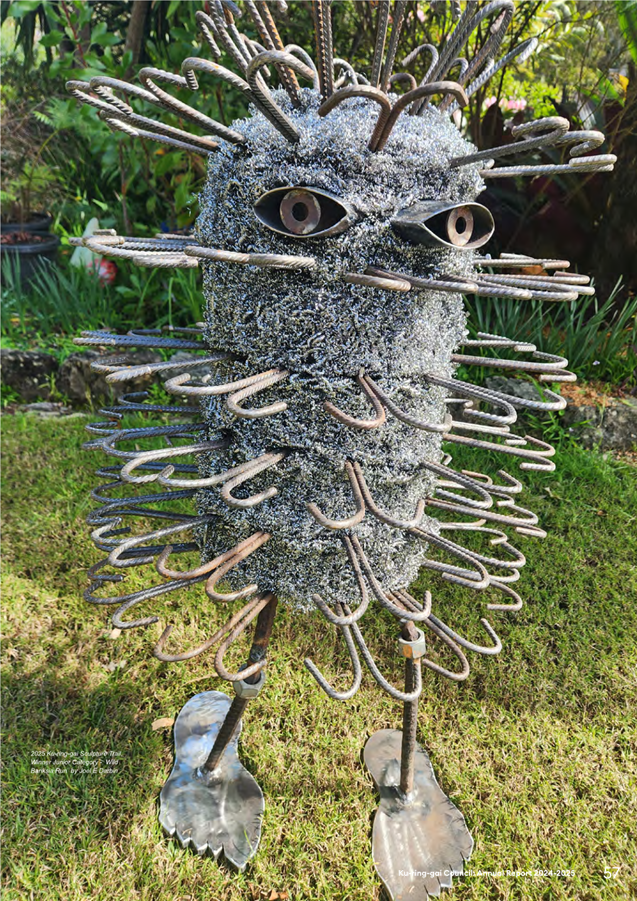
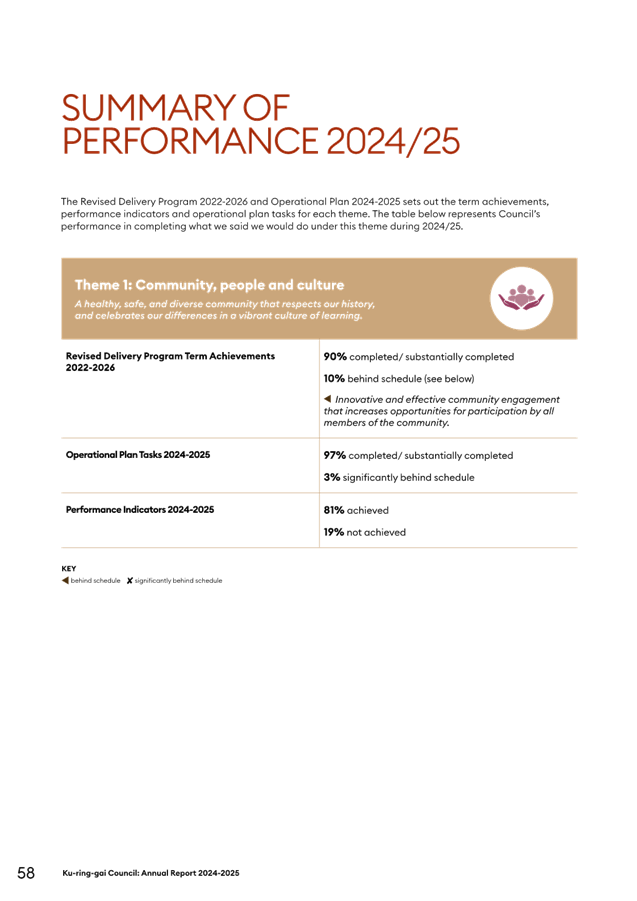
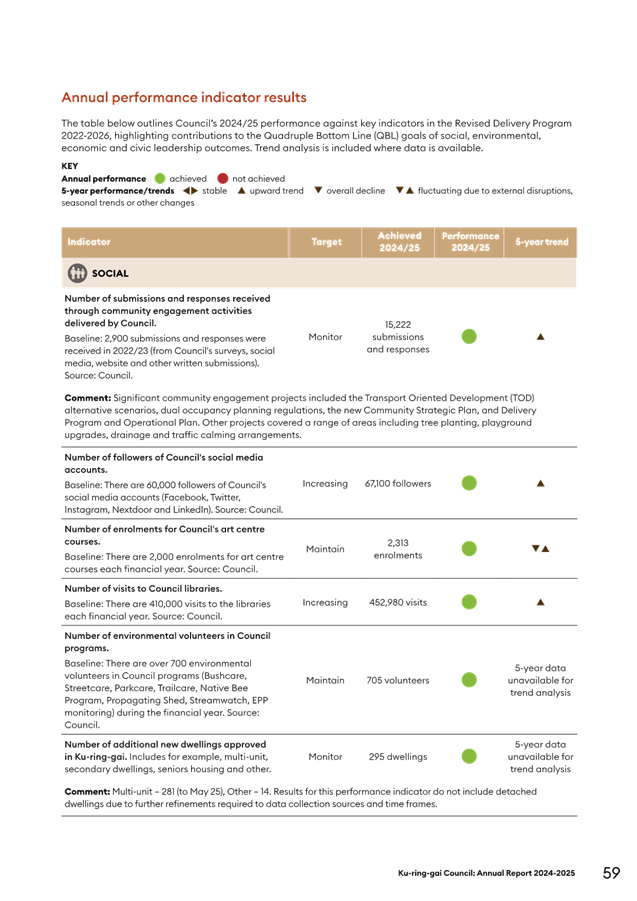
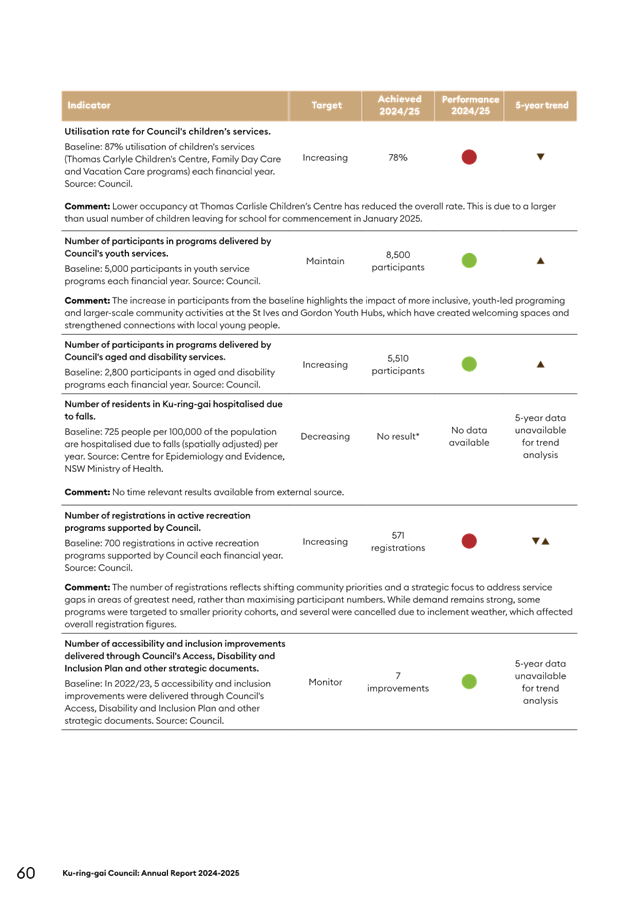
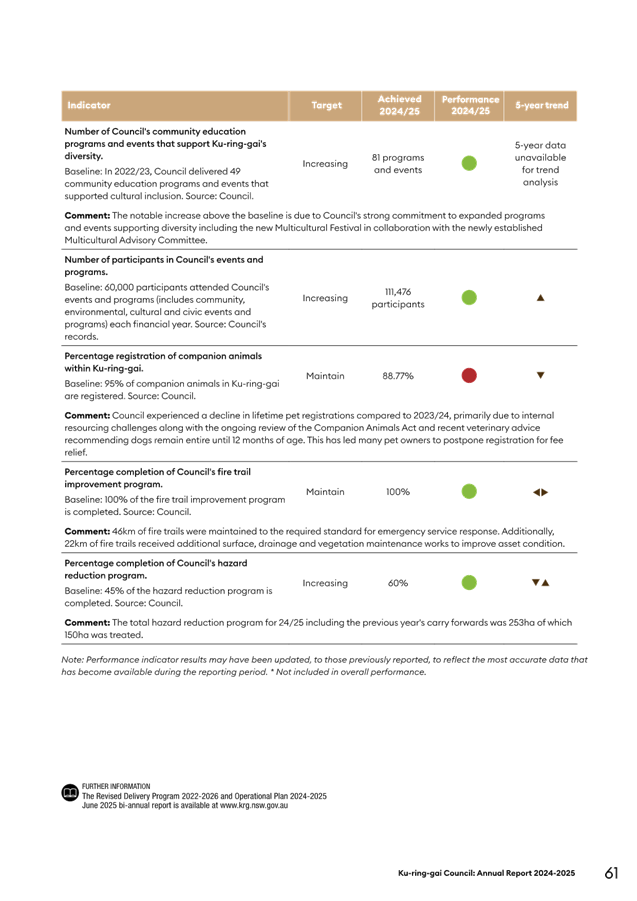
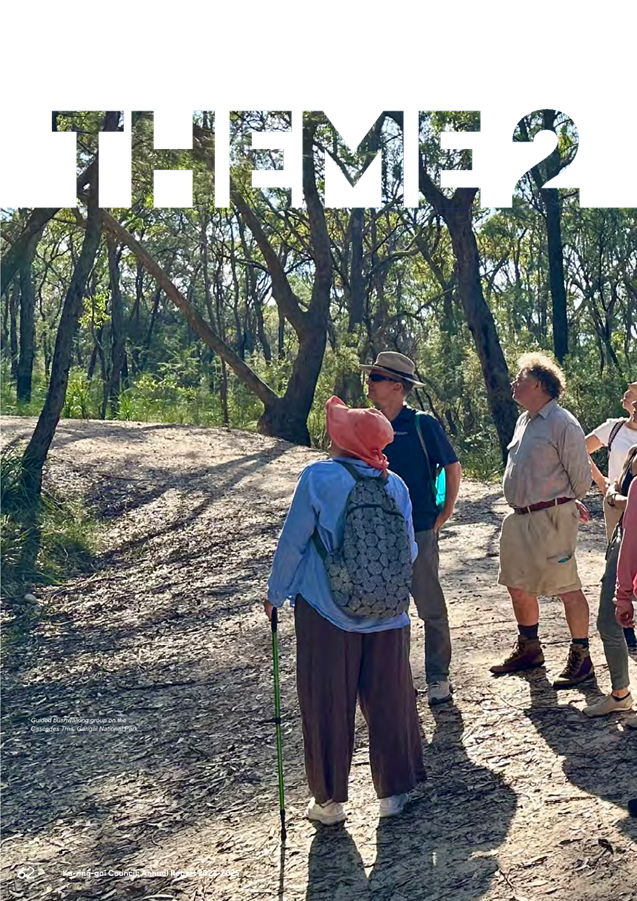
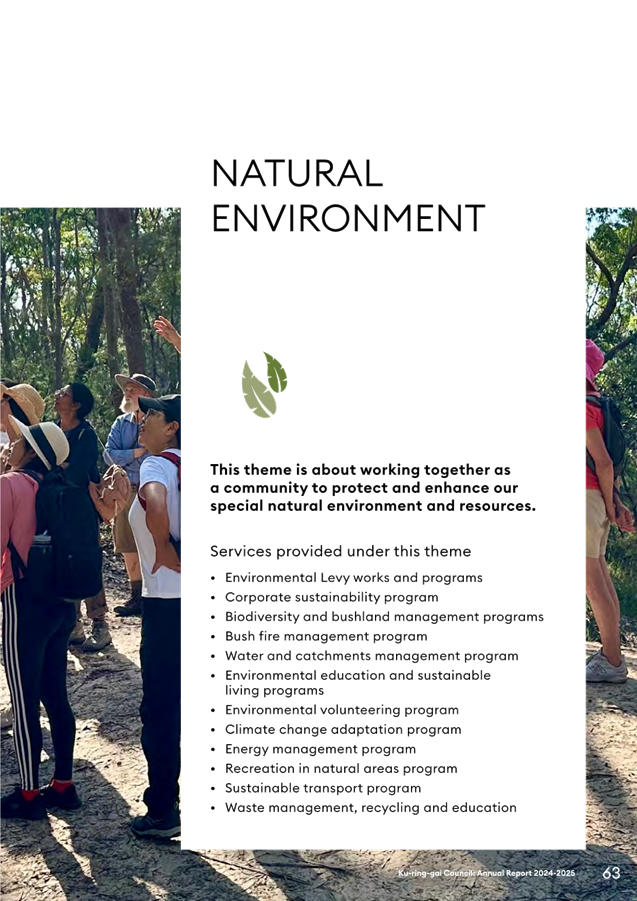
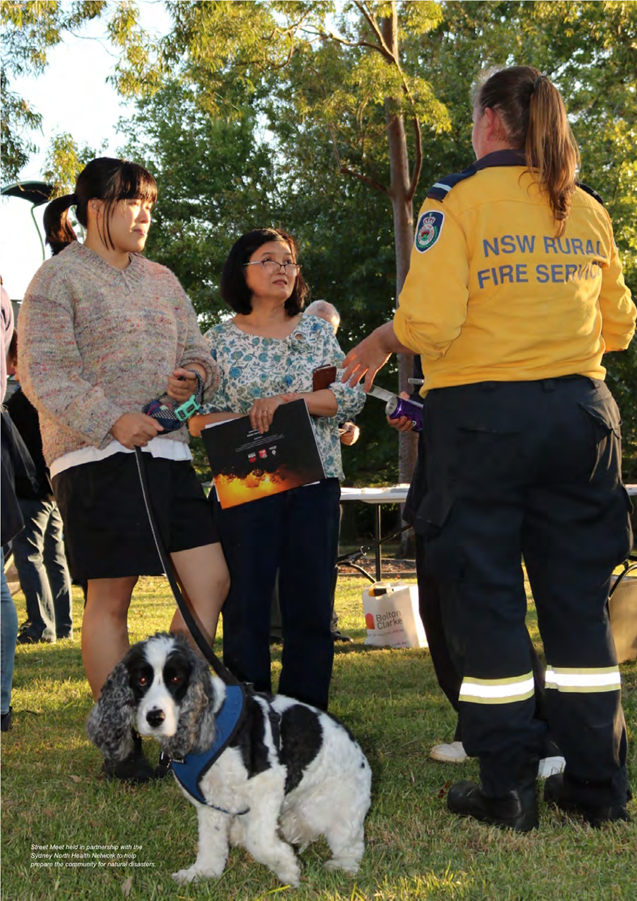
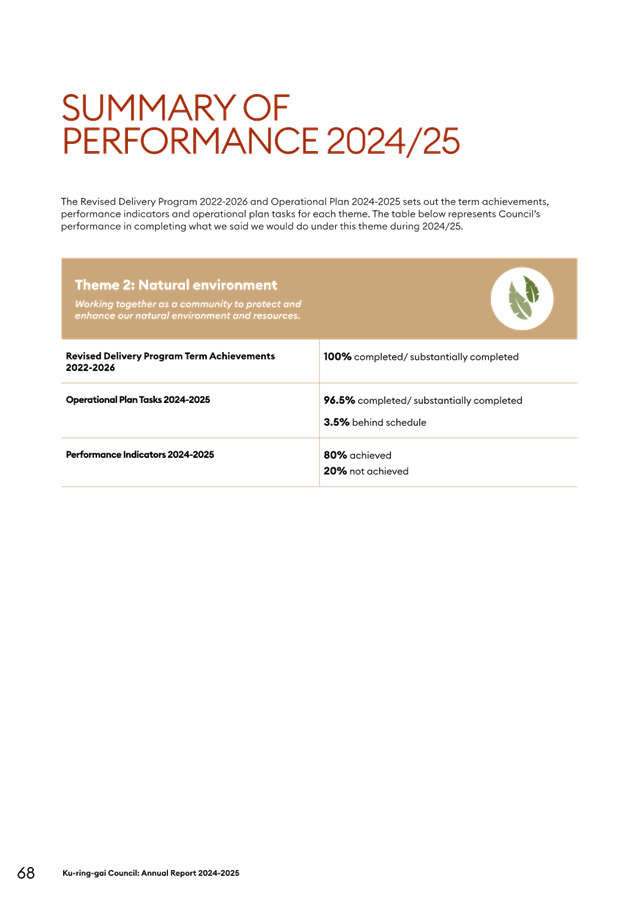
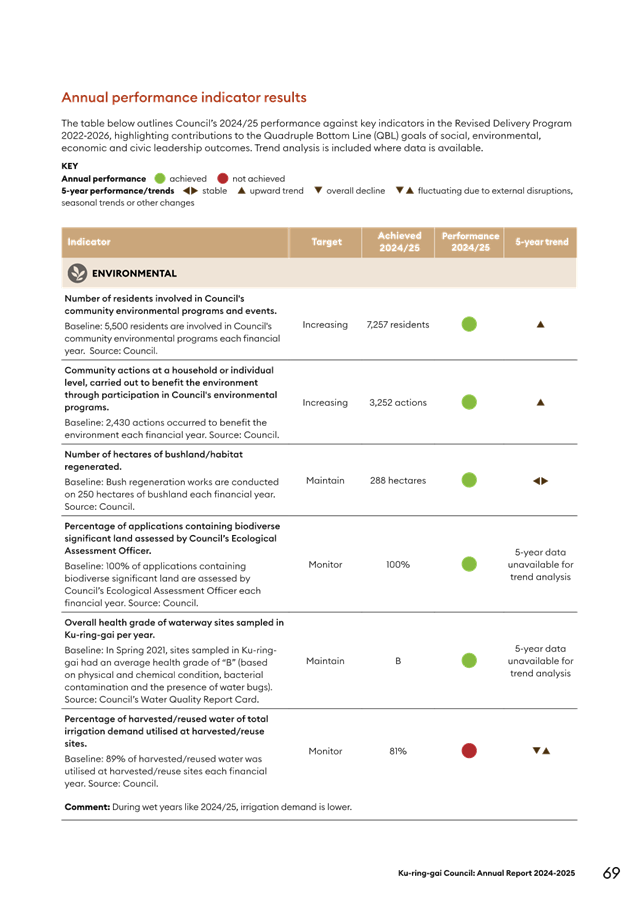
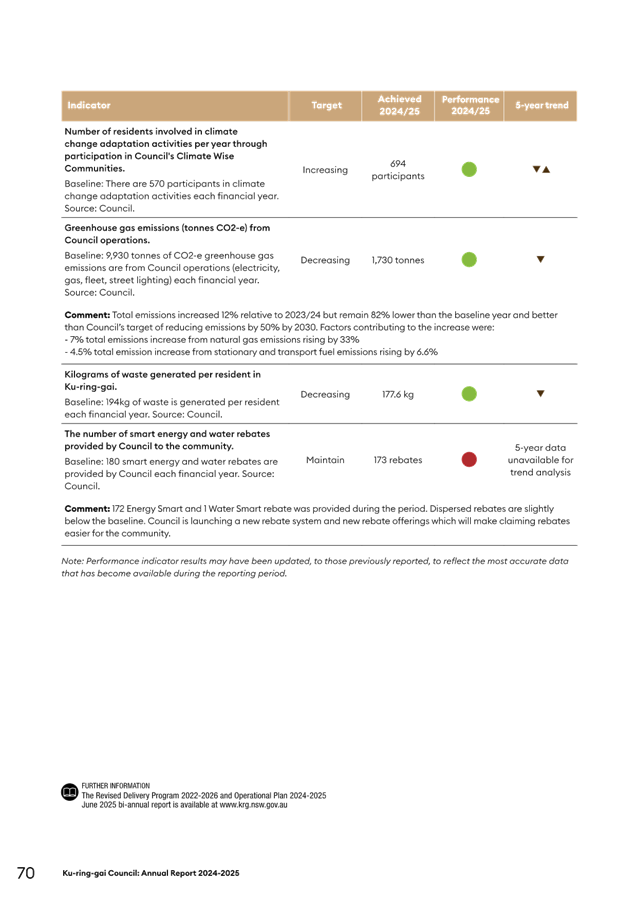
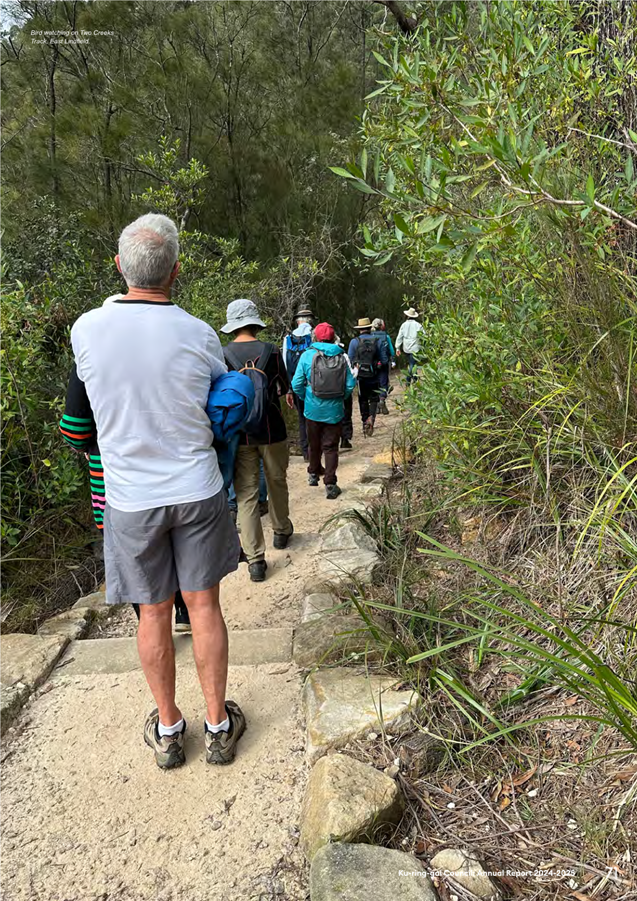
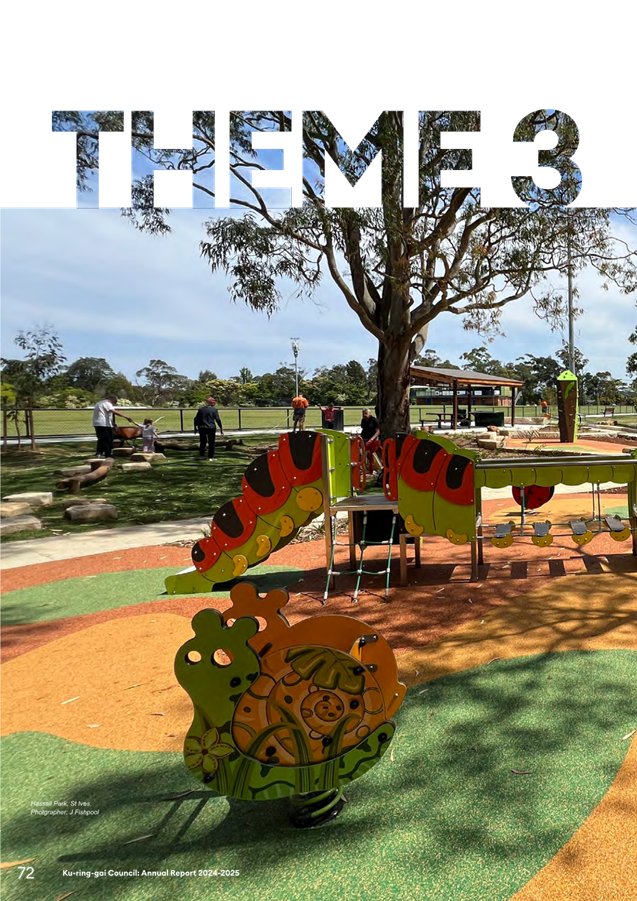
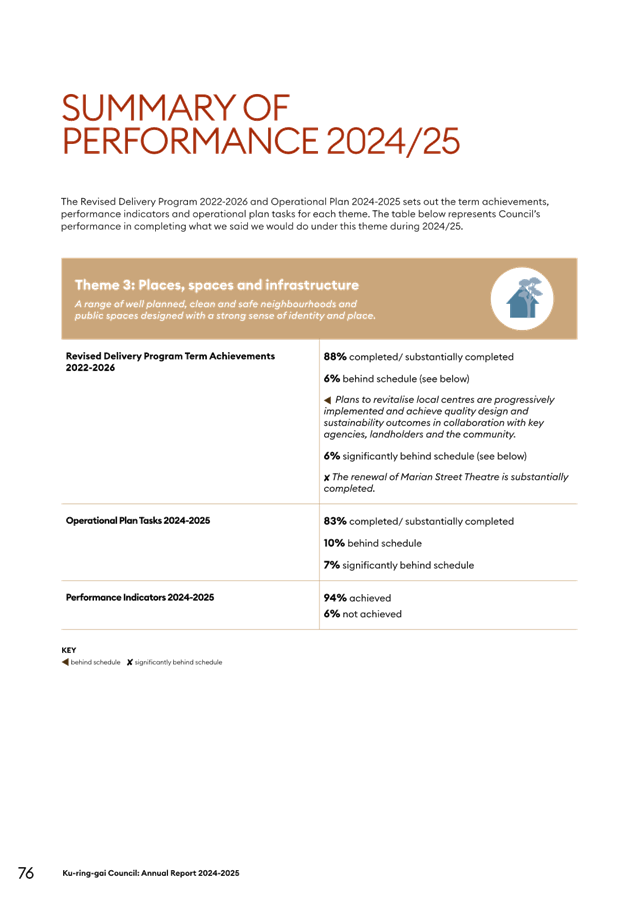
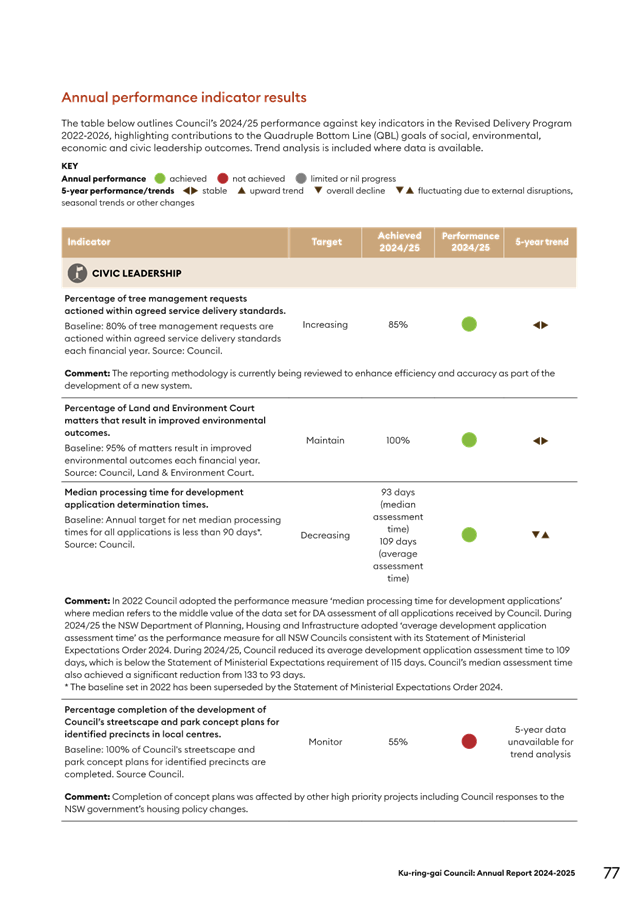
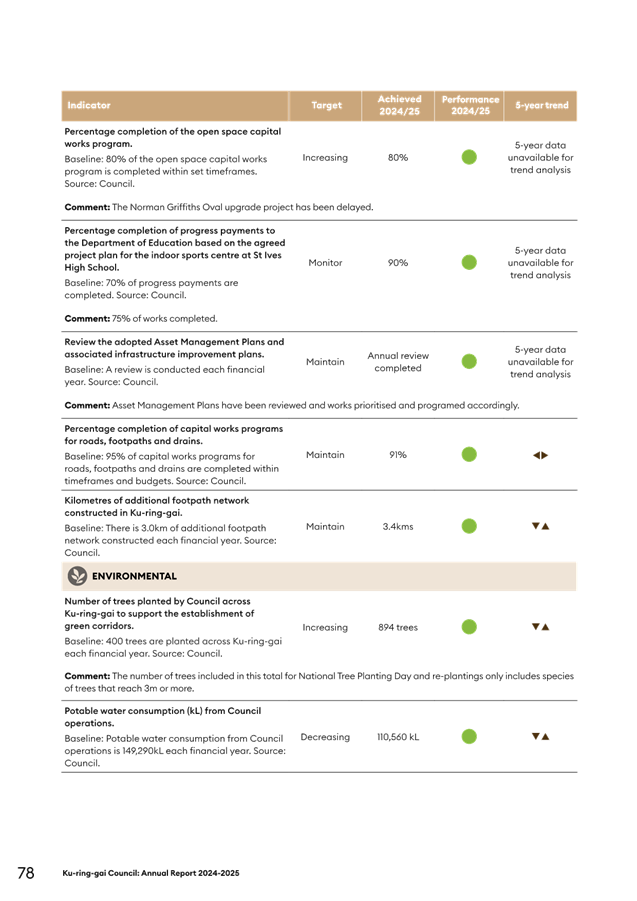


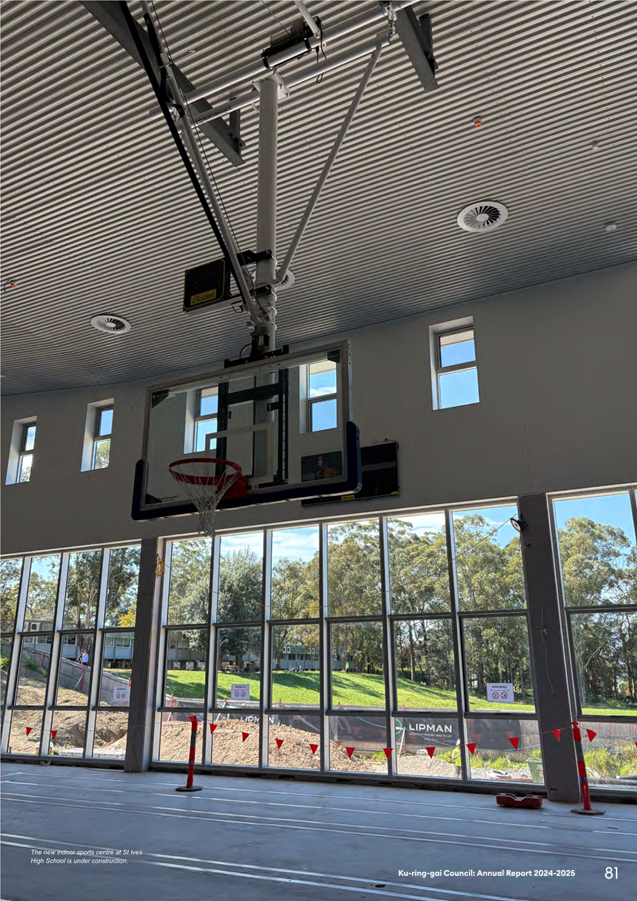
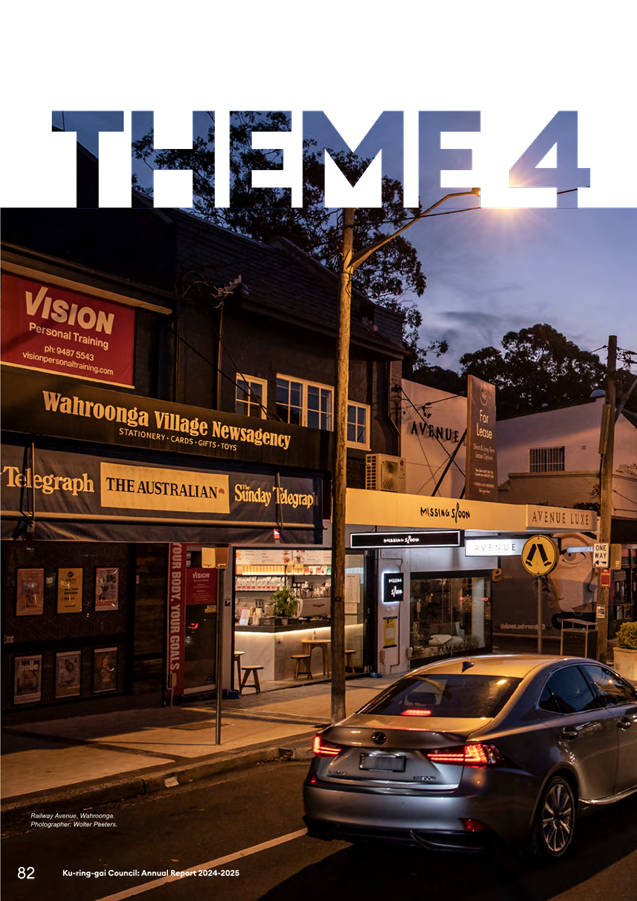
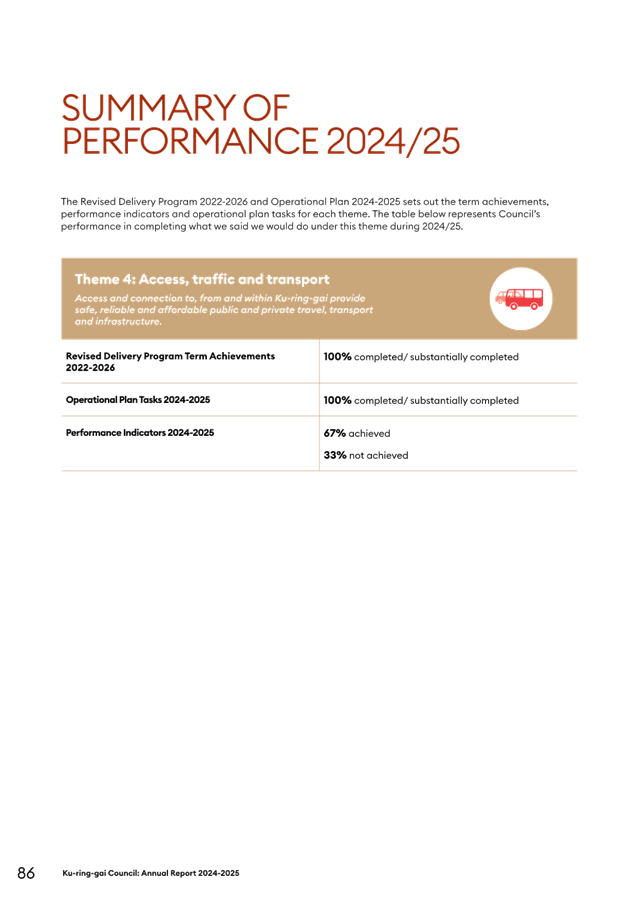




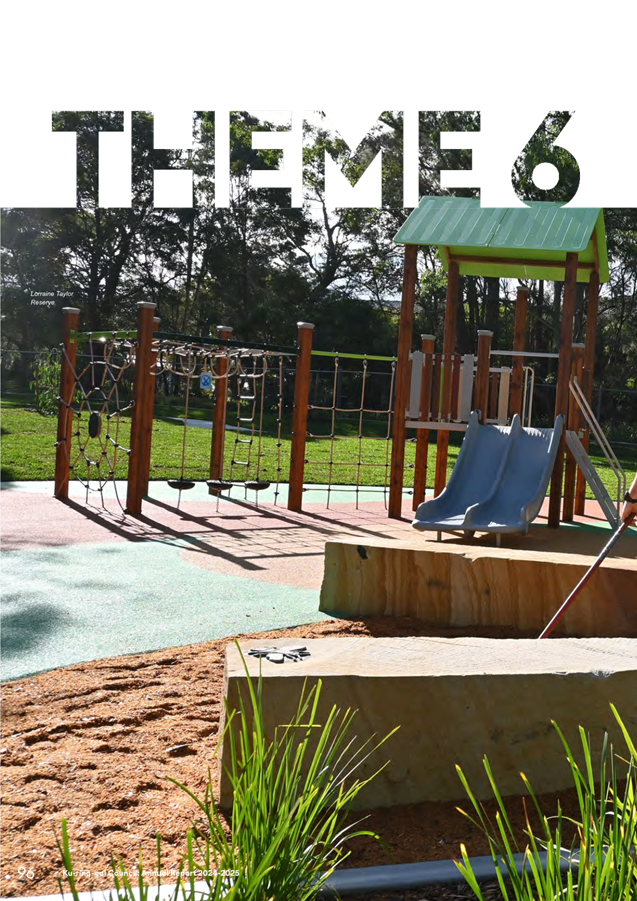
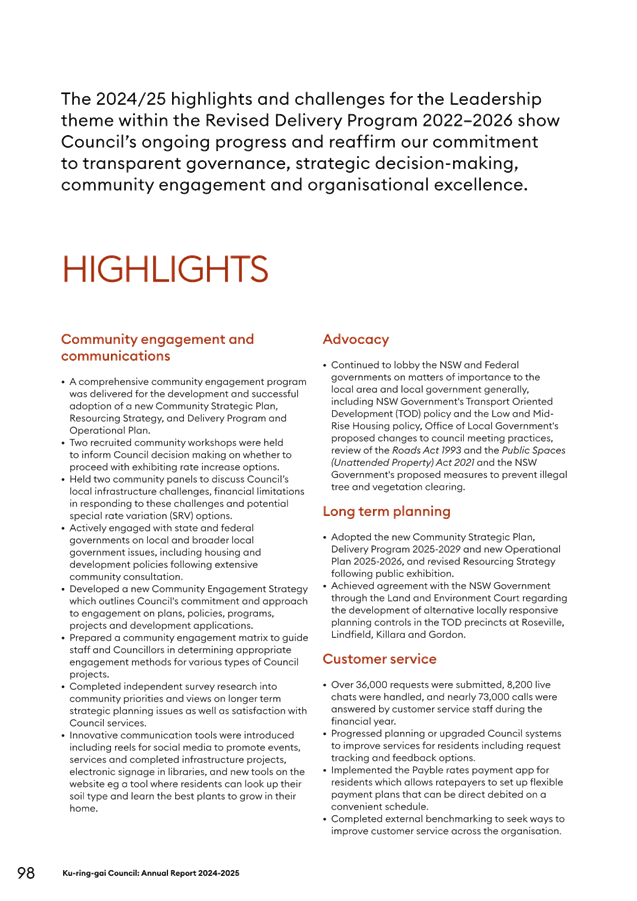
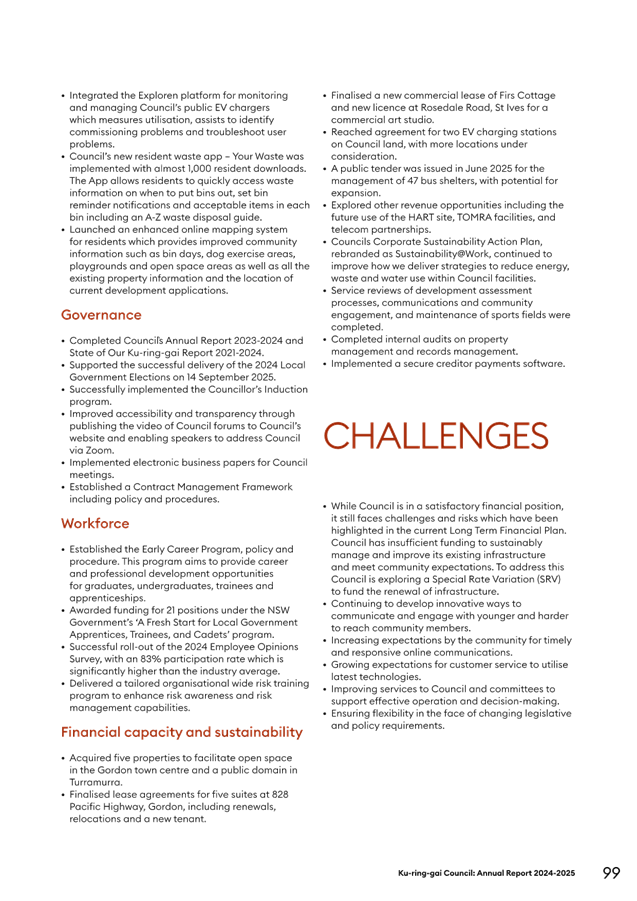
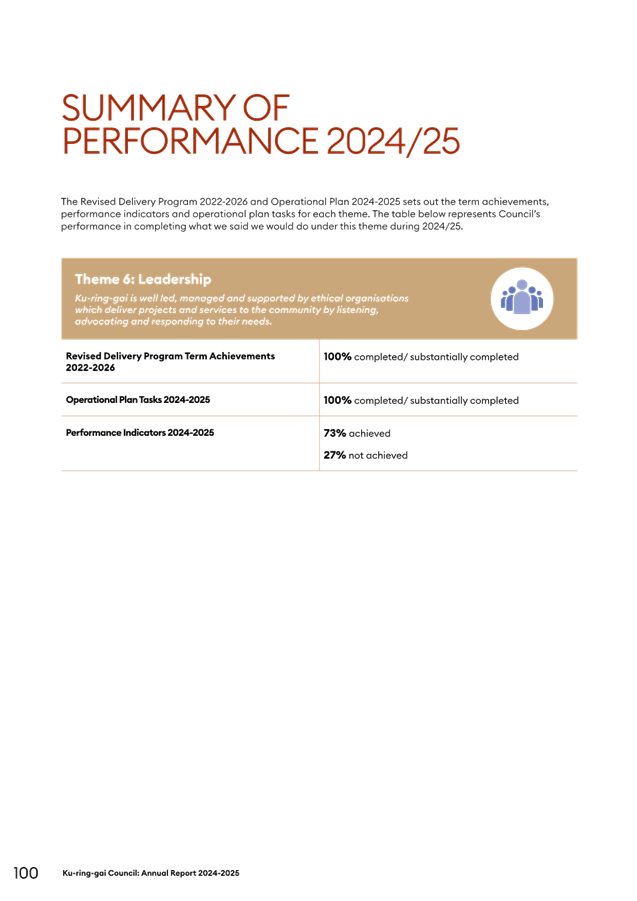
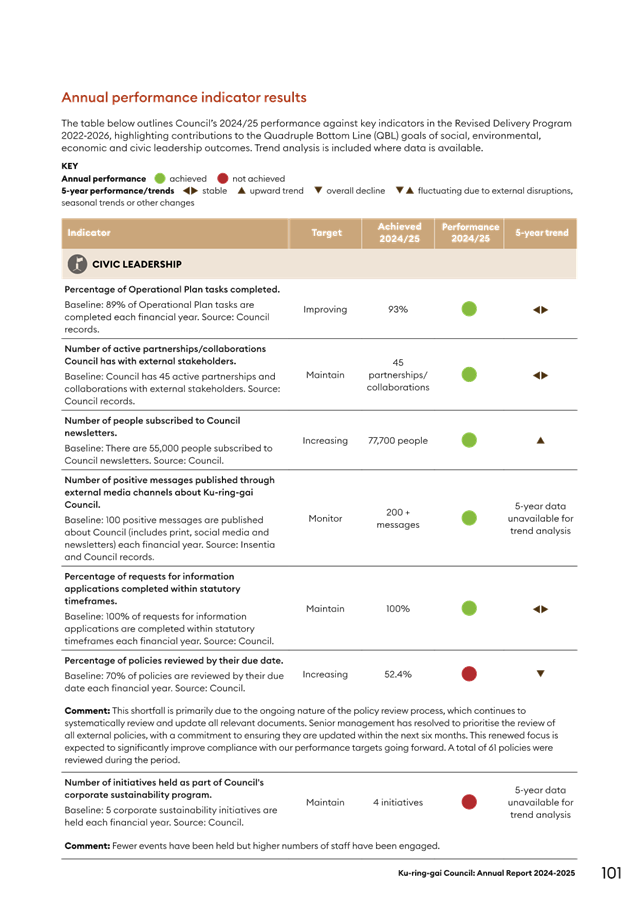
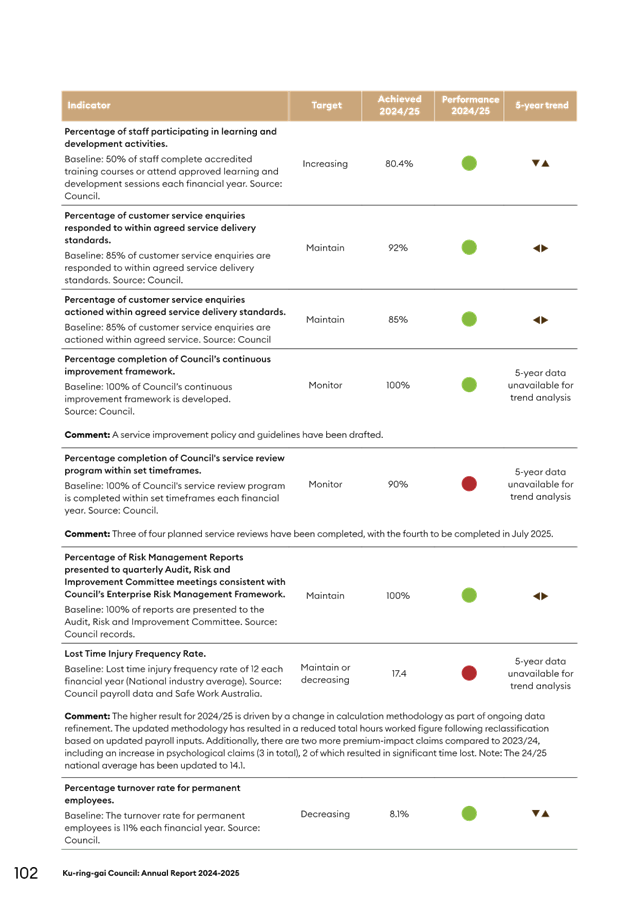
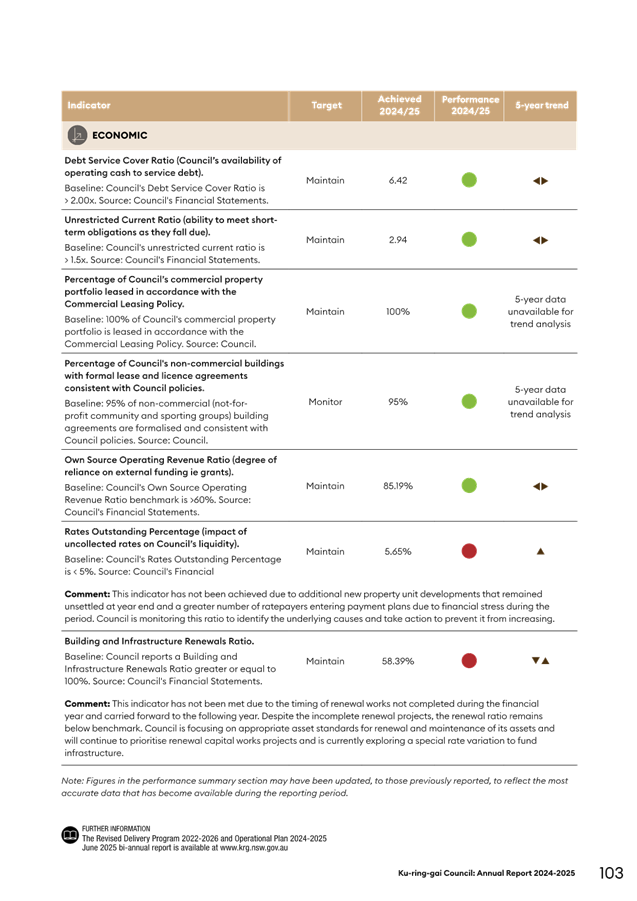

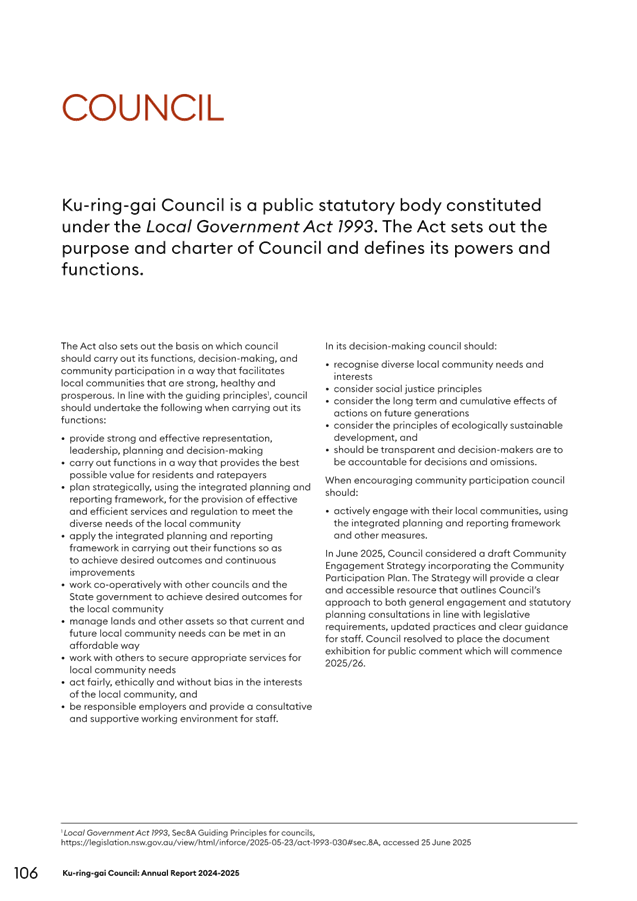
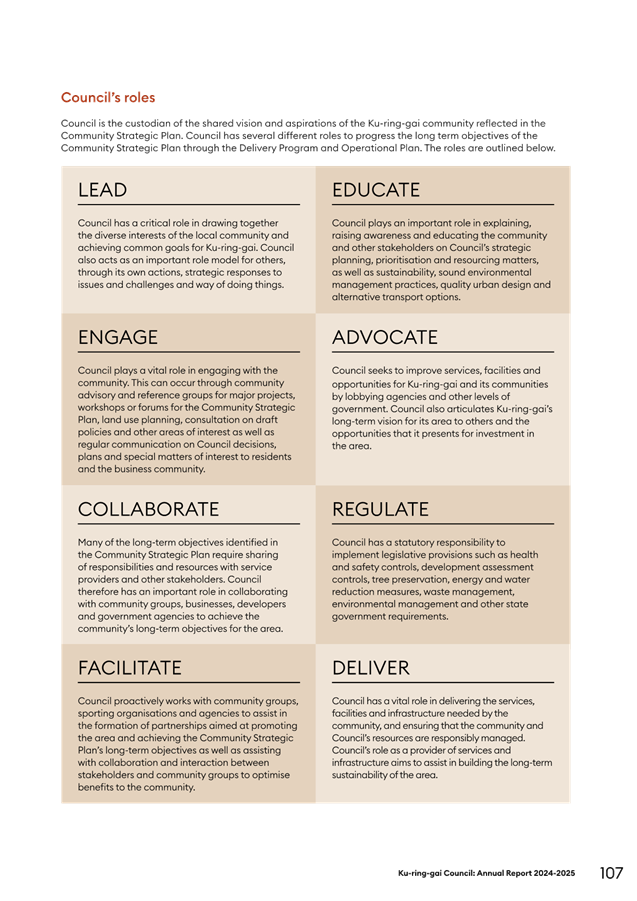
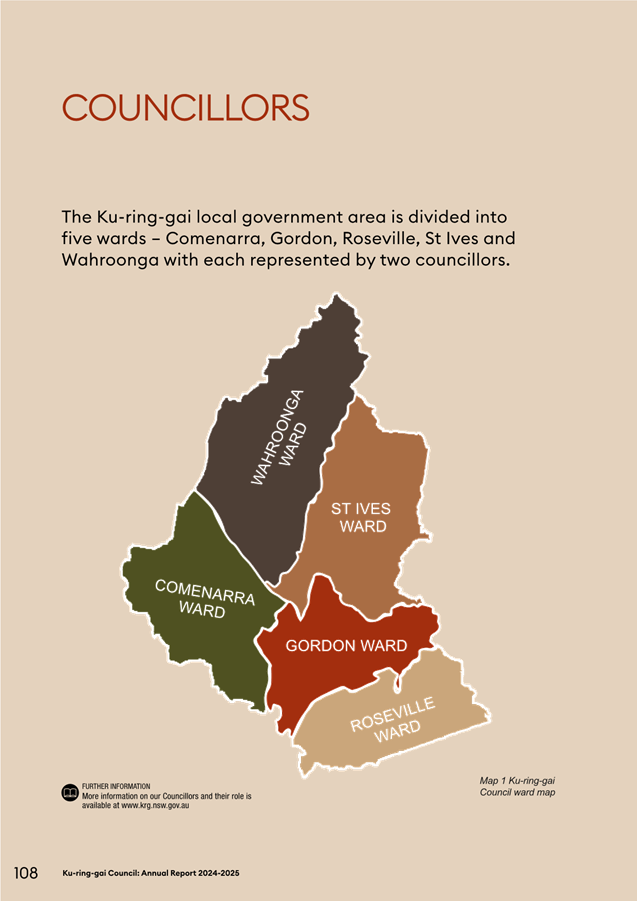
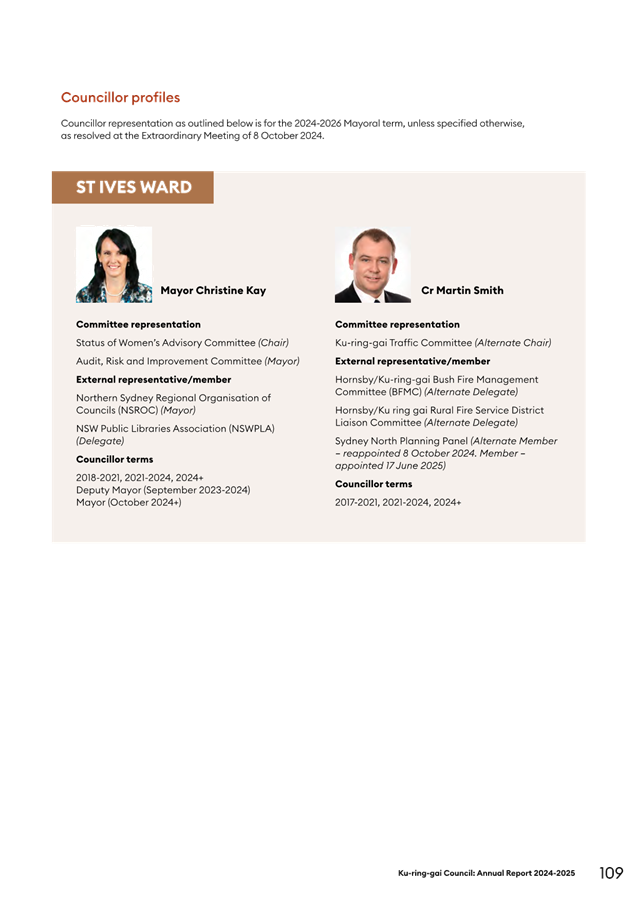
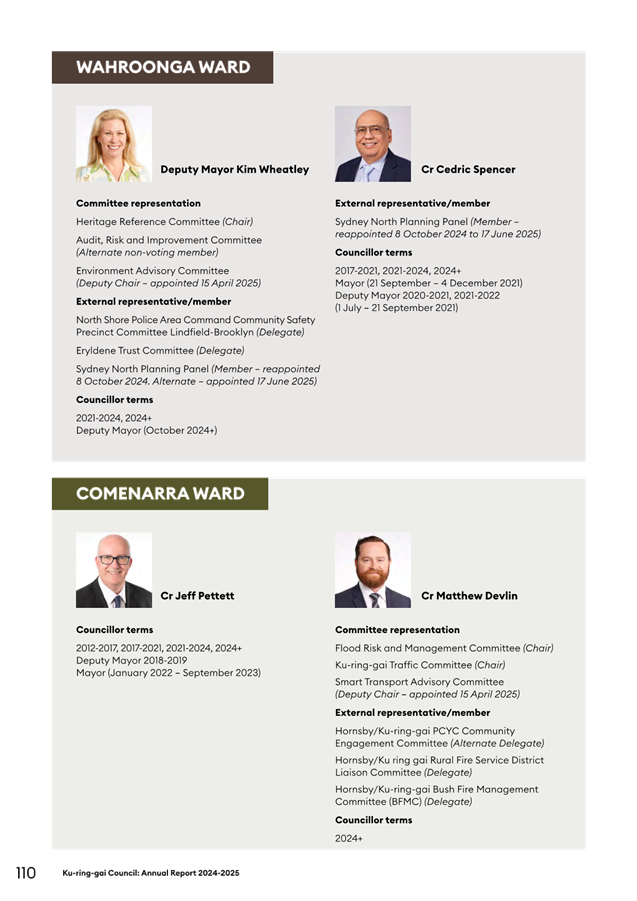
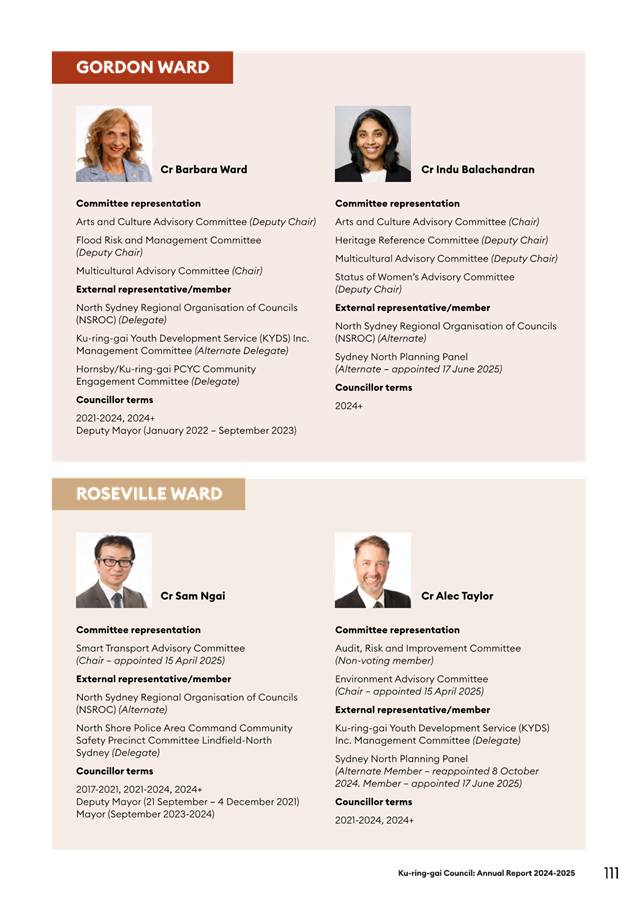
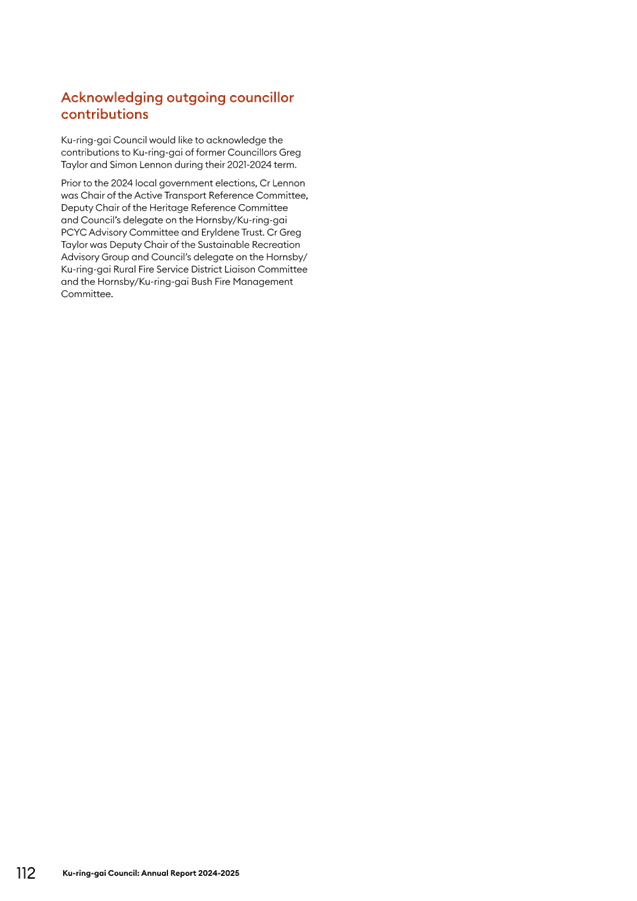

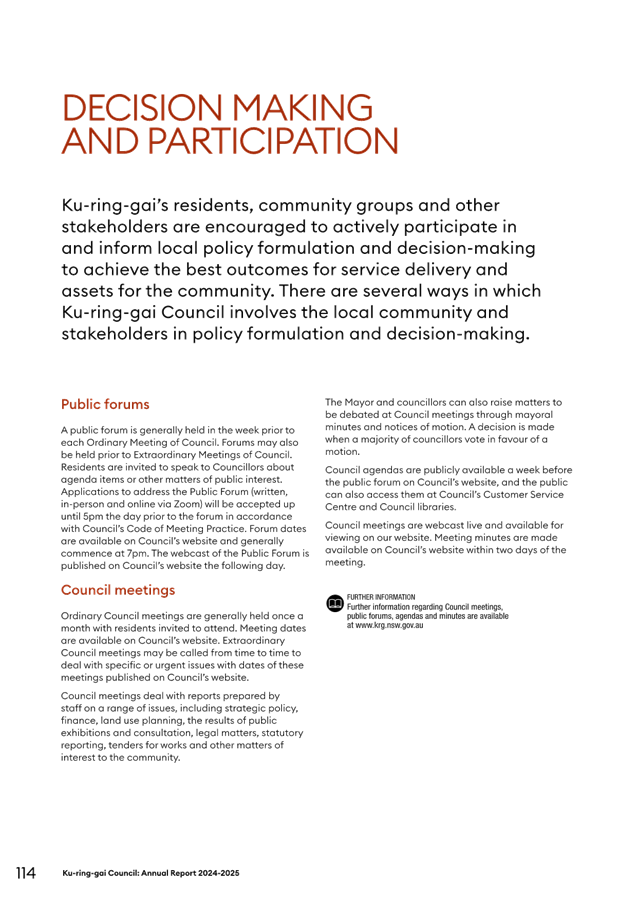
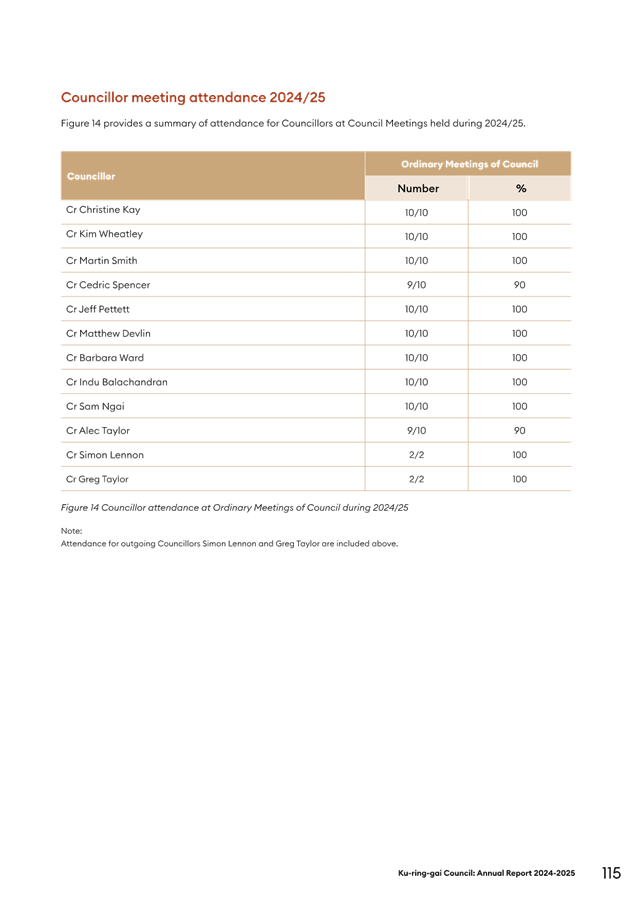
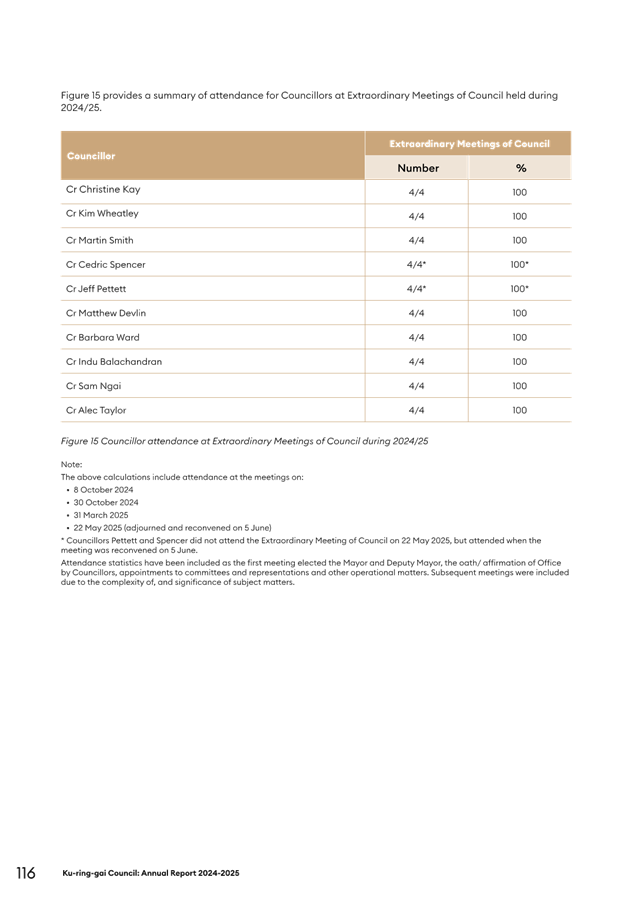

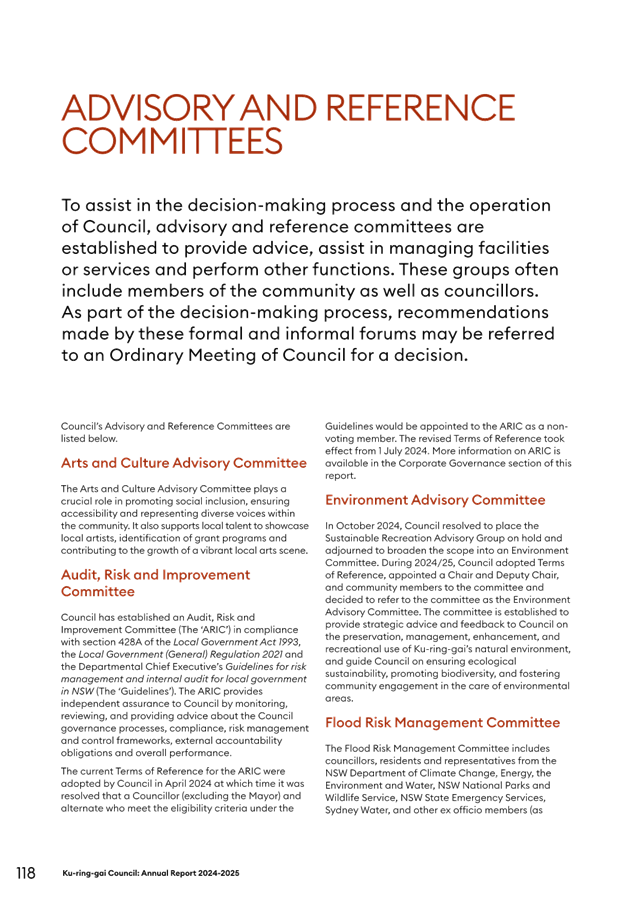
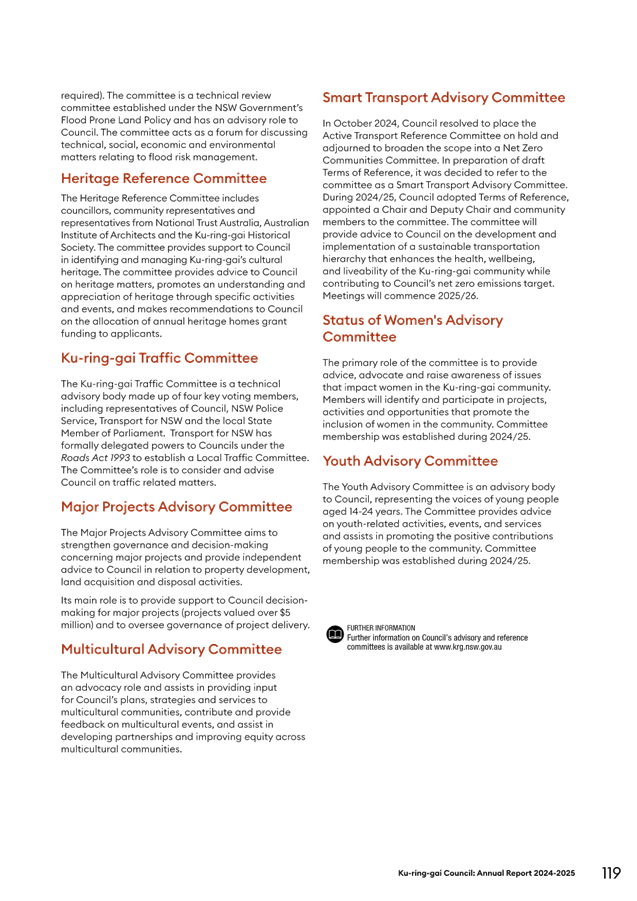
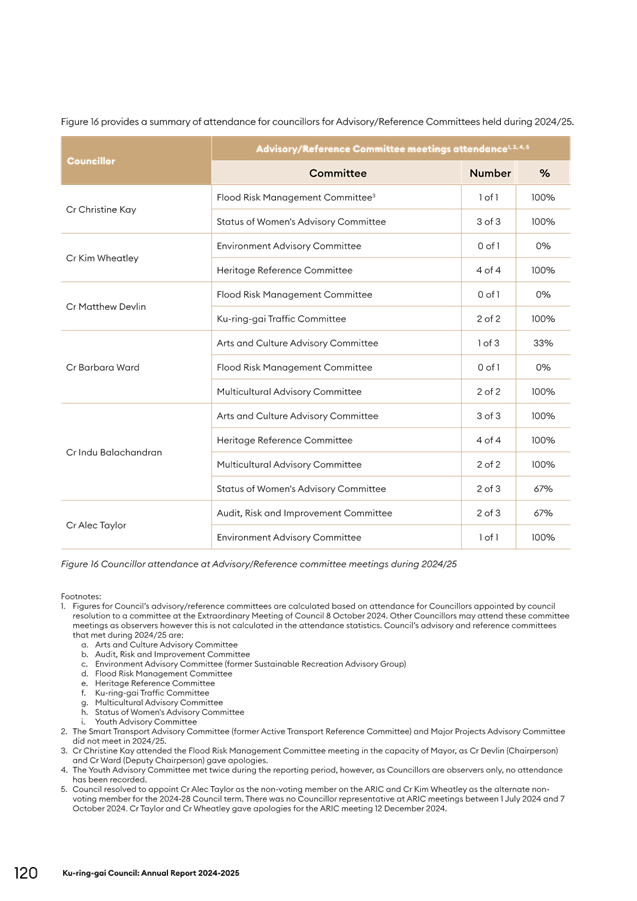
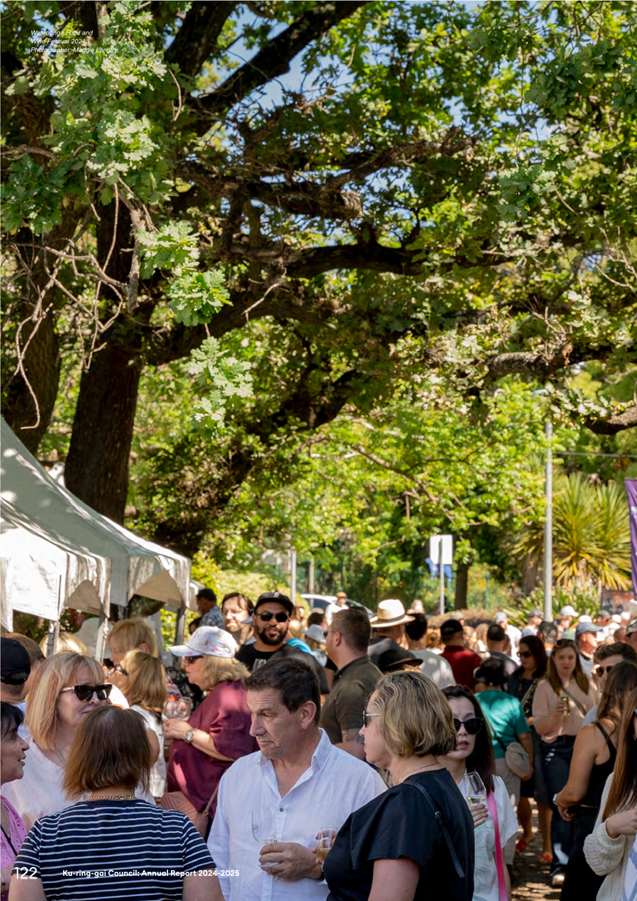
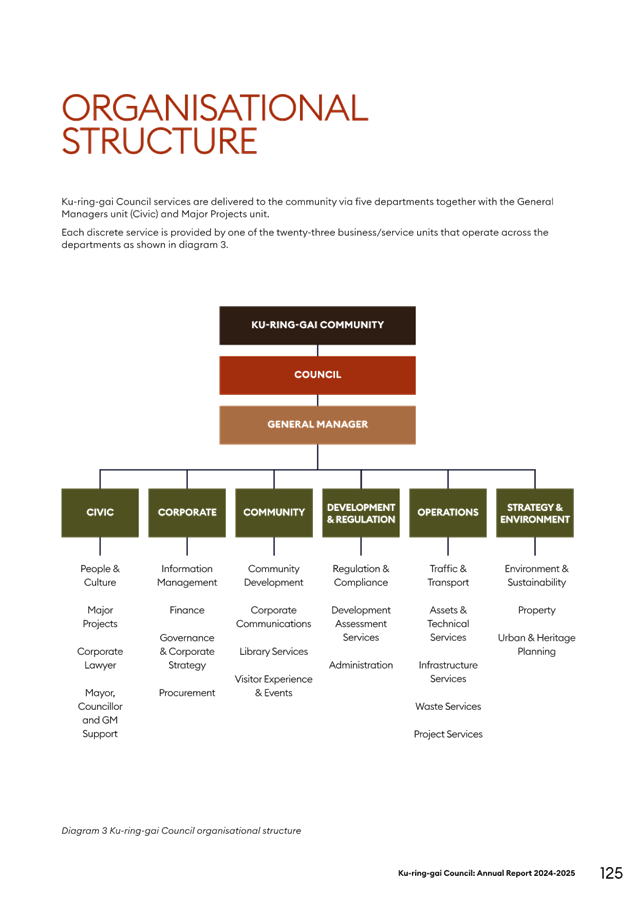
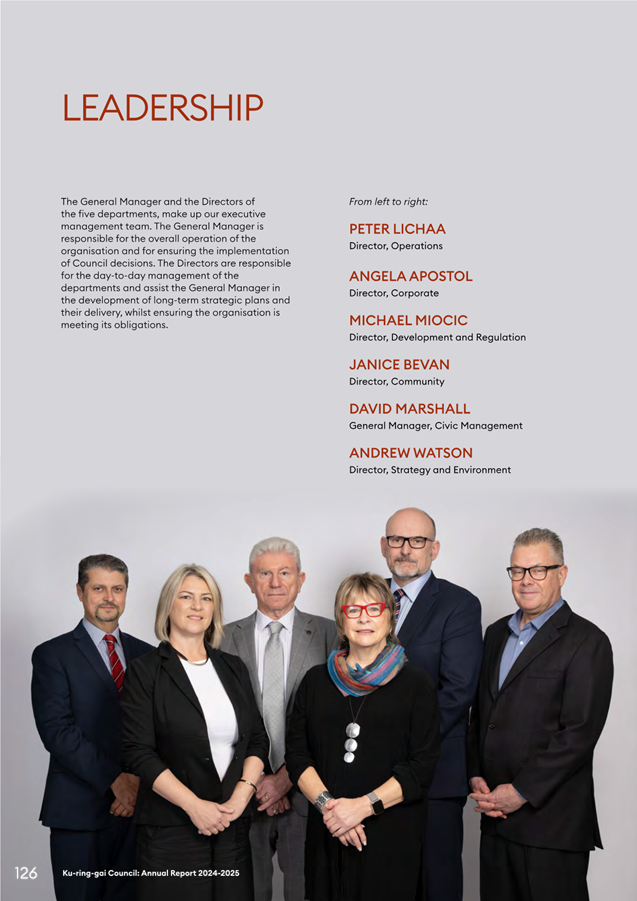
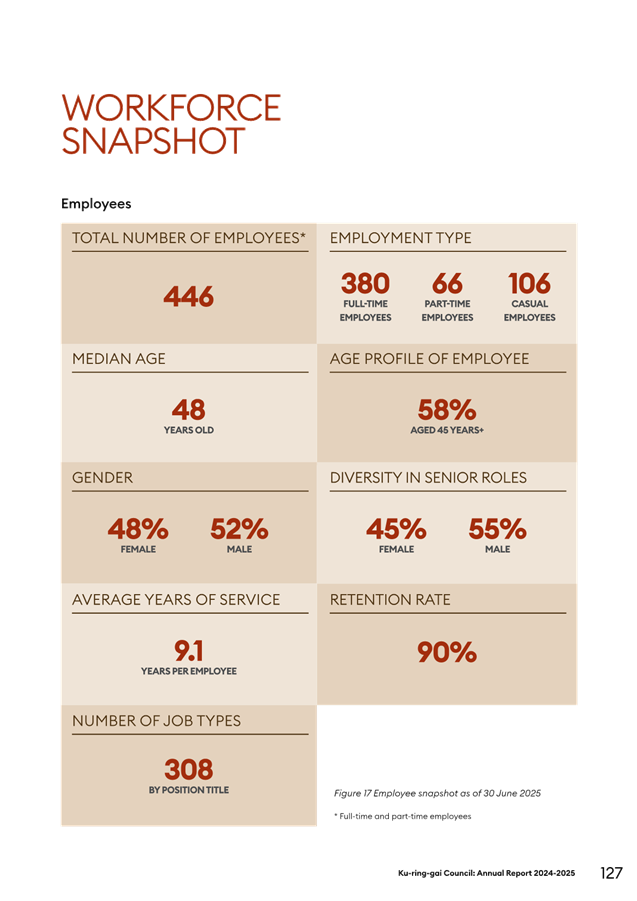
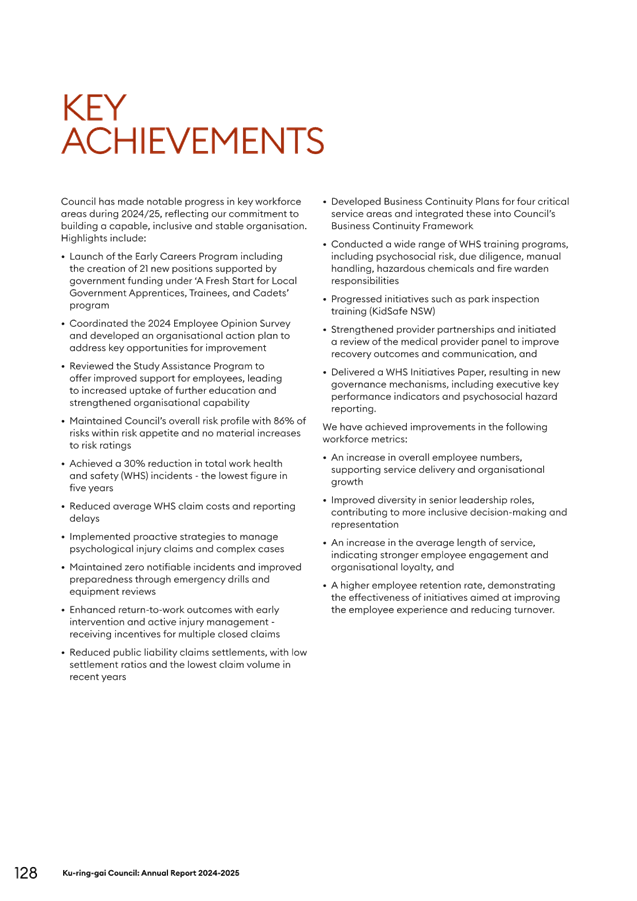
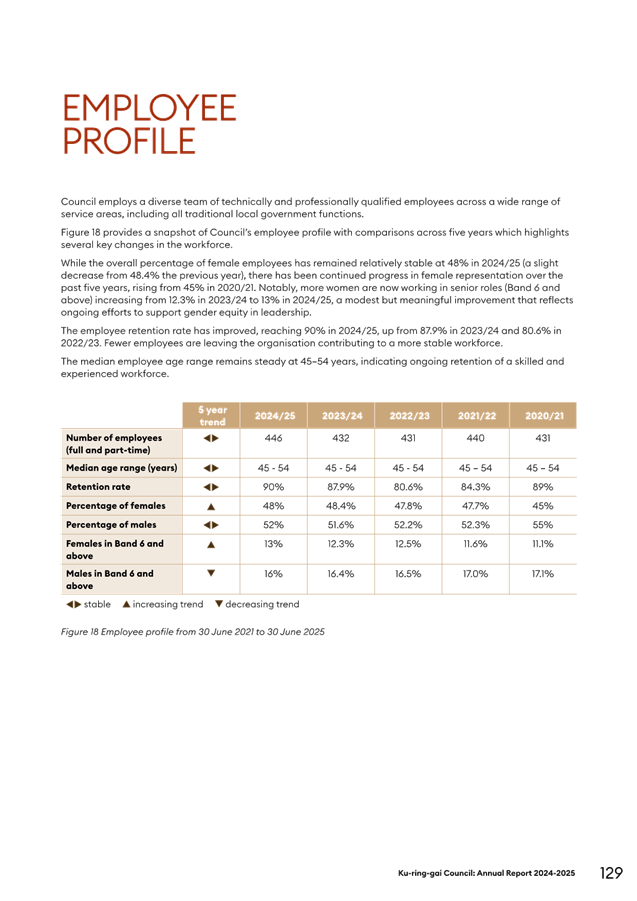
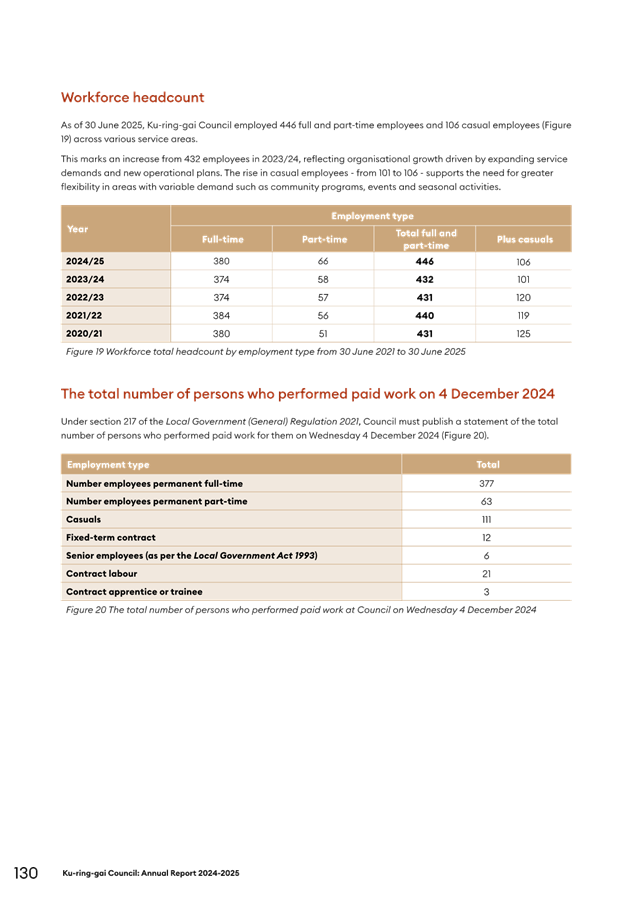
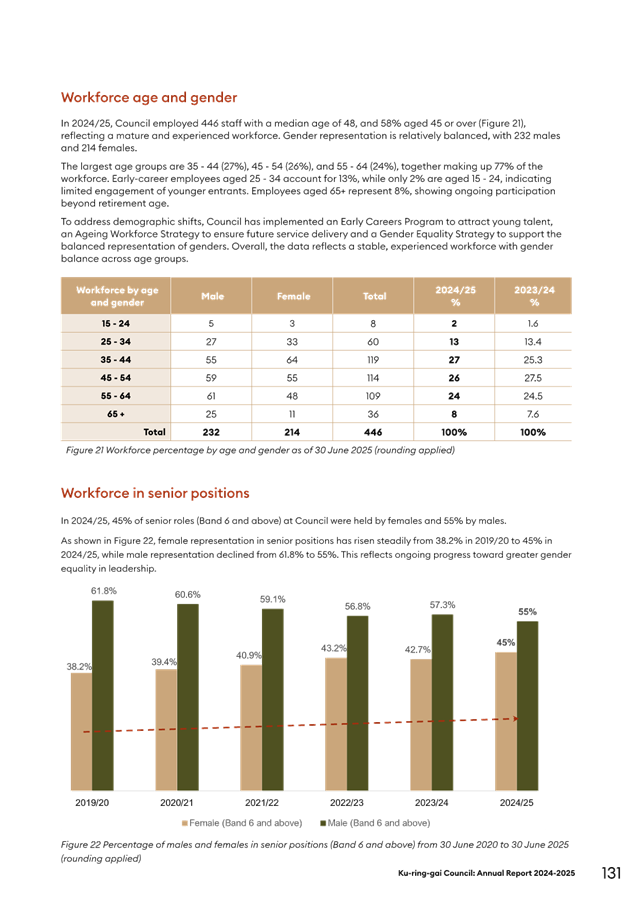
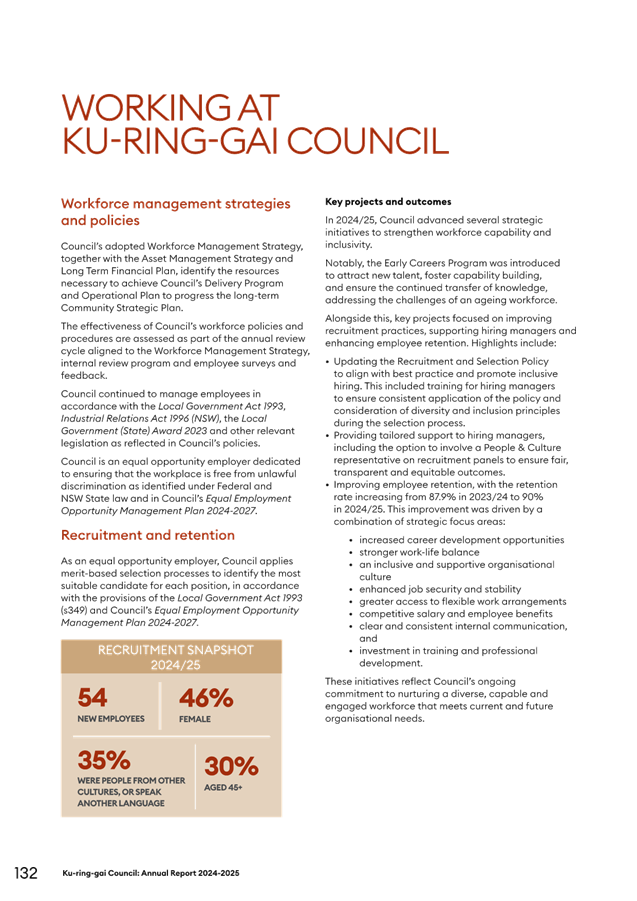
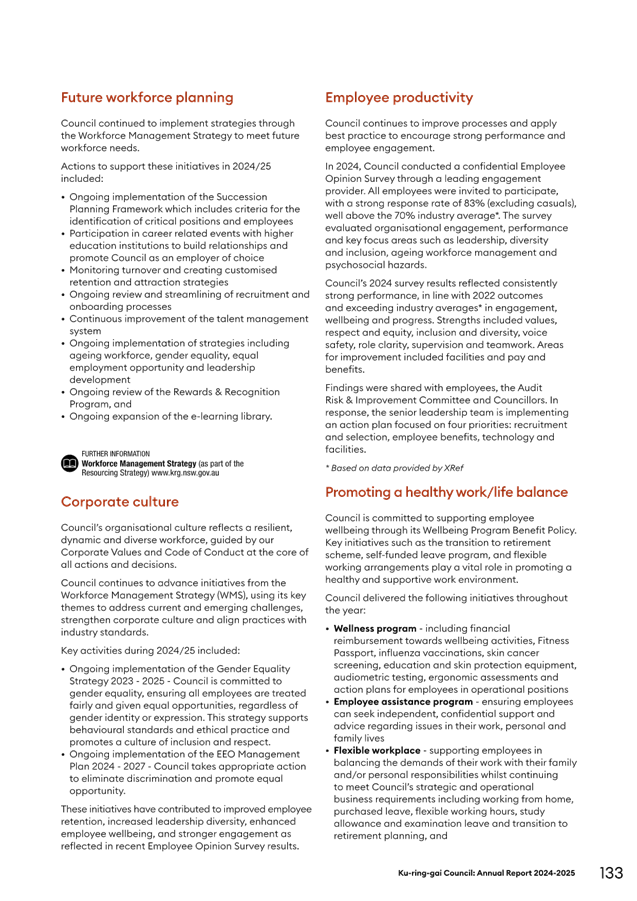
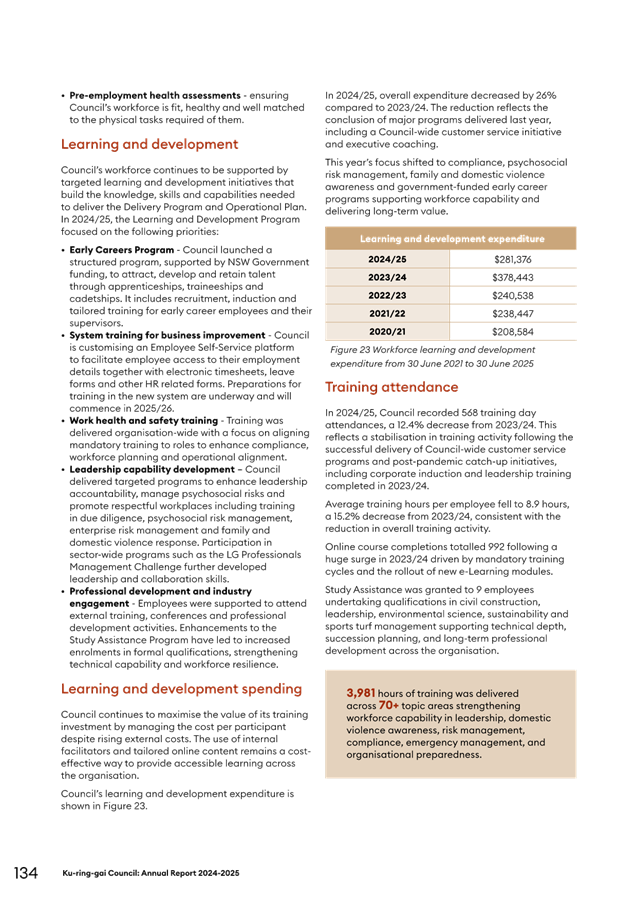
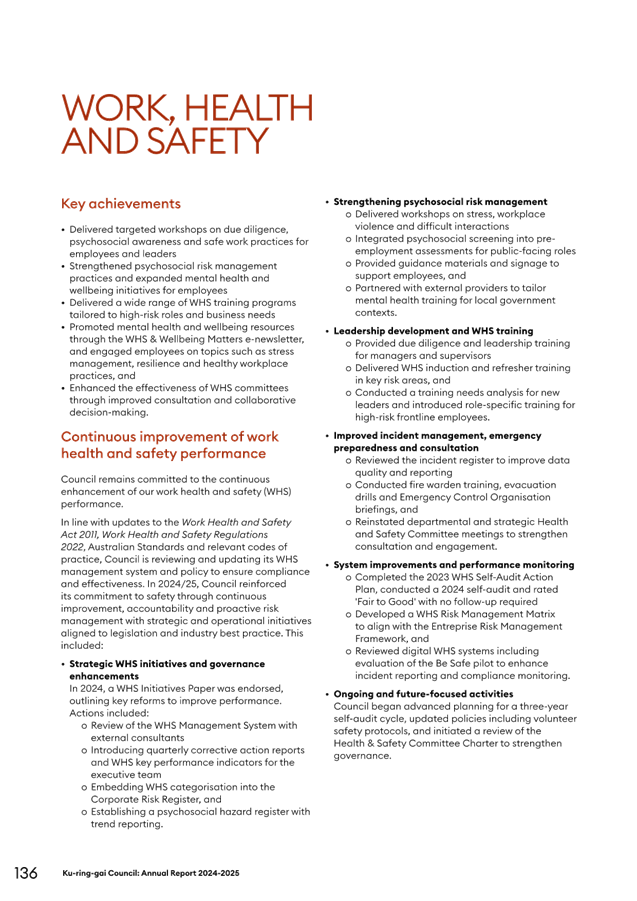
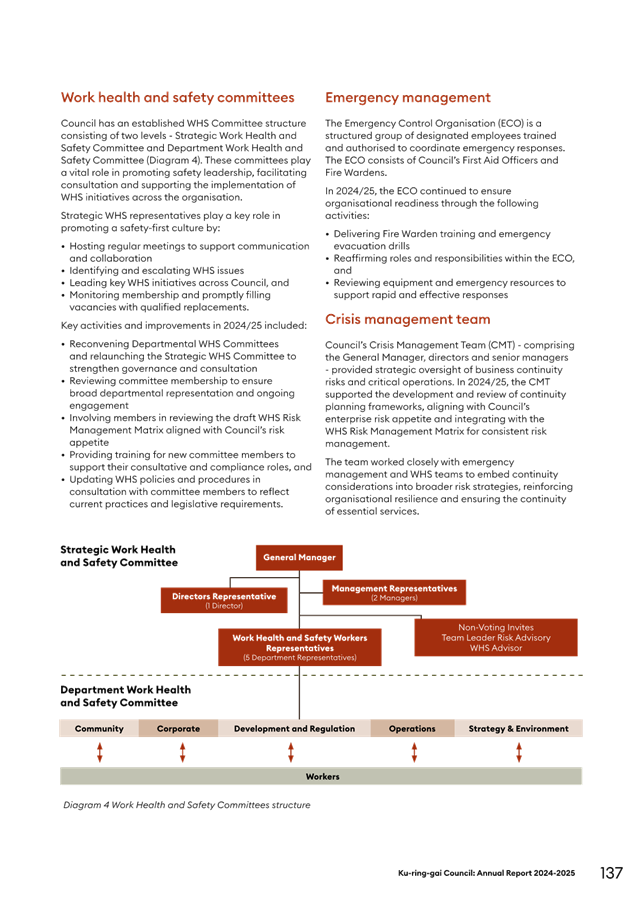
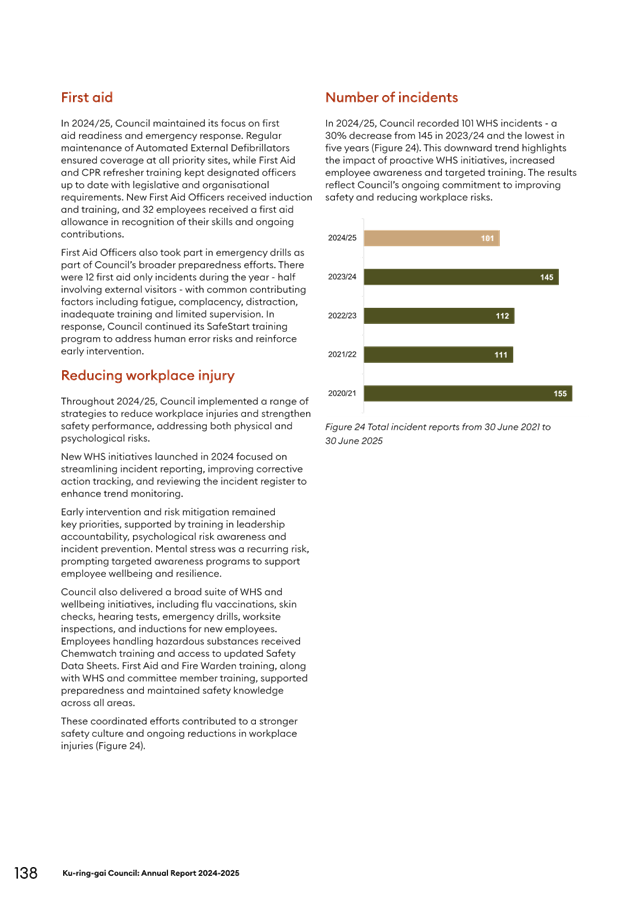
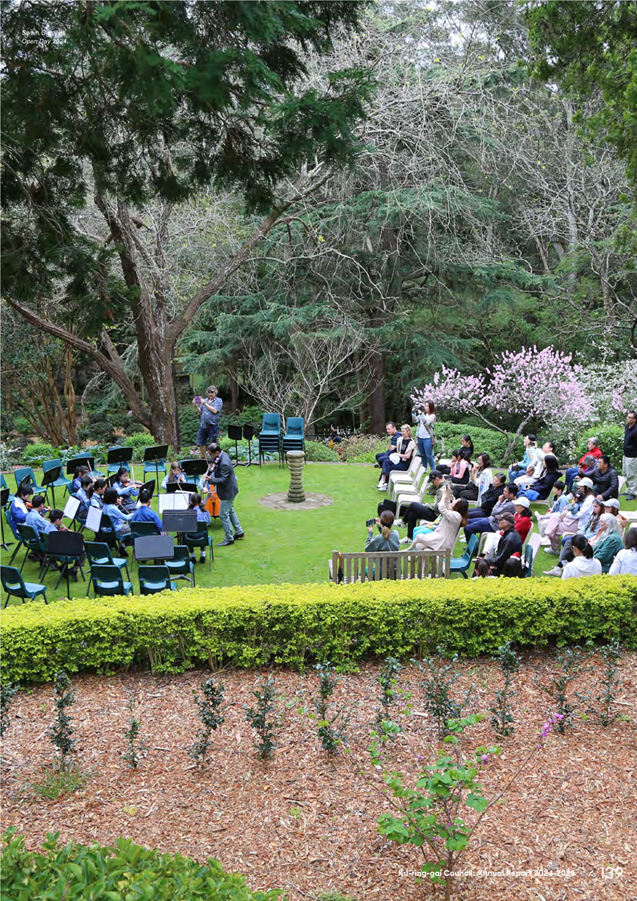
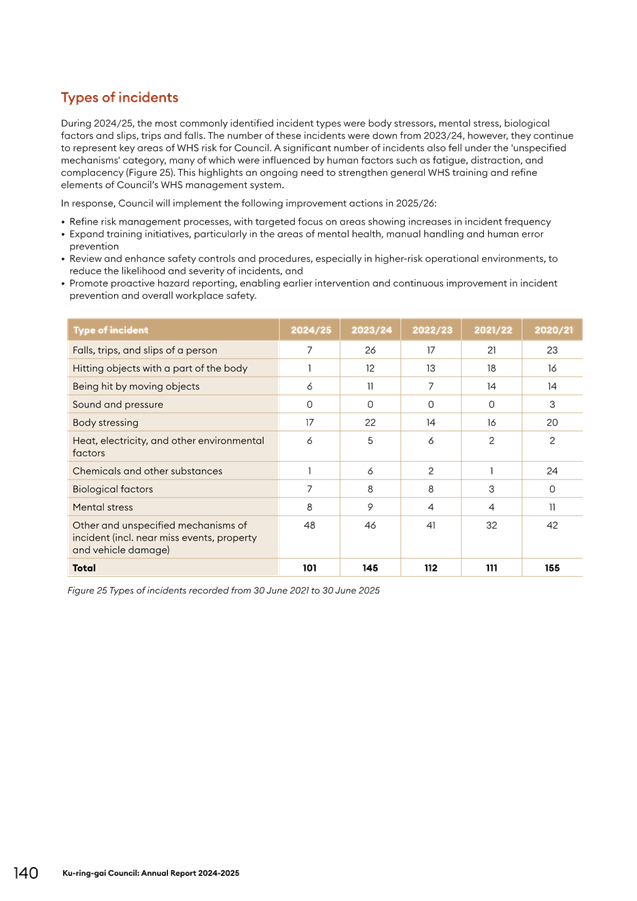
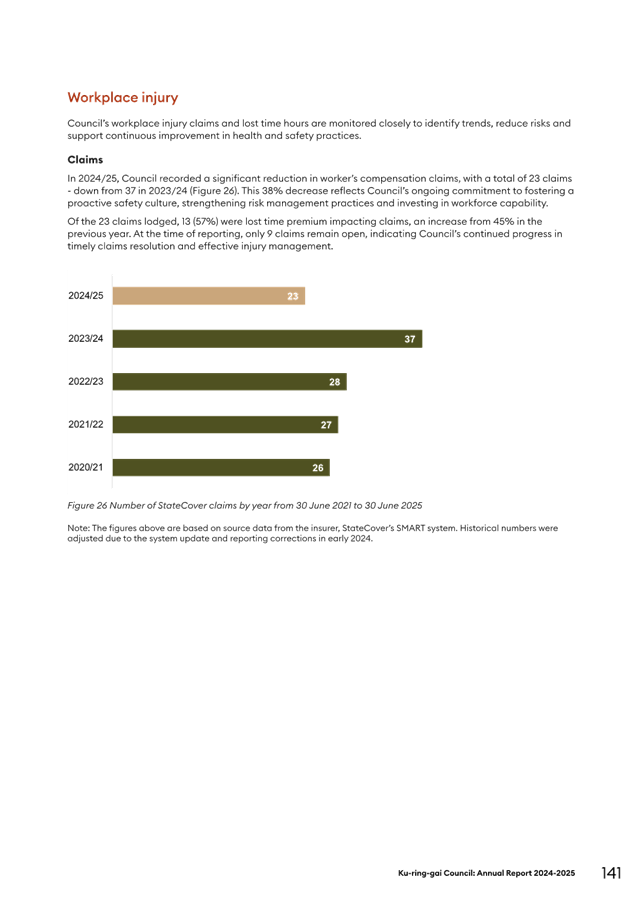
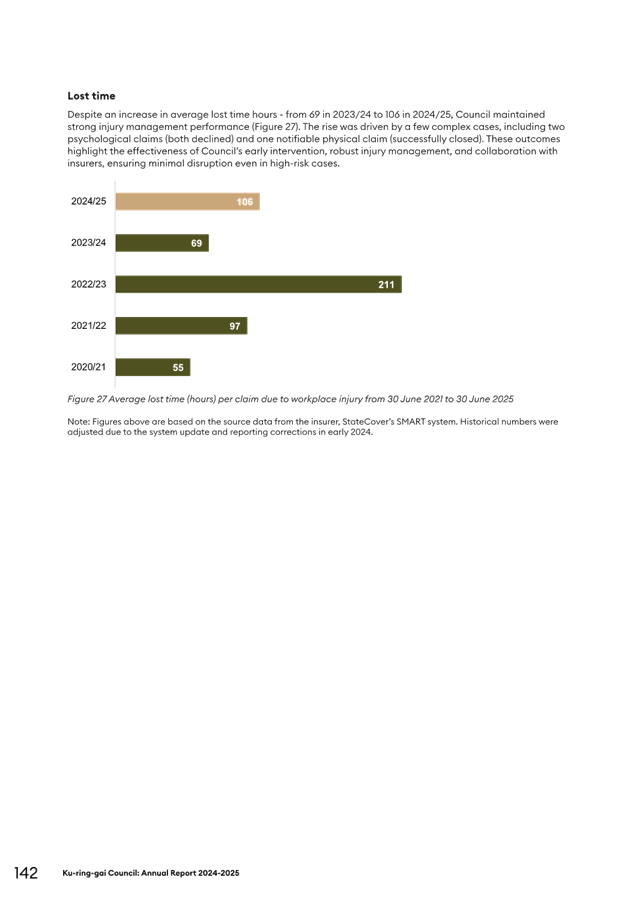
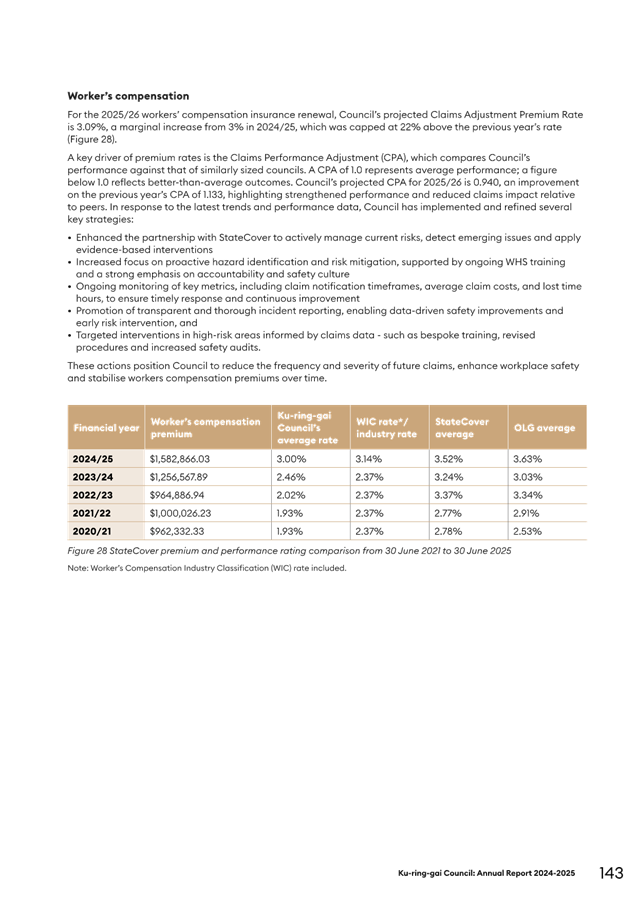


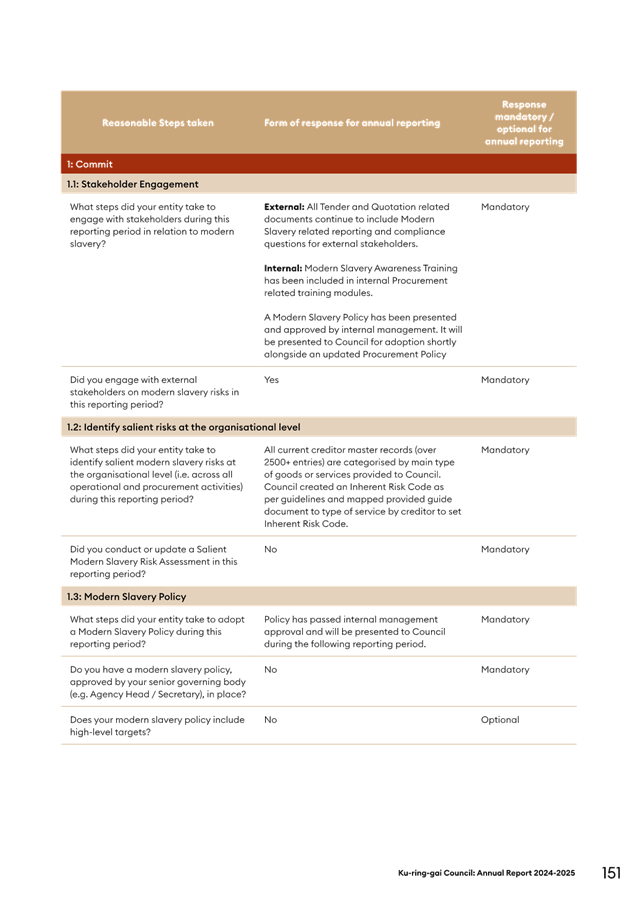
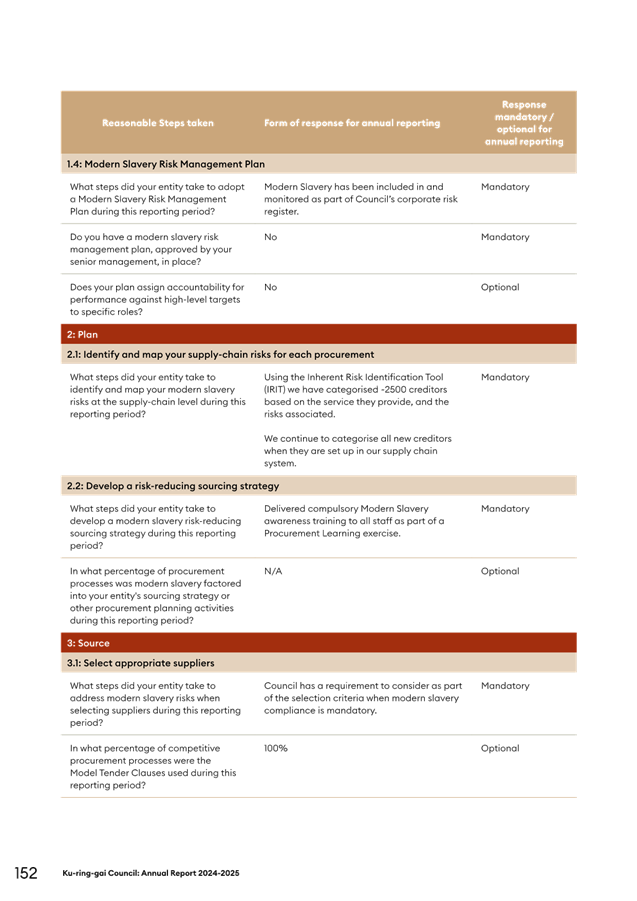
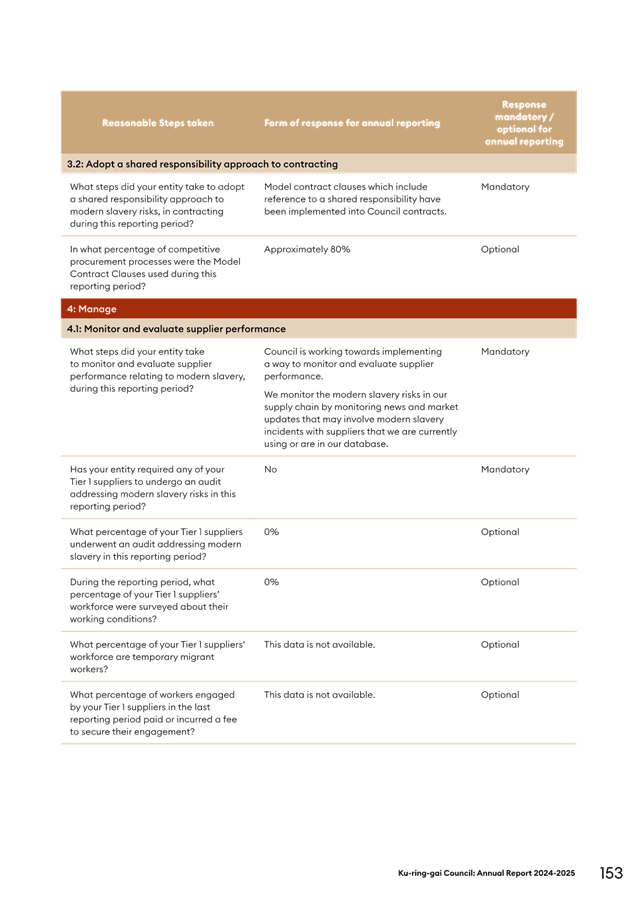
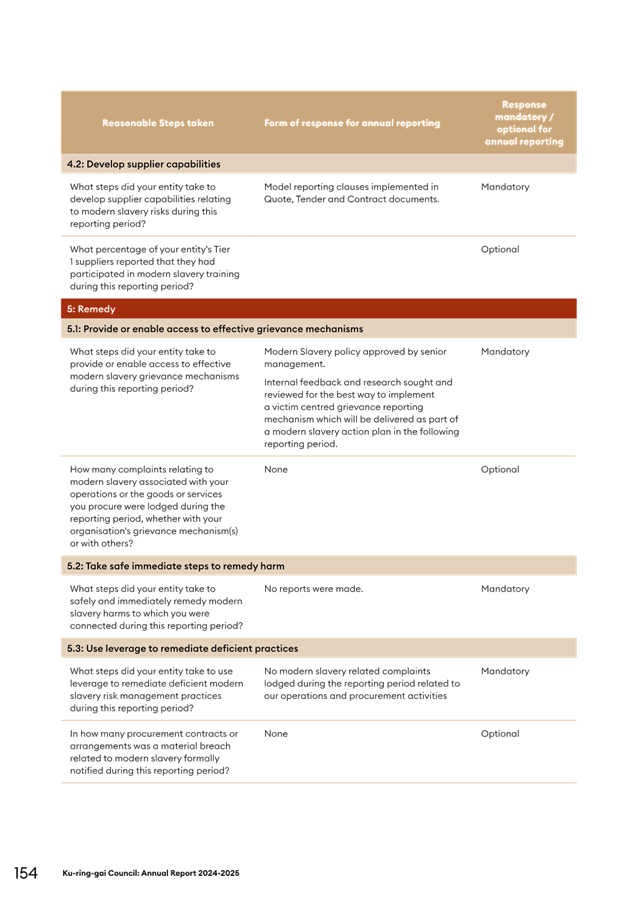
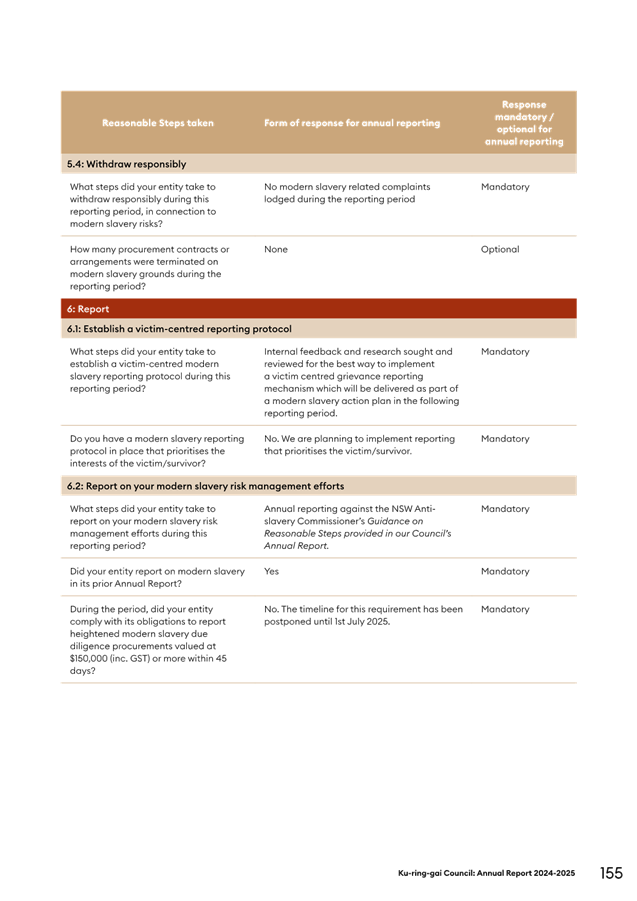
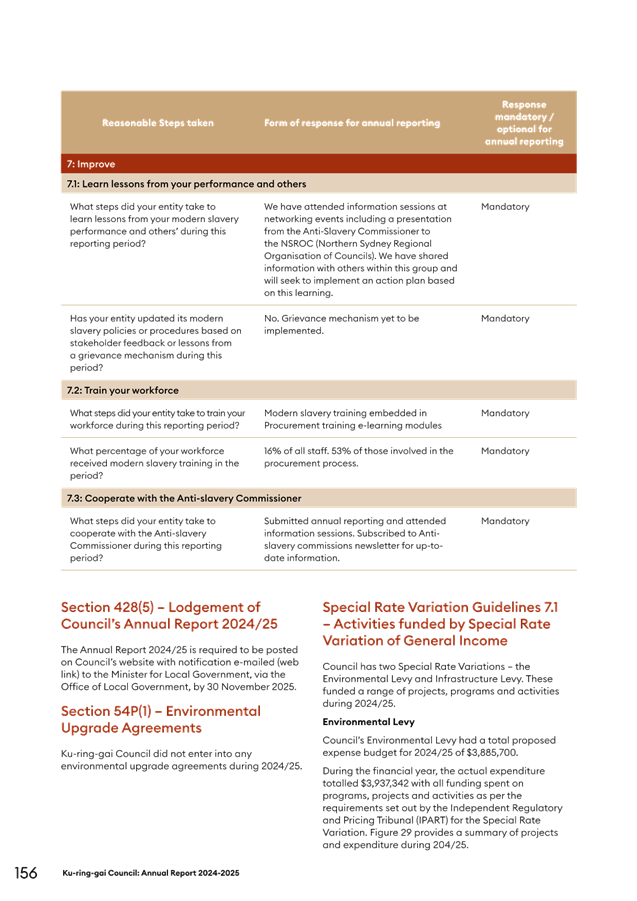
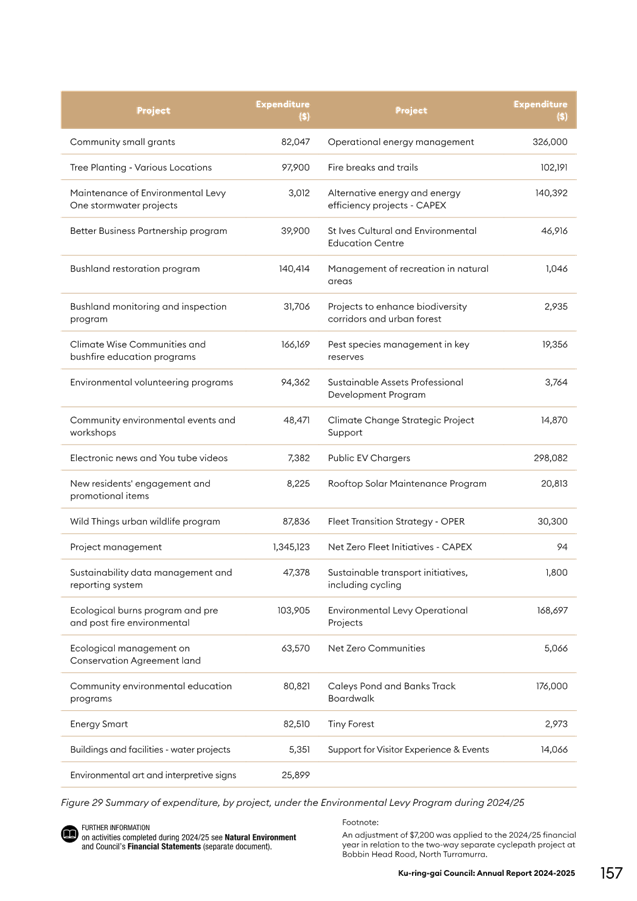
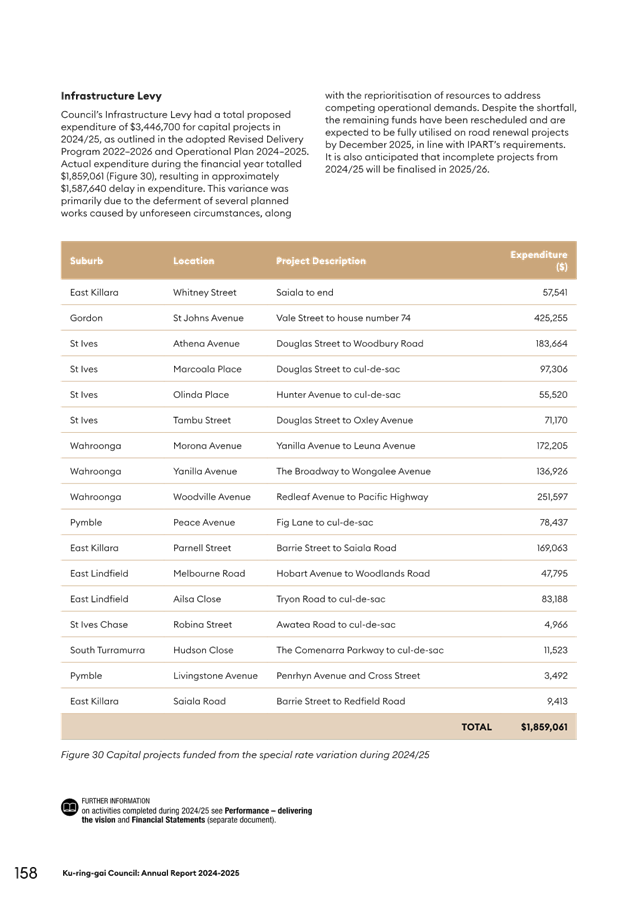
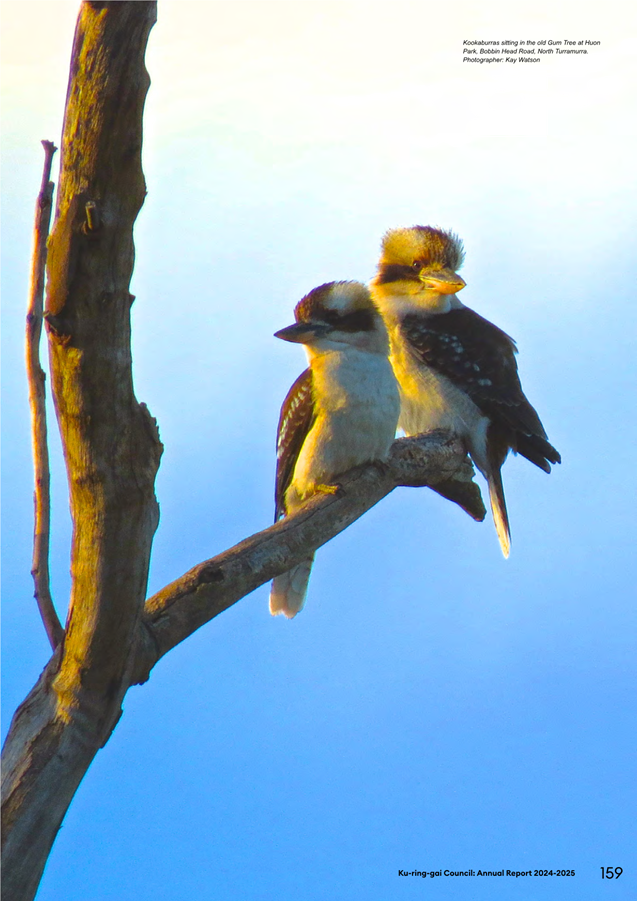
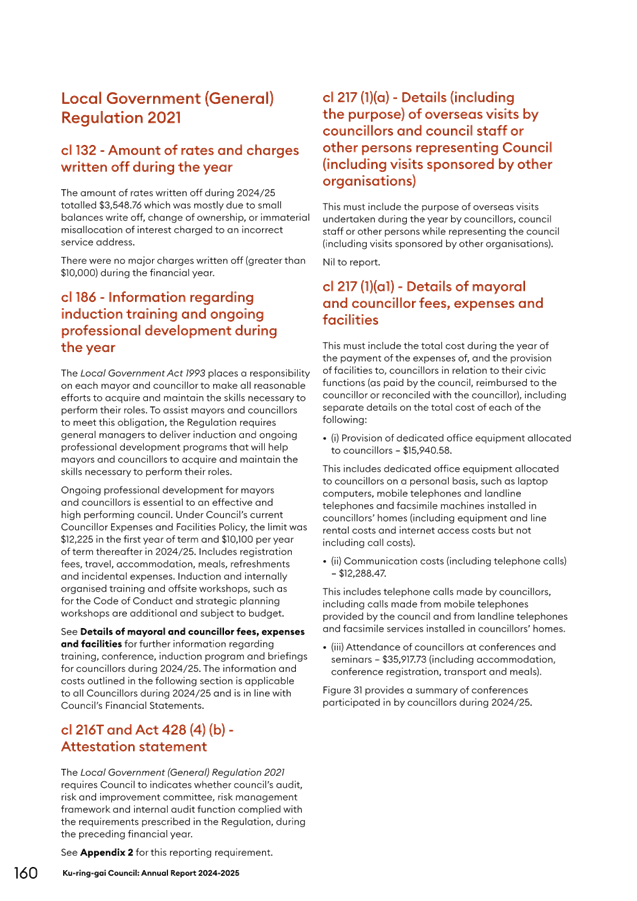
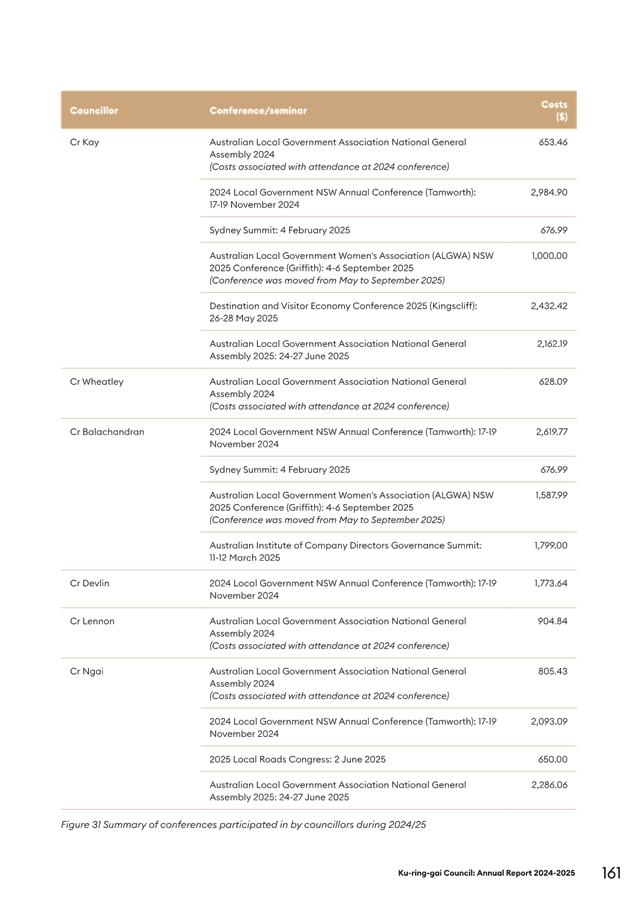
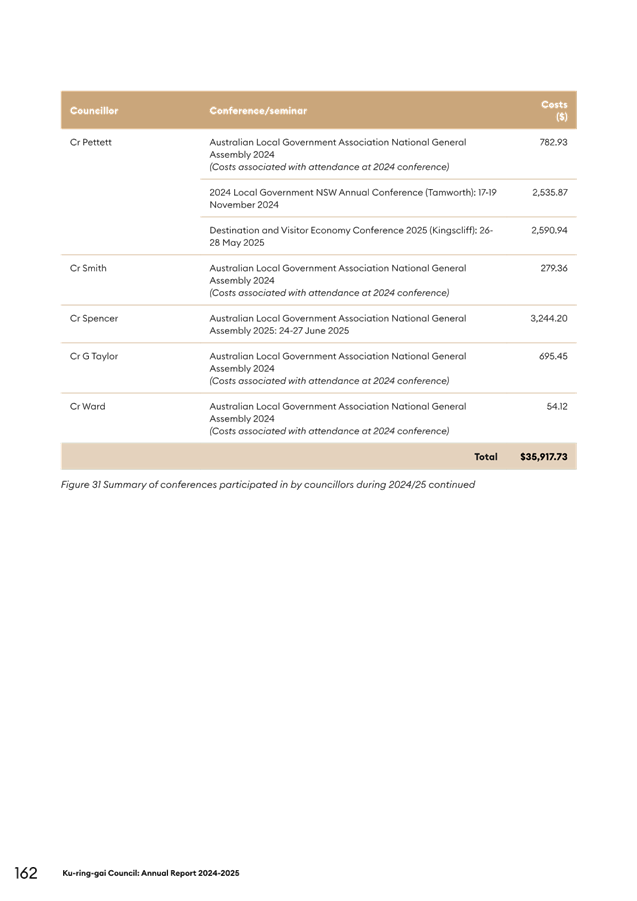
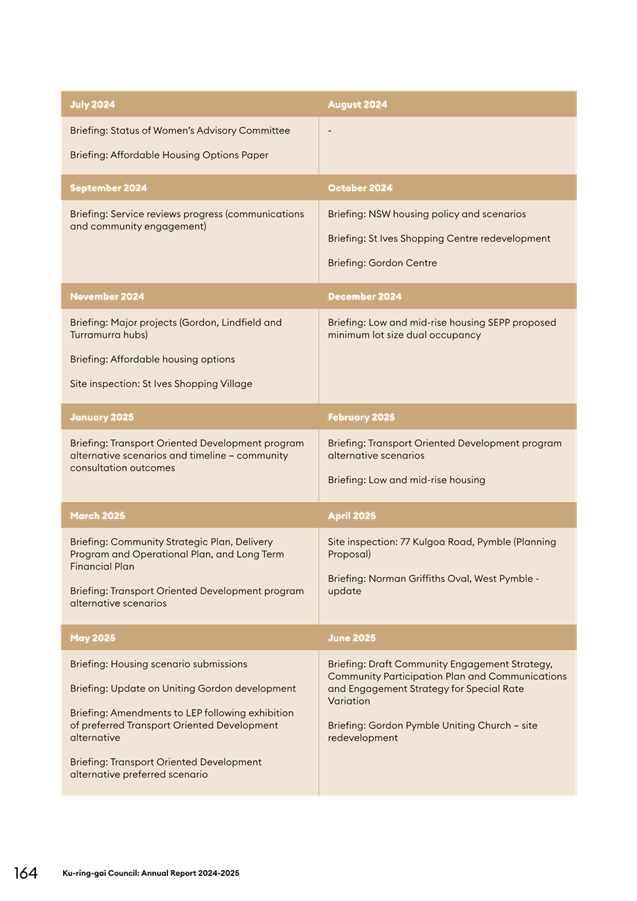
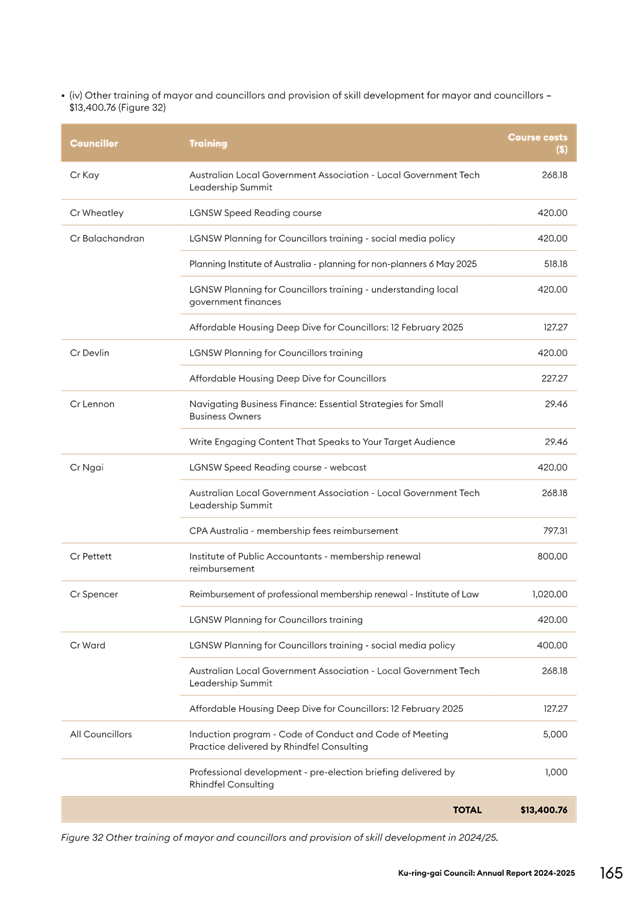
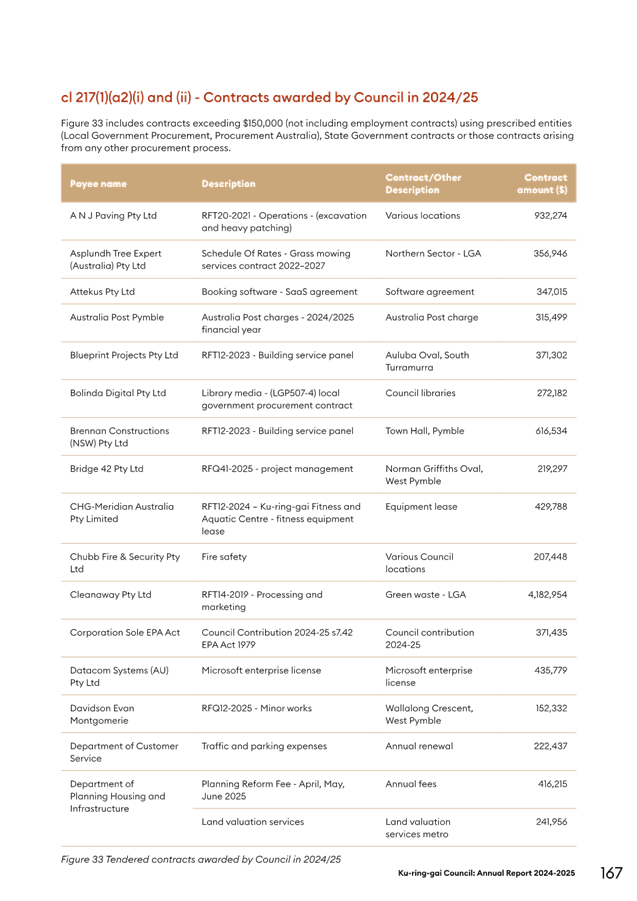
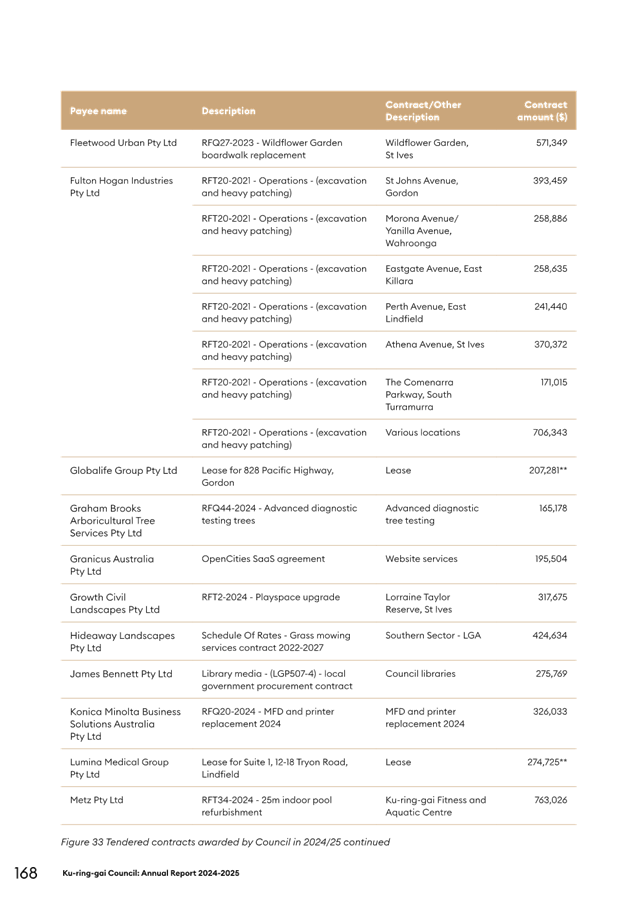
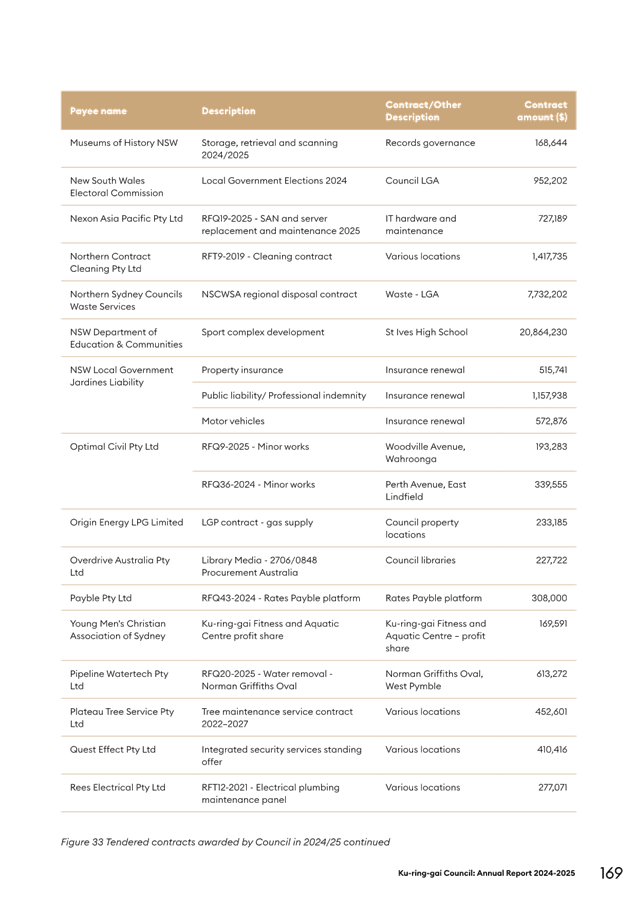
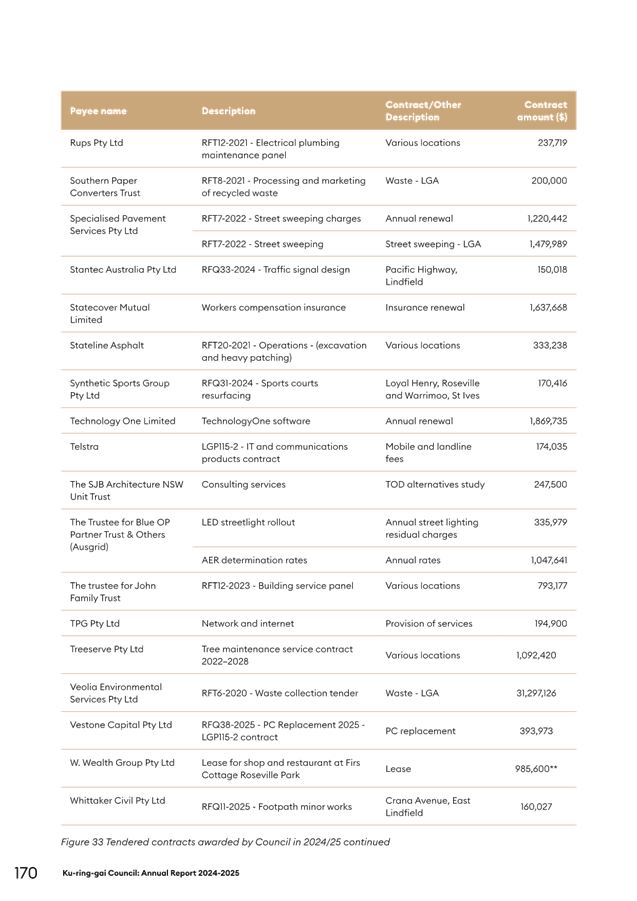


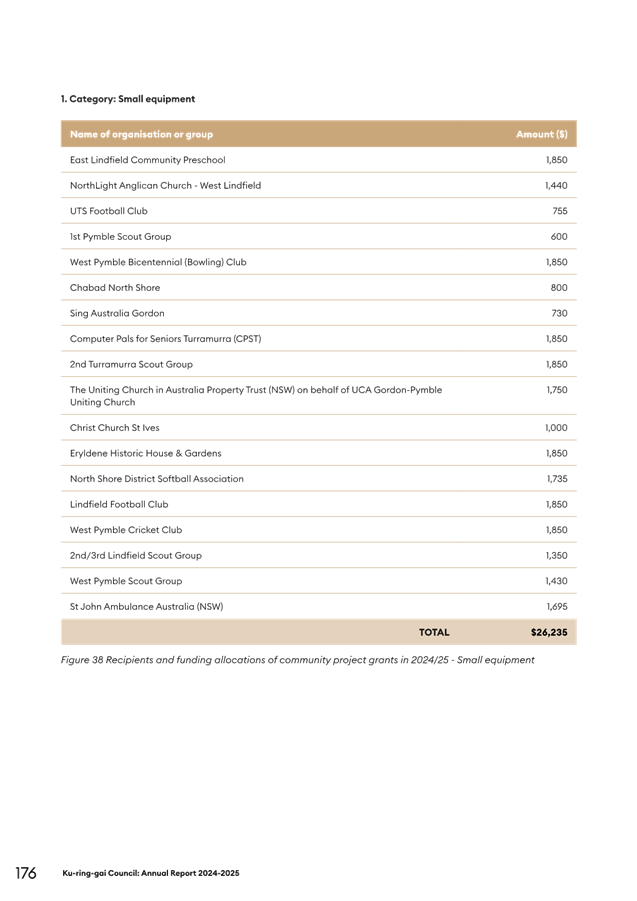
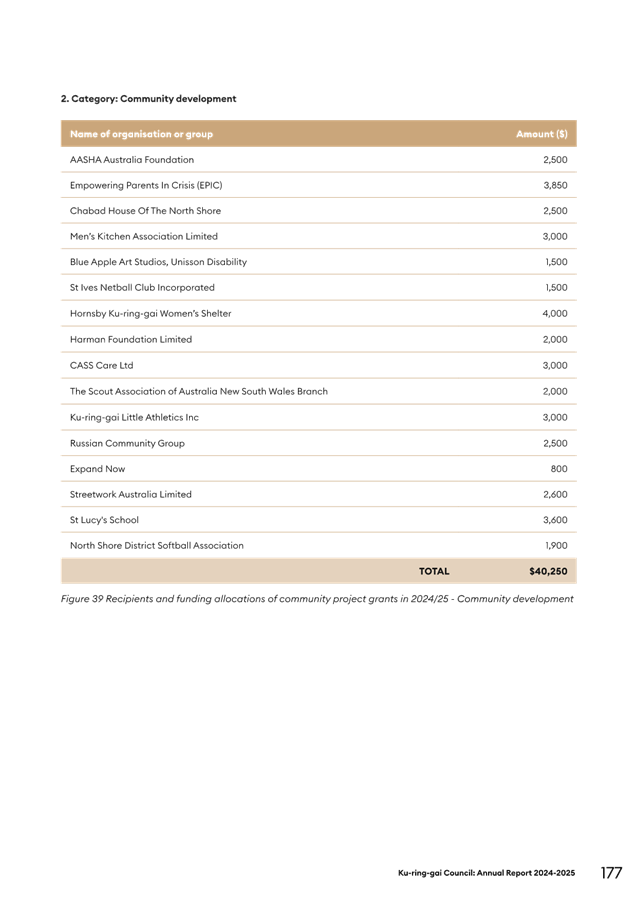
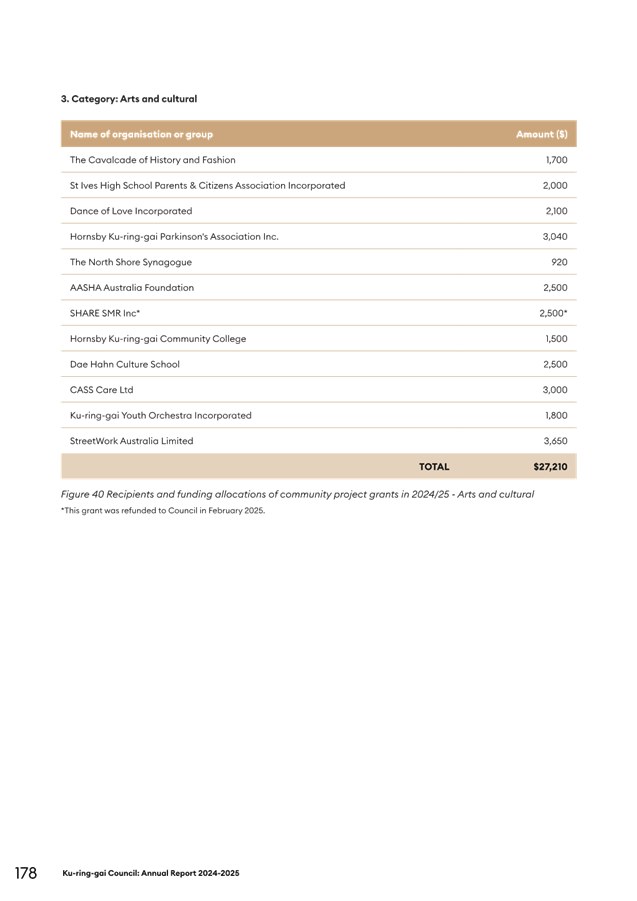
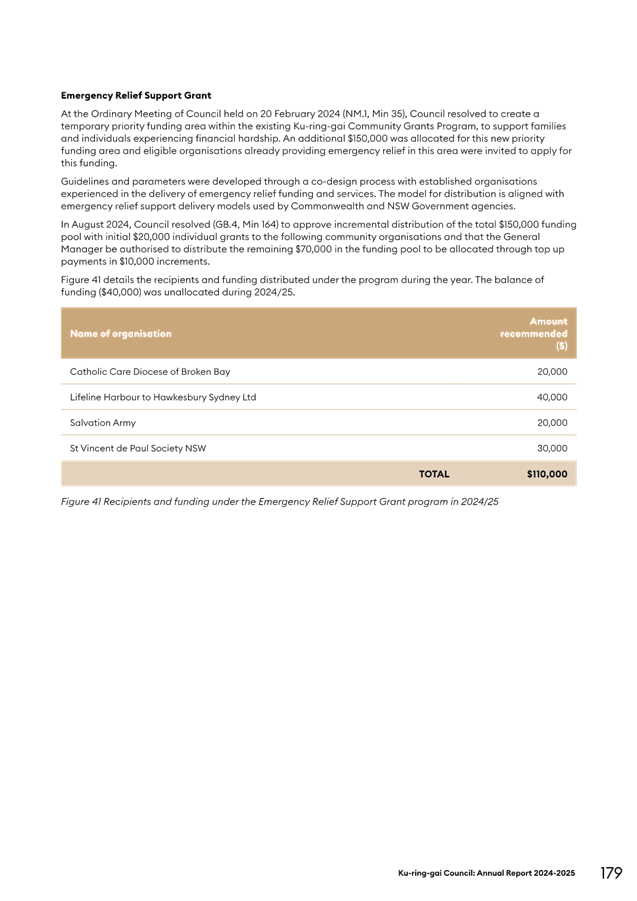
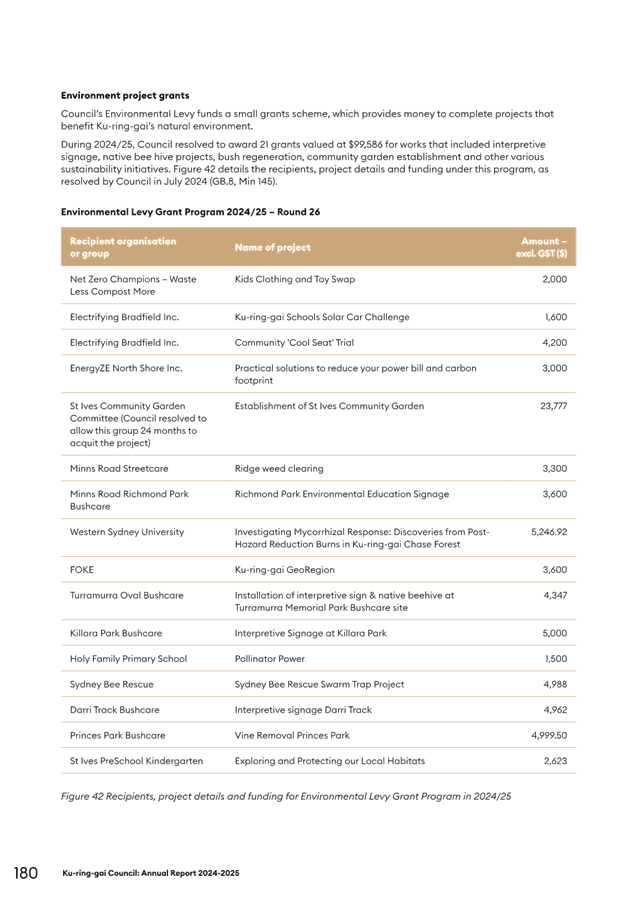
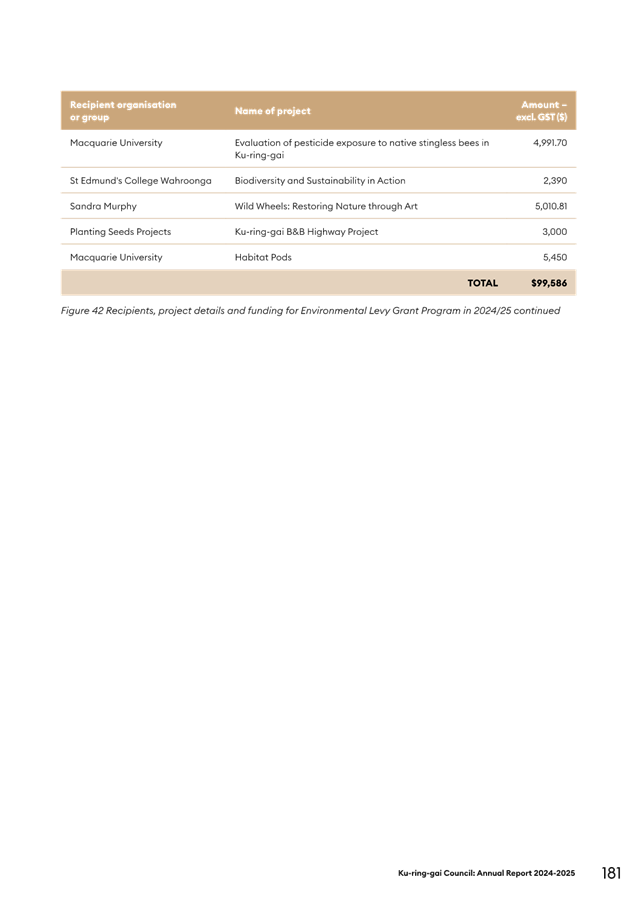
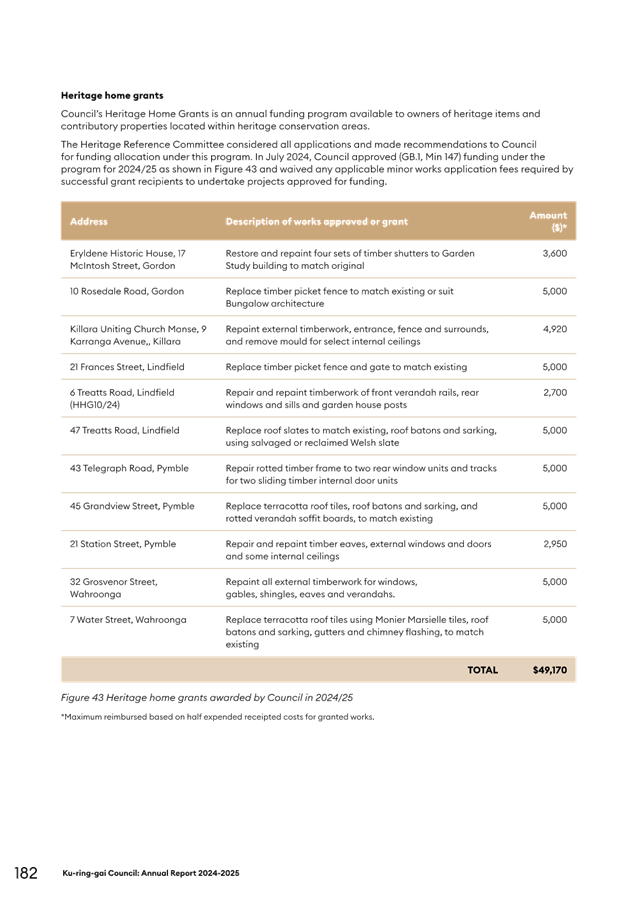
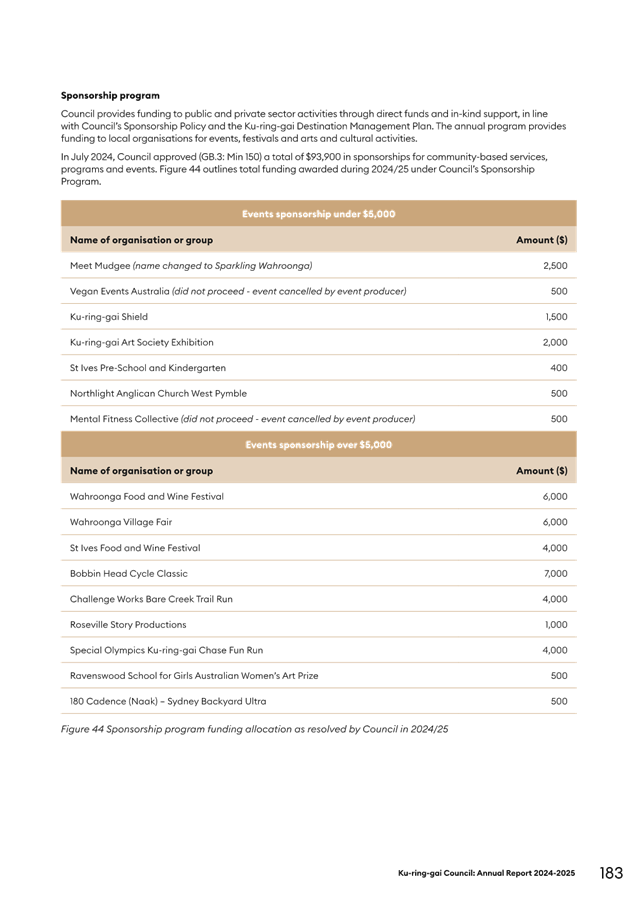
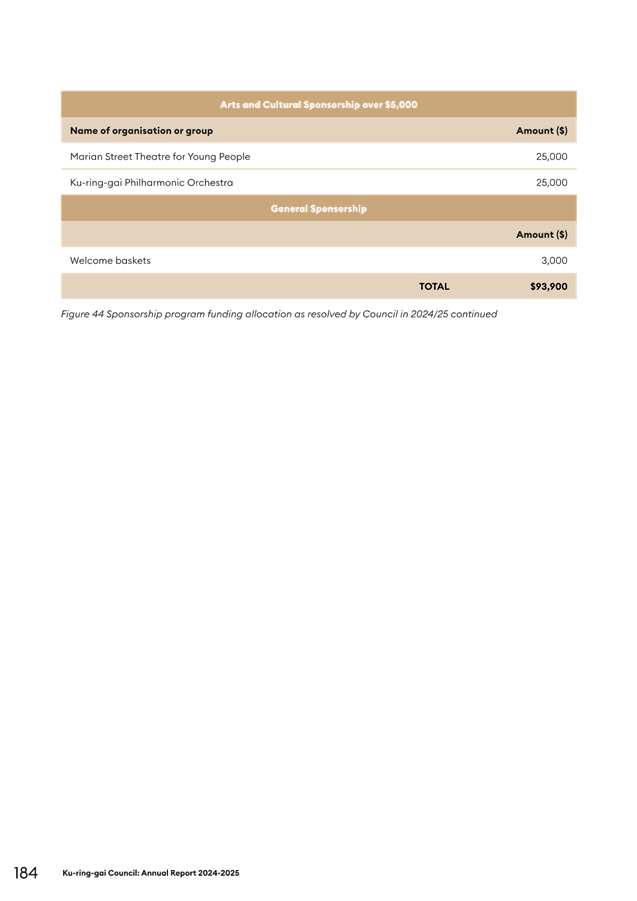
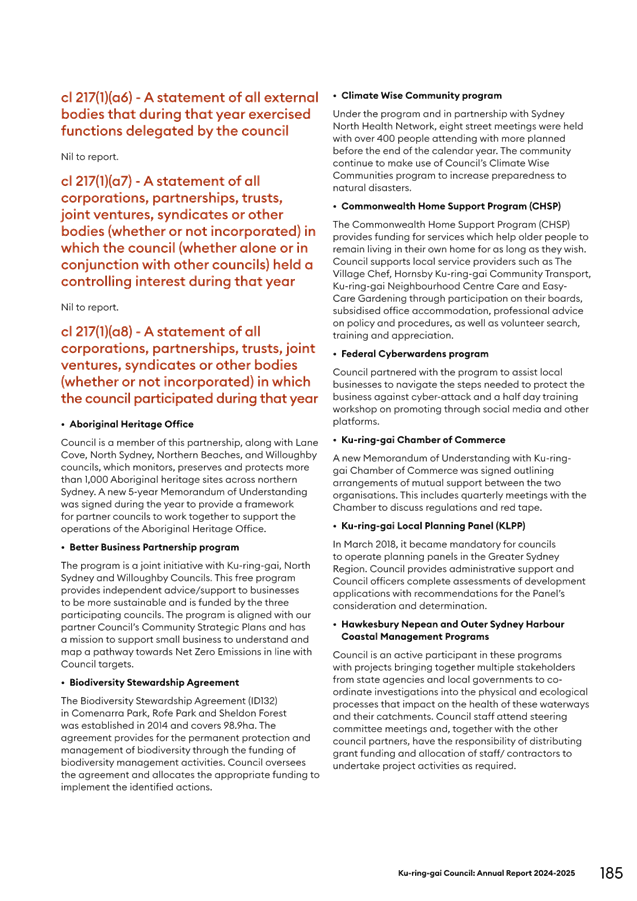
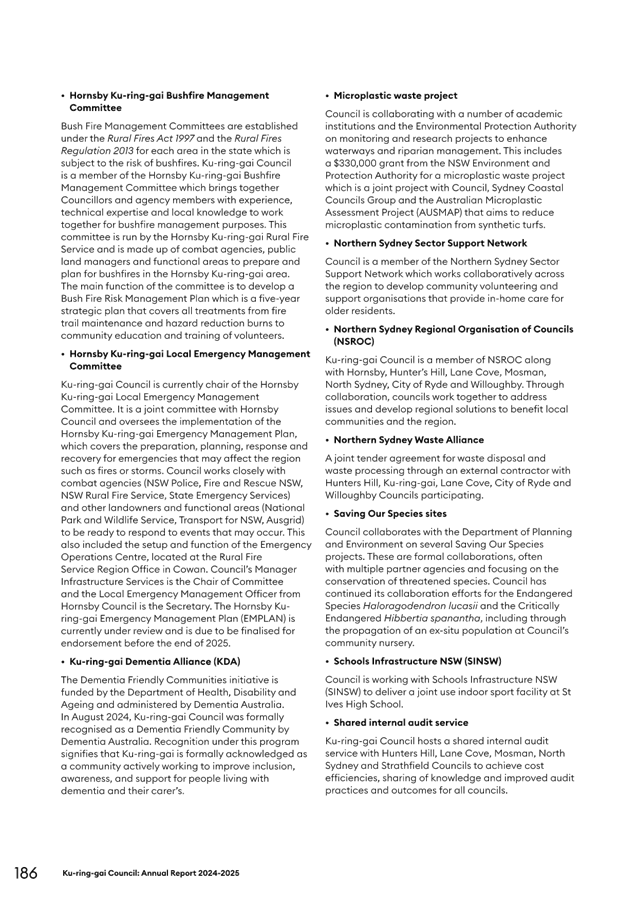
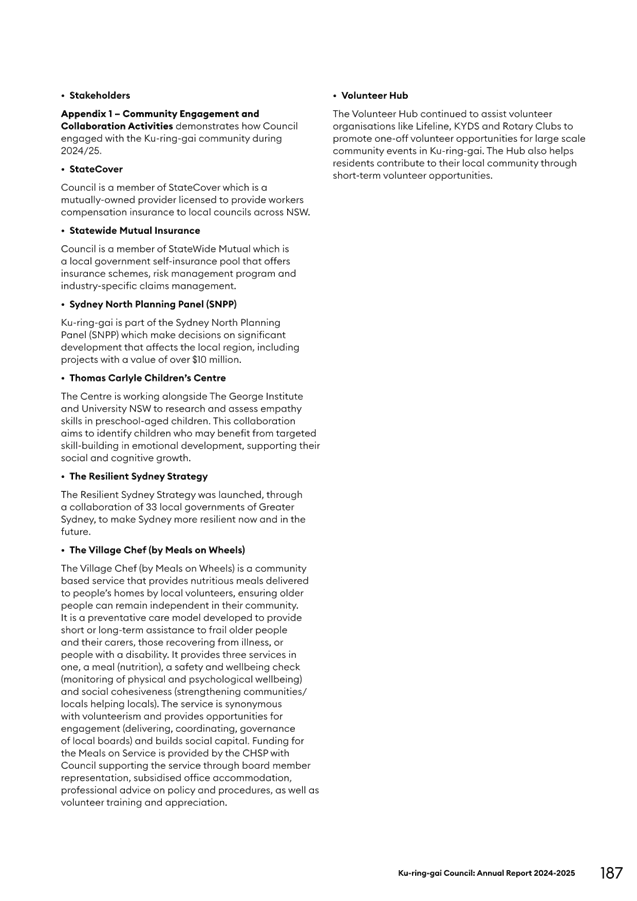
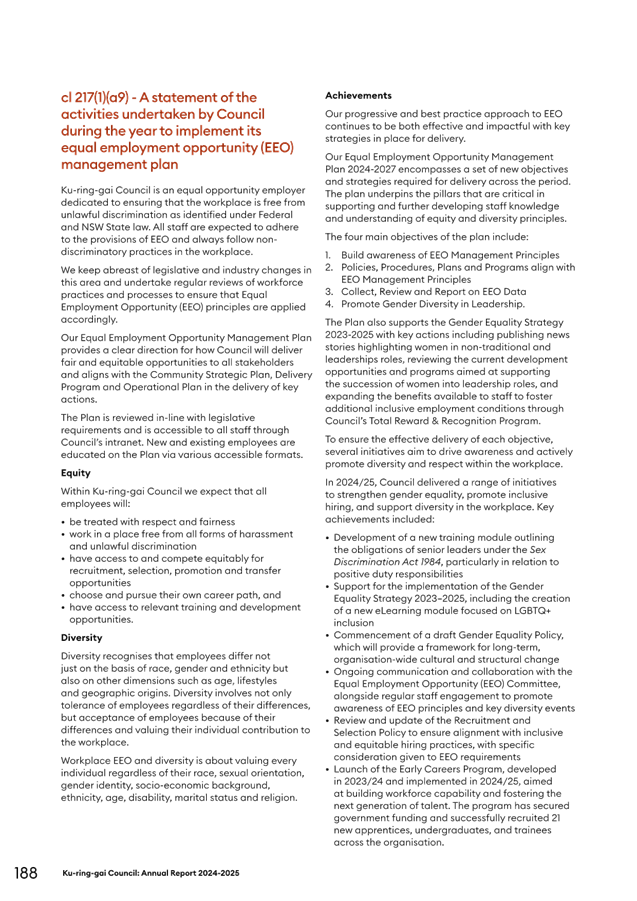
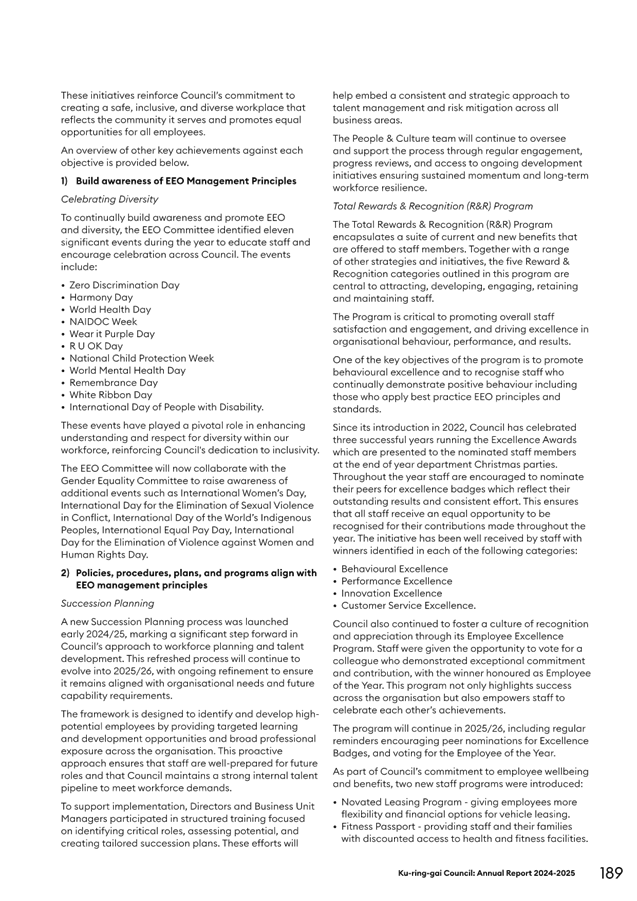
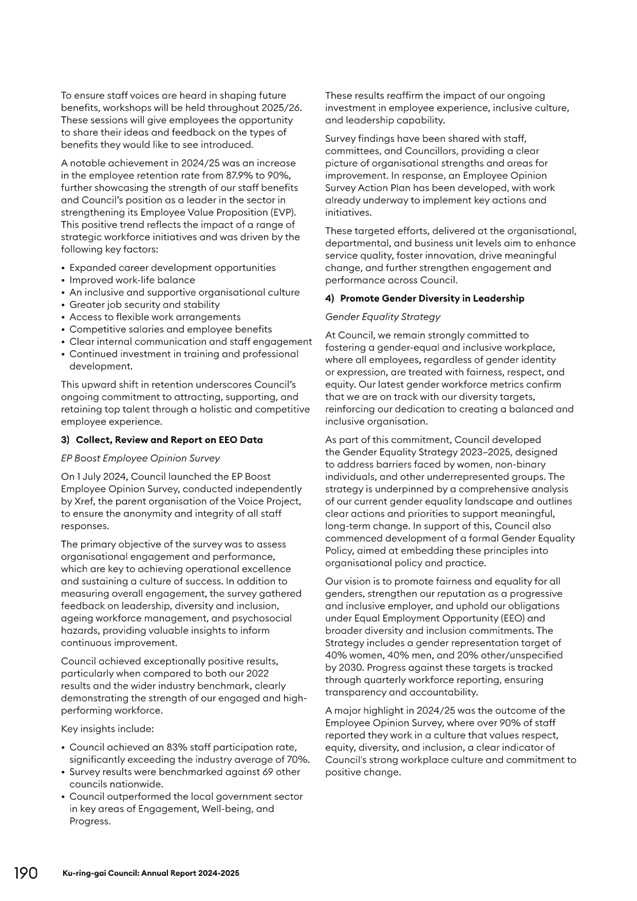
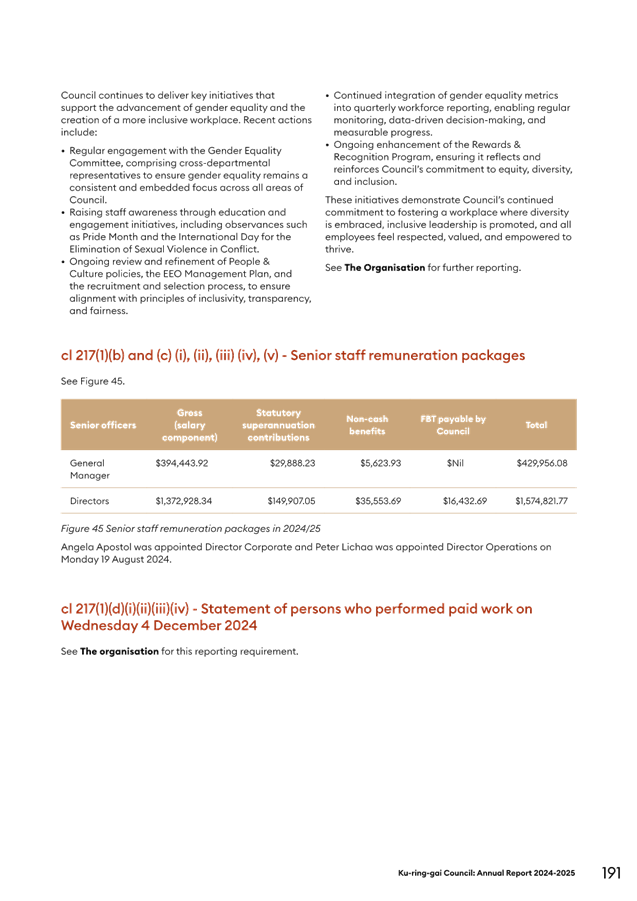
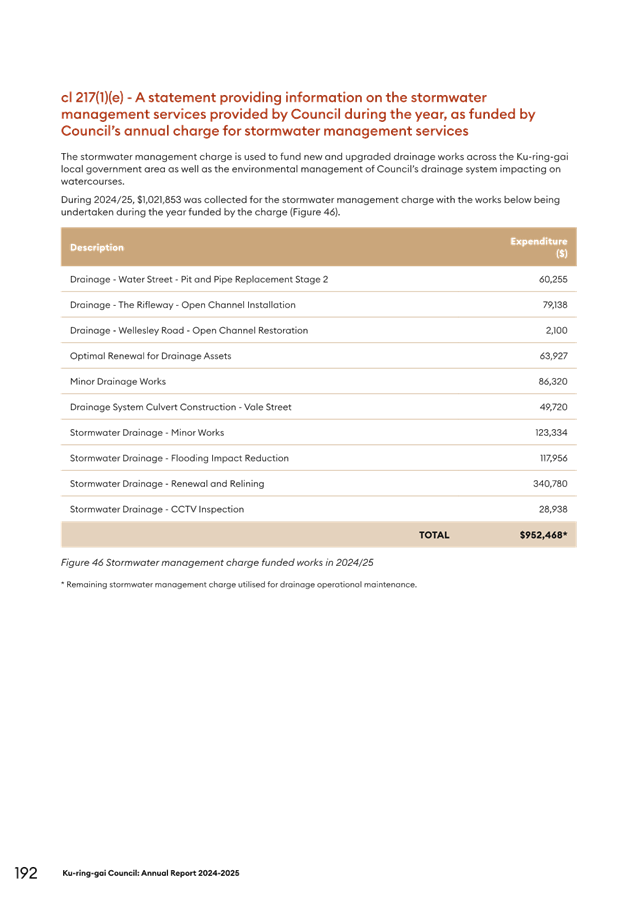
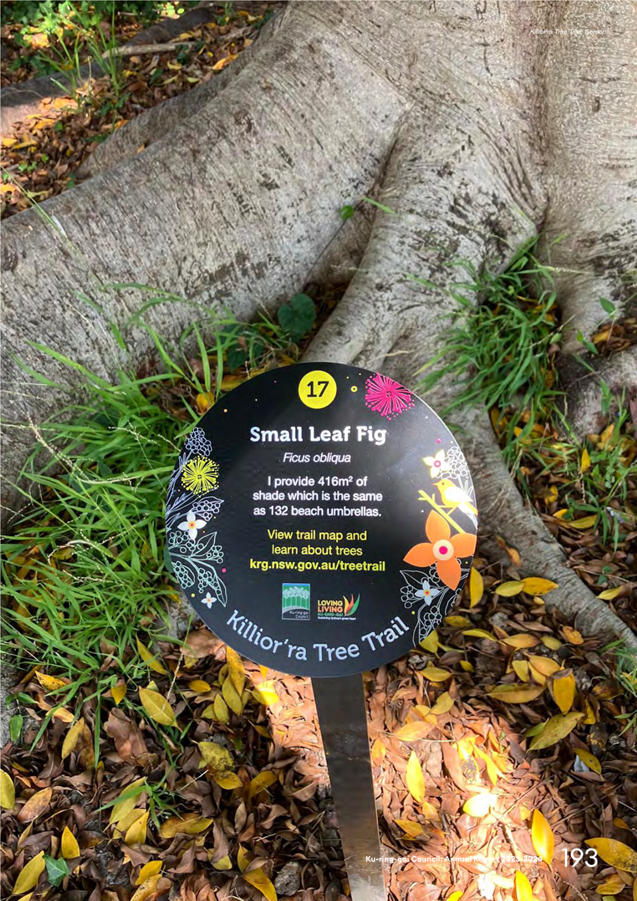
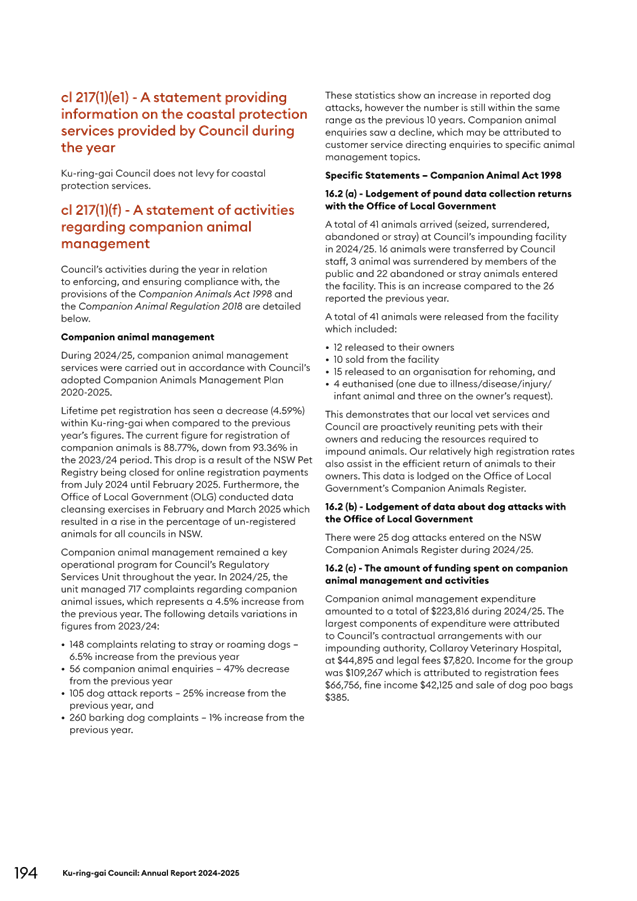
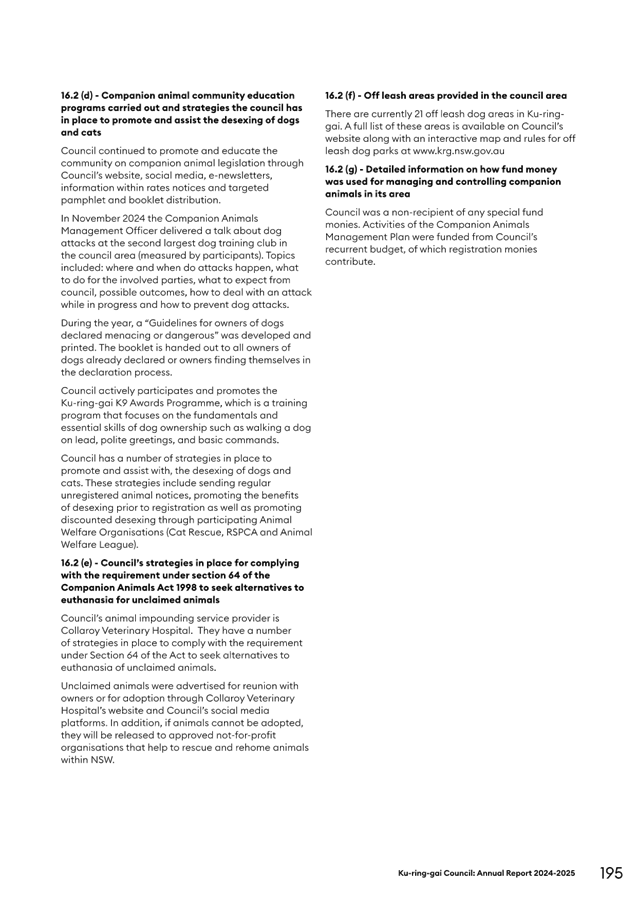
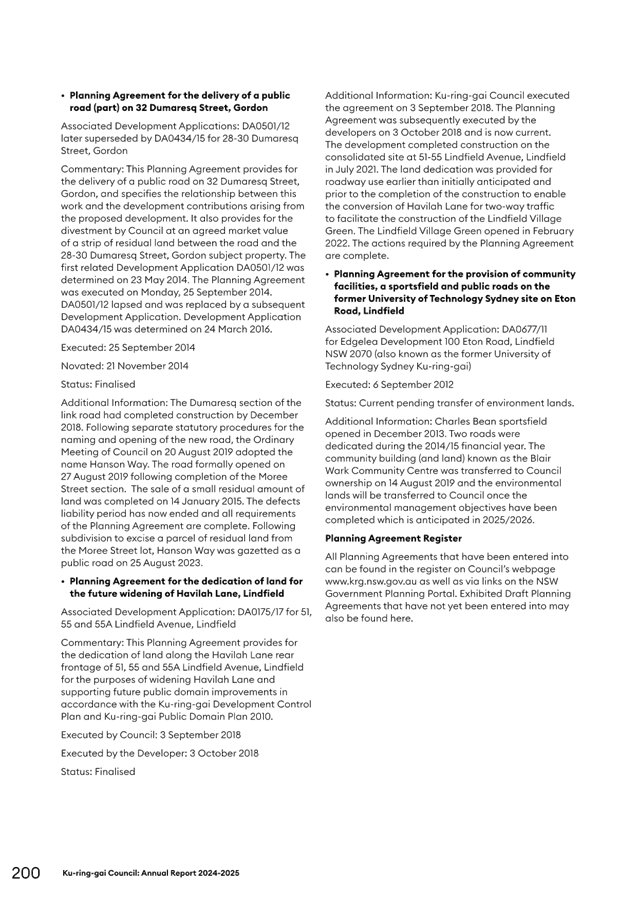
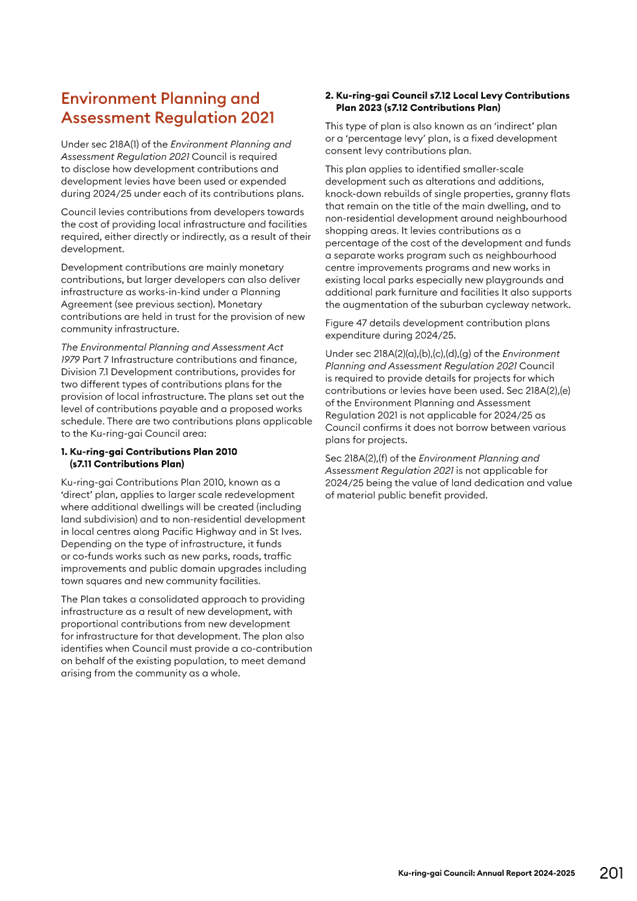
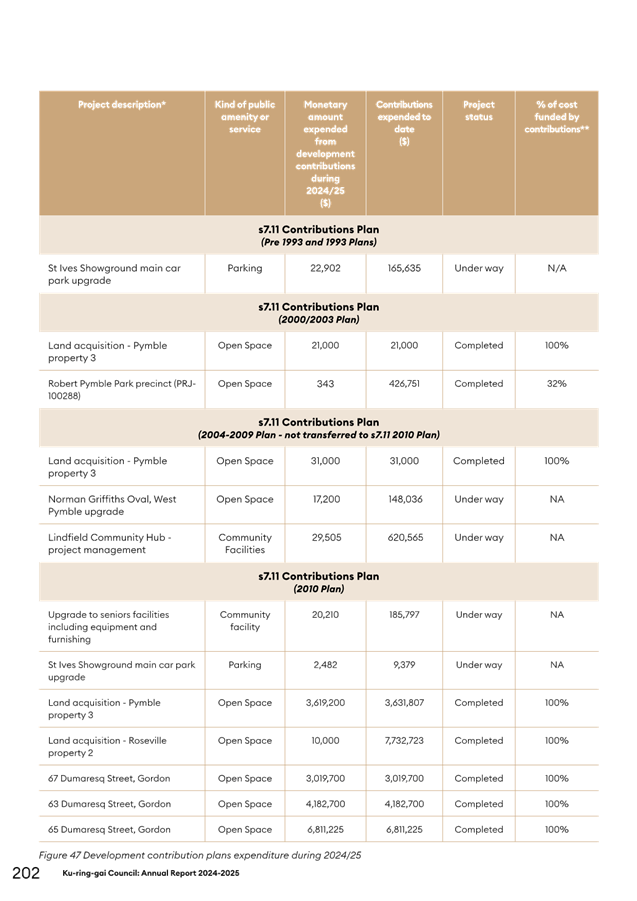
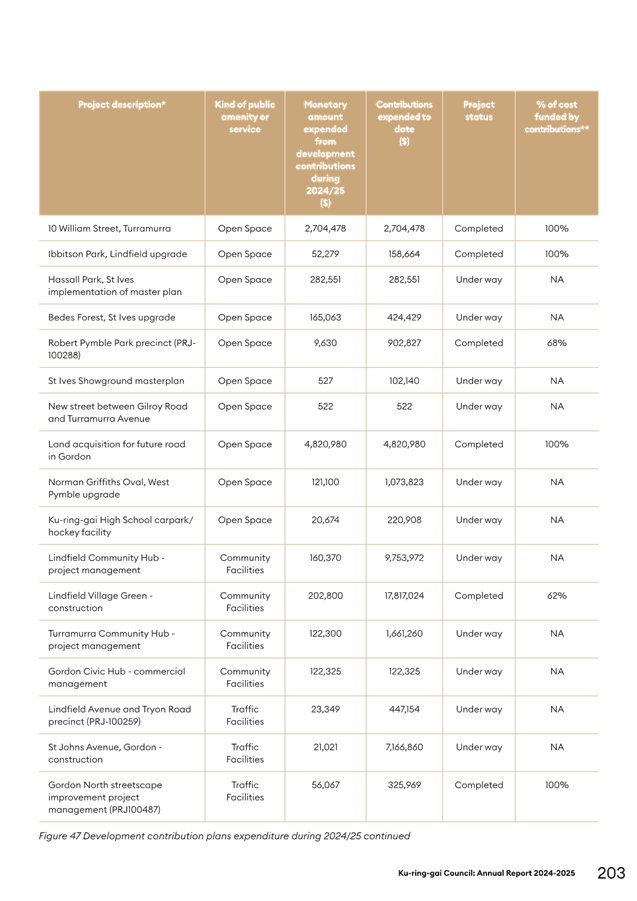
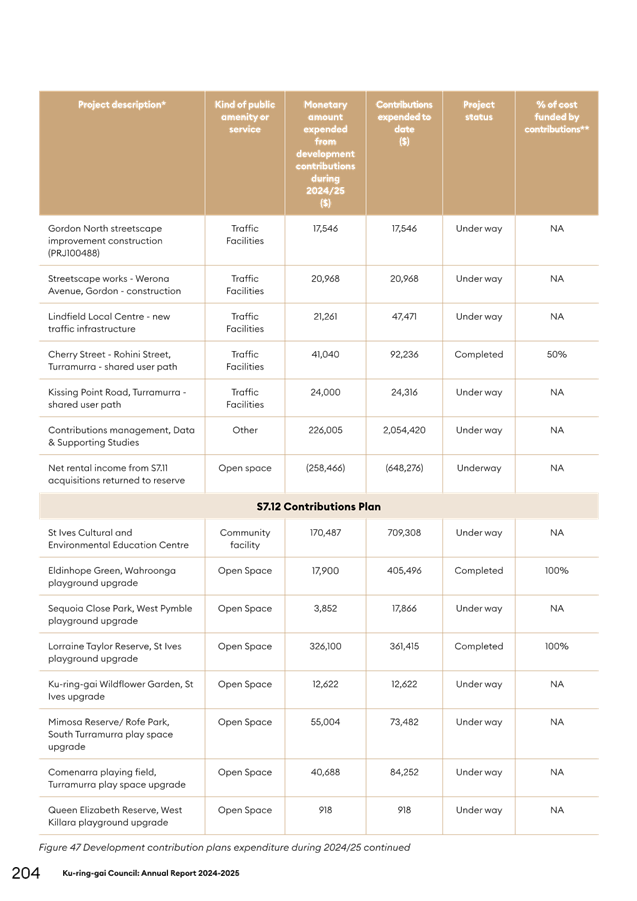
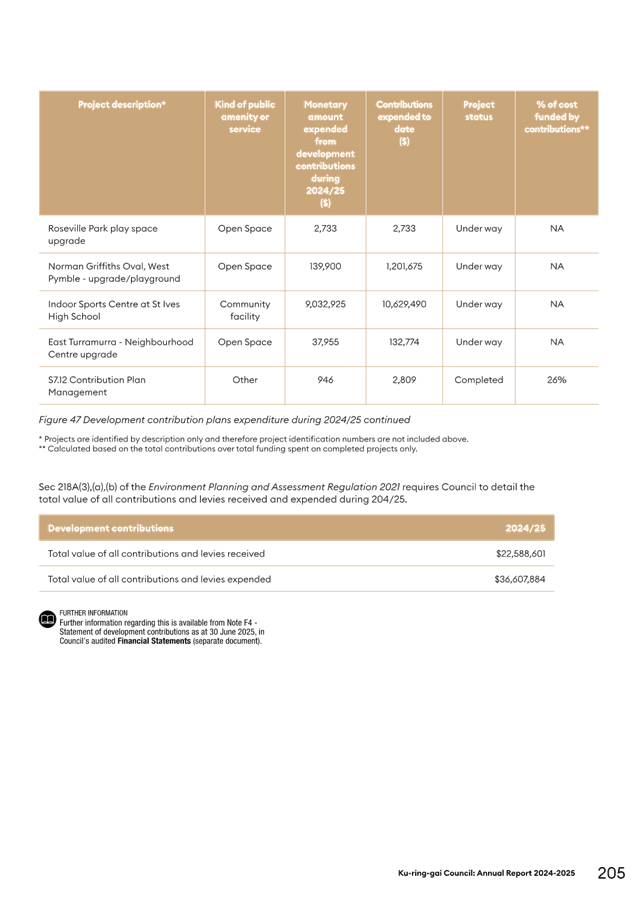
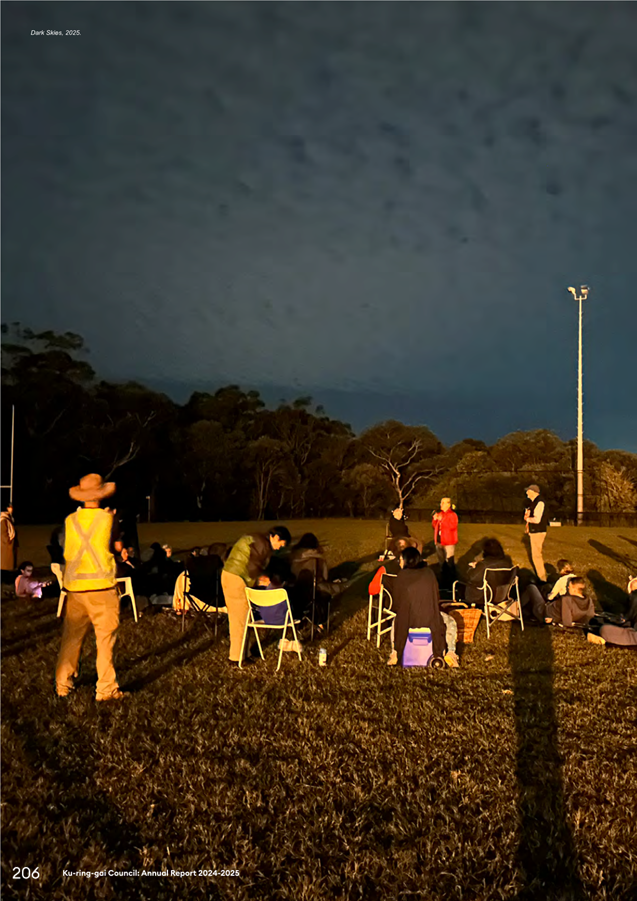
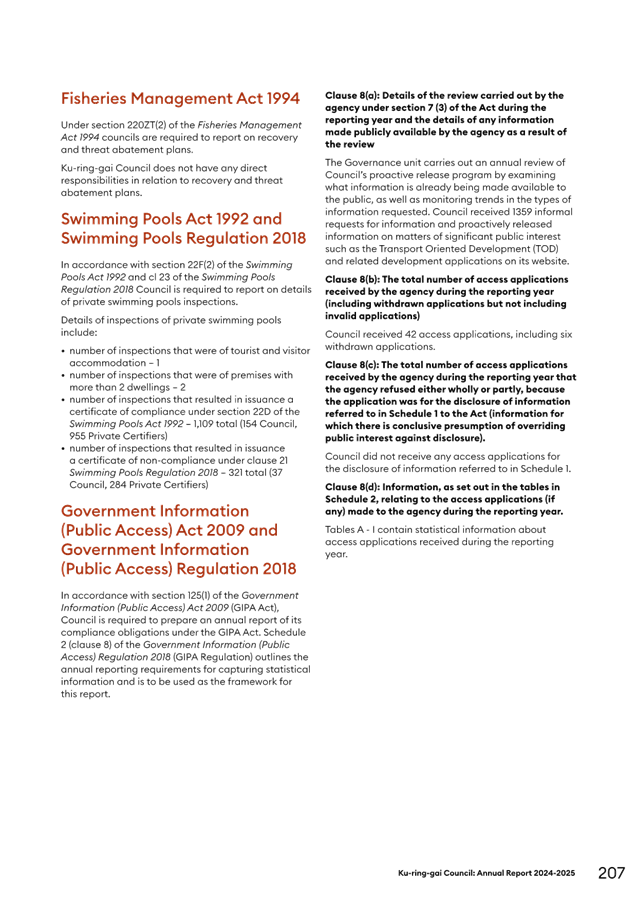
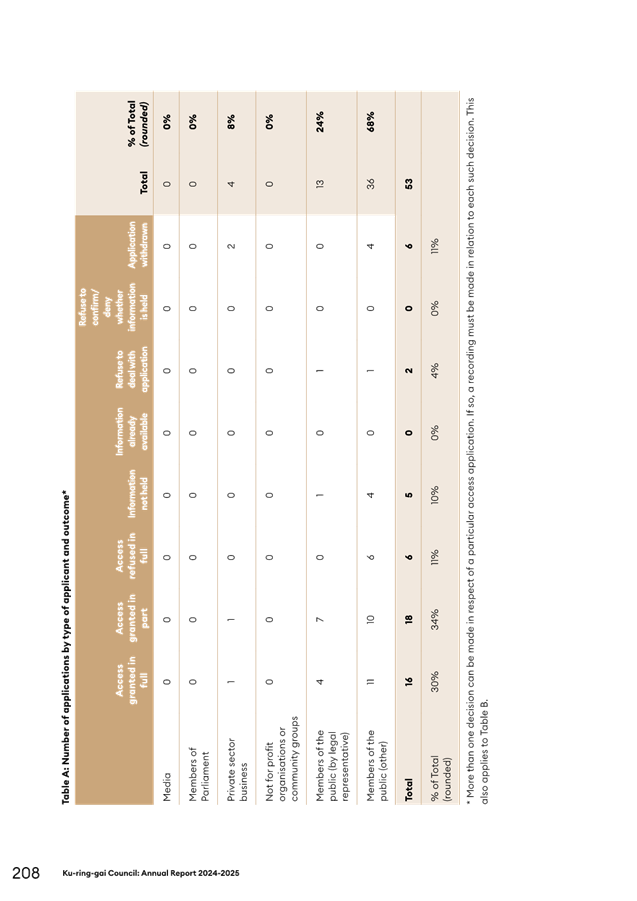
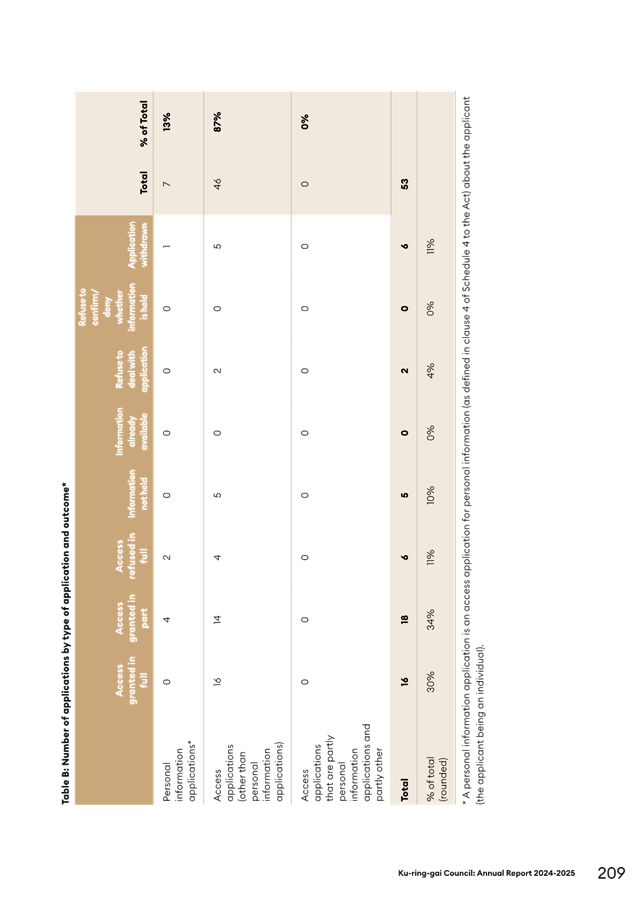
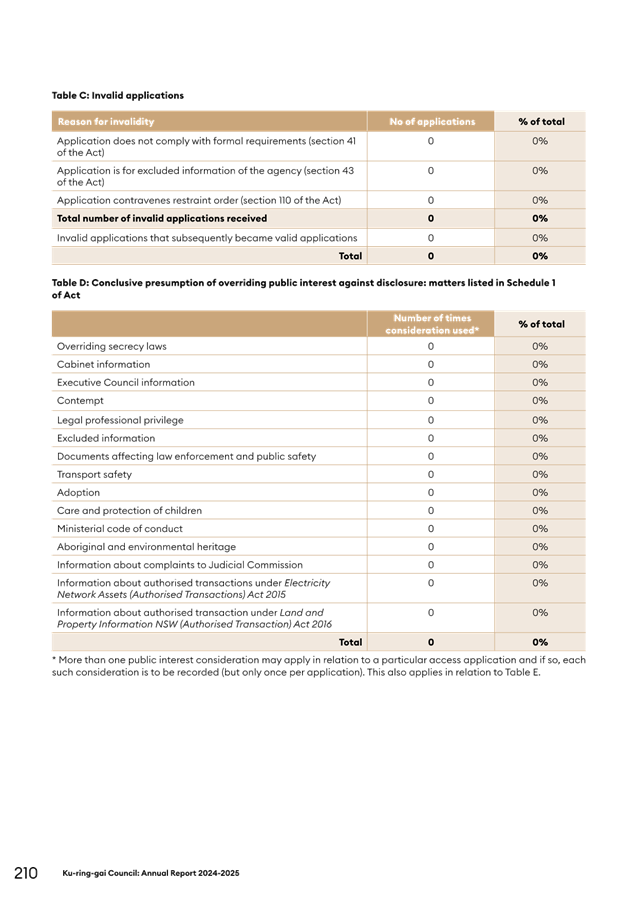
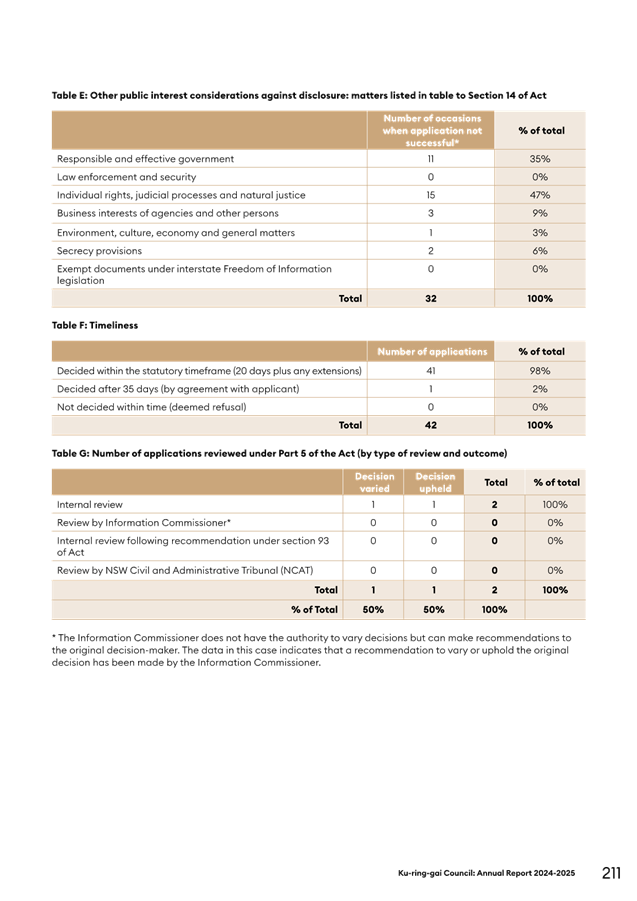
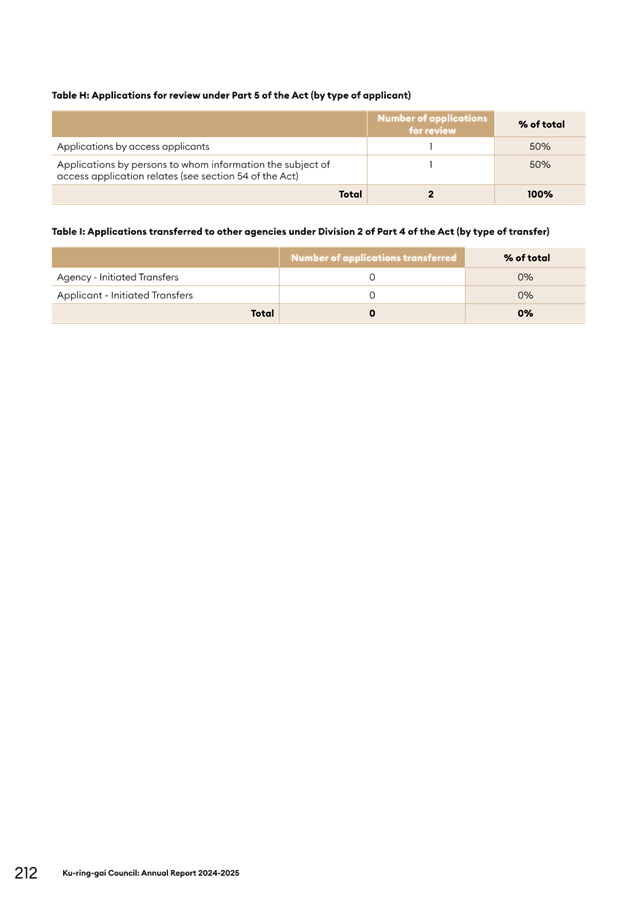
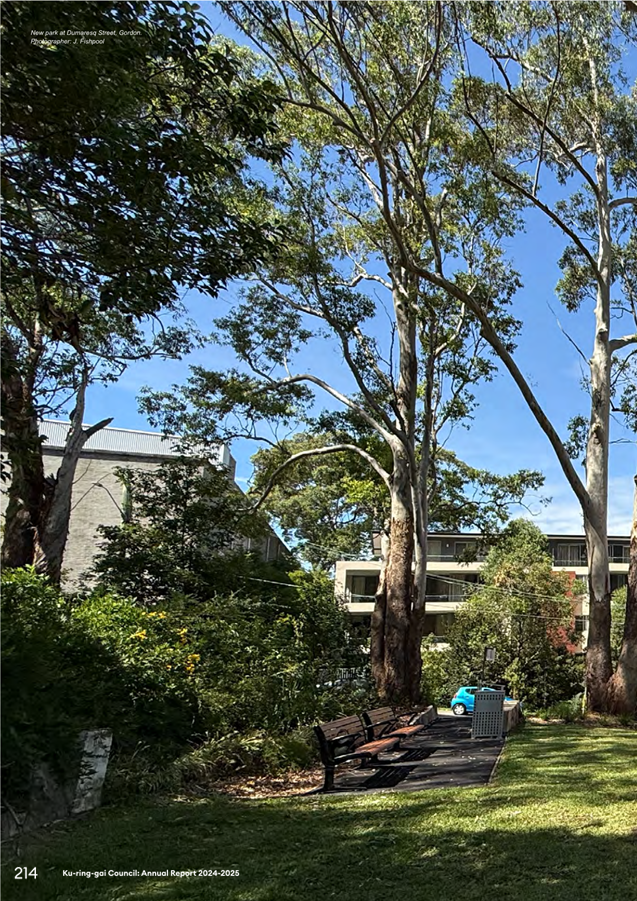
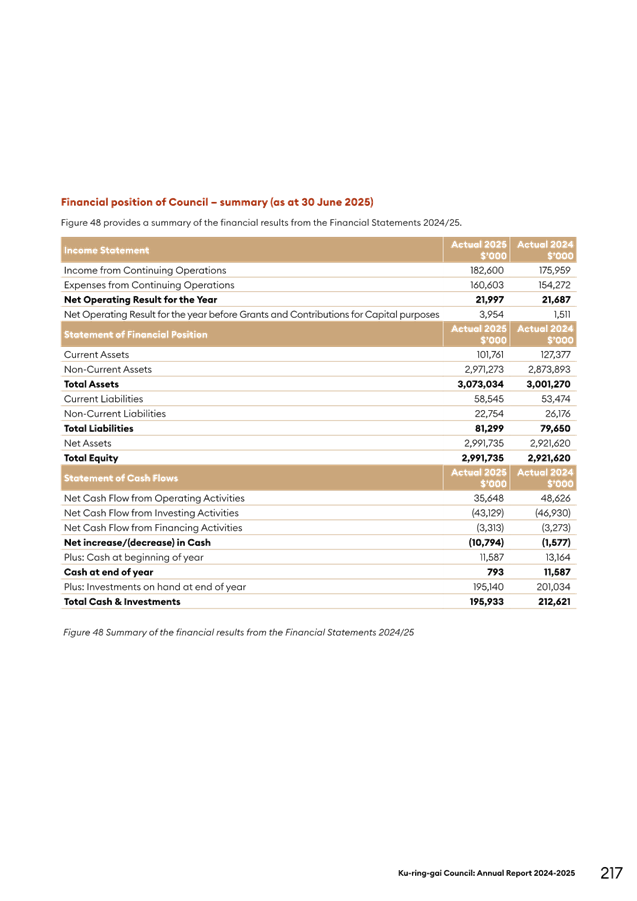

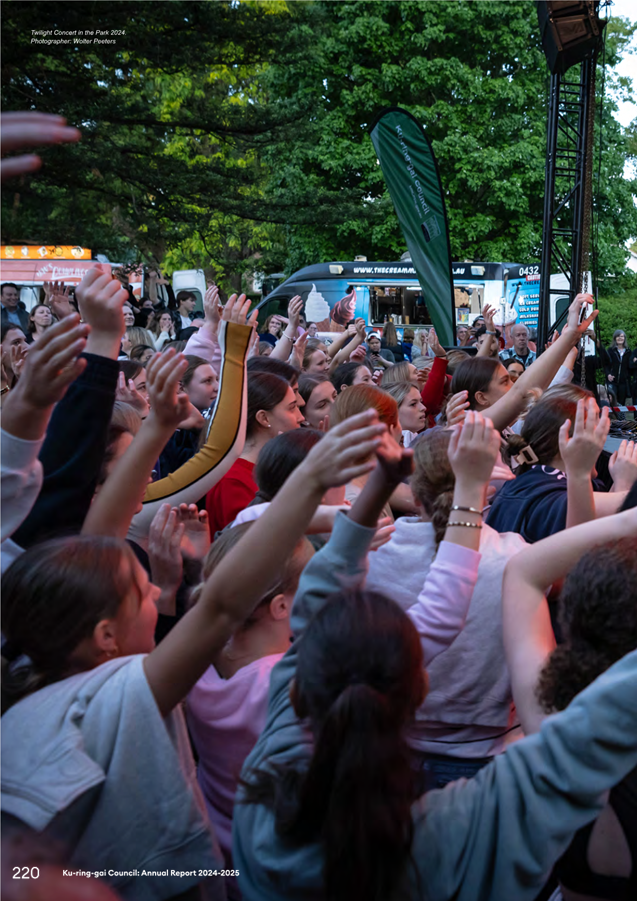
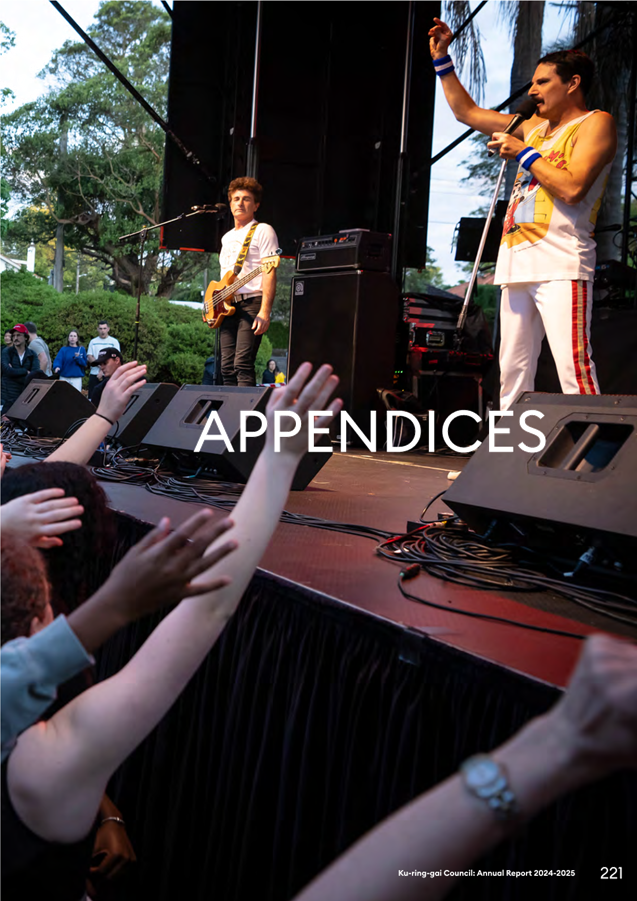
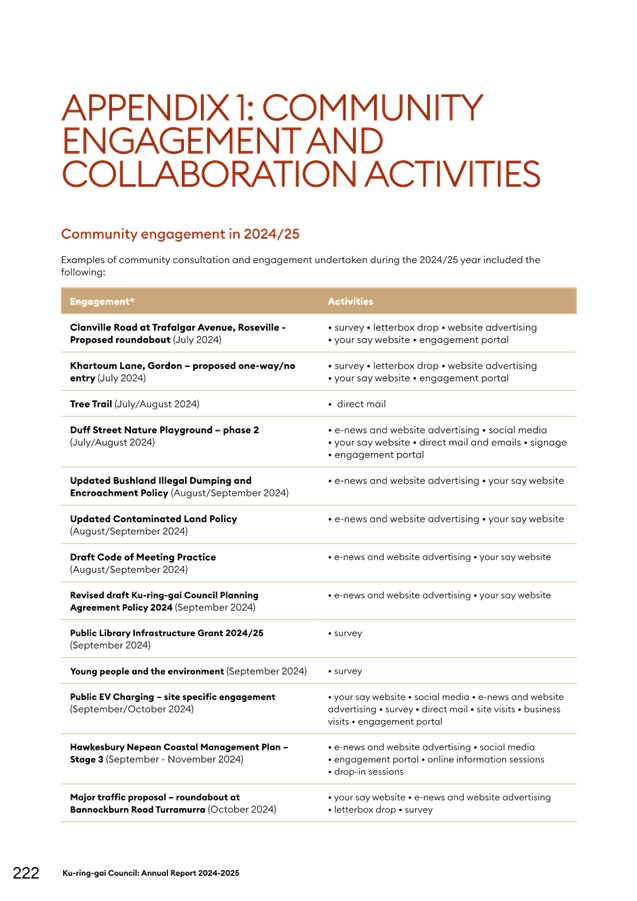
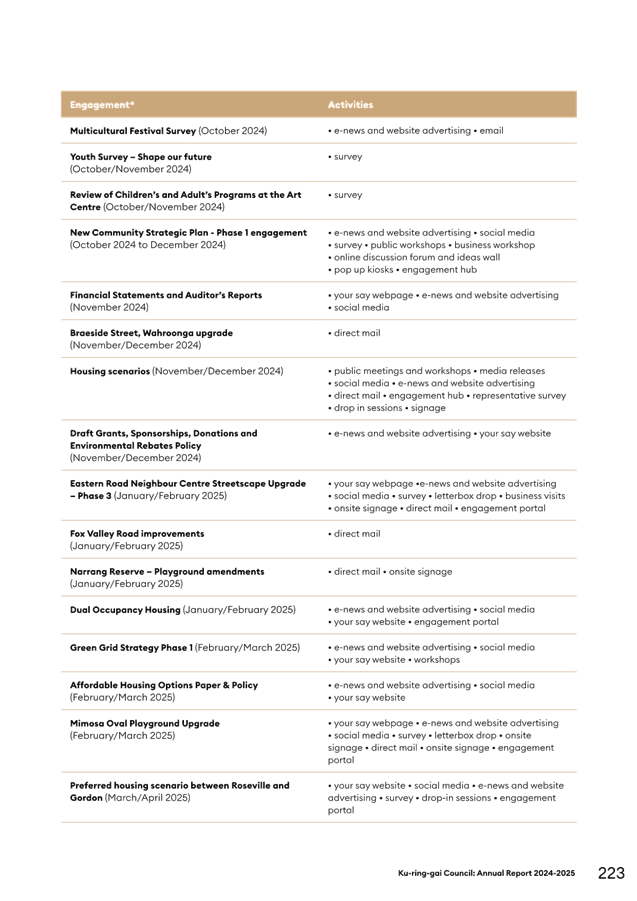
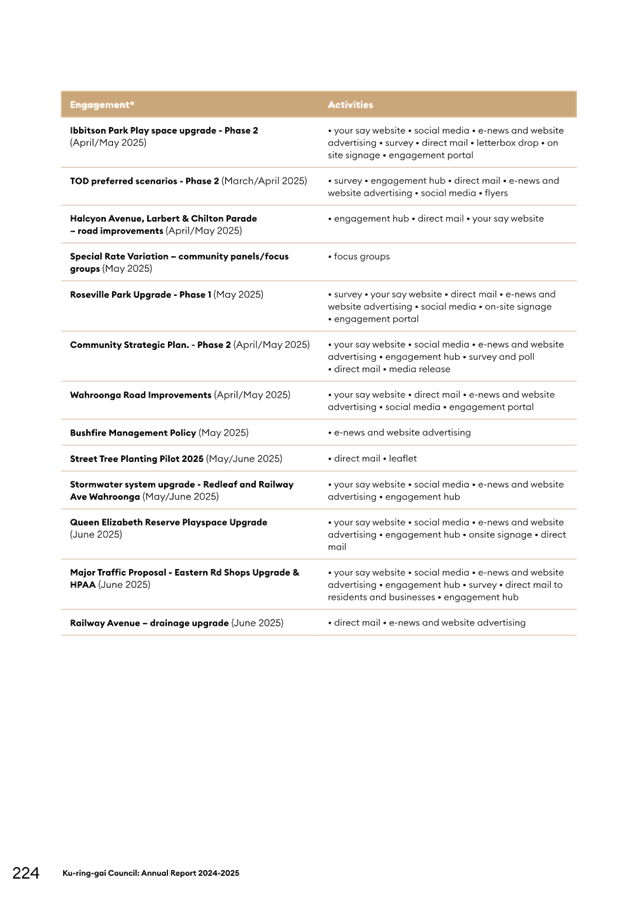
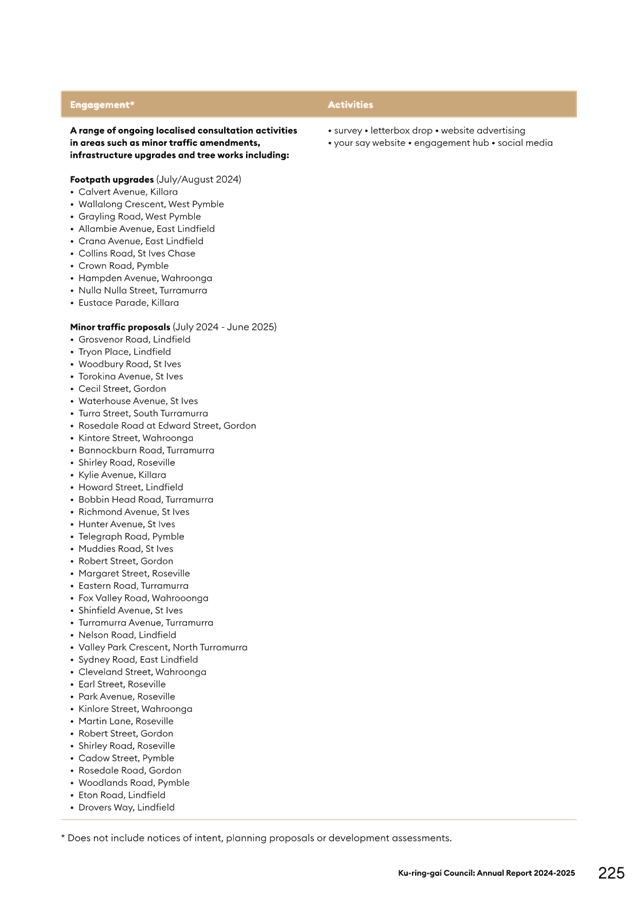
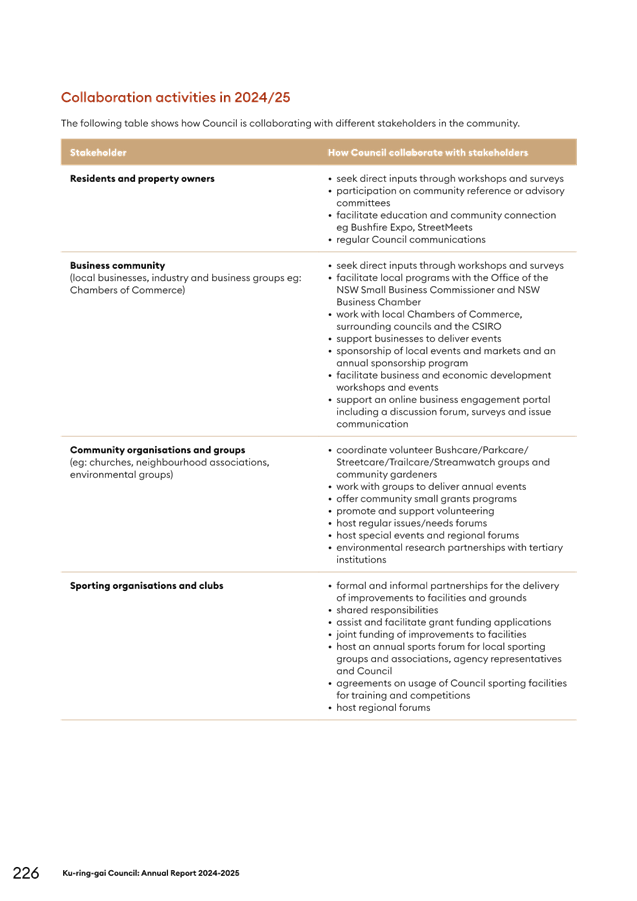
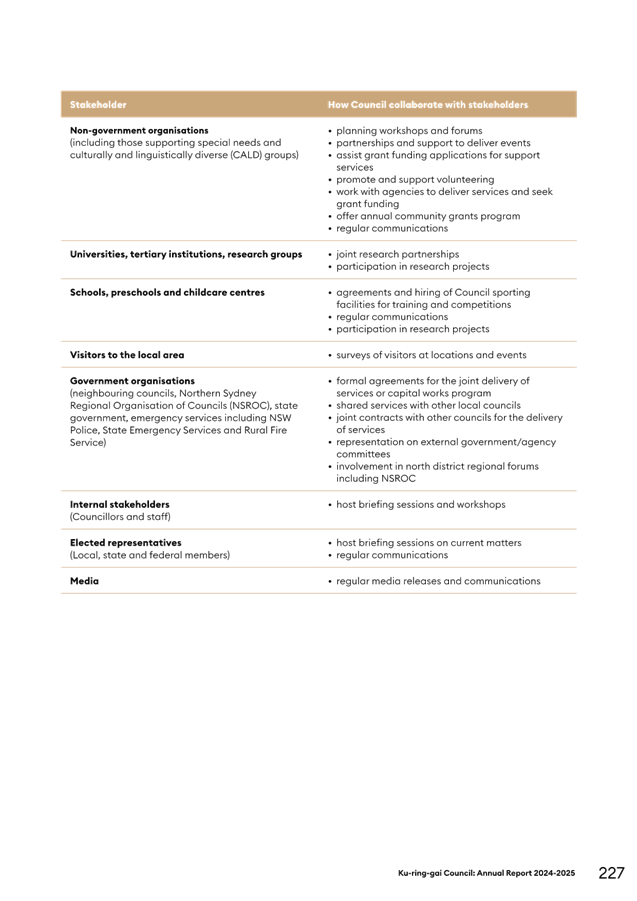
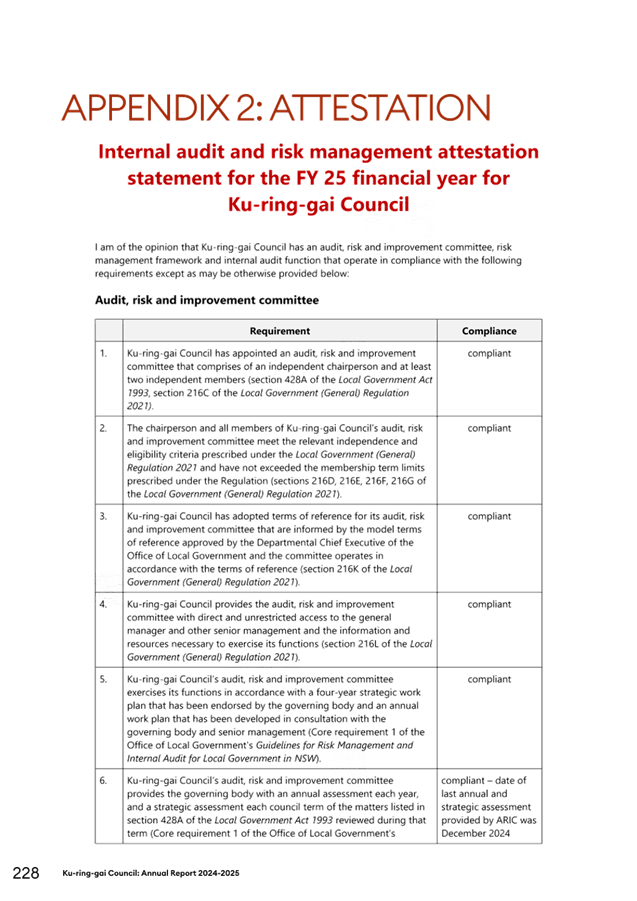
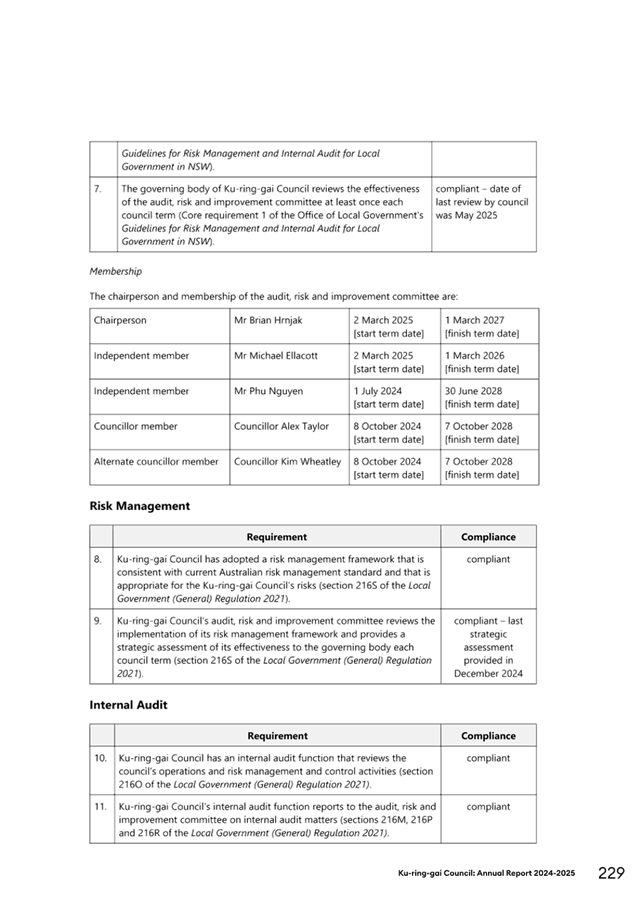
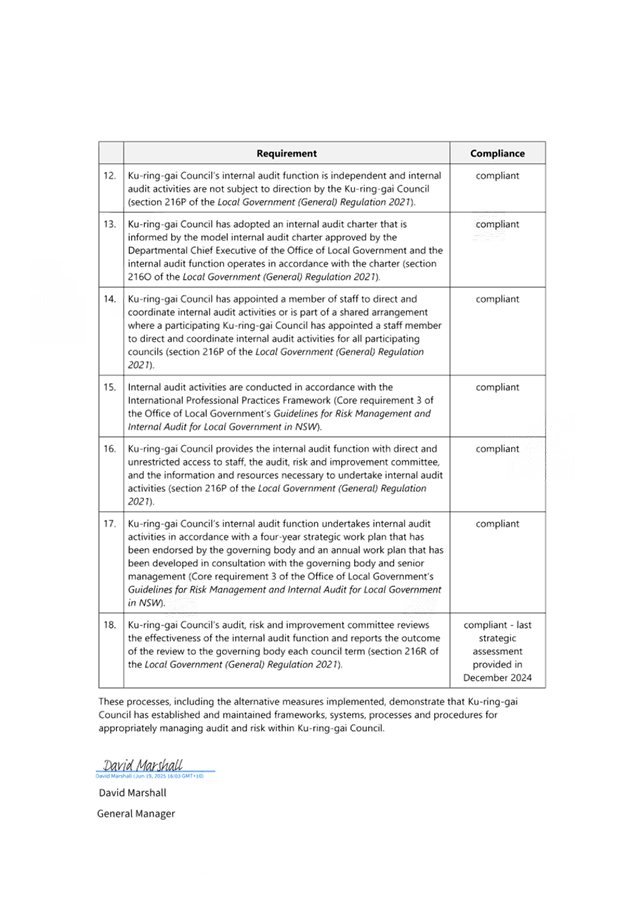
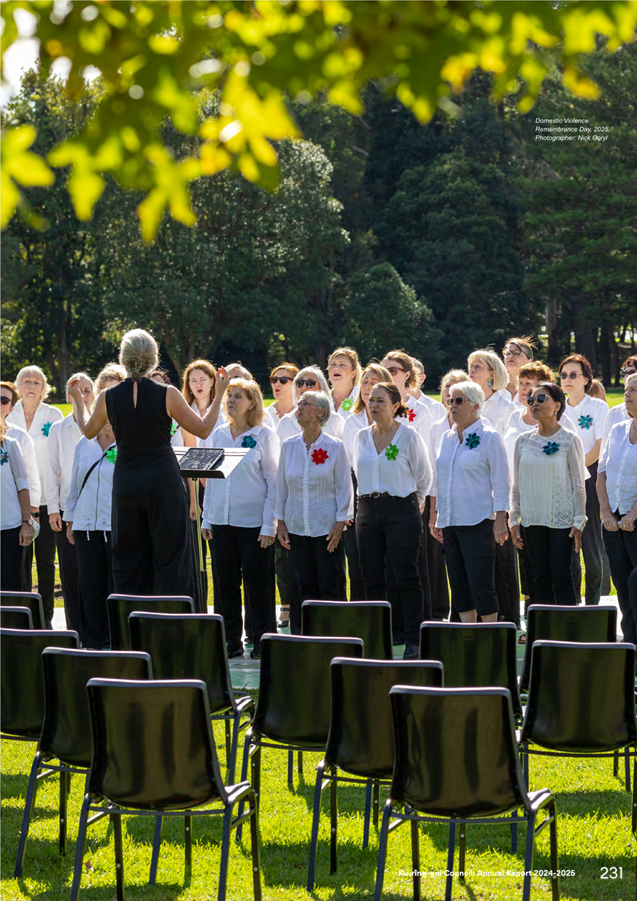


|
Ordinary
Meeting of Council - 18 November 2025
|
GB.11 / 1
|
|
|
|
|
Item
GB.11
|
S14846-2
|
Outdoor Lighting Policy - Public
Exhibition
EXECUTIVE
SUMMARY
Purpose of Report
To seek endorsement for the draft Outdoor Lighting Policy
(Controlled Document No. 238) to be placed on public exhibition.
Background
Council’s “Dark Skies” event in April 2025
highlighted widespread community concern about the environmental, health and
amenity impacts of artificial light.
In response, Mayoral Minute MM.1 – Development of a
Lighting Policy for Ku-ring-gai (adopted 20 May 2025) resolved that Council:
· prepare
a lighting policy addressing relevant Australian and international standards (AS
2560, AS/NZS 4282:2019, Dark Sky International Luminaires Program)
· consider
impacts on amenity, public safety, biodiversity and night-sky visibility
· provide
guidance for both public infrastructure and private development; and
· include
input from stakeholders and experts, reporting a draft Policy to Council for
exhibition.
The draft policy fulfils this resolution, providing a
principle-based framework that aligns safety and functionality with
environmental and cultural stewardship.
Comments
The draft Outdoor Lighting Policy establishes a principle-based
framework to guide the planning, design, installation, operation and
maintenance of outdoor lighting on Council-managed land. It seeks to balance
community safety and accessibility with environmental protection, energy
efficiency and the enhancement of Ku-ring-gai’s distinctive night-time
character.
The policy is underpinned by the internationally recognised
Five Principles for Responsible Outdoor Lighting (DarkSky International, 2023),
which promotes lighting that is useful, targeted, low intensity, controlled,
and warm in colour. These principles provide flexibility for application
across different lighting contexts while maintaining environmental integrity
and compliance with best practice.
The policy aligns with AS/NZS 1158 Road Lighting and AS/NZS
4282:2019 Control of the Obtrusive Effects of Outdoor Lighting, integrates
emerging smart-lighting technologies, and supports Council’s broader
sustainability strategies, including the Net Zero Plan and Urban
Forest Strategy.
In practice, the Policy delivers:
· guiding
principles for responsible lighting on Council-managed land
· a
focus on useful, targeted, low-intensity, controlled and warm-colour lighting
· consistency
with Australian standards and contemporary lighting practice
· opportunities
for energy and cost savings through intelligent controls; and
· enhanced
liveability and visual character of public spaces after dark.
By adopting a principle-based rather than prescriptive
approach, the Policy encourages innovation and context-sensitive design
solutions while maintaining clear governance, accountability and alignment with
Council’s sustainability objectives.
integrated planning and reporting
Natural environment.
|
Community Strategic
Plan Strategy
|
Delivery Program
Term Achievement
|
Operational Plan
Action
|
|
Outcome 1: Our unique natural environment is protected and
enhanced.
|
Support environmentally responsible design and management
of Council assets to minimise environmental impacts and improve liveability.
|
Implement policies and standards that promote sustainable
and efficient management of outdoor lighting on Council land and
infrastructure.
|
Governance Matters
This is a new controlled document (No. 238) to be registered
in Council’s Controlled Document Register.
The Manager Environment and Sustainability will maintain and review the Policy
in consultation with Governance and Infrastructure, with a review period of
four years unless otherwise required by legislative or strategic changes.
Risk Implication Statement
Adoption of the Outdoor Lighting Policy will reduce operational,
environmental and reputational risks by establishing consistent principles for
outdoor lighting design and management that comply with relevant standards and
community expectations. Associated risks are within Council’s risk
appetite.
Financial Considerations
Implementation of the Policy will be undertaken through
existing operational and capital works budgets. No additional funding is
required at this stage.
Summary
The draft Outdoor Lighting Policy provides a coordinated,
principle-based framework for the responsible design, installation, operation
and maintenance of outdoor lighting across Council-managed land. Developed in
response to Mayoral Minute MM.1 – Development of a Lighting Policy for
Ku-ring-gai (20 May 2025), the Policy addresses community concerns regarding
the environmental, health and amenity impacts of artificial light.
The Policy promotes a balanced approach to lighting that
ensures public safety, accessibility and visual amenity, while minimising light
pollution, energy waste and ecological disruption. It is guided by the
internationally recognised Five Principles for Responsible Outdoor Lighting
(DarkSky International 2023), which advocate for lighting that is useful,
targeted, low intensity, controlled and warm in colour.
The Policy promotes the use of best practice and
smart-lighting technologies to improve efficiency and reduce operating costs.
It also supports key Council strategies, ensuring consistency across
environmental and asset management frameworks.
By establishing clear design and management principles, the
Policy enhances night-time liveability, protects biodiversity and residential
amenity, and reinforces Council’s commitment to sustainable
infrastructure and responsible governance.
Recommendation:
That the draft Outdoor Lighting
Policy (Controlled Document No. 238) be placed on public exhibition for a
minimum period of 28 days to invite community feedback.
That, following the public
exhibition:
a. If submissions are received
that necessitate material amendments, a revised Policy be reported back to
Council for adoption; or
b. If no significant amendments are required, the Policy be adopted as
exhibited.
|
Jacob Sife
Manager Environment and Sustainability
|
Andrew Watson
Director Strategy & Environment
|
|
Attachments:
|
A1 ⇩ ⇩
|
Draft
- Outdoor Lighting Policy
|
|
2025/279181
|
|
ATTACHMENT No: 1 - Draft - Outdoor
Lighting Policy
|
|
Item No: GB.11
|
RFT11-2025 - Management and Operation of St Ives High School
Sports Centre
EXECUTIVE SUMMARY
|
purpose of report:
|
To consider
tenders received for RFT11-2025 Management and Operation of Ives High School
Sports Centre.
|
|
|
|
|
background:
|
Council has a fifty-year licence to
use the four indoor court complex at St Ives High School.
It is proposed to appoint a Supplier
to undertake the operation and management of the St Ives High School Sports
Centre on behalf of Council.
Tender documents were released
through Tenderlink on 9 September 2025 and closed on the 30 September 2025.
The nature of the opportunity Council
tendered was an initial three (3) years (Fee for Service Contract), following
which Council, at its discretion can opt to change to a Lump Sum Contract for
a further seven (7) year option.
|
|
|
|
|
comments:
|
Council received four Tender
submissions. All tender submissions were compliant and evaluated by the
evaluation committee.
The tenders were assessed using
agreed criteria which identified the best value for money to Council.
|
|
|
|
|
recommendation:
(Refer to the full Recommendation at the
end of this report)
|
In accordance
with Section 55 of the Local Government Act 1993 and the Local Government (General) Regulation 2021, it is recommended Council reject all tenders and negotiate in
the first instance with Tenderer A.
|
Purpose of Report
To consider tenders received for RFT11-2025
Management and Operation of Ives High School Sports Centre.
Background
Council has a fifty-year licence to use the
four indoor court complex at St Ives High School.
It is proposed to appoint a Supplier to
undertake the operation and management of the St Ives High School Sports Centre
on behalf of Council.
Tender documents were released through
Tenderlink on 9 September 2025 and closed on the 30 September 2025.
The nature of the opportunity Council
tendered was an initial three (3) years (Fee for Service Contract), following
which Council, at its discretion can opt to change to a Lump Sum Contract for a
further seven (7) year option.
A number of clarifications have been sought
from all tenderers.
Comments
A Tender Evaluation Committee (TEC) was
formed to assess tenders received.
The TEC comprised:
· Otium Planning Group Pty Ltd (TEC Co-Ordinator and adviser -
non-voting member)
· Council’s Director Strategy and
Environment (TEC Chair)
· Council’s Manager Assets and Technical Services
· Council’s Coordinator Open Space Recreational and Building
Assets
· SINSW Asset Activations Team representative; and
· Council’s Procurement Adviser (Corporate Department) as an
independent observer and non-voting member.
The TEC met on 9 and 22 October 2025.
Otium Planning Group Pty Ltd (Otium) have
been involved with this project since 2018, having been initially engaged by
Council to prepare the St Ives High School Indoor Sports Centre Feasibility
Study. This work was then revised and updated in 2021 to reflect increased
project capital costs and post Covid market conditions, among other things.
In early 2025 Otium were re-engaged by
Council to provide “Facility Operator Support Services” including,
among other things, assistance with the preparation of tender documentation
including an Operator Agreement which formed part of the tender package and development
of returnable schedules including evaluation criteria.
Otium’s engagement extended to
coordinating and assessing tender submissions, seeking tender clarifications,
and coordinating, supporting, and advising the TEC.
Otium’s commission was extended to
include an Expression of Interest process for prospective users of the
facility. While the results of this EoI process were not available as of the
initial tender process, they were made available to all Tenderers as part of
the tender clarification process.
For reference, Otium is a leading Australian
specialist in sport and recreation planning and management.
Four (4) tender submissions were received
and recorded in accordance with Council’s tendering policy (refer to Confidential
Attachment A1).
At the conclusion of the tender evaluation,
Tenderer A was identified as providing the best value for money to
Council, though there are a number of matters to be further resolved with
Tenderer A before an Operator Agreement is entered into.
integrated
planning and reporting
Outcome 3: Infrastructure and assets
support community needs
|
Community Strategic Plan
Long Term Objective
|
Delivery Program
Term Achievement
|
Operational Plan
Task
|
|
A2: Provide, upgrade and maintain open
space, recreation and sporting facilities to meet the needs of current and
future user groups and a growing population.
|
A3.2: Usage of existing community
buildings and facilities is optimised
|
A3.2.4: Develop and implement the St Ives
High School Indoor Multipurpose Sports Facility management contract to
maximise utilisation of this facility.
Responsible:
Manager Assets and Technical Services
|
Governance
Matters
Tender documents were prepared and released
through Tenderlink on 9 September 2025 and closed on the 30 September 2025. At
the close of tender, four (4) tenders were received.
All submissions were recorded in accordance
with Council’s tendering policy.
A Tender Evaluation Committee was formed to
assess the tenders received. The evaluation considered:
· Conformity of submission.
· Fee for service.
· Capacity, capability with suitably qualified staff.
· Experience.
· Work Health and Safety (WHS) and Risk Management.
· Environmental; and
· Performance and Financial Assessment.
Attachments to this report are:
· Confidential Attachment A1 – List
of tenders received.
· Confidential Attachment A2 –
Tender Price.
· Confidential Attachment A3 –
Financial Assessment Matrix
· Confidential Attachment A4 –
Tender Evaluation Report and recommendation.
The attachments are confidential in
accordance with Section 10A (2)(d)(iii) of the Local Government Act as they are
considered to contain commercial in confidence information.
Risk Implication
statement
The most significant risks arising from
this project relate to the construction phase. These risks, and the major risks
arising from operation of the facility, were addressed in the project risk
matrix presented to Council at project inception. As much as possible, risk
mitigations were built into the project Deed and Licence, and more recently in
the Operator Agreement and the tender evaluation plan and evaluation process.
There are a number of potential risks
arising from the recommendations of this report. The capability and capacity of
attendees; their ability to comply with work health and safety; working with
children; and modern slavery obligations are part of the conformity assessment
for tender evaluation. All tenderers demonstrated they were able to comply with
these obligations.
Financial
Considerations
At the time of writing independent
financial scorecard assessment had been commissioned for Tenderers A and
B. These assessments have not yet been received for Tenderer A.
Because this
tender is a fee for service model for at least the first three years of
operation, it is in Council’s best interests to actively manage and
engage with the operator within the terms of the Operator Agreement, the Operational
Management Plan, and the Licence Agreement.
In all respects, the Net return to Council
reflected in Confidential Attachment A2 is determined by the income and expenses detailed in Confidential
Attachment A3. A number of these items, if managed properly, will lead to a
better return for Council.
Social
Considerations
On completion of the appointment of an
operator to the sports centre the site will provide a facility that is in line
with Council’s Community Strategic Plan, Our Ku-ring-gai Growing
Together 2035 and the plans long term directions including recreation,
sporting and leisure facilities are available to meet the community’s
diverse and changing needs.
Environmental
Considerations
Environmental considerations have been
considered in project design and documentation of the DA.
Community
Consultation
SINSW and the lead contractor have
undertaken the ongoing communications with the community as is part of project
delivery.
Statutory notification has also been
carried out as part of the DA process.
Further consultation with sporting bodies
and the intended future users has been undertaken. This process has informed
the current tender process.
Internal
Consultation
Consultation was undertaken with relevant
departments. Otium presented their high-level findings to Council’s GMD
on 31 October 2025.
Summary
Tender for RFT11-2025
Operator and Management – St Ives High School Sports Centre was
released through Tenderlink on 9 September 2025 and closed on 30 September
2025. Four (4) compliant tenders were received.
All tenderers were recorded in accordance
with Council’s tendering policy. A Tender Evaluation Committee assessed
the submissions.
At the conclusion of the tender evaluation,
and for the reasons set out in Confidential Attachment A4, Tenderer A
was identified as providing the best value for money to Council, though there
are a number of matters to be further resolved with Tenderer A before an
Operator Agreement is to be entered into. This will require Council to reject
all Tenders and resolve to undertake exclusive
negotiations with Tenderer A, with the objective of refining their
proposal and agreeing to the terms of an Operator Agreement.
In the event exclusive negotiations with
Tenderer A are unable to be concluded in Council’s best interests
with Tenderer A, negotiations with any person (whether or not the person
was a tenderer) with a view to entering into an Operator Agreement would be
carried out.
Recommendation:
That:
A. That Council notes and
accepts the report of the Tender Evaluation Committee in relation to RFT11-2025
Management and Operation of St Ives High School Sports Centre.
B. As a result of considering
the tenders submitted for the proposed RFT11-2025 Management and Operation of
St Ives High School Sports Centre, and pursuant to Clause 178(1) of the Local
Government (General) Regulation 2021 (“the
Regulation”), Council declines to accept any of the tenders.
C. That subject to receipt of a
satisfactory Financial scorecard assessment, Council authorises the General
Manager to undertake exclusive negotiations with Tenderer A, with the
objective of refining their proposal and agreeing the terms of an Operator
Agreement.
D. In the event exclusive
negotiations with Tenderer A are unable to be concluded in
Council’s best interests, Council authorises the General Manager to
undertake negotiations with any person (whether or not the person was a
tenderer) with a view to entering into an Operator Agreement in relation to Management and Operation of St Ives High School Sports Centre.
E. That the General Manager or delegate be authorised to
negotiate and execute any contract or other documentation required to give
effect to this resolution.
F. The Mayor and General Manager
be delegated authority to execute all tender documents on Council’s
behalf in relation to the contract.
G. The Seal of Council be
affixed to all necessary documents.
H. All tenderers be advised of
Council’s decision in accordance with Clause 178 of the Local Government (General) Regulation 2021.
|
Andrew Watson
Director Strategy & Environment
|
|
|
Attachments:
|
A1
|
List
of Tenders Received
|
|
Confidential
|
|
|
A2
|
Tender
Prices Received
|
|
Confidential
|
|
|
A3
|
Financial
Assessment
|
|
Confidential
|
|
|
A4
|
Tender
Evaluation Report
|
|
Confidential
|
Hawkesbury Nepean Coastal Management Program - Stage 3 and 4
update
EXECUTIVE SUMMARY
Purpose of Report
To present the Draft Hawkesbury Nepean
River System Coastal Management Plan and seek endorsement from Council to place
the Draft on public exhibition.
Background
Under the NSW Coastal Reforms, future
coastal management for the estuary/river system will take the form of a Coastal
Management Program (CMP). The six councils that border the Hawkesbury River
system have come to the agreement of partnering in the development of an
integrated, whole of estuary CMP.
NSW Coastal Management Manual
recommends that councils follow a five-stage risk management process for the
preparation and implementation of a CMP (Figure 1).
The purpose of this CMP is to establish an
integrated framework to support the coordinated management and ecologically
sustainable development of the Hawkesbury-Nepean River system, to maintain and
enhance its social, cultural, economic and environmental values.
A coalition of the six partnering Councils (Hornsby,
Central Coast, Northern Beaches, Hawkesbury, The Hills and Ku-ring-gai) who
jointly have management responsibilities for the Hawkesbury River was formed in
2018.
The long-term vision of the of the CMP is:
“To preserve
and enhance the environmental, social, and economic values of the Hawkesbury-Nepean
River system for current and future generations, and ensure its status as one
of Australia’s premier river systems”.
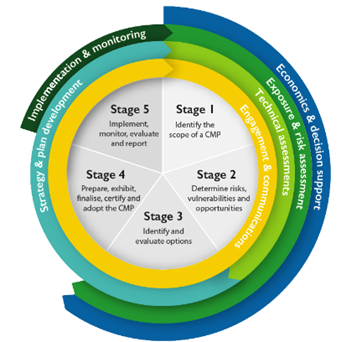
Figure 1: Coastal Management Program Process Diagram
Stage 1 of
the Hawkesbury Nepean River System CMP was officially completed in April 2020
with the release of the Scoping Study that has reviewed the history of managing
the river system, developed a shared understanding of the current situation,
and identified the strategic path of the remaining CMP stages.
The goal of Stage 2 was to address
knowledge gaps that were identified in the Stage
1 Scoping Study. Stage 2 was finalised in March
2023 with the completion of five technical studies that you can learn more
about below.
Stage 3 of
the project is now complete, and has utilised information produced as part of
Stages 1 and 2 to create a complete picture of estuarine processes and relevant
management issues to inform the identification, evaluation and selection of
appropriate management actions to guide the management of the river system over
the next 10 years
In September - November 2024 a 10-week
exhibition period was undertaken to gather community feedback on stage 3 of the
HNCMP. This engagement represented one of the most extensive consultation
efforts for a CMP in NSW, ensuring local values and priorities were embedded in
the development of management options.
Stage 4 of
the project is well underway with a draft CMP ready to be exhibited by all
partner councils. The draft CMP was finalised following extensive stakeholder
engagement and technical review. Feedback gathered through community engagement
at Stage 3 of the CMP has been incorporated into the draft CMP. The CMP draft
document is now ready for Council’s consideration for public exhibition.
Upon finalisation, the CMP will be
submitted to the Minister for Climate Change, Energy, the Environment and Water
for certification. Once certified, the CMP actions will be eligible for funding
under the NSW Coastal and Estuary Grants Program.
Comments
The draft CMP identifies 150 management
actions for the Hawkesbury Nepean River System with implementation planned over
three phases in a 10-year window: (1) years-1 to 4, (2) years-5 to 8, and (3)
years-9 and 10. Management actions are focused on water quality, ecosystem
health, social and cultural values and coastal hazards. The estimated total
cost of these actions is over 10-years is $77.36 million, with NSW Government
agencies expected to contribute approximately $51.82 million (66% of the total
cost). The draft CMP is included in Attachment A1.
Ku-ring-gai Council’s financial
contribution to the program is the least of all partner councils owing to the
limited amount of foreshore and legally defined coastal zone in the Hawkesbury
Nepean River System. More information on costs is reported in the Financial
Considerations section.
The draft CMP is split into two primary
components, (1) the Certifiable CMP: Coastal Action Plan, and (2) the
Non-certifiable Catchment Companion as outlined in Figure 2. Actions are split
into either local council implementation actions or study-area wide
collaborative actions. Ku-ring-gai Council has no local implementation actions
in the Certifiable CMP but will contribute to the study-area wide collaborative
actions within the Certifiable CMP.
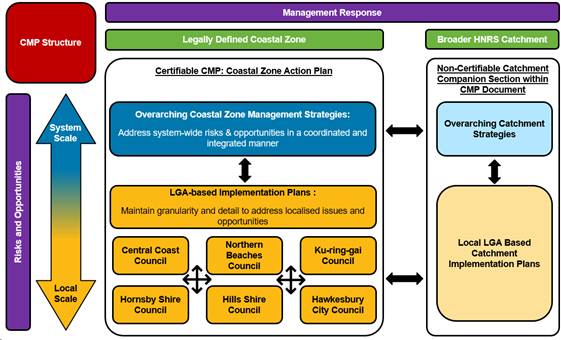
Figure 2: Hawkesbury Nepean River System CMP Structure
Of the 150 management actions, 30 are
study-area wide collaborative actions in the Certifiable CMP covering the
following themes:
· Planning, development and governance
o CMP
governance partnership
o Update
of stormwater management provisions
· Communications, engagement and education
o CMP
communications plan
o Community
engagement & education program
o Marine
compliance & education campaign
· Research and monitoring
o HNRS
Water quality monitoring - data aggregation and reporting
o Work
with local universities and research bodies to identify research priorities
· Social and cultural
o Engage
First Nations teams in bush regeneration works
o Community
education programs for Aboriginal cultural heritage
· Rehabilitation works
o Riparian
rehabilitation
o Support
Landcare networks
· Emergency response and recovery
o Coastal
Hazard Emergency Action Sub-Plan (CZEAS)
o Riverbank
erosion recovery works
In the Non-certifiable Catchment Companion Ku-ring-gai
Council has three local implementation actions:
1. Support Community Engagement undertaken as part of
the Ku-ring-gai Council – Water Sensitive City Strategy;
2. Prepare and implement a catchment study and
management plan for the Cowan Creek catchment; and
3. Update the catchment studies for Ku-ring-gai Creek
and Lovers Jump Creek
These actions form part of current, or
previous, business-as-usual activities within the Water and Catchments Program.
All partner councils are now in the process
of seeking their Council’s approval to place the draft CMP on public
exhibition. Most councils will be taking their draft CMP papers to Council
Meetings in the final quarter of 2025. The endorsement of the draft CMP for
public exhibition is the first step towards the formalising of the CMP, more
information on the process can be found in Figure 3.
This CMP is unique in that it represents a
collaborative effort between six councils, and as such, will require review,
endorsement, and approval from each individual council - a process that
presents both logistical and administrative challenges. The timeframe for the
finalisation of the CMP is subject to change due to the challenge of
co-ordination across partner councils.
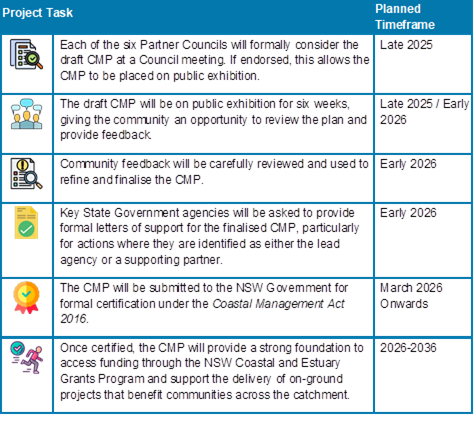
Figure 3: Timeline for finalising and delivering the
CMP
Governance
Matters
Establishing a formal governance structure
for management of the Hawkesbury Estuary moving forward is a key action of
Coastal Management Program.
Risk Implication
Statement
There are no material
risks that arise from the recommendations contained in this report. Minor
issues may occur, but these can be managed within Council’s current
policies, procedures, resources and budget.
Financial
Considerations
The coastal management program has
identified the estimated costs of each action and distributed commitments from
each partner council according to the most relevant funding model relating to
the action.
Ku-ring-gai’s total commitments over
the 10-year CMP period are $101,831. Further information on the costs is shown
below in Figure 4 and Figure 5. Actions identified over this 10-year period can
be funded through existing Catchment Management Operational funding.
|
Hawkesbury Nepean River System CMP | Stage 4
|
|
Total Cost of
Implementation
|
$
77,364,000
|
|
NSW Agency
Contribution
|
$
51,826,000
|
|
Partner Councils
Contribution
|
$
23,243,000
|
|
Certifiable CMP |
10-Year Period
|
|
Certified CMP
Total
|
$
75,069,000
|
|
Ku-ring-gai
Council Total
|
$
41,831
|
|
Non-certified
Catchment Companion | 10-Year Period
|
|
Catchment
Companion Total
|
$
2,295,000
|
|
Ku-ring-gai
Council Total
|
$
60,000
|
|
Total Cost |
10-Year Period
|
|
Total Cost to
Ku-ring-gai Council
|
$
101,831
|
Figure 4: Breakdown of
Ku-ring-gai's financial contributions to the Certifiable CMP and the Catchment
Companion
|
Timeframe
|
Certifiable
CMP Cost
|
Non-certified
Catchment Companion
|
|
Years 1 to 4
|
$
16,944
|
$
50,000
|
|
Years 5 to 8
|
$
13,333
|
$
6,667
|
|
Years 9 to 10
|
$
11,553
|
$
3,333
|
|
Sub-Total
|
$
41,831
|
$
60,000
|
|
Total Cost
|
$
101,831
|
Figure 5: Timeframe for Ku-ring-gai's financial
contributions to the Certifiable CMP and the Catchment Companion
It should be noted that the financial costs
are significantly larger for the other partner councils in the CMP.
Community
Consultation
Community consultation has been, and
continues to be, an important component of the Hawkesbury Nepean River System
CMP development.
The Stage 3
consultation was promoted to the Ku-ring-gai Community via Council’s “Your
Say” Page, with promotion on social media and
the 2024 Sustainable Futures Day.
Stage 4 community consultation will include
public exhibition of the draft CMP for 6 weeks giving the community the
opportunity to review the plan and provide feedback. Community feedback will be
reviewed and used to refine the final CMP.
Promotion of the exhibition period will
include a social media campaign including reels and videos staring council
officers across the partner organisations.
Summary
The draft
Hawkesbury Nepean River System CMP is ready for public exhibition across the
partner councils. The draft CMP contains 150 management actions to be
implemented over a 10-year timeframe. The cost to Ku-ring-gai Council is
$101,831 over 10-years which fits within the Catchment Management Operational
funding.
Recommendation:
A. Council
endorses the Draft Hawkesbury Nepean River System Coastal Management Plan for
public exhibition.
|
Amy Lennard
Water and Catchments Program Leader
|
Sophia Findlay
Natural Areas Team Leader
|
|
Jacob Sife
Manager Environment and Sustainability
|
Andrew Watson
Director Strategy & Environment
|
|
Attachments:
|
A1 ⇩ ⇩
|
24050036_R05_V02_Stage4Report
- DRAFT CMP v2
|
|
2025/367217
|
|
ATTACHMENT No: 1 - 24050036_R05_V02_Stage4Report
- DRAFT CMP v2
|
|
Item No: GB.13
|
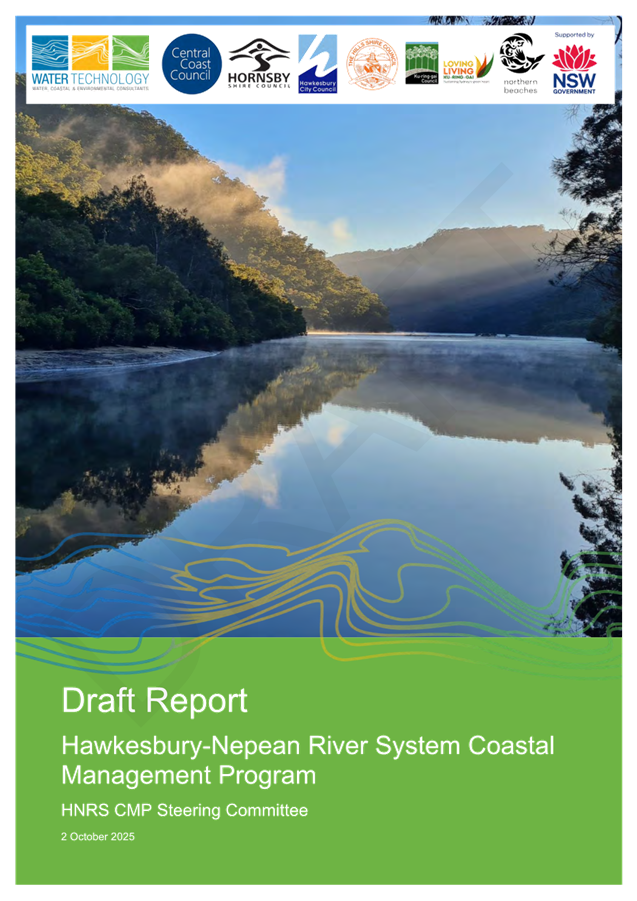
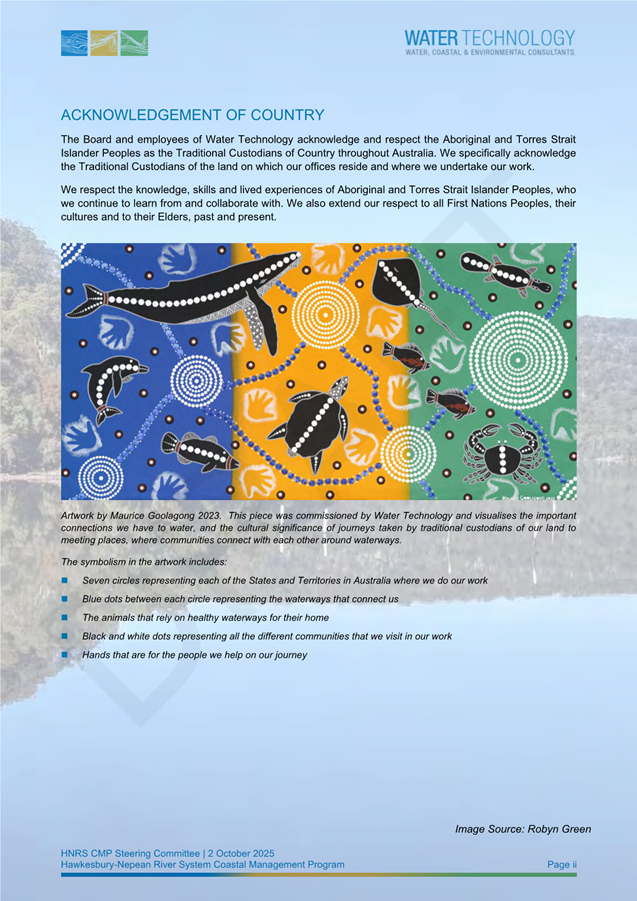

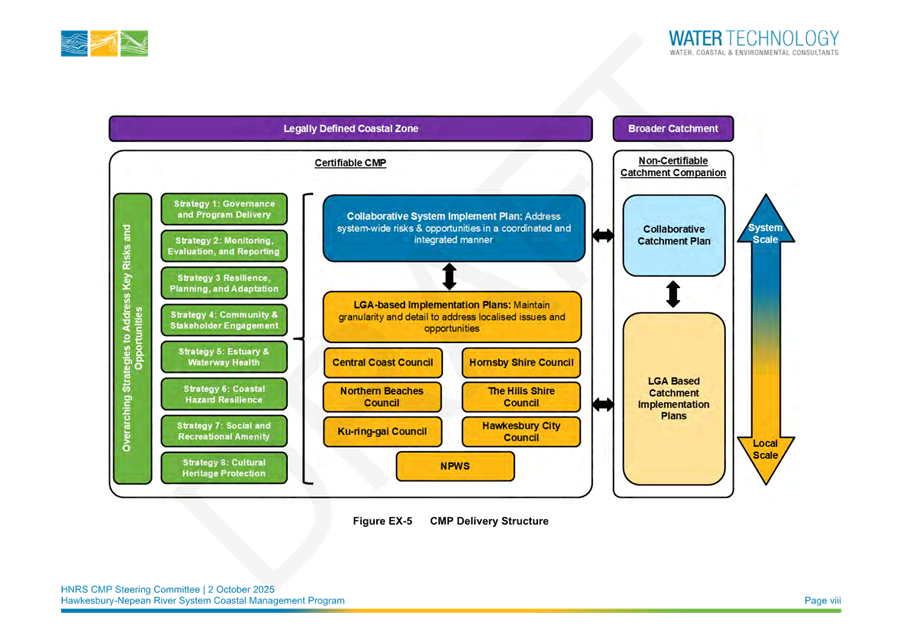
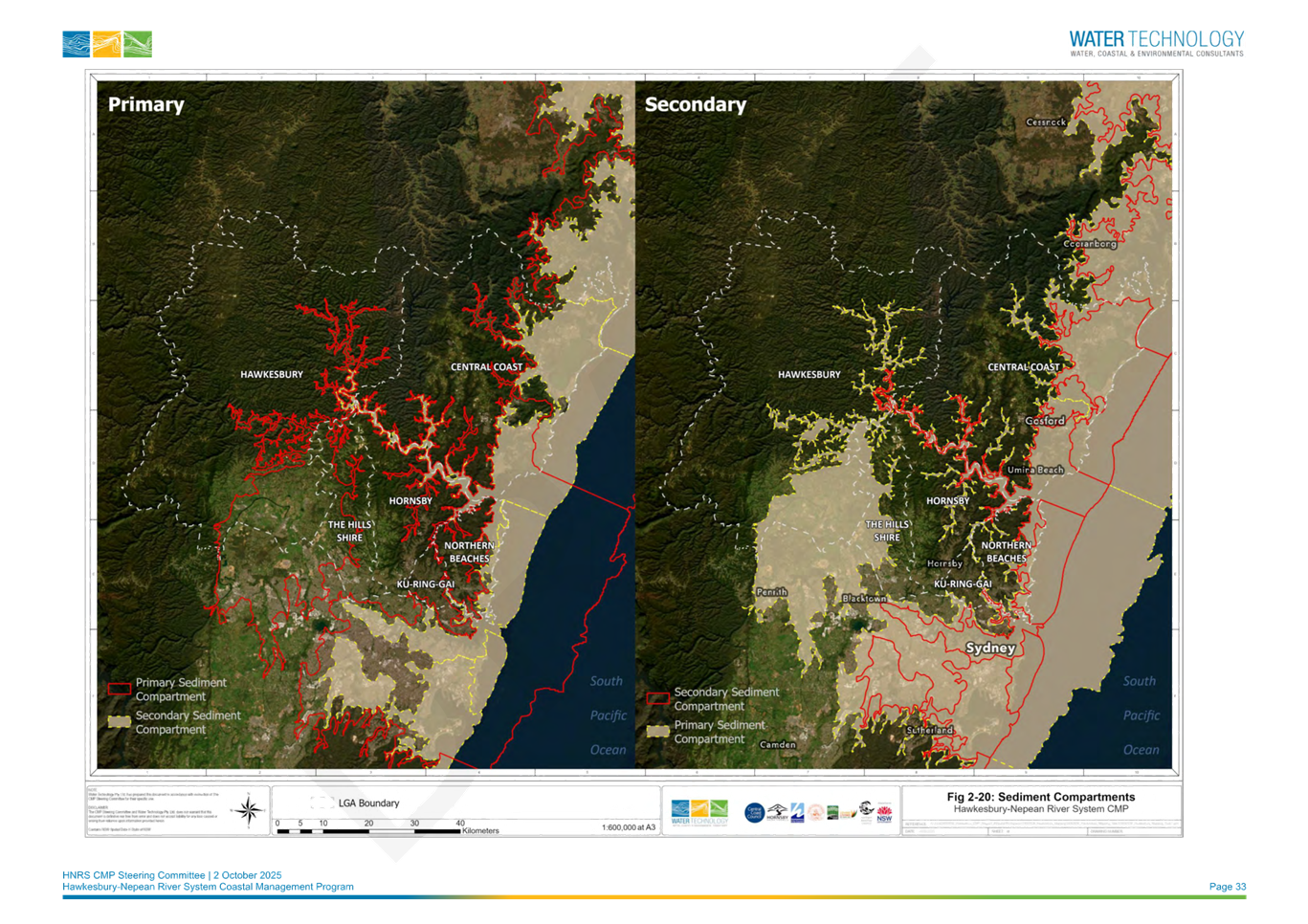
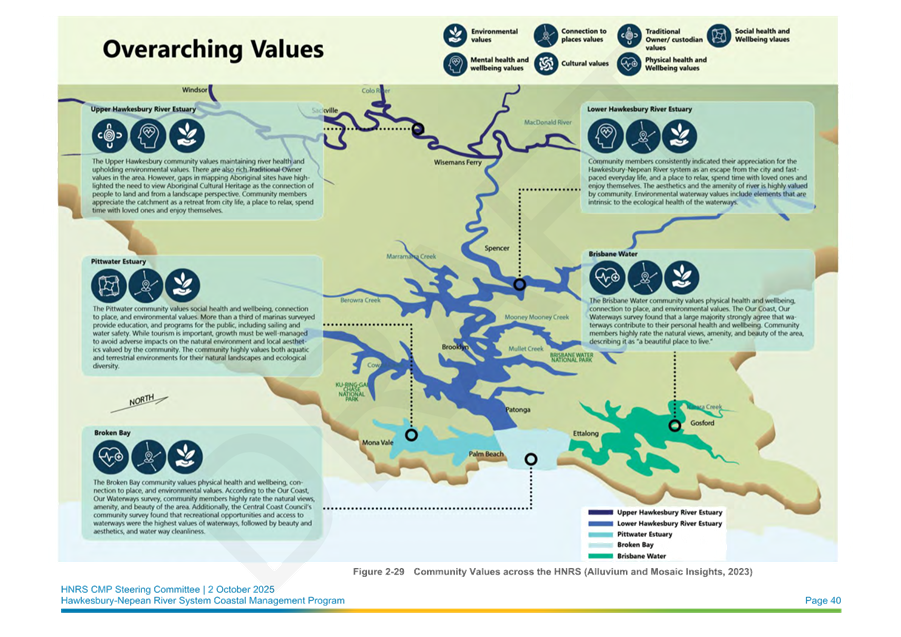
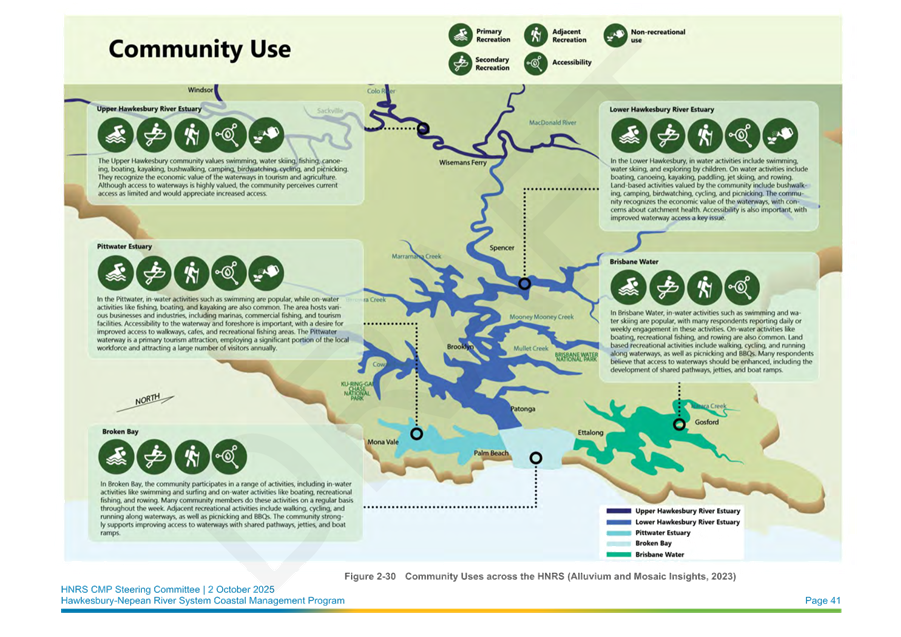
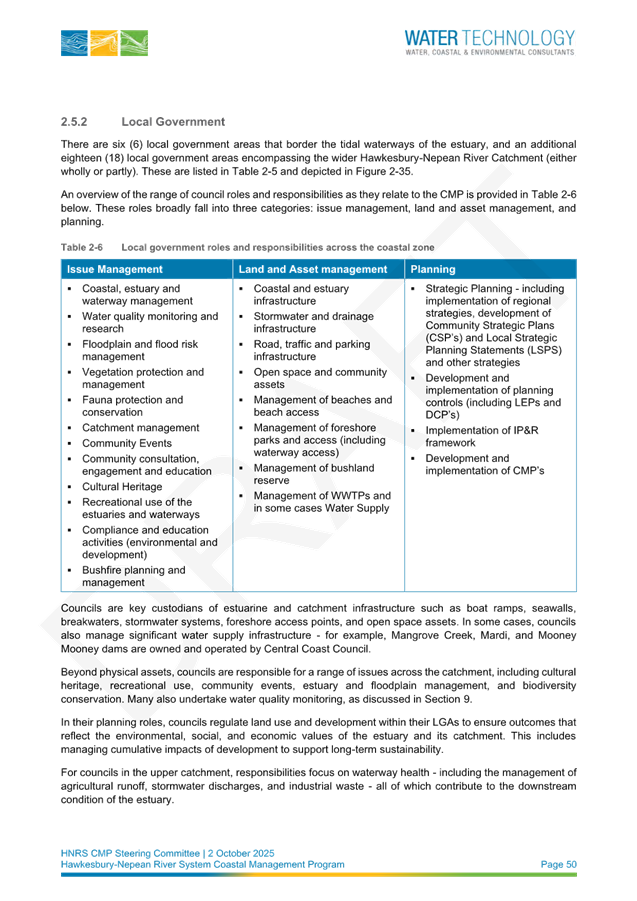
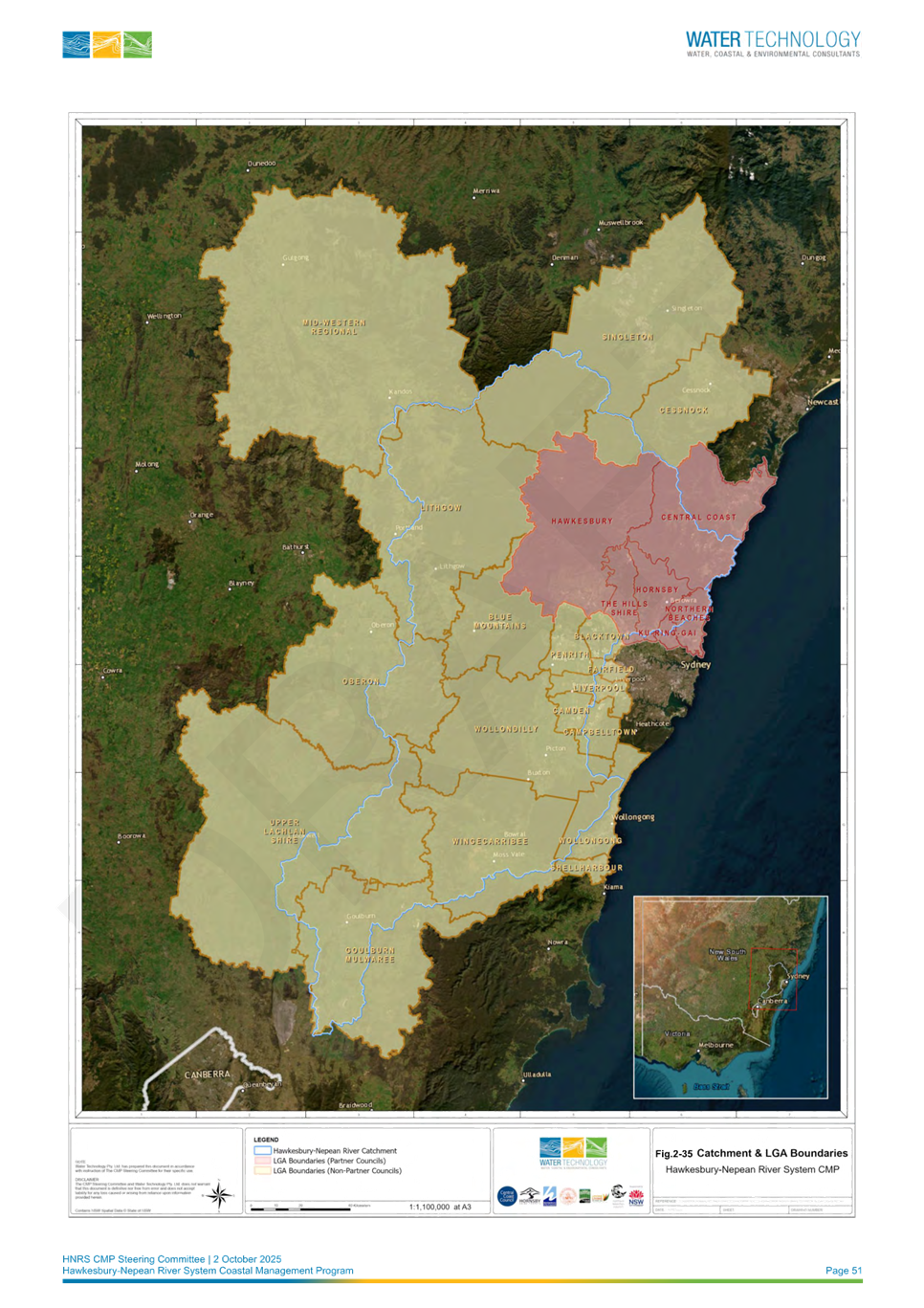
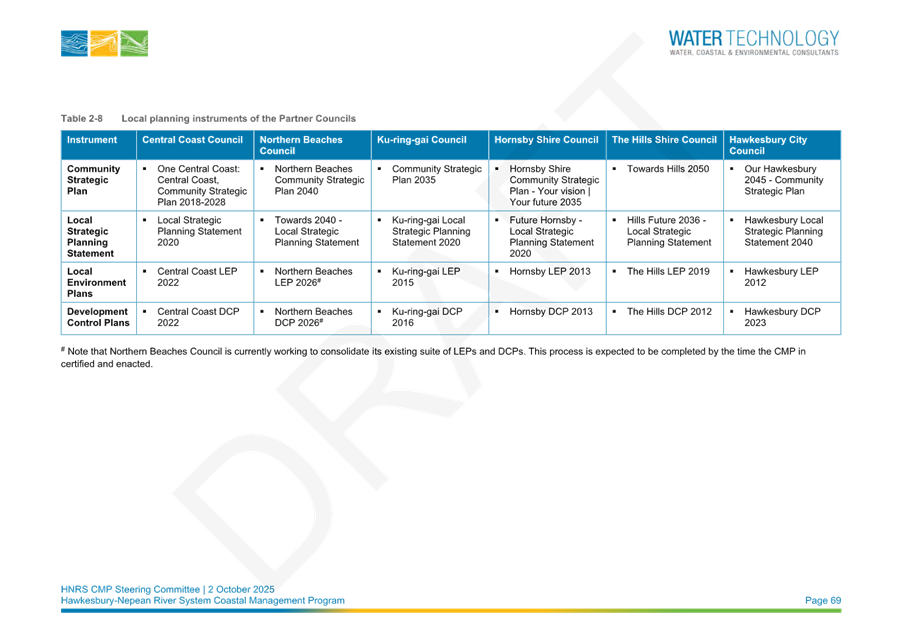
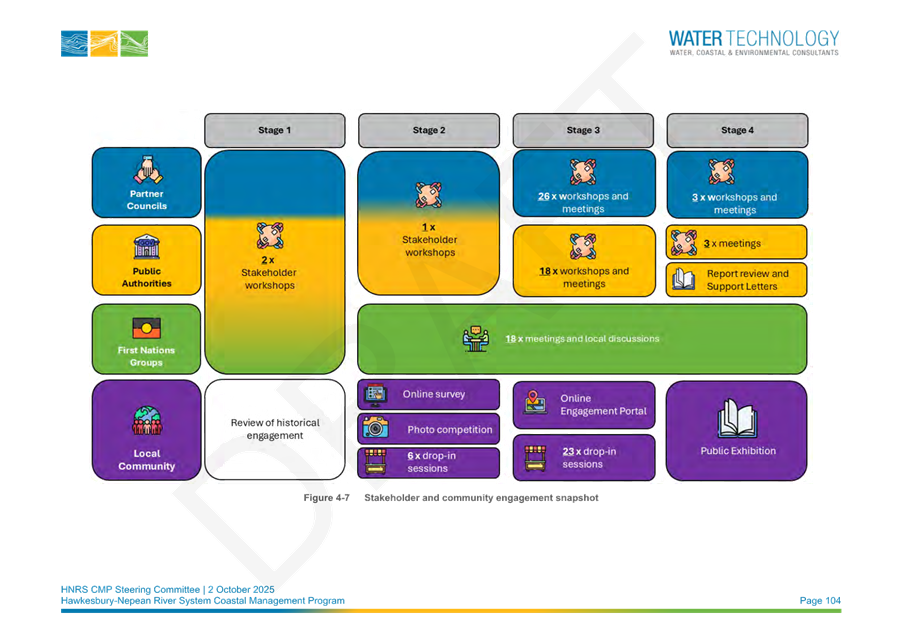
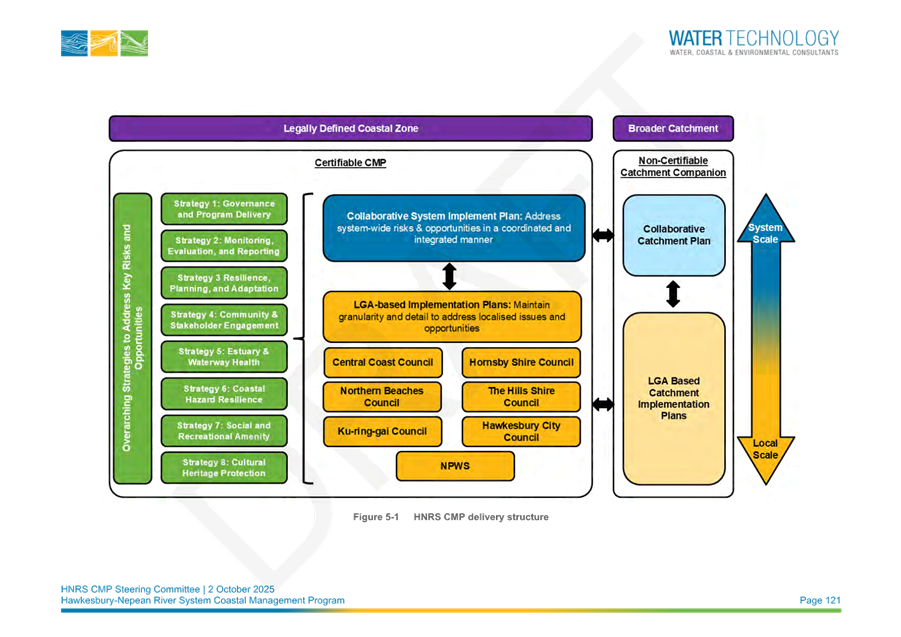
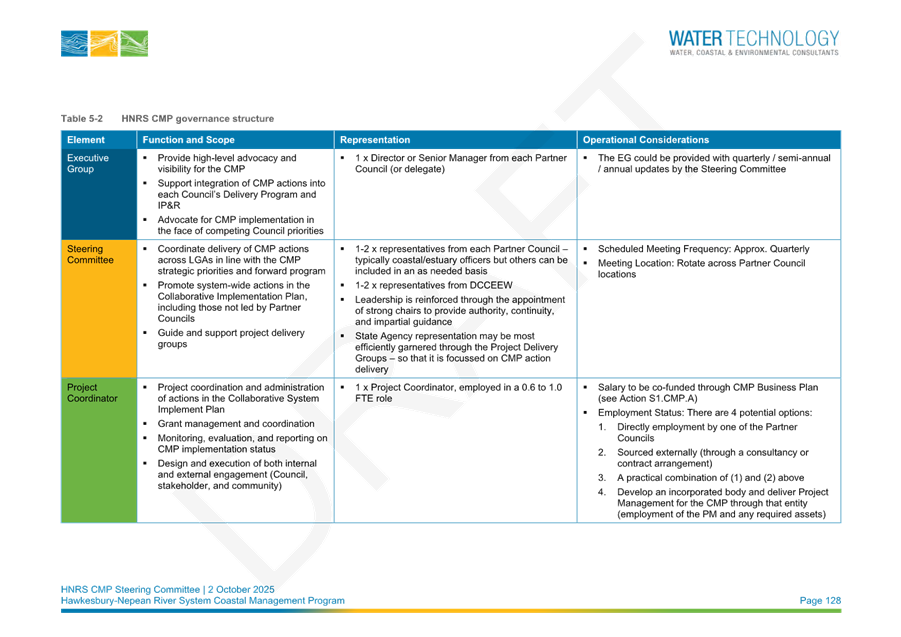
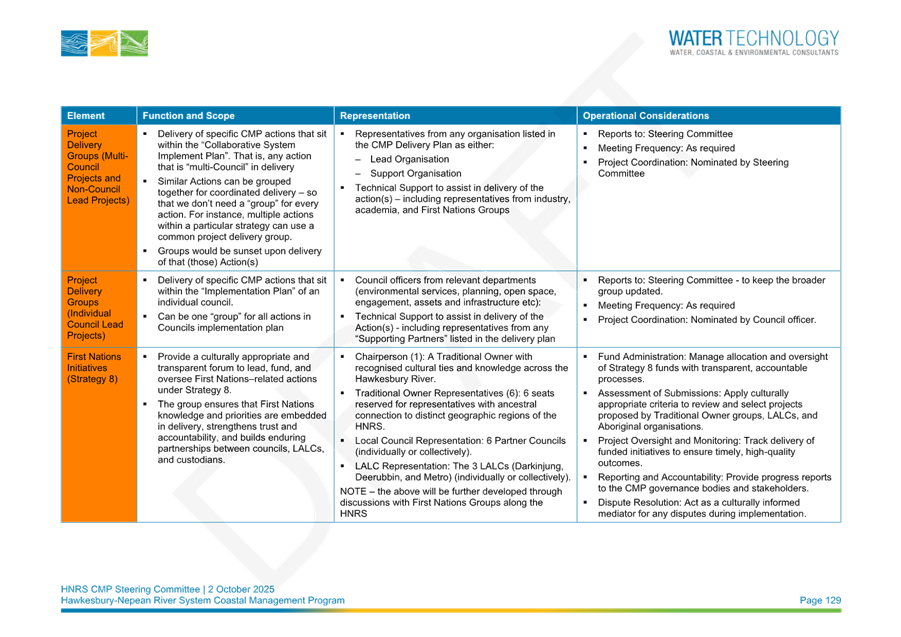
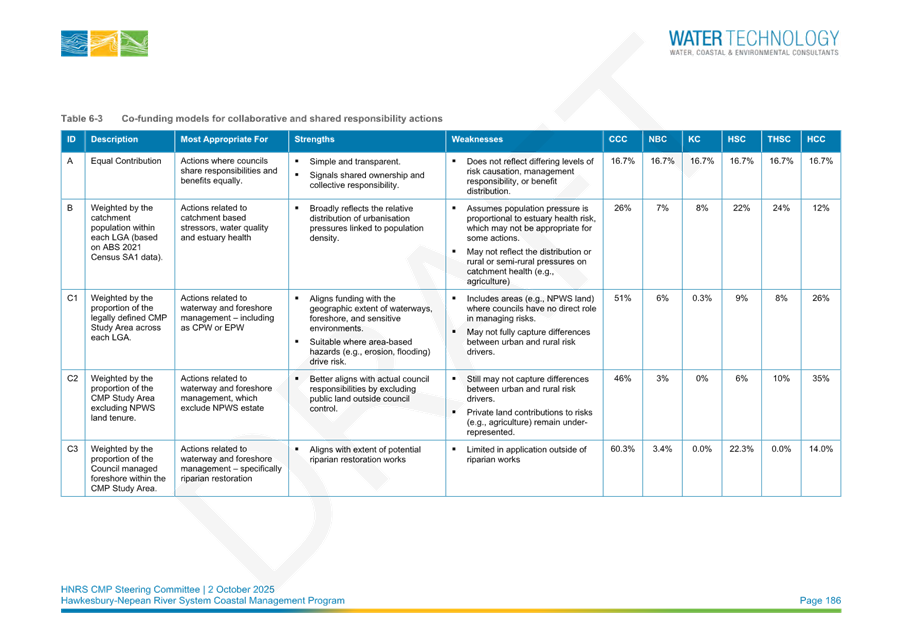
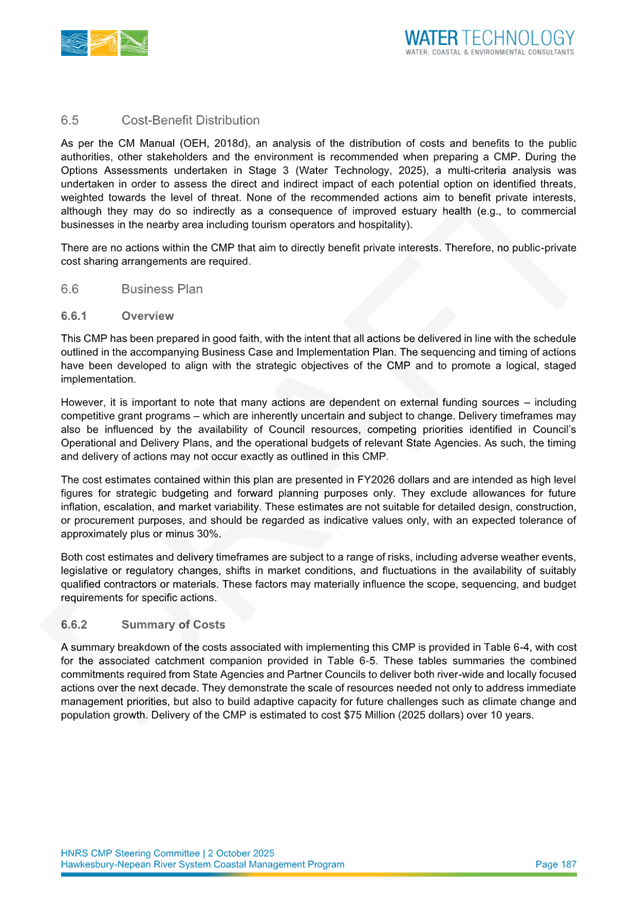
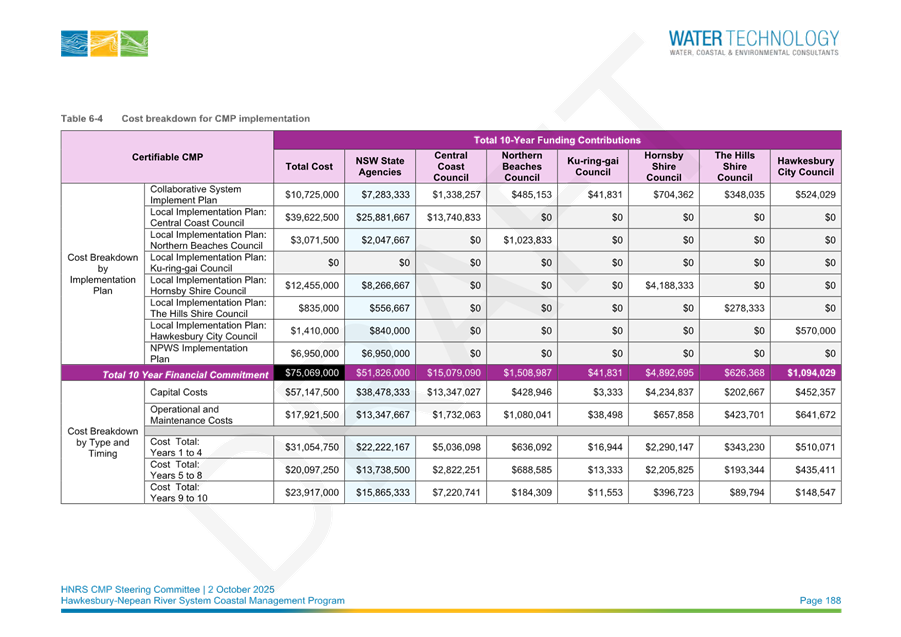
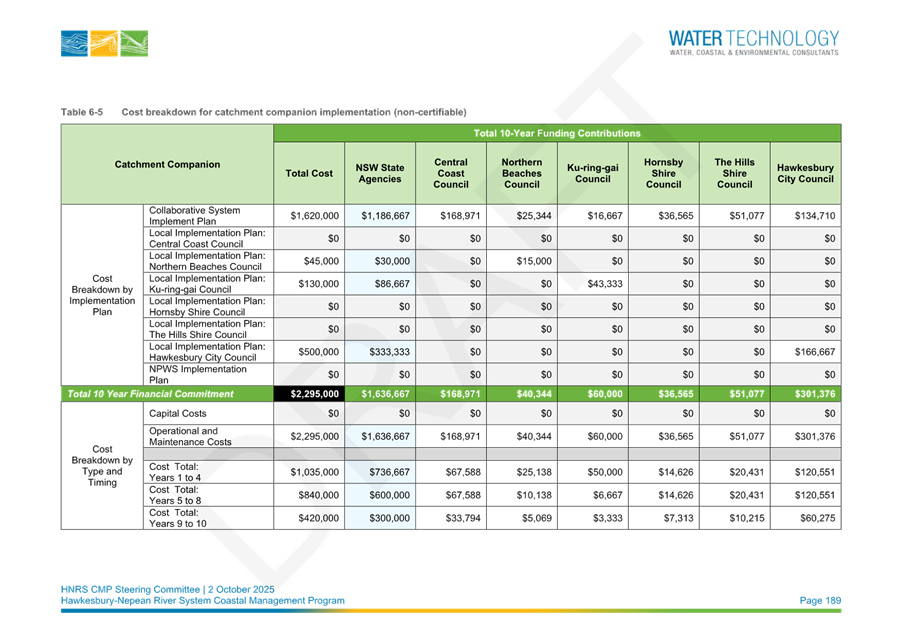
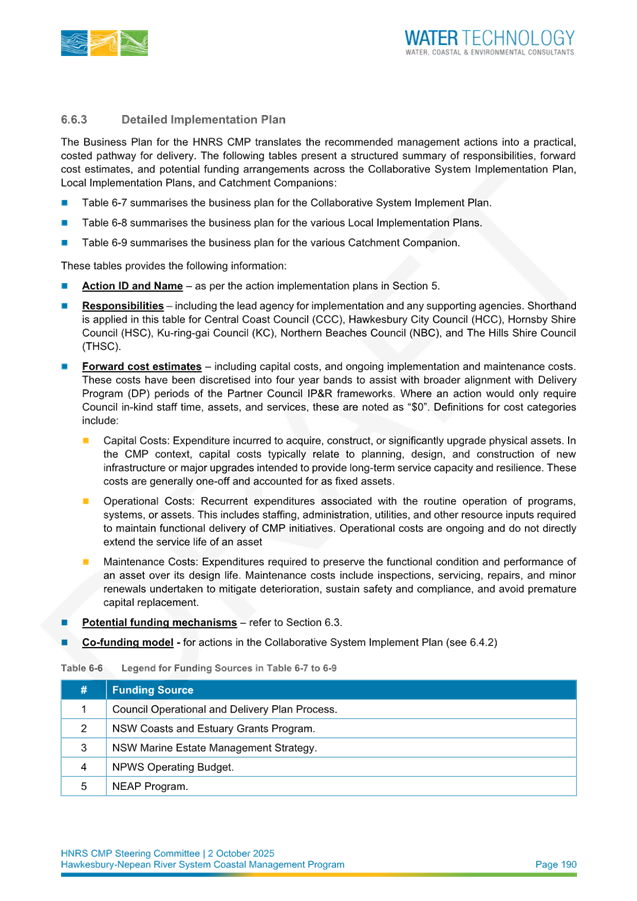
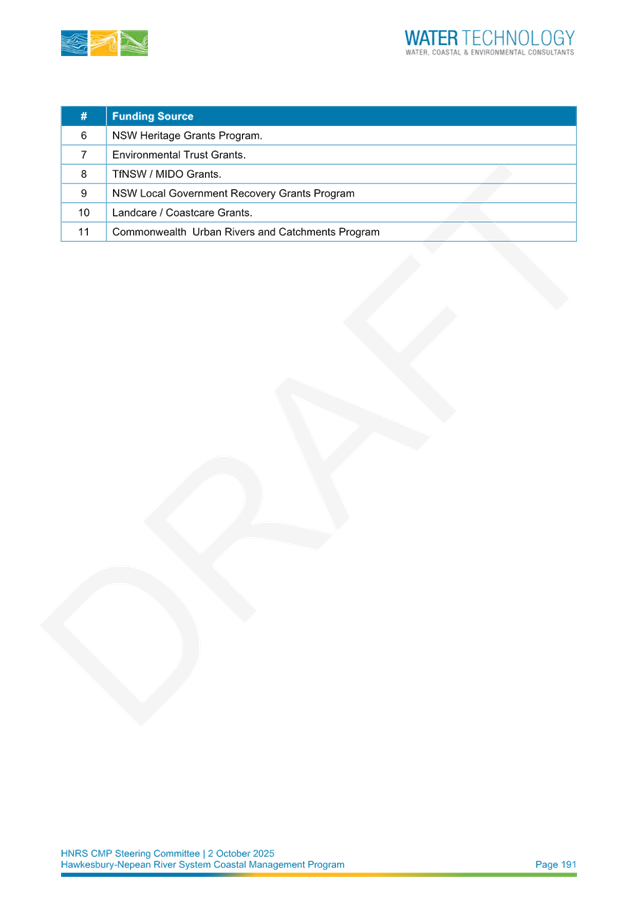
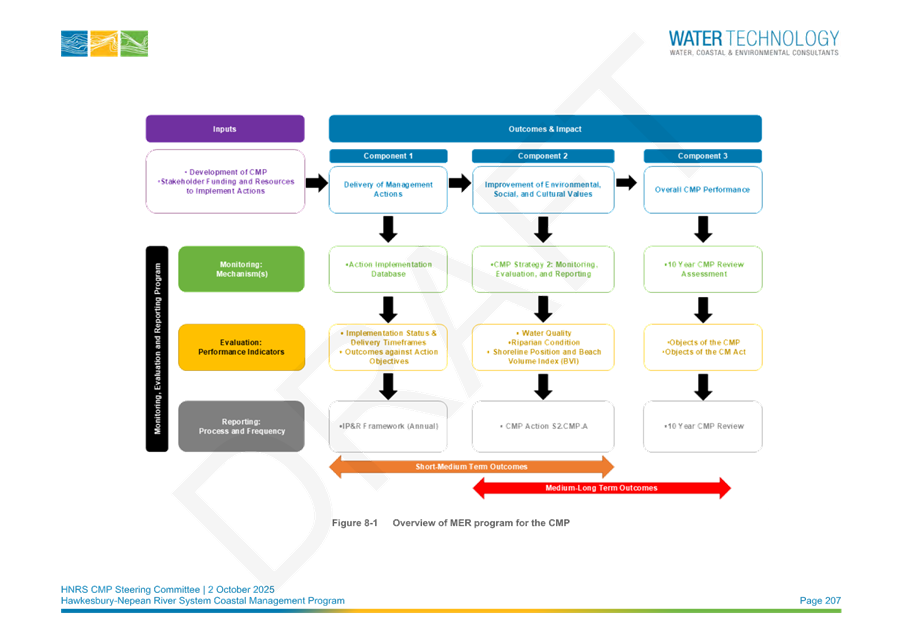
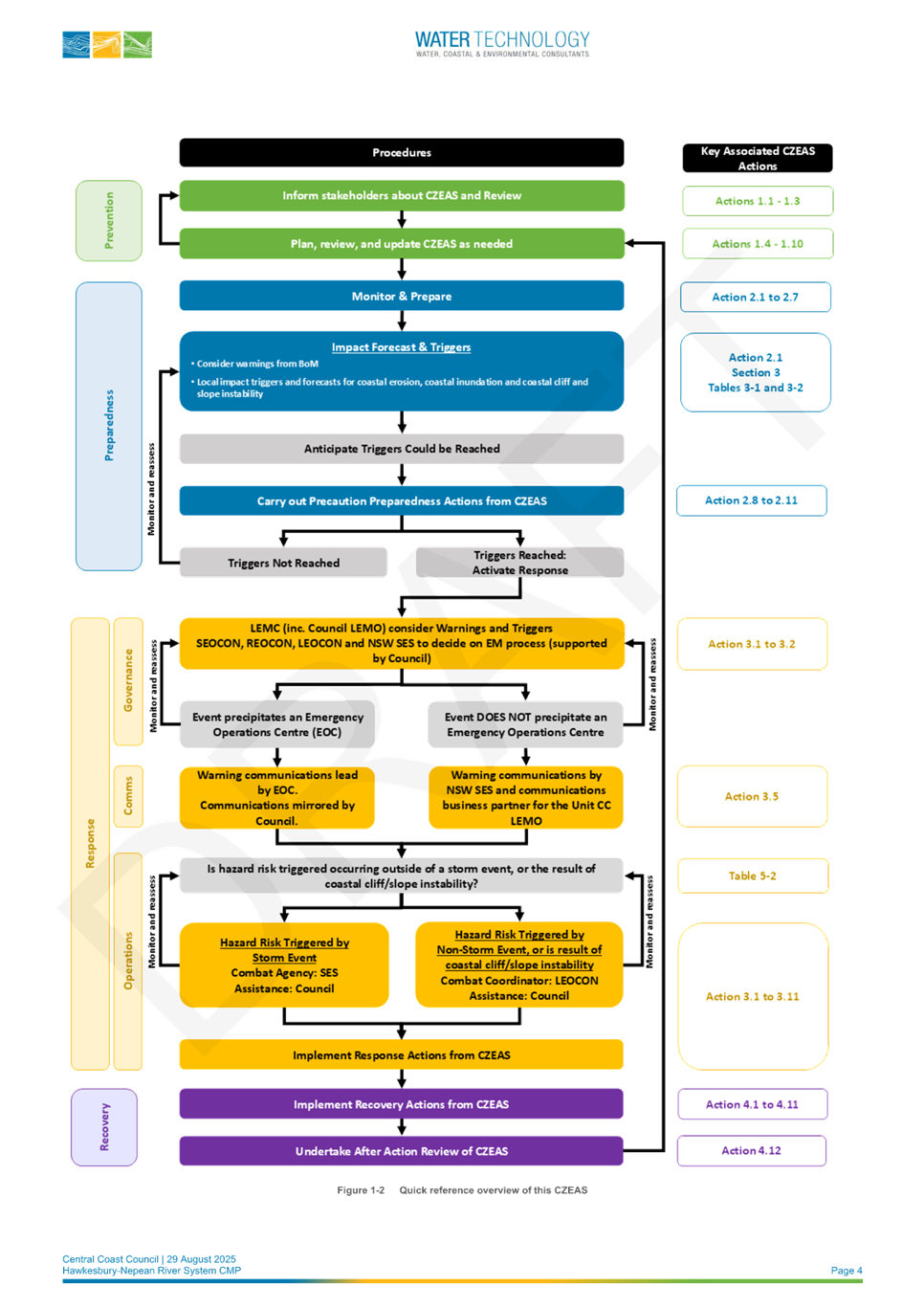
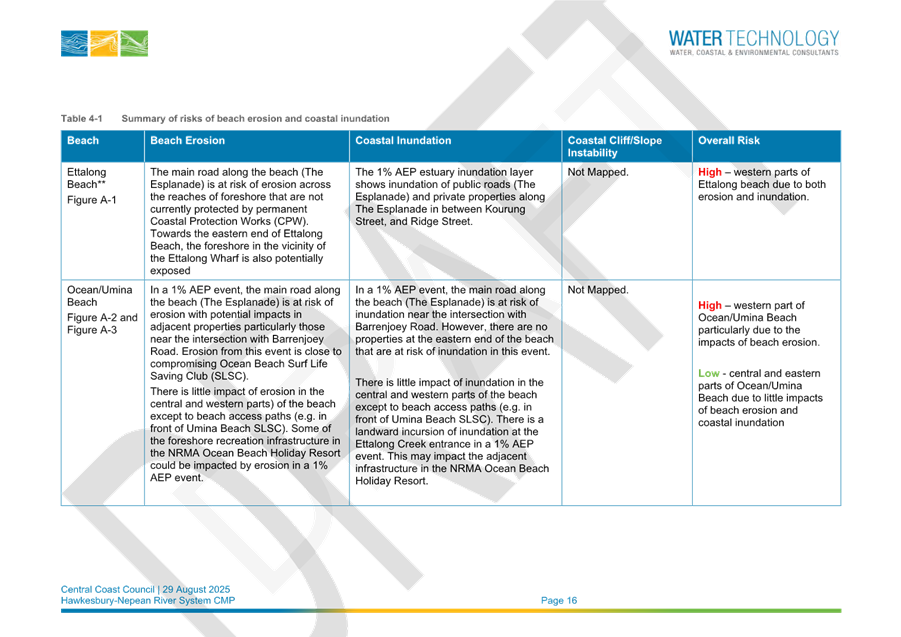
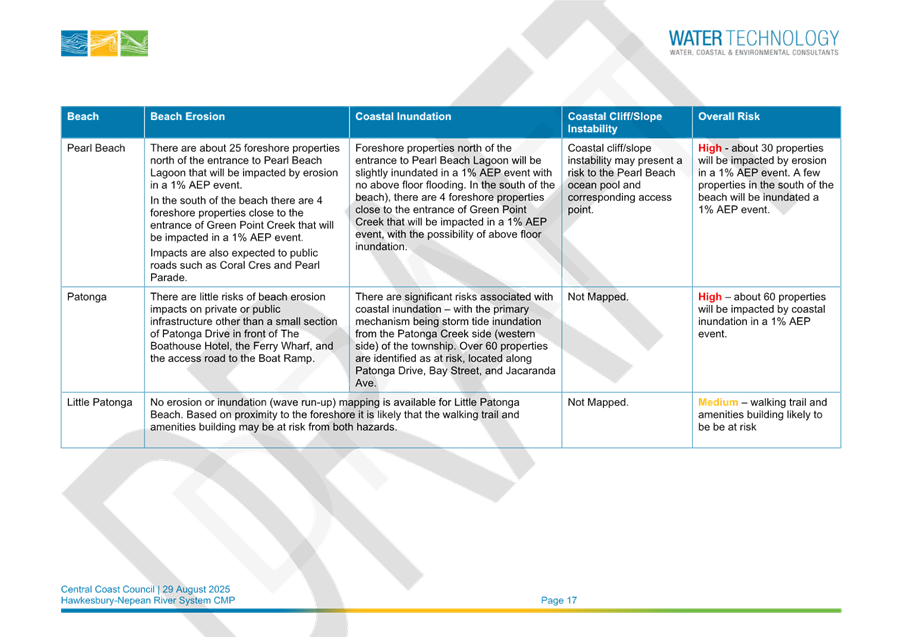
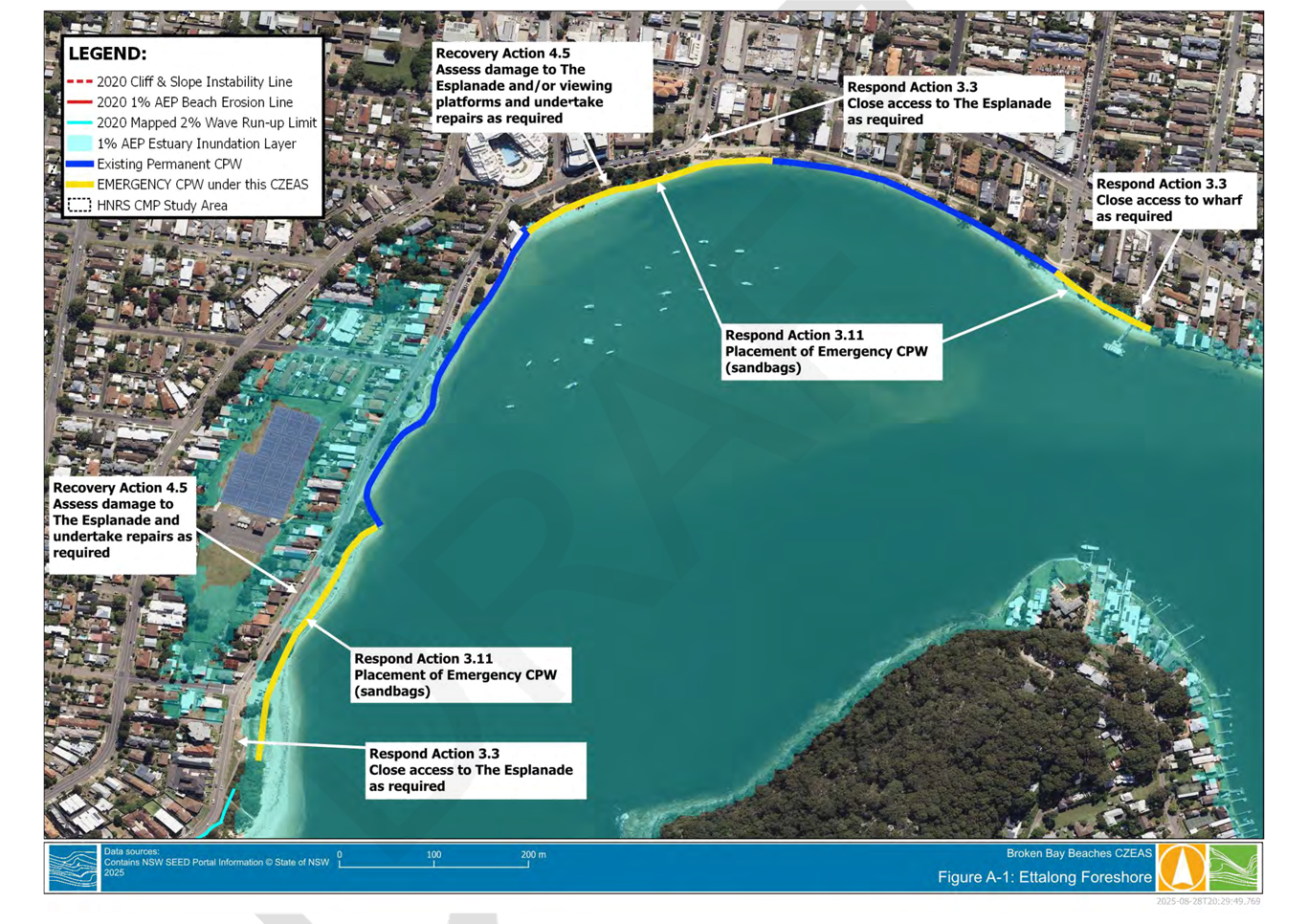
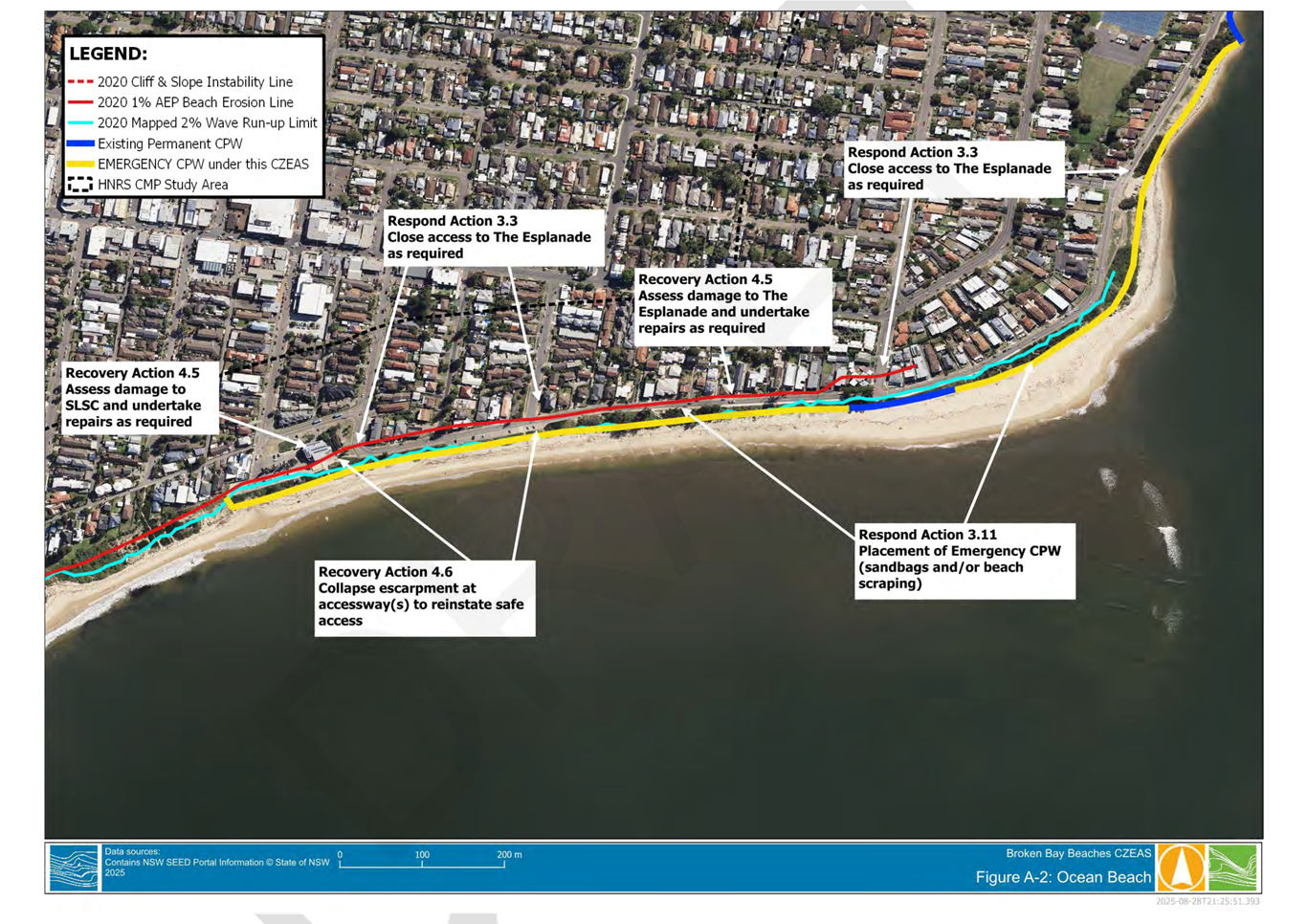
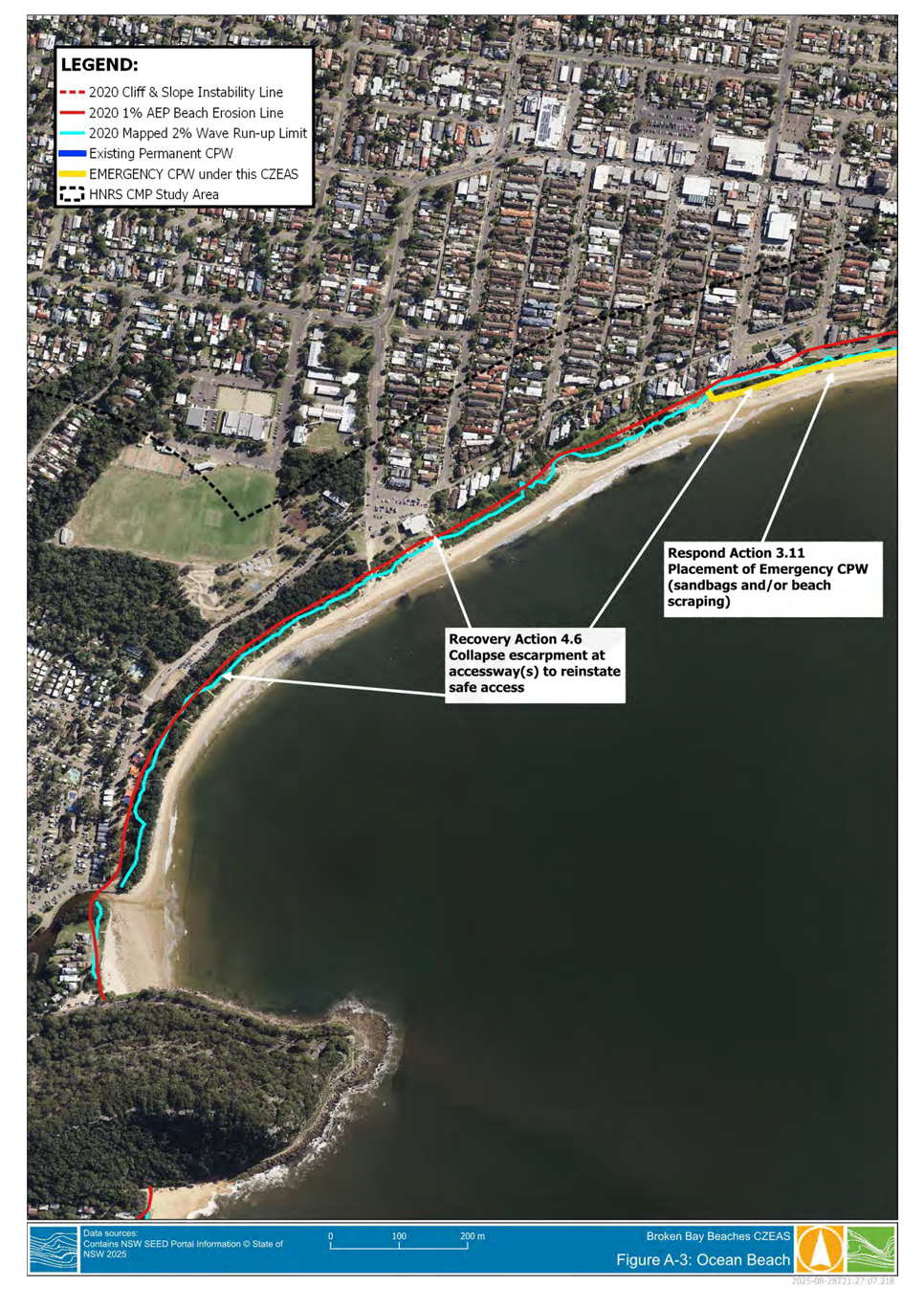
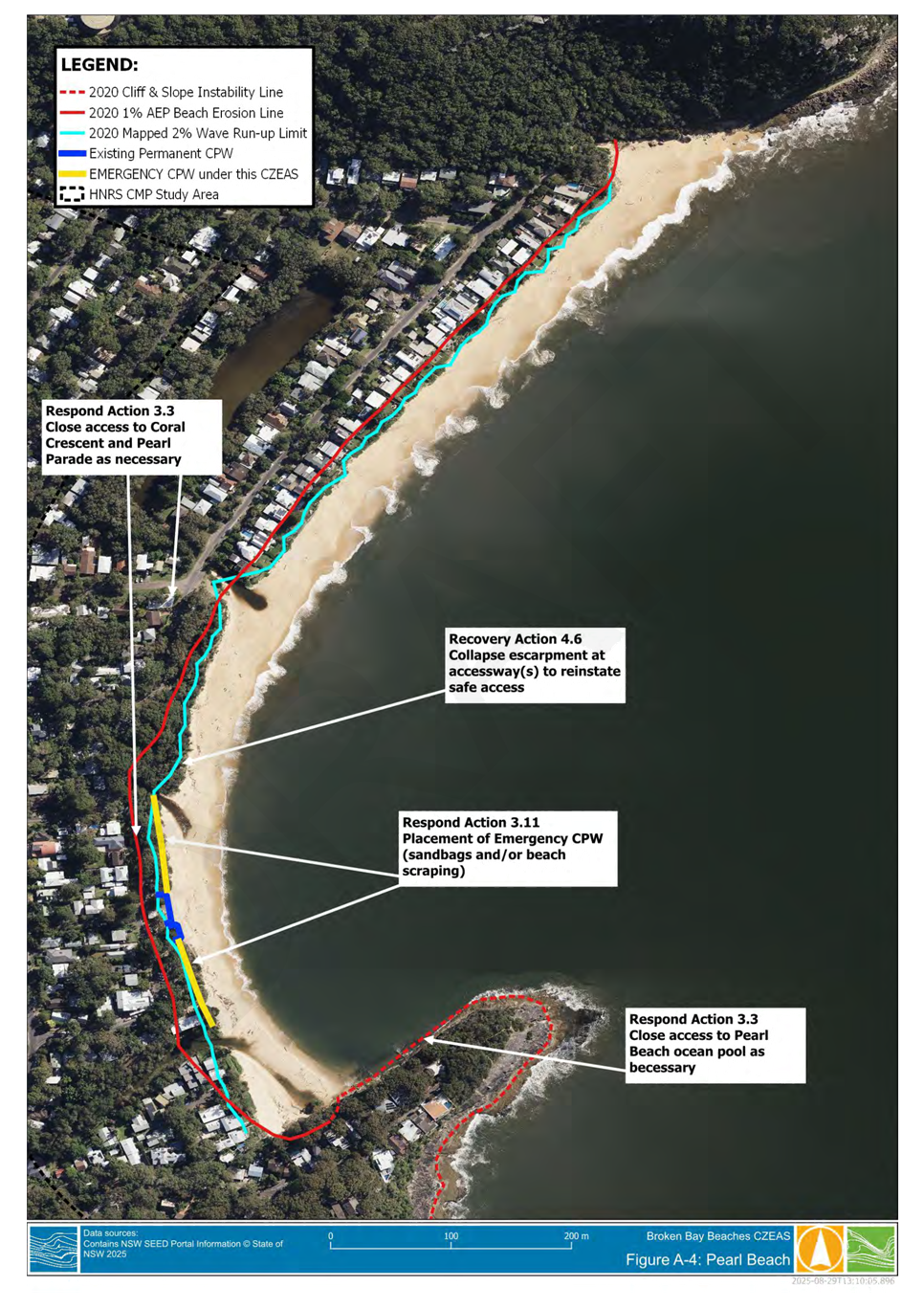
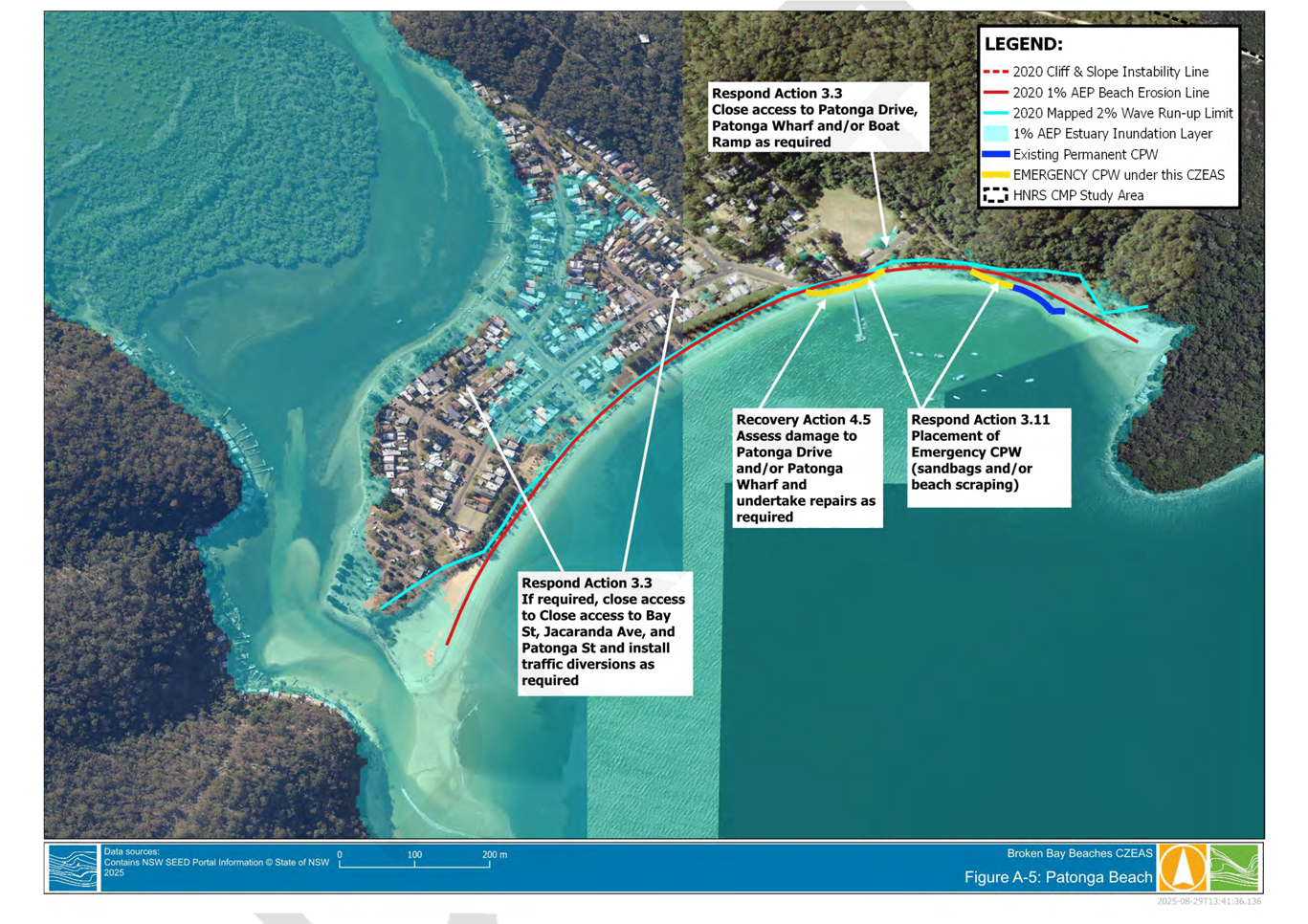
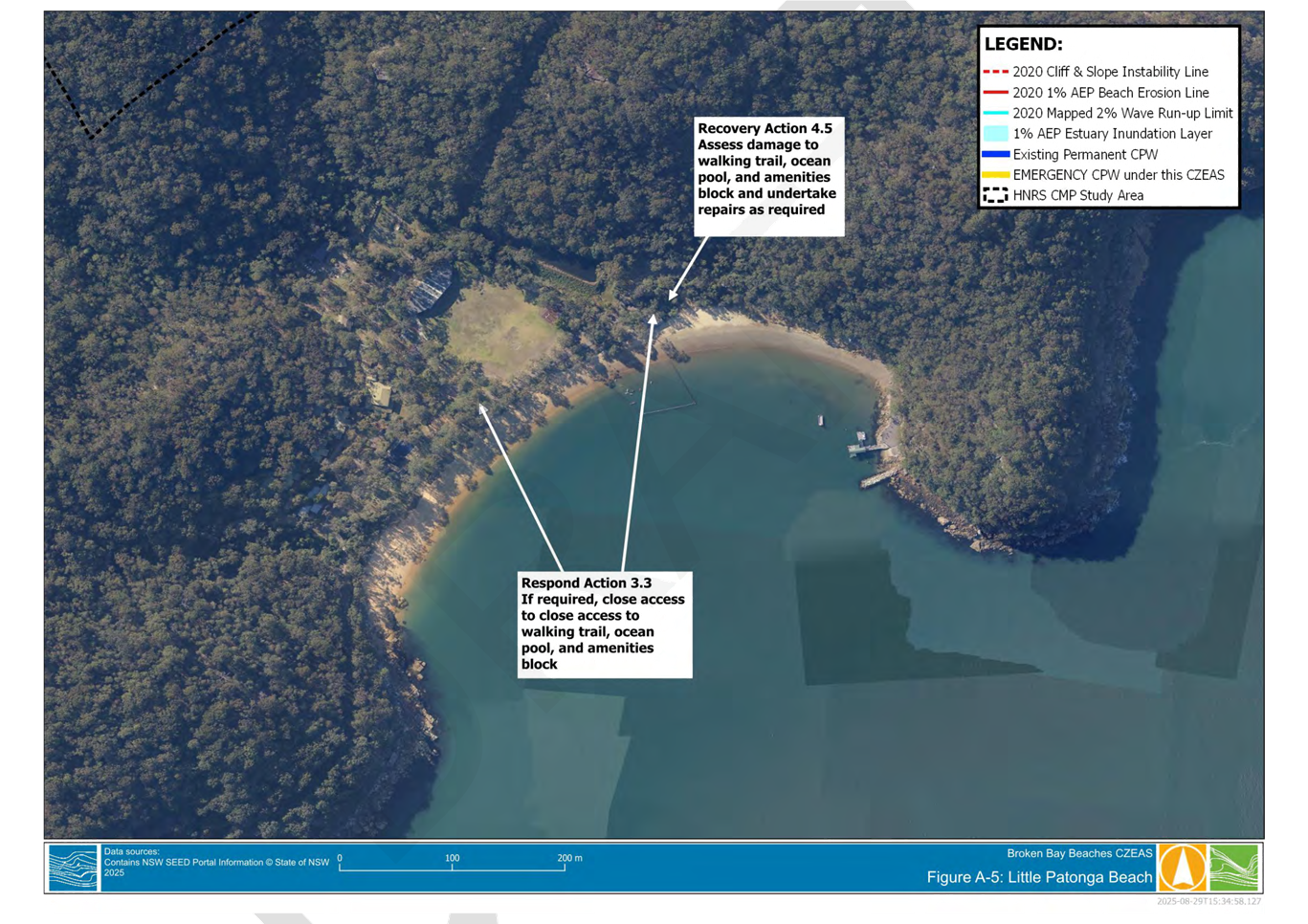
Post-exhibition Development Control Plan
4, 12 & 14 Cowan Road, St Ives
Pymble Golf Club
EXECUTIVE
SUMMARY
|
purpose of report:
|
For Council to consider
submissions received in response to the exhibition of the Draft
Development Control Plan for 4, 12 & 14 Cowan Road, St Ives (Pymble
Golf Club).
|
|
|
|
|
background:
|
On 22 July 2025, Council endorsed the public
exhibition of the Draft Development Control Plan Part 14O - Pymble
Golf Club and the associated Greenweb Map Sheet 13, prepared to
support the Planning Proposal which enables high density residential
development to part of the Pymble Golf Club site.
|
|
|
|
|
comments:
|
The exhibition was conducted from Friday 1 August to
Friday 29 August 2025, a period of 29 days. A total of 254 notification
letters were sent to neighbouring properties. Eight submissions were received
during the exhibition, including one from the proponent.
The majority of matters raised in the submissions were
generally beyond the scope of the Development Control Plan as they were
subject to consideration under the Planning Proposal or will be considered as
part of a future development application.
A number of minor post-exhibition amendments are
proposed to address some of the concerns raised and to provide correction and
clarification to the content.
|
|
|
|
|
recommendation:
(Refer to the full Recommendation at the end of this
report)
|
That Council adopts the draft Ku-ring-gai
Development Control Plan Part 14 Pymble Golf Club and Part 18R
Greenweb Map Sheet 013, incorporating post-exhibition amendments as
detailed in this report and at Attachment A2.
|
Purpose of Report
For Council to consider submissions received in response to
the exhibition of the Draft Development Control Plan for 4, 12 & 14
Cowan Road, St Ives (Pymble Golf Club).
Background
Planning
Proposal
On 16 January 2020 the Pymble Golf Club submitted a Planning
Proposal to amend the Ku-ring-gai Local Environmental Plan 2015 as
follows:
|
EXISTING
|
PROPOSED
|
|
Zoning
|
|
Part R3 Medium Density
Residential
Part RE2 Private Recreation
|
R4 High Density Residential
Part RE2 Private Recreation (on R3 land)
|
|
Height of Buildings
|
|
11.5m
|
11.5m, 14.5m, 17.5m
|
|
Floor Space Ratio
|
|
0.8:1
|
0.92:1
|
|
Minimum Lot Size
|
|
Nil
|
1200sqm (R4 land)
|
|
Heritage
|
|
Nil
|
12 and 14 Cowan Road (local heritage items)
|
Following receipt of adequate
documentation, assessment of the Planning Proposal commenced on 22 April 2020.
On 16 May 2023 Council considered the Planning Proposal and resolved not to
support the amendment as follows:
A. That the
Planning Proposal is not supported by Council.
B. That the
Department of Planning and Environment be advised of Council’s position
and the Planning Proposal not be submitted for a Gateway Determination in
accordance with section 3.34 of the Environmental Planning and Assessment Act
1979.
Following Council’s resolution, the Planning Proposal
has progressed as follows:
· 26
June 2023 - proponent lodged a rezoning review application.
· 18 October 2023
- the Sydney North Planning Panel (SNPP) progressed the Planning Proposal to
Gateway Determination and appointed itself as the Principal Planning Authority.
· 12 July 2024 –
Gateway Determination was issued by the Department of Planning, Housing and
Infrastructure (DPHI).
· 18 September to
17 October 2024 – public exhibition of the Planning Proposal.
On 22 October 2024 Council
considered the exhibition of the Planning Proposal and resolved:
That Council make a submission
to the NSW Department of Planning, Housing and Infrastructure supporting
finalisation of Planning Proposal PP-2022-2519 subject to the proposal being
amended to incorporate an additional local provision specific for this site
which requires an affordable housing contribution of at least 10%, either
monetary or in kind (in perpetuity), as part of future development on the site.
· 1 May 2025
– SNPP considered submissions to the exhibition and supported the
finalisation of the Planning Proposal.
· 24 October 2025
– gazettal of the amendment by DPHI.
Development
Control Plan
As part of their original Planning Proposal application, the
proponent included a draft site specific Development Control Plan (DCP) to
support the Planning Proposal standards.
On 22 July 2025 Council considered the following proposed
draft amendments to the DCP for the Pymble Golf Club site:
· Part 14O Pymble
Golf Club - to include site-specific controls for high density residential
development at 4, 12 and 14 Cowan Road, St Ives.
· Part 18R Greenweb
Map Sheet 13 - to include the Angophora Costata on the eastern boundary of 10
Cowan Road as ‘Canopy Remnant’ category.
and resolved:
A. That Council
endorses, for the purpose of public exhibition, the amendments to the
Ku-ring-gai Development Control Plan (KDCP) at Part 14 (Attachment A1) to
include site-specific controls to support the Planning Proposal for Pymble Golf
Club (4, 12 and 14 Cowan Road, St Ives) and Part 18R Greenweb Mapping
(Attachment A2), subject to the following amendment:
a. 14O.4 Built
Form Control 3 – replace “complementary” with
“consistent”.
B. That the draft
site-specific DCP amendments be placed on public exhibition in accordance with
Council’s Community Participation Plan and the provisions of the
Environmental Planning and Assessment Regulation 2021.
C. That a report
be brought back to Council at the conclusion of the exhibition period for
Council to consider any submissions made.
Comments
Public
Exhibition
The draft DCP Part 14O Pymble Golf Club and Part
18R Greenweb Map Sheet 013 were exhibited on Council’s website for 29
days between Friday 1 August and Friday 29 August 2025.
A total of 254 notification letters were sent to
neighbouring properties with details of the exhibition.
Community
Submissions
Eight submissions were received, one
from the proponent, Pymble Golf Club, and seven from residents. The
submissions have been summarised and may be viewed at Attachment A1 with
an overview of the issues provided below.
· Zoning,
Height, Floor Space Ratio
Three submissions objected to
the amended height, floor space ratio (FSR) and rezoning of the Pymble Golf
Club land.
Ø Response:
Height, FSR and zoning are
standards covered by the Ku-ring-gai Local Environmental Plan (2015)
(KLEP 2015). These standards have already been amended by the State government.
They are not a matter for consideration in this DCP as the DCP is only a guide
document and cannot be inconsistent with the associated development standards
in KLEP 2015.
Ø Recommendation:
No Change.
· Traffic,
Access and Parking
Five submissions raised traffic
related issues. The issues raised included traffic impact resulting from the
future development on the Pymble Golf Club site; increased traffic on the
already congested Cowan Road; pedestrians safety issues at adjoining intersections;
the need for traffic lights at the Killeaton Road/Cowan Road intersection; the
current lack of street parking available for visitors and deliveries to
existing residents; and adverse amenity and health impacts resulting from
increased traffic volumes.
Ø Response:
The traffic and transport
aspects of the Planning Proposal were considered by Council in May 2023 and the
Sydney North Planning Panel in May 2025. While it was acknowledged that there
were some constraints, it was noted the site is well positioned to take
advantage of improved bus services between Mona Vale and Macquarie Park which
are foreshadowed in Future Transport Strategy and the Macquarie Park
Strategic Infrastructure and Services Assessment. The site is also within
10 minutes walking time of retail, health/medical, leisure/recreational and
community/cultural facilities.
In addition, the proposal is not
expected to have significant additional impact on the operation of the key
nearby intersections, with only minor increases in average delay at the
intersection of Cowan Road/Village Green Parade and the intersection of Killeaton
Street/Cowan Road. Future traffic signals are planned at the Killeaton
Street/Cowan Road intersection, as well as other intersection upgrades in St
Ives as identified in the Ku-ring-gai Contributions Plan 2010.
Discussions are ongoing with
Transport for NSW regarding other upgrades in St Ives associated with any
potential future redevelopment of St Ives Shopping Village.
Ø Recommendation:
No Change.
· Heritage
Two submissions on heritage
issues were received. One from the proponent disputing the exhibited heritage
curtilage and indicative location of the relocated cottages; and the other from
a resident suggesting demolition of the cottages and replacement with
landscaping.
Ø Response:
The heritage curtilage has been
determined by Council’s heritage consultant as the required area to
provide an appropriate setting to the cottages. It has been based on the 10-12m
distance indicated in the Planning Proposal. The location of the relocated
cottages is indicative only and will be subject to heritage analysis provided
at the DA stage.
The heritage listing of the
cottages is a legislated amendment and cannot be amended by the DCP. Demolition
of the cottages would require justification through a Development Application.
Ø Recommendation:
No Change.
· Trees and
Vegetation
Two submissions raised concern
over tree impacts of the proposed development on the Pymble Golf Club Site
Ø Response:
Any future Development
Application will be required to declare and justify any tree removal and
impacts to the tree root zones. The wider DCP has requirements for deep soil,
landscaping and tree provision which will have to be addressed in the
application.
Ø Recommendation:
No Change.
· Building
Design and Amenity
Three submissions from residents
raised concerns regarding loss of amenity due to traffic and building works
including noise, dust and congestion, and issues of overshadowing.
Comment was also received from
Council’s landscape staff raising concern regarding the 1m setback to
part of the northern boundary adjacent to the heritage cottage. Staff state it
is inconsistent with Council’s side setbacks (1.5m for single storey
building) and prevents the necessary landscape provisions to the side boundary
for screening and shrub/tree provision.
Ø Response:
Amenity impacts will be assessed
and conditioned as part of any future Development Application for the site.
Detailed shadow diagrams will be required to justify loss of solar access to
neighbouring properties.
It is acknowledged that this
setback is inconsistent with low density residential side setbacks across
Ku-ring-gai and will be unable to deliver the path and landscape requirements
for side setbacks. These are important for the amenity of the cottage and to
screen the neighbouring development. Whilst this increased setback allocates an
additional 0.5m to the side boundary, it is noted that no setbacks are provided
between the two cottages nor to the side of the cottage to the south. This
would enable some flexibility in the dwelling positioning and delivery of
landscaping to the north side boundary. This landscaping element is important
to retain the prevailing Ku-ring-gai character of built form within a
landscaped setting including trees, particularly important with heritage
settings.
Ø Recommendation:
It is recommended that Figure
14O.3-1 be amended to increase the northern side setback from 1m to 1.5m.
· Clarifications
and corrections
The proponent submitted a number
of items requesting amendment to the DCP. These are described in the Submission
Summary Table at Attachment A1. Council staff have also noticed some
inconsistencies with the wider DCP on the issues raised by the proponent.
Ø Response:
It is agreed that those items
that improve the clarity of the DCP, correct errors and go towards aligning
this site specific DCP with the wider DCP and its definitions should be
amended.
Ø Recommendation:
It is recommended that the
amendments delineated in Attachment A1 be included in the DCP.
Proposed
Post-Exhibition Amendments
All issues raised in response to the exhibition have been
assessed. As recommended above, some minor post-exhibition amendments are
proposed to Part 14O Pymble Golf Club in response to the submissions. No
amendment is proposed to the exhibited Part 18R Greenweb Map Sheet
013.
The amended DCP showing the post-exhibition amendments in
red may be seen at Attachment A2.
integrated planning and reporting
Outcome 2: Sustainable urban growth and change.
|
Community Strategic
Plan Strategy
|
Delivery Program
Term Achievement
|
Operational Plan
Action
|
|
U2: Ensure land use strategies, plans and processes are in
place to protect existing character and effectively manage growth and change.
|
U2.3: Strategies, plans and processes are prepared,
implemented and reviewed to effectively manage the impact of new development.
|
U2.3.2: Investigate the inclusion of Local Character
Controls within the Ku-ring-gai Development Control Plan.
|
Governance Matters
This report relates to draft site-specific DCP amendments
that have been prepared to support the amendments approved by the Planning
Proposal for the Pymble Golf Club. The site-specific DCP controls are required
to be consistent with the proposed LEP provisions contained in the Planning
Proposal. Under Section 4.43(5)(b) of the Environmental Planning and
Assessment Act 1979, a provision of a development control plan has no
effect to the extent that it is inconsistent or incompatible with a provision
of the LEP applying to the land.
The Ku-ring-gai Local Environmental Plan 2015 has recently
been amended to incorporate high density residential zoning, with associated
height and FSR standards, within the Pymble Golf Club site at 4, 12 & 14
Cowan Road, St Ives. The proposed DCP seeks to provide guidance for the
development of that land at the new standards. It includes controls and
objectives that aim to integrate any future development into the locality and
retain key values of the site including trees and heritage buildings.
Risk Implication statement
Given State government has
finalised the rezoning of part of the Pymble Golf Club land from recreational
use to high density residential use, it is important to put in place a DCP to
guide any future development. The DCP will ensure assessment of any future
development assessment is made consistent with controls applied to similar
scale and complexity of development. It also ensures the types of outcomes that
underpinned the approval of the Planning Proposal will be delivered on the
site. If a DCP is not put in place, there is a risk that site specific
considerations will be ignored and impact on neighbouring sites including the Golf
Club facility to the rear.
Financial Considerations
The cost to prepare, exhibit and report on the site-specific
DCP provisions have been paid by the proponent of the Planning Proposal in
accordance with Council’s Schedule of Fees and Charges.
Social Considerations
The draft site-specific DCP amendment includes objectives
and controls to conserve heritage items on the site and ensure that any future
development responds to the scale, design, setting and character of the items.
Inclusion of DCP controls relating to the future development
of the Pymble Golf Club land will provide a due diligent process, requiring
consideration and assessment of any development application on the land. The
controls give certainty to the community, both neighbouring residents and
members of the Pymble Golf Club, on what type and standard of development will
occur on the land.
Environmental Considerations
The draft site-specific DCP amendments include requirements
to ensure the retention and protection of existing trees and vegetation,
including Blue Gum High Forest on the site.
Community Consultation
The draft site-specific DCP
amendments were placed on public exhibition in accordance with the requirements
of Council’s Community Participation Plan and the provisions of the Environmental
Planning and Assessment Regulation 2021.
The draft amendments to the DCP Part
14O Pymble Golf Club and Part 18R Greenweb Map Sheet 13 were
exhibited for 29 days between Friday 1 August and Friday 29 August 2025. A
total of eight submissions were received, including one from the proponent,
Pymble Golf Club, and seven from local residents and some minor post-exhibition
amendments are proposed in response to the submissions. All persons who made a
submission were notified of this matter going to Council.
Internal Consultation
Internal consultation has taken
place for the preparation of the site-specific DCP provisions with relevant
staff with expertise in the areas of urban planning, urban design, heritage and
traffic.
Summary
The Planning Proposal for the
Pymble Golf Club site at 4, 12 and 14 Cowan Road, St Ives has been finalised by
the Department of Planning, Housing and Infrastructure and the amendment to the
KLEP 2015 has been completed. Draft site-specific development controls and
objectives have been prepared by Council in order to guide future development
outcomes on the site achieved by the rezoning, increased height and floor space
ratio.
The draft DCP Part 14O Pymble Golf Club and Part
18R Greenweb Map Sheet 013 were exhibited on Council’s website for 29
days between Friday 1 August and Friday 29 August 2025. Eight submissions were
received, one from the proponent, Pymble Golf Club, and seven from local
residents. The submissions have been assessed (Attachment A1) and
resulted in some minor post-exhibition amendments as indicated in the draft DCP
at Attachment A2.
Recommendation:
A. That Council adopts the draft Ku-ring-gai Development Control Plan Part 14 Pymble
Golf Club and Part 18R Greenweb Map Sheet 013, incorporating
post-exhibition amendments as detailed in this report and at Attachment A2.
B. That
Council’s adoption of the amended Ku-ring-gai Development Control Plan
be notified on Council’s website in accordance with Clause 21(4) of the Environmental
Planning and Assessment Regulation 2000.
C. That
the amended Ku-ring-gai Development Control Plan comes into effect on
the day that it is notified on Council’s website.
D. That
people who made a submission to the public exhibition be notified of
Council’s resolution.
E. That delegation be
given to the Director, Strategy and Environment to correct any minor amendments
or errors and inconsistencies to the draft Ku-ring-gai Development Control Plan.
|
Rathna Rana
Executive Urban Planner
|
Craige Wyse
Team Leader Urban Planning
|
|
Antony Fabbro
Manager Urban & Heritage Planning
|
Andrew Watson
Director Strategy & Environment
|
|
Attachments:
|
A1 ⇩ ⇩
|
Submission
Summary Table
|
|
2025/256858
|
|
|
A2 ⇩ ⇩
|
Draft
Part 14O - Pymble Golf Club and Part 18R Greenweb Map Sheet 13
|
|
2025/364160
|
|
ATTACHMENT No: 1 - Submission
Summary Table
|
|
Item No: GB.14
|
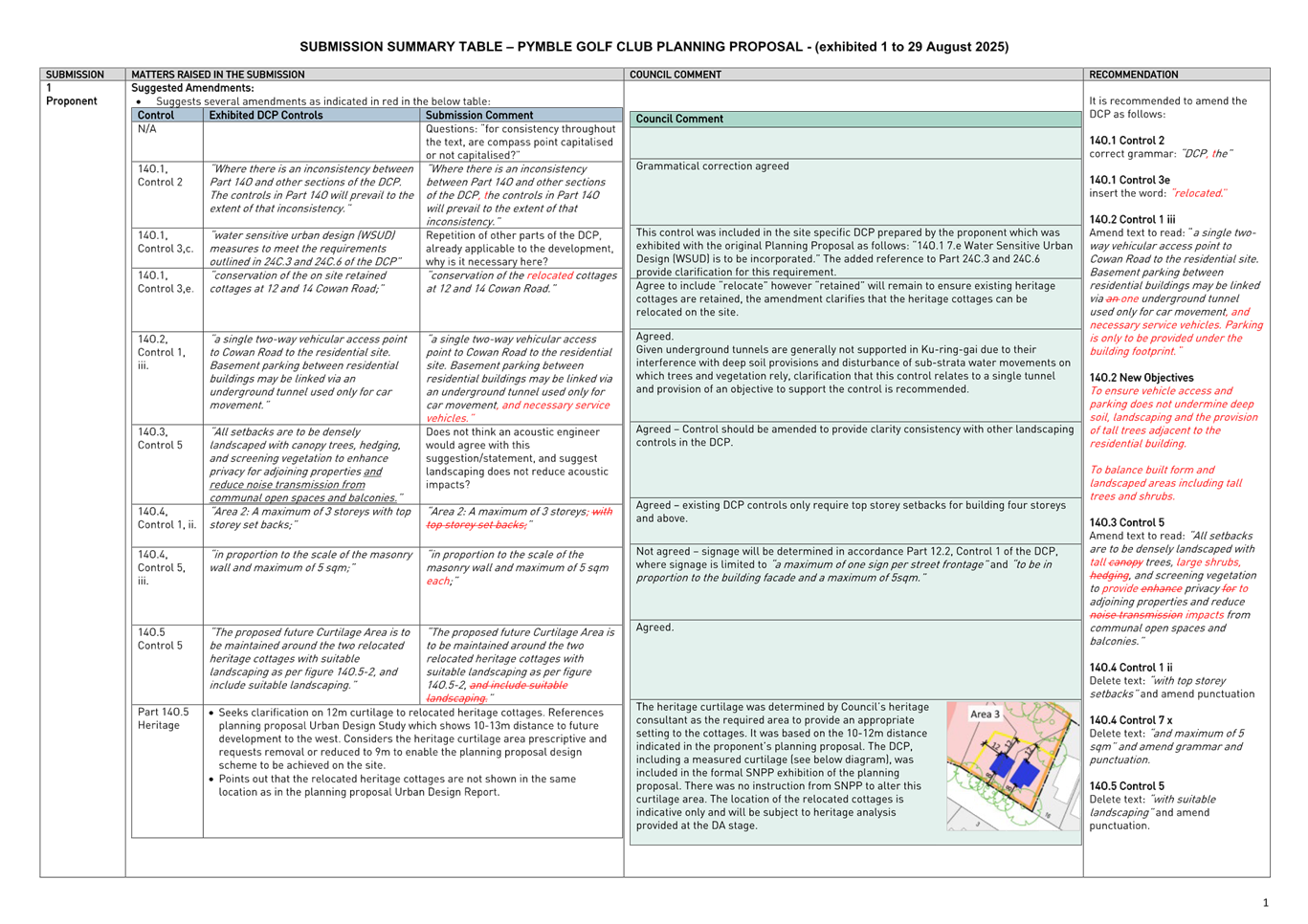
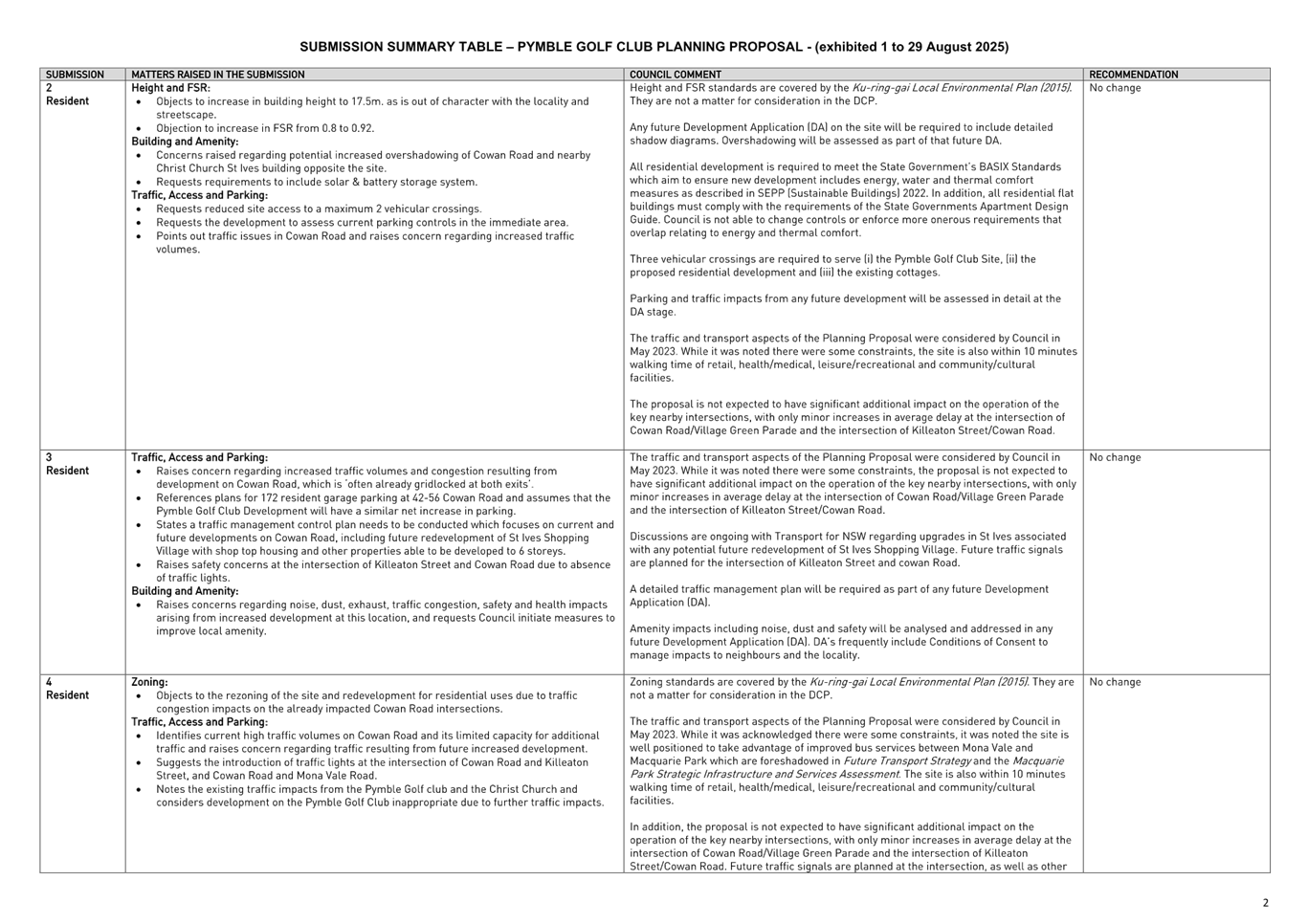
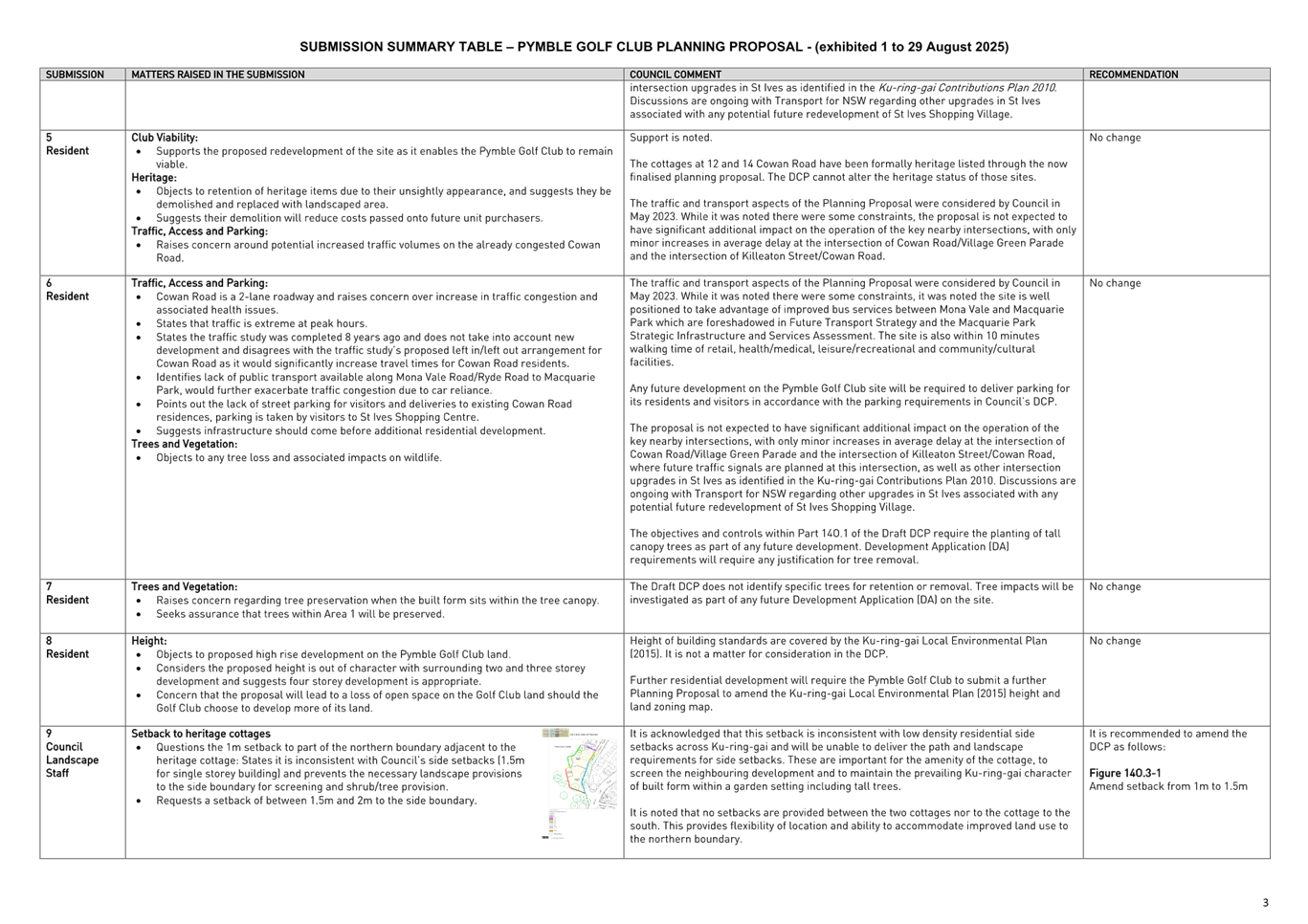
|
ATTACHMENT No: 2 - Draft Part
14O - Pymble Golf Club and Part 18R Greenweb Map Sheet 13
|
|
Item No: GB.14
|
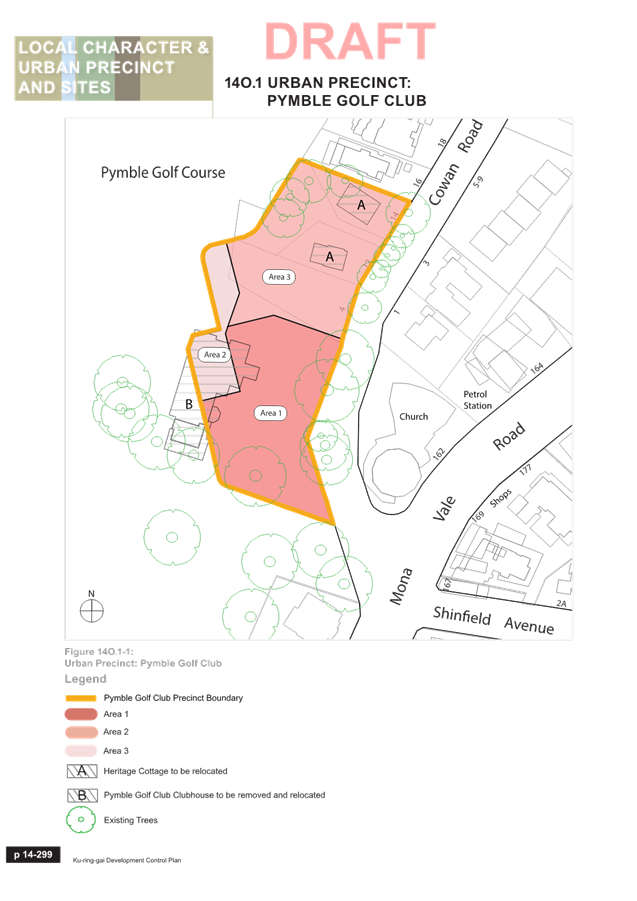
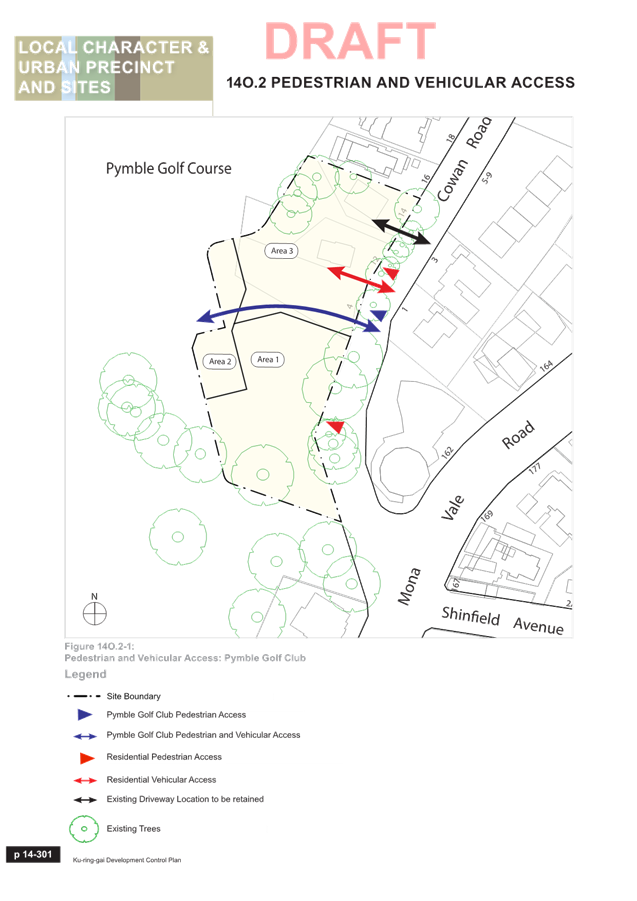
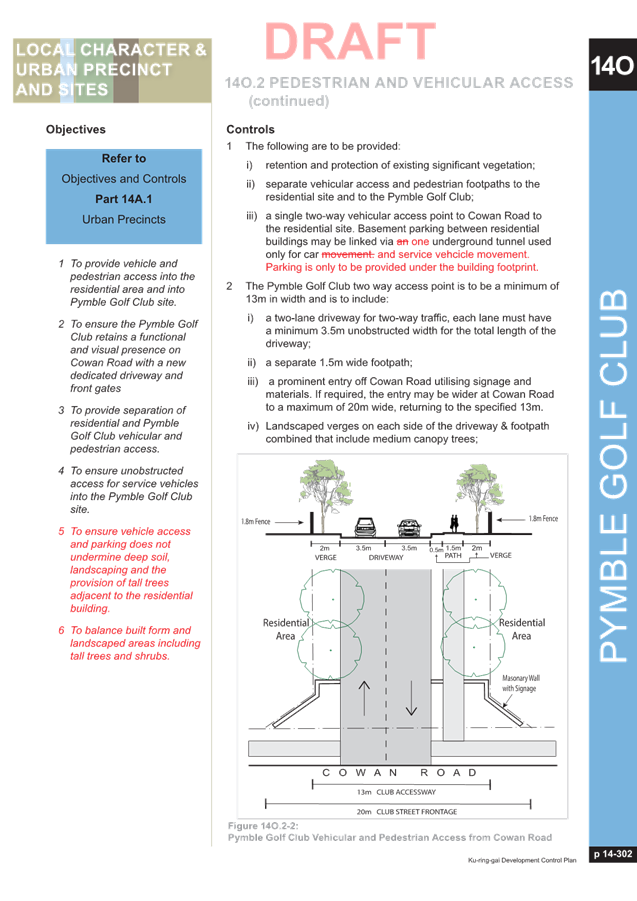
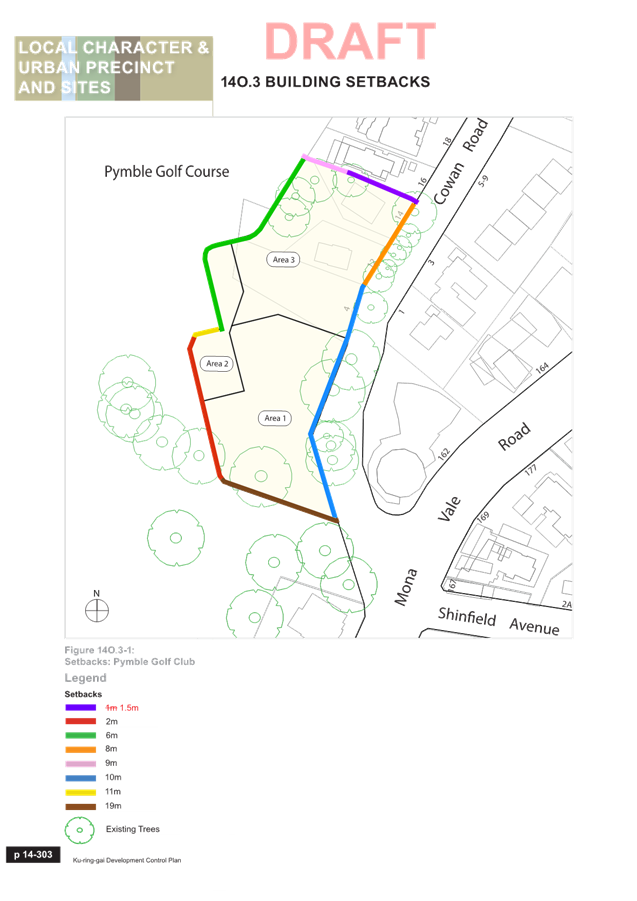
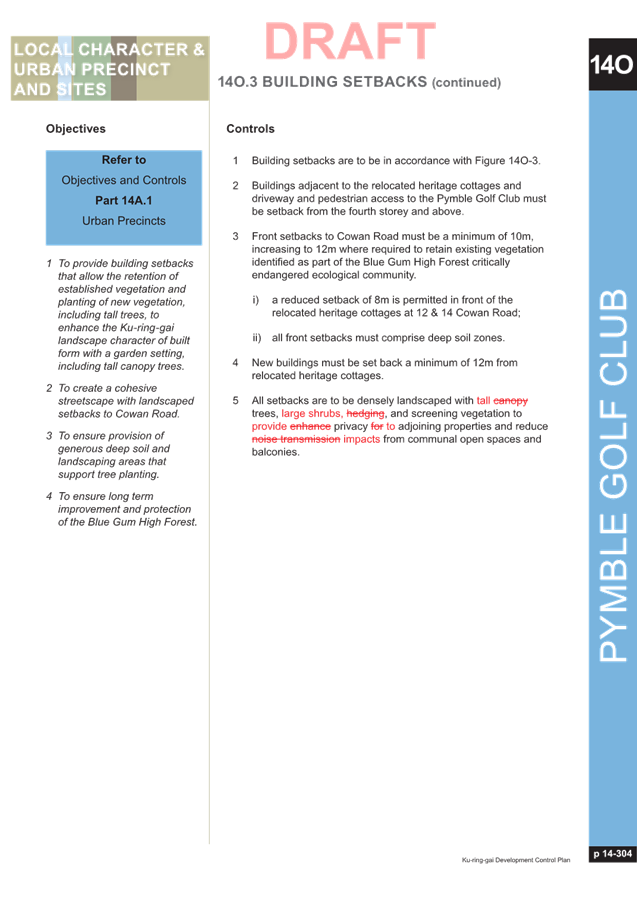
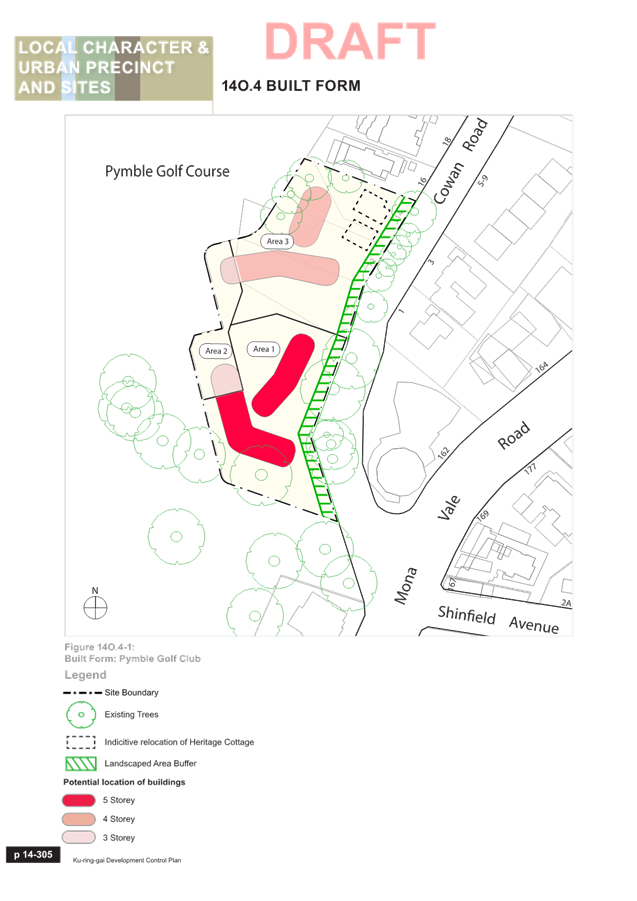
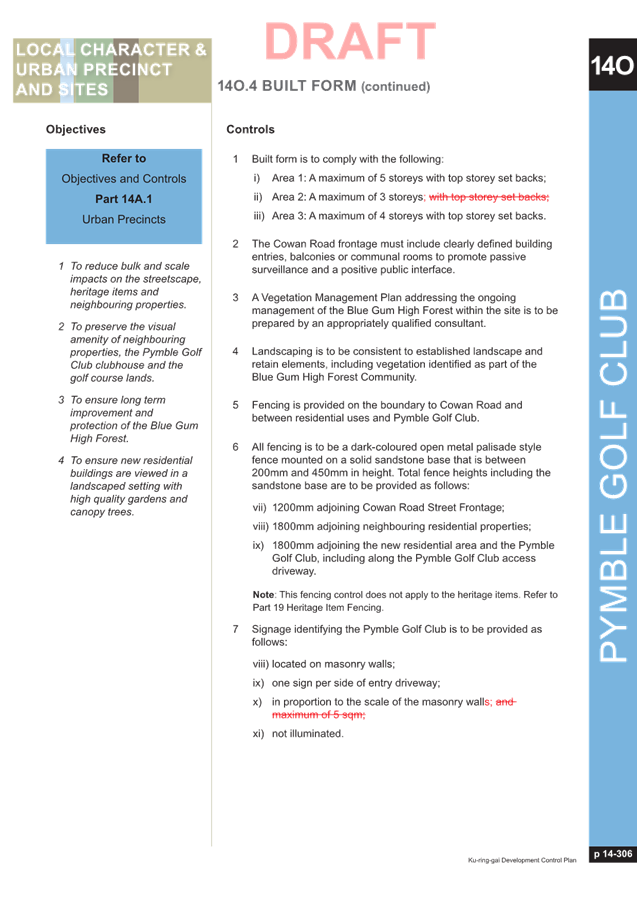
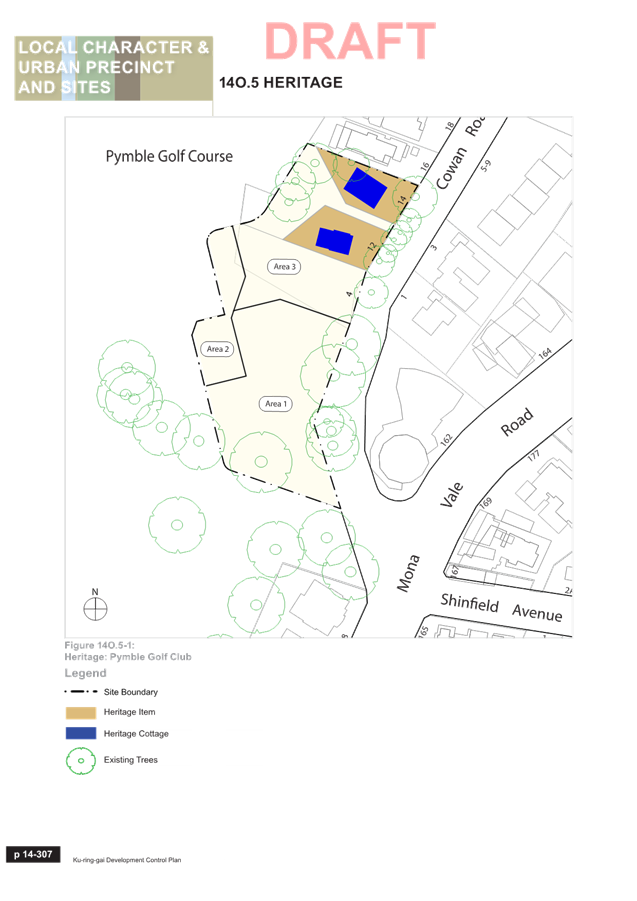
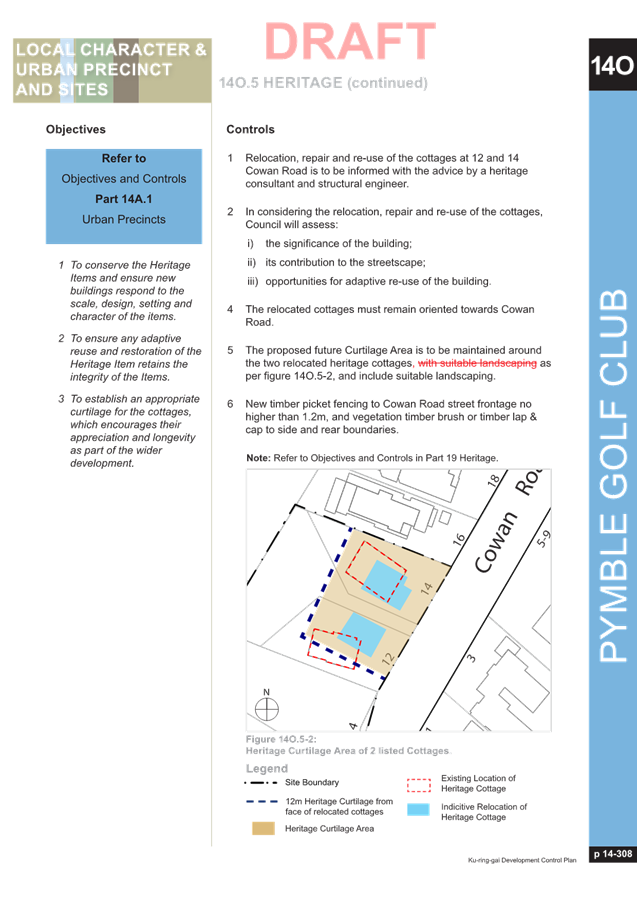
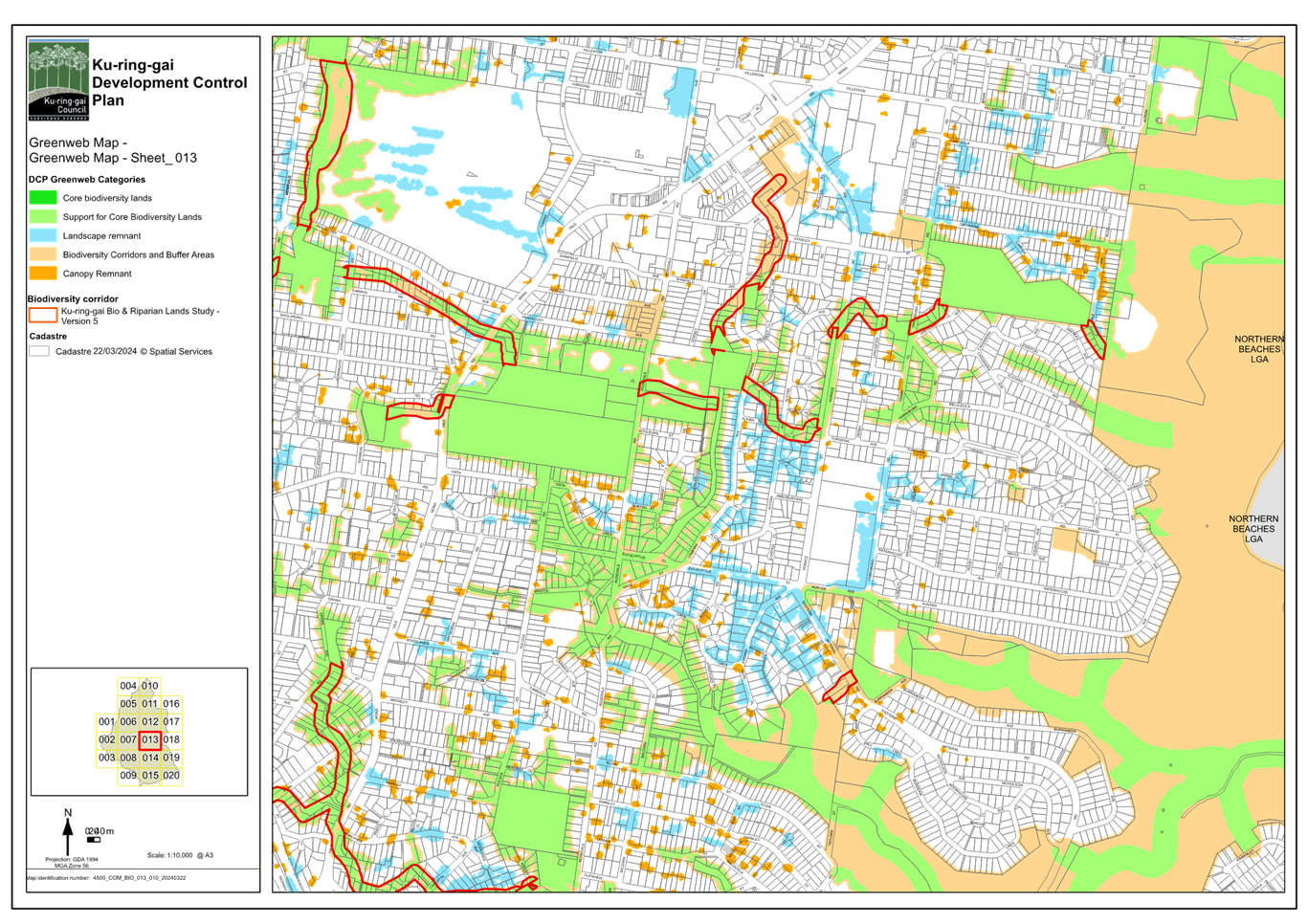
|
Ordinary
Meeting of Council - 18 November 2025
|
GB.15 / 1
|
|
|
|
|
Item
GB.15
|
S14848
|
Dual Occupancy Development Control Plan
EXECUTIVE SUMMARY
|
purpose of report:
|
For Council to consider the amendment
of the Ku-ring-gai Development Control Plan to include controls for
dual occupancy development and endorse its public exhibition.
|
|
|
|
|
background:
|
In July 2024 the NSW Government
permitted dual occupancy on R2 Low Density Residential land within
Ku-ring-gai, except for land with bushfire risk, heritage items, or within a Transport
Orientated Development Area.
On 18 March 2025 Council endorsed a
1015 sqm minimum lot size for Dual Occupancies and resolved to prepare dual
occupancy standards for inclusion into the Ku-ring-gai Local Environmental
Plan 2015 and the Ku-ring-gai Development Control Plan. The
Department of Planning, Housing and Infrastructure gazetted the minimum lot
size on 31 October 2025.
In accordance with Council’s
resolution, a Floor Space Ratio standard for inclusion into the Ku-ring-gai
Local Environmental Plan 2015, via a planning proposal, was reported to
Council on 19 August 2025. Council resolved to progress the planning proposal
to Gateway Determination. The Gateway Determination is imminent.
|
|
|
|
|
comments:
|
In accordance with Council’s 18
March 2025 resolution, dual occupancy controls have now been developed for
inclusion into the Ku-ring-gai Development Control Plan. The standards
have been developed by Council staff. The methodology
for developing the draft controls has been based on the detailed testing of
dual occupancy typologies with reference to key studies and policy documents.
Given the NSW government has gazetted
the 1015 sqm minimum lot size for dual occupancy, there is now urgency to
have controls in place to avoid ambiguity and provide certainty for both
residents and Council on the outcomes through the development assessment
process.
|
|
|
|
|
recommendation:
(Refer to the full Recommendation at the
end of this report)
|
A. That Council endorse the proposed amendment to the Ku-ring-gai
Development Control Plan to include dual occupancy development controls,
as detailed in Attachment A1 of this report.
B. That the dual
occupancy development controls be placed on public exhibition in accordance
with provisions under the Environmental Planning and Assessment Regulation
2000.
|
Purpose of Report
For Council to consider the amendment of
the Ku-ring-gai Development Control Plan to include controls for dual
occupancy development and endorse its public exhibition.
Background
Ku-ring-gai Council’s planning
controls have historically restricted dual occupancy development due to
concerns regarding small lot subdivision patterns, their ability to support
deep soil and tree provision, and impacts on the established and historical
high-quality character of built form in garden settings including canopy trees,
across the local government area and within Heritage Conservation Areas.
Currently, dual occupancy in the
Ku-ring-gai local government area is limited to a number of specified sites
that are over 1200 sqm in area (with each dual occupancy dwelling having a
minimum site area of 550 sqm). The sites are also generally corner lots that
enable easy access and suitable distances between driveways for street tree
planting. These sites are listed in the Ku-ring-gai Local Environmental Plan
2015 - Schedule 1 Additional Permitted Uses.
NSW
Government permits dual occupancy
In July 2024 the NSW Government permitted
dual occupancy on all R2 Low Density Residential land within Ku-ring-gai,
except for land with bushfire risk, heritage items, or within a Transport
Oriented Development area. At that time, the NSW
Government temporarily suspended the complying development pathway for dual
occupancies to allow Council to nominate a minimum lot size, able to deliver
dual occupancies that would assimilate into the established area. The complying
development pathway currently enables dual occupancy on a minimum 400 sqm lot
size. It is recognised that intensified development on such small lot sizes
would irreversibly alter key characteristics of most established local areas across
Sydney where lot sizes are generally double or triple this size.
With the recent gazettal, complying
development within Ku-ring-gai will now require a minimum lot size of 1015 sqm
for Dual Occupancy developments.
Since July 2024 Council has received
several development applications for dual occupancies on varied lot sizes.
These have been considered under merit assessment as there are very limited
dual occupancy controls in the Ku-ring-gai Development Control Plan.
Dual
occupancy minimum lot size
In Ku-ring-gai, the larger lot sizes are
fundamental to sustaining the local area character and its tall canopy trees.
Ku-ring-gai also has a significant population of critically endangered Blue Gum
High Forests and Sydney Turpentine Ironbark Forests located within private
land. Larger lot sizes provide some opportunity to retain these vegetation
communities and other canopy trees, although it is recognised that this
typology will result in an inevitable loss of Ku-ring-gai’s existing
canopy cover.
On 18 March 2025, following significant
public consultation, Council endorsed a 1015 sqm minimum lot size and prepared
dual occupancy standards for inclusion into the Ku-ring-gai Local
Environmental Plan 2015 and the Ku-ring-gai Development Control Plan as
follows:
A. That Council endorse a
minimum lot size of 1015 sqm for dual occupancy development within the
Ku-ring-gai local government area R2 (Low Density Residential) zones, excluding
bushfire prone land, heritage items and land within a TOD area, and forward it to the Department of
Planning, Housing and Infrastructure for finalisation as indicated in this
report.
B. That Council prepare planning controls and development standards
based on the 1015 sqm minimum lot size, for inclusion into the Ku-ring-gai
Local Environmental Plan 2015 and the Ku-ring-gai Development Control Plan, and
report these back to Council.
C. That the Director Strategy and Environment be given delegation to
correct errors and improve clarification, provided it does not alter the
direction of the minimum lot size and minimum lot width.
On 31 October 2025, the Department of
Planning, Housing and Infrastructure (DPHI) gazetted Ku-ring-gai
Council’s 1015 sqm minimum lot size.
All dual occupancy development applications
(outside the Local Housing Areas) will require a 1015 sqm minimum lot size.
All complying development dual occupancy
applications anywhere within the Ku-ring-gai local government area will require
a 1015 sqm minimum lot size.
Dual
occupancy floor space ratio
In accordance with Council’s 18 March
2025 resolution B, a Floor Space Ratio standard for inclusion into the Ku-ring-gai
Local Environmental Plan 2015, via a Planning Proposal, was reported to
Council on 19 August 2025.
Council resolved to progress the Planning
Proposal, applying 0.5:1 FSR to 1015 sqm lots (with a
sliding scale for larger lots) and amend the Gateway
Determination as follows:
A. That Council support the proposed FSR for dual occupancy as
outlined in this report and progress the Planning Proposal to the Department of
Planning, Housing and Infrastructure for a Gateway Determination to enable its
exhibition and public consultation.
B. That Council seek the authority to finalise the Planning Proposal
under delegation.
It is understood that a Gateway Determination
is likely to be issued in November 2025 at which time it will be publicly
exhibited. If received in time, it will be exhibited with the proposed dual
occupancy controls subject of this report, otherwise a separate exhibition will
be put in place upon receipt.
Dual
Occupancy Development Controls
In accordance with Council’s 18 March
2025 resolution B, Council staff commenced preparation of dual occupancy
controls for inclusion into the Ku-ring-gai Development Control Plan.
The dual occupancy controls will work with the minimum lot size and the floor
space ratio standards to deliver development that better assimilates into the
Ku-ring-gai character.
Comments
Existing
dual occupancy controls in the Ku-ring-gai DCP
At present, dual occupancy development
application determination relies on merit assessment based on the prevailing
development standards of the R2 Low Density Residential land they are located
within. These standards are found in Part 4 Dwelling Houses of the DCP
alongside the very limited dual occupancy controls. Transposing those standards
to the assessment of dual occupancy development applications is challenging, cannot
be applied consistently and open to challenge; therefore, it is important to include
specific controls able to deliver dual occupancy across Ku-ring-gai in a
considered manner that respects the dominant values and character of the area.
The dual
occupancy controls included in Part 4 Dwelling Houses were developed to address
specific sites listed in the Ku-ring-gai Local Environmental Plan 2015
(KLEP 2015). The proposed new controls will supersede these existing standards.
The proposed new standards will apply to all dual occupancy development within
Ku-ring-gai including those currently listed within the KLEP 2015 Additional
Permitted Uses.
Methodology
to develop DCP dual occupancy controls
Dual occupancy controls and objectives for
insertion into the Ku-ring-gai DCP have been developed by Council’s
architectural, urban design, planning, traffic engineering and landscape staff
and workshopped with Council’s Development Assessment team.
The methodology for developing the proposed
dual occupancy DCP controls has been based on the detailed testing of dual
occupancy typologies across the most representative lot sizes within
Ku-ring-gai.
Council’s adopted 1015 sqm lot was
identified as the minimum lot size for dual occupancy development. Lots between
1015 sqm and 1250 sqm were used for testing the development controls as these
represented approximately 50% of all lots eligible for this type of housing.
This approach ensured that the resulting controls would be achievable on these
sites, with larger sites easily able to deliver the same outcomes. Testing was
undertaken across a range of lot widths, including 15m, 20m and 25m.
The development of the draft DCP controls
has been based on the following:
· Dual Occupancy Lot Size Study, Hill Thalis (December 2024)
This study’s focus was the establishment
of a lot size that would be consistent with the Ku-ring-gai Local Strategic
Planning Statement, the Ku-ring-gai Local Environmental Plan 2015,
and the Ku-ring-gai Development Control Plan. It acknowledged that Ku-ring-gai’s
current public policies have been established to ensure that as our cities
increase in density, all development occurs through a well-coordinated and
evidence-based framework that retains the area’s values.
This study has provided key reference material to
inform the dual occupancy DCP development control testing on potential dual
occupancy development patterns, lot characteristics, and design responses
relevant to Ku-ring-gai’s established residential areas.
· Dual Occupancy Standards Testing, Ku-ring-gai Council (June 2025)
This study was conducted to
investigate an appropriate floor space ratio for dual occupancy development
within Ku-ring-gai. The testing provided the rationale for the proposed 0.5:1 floor
space ratio (currently being considered by DPHI for a Gateway) based on
Council’s adopted 1015 sqm minimum lot size. The testing included
preliminary dual occupancy development controls able to be delivered within the
lot size and floor space ratio parameters.
These preliminary controls have informed the preparation
of the dual occupancy DCP controls.
· SEPP (Exempt and Complying Development Codes) 2008
The key challenge for Ku-ring-gai
is the development of dual occupancies through the complying development
pathway under the SEPP (Exempt and Complying Development Codes) 2008 (SEPP).
It is acknowledged that the lesser standards enabled through this pathway will
undermine the high-quality fabric of the local government area as is already
being witnessed with dwelling houses being developed through complying
development. However, it is understood that in order to access the complying
development pathway, proposals must deliver all the required standards under
the SEPP. Where residents cannot meet those standards, they are able to apply
for dual occupancy dwellings via a development application.
To inform the development of the dual occupancy DCP
controls, all the existing complying development (CDC) standards under the SEPP
were modelled to understand the development outcomes achievable through that
pathway. This analysis provided a benchmark for assessing where the CDC
standards may be overly restrictive or result in outcomes inconsistent with
Ku-ring-gai’s established landscape character. In response, elements such
as dwelling layouts and landscaping requirements behind the building line and
tree placement were refined to create a more flexible development application
(DA) pathway, enabling improved design, better streetscape and local character
assimilation, deep soil, tree provision and landscaping outcomes, while
maintaining high standards of amenity and neighbourhood compatibility.
· Ku-ring-gai Development Control Plan: Part 4 Dwelling Houses
The proposed DCP controls were
subsequently benchmarked against the existing DCP Part 4 controls for Dwelling Houses.
This was to ensure that dual occupancy development remained consistent with the
established character of Ku-ring-gai’s low density residential areas
where it will be located. This iterative and evidence-based process, encompassing
testing, comparison, and refinement, resulted in a suite of DCP provisions that
sit between the State government’s complying development standards and
Council’s existing DA framework.
The proposed approach seeks to
balance development feasibility with design quality, ensuring that dual
occupancies contribute positively to local character while offering a viable
and equitable alternative to the CDC pathway.
Proposed
DCP Amendments
A comprehensive suite of development
controls with associated objectives has been developed to guide future dual
occupancy development within Ku-ring-gai and assist in development application
assessments. These controls may be viewed at Attachment A1 to this
report. Associated DCP amendments resulting from the insertion of the new dual
occupancy controls will also be required to avoid conflict and ensure
consistency across the wider DCP. These amendments are provided at Attachment
A2 to this report.
In total, the following amendments are
proposed to the DCP:
· Part 5 – Dual Occupancy (Attachment
A1)
- A new section will be inserted into the DCP under Part 5.
- The existing Part 5 Secondary Dwellings will be renumbered to Part
4.2 linking with the existing Part 4 Dwelling Houses, which will also be
renumbered to Part 4.1 to reflect that link.
· Part 1B – Dictionary (Attachment
A2)
- The following definitions will be inserted to clarify terms within
the new dual occupancy controls:
+ dual
occupancy; dual occupancy (attached); dual occupancy (detached);
+ heat
island effect;
+ parent lot;
and
+ steeply
sloping site
· Part 4 – Dwelling Houses (Attachment
A2)
- The following controls and objective relating to dual occupancies
will be deleted as they are superseded by the proposed new; subject of this
report:
+ Introduction
- Paragraph 1; Item (x).
+ 4A.2
Building Setbacks - Control 6, 7, 8; Objective 8; and
+ 4A.3
Built-Upon Area - Control 3.
· Part 22R.1 - Car Parking Rates (Attachment
A2)
- The existing dual occupancy parking rates will be amended to relate
to bedroom numbers instead of floor area as this is easier for the general
public to understand and provides finite numbers.
Next
steps
The process following the preparation of
the dual occupancy DCP is as follows:
1. Reporting of the dual occupancy
DCP to Council, seeking endorsement for exhibition.
2. Upon adoption, public
exhibition for 28 days in accordance with Council’s Community
Participation Plan.
3. Post-exhibition report back to
Council on submissions to the exhibition and seeking finalisation and adoption
of the DCP.
4. Make the DCP effective and
provide access to it on Council’s website.
Urgency
to adopt the dual occupancy DCP
Given the NSW Government gazetted the 1015
sqm minimum lot size for dual occupancy on 31 October 2025, Council can expect
residents to commence complying development applications on their properties.
Where this pathway is not possible, it is likely residents will pursue the
development application avenue.
It is vital that the dual occupancy DCP
controls be put in place as soon as possible to guide development applications
and limit the necessity for LEC proceedings where there is dispute. Having the
DCP controls in place avoids ambiguity and provides certainty for both
residents and Council on the outcomes through the development application
process.
Should Council endorse the public
exhibition of the Dual Occupancy DCP, it will be exhibited for 28 days in
accordance with Council’s Community Participation Plan. Given the urgency
to have controls in place, the exhibition will occur immediately after
Council’s endorsement. This will avoid the Christmas holiday period and
provide sufficient time to prepare a report back to Council in the first 2026
Council meeting scheduled for February 2026.
integrated
planning and reporting
Outcome 2: Sustainable urban growth and
change
|
Community
Strategic Plan Strategy
|
Delivery
Program
Term
Achievement
|
Operational
Plan
Action
|
|
U2: Ensure land use strategies, plans and
processes are in place to protect existing character and effectively manage growth
and change.
|
U2.3: Strategies, plans and processes are
prepared, implemented and reviewed to effectively manage the impact of new
development.
|
U2.3.2: Investigate the inclusion of
Local Character Controls within the Ku-ring-gai Development Control Plan.
|
Governance
Matters
Ku-ring-gai
Council’s planning controls have historically restricted dual occupancy
development. This was due to concerns regarding small lot subdivision patterns
and their inability to support the prevailing local character. In July 2024 the
NSW Government permitted dual occupancy housing across all land zoned R2 Low
Density Residential within Ku-ring-gai.
Council has developed a minimum lot size
and a floor space ratio that will enable dual occupancies to bear some relation
to the prevailing character of Ku-ring-gai. The minimum lot size of 1015 sqm
was gazetted on 31 October 2025. The proposed floor space ratio standards are
currently awaiting a Gateway Determination from DPHI so it can go to public
consultation. This is expected towards the end of November 2025.
The final step in controlling the outcomes
of dual occupancy development, to prevent it completely undermining
Ku-ring-gai’s prevailing landscape character, is the insertion of
specific development controls into the DCP, as described in this report, that
will enable the delivery of considered development that assimilates into the
existing low density residential areas where it will be located.
Risk Implication
statement
At present
Ku-ring-gai Council has very few standards relating to dual occupancy
development across the local government area, relying on the prevailing
low-density standards applying to single dwellings. Without DCP standards to
guide the delivery of dual occupancy development, applications will continue to
be assessed on merit by Council staff resulting in inconsistent outcomes for
the typology across Ku-ring-gai and Court proceedings where there is dispute on
the merit assessment.
Financial
Considerations
The cost of preparing this report is
covered by the Urban Planning and Heritage budget.
Social
Considerations
Updated planning provisions for dual
occupancy development in Ku-ring-gai will assist in increasing housing supply
and diversity to support the needs of the changing community and the expected
increase in population. Updated DCP controls for dual occupancy development in
Ku-ring-gai will enable well designed housing for the future needs of the
changing community and the expected increase in population.
Environmental
Considerations
It is acknowledged that this typology will
change the local area; however, the approach to planning for dual occupancy
within Ku-ring-gai has, as much as possible, made provisions that maintain the
prevailing Ku-ring-gai character of buildings within a high quality garden
setting that includes canopy trees. In addition, the wider DCP controls,
including those relating to tree retention, biodiversity and riparian
considerations will continue to apply to the dual occupancy typology.
Community
Consultation
It is proposed to place the draft DCP
amendment on public exhibition for 28 days, during which time the community
will be invited to make submissions. The exhibition will be in accordance with
Council’s Community Participation Plan and the Environmental
Planning and Assessment Regulation 2000.
Internal
Consultation
Other sections of Council have been
consulted in the preparation of this report including strategic planning staff
and a comprehensive workshop has been held with Council’s Development
Assessment Team.
Summary
In accordance with Council’s 18 March
2025 resolution, dual occupancy controls have now been developed for inclusion
into the Ku-ring-gai Development Control Plan. The standards have been
developed by Council staff. The controls have been based on studies and testing
related to existing Council and State policies.
A comprehensive suite of development
controls with associated objectives has been created to guide future dual
occupancy development within Ku-ring-gai and assist in development application assessments. These controls may be viewed at Attachment A1
to this report. Associated DCP amendments resulting from the insertion of the
new dual occupancy controls will be required to avoid conflict and ensure
consistency across the wider DCP. These amendments are provided at Attachment
A2 to this report.
Should Council support the draft controls
subject of this report, all amendments to the DCP to incorporate the dual
occupancy controls will be publicly exhibited for 28 days. Given the urgency to
have controls in place, the exhibition will occur immediately after
Council’s endorsement. This will avoid the Christmas holiday period and
provide sufficient time to prepare a report back to Council at the meeting
scheduled for February 2026.
Recommendation:
A. That Council endorse the proposed amendment to the Ku-ring-gai
Development Control Plan to include dual occupancy development controls, as
detailed in Attachment A1 of this report.
B. That the dual
occupancy development controls be placed on public exhibition in accordance
with provisions under the Environmental Planning and Assessment Regulation
2000.
C. That delegation be given to the Director,
Strategy and Environment to correct any minor amendments or errors and
inconsistencies to the draft Ku-ring-gai Development
Control Plan dual occupancy standards prior to
public exhibition.
D. That a report be brought back to Council
at the conclusion of the exhibition period.
|
Rathna Rana
Executive Urban Planner
|
Craige Wyse
Team Leader Urban Planning
|
|
Antony Fabbro
Manager Urban & Heritage Planning
|
Andrew Watson
Director Strategy & Environment
|
|
Attachments:
|
A1⇩
|
Draft
Part 5 Dual Occupancy DCP
|
|
2025/364680
|
|
|
A2⇩
|
Part
1B, Part 4, Part 22 DCP amendments to align with dual occupancy controls
|
|
2025/360308
|
|
ATTACHMENT No: 1 - Draft Part 5
Dual Occupancy DCP
|
|
Item No: GB.15
|
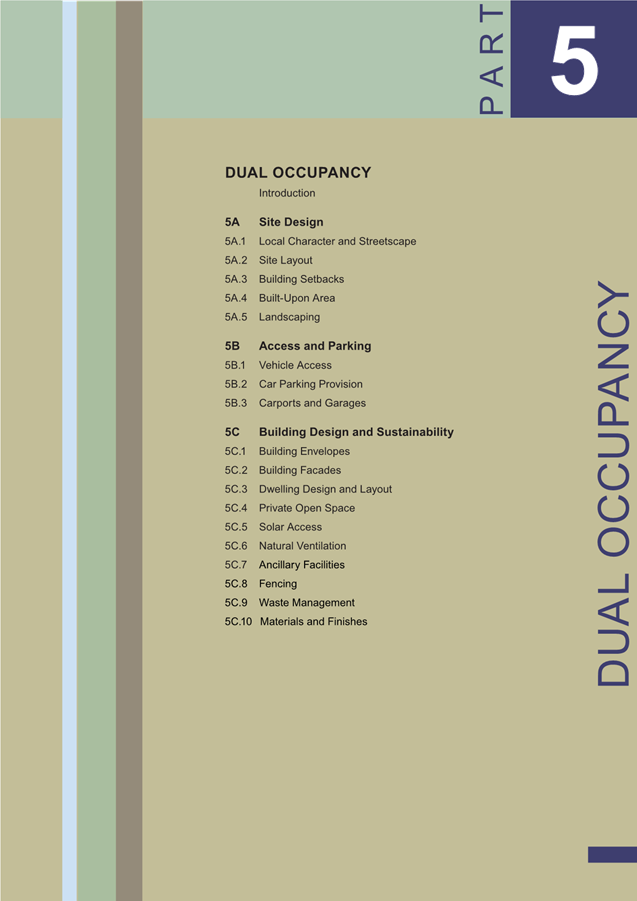
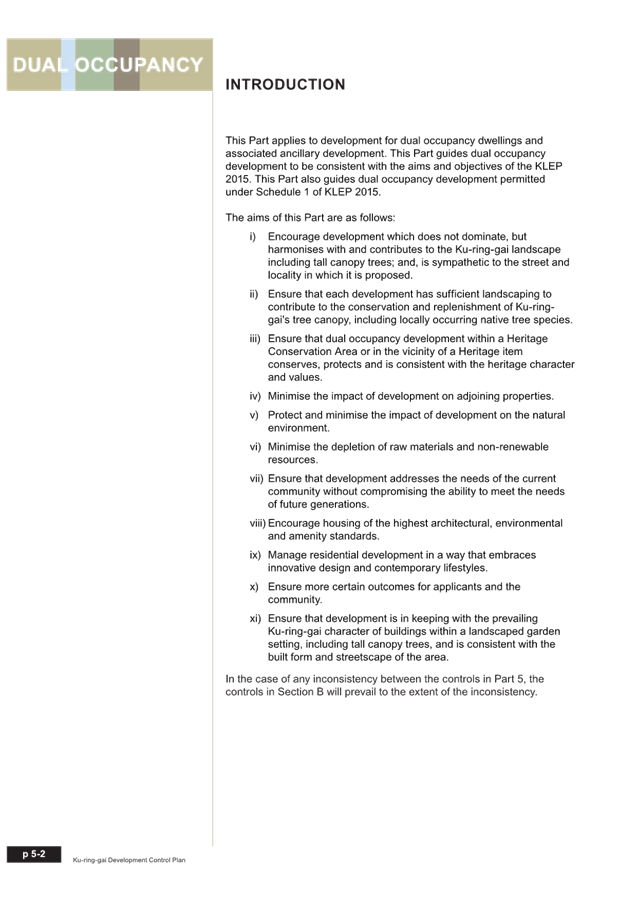
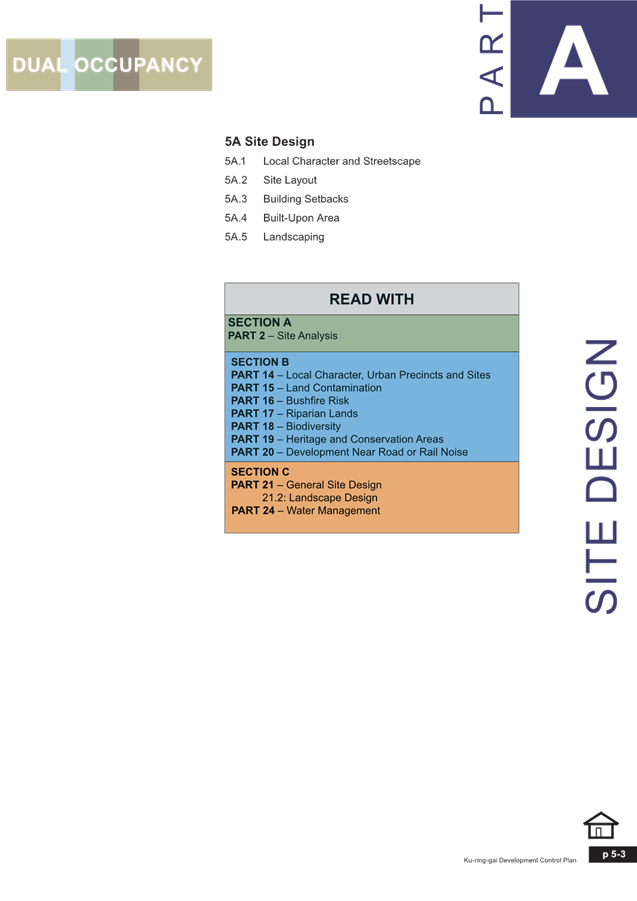
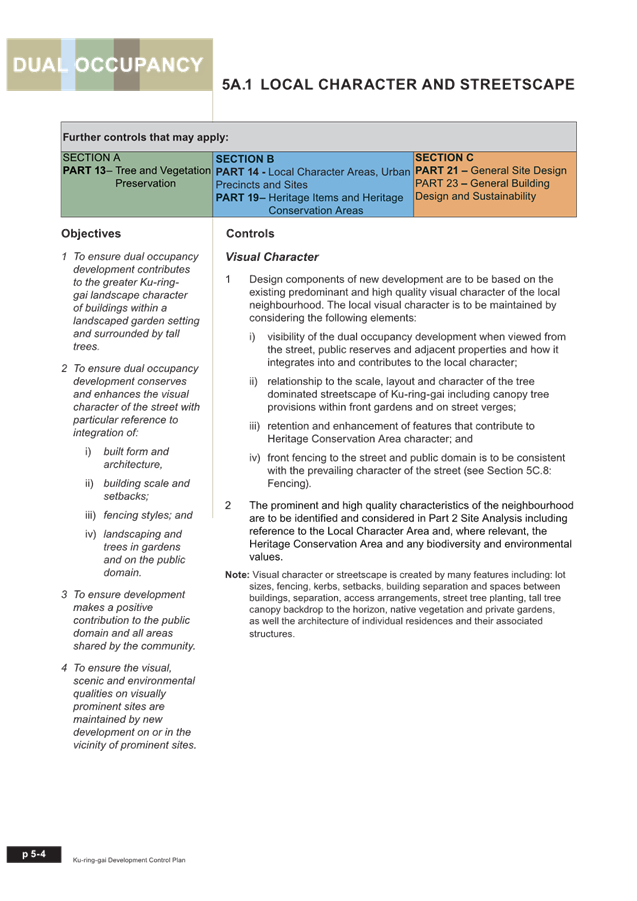
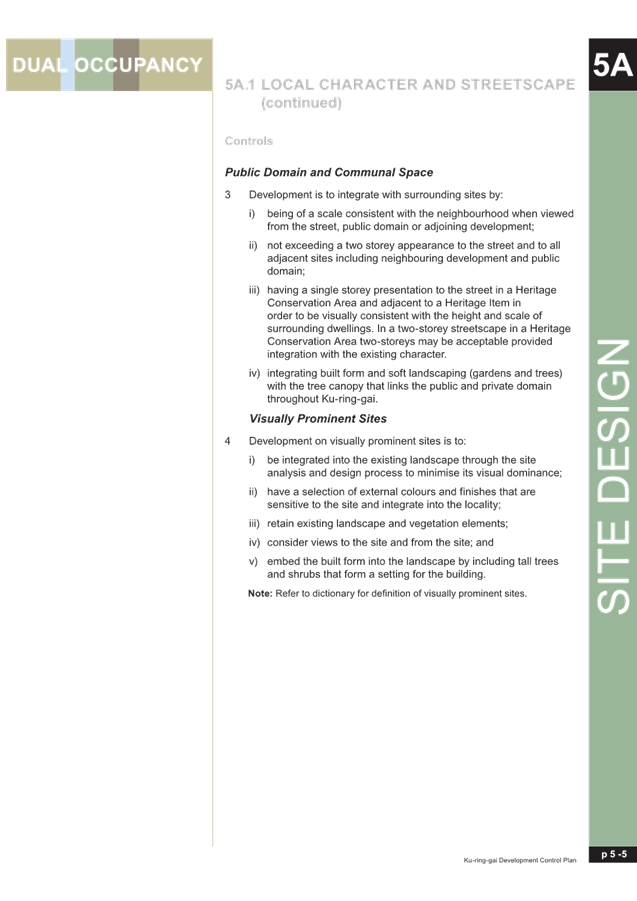
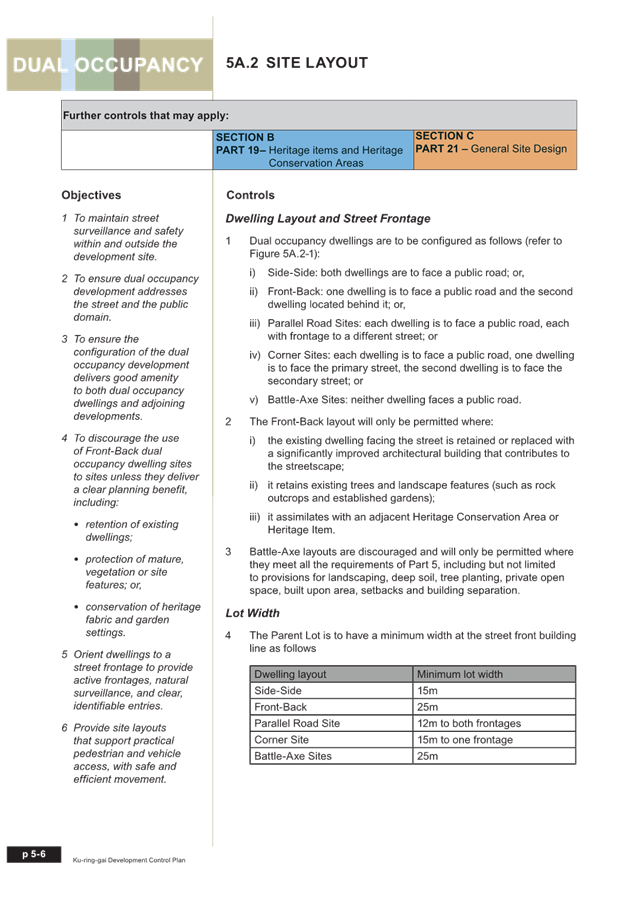
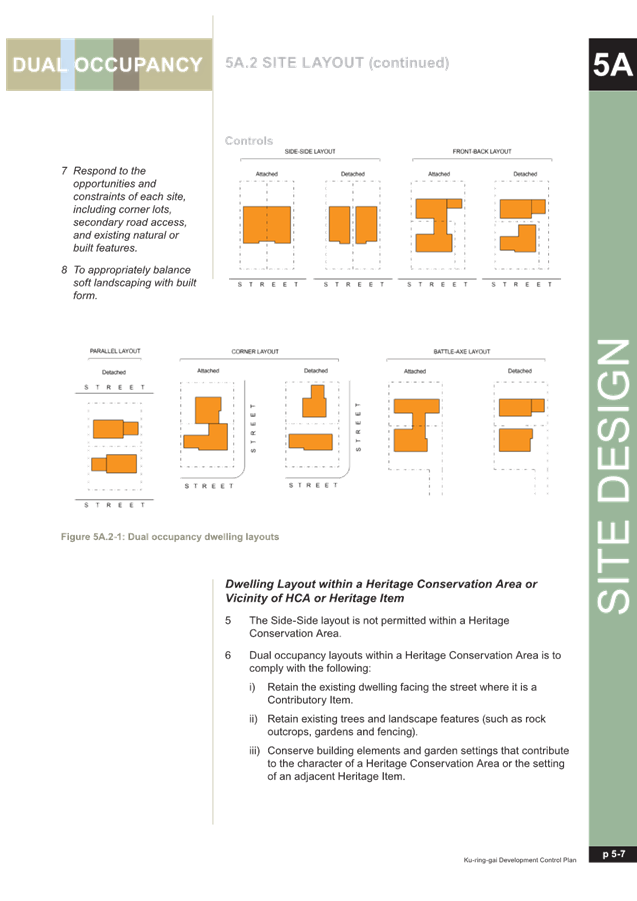
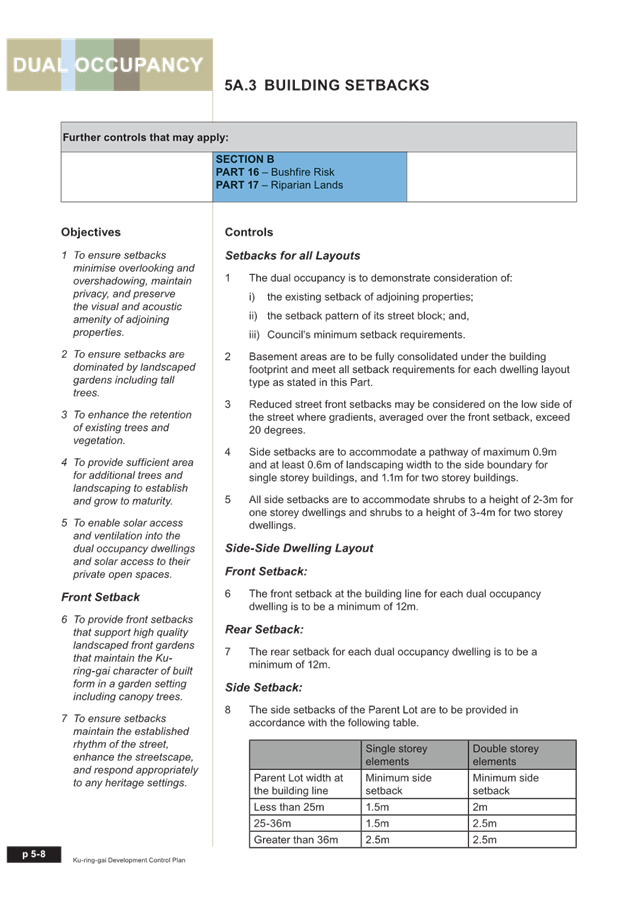
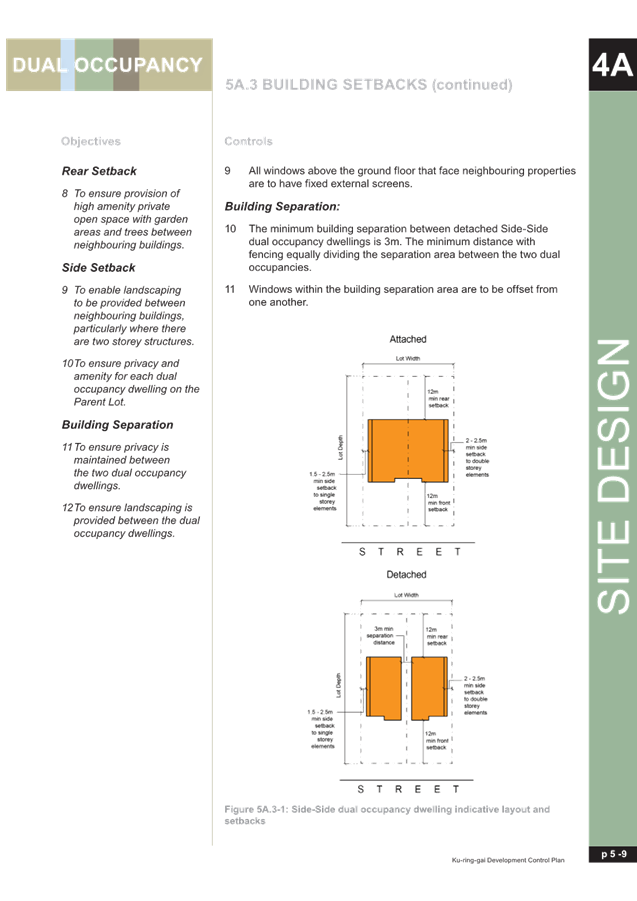
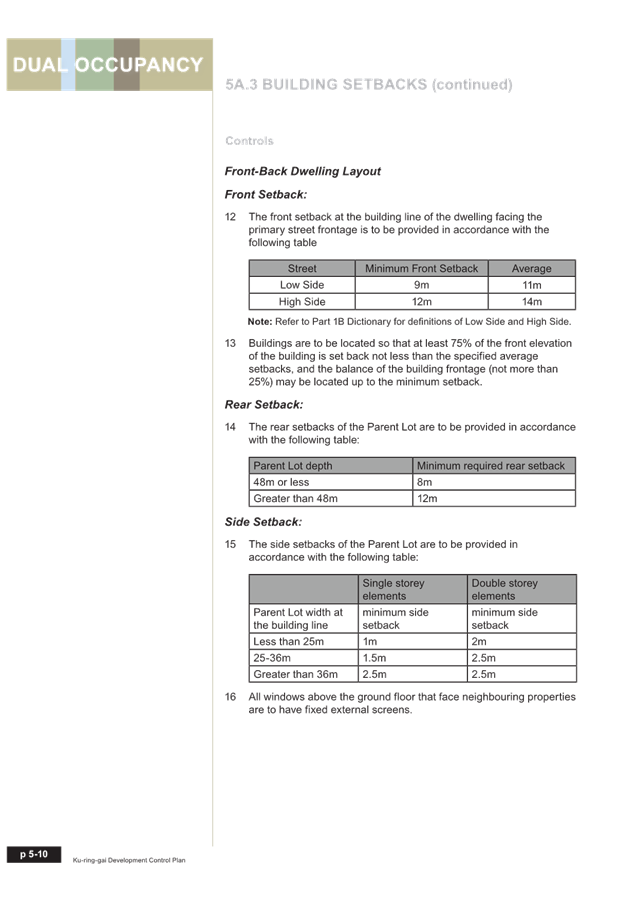
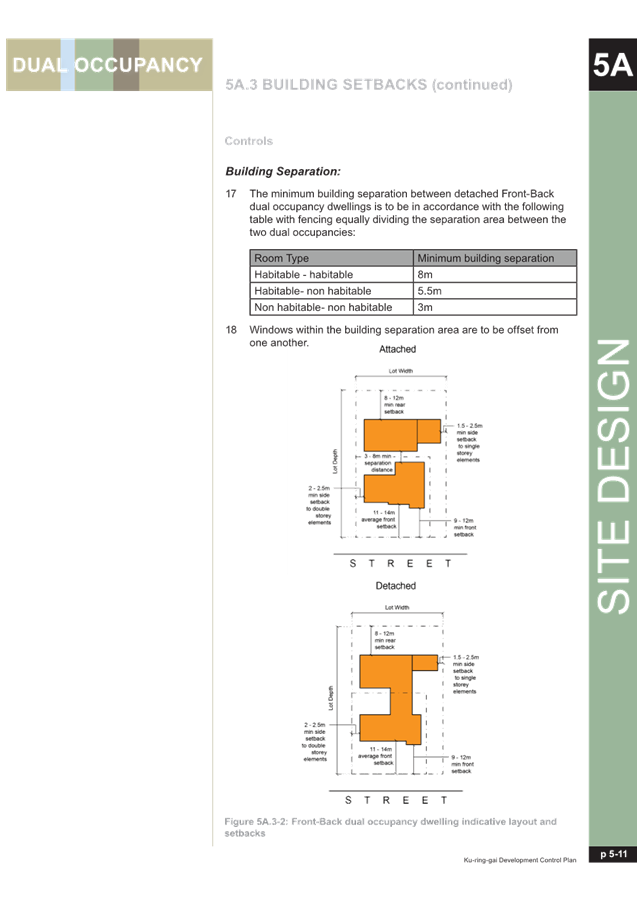
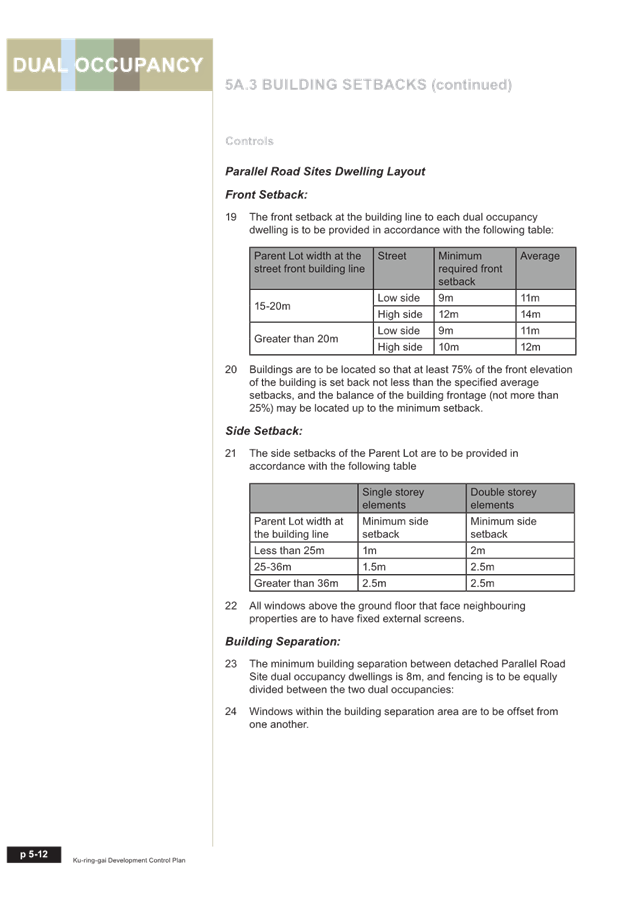
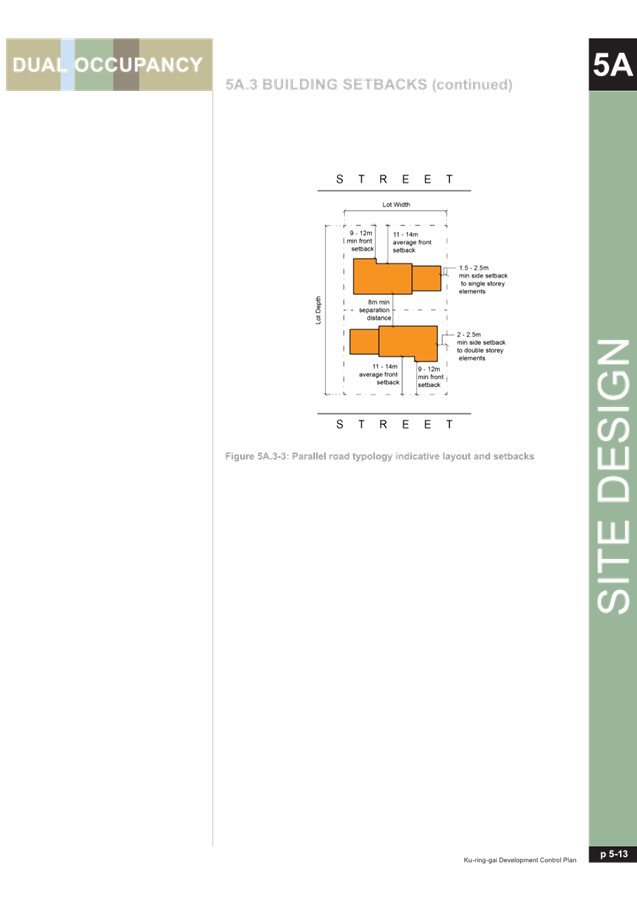
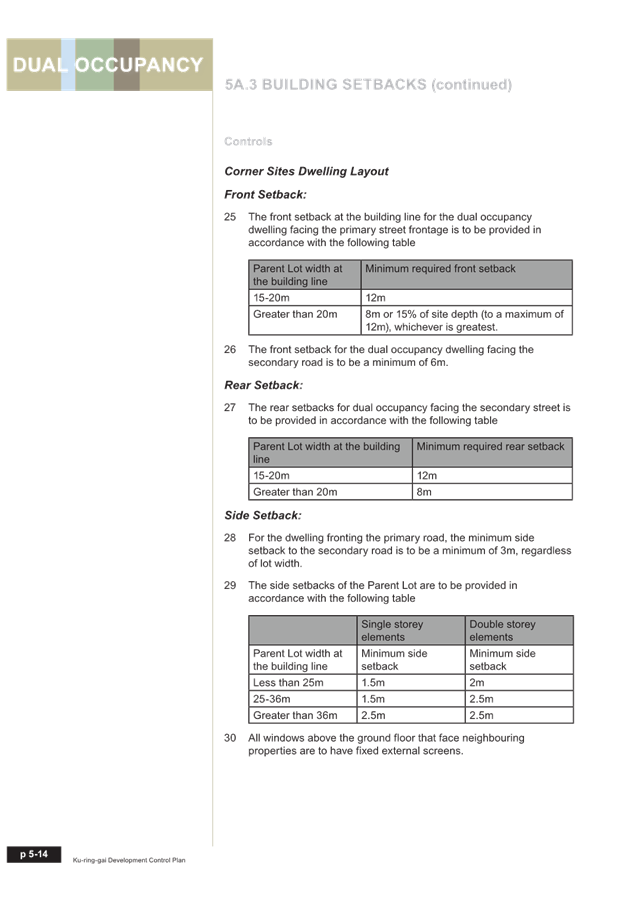
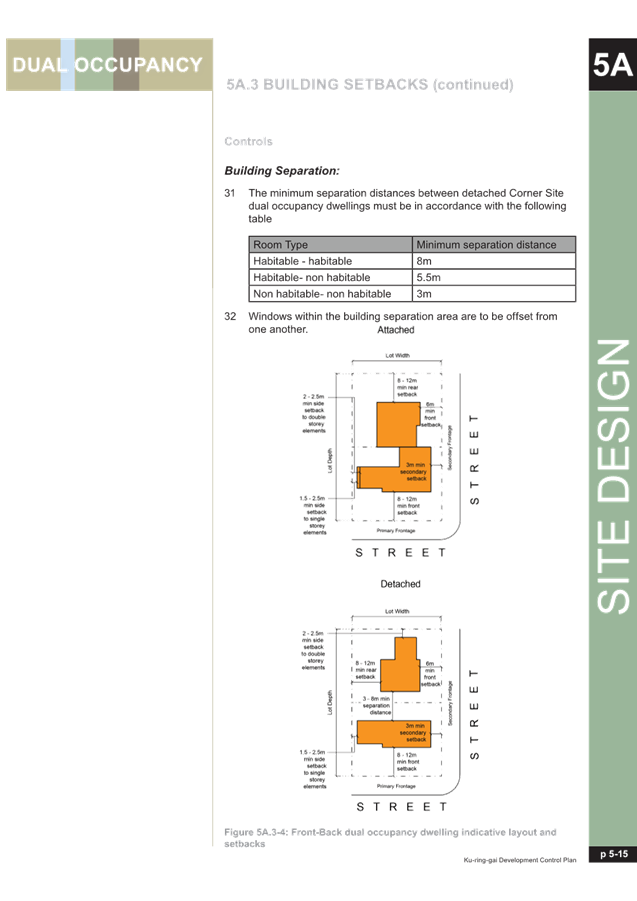
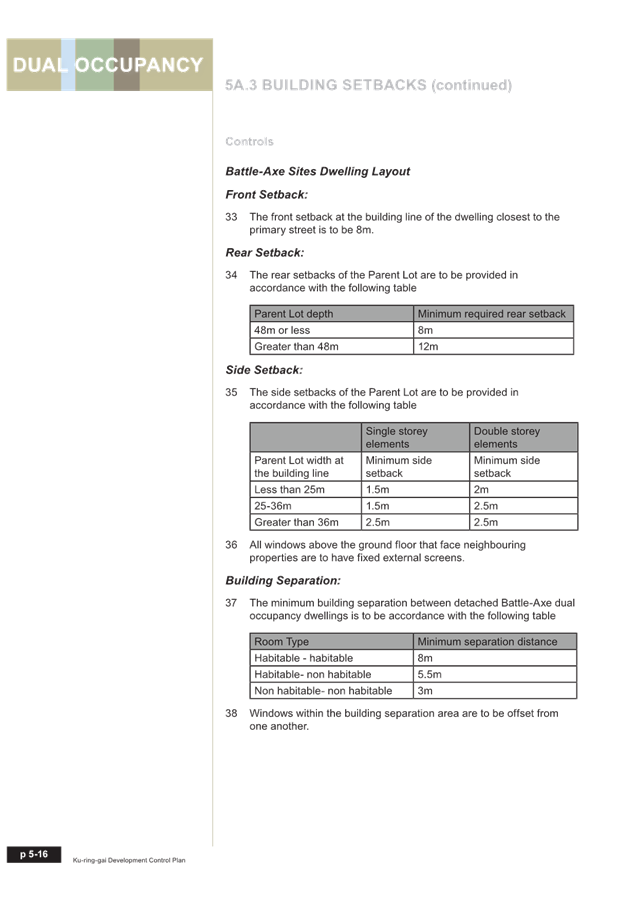
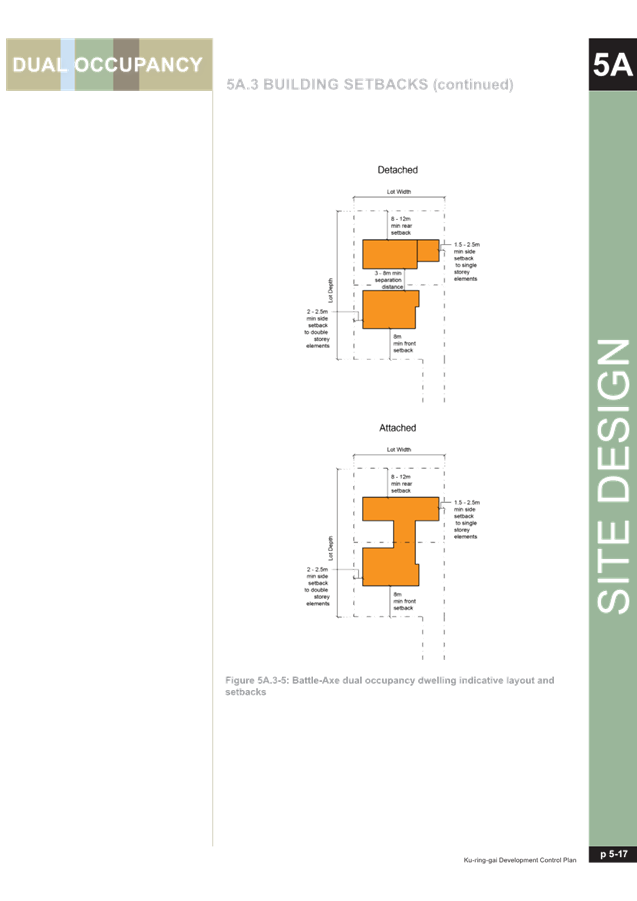
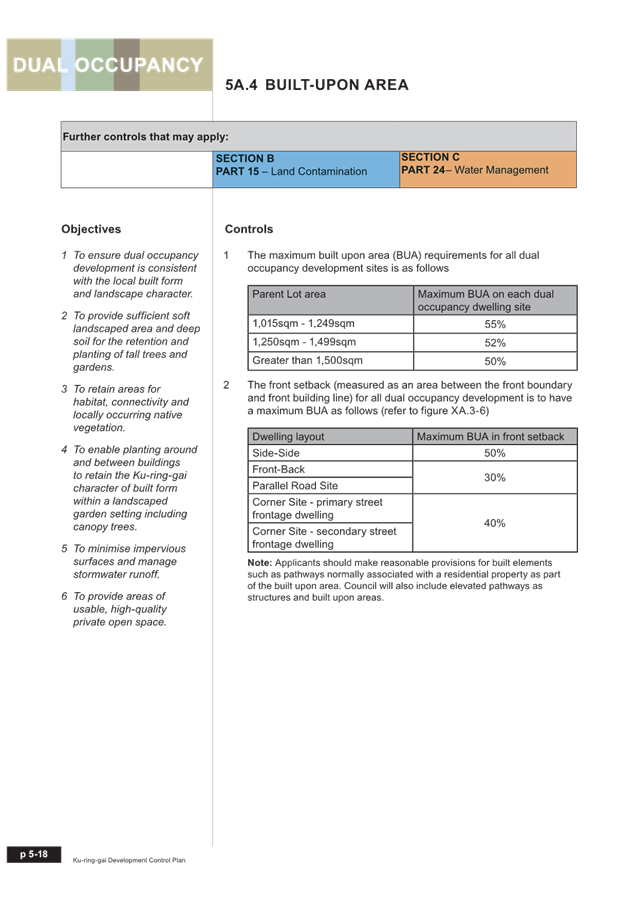
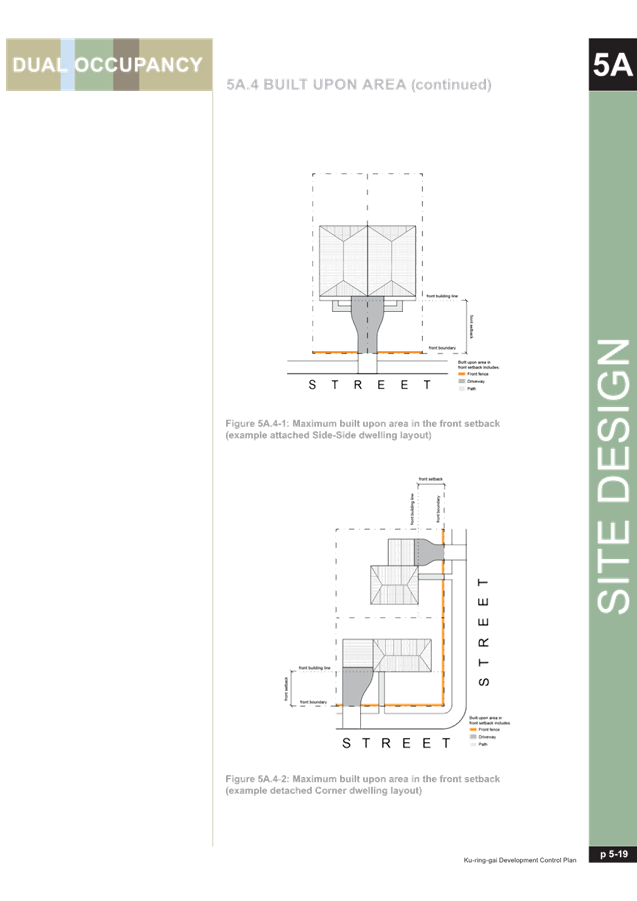
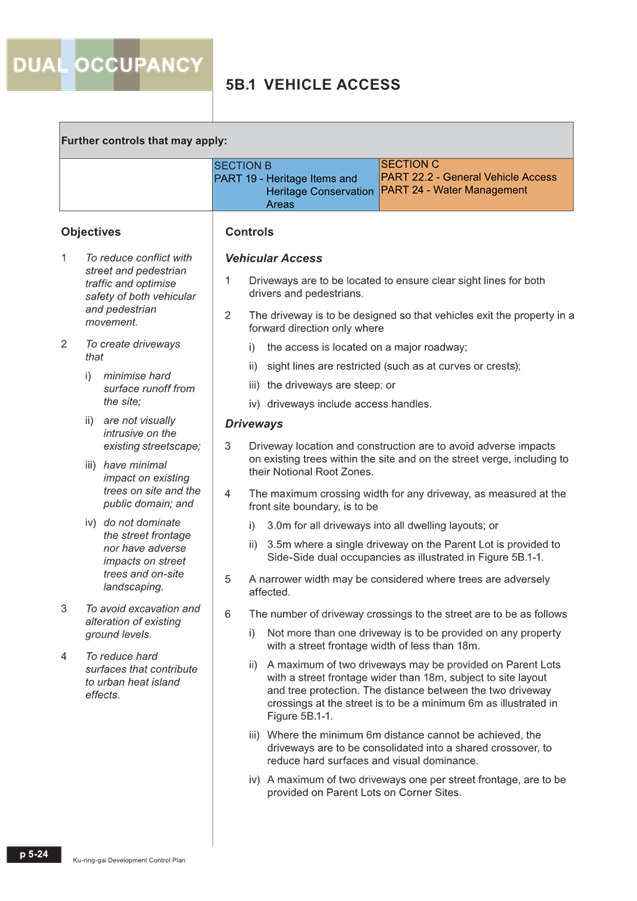
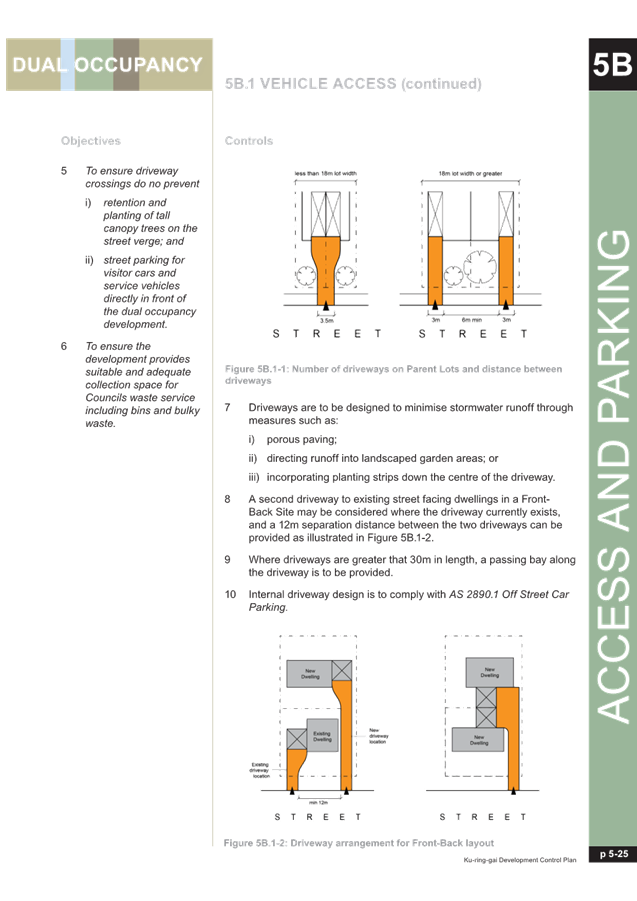
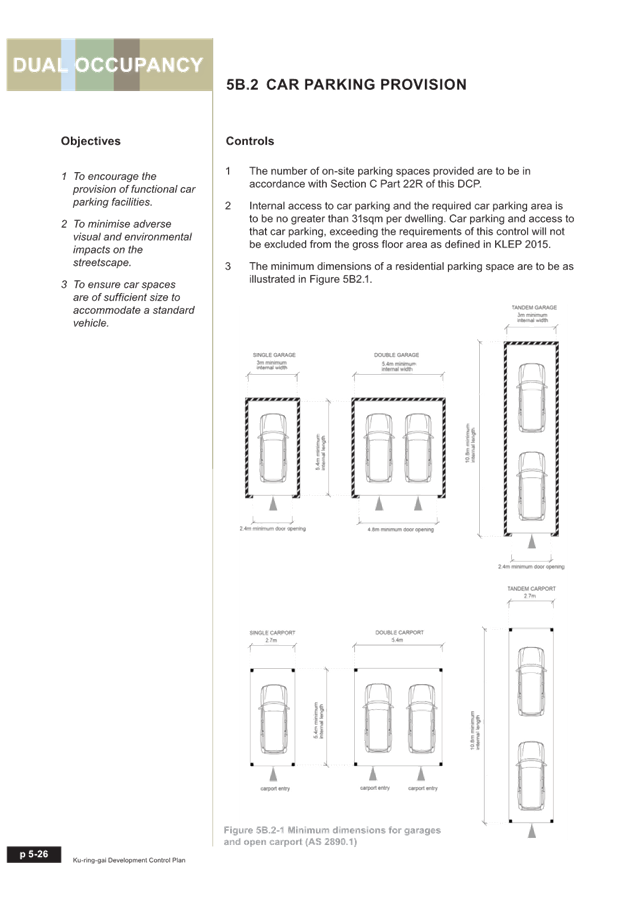
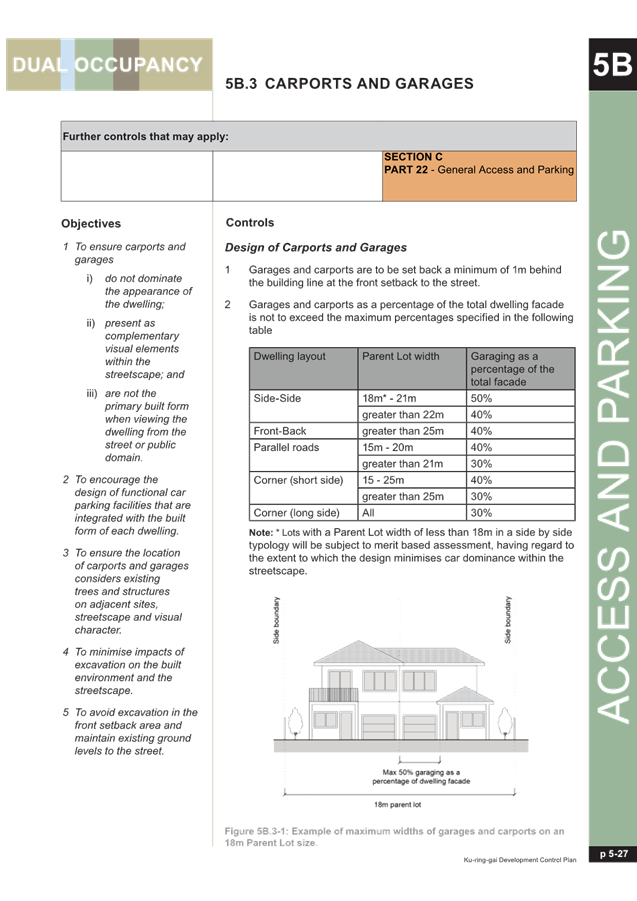
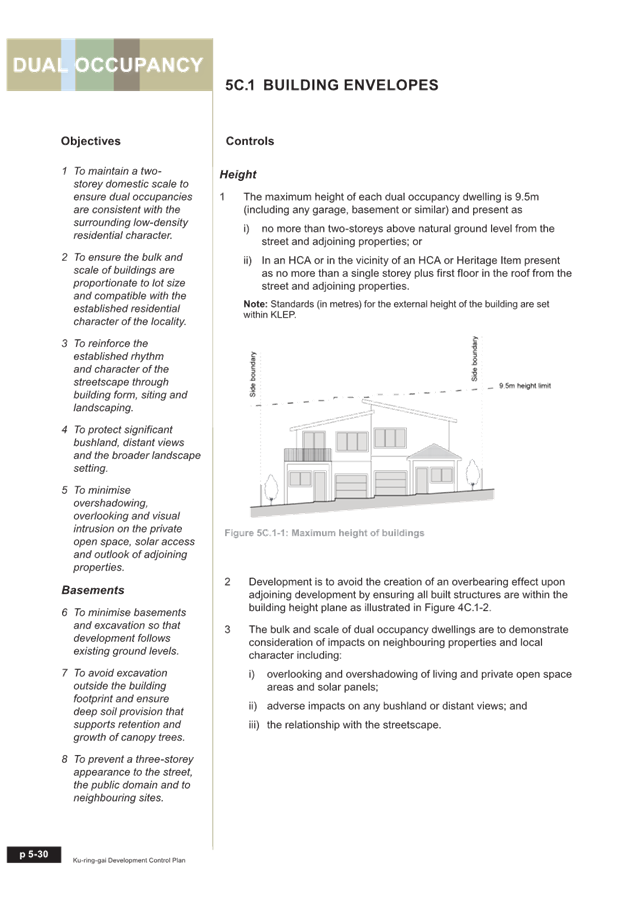
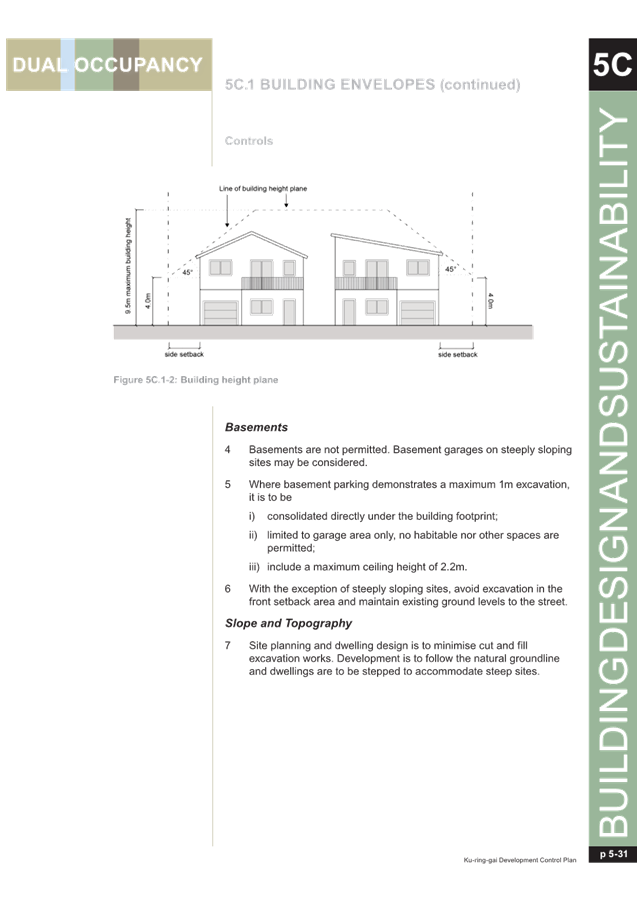
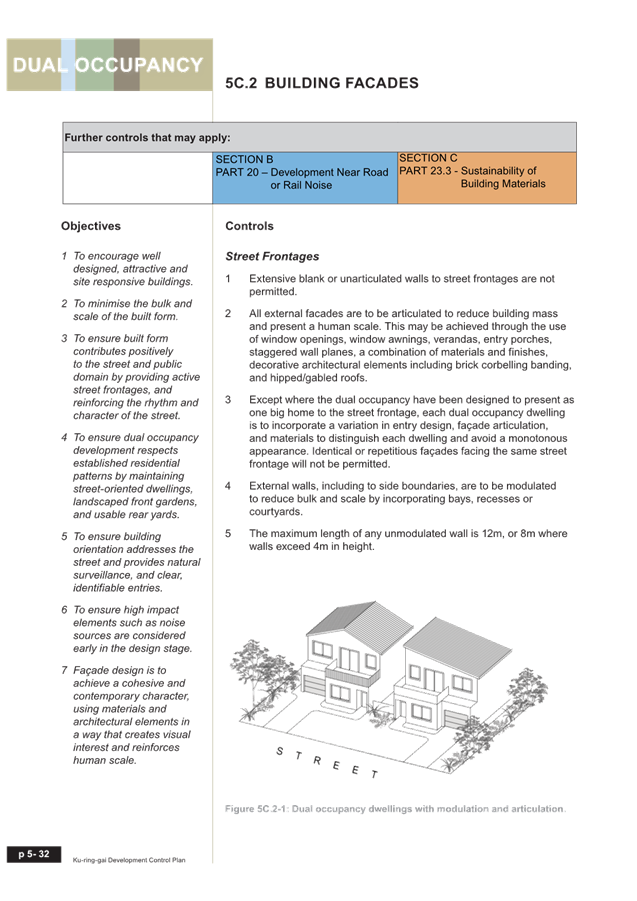
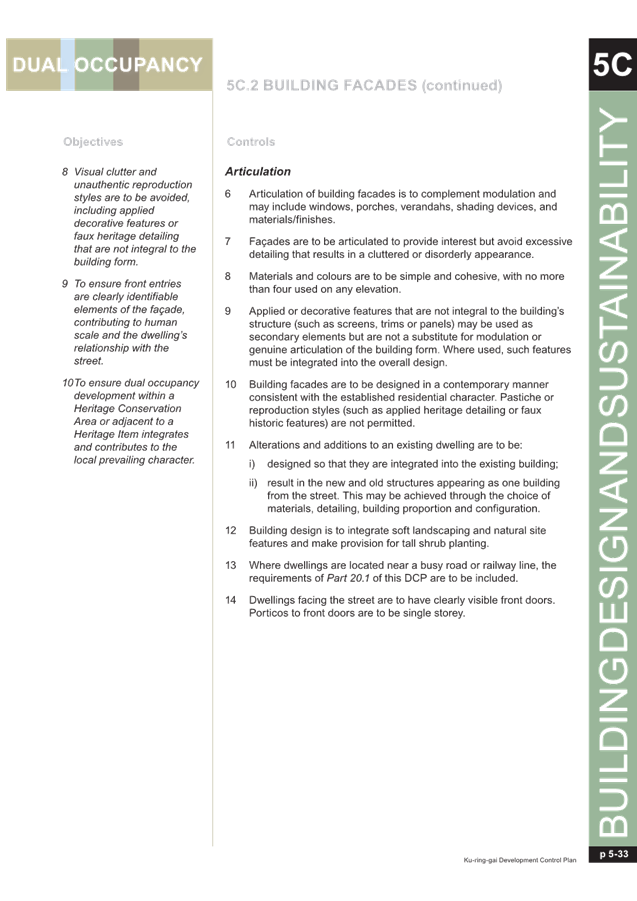
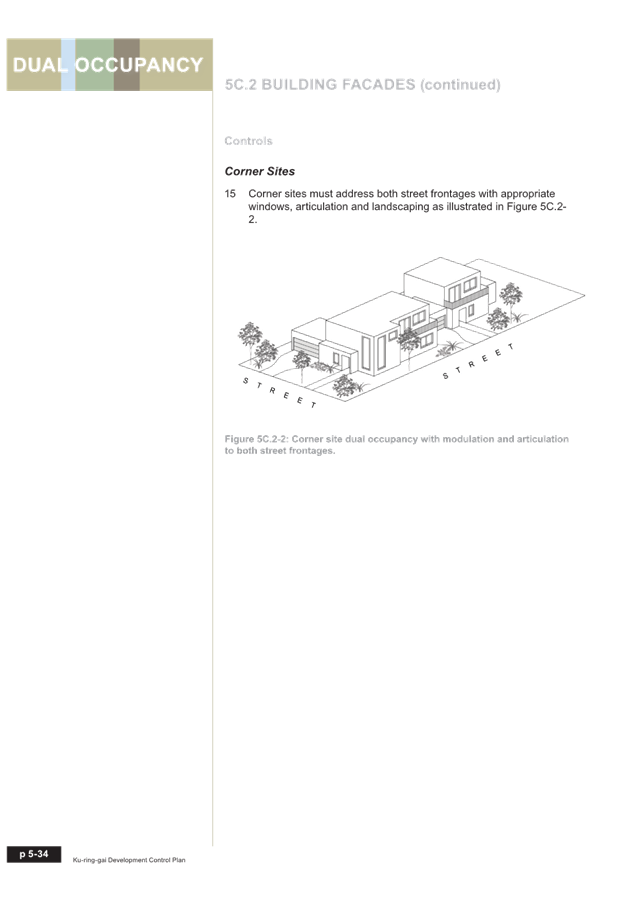
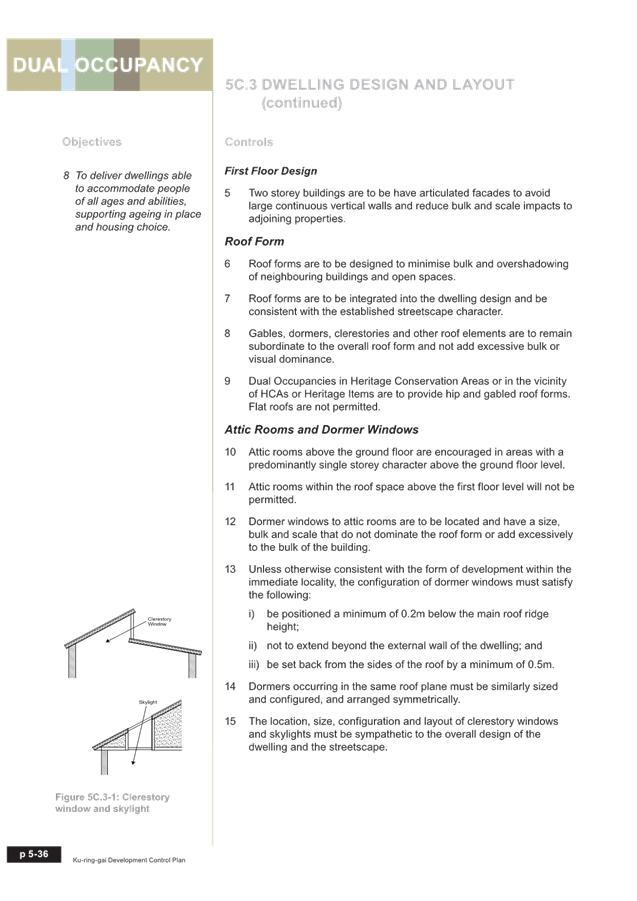

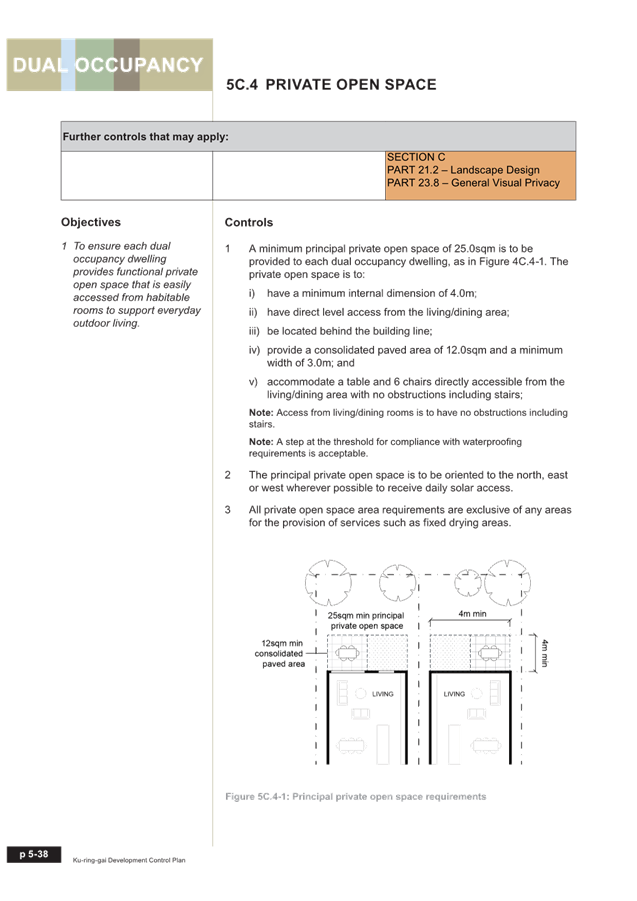
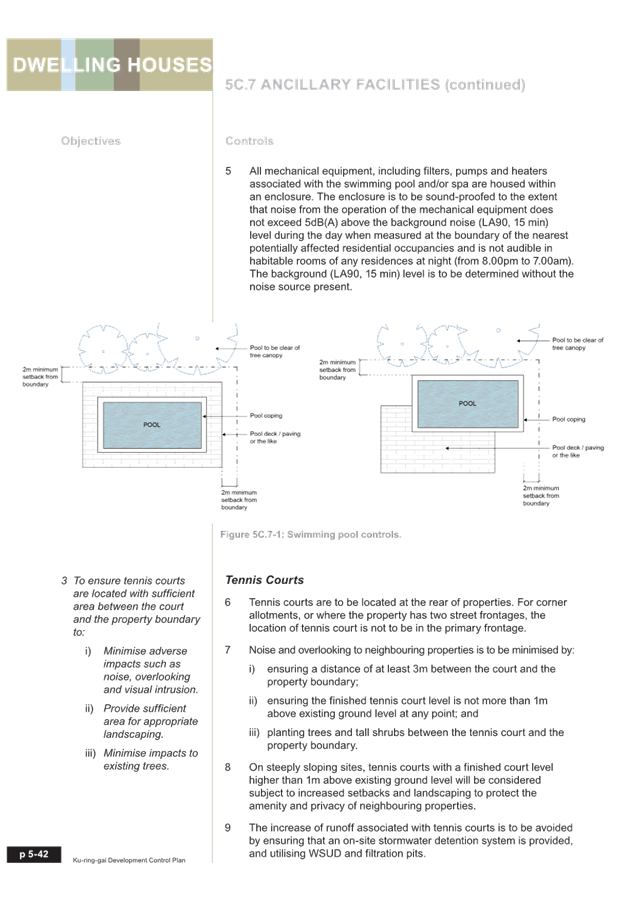
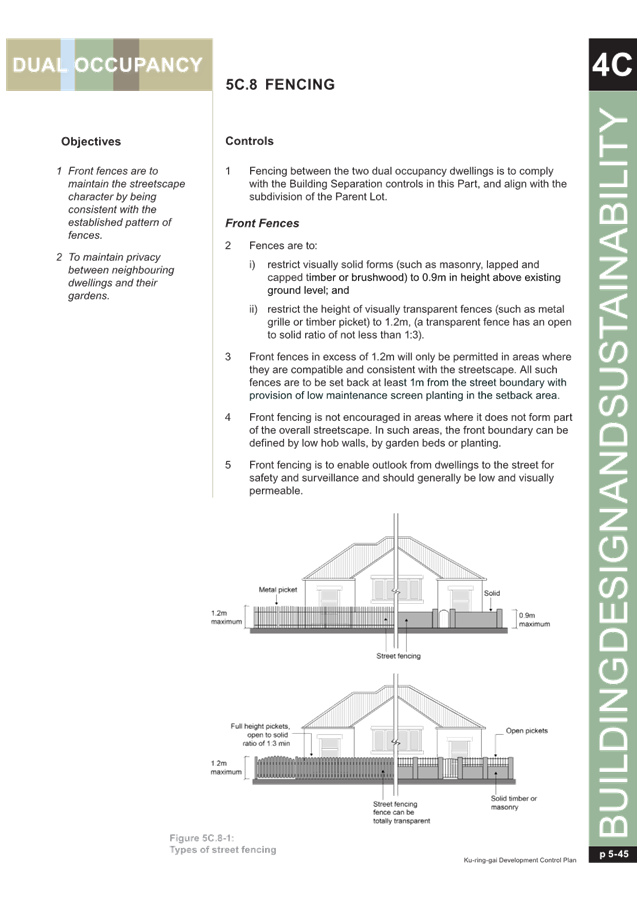
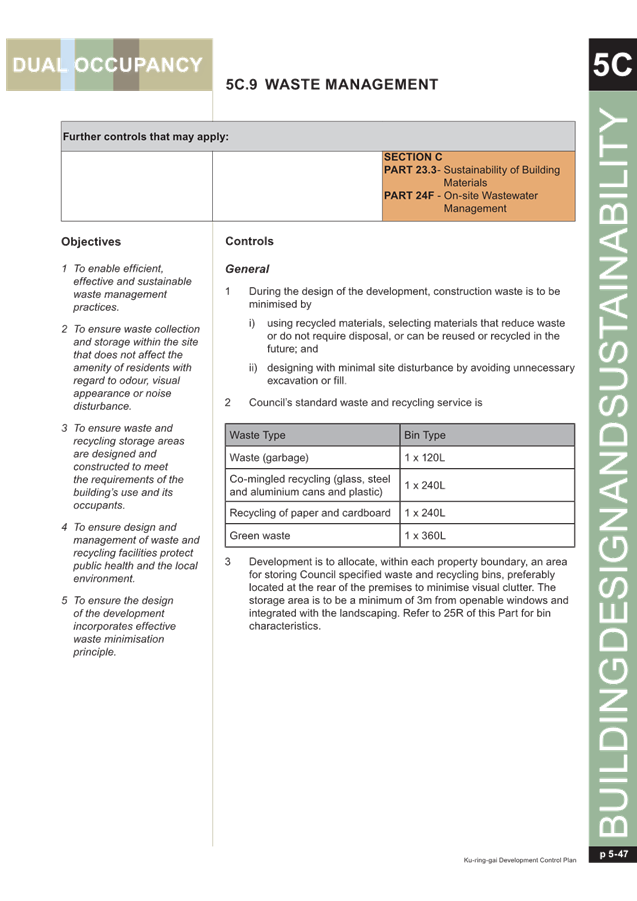
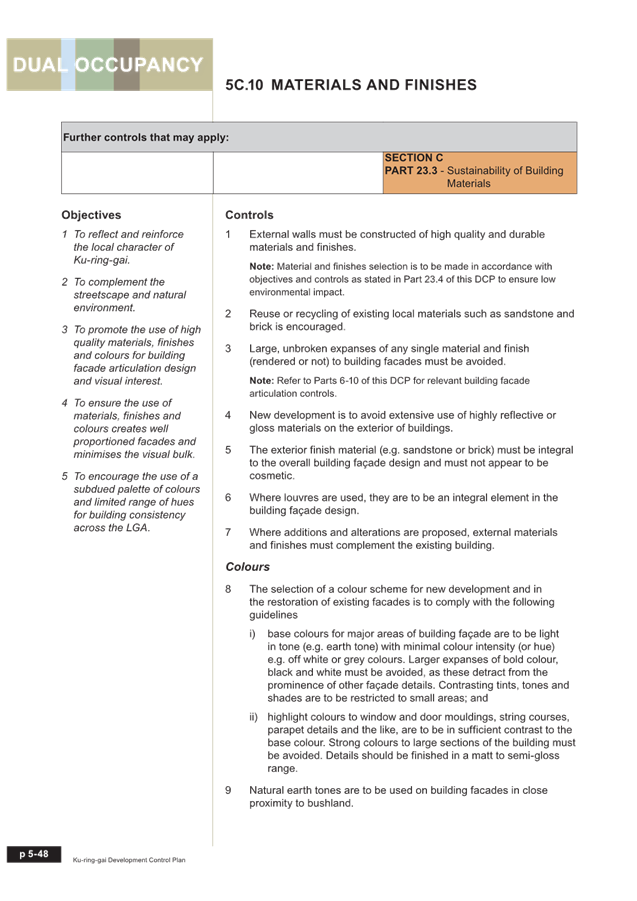
|
ATTACHMENT No: 2 - Part 1B, Part
4, Part 22 DCP amendments to align with dual occupancy controls
|
|
Item No: GB.15
|
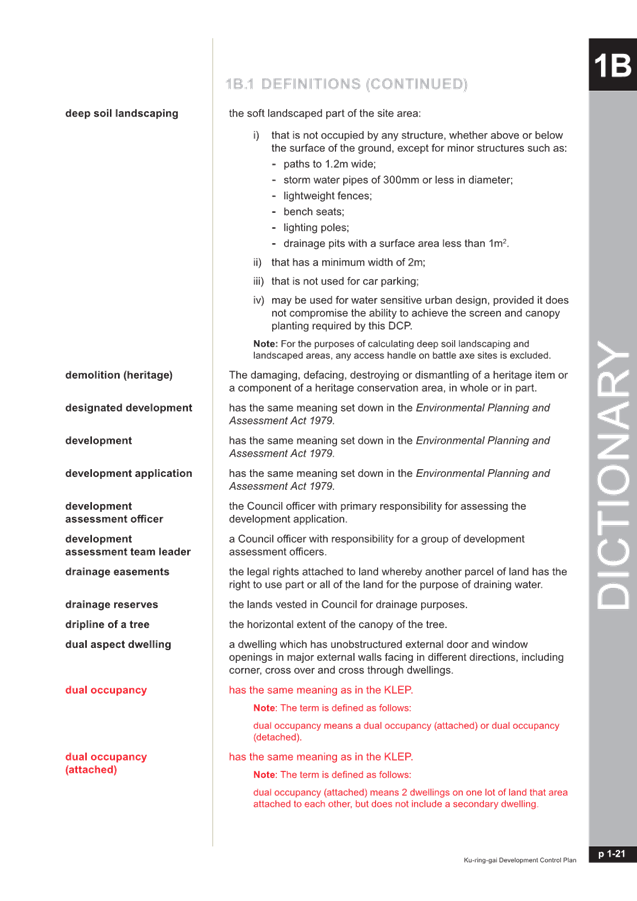
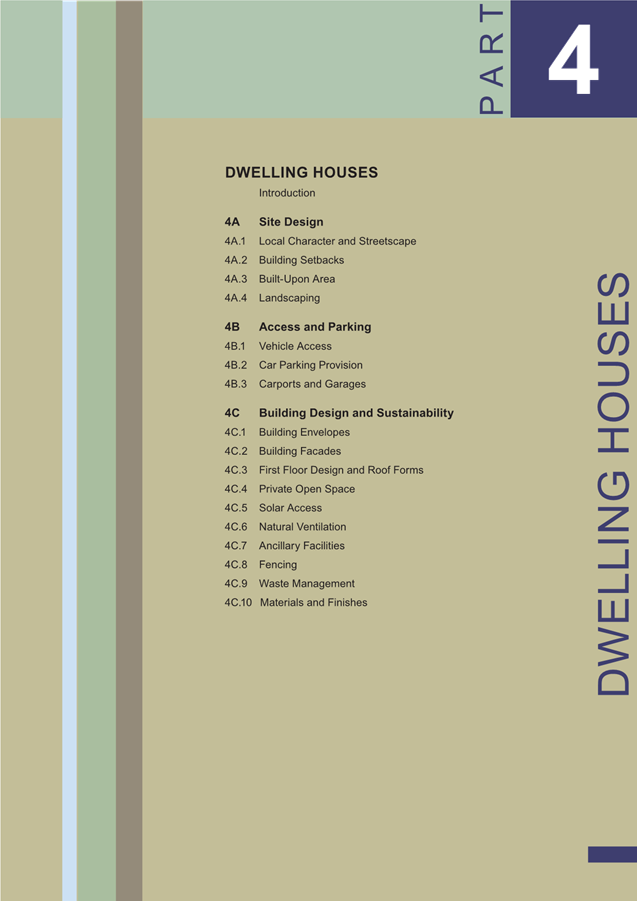
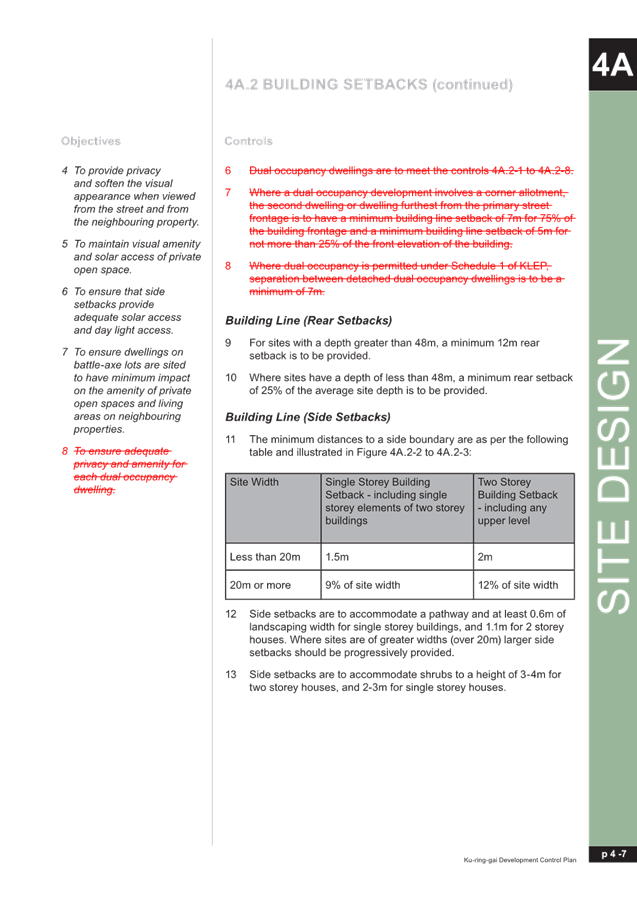
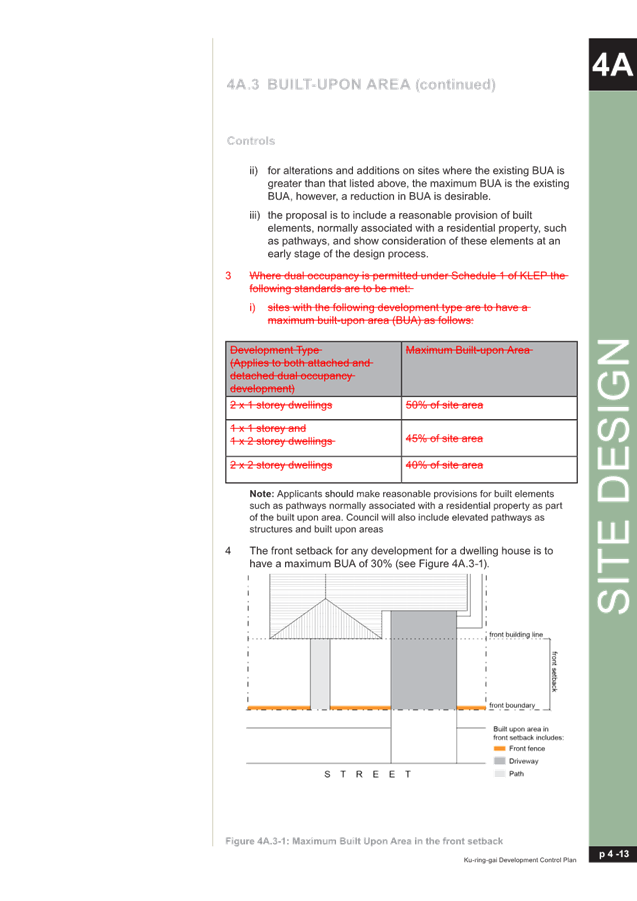
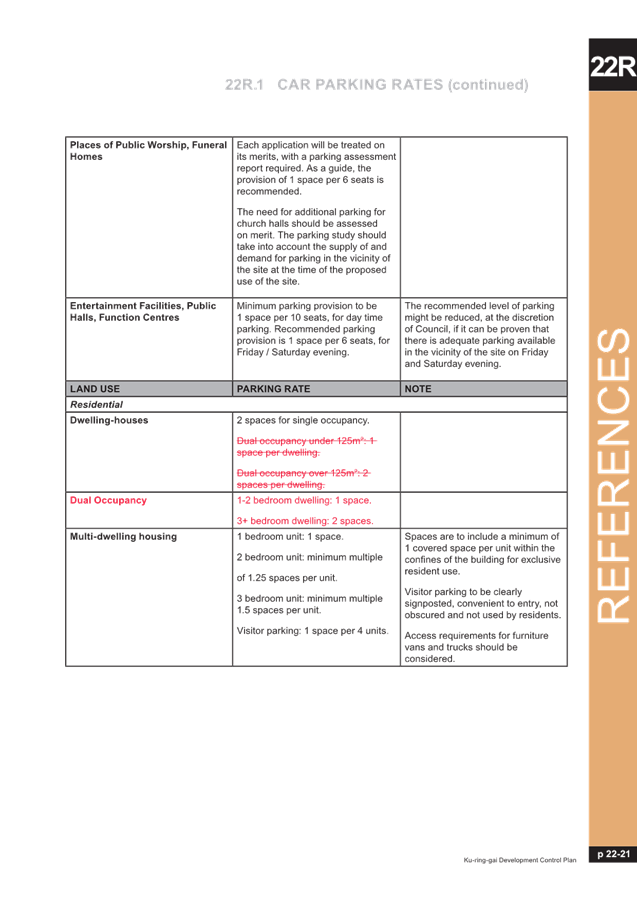
|
Ordinary
Meeting of Council - 18 November 2025
|
NM.1 / 1
|
|
|
|
|
Item
NM.1
|
S12643/5
|
Efficient
Function of Our Separate Sewerage Network and Stormwater Drainage Systems to
Improve the Health and Resilience of Local Waterways
Notice of Motion from Councillor Taylor
dated 31 October 2025
The Ku-ring-gai local government area is
located at the head of three significant Sydney water catchments - Cowan Creek,
Lane Cove River and Middle Harbour Creek catchments, flowing into Broken Bay
and Sydney Harbour. Prior to 1955, our tributary creeks were regularly
used by residents for recreation activities, including bathing.
Built development on each of these
catchments is serviced by a sewerage network operated by Sydney Water. Separate
stormwater drainage systems also operate within the catchments. These
stormwater drainage systems are generally assets of Council, however, some
components sit within private property boundaries or shared drainage easements.
Water quality testing performed at sites in
Middle Harbour periodically identifies high levels of potentially
infection-causing enterococci bacteria. Since recreational water quality has
been monitored in Middle Harbour the annual grade has typically been
"poor". The annual grade for the 2025 bathing season is
"fair".
Spikes in bacterial pollution in waterways
can be linked to high rainfall events. During rainfall, bacteria, and other
pollutants, are washed into the waterways directly through stormwater system
and via sewer overflows.
Stormwater drainage systems and the
sewerage network need to be completely separate.
Sydney Water’s sewerage network is
designed to allow for gravity flow, (some pumping stations are included in low
points). As part of the design, various overflow discharge points have
been incorporated, as essential safety features of the system. The purpose of
these overflow points is to allow for surcharges in times of high volume of
flow and avoid overflow within areas of high public health risk, such as within
residential areas. These surcharge points within Ku-ring-gai are found within
our local bushland valleys, generally adjacent to local tributary creeks.
There are two main causes of sewer
overflows into stormwater drainage – blockages, and flows exceeding pipe
capacities during wet weather. Blockages, sometimes called “dry weather
overflows” are caused by tree roots or by the improper disposal of wet
wipes, tissues, oils, and fats into the wastewater network.
During very heavy rainfall, extra water can
enter the sewerage network through faulty pipes, drain lids and by direct
connection of stormwater drainage.
The sewage network should only be used to
transport sewage and household waste waters to the designated treatment plant.
At no time should stormwater be directed to the sewerage network, nor should
sewage be directed to the stormwater drainage system. Reducing inflow and
infiltration will improve the sewerage network efficiency, extend asset life,
and reduce greenhouse gas emissions from unnecessary treatment loads. Climate
change and more intense rainfall events increase hydraulic pressure on both
systems, so proactive disconnection and repair are forms of climate adaptation.
How can we address this issue?
Sydney Water uses a smoke-testing process
to identify issues in the sewerage network to find leaks, faulty connections
and illegal stormwater connections which may need repair or disconnection.
Location and repair of defects is essential to the economical and hydraulic
functioning of the sewerage network.
With the pending increase in the number of
households within the Ku-ring-gai Local Government Area, due to current housing
targets under State planning reforms, it is important that major civic
infrastructure systems, like the sewerage network work as designed. Removing
the sewage from our waterways is also a critical step toward restoring healthy
ecosystems and ultimately supporting the re-establishment of safe recreational
use of our local waterways.
Sydney Water regularly partners with local
councils to establish educational and compliance programs to maximise the
efficient function of our separate sewerage network and stormwater drainage
systems. Most recently, Hornsby Council has participated in the program. The
participation of Ku-ring-gai Council in the program would further demonstrate
our resolve to protect and restore our local natural environment and improve
the health of our waterways.
This initiative supports Council’s
strategic objectives under the Environment and Infrastructure themes of the
Community Strategic Plan, particularly improving waterway health, climate
resilience, and sustainable infrastructure performance.
I, therefore, move that Council resolves to:
A. Include a program promoting and encouraging
residential disconnection of stormwater from the sewage network to improve the
health and resilience of local waterways within the 2026/27 Operational Plan.
The program would include education, local waterways testing, system testing,
regulatory actions, and compliance statistics (such as the number of properties
tested or rectified);
B. Inform Sydney Water that Ku-ring-gai Council wishes
to partner with them, initially for a period of three years, to deliver a local
educational and compliance program focussing on the need to ensure stormwater
is not discharged into the sewerage network;
C. Undertake a review of the Development Control Plan or
stormwater design guidelines to ensure new developments include inspection
points for verifying separation; and,
D. Collaborate with Sydney Water to identify priority
sub-catchments for rectification.
Recommendation:
That the above Notice of Motion as printed
be adopted.
|
Councillor Alec Taylor
Councillor for Roseville Ward
|
|
|
Ordinary
Meeting of Council - 18 November 2025
|
NM.2 / 1
|
|
|
|
|
Item
NM.2
|
S08410-14
|
Community
Access to External Automated Defibrillators across Council Facilities
"Lachy's Heartstart Project"
Notice of Motion from Councillors Devlin
and Kay dated 31 October 2025
This Notice of Motion is aimed at providing
community access to Automated Defibrillators across Council facilities,
including sporting fields, recreation areas, community buildings and public
parks.
Research shows that in Australia,
approximately 80 people per day go into sudden cardiac arrest. The
survival rate is approximately 12%. This is significantly impacted by the
time it takes to receive treatment. For every minute without CPR, the
chance of survival lowers by 10%. Automated defibrillators (AEDs) have
been shown to significantly increase survival rates to approximately 50% when
combined with CPR. Accessible AEDs are important as cardiac arrest can
occur at any time, to any age and often without warning.
Council currently provides 22 AEDs across
Council operational buildings and vehicles, libraries, golf courses, art centre
and community halls. Apart from East Lindfield Community Hall and
Caley’s Pavilion within the Ku-ring-gai Wildflower Garden, all the AEDs
are in buildings that are locked when not in use. This means most Council
managed AEDs may not be readily accessible to the community when they are
required, potentially reducing the survival rates if a sudden cardiac arrest
occurred at a closed Council facility. In addition to this, there are
only three (3) AEDs provided by Council at recreational venues –
Roseville Park Pavilion, Gordon Golf Course and North Turramurra Golf
Course. Placing AEDs external to buildings may provide members of the
public better opportunity to act immediately to assist someone experiencing a
cardiac arrest until emergency services arrive.
When every second counts, readily
accessible AEDs ensure fast, life-saving action, and help build a strong first
response network across the Ku-ring-gai LGA. Making AEDs readily
available at all of Council’s sporting fields is a crucial first step.
It is acknowledged this initiative will
require significant investment in capital and ongoing service funding,
including management of any associated liability within Council’s
existing risk and insurance frameworks, ensuring this does not delay implementation.
If this scheme saves one life, then Council considers it essential. Grant
funding and sponsorship opportunities may be available.
Therefore, we move the following motion:
That:
A. By March 2026, a report be brought back to Council
detailing the whole of life costs for the supply, installation, service and
monitoring of providing external AEDs at Council owner facilities across the
following stages:
a. Stage 1: all Council sporting fields (implementation
during calendar year 2026,); and,
b. Stage 2: all Council community buildings, recreation
areas, and public parks (implementation before the end of calendar year 2027);
noting that,
c. (The above stages are guidelines only, and may differ
from the report).
B. The report also contains information on the delivery
timeframes, grant funding or sponsorship opportunities, and consideration of
relevant liabilities imposed on Council; and,
C. The preferred delivery model prioritise external,
publicly accessible units with 24-hour access and automatic registration with
the NSW Ambulance AED Locator database.
Recommendation:
That the above Notice of Motion as printed
be adopted.
|
Councillor Matt Devlin
Councillor for Comenarra Ward
|
Councillor Christine Kay
Mayor
|
|
Ordinary
Meeting of Council - 18 November 2025
|
QN.1 / 1
|
|
|
|
|
Item
QN.1
|
S12643/5
|
How
does Council protect our waterways from urban stormwater?
QUESTION:
Question from Councillor
for Roseville Ward Councillor Alec Taylor dated 31
October 2025:
Urbanisation has fundamentally changed
stormwater flows in Ku-ring-gai and across our city, with a massive negative
impact on our waterways. Previously heavily vegetated areas that would soak up
storm water are now largely covered in hard surfaces, which rapidly transport
and accumulate enormous volumes of storm water. This extraordinary discharge is
dumped into our creeks, which are then stripped of natural vegetation and
soils, and populated with rubbish, pollution and weeds.
Councils across Australia are adopting new
methods for handling stormwater with green infrastructure, such as:
· Raingardens and wetlands: Incorporating raingardens and revitalizing
wetlands to help filter pollutants and manage runoff.
· On-site detention (OSD) tanks: Requiring new developments and some
new roads and footpaths to include OSD tanks designed to capture and control
discharge for a range of storm events
· Pollutant traps: Installing gross pollutant traps and StormFilters
at pit inlets and within treatment tanks to remove pollutants, solids, and
other contaminants from stormwater runoff.
· Water reuse and harvesting: Capturing and recycling stormwater for
non-potable uses, such as irrigating parks and green spaces, as part of a
larger water management strategy.
Ku-ring-gai Council is already adopting and
selectively deploying many of these strategies.
Questions:
1. Approximately how many major connection points are
there between our infrastructure and creek headwaters across Ku-ring-gai?
2. What actions does Ku-ring-gai already take to reduce
urban stormwater flows (with examples please)?
3. What more could we do to systematically slow urban
storm water in Ku-ring-gai and clean up our waterways?
ReSPONSE:
To be provided
|
Councillor Alec Taylor
Councillor for Roseville Ward
|
|